

It all started in my car, outside a veterinary office during the pandemic.
You remember how it was back then, how you had to wait outside while your beloved pet disappeared into the bowels of the building, not sure which of the two of you was more freaked out about the separation. I knew it was going to be a long visit (it ended up being over four hours, but I digress) so I had a bunch of true-crime podcasts lined up and ready to go. I started with one about The Doodler, a San Francisco serial killer who’s never been caught. As I sank into the story, the references to places in San Francisco rankled my exposed emotional nerve endings—at that point it had been close to a year since I’d been able to go pretty much anywhere, and the mental images set off a strange form of homesickness. “I’m so tired of this,” I blurted out aloud. “When this pandemic is over, I’m going to go to every single place they mention in this podcast. I’m going to do my own little tour, like a serial-killer tour of San Francisco—”
My brain stutter-stepped over the phrase. Not so much as a concept for an actual walking tour of San Francisco—although that would definitely be awesome and I’d go on that tour in a hot second—but as a concept for a book. How cool would it be to write about someone who gave true-crime tours? Someone who knew of all the most notorious crimes that had taken place in the City, and who used their extensive knowledge of true-crime cases to help solve murders that came their way?
As I waited for my sweet kitty to return to me, my mind raced on down those mental tracks. What sort of person would find themselves making a living giving serial-killer tours? What sort of ‘wound’—life trauma they were still working through—would draw them to such a profession and keep them stuck in that world? The answer came to me in a rush: someone related to a serial killer.
I’d seen more than one interview with parents, siblings, and children of serial killers, and had always wondered what it would be like to live with that legacy. How did people treat you when you were related to a serial killer? Did they assume you must have known what the killer was doing? Did they assume there must be something in you that could do the same thing since you share some portion their genes? And what would that do to your own psyche, to wonder about those shared genes? Was it easy to dismiss any possible similarities you shared with the killer, or did little doubts always linger at the back of your brain about what might be buried deep inside you?
And so Capri Sanzio, granddaughter of the fictional serial killer Overkill Bill, was born. Or rather, she was the granddaughter of the man who’d been convicted of the Overkill Bill murders, but who’d always protested his innocence. Separating her by a generation would allow me to explore how different people in the family had been impacted by Overkill Bill, and how they dealt with that relationship differently. In Capri’s case, since she never really knew her grandfather, she’d spend her life wondering whether he’d been telling the truth or really was a serial killer, and she’d be desperate to get those answers. Except that Capri’s father, the son of Overkill Bill, would forbid anyone from ever mentioning the name Overkill Bill in the house, because of the judgment and bullying he’d had to endure his whole life because of what his father had purportedly done. He just wanted peace, to be able to move on with his own life, and despite Capri’s obsession with knowing the truth, she loved her father dearly and didn’t want to hurt him. So, they’d be caught up in an uncomfortable detente where neither of them really got what they wanted and the generational trauma simmered under both of their surfaces.
Until something came along to boil that trauma right over the top—a series of new murders that copycatted Overkill Bill’s distinctive methods. To paraphrase Michael Connelly, the most interesting mysteries are the ones where the murders involved tap into whatever trauma the protagonist is trying to avoid dealing with; so of course Capri would become a suspect in the investigation of those new murders—I’d make sure of that by making one of the victims her ex mother-in-law—and she’d have to solve both the contemporary murders and the vintage Overkill Bill slaying in order to keep herself out of jail. But, by raking up the past, she’d have to risk fatally damaging her relationship with her father.
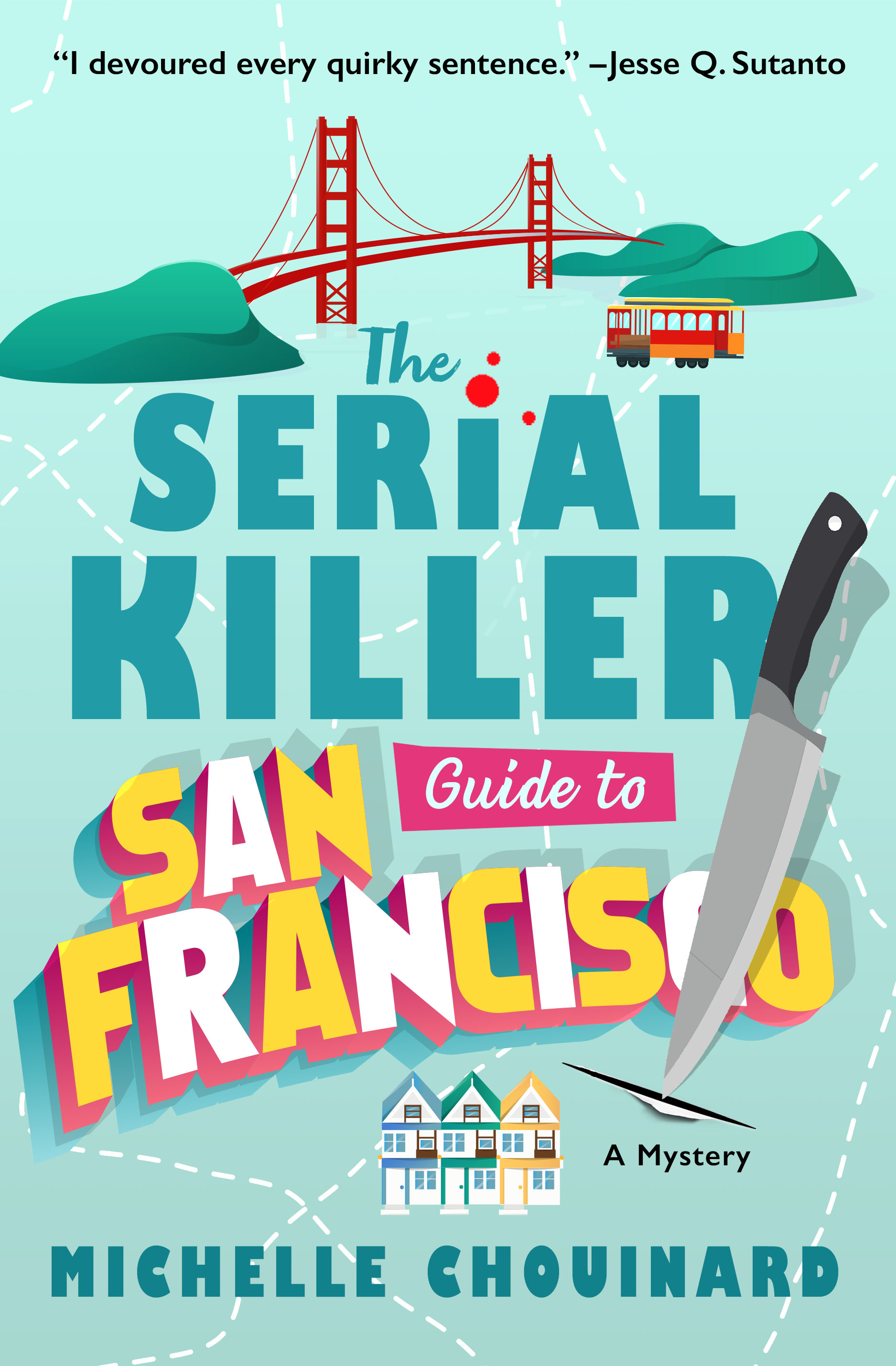
And with that, I was off to the races, and I’ve never looked back. Writing Capri has been one of the deepest, most interesting journeys I’ve taken with any of my characters, and I quickly fell in love with her. She’s flawed, she has self-doubts, and nobody would call her choices safe—but she’s passionate about the people she loves and about getting justice for victims who can’t get justice for themselves.
And, in the process, I get the perfect excuse to write up real stops on that awesome serial-killer tour of San Francisco that I promised myself in the vet parking lot that day.
A Tour to Die For:
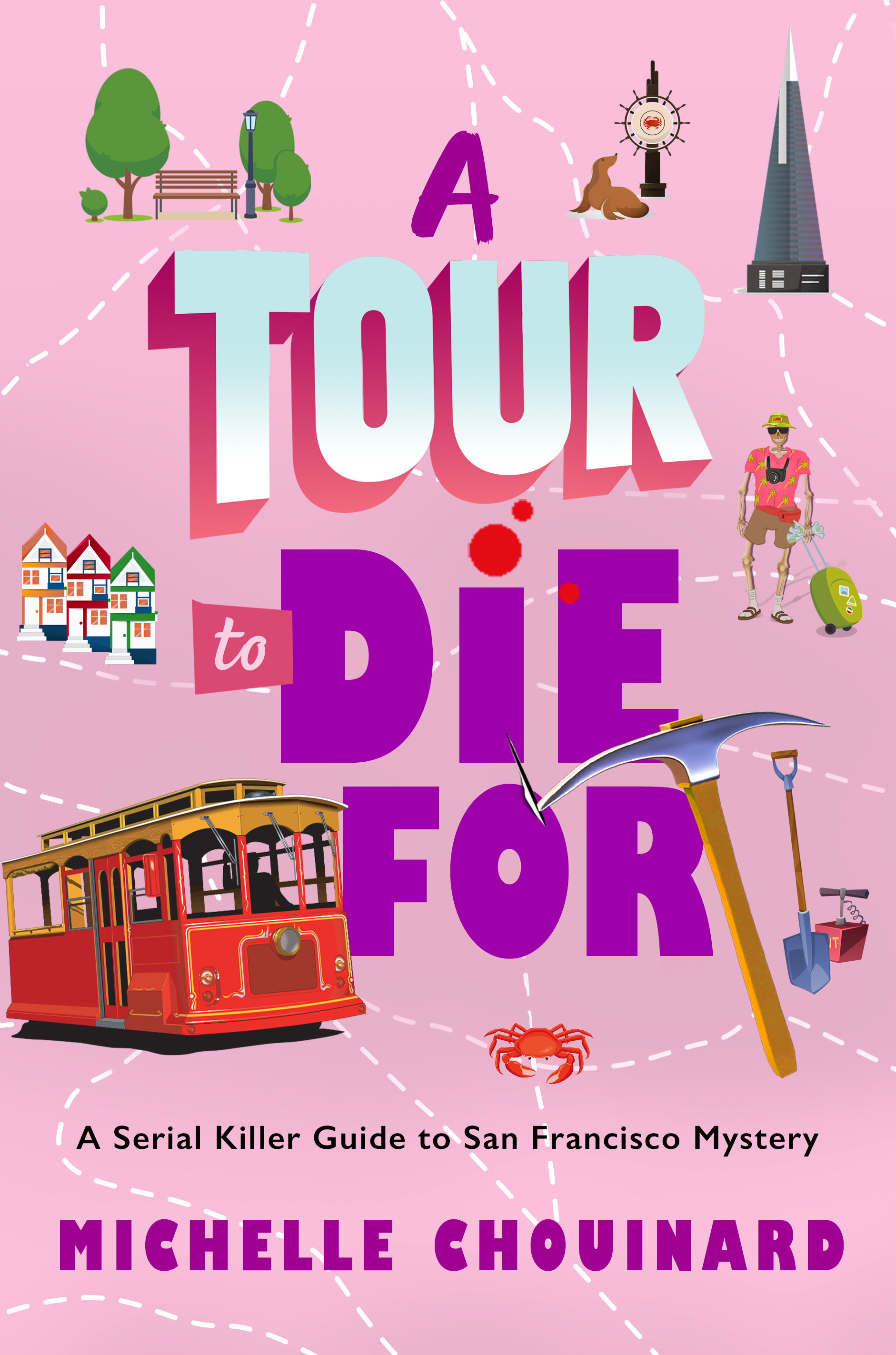
In Michelle Chouinard’s A Tour to Die For, Capri Sanzio is back, giving a true crime tour her guests won’t soon forget. After all, a tour guide who specializes in serial killers knows better than most that San Francisco is a city with killer charm.
Capri Sanzio knows that when you give serial killer walking tours for a living, unexpected situations are more common than San Francisco’s famous fog. So, when one of her guests claims to see a woman being attacked during a tour, Capri remains unphased. The police search the apartment in question and find no evidence of anything amiss, so they chalk it up to a false report from a true crime fanatic looking to be a part of a case. And Capri thinks they might be right, since lately her tours have been attracting even more obsessives than usual—as it turns out, finding the actual serial killer who committed the “Overkill Bill” murders didn’t stop the constant questions about her grandfather’s supposed crimes, it only intensified them.
But Capri would never forgive herself if someone is in trouble and she walks away. Plus, something about the whole situation has every one of Capri’s investigative journalist instincts going haywire—why would someone lie about seeing an attack? So Capri starts to dig, and when her questions lead to a body, she finds herself at the center of another murder investigation.
Buy link: https://read.macmillan.com/lp/a-tour-to-die-for-9781250910011/
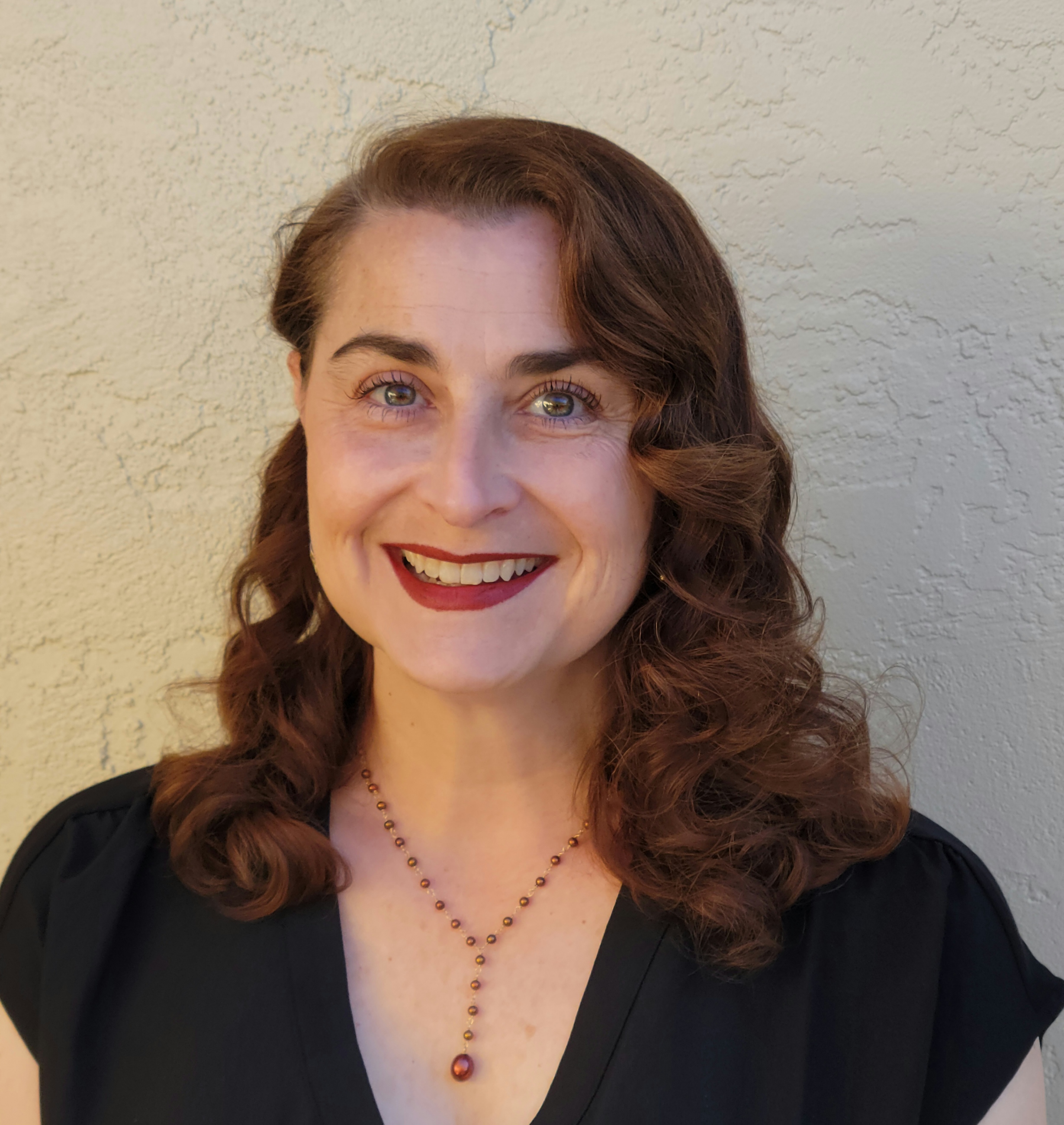
Michelle (M.M.) Chouinard is the Mary Higgins Clark Award nominated, USA Today, Publishers Weekly, and San Francisco Chronicle bestselling author of The Serial-Killer Guide to San Francisco series, the Detective Jo Fournier thriller series, and the standalone psychological thriller The Vacation. She has a Ph.D in developmental psychology from Stanford University and was one of the founding faculty members of U.C. Merced. She enjoys caffeine in all forms, amateur genealogy, crafting, baking, and Halloween. She’s owned by three cats and a dog, and is held together by caffeine and dry shampoo.
Website: http://www.mmchouinard.com
Facebook: https://www.facebook.com/mmchouinardauthor/
Twitter: https://twitter.com/m_m_chouinard
Instagram: https://www.instagram.com/mmchouinard/

 Ladies of Mystery