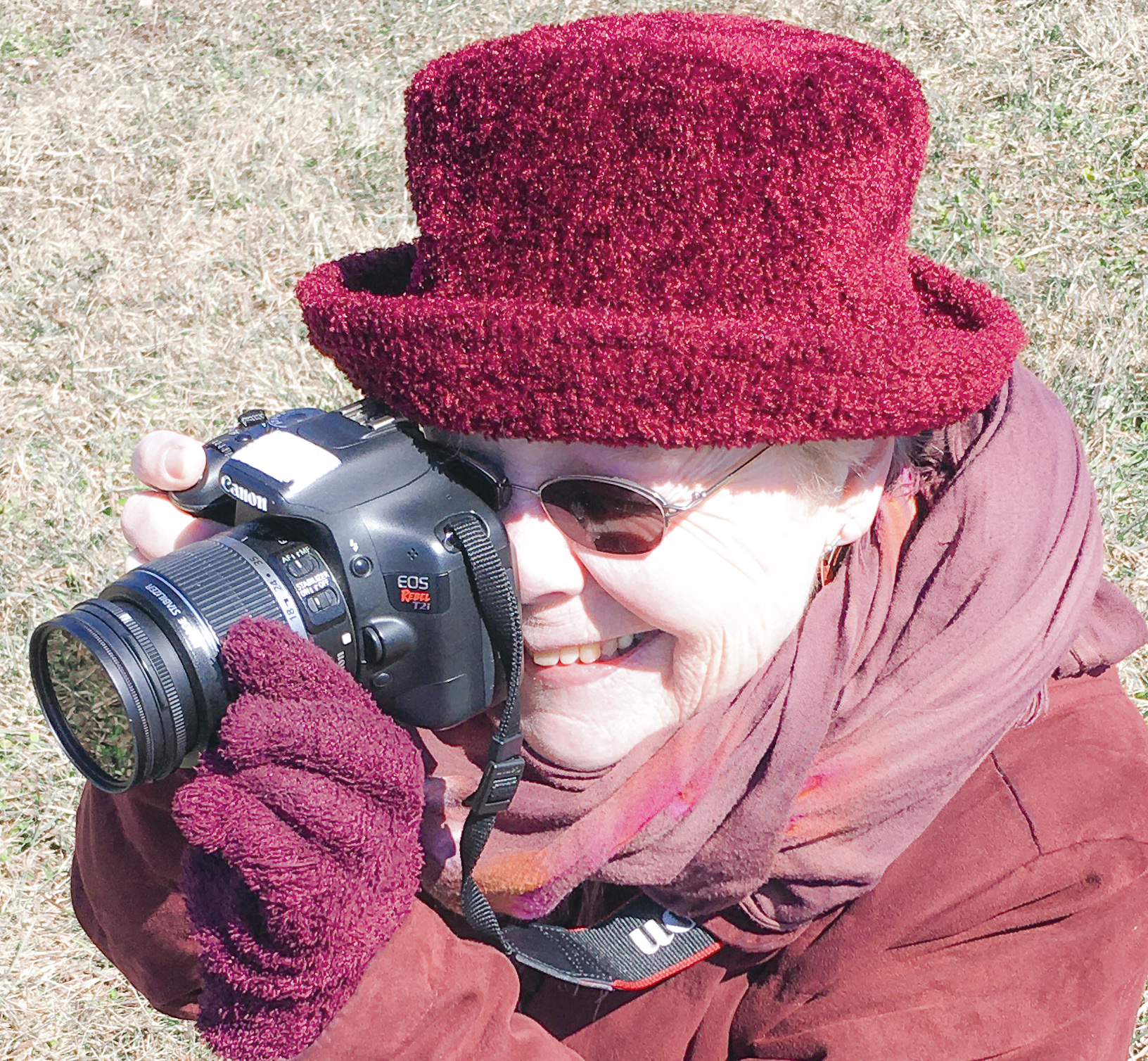
Guest Blogger ~ Millicent Eidson

Three years since my initial guest blog in 2022 (https://ladiesofmystery.com/?s=eidson), my microbial mystery world has expanded to multiple disease threats worldwide. It’s a good time to catch everyone up.

For decades, I was immersed in zoonotic diseases transmitted from animals. Scientists estimate that three-quarters of new or emerging infections are zoonoses.

As a veterinarian working in public health, I dropped smelly baits from a helicopter over the Adirondacks to vaccinate raccoons against rabies. I tracked down people with explosive diarrhea from a scenic New Mexico train ride. I coordinated reporting and collection of dead birds when West Nile virus showed up in the western hemisphere.

Serious illnesses and deaths are tragic but stamping out disease outbreaks is exciting. Each cluster of ill people is a mystery for a disease detective. Everyone knows about Rizzoli and Isles from the wonderful Tess Gerritsen thrillers. But veterinarians exposed to deadly hantavirus when collecting infected mice are less familiar medical heroes.

When I retired from fulltime work as a veterinary epidemiologist at the Centers for Disease Control and Prevention and two state health departments, I continued part-time teaching about zoonoses to graduate students. It’s rewarding to open up the eyes of new public health practitioners to the fascinating world of zoonoses. But I wondered if I could do the same for the general public.

Our daughter is adopted from China like thousands of orphans with the one-child policy. In my fiction, I wanted to explore how it might feel for someone whose Asian role models are replaced by Anglo, Hispanic, and Native American cultures embedded in a rich landscape.

And many of us struggle with mental and physical health challenges from birth, injury, or illness. Can someone wrestling with that history contribute fully to our demanding, fast-paced world?

So Maya Maguire was born, inspired by my daughter’s heritage and my own with mostly Irish ancestors. Like me, Maya Maguire starts her public health career after completing years of work toward veterinary and master’s degrees. Unlike me, she’s a bit of a genius and completes all her training young, adding further stress when expected to perform at the level of other more mature CDC trainees.

The initial three novels primarily immerse us in Maya’s world, other than diary excerpts from a mysterious young boy facing his own roadblocks near the Arizona/Utah border. In “Anthracis,” Maya is in her first year of training as a CDC Epidemic Intelligence Service officer stationed in New Mexico. Along with veterinary and physician colleagues, she battles perplexing new means of anthrax infection in the Southwest.

Her second year of EIS training still finds Maya in the Southwest, tackling tick-borne Borrelia infections across Arizona and New Mexico. Then she joins a colleague based in Norway on outbreaks in multiple European countries and north Africa. Personal relationships are impossible to balance with her work obligations.

In “Corona,” Maya experiences the COVID-19 outbreak along with all of us, first in Arizona, then in Denmark with infected mink, and finally in her home country of China to find its origin in bats. Like many, she won’t escape the pandemic fully unscathed.

Mosquitoes bring “Dengue” from Puerto Rico to New York City, then New Mexico and Hawai‘i. This novel expands the MayaVerse by alternating point-of-view chapters between Maya and her public health veterinarian mentor, Faye Simpson. Faye’s a kick-ass character in her late sixties, transplanted from a childhood on a Colorado ranch to a career with the New York City health department.

“Ebola,” available this summer, broadens even more with the perspectives of multiple male characters confronting the virus in West Africa, New York City, and New Mexico. Maya’s finishing a final training year with the CDC and Faye is retired from fulltime public health work but still enmeshed in Ebola crises.

These brief summaries only touch on the lively characters in the stories. Fred Grinwold and Nancy Bingham are Maya’s physician supervisors in New Mexico and Arizona. Their early romance and outbreak puzzles are available along with other Faye Simpson stories in “Microbial Mysteries,” my short story collection.

Sci fi thrillers are entertaining but sometimes based on pure imagination. For a peek into the exciting real world of zoonotic disease control through the perspective of colorful and compelling characters, join me in the MayaVerse!

Dengue: A Microbial Mystery

Is dengue the next pandemic? Two veterinary medical detectives, decades apart in age and experience, battle the tropical disease on the mainland, then in Hawai‘i. Even in paradise, people can’t escape blood-thirsty mosquitoes spurred on by a warming climate. Join these resilient women as they push through personal challenges to discover the scientific truth and stop the relentless death toll.

From reviews:

Maya Maguire is a deeply complex character, with a backstory that contains both heartache and joy. I have thoroughly enjoyed getting to know her … As for the medical terminology in the book … You’re in capable hands. Dr. Eidson uses real-life medical words and situations in the book, but they’re always put into a context that allows the reader to understand exactly what’s going on. (As an aside, the research that must have gone into this book is mind-blowing.)

Buy Links: https://books2read.com/millicenteidson/  or  Dengue: A Microbial Mystery (MayaVerse): Eidson, Millicent: 9781955481168: Amazon.com: Books
Millicent Eidson, a master of intrigue and suspense, weaves her literary magic through the pages of the Maya Maguire microbial mystery series. With a keen eye for detail and a passion for scientific puzzles, she invites readers into a world where microbes hold secrets more treacherous than any criminal. Millicent’s career as a public health veterinarian and epidemiologist began at the Centers for Disease Control and Prevention. After days filled with pathogens and outbreaks, the nights belonged to whispered tales of microbes dancing in her imagination. Upon retirement, her passion for storytelling blossomed into the MayaVerse, https://drmayamaguire.com/.

She can be found at Facebook, Millicent Eidson, | LinkedIn, Millicent Eidson (@EidsonMillicent) / Twitter, and Millie Eidson (@drmayamaguire) • Instagram photos and videos
Following Through

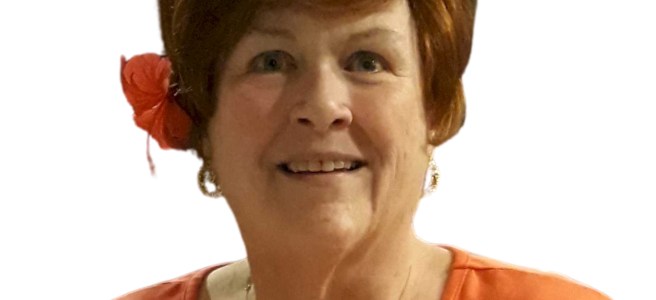
by Janis Patterson

There is not much about writing in this post. Actually, not much about anything. Remember last month when I posted about the necessity and occasional dangers of researching? Well, I put my money (and lots of it this time!) where my mouth is.

As you read this I am – if our somewhat fluid itinerary is accurate – bouncing along in a jeep somewhere in the desert between St. Catherine’s Monastery in Sinai and Petra in Jordan. Am I researching a new book? Probably, though that was not the intent of the trip. However, I can do research on a book with a trip to the grocery store, so that’s not surprising.

No, my husband and I have decided to spend as much time as we can traveling – while we can afford it and are still physically able. I know it’s a luxury, but we’ve both worked hard all our lives and it’s something we want. And we don’t want to miss a chance to fulfill our dreams just because we got lazy.

We started a few days early in Cairo, to visit both a few of our favorite spots and to see old friends, then joined the small group of pilgrims to go on to the Dead Sea. I’ve been there before, and it is still as much of a moonscape as I remember. Then to the fabled St. Catherine’s… ah, but I’m telling too much. Next month I’ll talk a little about my trip and show a few pix. There will be more of both on my website, though, if you want to see more!

And – just a bit of writing news. I’m part of a new anthology called July 4th Murders – where every story takes place on July 4th, but each in a different time period. It’s a fascinating concept and one of which I am proud to be a part. I’ll let you know the exact date it goes up for pre-order.

After we get back from Petra, though. That’s been on my bucket list for years, and I intend to enjoy every second of it!

What to Pack for a Mystery Convention

By Margaret Lucke

As I write this, I’m getting ready to travel to Denver for Left Coast Crime, affectionately known as LCC—a wonderful annual convention for readers and writers of mysteries and thrillers and a highlight of my calendar each year.

I enjoy conventions and conferences and I’ve been to quite a few, starting with a Bouchercon, the World Mystery Convention, in San Francisco long ago. I was one a few dozen mystery writers and fans who gathered to celebrate our favorite genre at the very first Left Coast Crime in 1991. I’ve attended Malice Domestic several times, as well as conventions that focus on other genres–romance, horror, science fiction and fantasy. I celebrated a significant birthday at a conference in Los Angeles organized around the 100th anniversary of the publication of Bram Stoker’s Dracula.

If you’ve just signed up for your first LCC or another conference and are wondering what to bring with you, let my experience be your guide. Here are a few tips and pointers about what put in your suitcase.

Clothes (of course). I go for business casual but lots of people opt for casual-casual, which is fine too. Just remember to think layers, and bring a sweater or indoor-type jacket along. Conference events take place in hotel meeting rooms, and according to law meeting-room thermostats must be set for the wrong temperature. If you’re dressed for warm weather, the room will be freezing, with a drafty wind aimed at your chair. If you dress in expectation of a chill, the room will be hot and stuffy. Whatever the temperature in the room you go to for a 10 am panel, you can count on the room with the 11 am panel being twenty degrees hotter or colder.

Highlighter. The bigger the convention, the more activities there are to keep track of. That means you’re almost certain to be in the wrong place at the wrong time. You’ll receive a handy pocket program to carry around, but the type will be too small to read without squinting. Marking your must-see panels and events in bright yellow (or a color of your choice) can help you tell at a glance where you want to be at 2 pm.

Cell phone. You and your friend from the other side of the country will both be at the same conference. You email her to say, “Let’s get together for lunch on one of those days,” and she agrees. When you get to the conference hotel, can you find each other amongst the hundreds of people? Maybe, but maybe not, which is why you’re glad to be carrying your phone, programmed with the numbers of everyone you might want to contact while your at the conference. And be sure to bring a charger! Don’t forget, though, to turn off your phone while you’re in the audience for a panel or program.

Business cards, bookmarks, postcards, swag. Whether you’re a reader, writer, or other, you’ll meet people you’ll want to keep in touch with, so business cards are great to have. If you’re an author, you’ll want items to hand a fan to alert her to your latest book. In the past I’ve brought home recipes, pens, coasters, notepads, those things you use to twist of jar lids, and more. In Denver, look for the word search puzzles I’ll be leaving on the giveaway tables, along with my pamphlet called “10 Clues to Writing Great Fiction.”

Extra space in your luggage. You’ll need room in your suitcase to tuck in all of those pens and coasters, not to mention the books you’re going to acquire. You will need to accommodate the books in the bag you receive at registration, the books you buy in the dealers room, the books you grab off the swap table …

Energy and stamina.  Conferences are fun. They’re busy. They’re demanding. They’re exhausting. Be sure to bring along an abundance of energy and stamina, or whatever will help you achieve those thing—extra vitamins, your walking shoes so you can leave the hotel and get some fresh air and exercise, earplugs so you can enjoy a good night’s sleep despite your roommate’s snores.

Smiles. You’ll want to have plenty of these on hand so you can hand them out freely. Fortunately, you’ll be able to replenish your supply with all of the smiles that people will give to you.

I hope to see you next week in Denver! If you’ll be at LCC, be sure to seek me out and say hello. A couple of opportunities to find me easily are the panels I’ll appear on: “Art & Crime” on Friday at 9 am, and “The Craft of Writing,” which I’ll be moderating, on Saturday at 2:45 pm.

The Creative Juices Of A Writer by Heather Haven

And why I sometimes need basting.

I am always impressed by the creative gifts of many of my fellow authors. Not only are they good writers, but their talents often extend to book covers, ad campaigns, blurbs, banners, and more. And let me add, whatever they touch turns out pretty danged good.

As for me, I’ve spent time and energy doing a lot of my own book covers. Here I let out a deep sigh because the American academic grading system would probably only give my efforts a C+. And I throw myself the extra + because this is my post. It is not something that comes naturally to me. Regardless, I love doing the Persephone Cole covers and some of my other books. But not without tons of feedback from trusted pals. For the record, I am never allowed to touch the Alvarez Family covers. The Powers That Be have mandated.

This brings me back to my fellow mystery writers and why I love ’em. As we go through this crazy journey of being a wordsmith, we regularly ask each other for advice or to look at a WIP with a fresh eye. No one has to say please be candid without being cruel. The last part is a given for my pals. They haven’t got a mean bone in their body. And as we’ve all been taught in our writing classes, “Sweetie, I love your hair, but …”

Last month Janet Dawson, one of our very own, had a new banner for her post on Ladies of Mystery and I was smitten with it (see below). I had to have one, too. Actually, I wanted hers but plagiarism is still nasty-naughty, even though AI does it with aplomb and their masters think it’s not only okay but the wave of the future. Really? Have a REAL plum, honey.

Moving on. After hours of going round-robin, I sent Janet the first version of my banner for feedback. It wasn’t working. As usual, she came up with helpful suggestions. Janet said, in a very supportive way, it was a little busy and dark. Keep the work simpler and lighter, she advised. She even offered to help me do it. I was touched and relieved. Yayyy! A partner. But at 12:45 am, I woke up with another thought: Why not take the cartoon image I’ve been using and add to it? In other words, build on what I’ve got. So I did. Ta-da! My masterpiece, such as it is (see the orange thing at top of page).

I probably would have never arrived at going simpler or using white lettering on a darker background without Janet’s help. That’s why I love round-table endeavors. I love brainstorming. I love it when people put the work first and not their egos. And I try to do the same. Learning by osmosis, don’tchaknow. So, I want to thank all my fellow writers who have offered friendship, support, and words of wisdom.

But I am not surprised. Because that’s what mystery writers do with aplomb.

Hooray For The Sanborn Maps!

Let us now give thanks for the Sanborn maps, a valuable tool for writers.

You’ve never heard of them? I hadn’t either, until I started working at the University of California Berkeley. I was a staffer in a research unit affiliated with the College of Environmental Design, which is where I first heard the term the built environment.

According to Science Direct:

The term built environment refers to the human-made surroundings that provide the setting for human activity, ranging in scale from buildings and parks or green space to neighborhoods and cities that can often include their supporting infrastructure, such as water supply or energy networks.

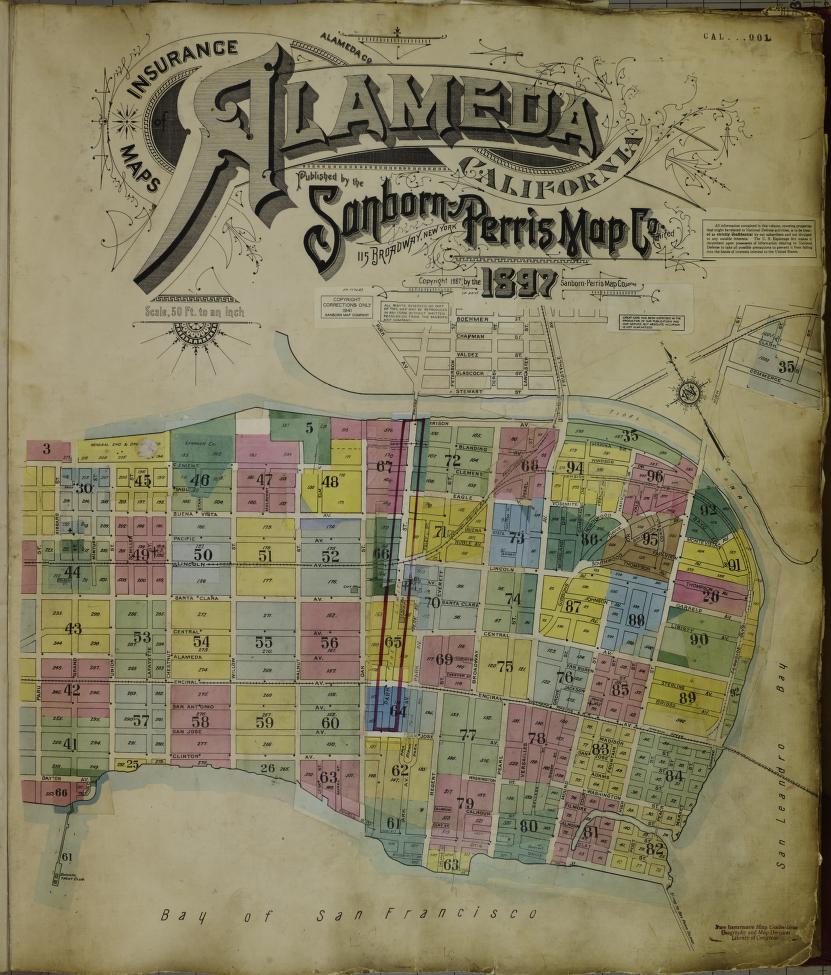
The Sanborn maps show a detailed view of the built environment. Great for writers, because if we’re writing about a particular location, it helps to know what building was on which corner. Fortunately, many of the Sanborn maps have been digitized. Which is great since the bound volumes are quite large and bulky—and not readily available.

Now for some background. The Sanborn Map Company created and published detailed maps of US cities and towns in the 19th and 20th centuries. The earliest published map shows Boston in 1969. The maps were large-scale, lithographed street plans, published in volumes, bound, and updated.

They were created so that fire insurance companies could assess their liability in urbanized areas, utilizing detailed information about properties and individual buildings in approximately 12,000 cities and towns.

The Sanborn maps contain an enormous amount of information. Once you get past the title page and various indexes, the maps themselves show the outlines of each building and outbuilding; the location of windows and doors; street names; street and sidewalk widths; property boundaries; fire walls; natural features such as rivers; railroad corridors; building use (sometimes even particular room uses); house and block number; as well as the composition of building materials including the framing, flooring, and roofing materials; the strength of the local fire department; indications of sprinkler systems; locations of fire hydrants; location of water and gas mains; and even the names of most public buildings, churches and businesses. Even brothels, outhouses and stables! A treasure trove!

You can access the maps through the Library of Congress, though I’m not sure they have the complete collection. What they do have is voluminous. Here’s a link:

https://www.loc.gov/collections/sanborn-maps/about-this-collection/

While writing Death Above the Line, the latest Jill McLeod novel, set in Niles, California in 1953, I consulted a Sanborn map for that small township in Alameda County. I learned that what is now called Niles Boulevard was called Front Street back then. There was a hotel on a corner opposite the train station, which served the purposes of my plot. I also found a large vacant lot farther down the street where I could locate my fictional warehouse-turned-movie-studio.

For my work-in-progress, which takes place in New Mexico territory in the late 1870s and early 1880s, the maps are invaluable. Even now, I’m looking at a digital map of Santa Fe in 1883 that points out the location of the post office, on a corner east of the Plaza, next door to a jewelry shop, an insurance office, and a barber shop—and there was a gambling hall behind that. On another downtown street, I find a bookstore sandwiched between a bank and another building labeled “Gambling Mdse.” I’m intrigued by that one.

Once I figured out that the legend “Dwg.” means dwelling, that gave me an idea of where people lived. Especially useful since my protagonist is renting a room in someone’s home. Now I know where to put that fictional house.

I love looking at maps and I could certainly spend hours with the Sanborn maps. Try them—you’ll get hooked!