

Mystery Stories and Mystery Schools
What comes to mind when you hear the word “occult”? Evil cults that worship the devil? Weird rituals where animals are sacrificed? Wizards with nefarious aims wielding power behind the scenes? If so, you probably got those impressions from Hollywood or from fear-based religious groups. Let’s pull back the dark curtain that shrouds the occult arts to discover how supernatural elements can contribute to a mystery novel’s plot.
What Does “Occult” Mean?
First of all, the word “occult” simply means hidden, as in hidden knowledge. For centuries, people who practiced the occult arts had to hide what they knew and practiced in order to avoid imprisonment, torture, and murder at the hands of misguided authorities. They formed secret societies sometimes known as Mystery Schools, passed down wisdom through symbols and oral tradition, and wrote in secret code.
Yet occult ideas and practices––witchcraft, divination, spellcasting, incantations, and magic potions––continue to fascinate us to this day. Perhaps the most famous scene in literature comes from Shakespeare’s MacBeth where three witches stir a mysterious brew while they prophesy “toil and trouble” for the Scottish king. The Bard’s plays MacBeth and Hamlet also feature ghosts, and A Midsummer Night’s Dream involves faery spells and shapeshifting. More recently, J.K. Rowling’s popular Harry Potter stories have captured the imaginations of millions of young people worldwide and introduced them to some of the tenets of magic work––and its possibilities.
Using the Occult in Plotting a Story
Occult practices involve working with forces beyond the mundane, tapping into reservoirs of hidden power, and sometimes interacting with supernatural beings. Therefore, they let writers and readers step outside the ordinary limitations of a storyline. Ghosts and spirits can also expand readers’ knowledge into realms beyond the physical. In Alice Sebold’s The Lovely Bones, for example, a murdered girl shares a perspective of the crime from her vantage point on the other side.
Oracles such as the tarot, astrology, or runes can give veiled glimpses into the future. Is someone destined to die when the Death card turns up in a tarot reading? In my mystery novels What the Walls Know and The Goddess of Shipwrecked Sailors, a tarot card reader sees trouble lurking ahead for the protagonist Lizzie Crane, which adds to the stories’ suspense.
Authors can incorporate metaphysical ideas into their novels in various ways. For example:
- Is a character a seasoned witch or wizard, or a novice dabbling with forces she doesn’t understand, like the Sorcerer’s Apprentice?
- Does a character pursue a metaphysical path that leads him to a discovery or danger? How does he grow from this experience?
- If this is a historical novel, what local customs, religious beliefs, and laws affected occultists at that time? Are historical events, such as the Salem Witch Trials of the early 1690s, worthwhile additions to the book?
- Do nonphysical entities influence a character’s decisions, aid her in solving a problem, or guide her into a realm beyond the physical one?
- Does a character conjure a spell that works––or goes wrong––and takes the story in an intriguing direction?
Oh, and by the way, writing is a powerful form of magic. When casting a spell, you envision an outcome you want to create. Then you infuse it with color, action, emotion, intention, and passion. You experience it as if you’re living it right now. In your mind’s eye, you see the result as if it already exists––and you’re the Creator who makes it happen. Sounds like writing a novel, doesn’t it?
The Goddess of Shipwrecked Sailors
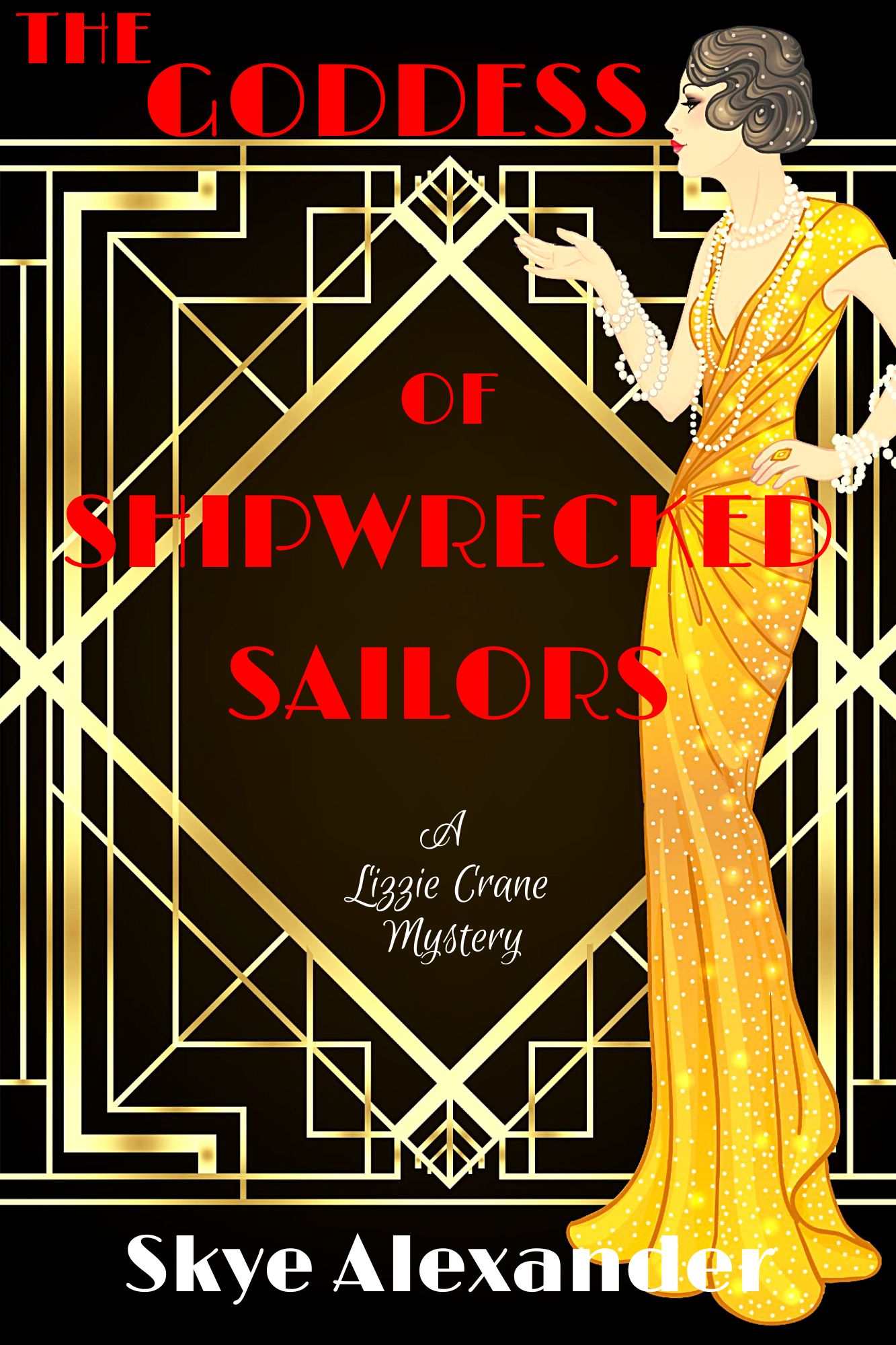
Salem, Massachusetts, Christmas 1925: When the heir to a shipping fortune hires New York jazz singer Lizzie Crane and her band to perform during the Christmas holidays, she has high hopes that the prestigious event will bring them riches and recognition. But the evening the musicians arrive, police discover a body near a tavern owned by Lizzie’s cousin––a cousin she didn’t even know she had. Soon Lizzie becomes a pawn in a deadly game between her cousin and her employer over a mysterious lady with a dangerous past.
Buy links
Amazon: https://www.amazon.com/Goddess-Shipwrecked-Sailors-Lizzie-Mystery/dp/1685124348
Barnes & Noble: https://www.barnesandnoble.com/w/the-goddess-of-shipwrecked-sailors-skye-alexander/1144045510?ean=9781685124342
Author Bio:
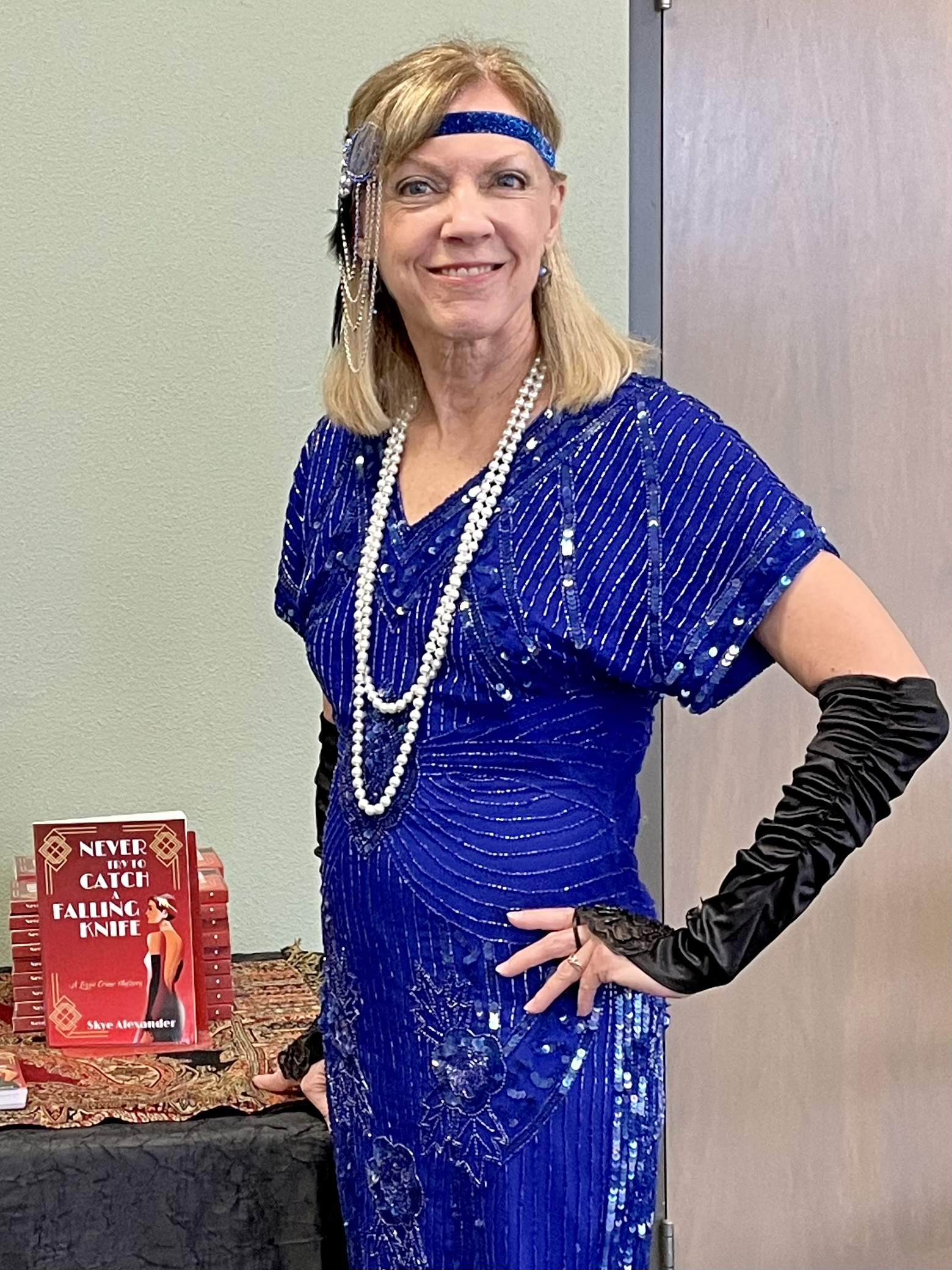
Skye Alexander’s historical mystery novels What the Walls Know and The Goddess of Shipwrecked Sailors, the second and third books in her Lizzie Crane mystery series, use tarot cards and other occult ideas to provide clues. Skye is also a recognized authority in the field of metaphysics and the author of fifteen bestselling nonfiction books on the occult arts including The Modern Guide to Witchcraft, The Modern Witchcraft Book of Tarot, and Magickal Astrology.
Facebook link
https://www.facebook.com/skye.alexander.92
Goodreads link
https://www.goodreads.com/book/show/198671880-the-goddess-of-shipwrecked-sailors
Video trailer
https://drive.google.com/file/d/1IjHJjQYpVe35nvBkMD4sMn-o2zt0skA2/view (if you can’t access it here, it’s also on the first page of my website and on YouTube at https://www.youtube.com/watch?v=kgCT41caKrs

 Ladies of Mystery
I love this series, and this post was an excellent overview of the occult and what it can bring to crime fiction.
LikeLiked by 1 person
High praise coming from Susan Oleksiw. I will have to look into this series more closely.
LikeLike
Excellent post, Skye. I never thought about the occult before, other than people practicing witchcraft. You’ve given it a whole new light for me. And I love the comparison to writing a novel. Thanks for sharing.
LikeLike