The Experiment – Continued

by Janis Patterson

If sales of my books go any lower, it looks like I’m going to have to start paying people not to read my books. Yes, that’s an exaggeration (I hope!) but it’s also in danger of becoming quite true. And I will admit it hurts to see my books languish at the bottom of the charts, especially since some of them have been on bestseller lists (international, not US – go figure that!) and some have won prizes while others, both appalling rubbish as well as tomes much more literary than mine, sell like the proverbial hotcakes.

Late last year I bewailed my position and decided to start an experiment. I was going KU. Now as a fiscal conservative, I abominate the idea of anything that reeks of potential monopoly, but I also dislike the idea of not making any money for all the work I have done on my books. I have always had all my books – those which I control – wide, meaning they were available just about everywhere ebooks books can be bought. Sales have been so bad they would have to work a week to inch their way up to pathetic.

So, since most of what sales I did have were coming from Amazon and none from two of the other major outlets, I decided to start an experiment. I pulled three test books from wide distribution and put them into KU, which means exclusive with Amazon.

The results were good – for my wallet – but disheartening from a free market point of view. Sales inched up a tiny bit, but what astounded me was the page reads. No, I’m not going to give exact numbers, mainly because they are no one’s business but mine and would be considered embarrassingly low for most other writers, but they were a very large jump for me, and have increased almost daily from the beginning of the experiment. Yes, the money for KU page reads is distressingly low, but even a low return is better than no return.

However, only part of me believes that. By being in KU am I contributing to the stifling (and perhaps eventual extinction) of the free market by encouraging a possible monopoly? Part of me thinks so but part of me wants to be compensated for the time and money I spend to make my books available to the public.

By being in KU am I keeping my books away from those who shop on platforms other than Amazon? Yes, but they weren’t buying from me anyway, so what difference does it make, except that with KU at least I have the potential of earning due recompense for my labors.

I know I’m talking a lot about money – I’m not really greedy, but workmen are worthy of their hire; my books have made international best seller lists and won prizes. They – and I – deserve better treatment and recognition, and if being in KU does that I will respond.

It has taken a long time and a lot of thought to come to this point, but with my usual decisiveness I have chosen to keep feet in both camps. Those books which have performed well wide – for example, CURSE OF THE EXILE and A KILLING AT EL KAB – will stay wide. New books – released this year, such as A WELL-MANNERED MURDER and ROMANCE AT SPANISH ROCK – have been put directly into KU.  The other five books I have ready for release, plus any others I will finish in the foreseeable future, will be decided on a case-by-case basis… that, or the phase of the moon and my mood at the moment.

https://ladiesofmystery.com/2021/02/10/the-experiment—continued/(opens in a new tab)

It is true that the customer drives the market, and the vendor/writer has to follow the trends. Right now the trend is to KU, and if this trend continues, I will eventually move everything to KU. If the ebook industry does become a monopoly, all will change – and probably not for the better – but the reader has no one but himself to blame.
Ending a Series is Hard by Paty Jager

After waiting years to finally feel as if I were a good enough writer to write the genre I loved, it’s hard to fathom I have the last book of my Shandra Higheagle series releasing this month.

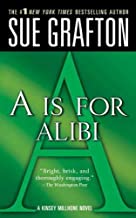
Years ago, we’re talking in the early 90s I wanted to write mystery books. I read them voraciously and after reading the first three in Sue Grafton’s Kinsey Millhone series, I wanted to write a mystery book. I had taken creative writing classes at the local community college and was ready to try my hand at mystery. Especially after someone I thought was a close friend told her husband she was having an affair with my husband to keep her husband from learning who was her real lover.

I knew I could write a really good murder mystery because I was killing that person in my story. I wrote the book. In first person, just like Ms. Grafton did. When I sent it to an agent, the reply was: First person mysteries don’t sell. I read the letter over and over wondering at the comment since I’d read many first person mysteries. While I waited to hear back on the first one, I killed off a replica of the same person in my second book with the same main character.

After receiving the letter from the agent, I transformed my first person account into third person and sent it off. Still a solid rejection. When I tried back then to get into a mystery writers group all of them insisted you had to be already published to become a member. Heart broken and feeling like mystery wasn’t my calling, I joined RWA- Romance Writers of American and put my writing skills into western romance always adding a bit of adventure or mystery into each book and showcasing injustices.

When I picked up the gauntlet to write an Indian Jones type book, I wrote my Isabella Mumphrey Action Adventure series. The success of those books and my brother telling me about a way to hide a murder weapon on a bronze statue started my brain spinning. I came up with an amateur sleuth who was in the art world.

Giving a nod to the fact I like to write Native American characters to help educate readers about their history and circumstances, I came up with Shandra Higheagle a potter. From book one, Double Duplicity, I loved my character and the secondary characters I sprinkled into her life. Through the series the reader learns more about Shandra’s past and sees her build a future with Detective Ryan Greer.

At book six my daughter’s asked when I would end the series. I told them when I was tired of writing them or my readers were tired of reading them. I didn’t want to be an author who had readers saying I should have ended the series three books ago. But as I wrote the previous book, Capricious Demise, and I had Shandra and Ryan adopt twins, I realized to keep readers liking my character, she would have to stop sleuthing and take care of the kids.

And that is how I came up with the last book of the series. Shandra’s grandmother comes to her in a dream showing her, Ryan and the twins at the Colville Powwow. During the course of the book, her grandmother stops coming to her dreams and Shandra realizes she can no longer put her life in danger. The twins lost two parents already. They didn’t need to lose another.

While it is sad to think I won’t be visiting Shandra, Sheba, Ryan, Crazy Lil, Ruthie, Maxwell, Ted, Naomi, Maranda, and Alex, I’m excited to carry on writing Gabriel Hawke novels and my new series Spotted Pony Casino Mysteries.

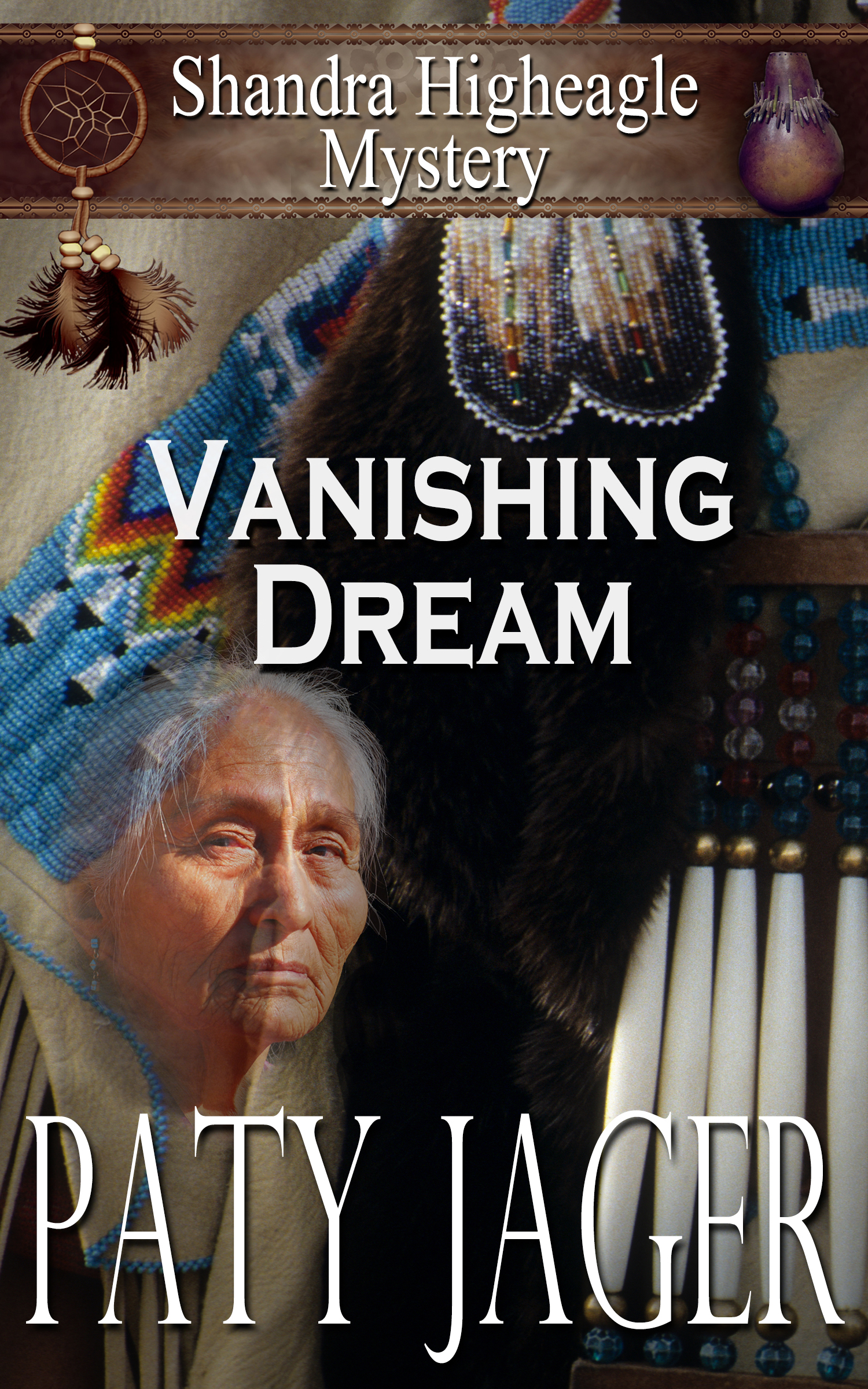
Vanishing Dream

Book 16 in the Shandra Higheagle Mystery series

Deception, Gluttony, Murder

Shandra Higheagle Greer’s deceased Nez Perce grandmother appears in her dream, dancing at a powwow. Since Grandmother only appears when there is a murder, Shandra believes, she, Ryan, and the twins should attend the yearly Powwow at the Colville Reservation.

While out for a walk the first night, Shandra sees someone lurking in the dark between the vendor tents. A vendor is discovered the next morning strangled with her own beads. 

When members of Shandra’s family are attacked, she finds it hard to stay out of the investigation. While Ryan is working with the Tribal Police, Shandra follows a suspect and is captured. No one knows her whereabouts. Calling upon her grandmother seems futile. The dreams are vanishing and so could her life.

universal book link to pre-order at most ebook vendors: https://books2read.com/u/4XLkvg

A Newsletter: To Have Or Have Not by Heather Haven

The decision to have a newsletter was not an easy one for me. I didn’t come to it naturally. At first, I resented spending the time and moola sending out something I wasn’t sure anyone was going to open, let alone read. My webmistress really pushed me to do it, saying any writer worth his or her salt had one. I like salt, so I relented.

Three years ago, she began to build one. And it was an immediate disaster. The first model used SSL, I believe. If I don’t have the right name for this, it’s because I’ve blocked it out. The bad taste of it stays with me. The newsletter, itself, wasn’t actually written by me, but used info pulled from blogs I was steadily writing at the time. It was supposed to be effortless, even going out to a designated email list at a pre-designated time.

It didn’t work. Sometimes it would go out but without any information attached. Just a banner with an image of me and Tugger the Cat would show up in their emails. Other times, it would go out containing bits and pieces of Gobbledygook, not one straight word. But most of the time, it didn’t go out at all. Meanwhile, I was paying for all of this through the schnozzola.

After three months of this nonsense, I started writing them in real time. Then I was in real trouble. I had no idea what to say. Just buy my books sounded a little too blatant. And for whatever reason, I couldn’t be amusing or witty in these newsletters I was writing to a bunch of strangers. Neither informative nor entertaining, the newsletters laid there like a lump. My readership dropped off significantly. It wasn’t unusual for me to lose five to ten people a month. I was desperate.

I was ready to abandon the whole idea of a newsletter and save myself 35 bucks a month in the deal. I happened to mention my decision to Julie Smith, who not only is my publicist, but a fantastic writer, herself. She was totally against the idea of not doing a newsletter, claiming this was the only way to reach out and truly get to know your readers. Hmmmm. You mean, a newsletter is something more than just buy my books?

I should also mention, in the meantime I had been reading other newsletters, from writers like Camille Minichino and Cindy Brown. These are authors whose work I not only admire, but who have newsletters I found myself reading from top to bottom. I discovered something amazing. They not only engaged the reader but wrote about stuff they were interested in. And it had an intimacy about it, like writing to a penpal.

Armed with the idea of getting to know my readers, I became more chatty in my newsletter and even asked questions. I started receiving emails back from them filled with tidbits about their own lives. I came to know many as more than names. I learned some of their stories. They became not just readers but friends. Not only did the email list stop declining, more names were added.

And they are all really neat people. I like them. I’m happy to write to them, to share something from my life, a joke, an anecdote, or even a book I recently discovered they might be interested in reading. Sometimes I mention my own books, but not often. I also found out, incidentally, most of them do buy my books, but not because I hawk them about it, but because my style fits into their reading pleasure.

This writing a newsletter is so win-win.

Revising the Landscape

Real places. For the most part, that’s where I set my novels. When I began writing the first Jeri Howard book, Kindred Crimes, I used Oakland, Alameda, and San Leandro as settings. I’ve lived in the Bay Area of California for decades, and at various times have called those cities home. In that book, Jeri travels to the town of Cibola in the Mother Lode, the old gold mining area along Highway 49. Cibola is fictional but it’s modeled on the towns I encountered there when I took a vacation in that area.

I also write about real places in the California Zephyr books, the places my protagonist Jill McLeod goes when she steps off the train. Alameda, of course, since Jill lives there with her parents. Also San Francisco and Oakland. In the most recent book, Death Above the Line, Jill is Niles, which was at that time (1953) a separate township soon to merge with four other townships to form the city of Fremont.

Downtown Niles

Writing about real places means I pay attention to the landscape as it exists and make every effort to portray it accurately. Although I will exercise the writer’s prerogative. That means if I want to put a café on that corner, I will.

I take field trips from time to time. Most recently, that involved going to the Niles District and walking around to check out what various fictional characters could see from real sidewalks and corners.

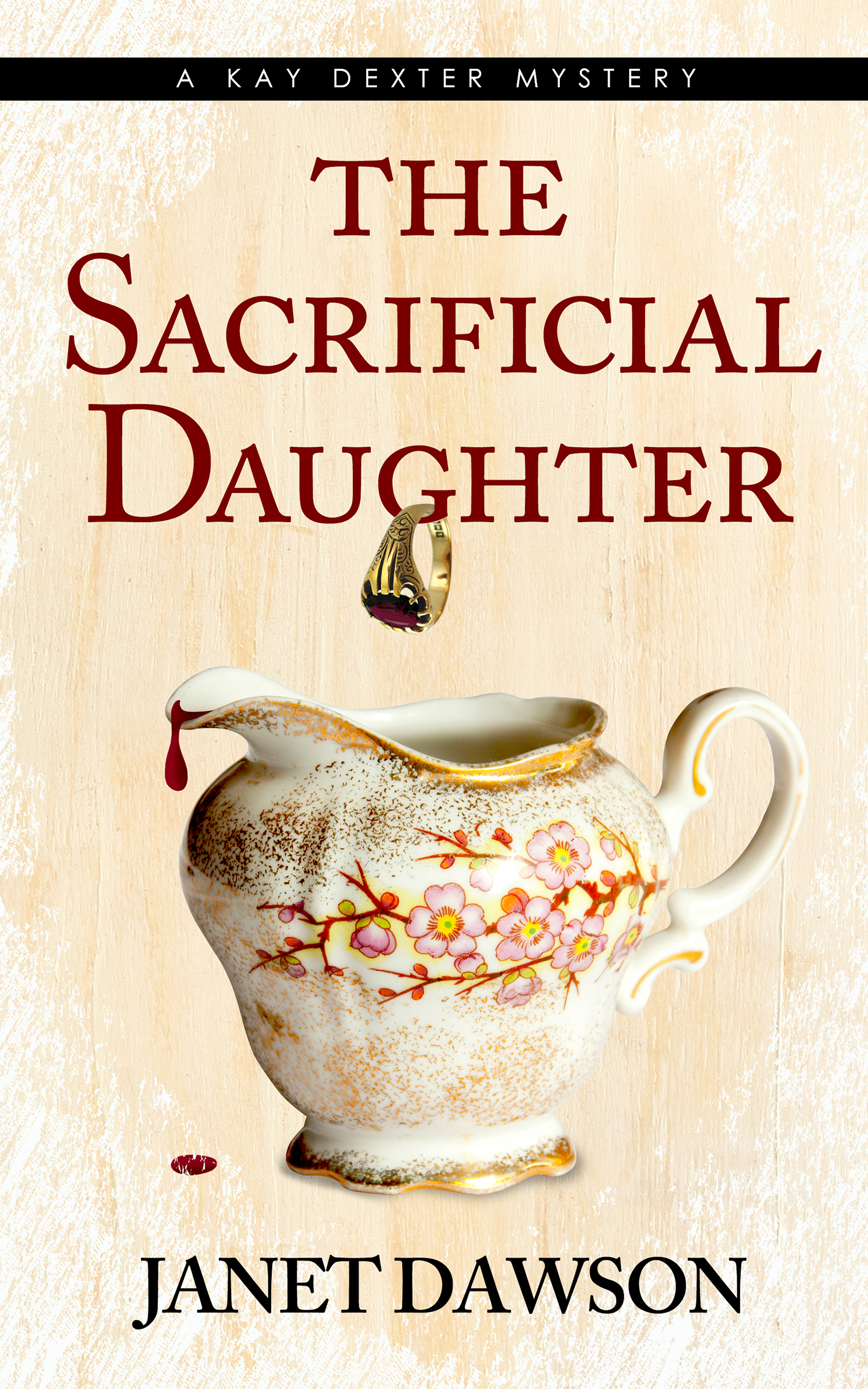
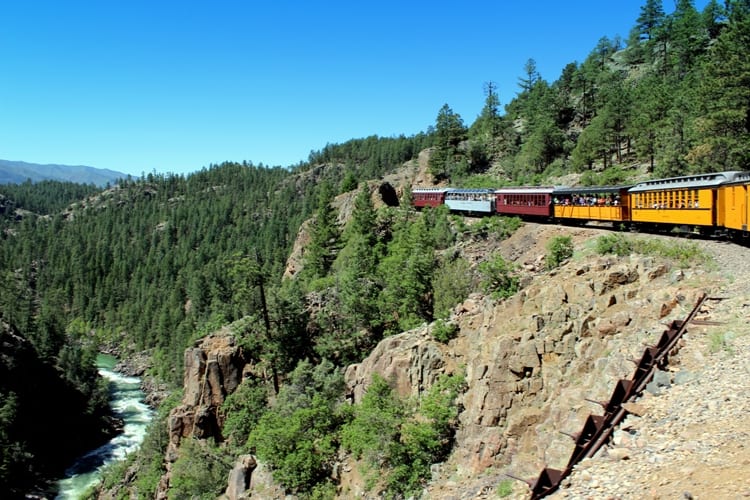
The Sacrificial Daughter will be published in mid-February. Protagonist Kay Dexter, a geriatric care manager, is an advocate for elderly clients and their families. The book is set in Rocoso, a city in a county also called Rocoso, located in the Northern Sierra Nevada. It’s the county seat and has a four-year college where Kay’s significant other, Sam, teaches history. There’s a historic narrow gauge railroad that goes up a scenic river canyon to an old mining town called Jermyn. The river itself is known for its Class Five rapids and is popular with rafting enthusiasts. At a midway point are the abandoned ruins of a resort hotel where people still go to soak in the hot springs along Lost Woman Creek.

None of these places exist, except in my imagination. And now, in the pages of my book.

To be sure, anyone who has ever been to Durango, in southwest Colorado, or who has ridden the Durango & Silverton Railroad will recognize their counterparts in Rocoso and the Rocoso & Jermyn Railroad. The landscape and hot springs at Princeton in the Colorado Rockies might strike a familiar chord. The river could be the American or Yuba in Northern California, the Animas or Arkansas in Colorado, or any rugged river where rafters challenge the rapids.

Train above Animas River

The advantage of creating a fictional setting is that I can arrange the streets to suit me, as well as the topography. And most important of all, the history and culture of the place. Kay’s office is located in the former stables behind Rocoso’s historical society and museum, a building that once housed a bordello. That derelict hot springs resort at Los Woman Creek plays a role in the plot. So does the river and the rapids.

That’s what writers do. We revise the landscape to suit our needs, whether it’s putting a nonexistent café on a corner in a real town, or making up a whole county full of towns and populating them with characters.