Name that title!

I’m editing my latest Hood River Valley Mystery, getting it ready to send out to my editors. I’ve been thinking a lot about titles. The title of this book came to me when I first started writing the book. It fits because the serial killer in the story talks about capturing Her Last Breath.

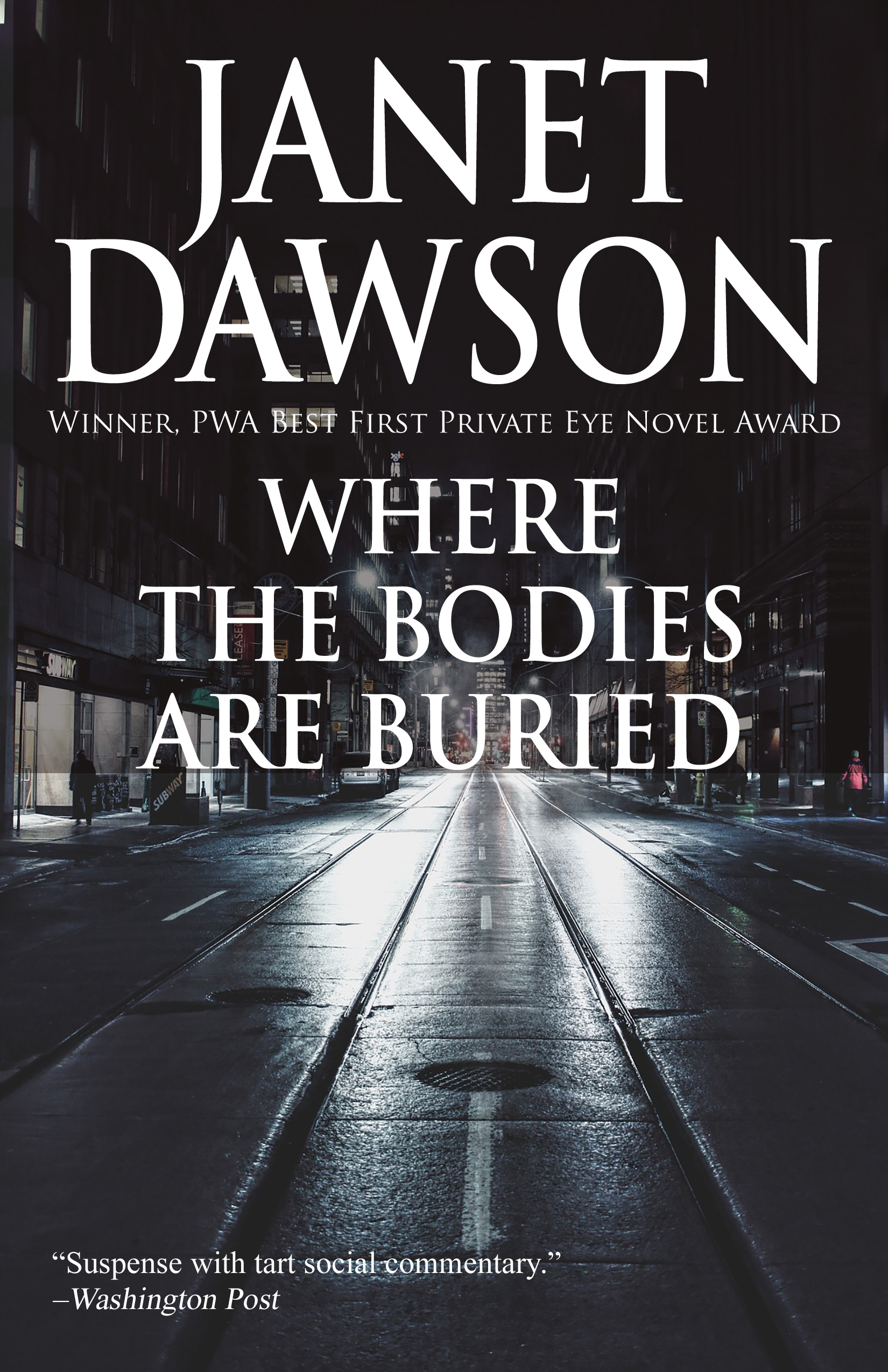
Sometimes the title is the first thing I know about a book when I start to write. Other times I struggle to come up with something that fits the story and is hopefully enticing to readers. I wanted the title for my last book to be, The Ice Princess. Not long after I finished writing that book, another writer used The Ice Princess for the title of their book. The books would’ve been published close together so I opted to change my title. I didn’t know what to use, so I had a contest on Facebook. I told my friends and followers the title I’d picked out, why I didn’t want to use it, and invited them to come up with a title for me. I offered a free signed copy of the new book when it came out. Several people offered ideas for titles, and I picked the one I liked best, and thought would work for my novel, Through Frozen Eyes.

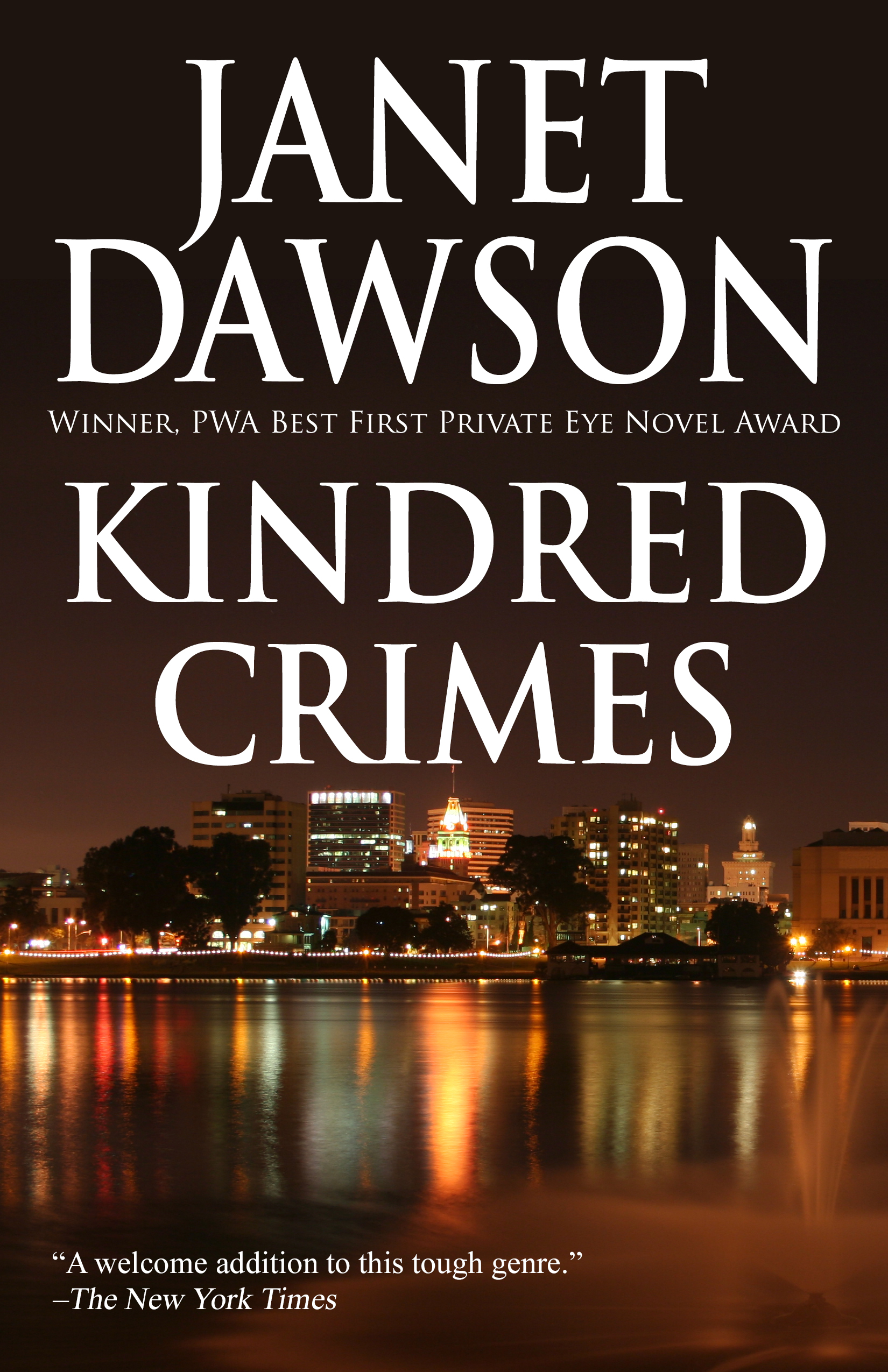
When I wrote the first novel in my Hood River Valley Series, I titled it My Sister’s Keeper. I didn’t realize there was a famous novel by Jodi Picoult by that title. I wish I’d known because several people have told me they read the book years ago and loved it. Then I have to admit that my book has only been out a couple of years and they’re probably referring to the book by Jodi Picoult. Luckily, titles aren’t copywrited!

I’m always interested in how other writers come up with their titles. They usually come easily for me, so when one doesn’t, I think it’s the end of the world!

I feel that picking out a title is sort of like naming your children. The name (or title) will stay with them the rest of their lives, so you’ve got to get it right. When I got pregnant with my first son, my husband wanted to name him, Curtis Hugo. I was horrified! I was young enough that I didn’t realize he wanted to name him after two members of his family who were important to him. I was afraid he’d get beaten up in school because Curtis Hugo sounded like a nerd. My husband didn’t push it, and we ended up naming him after one of his uncles and my cousin. Win, win for both of us. (And our son!)

I’ve recently heard that it’s good to have the same type of title for each book in a series. Who knew? I do have the same number of words for each title in the series. I’ll try to keep that in mind for the next one.

I’m learning as I go on this writing journey and loving it. I know I still have a lot to learn, and I plan to keep at it for the long haul.

What about you? If you are an author, do you have an easy time naming your books? Or do you struggle with titles like I sometimes do? Are you drawn to a book because of the title? I’m very visual, so I’m drawn more by the cover, but occasionally I see a title and think I have to read that book.

I’d love to hear your process. Leave a comment and let me know.

Pesky little thing called research.

When I learned about an event that is held every year in the area where I set my Gabriel Hawke novels, I decided I would write a book around that event. How hard could it be to have my character, who is a Fish and Wildlife State Trooper, become involved with finding a person or a killer during a sled dog race competition?

Well… Let me tell you, now that I’ve been digging into the logistics, the multitude of volunteers, the less than 60 hours for the total of the 200 mile race, and that doesn’t even count the weather conditions, I’m starting to wonder if this was a good idea.

Map of the race

I’ve had my first interview with a person who has volunteered for this event for 20 years. She gave me some good insight into logistics and more people I will need to interview. This book won’t be ready to write for at least two more weeks as I talk to the head of technology, mushers, the race marshal, and judge.

What had started out as a “fun idea” has now blossomed into much more of a project. I can’t even start my suspect chart or decide how someone would be murdered or missing without doing all the research. There are so many uncertainties that I can’t even begin to fathom what the motive would be.

This is so out of the norm for what I normally do when writing a book in this series. By the time I’m ready to start writing the book, I have mulled over every aspect of the death, did the bit of research I needed and am ready to roll.

Now I sit, watching one more video, reading one more blog, and waiting to interview people so I can start this book. The next book my fans are waiting for me to publish. But as I dabble in the research, waiting to do the interviews, I may have to start working on the next Cuddle Farm Mystery book or even the next Spotted Pony Casino Mystery book, because my hands and imagination can’t sit idle for that long.

Depositphoto

I’ve already learned a lot that I didn’t know. Especially, about the dogs. A good mushing dog isn’t big and thick. It’s long and lean, like a marathon runner. They have high energy and stamina. The Alaskan Husky is nothing like the Siberian Husky. The Alaskan has been bred through the centuries to be fast and tough. They have a multitude of breeds in them that make them the marathoners that they are.

Now I need to learn more about the tracking of the participants during the race, the area where they sleep, and why someone, in a sport where you are dependent on one another to survive, would kill.

What a Writer Does in Her Spare Time

By Margaret Lucke

Spare time? What spare time?

The other day someone asked me what hobbies I enjoy. When I’m asked a question like that, I never know what to say. A hobby is a pastime—that is, an interest or activity you enjoy passing time with when you’re not working. But when is a writer not working?

Really, it’s a 24/7 job. No matter what else we’re doing, half of our mind is focused on writing the book. With that kind of schedule, who has time for a hobby?

Consider some of my favorite activities. You might think they’re hobbies but they qualify as work just as much as the time I spend at my desk.

Reading. Writing changes how you read. When I pick up a book my mental red pencil is poised to rearrange sentences and trim out extraneous words. I nod at clever word choices and apt descriptions, and shake my head at clumsy ones. Every book is a potential course in professional development. How can I achieve what Author A does so well? How can I avoid doing things as badly as Author B? Sometimes, to my delight, a book absorbs me so completely that my mental red pencil disappears. Other times, it’s so busy that I get annoyed and set the book aside for good.

Movies. I’m a big fan of movies, and I especially like seeing them in a theater. The big screen, the dark auditorium, and of course the popcorn add a lot to the experience, if you ask me. A writer can learn so much from movies. How is the backstory made clear when there’s only dialogue, action, and visual cues to work with? How is the main character’s point of view made clear when we can only observe that person from the outside? How are the plot points presented and transitions made from Act I to Act I to Act III? By the time the credits roll, my husband is blinking back tears while I’m analyzing how the scriptwriter achieved that emotional impact.

Walks. A hike on a forest trail and a walk along a beach are my favorite forms of exercise—or. even a stroll around the neighborhood. I’m fortunate in that the San Francisco Bay Trail goes through my town, and it’s not unusual to find me there. I enjoy the fresh air, the sunshine, the bird song, and all of the story ideas that pop into my head. Maybe it’s the rhythm of the steps or the letting go of other thoughts as I attempt to be present in the moment. I try to remember to tuck a pad and pen into my pocket so I can be ready to grab the elusive ideas as they float by.

Sleeping. Sleeping is one of my better skills, and it’s definitely a way I enjoy passing the time, especially in the middle of the night. But even when I’m asleep, my story machine is cranking away. I’m sure I’m not the only writer who’s dreamed the entire plot of a novel during the course of a night. Of course, as soon as the alarm clock rings it all vanishes, except for a couple of tantalizing but meaningless tidbits. That’s not the point. What’s important is, even though my body is at rest my mind is still at work.

So none of those activities really count as hobbies. I can think of only one pastime I have that doesn’t contribute somehow to my writing: 

Sudoku. Nine digits. Arrange them in rows, columns, and squares so that none are repeated. No math, just logic. And it’s nonverbal, leaving no room for words and ideas to jostle their way into my head.

Except—what if there’s a major sudoku competition, with a top prize big enough to kill for? And what if it pits two expert players against each other, two experts with secrets in their pasts? And what if there’s a cheating scandal? And what if …

Of Schedules and Alligators


by Janis Patterson

Back years ago when I still worked in the corporate world I had a little placard on my desk. It had a cute cartoon drawing and the legend, “When you are up to your *ss in alligators, it is hard to remember that you were sent to drain the swamp.”


I’ve never forgotten that saying, though – wish I still had the little placard, but some stinking low-life stole it. The premise has stayed with me all these years, though and as my writing career has progressed, however, has become even more true.


Now those of you who have read my many blogs over the years know how strong I come down on the side of professionalism. Published or unpublished, hobby writer or NYT bestseller, if you’re a writer you have to realize – and act – like a professional. That means consistency, dedication and good behavior, i.e., delivering a product contractually promised on time and in good condition, and working well with your editors et al. And for most of us, some hobby writers excepted, that means discipline. You have X number of words to produce and Y amount of time to do it, which means a fairly demanding schedule.


Now I’m going to be contradictory, because I will admit that schedules are fragile things subject to the alarums and buffeting winds of life. Everyone has their own idea of a schedule – some do 1,000 or 2,500 words per day without fail, some work for X amount of time per day – whatever works for them. At least, we try. Unfortunately Life has a mind of its own – which means we do not have to be a slave to an unbending timeline. (Those of us not on a hard deadline, that is.)
A dear friend of mine, an NYT bestseller, had a large multi-generational family and a demanding job. Far too many times her writing had to take a remote third-place in her life and she fell further and further behind in her work. Finally she said “Enough!” and determined that she would write 30 minutes per day without fail. She said no matter how busy life was, she could scrape together 30 minutes. And she did – without fail. I remember her sitting on a gurney in the ER after a leg injury, scribbling away in the notebook she always had with her. Even as well as I knew her I was astonished at her dedication.


The older I get the more I believe that Life is more important than a rigid schedule. What do you do when someone dear to you dies, or a child is ill, or there is a horrible incident requiring your attention – a house fire, an accident or some other trauma? It would take a stronger person than I to ignore it completely just to meet my schedule. That does not, of course, include bridge games or luncheons or other basically frivolous pastimes. Then there are children – or grandchildren. They are young for such a fleeting time – don’t shut them out. And for those of you fortunate enough to still have your parents they must be considered too. There is more to life than writing, no matter how dedicated a writer you are. You can always do your ‘thirty minutes a day’ or whatever after they are asleep.


See? I told you I was being contradictory. We need discipline if we are going to have a career in writing, but we also need to be human. Choose your distractions and exemptions wisely – if you have a choice. Just remember anything can be an alligator!

Born to be Wild

I bought myself an electric trike. I named it Trixie. Because, why not!

For over a decade, I had a perfectly good bike, which I enjoyed riding around town. But in the past few years I’ve had both knees replaced. They work better than they did, but—oh, well, I’m not getting any younger.

So, the aches, pains and twinges have increased. I no longer felt stable and secure on the two-wheeler. At my age, I told myself, all I need to do is fall off this damn bike. Then where would I be? In a cast? In rehab?

I figure three wheels are more stable than two. Trixie has pedal assist, which means if I’m laboring up a hill, I can kick up the oomph to better get where I’m going. And it has cruise control. Who knew? There are so many short trips that I can take without using my car—the library, the farmers’ market, my Italian language group at the senior center.

Once I got the e-trike all put together and all the doodads installed, I charged it up and took it out to my condo complex’s driveway for a test ride. News flash. Riding a trike feels different from riding a bike. There was a bit of a learning curve.

I’m out on the street now, in my striped helmet, pedaling along and enjoying the beautiful spring weather, coming home from the farmers’ market with lots of fresh produce in my trike basket.

And I’m singing “Born to the Wild.” If you are the same vintage as I am, surely you remember that rock song from 1968, with the band Steppenwolf, telling us to get our motors running and head out for the highway, in search of adventure. Yeah, you remember. It was in the movie Easy Rider.

What, you ask, does this have to do with writing? It could mean going off in a different direction when the situation warrants it. The bike wasn’t working for me, so I got the e-trike, and now I’m out there pedaling in the sunshine, getting exercise.

Sometimes things aren’t working for the work-in-progress. That means I need to change direction. That could mean taking a different approach with my plot, characters and/or setting.

There’s a quote that’s attributed to Raymond Chandler: “In writing a novel, when in doubt, have two guys come through the door with guns.” You can interpret that any way you want, but for me, it means, change it. Do something different. That may very well unblock your block or add nuance to a character.

In Don’t Turn Your Back on the Ocean, my private eye Jeri Howard visits her mother and various relatives in Monterey. Her cousin Bobby’s girlfriend has vanished, and people think he had something to do with it. While I was writing the first draft, things got bogged down. My solution wasn’t two guys with guns. It was local law enforcement arresting Bobby on a murder charge. That certainly increased the tension, and the pressure on Jeri to investigate.

In Witness to Evil, Jeri is down in Bakersfield looking for a missing person. There’s been a murder, but are the two related? I reached a point where I wasn’t sure what happened next. All I knew was at some point Jeri followed a lead to Los Angeles. I changed things up by changing the setting, putting Jeri on the freeway to the City of Angels, where she poked around in various places and found out all sorts of information. I wrote seven chapters in six days.

Whether it’s two guys with guns or pedaling down the street on an e-trike, making those changes helps me up the ante in my writing—and in life.

I really need a flag that says “Triker Mama.”