Writing as a Gratitude Practice


Every day is a story. We usually wake up in the world of our status quo from the day before and set goals, and then challenges show up on the way to those goals. We face them, and whether we overcome them, change course, or defer completion, by night we close a chapter. Unlike a chapter in a book, though, that day’s chapter ideally doesn’t have a hook that keeps us awake and wondering what happens next.

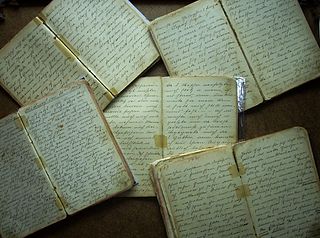
To get closure on those daily endings, I keep a journal, following a structure I learned in yoga teacher training as a method for developing self-awareness and which I’ve taught in many stress management workshops. First thing in the morning, I record my dreams, if I remember them, and reflect on their unique and personal meanings (Recommended reading: Mindful Dreaming by David Gordon). In the evening, I record the emotions I experienced in all their complexity and variety. I consider this detailed awareness of feelings to be a mindfulness practice, but it’s also a valuable skill for writing. The next part of the journal covers the day’s events. Some are mundane, and I can skim them in bad handwriting, while others call for exploration, discerning how they related to the emotional landscape of the day.

The final line in each journal entry is something positive. It may be small and subtle or enormous and worth celebrating. It can also be an intention for the night’s fiction writing hours (I’m nocturnal and do the journal before I settle into my work). I never want to wrap up a day feeling negative or pessimistic. The human mind is naturally drawn to what’s wrong in case it requires attention. If my whole body feels great except for a twinge in my left ankle, my mind will go to my left ankle even if the twinge is trivial. Attention to the big picture and its positive aspects is a conscious choice. On a day in which difficult or painful events dominated, this space for hope and healing is even more important than on the more ordinary days when it’s easy to find some light.

With this journal, I train my mind not only to the story line and emotional depth of each day, but to gratitude. Daily.

*****

You can read more of my essays on mindfulness in the collection Small Awakenings: Reflections on Mindful Living.

Killer Ideas by Paty Jager

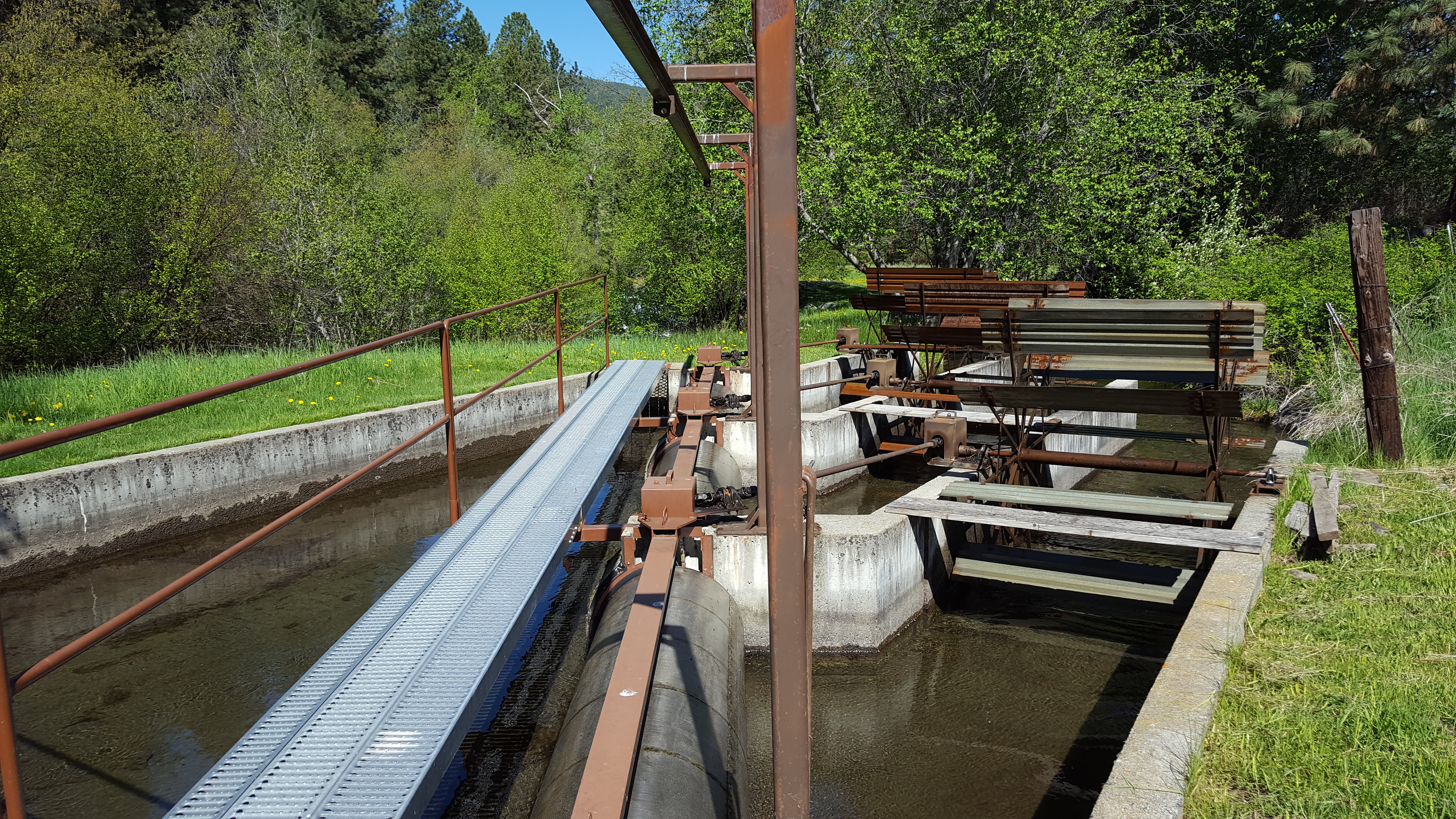
I was visiting with my brother this weekend and he told me I had to come visit him. He had discovered some great ways to murder someone at the new fish hatchery where he works.

Not that we think a lot a like or anything… 🙂 This is the same brother who cave me the inspiration that started my Shandra Higheagle Series. As a bronze sculptor, he had details about how some statues were put together that gave him an idea on how to conceal a murder weapon which he passed on to his lovely big sister who likes to write stories about killing  people. LOL

How he works at an Indian fish hatchery which I can make fit into my new Gabriel Hawke series. You can bed as soon as things slow down around here with harvesting and company, we’ll take a trip to see all the great ways he’s found to hide a body or shorten a life. I know that sounds gruesome, but when you are constantly trying to find new and plausible ways to commit a murder that will stump your main character and your readers, you have to dig into every possibility.

For me a good murder mystery read is one where I’m interested in the method of murder as well as why it happened and by whom.

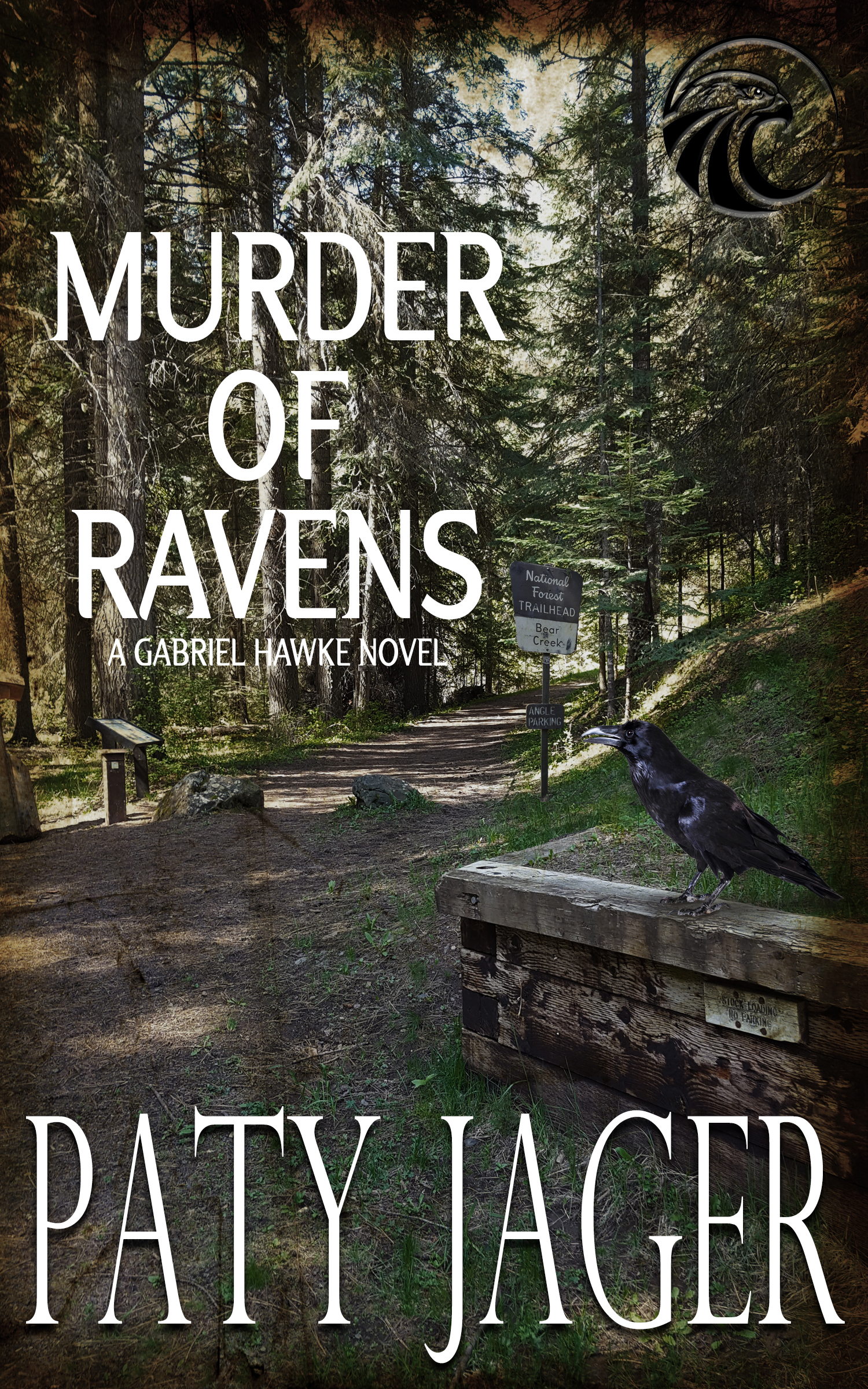
My first Gabriel Hawke book releasing in January has a unique twist to how the murdered victim is found.

Here is the blurb to Murder of Ravens to pique your interest.

The ancient Indian art of tracking is his greatest strength…

And also his biggest weakness.

Oregon Dept. of Fish and Wildlife  State Trooper Gabriel Hawke believes he’s chasing poachers. However, he comes upon a wildlife biologist standing over a body that is wearing a wolf tracking collar.

He uses master tracker skills taught to him by his Nez Perce grandfather to follow clues on the mountain. Paper trails and the whisper of rumors in the rural community where he works, draws Hawke to a conclusion that he finds bitter.

Arresting his brother-in-law ended his marriage, could solving this murder ruin a friendship?

Setting Chaos Right

by Janis Patterson

Admittedly, there is something strange about those who spend a great deal of their time in thinking up ways to do away with another of their fellow beings. Someone once wrote that a person who repeatedly tries to devise a way of killing another is either a psychopath or a mystery writer, and that sometimes the line between them blurs. I resent that. I spend a great deal of time finding ways to eradicate some poor soul, but I don’t feel like a psychopath. At least, not most of the time.

So why do I do it? Why do any of us do it?

Aside from the fact I’m much too afraid of getting caught to even think of trying anything for real, I believe we do it because as writers and as readers we fans of murder have a very strict sense of honor and decency and justice.

Whether we’re plotting the demise of a nosy next door neighbor or creating a scheme to eradicate the populace of a distant planet, we are creating mayhem and chaos. Murder is against the natural order of things – it is unnatural, and the unnatural is disturbing to us. However – if we create it ourselves as writers, we control it. We know from the beginning that however bad things get, we can set it right and good will triumph again.

Now I can hear some of you muttering that there are many books where the killer is not punished, that he walks away unscathed. Yes, of course there are, but in the traditional mystery framework (even if it is set on a distant planet many eons in the future or the past) we know that the bad will be punished and order restored. Even if the law is not served, justice will be, and the two are not always the same thing. Sometimes a murder can be a good thing, and to punish the killer would be unfair. As was written in Texas law until not too many years ago, there are some folks who just need killing!

By contrast, real life is messy. People are murdered and the perpetrator is never caught, and sometimes even if he is he isn’t convicted. There is no guaranteed happy/good/righteous ending, and sometimes the uncertainty of that ambiguity is unbearable. I think people turn to mysteries both as readers and as writers because they need the framework of justice guaranteed to be triumphant. I know I do.

In the worlds we create horrible things happen, yes, but in the end right and justice prevail. The murderer is going to be stopped some way. Our senses of balance and security and rightness are restored. All is well.

Would it could be that way in real life.


What’s an author to do?

By Sally Carpenter

New authors looking for publishers now have two less options.

Last month Oak Tree Press, an independent publisher of novels in various genres, closed its doors. That came as no surprise. Some years ago the publisher had fallen too ill to continue the work, and the company has been slowly winding down ever since.

Some OTP orphans with ongoing series signed on with other small presses, particularly with a firm run by a former OTP author! Other writers, the ones who had only written one or two books and were no longer actively writing or promoting their work, quietly let their books go out of print.

The big surprise in October was the announcement that well-respected indy mystery publisher Midnight Ink was shutting down in 2019. The press had a number of well-known and successful authors under its wing.

Every mystery has a motive, but MI has released little information as to the closure. MI is owned by a larger entity, so my guess is the decision came from the corporate level. I assume the parent company no longer wants to invest in mysteries, focus on other genres, or get out of book publishing all together.

Most, if not all, MI authors are represented by agents, which may make it harder, not easier, to find a new home. Some indy presses do not want to handle the legalities of working with agents. Also, many small presses generate book sales too low to adequately compensate an agent and her author.

As for the orphan authors hooking up with a large New York-based publisher, fuggitaboutit. The large firms, which have now gobbled up the majority of publishers, seem only interested in blockbuster sales, celebrities and their ghost writers, or writers with a massive social media presence. Average midlist authors need not apply.

And signing with a large publisher is not a guarantee of stability. I know of authors who had multi-book contracts with the “big boys” but the contract failed to renew. The reason most given was “low sales.” But these authors had books in libraries, rave reviews in top publications, and worldwide sales. Just how “low” is “low”?

So where does this leave the orphan author? Fortunately, while options are closing in one area, new possibilities are springing up.

With the death of one small press, another seems to appear. Some authors I know are now with presses I had never heard of before. With desktop publishing, anyone can start a book firm from ones own kitchen.

Some orphan authors who have an established fan base are going the indy/self-publishing route. They’re in total charge of cover, content, distribution and deadlines. Nobody can fire them.

The downside of such freedom is the responsibility. Unless the author is a highly skilled jack-of- all trades, she needs a designer, editor and publicist. She must do all the formatting, marketing and grunt work. She also covers all the costs of publication. Self-pub is not for the faint of heart, but for writers who have the time and perseverance.

I will be interested to see what happens to the OTP/MI orphans. Most, I’m sure, will land on their feet. Others may leave writing and move on to other pursuits. And some may launch new small presses.


Guest Blog Interview with Lois Winston

lois-winston-med-res-file(1)Today we are interviewing USA Today award-winning and best selling author, Lois Winston. If you have checked out her Killer Crafts & Crafty Killers blog: www.anastasiapollack.blogspot.com  It’s a must. She has great stuff going on over there all the time.

And now the interview:

When did you start writing?

I wasn’t someone who always knew she wanted to grow up to become an author. I had other career goals. However, one night twenty-three years ago I had an exceptionally vivid dream. Over the next few nights the dream continued, unfolding like the chapters of a book. Since I rarely remember my dreams, this was quite unusual, and I decided to commit the dream to paper. The next thing I knew, I’d written 50,000 words. Ten years and many rewrites later, that story became the romantic suspense Love, Lies and a Double Shot of Deception, the second book I sold.

Have you always wanted to be a mystery writer?

No, I began my career as a romance writer, but my day job was as a craft and needlework designer for magazines, book publishers, and craft kit manufacturers. One day an editor mentioned to my agent that she was looking for a crafting mystery series. With my background, my agent thought I’d be the perfect person to write one.

Why do you write mystery?

Once I began writing mystery, I discovered I enjoyed writing mystery more than romance. After I wrote Assault With a Deadly Glue Gun, the first book in the Anastasia Pollack Crafting Mystery series, I never looked back and have been writing mystery ever since.

I think this is partly due to genetics. My grandfather rose in the ranks to become captain of one of the largest east coast law enforcement departments in the twenties through the fifties, working out of the county prosecutor’s office. He was responsible for capturing quite a few murderers, bootleggers, and gangsters over his long career. I like to think there’s a part of him in me that steered me in the direction of writing mystery.

What kind of a mind do you think it takes to write mystery?

I think mystery writing takes a very analytical mind. You have to create a puzzle for the reader to solve, because that’s what mystery readers like to do. However, you can’t make it too easy for them. No author likes to hear that a reader figured out whodunit early in the book. You’ve got to come up with plausible red herrings that keep readers guessing.

How did you come up with the character Anastasia Pollock?

When I was asked to write a crafting mystery, I researched the sub-genre and discovered that all the crafting mysteries I came across involved a craft shop owner or crafter of one specific craft—quilting, knitting, scrapbooking, etc. I wanted to create a series that was a bit different. So I made Anastasia the crafts editor for a women’s magazine. I had freelanced for many craft and women’s magazines over the years and was familiar with the workings of magazine publishing. Giving Anastasia such a career enables me to feature a variety of crafts in my books.

I love the crafting aspect. What is your favorite craft?

I’m partial to needlecraft, especially counted cross stitch. I stitched my first sampler when I was in fifth grade for a class project on colonial America and eventually parlayed my love of needlework into a design career.

What is Anastasia’s favorite craft project? What is her favorite crafting mystery from her series? Why?

Hmm…I don’t know that Anastasia has ever mentioned which of her craft projects is her favorite. I know she was emotionally invested in the family scrapbook she put together for her deceased neighbor’s daughter in Scrapbook of Murder, but guilt had a lot to do with that.

As for Anastasia’s favorite mystery in the series, you have to understand that Anastasia is a reluctant amateur sleuth. She’s never forgiven me for turning her world upside-down by killing off her husband before the start of the first book and revealing he was a closet gambler who left her and her kids in debt greater than the GNP of your average Third World nation. She’s not the kind of sleuth who enjoys sticking her nose in other people’s business, but I’ve given her no choice. If pressed, she’d probably admit her favorite book is the one in which she decides she’s spent enough time grieving Dead Louse of a Spouse and moves on, but I won’t say when this occurs in the series.

What’s new for you on the horizon?

Once I finish up my blog tour for the release of Drop Dead Ornaments, the seventh book in the series, I’ll begin work on Anastasia’s next adventure. Right now I’m giving both of us a break from each other, something I’m sure she greatly appreciates.

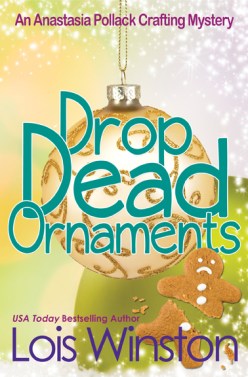
Drop Dead Ornaments
DDO-ebook72dpiAn Anastasia Pollack Crafting Mystery, Book 7

Anastasia Pollack’s son Alex is dating Sophie Lambert, the new kid in town. For their community service project, the high school seniors have chosen to raise money for the county food bank. Anastasia taps her craft industry contacts to donate materials for the students to make Christmas ornaments they’ll sell at the town’s annual Holiday Crafts Fair.

At the fair Anastasia meets Sophie’s father, Shane Lambert, who strikes her as a man with secrets. She also notices a woman eavesdropping on their conversation. Later that evening when the woman turns up dead, Sophie’s father is arrested for her murder.

Alex and Sophie beg Anastasia to find the real killer, but Anastasia has had her fill of dead bodies. She’s also not convinced of Shane’s innocence. Besides, she’s promised younger son Nick she’ll stop risking her life. But how can she say no to Alex?

Buy Links

Amazon https://amzn.to/2MBo1xS

Kobo https://www.kobo.com/us/en/ebook/drop-dead-ornaments

iTunes https://itunes.apple.com/us/book/drop-dead-ornaments/id1431548050?mt=11

Nook https://www.barnesandnoble.com/w/drop-dead-ornaments-lois-winston/1129345148?ean=2940161937181 

USA Today bestselling and award-winning author Lois Winston writes mystery, romance, romantic suspense, chick lit, women’s fiction, children’s chapter books, and nonfiction under her own name and her Emma Carlyle pen name. Kirkus Reviews dubbed her critically acclaimed Anastasia Pollack Crafting Mystery series, “North Jersey’s more mature answer to Stephanie Plum.” In addition, Lois is a former literary agent and an award-winning craft and needlework designer who often draws much of her source material for both her characters and plots from her experiences in the crafts industry.

Website: www.loiswinston.com

Killer Crafts & Crafty Killers blog: www.anastasiapollack.blogspot.com

Pinterest: www.pinterest.com/anasleuth

Twitter: https://twitter.com/Anasleuth

Goodreads: https://www.goodreads.com/author/show/722763.Lois_Winston

Newsletter sign-up: https://app.mailerlite.com/webforms/landing/z1z1u5

Bookbub: https://www.bookbub.com/authors/lois-winston