Clothes Make The… Really, Clothes Make Me Crazy

SAD NEWS

Well, I had been afraid of this… the American Research Center in Egypt has just announced that because of the Coronavirus situation the 2020 Conference has been cancelled. That’s all the official email said. I’m going to have to reach out to my team at National headquarters to find out how/if/when/whatever this affects the auction. I am heartbroken, but cannot see any other resolution to this situation. I’ll keep everyone appraised of what transpires. Sigh.


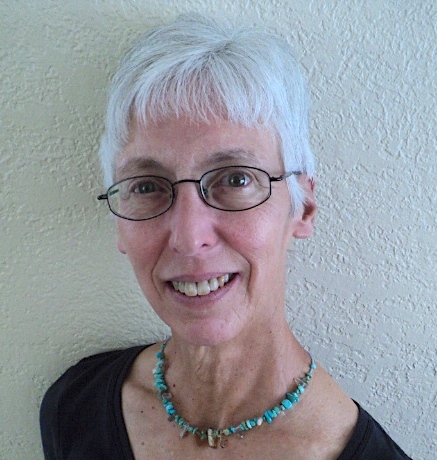
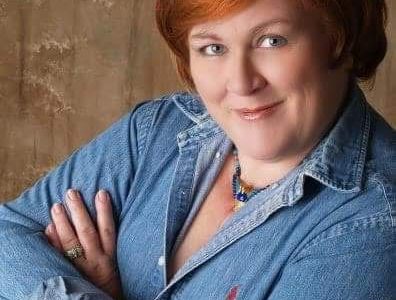
by Janis Patterson

I like a pretty outfit, sure, but I’m not one of these obsessive types who reads fashion magazines and watches all the TV shows about what’s new.

So why am I sitting here wishing for my very own personal wardrobe coordinator?

Because I NEED one, and right now.

It’s all ARCE’s fault. The Husband and I are preparing to go North (Toronto is a long way North from Texas) to attend the American Research Center in Egypt International Conference. Originally we had planned not to go, as Toronto isn’t very high on our ‘must see’ list, but once my book contract with ARCE was agreed upon, finalized and signed (nine months in the making) we simply have to go.

This is a first for both ARCE and me – they have never worked with an author on fiction before, nor auctioned off character naming rights in a novel, and I have never written a book where three people have bid (hopefully a lot of money!) to have their name put in the book as a secondary/tertiary character. It’s going to be interesting!

However – writing the book is something I can do. I’ve done it many times before, and if I have three characters whom I did not create to do honor to, so be it. This is my gift to a scholarly organization with which I have worked happily for almost 30 years.

So what is the problem?

Basically I am a simple person. Like a lot of writers I spend my days alone in my office surrounded by all my invisible friends, usually wearing comfy sweats or t-shirts and shorts, depending on the season, or occasionally my nightgown. Obviously I don’t get dressed up very often.

The Toronto conference is going to be different, though. Part of my job is to talk up the book project and convince the attendees to bid, bid often and bid high. I’m officially the Glamorous Author, which means I have to dress the part. During the day I have to appear glamorous but businesslike, so there will be lots of blazers, slacks and boots. (I don’t do pantyhose. Ever!)

There are going to be parties every night, which means at least four evening outfits. Luckily I saved all my ‘sequiny’ party clothes from the time I was a SAG/AFTRA talent agent, and they’re all old enough to be back in style, so it’s just a matter of figuring out which jewelry goes with what. You all know I’m a hopeless jewelry junkie, so accessorizing is a real consideration; black evening sandals, a plain black faille evening clutch – easy peasy. Jewelry… now jewelry is important! Do I wear the rubies with the red and black sequin jacket, or the fluffy black silk dress, or the spangled red lace blouse? The gold bracelet or the rutilated chunky quartz? Jet drop earrings or simple studs?

See why I need a wardrobe coordinator? There are so many things I could be worrying about instead of what necklace goes with what dress. However – I don’t have a wardrobe coordinator, so I’ll just have to do the best I can. That’s why I spent most of this afternoon with a pen and small notebook putting one entire outfit – earrings to shoes – to a page. Every outfit sounds good on paper; it’ll be interesting to see if my notes translate to reality.

I’d rather write a book any day. It’s easier.

If you’re curious about how these outfits end up, I’ll be posting photographs of most of them on my website in the second week of April, a couple of days after the conference ends.


Secondary Characters Who Pop by Paty Jager

Most readers remember the main characters or protagonists in a book or story. They carry the story and have the most ups and down, triumphs and failures. I love my main characters and showing their growth and life changes through each book.

But I love coming up with new secondary characters for each book. While some continue through other books because they live in the area where my protagonists do, there are always the new secondary characters who are caught up in the murders. The victims, the people who were close to them, and the people who end up on my suspect chart.

These characters can be as interesting and complex as my protagonists. If they don’t have a complete- well-rounded life for the reader to know about, how will the reader care if their murderer is found? At least that’s how I feel.

The victim, no matter how awful he or she might be, has to have a life before their death. One that, even if the reader doesn’t like them that much, they want to know why and who killed them.

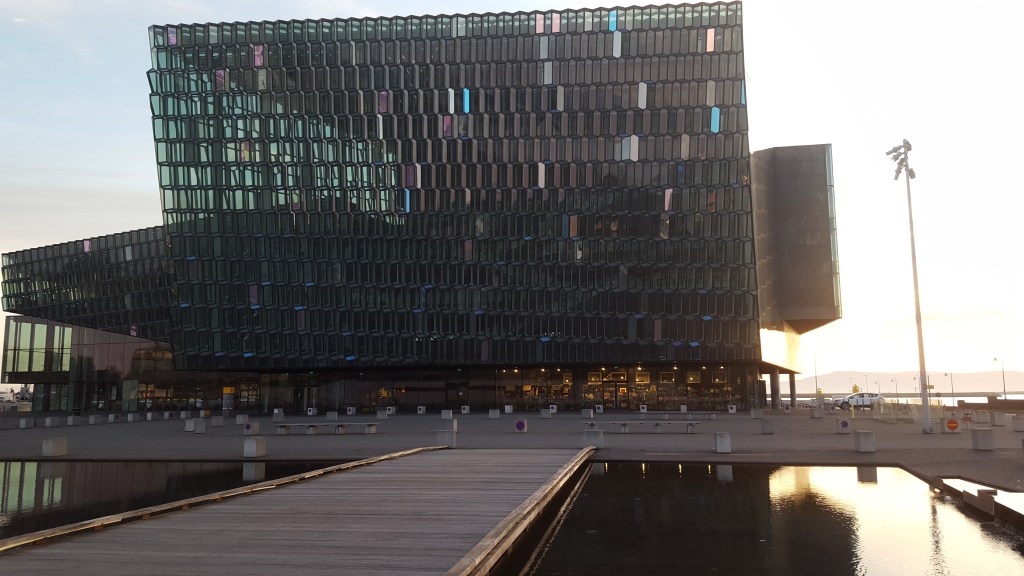
My current WIP ( work in progress) has me really stretching my research skills to make sure my characters from around the world ( the book is set in Iceland at a world-wide SAR conference). SAR is Search and Rescue. When I did my research on the conference that does happen every other year, I noticed that the attendees are from all over the world.

Harpa- this is where the conferences is being held this year.

I have always had an eclectic group of characters. So why stay with only American and Icelandic attendees when the conference draws them in from all over? I have British, Australian, Kenyan, and Japanese characters who are integral to my story. And of course, Icelandic and American.

My bookcase has many useful writing books and the one I used to start my latest WIP was A World of Baby Names. It gives common names from many countries. I have also been emailing with the tour guide I had on my trip to Iceland. He gave me common Icelandic names. He has also helped me with information I’ve been unable to find online or in books. He’s been a lot of fun to work with.

The goal with this in-depth research is to discover how people from these countries would use slang from their countries while speaking English. I feel it will make the people more realistic.

Of course, this is a conference and the other thing that will be working against me and my character will be time. The people will scatter at the end of the four day conference and the body is found on the second day of a pre-conference event. There is going to have to be some quick digging of clues to find out who the murderer is before the attendees scatter all over the world.

I’ll be giving you updates on this as I write.

Do you like well-rounded secondary characters?

First photo source: Depositphotos

Second photo source: Paty Jager

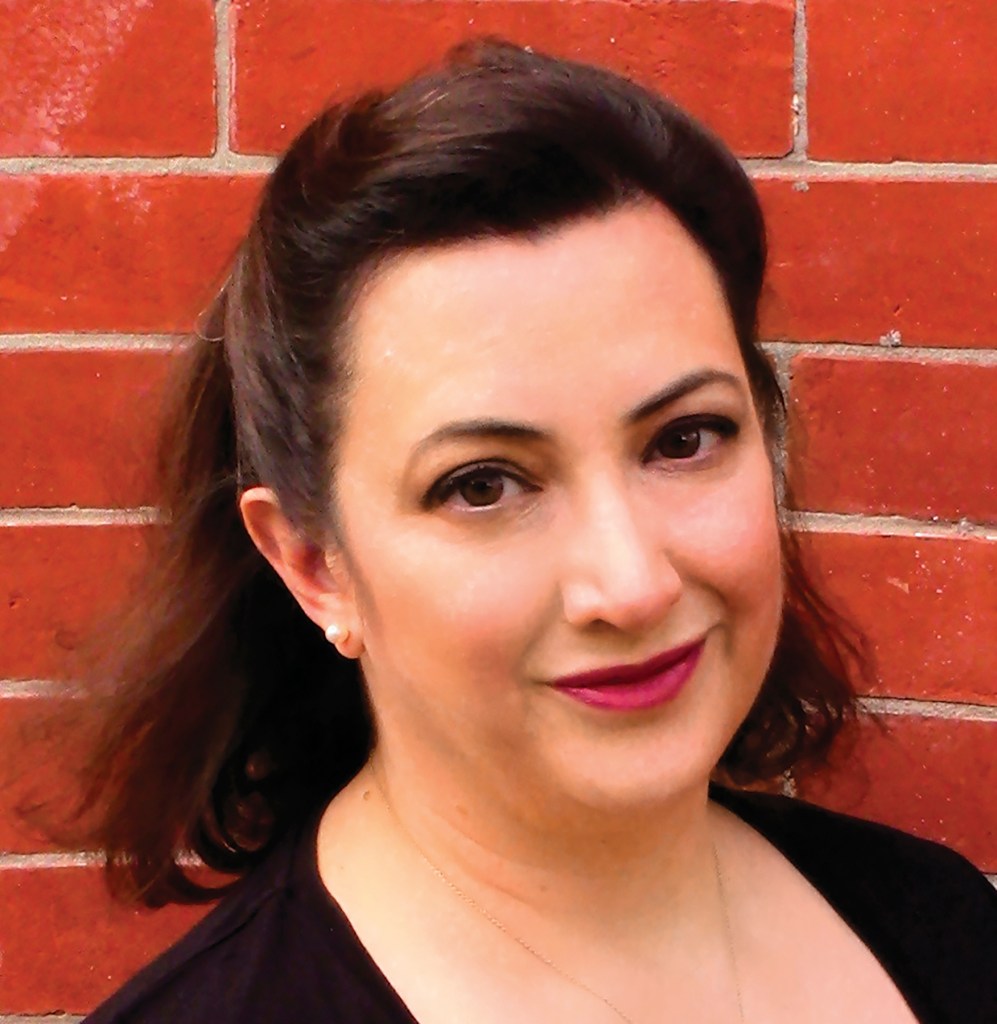
Guest Author – Susan Elia MacNeal

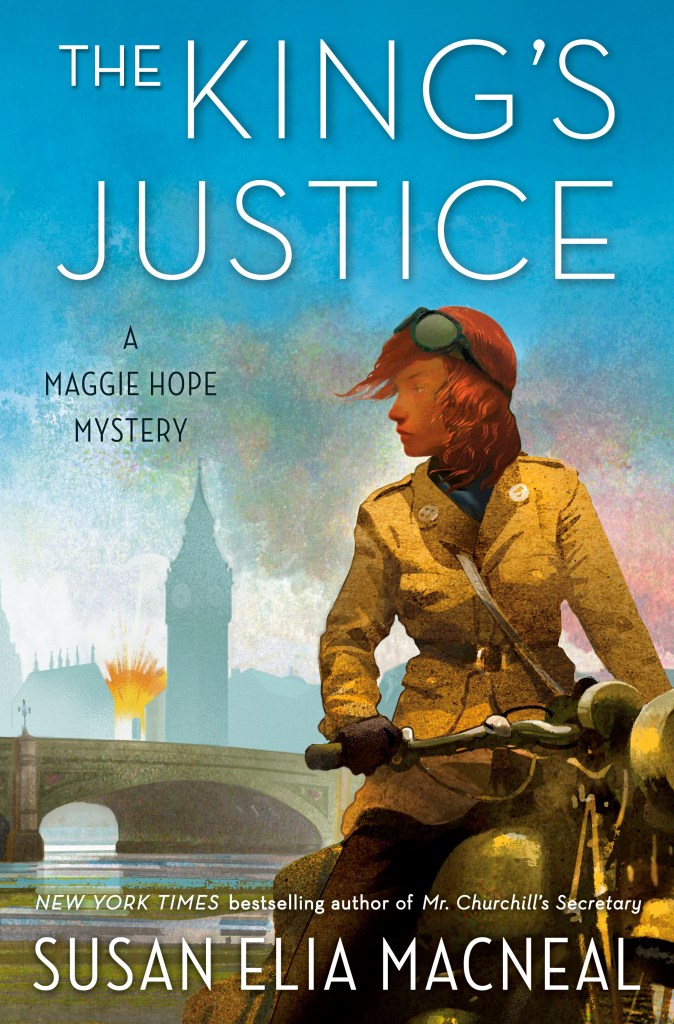
My series’ heroine, Maggie Hope, has been through a lot in the eight novels of the series—most recently falsely imprisoned on a Scottish island. Before that she was held by the Gestapo in Paris, and before that she went up against a serial killer in London. And then of course there’s the war itself. Which is why for her ninth outing, THE KING’S JUSTICE, I wanted to not only write a new thriller/mystery—but also show the toll Maggie’s experiences have taken on her.

PTSD (post-traumatic stress disorder) is the modern name for what in Maggie’s time was called “shell shock.” And although I sometimes describe Maggie as “Nancy Drew meets James Bond,” one thing that makes Maggie different is that all of her experiences, both good and bad, have changed her as a person. (As opposed to Nancy and James, who, while wonderful, remain static characters, regardless of how much danger they’ve be in and trauma they’ve survived.) In this novel, she tries to ignore her psychic damage by quitting the secret agent game, smoking non-stop, drinking too much, and riding much too fast on a motorcycle. But eventually she has to come to terms with her past, her trauma, her fears, and her vulnerabilities.

THE KING’S JUSTICE takes place during March of 1943, in London. The Blitz is over, but the war continues—and unexploded bombs can be found all over the city—just waiting for something to set them off. I have Maggie working as a bomb defuser, a job desperately needed in London at the time, —and also because Maggie’s a bit of an unexploded bomb, too. To defuse herself, she needs to work through her past traumas, some brought to light by a stolen violin and a new serial killer.

This killer is dropping suitcases full of bones in the Thames, and they’re washing up on the banks, sometimes half-buried in sand and silt. Some of the “mudlarkers” of London—those who dig on the riverbanks for lost historic treasures like Roman coins, medieval pottery shards, and Elizabethan rings—find the suitcases with the bones, and report them to Scotland Yard. Maggie’s beau, DCI James Durgin takes the case, and Maggie is ultimately recruited to help, because of a connection to someone from her past.

Like unexploded bombs, I really loved working in the metaphor of mudlarking—sifting through trash to find treasure. I think Maggie’s coming to grips with the traumas of her past was a lot like mudlarking—she has to excavate a lot of “dirt,” before she can find her “treasure”—a return to, well, not her old self, of course—but someone who’s experienced trauma, processed it, and come through the other side.

Without giving anything away, in the novel’s first scene, we meet Maggie as she’s in a deep pit, defusing a bomb. By the last scene, she’s looking down on London from the observation deck of the Monument to the Great Fire of London. Like the city itself, Maggie has gone through disaster and rebuilt, now stronger, smarter, and more compassionate. I hope readers will find her journey inspiring.

In THE KING’S JUSTICE, the ninth book in the acclaimed Maggie Hope mystery seriesby Susan Elia MacNeal (Bantam Hardcover; On Sale 2/25/2020),our heroine is on edge. Maggie has returned to London after being imprisoned on a remote island for knowing confidential SOE information, but she is traumatized by her experience. As Maggie takes a break from spying, she starts to behave more and more recklessly. She drinks too much, speeds through the streets on her motorcycle, and joins a squad tasked with defusing unexploded bombs left in London from the Blitz.

When conscientious objectors to the war start disappearing, Maggie is determined to stay out of it. But as human bones start washing up on the shores of the Thames inside of suitcases, it becomes clear that a serial killer is afoot, and Maggie must put aside her hesitations and get to work. Little does Maggie know that this investigation will force her to conquer her demons and face her past in order to solve the case.

Susan Elia MacNeal is the New York Times bestselling author of the Maggie Hope mysteries. MacNeal won the Barry Award and has been nominated for the Edgar, Macavity, Agatha, Left Coast Crime, Dilys, and ITW Thriller awards. She lives in Brooklyn, New York, with her husband and son.

susaneliamacneal.com • Facebook.com/MrChurchillsSecretary

Twitter: @SusanMacNeal • Instagram: susaneliamacneal

The Same Only Different, by Amber Foxx

Every plot is the same. But they’re all different. If the story is written well, the reader is aware of the difference, not the sameness. The sameness is structure. No one looks at a dog and says, “How boring, it’s got four legs and a tail.” That’s the structure. What we notice is the difference. My friend Bob’s dog is golden brown and sort of dingo-ish. He says she looks like a kid’s drawing of a dog. She has a black spot in the middle of her tail and another one in the middle of her tongue. She loves all humans, dislikes other dogs, hates skateboards, and is scared of cats. It’s the differences that makes her interesting.

A trail I like to run is the same 1.5 mile loop every time. I go up the same hills, around the same curves, past the same desert shrubs, three times per run. It’s not boring. The plants change with the seasons. Wildlife varies from day to day—the creatures I see as well as the tracks others leave in the sand. In the winter, I encounter other people. In the summer, I only meet lizards and jackrabbits.

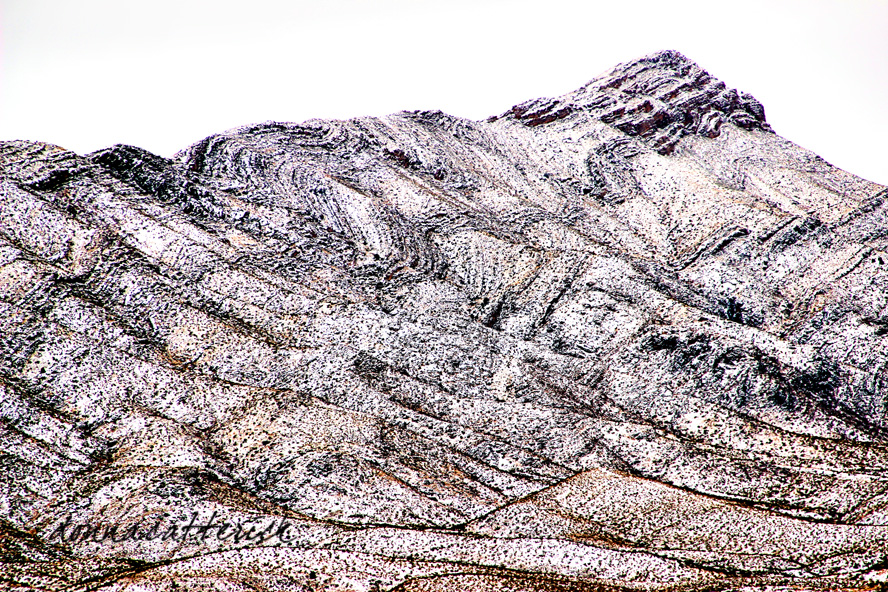
A freak snowstorm this month dumped five or six inches in one day. (I should add that all snowstorms are freaks in southern New Mexico. We can go years with only a few random flakes.) The same mountains I see every day looked entirely new, with snow on their contours and ridges outlining textures not normally visible. Turtleback Mountain’s Turtle seemed to be wearing pinstripes, a nice look on him.

Normal winter temperatures are in the fifties and sixties, and the next day went right back to normal. The remaining patches of snow from the day before changed not only my running pace on the trail but my perception. Most of the snow had melted, but I came across islands of it I had to detour around, going off the trail to avoid slipping. If thorny plants denied me that option, I had to slow down and walk through it for a couple of steps. The detours gave me the unexpected perception that certain features of the land were the trail, when they were actually smooth, flat, winding channels where water had run. Several times, I nearly followed one, then realized I was heading off into unmarked areas.

The second lap was faster with more snowmelt and fewer detours. Footprints became sun-warmed hollows of open sand. On the third lap, I only had to go through one stretch of snow with no way around it. The same only different.

And this, of course, is a metaphor for the craft of writing.

 *****

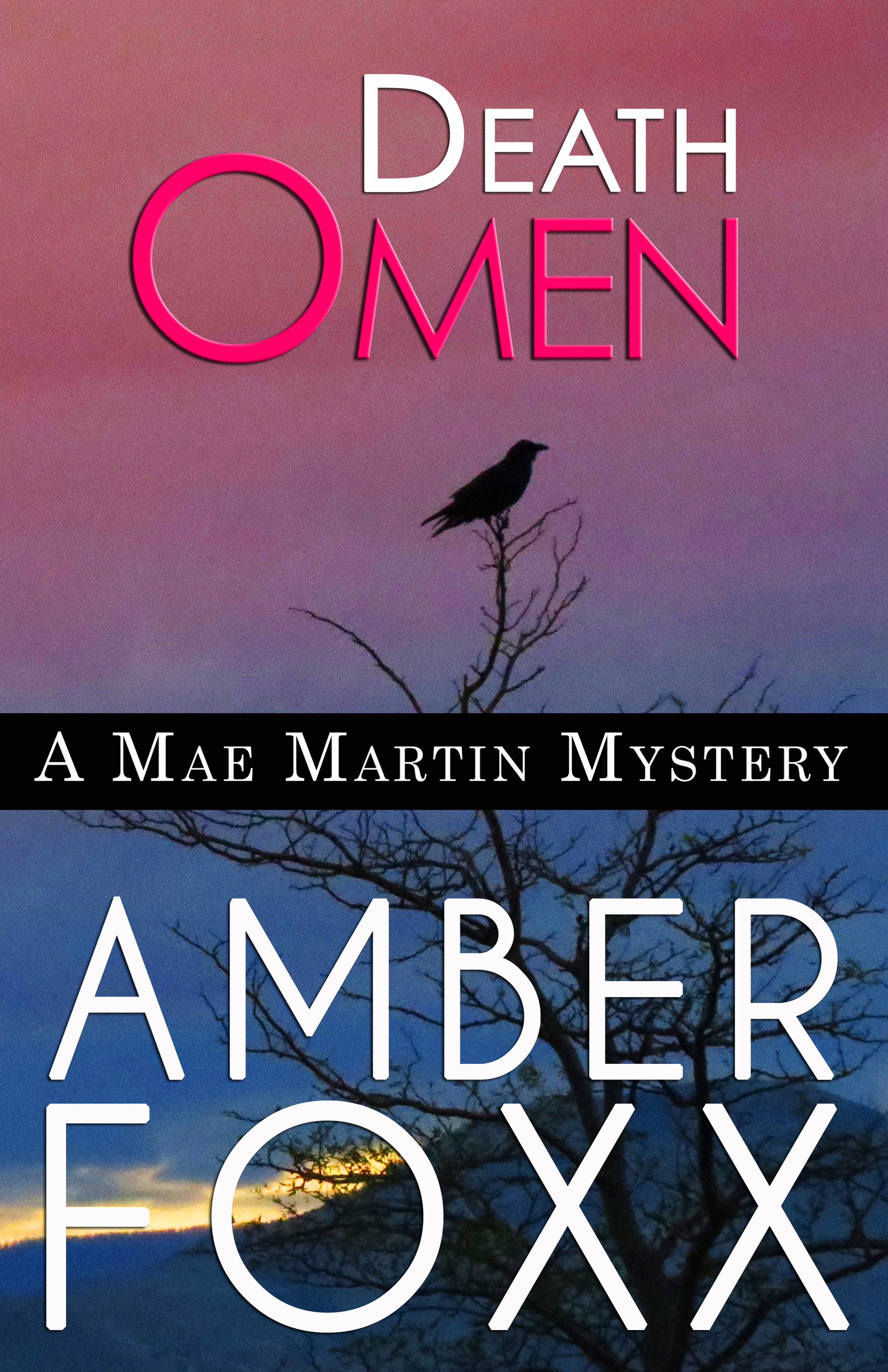
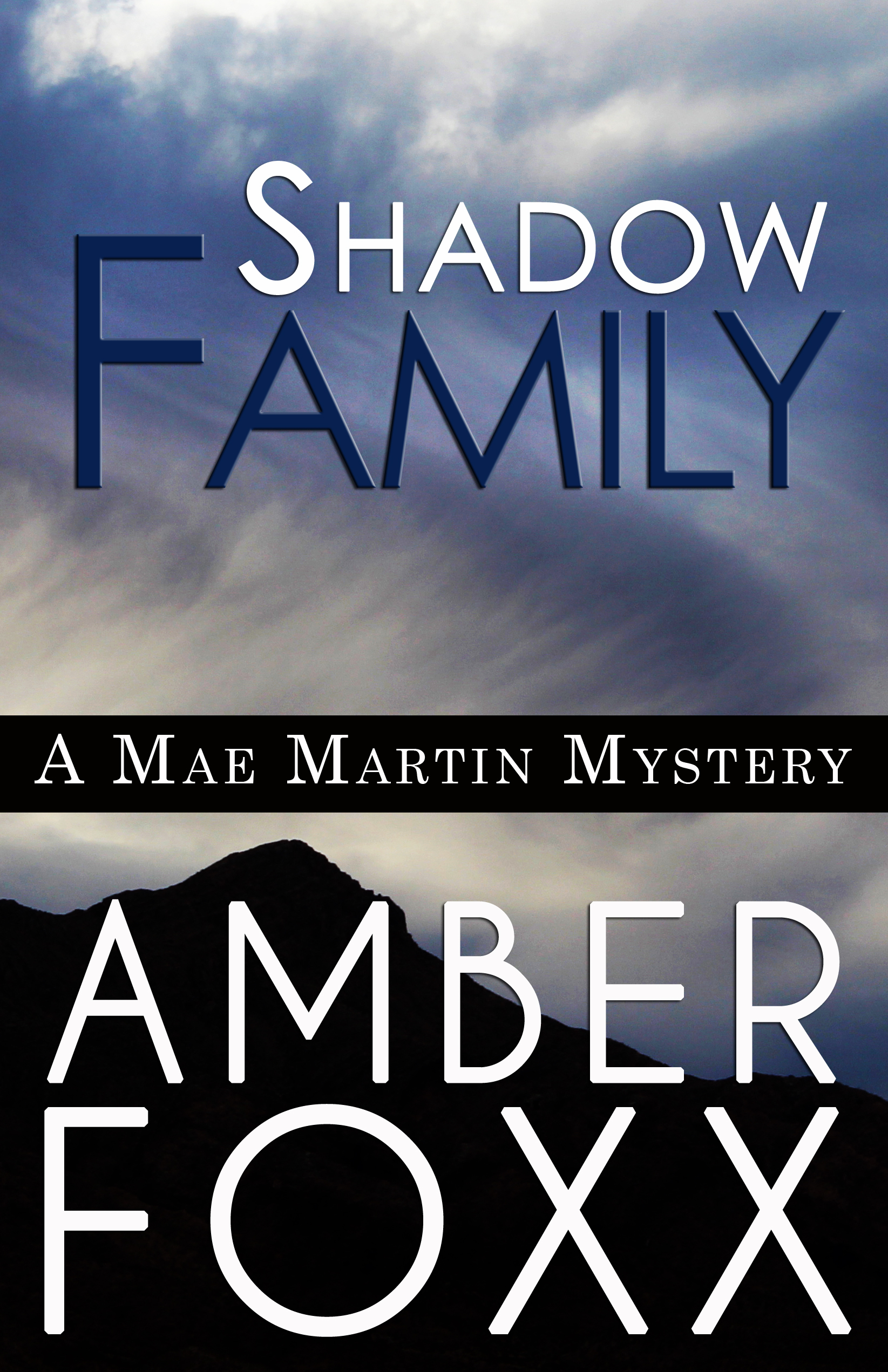
Images of Turtleback Mountain and of cactus in snow are by Donna Catterick, whose photography is on the covers of Death Omen and Shadow Family, books six and seven in the Mae Martin Psychic Mystery Series.

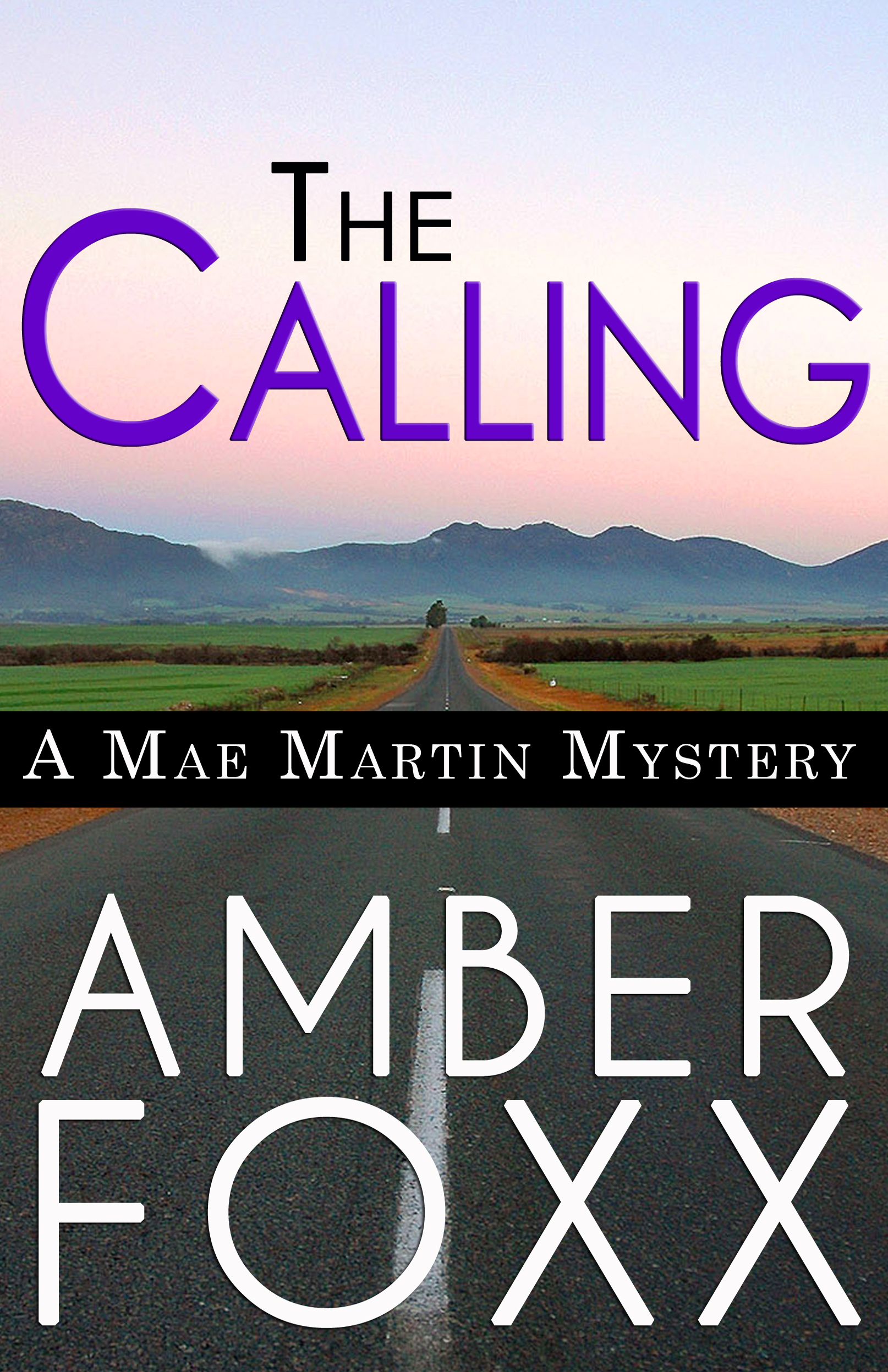
Book one,The Calling is free now through April 23.

Obeying her mother’s warning, Mae Martin-Ridley has spent years hiding her gift of “the sight.” When concern for a missing hunter compels her to use it again, her peaceful life in a small Southern town begins to fall apart. New friends push her to explore her unusual talents, but as she does, she discovers the shadow side of her visions— access to secrets she could regret uncovering.

Gift or curse? When an extraordinary ability intrudes on an ordinary life, nothing can be the same again.

The Mae Martin Series

No murder, just mystery. Every life hides a secret, and love is the deepest mystery of all.


Setting and Its Limitations

One of the most interesting features of any mystery novel for me is the setting. Create a world of rich details and the story seems to unfold naturally. In the draft of one story I used a setting that I had seen but not walked through. A Beta reader asked basic questions about the distance between two points, the nature of the trail between them, and more. It was a signal to me that the setting wasn’t clear. And how could it be? I hadn’t been there, walked through the area, taken note of crucial features.

Today I find myself at the other end of that continuum for setting. I’m working on a mystery novel set on a small island linked to the coast by a tidal causeway, and home to varied flora and fauna. The location is based on an island I know fairly well, having visited it numerous times in my earlier years. The only significant change I’ve made is in size–I’ve reduced the island from over eighty acres to about ten, and moved it closer to the mainland. I’ve borrowed the causeway from another part of the shore farther down the coast. I’ve chosen this site because of certain activities that can only happen in this kind of isolated setting, and because I know it fairly well. I’m also working into the plot a specific time–using the sunrise, moonrise, and tides as crucial factors.

In most stories the writer can adjust the crucial elements such as the time a train arrives, the time of high tide or low tide, the seasonal winds, and more according to the needs of the story. With my decision to use a specific month, I’ve chosen to work within a specific set of parameters. I want this grounding because the story is going to hinge on what is or is not possible according to the setting.

Consider the range in tides. In some parts of the world the range between high and low tide is minimal, and even the range between high tides is minuscule, as is the case in Southern India, which is fairly close to the equator. With an almost even twelve hours of daylight throughout the year, the tides are similarly even throughout the day. But the Bay of Fundy, located at latitude 45, has the highest range between high and low tides on earth, forty-three feet. At most places on earth the range is about three feet. I’ve chosen a location in which the range between high tides in one month is up to almost two feet.

I don’t think the area for my story is particularly exotic. But in exploring the details of the setting–sunrise, moonrise, tidal range and more–I have uncovered details that suggest specific clues and turns for the plot, features in a story particular to the setting.

When writers talk about setting, we are often thinking of a different kind of influence, such as the kind of people who might live in a rural area surrounded by forests or farms; the tight-knit community in a tenement building trying to stave off developers; or perhaps the mix of people riding on a train that is caught in a blizzard. In my current story I’m tying the crime and its solution more tightly to the earth, to the specific environment not exactly replicated anywhere else. I’m in the early stages at the moment, so I’m looking forward to how this is all going to work out.