Bewitched, Bothered, and Befuddled Am I by Heather Haven

I’ve lost my mind. Again. I have begun a new novel on a subject about which I know absolutely nothing. Zip. Nada. I did it again. Did I not learn my lesson from the last Alvarez Family Mystery, The Drop-Dead Temple of Doom? Apparently not. But that’s a writer for ya. Or at least, that’s me for ya. I get an idea, I embrace it, I love it, it becomes mine, and I’m off and away.

It’s only when I plop myself down at the keyboard and have no idea how to start the first sentence do I realize I am in deep doo-doo. That’s what happened with Drop-Dead. My fingers hovered over the keyboard waiting for words to come to me. They didn’t. I had no idea what a Guatemalan jungle was like. I didn’t know the first thing about archeology. And, truth be told, an ancient Mayan could have risen from the dead, bit me on the knee, and I wouldn’t have had the first clue as to who, what, or why. I left my office and dove headfirst into a martini, the first of many. Ernest Hemingway may have said, “Write drunk, edit sober,” but you gotta know SOMETHING about a subject before you can write about it.

I have to do a little research for all my novels, but I had pushed the limits on this. A Guatemalan jungle? Even though I was born and raised in South Florida and have been to Parrot Jungle, it’s not the same. Archeology? Simply because I’ve streamed “Lost Cities With Albert Lin,” that didn’t mean I knew the first thing about digging anything up other than weeds. And the ancient Mayans? Ditto, ditto, and ditto.

But I had a fire in the belly. I wanted to tap into the real-life story of a young woman who is an Indiana Jones of today. I’ll call her Indiana Josie. She tromps around the jungles of Guatemala uncovering all kinds of wondrous things. And thanks to the development of LIDAR (Light Detection and Ranging), the exploration of ancient Mayan cultures has exploded. This is truly the golden age of discovery for this remarkable culture.

So began a crash course in not one, not two, but three subjects. As the world was in lockdown from Covid, even if I’d wanted to fly to the jungles of Guatemala for firsthand experience, I couldn’t have. Instead, I bled Indiana Josie dry of any knowledge she could give me. I watched every documentary on archeology, not merely as a spectator, but as a student. I read anything I could find on the ancient Mayan culture, gasping at pictures of their paintings, jewelry, and tombs. I marveled at what they had created, believing as many do, they rival the Egyptians in many ways. Eight months later, while not an expert on any of these subjects, I was able to sit down at the computer and write.

After completing the latest novel in my other series, Hotshot Shamus, Book 4 of the Persephone Cole Vintage Mysteries, I now return to the Alvarez series, with Bewitched, Bothered, and Beheaded as the next project. For whatever reason, I decided to write about a magic trick gone wrong, a dead magician, and the protagonist, Lee Alvarez, as the chief suspect. Belly fire returning. No antacids working.

Of course, I find I am in deep doo-doo again. I know nothing about the subject, nothing about magicians or their tricks. Leave it to me to have a misadventure with a guillotine trick front and center, basically starting the story off. Naturally, I can’t write a word until I investigate this. So it’s off to Vegas for a crash course in magic. I recently contacted David Copperfield for an interview. Start at the top, right? Maybe he’ll give me a few tips. If not, I’ll work my way down. I hear there’s a magician, Melvin the Magnificent, performing in a San Jose parking lot. Maybe he’ll talk to me.

Meanwhile, I need to face it. I just never learn.

Keep It or Toss It?

Like many other writers, I make a lot of notes and keep files on all sorts of things that I’m sure I’ll get to someday. But when the paper files start to spill out onto the floor or the desk, I know it’s time to cull the newspaper cuttings, scribbled notes for story ideas, and quotes from books that I was sure would prove useful or important.

This week I went through a three-ring binder where I’ve kept notes on the three series I’ve been working on beginning in 1991 and a few stand-alones that I never got to. Going through material I collected some years ago brought me back to ways I’d been thinking about writing—ideas for opening scenes or character sketches that no longer seemed strong or compelling. It was interesting to look over pages of ideas and see how much my thinking has changed. I was especially interested in how my ideas on craft had developed.

Included in all this were several ideas sketched out that meant nothing to me. I had no idea what I meant by some of it. So the question became, should I keep it or toss it? The answer was easier when I went through the news clippings that recorded peculiar people or bizarre incidents or twisted crimes. Most of them seemed blah to me now, so out they went. But one note was different.

I found a typed two-page single-spaced plot description for a thriller about a group of women who have been friends for years and sign up for an overseas tour. The tour is waylaid and the women and others held hostage. (Had I just read Bel Canto by Ann Patchett?) Hostages are killed, the police storm the site, and the women are saved. They head home and celebrate, glad to be alive. That seems like enough for a straightforward thriller, but the plot description goes on, covering the years after the women return to the States. 

This outline, neatly typed, stands out for its focus on plot, and the use of a story line that I had been thinking about over the years but never used. I couldn’t figure out a title, had named some of the characters, and wasn’t sure how to end it. That may be why it goes on for so long—because I couldn’t find a point of rest, of climax and recovery and ending. In some paragraph transitions it almost feels like I didn’t know where to stop or how to stop.

When I began this clearing-out I expected at most to find some of the story ideas I had set aside while I worked on other things, or at least some of the ideas that come when I wasn’t sure what I wanted to work on next. I like those because they get me thinking. They prime the pump, I suppose, and get the ideas flowing. 

But that typed outline is getting into my head. And now I have to figure out what I’m going to do with it. Write it or file it again? When other writers talk about writer’s block, I keep my mouth shut. It doesn’t happen for me. I have the other problem—way too many ideas to follow up on. And right now I have that big thriller idea, all neatly laid out for me to work on. As one of my friends in India used to say, What to do? What to do? Very great problem, madam.

Writing Good Grief

I was recently reminded by my own ineptness that the grief of loss has no timelines. Nor should it in telling a tale, most especially a tale of murder. For each murder done, someone grieves for the dead, be it the detective, the killer, or the friend. And this grief displays itself in action, the resolve to find the killer, the need to hide motive, and, perhaps, revenge.

The protagonist (detective or innocent) is called upon to develop a relationship with the dead whether the loss is personal or not. As the protagonist wades through the suspects to resolve the central mystery, each character brings their hurt with them. They have all suffered a loss and so are at some stage: shock, denial, anger, bargaining, depression, and acceptance/hope. Since each step along the path takes as long as it does, any given character may be in any stage at any time, offering endless possibilities to the storyteller.

The framework of grief is one piece of the scaffolding for my military family saga The Cooper Quartet. In Dead Legend (Book 1), two boys are left adrift by their father Mac’s death. The oldest son, Byron, sixteen when his Navy pilot father dies, quickly moves on to bargaining while keeping one foot firmly planted in denial. The younger son, Laury, hits anger and stays there for twelve years. Each of the four thrillers in the saga moves along the continuum of loss toward growth and forgiveness.

From Dead Legend: Navy Pilot LT Byron Cooper

“Let’s get out of here.” Byron shucked dollars out of the right hip pocket of his slacks as he stood.

“Mac doesn’t come to you?”

Byron grabbed Chloe’s arm. His hand felt hot on her flesh. “Yes. Tonight—with you—with everyone. Happy now?”

Marine First Sergeant Laury Cooper

Laury took the photograph that Vincent held out to him. He put two fingers between a pair of cigarette smoke caked blinds to let a ray of sun splash the picture. His eyes locked on the blood smeared down the leather bucket seats of Mac’s MG and wouldn’t let go. When the shock passed, he fixated on Mac’s right hand extended as though he had been gripping the gearshift knob the moment before. Laury’s hands shook, sweat rode up his back and down his armpits. He ran a hand over the lengthening stubble on his head.

Grief is not simple. It is recurring, a memory at the oddest moment, a moth in the morning. It is not a thrown-off phrase (My fiancé died in the war). Loss haunts us, it should haunt characters as well impacting their judgment and actions.

From Head First (Book 2):  LTjg Robin Haas (their cousin)

She clamped the rounded pewter ends of the POW bracelet she wore tighter on her wrist then traced the name and date with her fingers, LT Harry A. Stillwater, 10/5/68. Four years, two months, and fourteen days, in that time he had been Killed in Action, Missing in Action and now was a Prisoner of War. At least, they thought he was.

Who really knew? Robin had gone to North Dakota to Harry’s funeral, sobbing with the sisters Harry adored, the mother he treasured and the father he idealized, trying the while not to crawl into his empty grave. Yellow roses made her cry. A-6s made her cry. Even Gunner, their tabby tom cat, made her cry.

Throughout it all, characters must remain true to themselves. Good grief in a story might be silent to raging but it must always be organic. And in so being, the character’s action or reaction to any element may surprise, revealing a new facet or changed state that alters the reader’s perceptions and the resolution of the story.

From Don’t Tell (Book 4): Kate Van Streain Cooper (Laury’s new wife)

Each afternoon, she checked out a chaise from the nut-brown beachboy at the kiosk as he ran his eyes down her long limbs. They would skim over the inked drawing between her shoulder blades, still fresh after a week, and follow the Chinese characters tattooed on her spine to her dimple. Feeling admired, she languished by the water in her chaise, alternately reading Michener’s Hawaii and dozing. She opened her eyes at each passing shadow expecting to see her husband smiling down at her, his azure blue eyes blazing beneath his long dark eyelashes.

Good grief hovers below the surface of the plot, providing motivation and color. It remains just out of reach, shading the past and the future. A character in its own right. In The Cooper Quartet, it takes two brothers four books to come to terms with their father’s loss. In the process, their lives are changed forever by the Vietnam War and the actions they take to protect each other and their families.

TIME FOR ENDINGS

I’ve been busy the past month taking care of all the paperwork that is associated with someone’s death. My husband died on April 1, wasn’t unexpected as he was 92 and his health had been declining. He had a short hospital stay and was transferred to a rehabilitation facility. Neither place did much to help him.

Someone from the family went where he was for every meal; if they hadn’t most of the time he wouldn’t have eaten. He could no longer see and didn’t want to eat.

It was a blessing when he left this world to move onto heaven. I truly miss him. I am not alone, as my granddaughter, her husband and three girls live with me, and it helps.

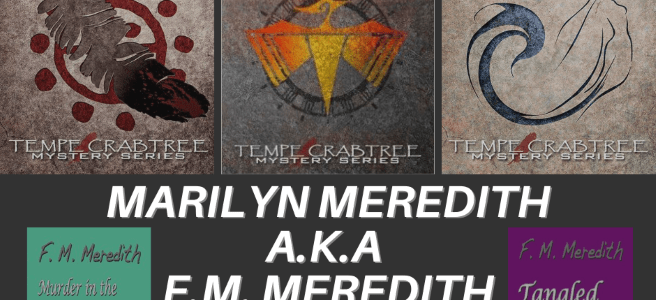
The many years I spent with Tempe Crabtree and her adventures ended with the 20th mystery, A Final Farewell. Besides a body found in a drained pond, the ongoing character Miqui Sherwood has two beaus competing for her love. 

Many of the things I once did to promote a book are no longer possible, either physically or financially including nearly all the wonderful mystery conventions and conferences. I am planning to attend the Public Safety Writers Association’s annual conference in July.

I have great memories of all the places my husband and I did go to attend Left Coast Crime, Bouchercon and others, and all the wonderful people we met, writers and fans.

This will be my last post for Ladies of Mystery, and I’ve had a great time being a part of this group. I’ll continue to read all of the posts.

One thing I’m not ending is my writing. I’m planning a young adult mystery set during World War II.

I bid farewell and to all my writer friends, keep writing, and enjoy all the perks that come along with it.

Marilyn

Vindication Among the Volcanoes

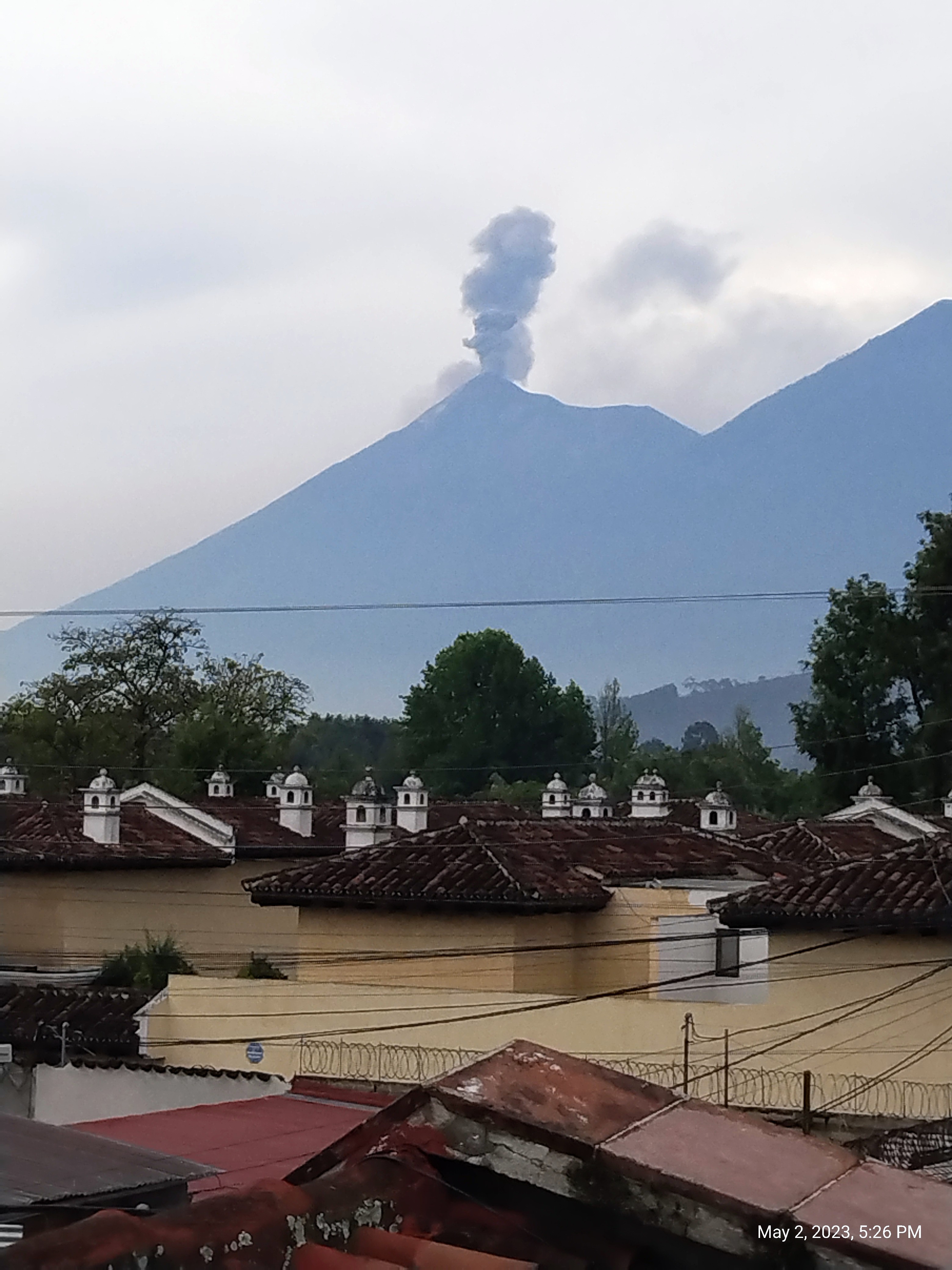
I was on a tour of steamy Central America recently, traveling to ancient Mayan archaeology sites and present-day Mayan towns in El Salvador, Honduras, Guatemala, and Belize. Did you know that Guatemala has 37 volcanoes? It’s okay, I didn’t either. Over the centuries, tens of thousands of Guatemalans have been killed and whole towns leveled by earthquakes. Three of those volcanoes are still active on a daily basis. Below is a photo I took of a steam and ash eruption from Fuego, the “fire volcano” near Antigua.

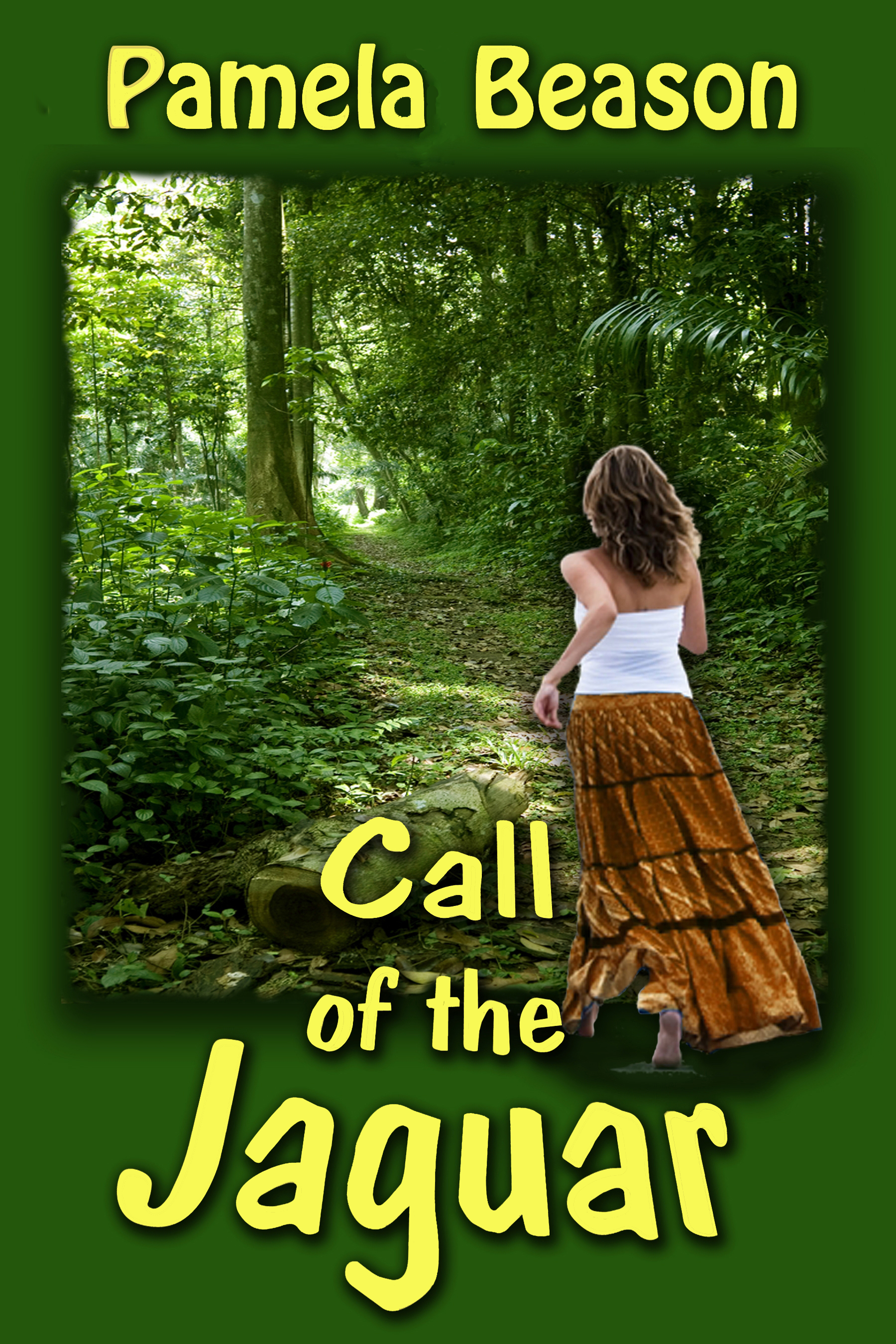
But I digress, as I inevitably do. Decades ago, when I was in screenwriting school, I wrote a romantic adventure screenplay that I titled Call of the Jaguar. It takes place largely in Guatemala. The story is about a woman, Rachel McCarthy, who, on her 40th birthday, finally gives in to the mounting evidence that her materialistic husband, Brad, has been cheating on her. For years. After confronting her husband and his lover with a birthday cake and a knife and making the front page of the local news, Rachel goes off the deep end and decides to search for the man she should have married, the lover from the Peace Corps days of her youth. Patrick is now an archaeologist working on a secret location in rural Guatemala, which is in the midst of a civil war.

I’m not telling the rest of the story here, but of course, as I am at heart a suspense writer, things go terribly wrong on Rachel’s quest to find Patrick. Although I had spent time in Yucatan, Mexico, among the Mayan population, I had never visited Guatemala until this recent trip, and I wrote this screenplay long ago, pre-Wikipedia and other easily accessible internet sites. And like all authors, I live in fear that I totally invented the history of the civil war in Guatemala. After all, we only know what we read or hear, and the version we get is often totally different from the experience of the actual people involved. And we writers tend to be an insecure lot. Personally, I always tense up when someone opens a conversation with “I read your book.” Yikes, what’s coming next? (Please tell me I’m not the only apprehensive author.)

So it was with some trepidation that on my Central American tour, I quizzed our trip leader, a Guatemalan, about the civil war in Guatemala, which thankfully has been over for many years now. What was I going to do if I got it all wrong? Rewrite the whole dang screenplay? Sometimes it’s best not to ask, but if I totally screwed up, I was prepared to fall back on the “it’s fiction !” excuse.

But lo and behold, I somehow magically got the basics correct: federal troops vs rebels (federales and insurgentes in my story), with the federales siding with big landowners to take land and rights away from the common people (many of which are Mayan). Halleluiah! I must have had some idea of what I was writing about when I crafted Call of the Jaguar.

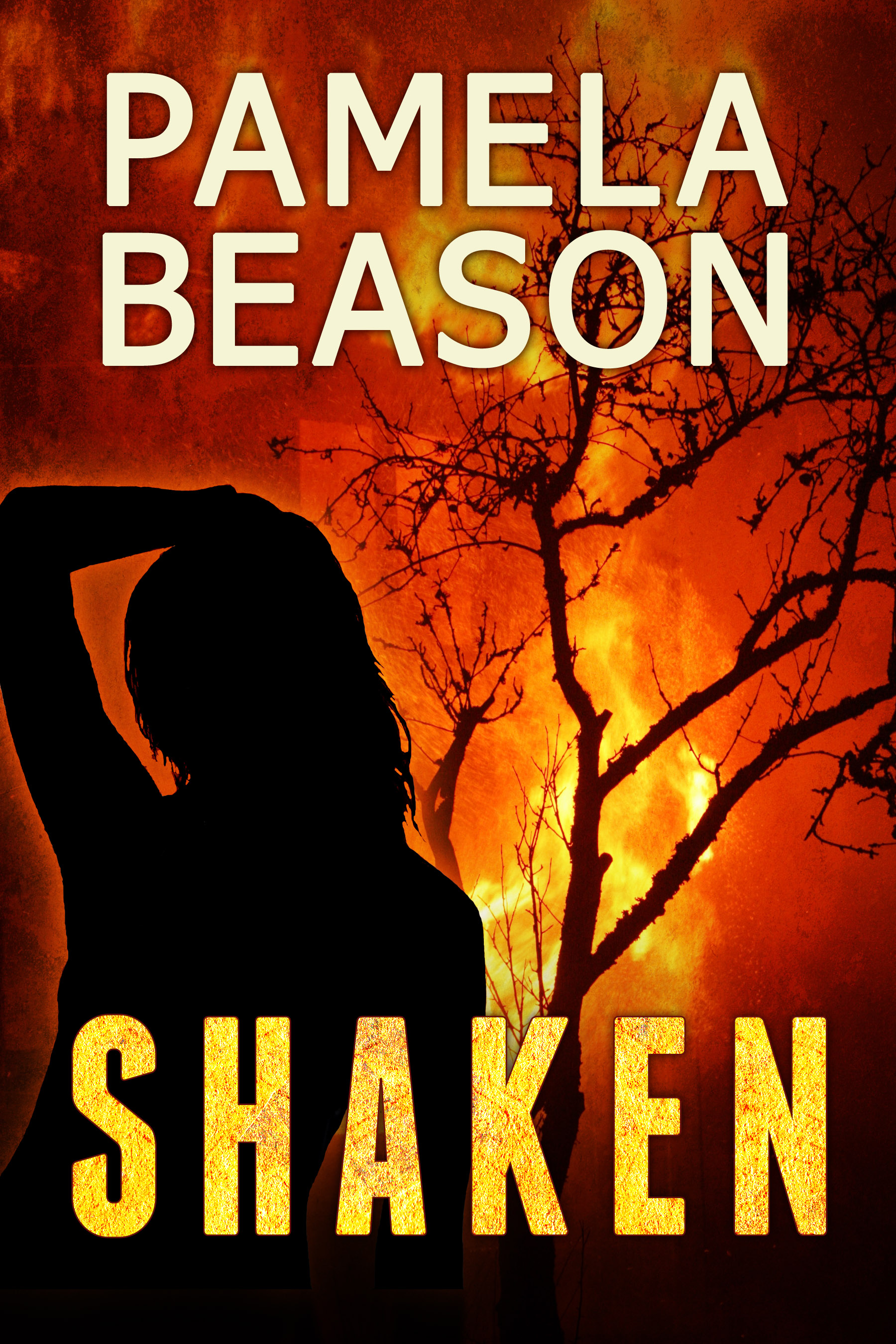
How sweet and how reassuring to be vindicated! I’ve had readers email me to say I made a mistake in one book or another, only to find out that the reader didn’t understand all the possibilities. Speaking of earthquakes, one of those readers wrote to me to say that the earthquake in the opening of my romantic suspense, Shaken, was all wrong. Earthquakes, she wrote, never ripple through the earth, but shake violently. Guess what, dear reader, depending on your surface location and the depth and position of the epicenter of an earthquake, the tremors you feel may roll through the ground like the incoming tide, shake the surroundings until they crack or fall, or simply slip sideways with single booming noise and resulting swaying after the slip. (I’ve had the joy of experiencing all three types.)

But I’m digressing again. I never came close to selling the screenplay version of Call of the Jaguar. (Hey, it’s really, really hard to sell screenplays!)

So I eventually turned the story into a novella, which I now give away on Amazon and elsewhere. My character, Rachel McCarthy, has quite the adventure among the Mayan ruins in Guatemala. And I had a good, hot, steamy time exploring ancient pyramids in the jungle, too.

I’m sure I got many other aspects wrong in Call of the Jaguar, but hey, it’s fiction!