Noise Levels and Other Considerations

by Janis Patterson

This is a noisy world. There are sirens and neighbors and families and appliances… and not even noise-cancelling headphones can guarantee total silence. At least, not at my home with a house reconstruction going on to the west and the neighbor to the east – though a wonderful man in many ways – owning every gasoline-powered piece of lawn equipment ever made. His lawn is beautiful, though.

Now all writers are different. Some like lots of noise, claiming it is a stimulant, while others like pure silence as they say it frees their creativity. Depending on the time and our mood of the moment I daresay most of us fall somewhere in between.

Some writers swear by writing in different places – cafes, car parks, just about any place you can think of. Now when we have to be someplace besides our office, a writer can work almost anywhere, especially a writer under deadline. Have to take your child to ballet practice? Need to get the car worked on? Have a lunch hour at work? You can take a laptop or one of those keyboards that feeds  into your phone (I keep meaning to get one of these, just as soon as I get a phone which can handle it), or even a humble pen and paper, then make use of the time to up your word count.

Other writers believe in total silence – or as total as one can achieve short of moving to an uninhabited mountaintop in some third world country. Noise-cancelling headphones help, as sometimes does a white noise machine, but nothing can truly drown out the noise of the modern world.

As I usually do, I stand firmly in both camps. There are times I write happily in front of the blaring television while listening to The Husband tell me about his day, and other times I have on my headphones, my office drapes drawn and a sign on the door threatening a dire fate to anyone who disturbs me.

So what is the best way to write? I can only speak for myself, but as always my practice varies. If I had to choose just one atmosphere, it would be classical music (either full orchestra or piano only – no screechy strings, please) playing softly in the background, preferably of an emotion and tempo appropriate to whatever I was working on at the moment. After that, as pure a silence as could be achieved. Of course, I would – and have – made do with whatever had to be undergone at the moment.

By contrast, I have a friend – an excellent writer – who is addicted to writing in cafés. Now I admit there are advantages to writing in a café, foremost of all being to command endless cappuccinos by the mere raising of a hand! On the other hand, there is a constant swirl of people and babble of conversation, to say nothing of being the object of curiosity by the customers (“They’re real writers? And they’re working on books?”) for all as if we were some sort of exhibit in a raree show. I am no shrinking violet when it comes to being in the public eye – far from it – but not while I’m trying to concentrate on work.

However – being a fair individual and willing to experiment, I have joined my friend on occasion, and yes, despite being interrupted by spectators telling me about how they have always wanted to write a book, or have a sure-fire idea for a best seller, both broadly implying that I should stop and either teach or co-write with them (grrr) I managed to get a fair amount of writing done. Unfortunately, it wasn’t really writing – just lots of typing that, on a cool-headed reading the next day, was barely one baby step away from garbage. I didn’t try to save any of it, but I did go put on some Chopin, close the drapes and the door and try to salvage the underlying idea.

By contrast, my friend actually wrote a short story that same afternoon, one when it was polished, she sold.

How boring life would be if we all worked exactly alike!
Getting To Know Martha

I’m working on a historical novel set in Colorado and New Mexico in 1877-1878. The book, based in part on real events, is one I’ve been wanting to write for years. I’ve done a lot of plotting, planning, research and thinking about it, as I weave together fact and fiction.

My protagonist, Catriona, is the daughter of an officer in the frontier Army. I’ve gotten to know her well, though on occasion she surprises me. She’s resourceful and independent, as a young woman must be following her father from fort to fort. But she’s also constrained by the strictures of the times and the restrictions put on young unmarried women. She’s particularly annoyed by officers’ wives who keep trying to find her husbands among the unmarried officers.

There’s a secondary character named Martha, who has become more important. She’s every bit as resourceful and independent as Catriona, with a far different back story, though the two women have things in common. They are both young, unmarried, and seeking their own way in the world.

Martha is African American, born enslaved on a plantation in Missouri, five years before the start of the Civil War. How does she get from a Missouri plantation to a frontier fort in Colorado in September 1877? How does she travel? How does she support herself along the way?

Domestic service comes to mind. Martha can cook and clean, and look after children. While doing research, I discovered that that servants were in high demand at frontier forts. An officer’s wife would write to an employment agency and hire a young woman to help out around the house. The maid would arrive and quickly get a marriage proposal from a homesteader or a soldier.

Martha could also be a laundress. The Army employed women who spent their days on what was called Suds Row, washing all those blue wool uniforms. These women were often Black as well as White, and frequently older laundresses were the wives of higher-ranking enlisted soldiers. And Martha can sew–she’s very good with needle and thread. Maybe somewhere along the line she’ll become a dressmaker.

So, Martha has skills and resources, enough to hire on with a family that’s moving out west. How do I bring Catriona and Martha together at that fort? There is a point at which their back stories intersect, and it has to do with the frontier regulars, as the post Civil War Indian-fighting Army was known.

After the Civil War the Army shrank to a fraction of its wartime size. Officers who had higher rank while commanding volunteer troops during the war found themselves stepping back in rank when commissioned in the regular Army. For example, George Armstrong Custer was a brigadier general commanding volunteers during the Civil War. When the war was over, he was commissioned as a lieutenant colonel in the regular Army, sent off to fight the Plains Indians. We know how that ended at the Little Big Horn.

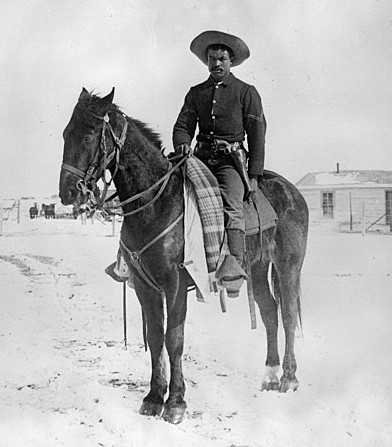
After the war, promotion was slow. It could take years for an officer to advance. Black troops, many of them former slaves who volunteered to fight for the Union, also joined the regulars and became known as Buffalo Soldiers. Some White officers, with the prejudices of the day, didn’t want to command them. The Army then provided incentives. Officers who agreed to command Buffalo Soldiers got faster rates of promotion.

So, there is the intersection. Martha’s brother is a Buffalo Soldier, Catriona’s father is his commanding officer.

I had a back story in mind for Martha, but it’s currently taking a few detours. She has a mind of her own and other ideas about where she came from and how she got here. She’s taking me in a different direction, and I am paying attention to that, researching her, getting inside her head to see who she is and how she wound up in my story.

It’s a fascinating journey for Martha—and for me. I haven’t figured it out yet, but I’m getting there. I’m doing my research, happily burrowing down rabbit holes to find answers to questions. With this book, my rabbit holes include life in the post-Civil War Army, Buffalo Soldiers, the Indian Wars, especially related to the Mescalero Apache tribe, and women in the trans-Mississippi west.

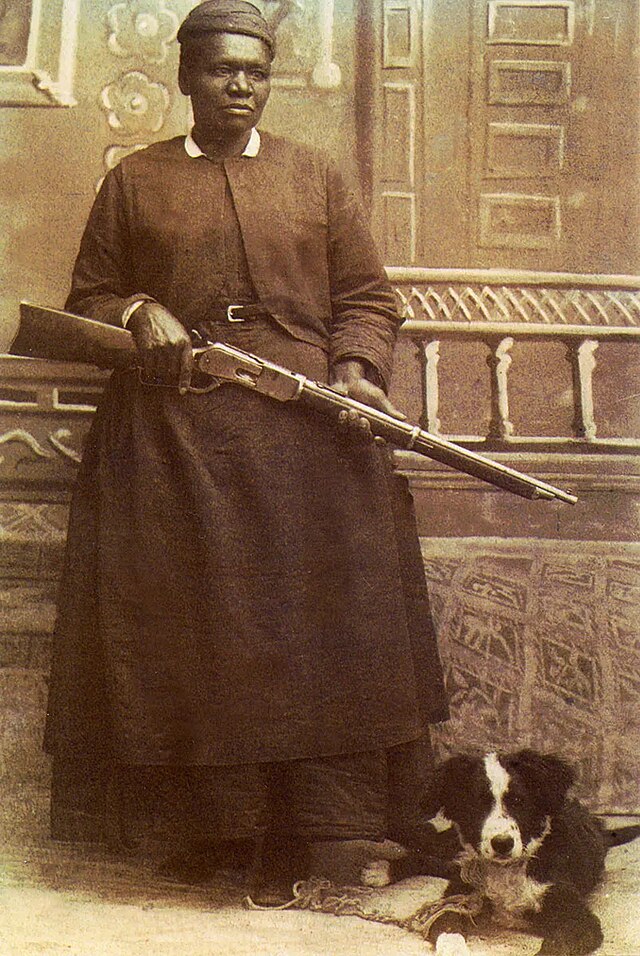
I find inspiration for Martha’s story in the colorful history of Black women in the west. Such as Stagecoach Mary Fields, who owned cafes, took in laundry, looked after children—and used a stagecoach to deliver mail in Montana. From all reports, she packed a wallop and didn’t suffer fools gladly. She also like baseball and gardening. She impressed a young Montana boy named Gary Cooper, who met her when he was a child and talked about her years later.

Then there was Cathay Williams. She was from Missouri, too. Born a slave, she worked as an Army cook and laundress. When the war was over, she enlisted in the regulars, under the name of William Cathay. She served for three years as a Buffalo Soldier with the 38th Infantry. When a post surgeon discovered she was a woman, she was honorably discharged and went on to work as a cook at Fort Union, NM.

Guest Blogger ~ Skye Alexander

Mystery Stories and Mystery Schools

What comes to mind when you hear the word “occult”? Evil cults that worship the devil? Weird rituals where animals are sacrificed? Wizards with nefarious aims wielding power behind the scenes? If so, you probably got those impressions from Hollywood or from fear-based religious groups. Let’s pull back the dark curtain that shrouds the occult arts to discover how supernatural elements can contribute to a mystery novel’s plot.

What Does “Occult” Mean?

First of all, the word “occult” simply means hidden, as in hidden knowledge. For centuries, people who practiced the occult arts had to hide what they knew and practiced in order to avoid imprisonment, torture, and murder at the hands of misguided authorities. They formed secret societies sometimes known as Mystery Schools, passed down wisdom through symbols and oral tradition, and wrote in secret code.

Yet occult ideas and practices––witchcraft, divination, spellcasting, incantations, and magic potions––continue to fascinate us to this day. Perhaps the most famous scene in literature comes from Shakespeare’s MacBeth where three witches stir a mysterious brew while they prophesy “toil and trouble” for the Scottish king. The Bard’s plays MacBeth and Hamlet also feature ghosts, and A Midsummer Night’s Dream involves faery spells and shapeshifting. More recently, J.K. Rowling’s popular Harry Potter stories have captured the imaginations of millions of young people worldwide and introduced them to some of the tenets of magic work––and its possibilities.

Using the Occult in Plotting a Story

Occult practices involve working with forces beyond the mundane, tapping into reservoirs of hidden power, and sometimes interacting with supernatural beings. Therefore, they let writers and readers step outside the ordinary limitations of a storyline. Ghosts and spirits can also expand readers’ knowledge into realms beyond the physical. In Alice Sebold’s The Lovely Bones, for example, a murdered girl shares a perspective of the crime from her vantage point on the other side.

Oracles such as the tarot, astrology, or runes can give veiled glimpses into the future. Is someone destined to die when the Death card turns up in a tarot reading? In my mystery novels What the Walls Know and The Goddess of Shipwrecked Sailors, a tarot card reader sees trouble lurking ahead for the protagonist Lizzie Crane, which adds to the stories’ suspense.

Authors can incorporate metaphysical ideas into their novels in various ways. For example:

  • Is a character a seasoned witch or wizard, or a novice dabbling with forces she doesn’t understand, like the Sorcerer’s Apprentice?
  • Does a character pursue a metaphysical path that leads him to a discovery or danger? How does he grow from this experience?
  • If this is a historical novel, what local customs, religious beliefs, and laws affected occultists at that time? Are historical events, such as the Salem Witch Trials of the early 1690s, worthwhile additions to the book?
  • Do nonphysical entities influence a character’s decisions, aid her in solving a problem, or guide her into a realm beyond the physical one?
  • Does a character conjure a spell that works––or goes wrong––and takes the story in an intriguing direction?

Oh, and by the way, writing is a powerful form of magic. When casting a spell, you envision an outcome you want to create. Then you infuse it with color, action, emotion, intention, and passion. You experience it as if you’re living it right now. In your mind’s eye, you see the result as if it already exists––and you’re the Creator who makes it happen. Sounds like writing a novel, doesn’t it?

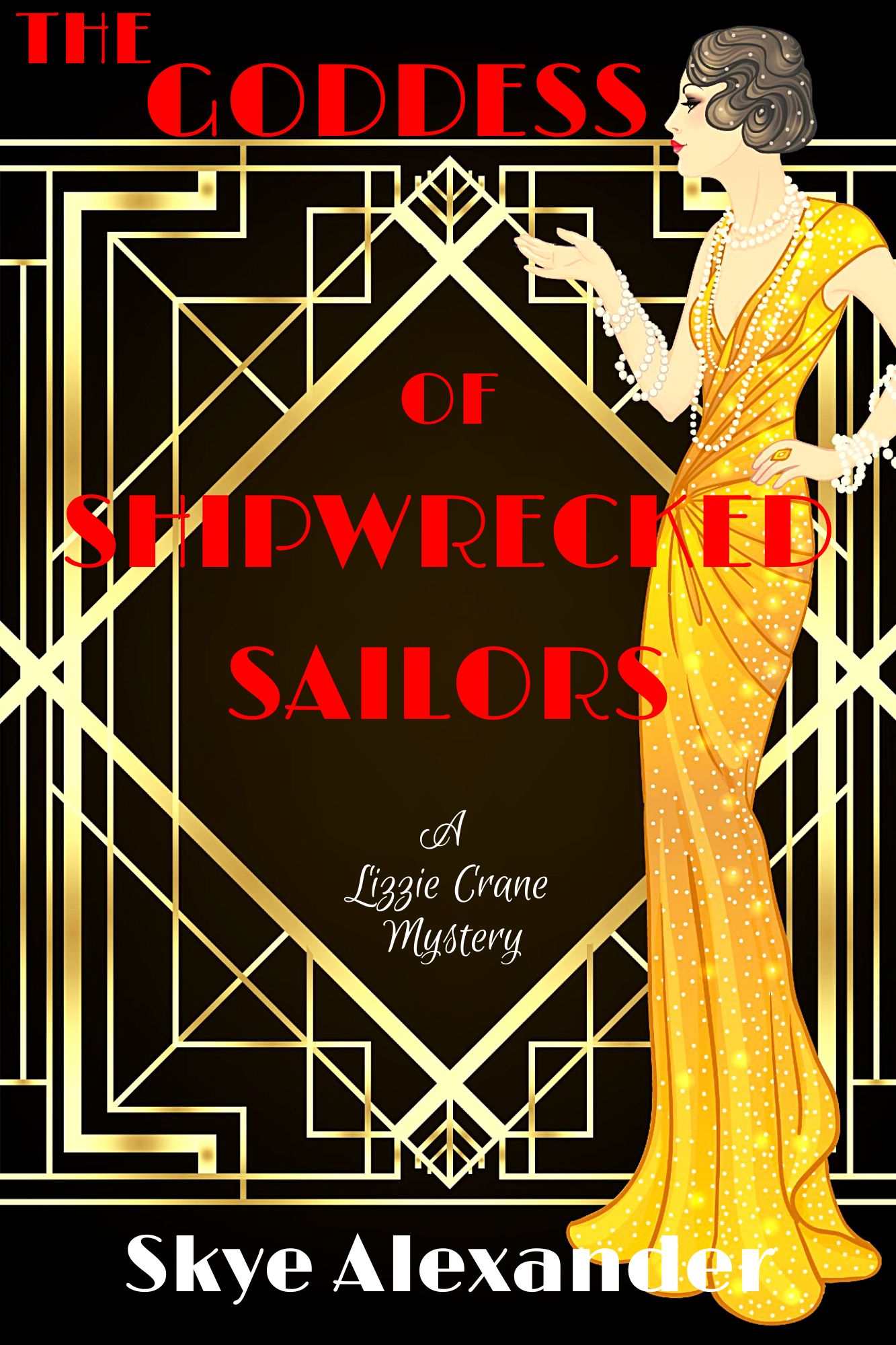
The Goddess of Shipwrecked Sailors

Salem, Massachusetts, Christmas 1925: When the heir to a shipping fortune hires New York jazz singer Lizzie Crane and her band to perform during the Christmas holidays, she has high hopes that the prestigious event will bring them riches and recognition. But the evening the musicians arrive, police discover a body near a tavern owned by Lizzie’s cousin––a cousin she didn’t even know she had. Soon Lizzie becomes a pawn in a deadly game between her cousin and her employer over a mysterious lady with a dangerous past.


Buy links

Amazon: https://www.amazon.com/Goddess-Shipwrecked-Sailors-Lizzie-Mystery/dp/1685124348

Barnes & Noble: https://www.barnesandnoble.com/w/the-goddess-of-shipwrecked-sailors-skye-alexander/1144045510?ean=9781685124342

Author Bio:

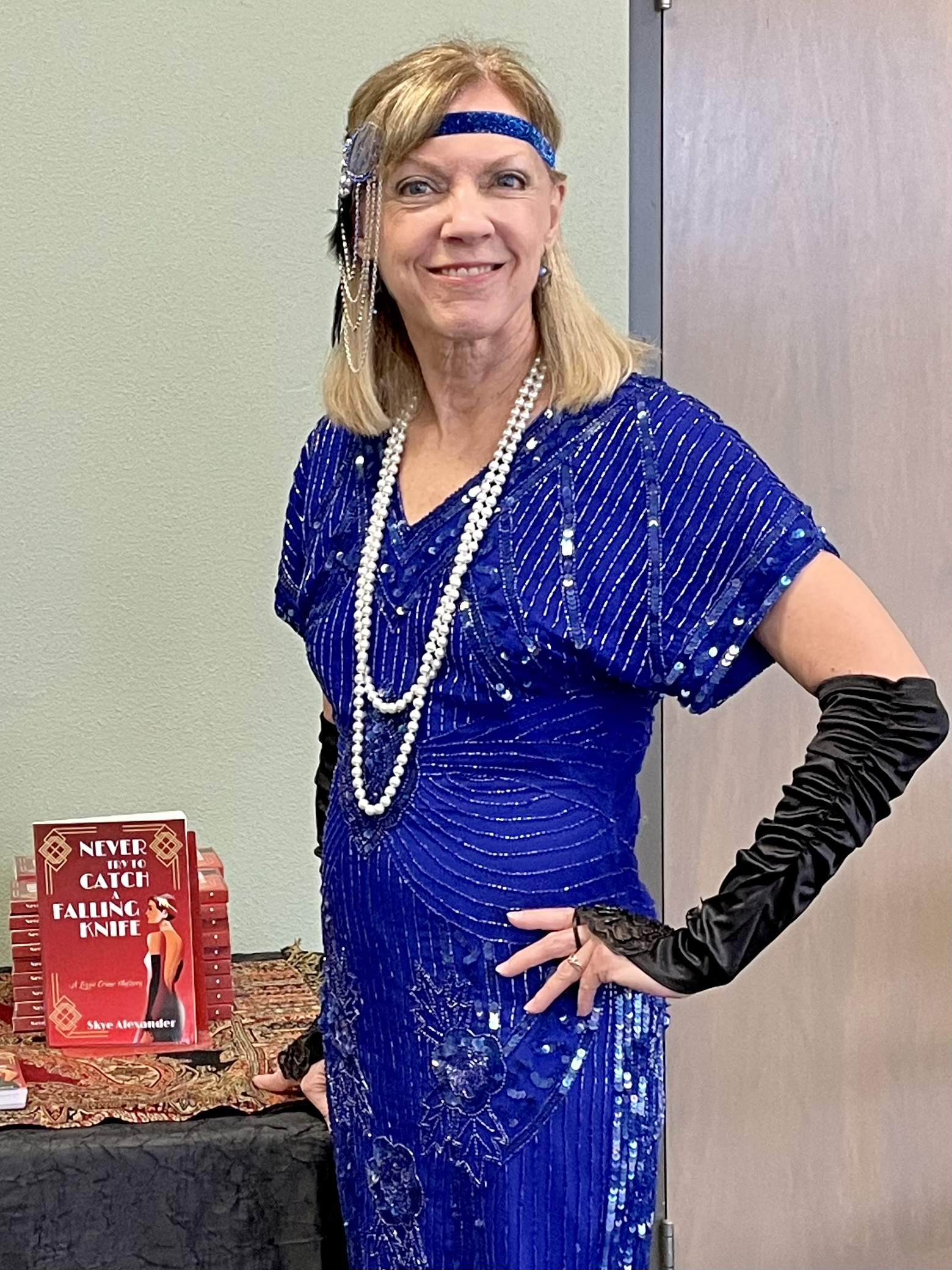
Skye Alexander’s historical mystery novels What the Walls Know and The Goddess of Shipwrecked Sailors, the second and third books in her Lizzie Crane mystery series, use tarot cards and other occult ideas to provide clues. Skye is also a recognized authority in the field of metaphysics and the author of fifteen bestselling nonfiction books on the occult arts including The Modern Guide to Witchcraft, The Modern Witchcraft Book of Tarot, and Magickal Astrology.

Facebook link

https://www.facebook.com/skye.alexander.92

Goodreads link

https://www.goodreads.com/book/show/198671880-the-goddess-of-shipwrecked-sailors

Video trailer

https://drive.google.com/file/d/1IjHJjQYpVe35nvBkMD4sMn-o2zt0skA2/view (if you can’t access it here, it’s also on the first page of my website and on YouTube at https://www.youtube.com/watch?v=kgCT41caKrs

Agatha Christie and Me by Heather Haven

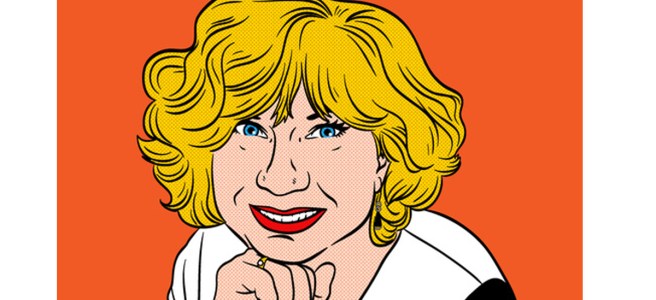
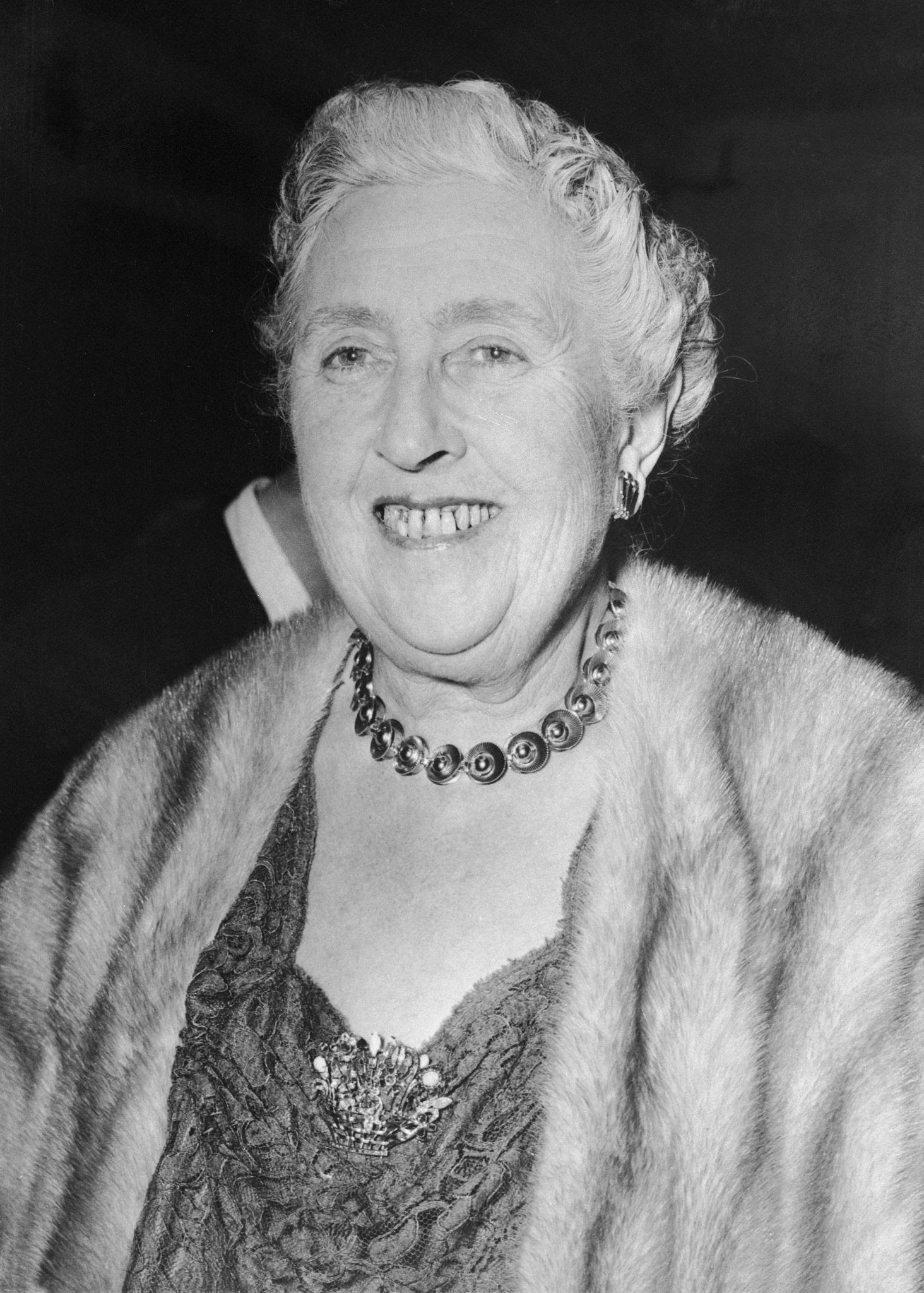
Even though I never knew Agatha Christie personally, she has been an important person in my life. I was a lonely kid and can only say the phrase, “Books are my friends” was on the mark for me. I started reading Nancy Drew mysteries when I was nine. I moved on to Agatha Christie when I was about sixteen. In the following years, I read anything that came my way, from Ernest Hemingway to P.G. Wodehouse, Ruth Rendell to Erma Bombeck. Thrown into this mix was required reading, such as “Ode to a Grecian Urn.”

But I always came back to Christie. Her books were like a trip home. I knew I would care about the characters and be certain of where they were going i.e., a solved crime, but at the same time, be perplexed by the mystery. Above all, it would be a good read. Something to savor and enjoy, to be sorry when it ended.

Arguably, but let’s not argue about this, Christie invented the genre we know today as the cozy mystery. Although, most of them were not as cozy as people like to think. If you scratch beneath the surface, you will find deceit, betrayal, greed, selfishness, and amorality. Even in her romantic mystery series with Tommy and Tuppence, these two were up against some pretty evil doings amid the charm and fluff.

It is said that the best way to learn how to write a mystery is not just to study writing but to read others who have gone before. Read the best and you cannot help but become a better writer. So, I read her a lot. From Christie, I learned the value of having a protagonist people enjoy reading about and are committed to. I learned pacing, plot building, and the element of surprise. But mostly I learned the importance of sustained good writing.

Do I write like or as well Agatha Christie? No. But this isn’t a competition. I’m me and Christie is Christie. My goal is to write as well as I can, in my way, and in my voice. But hearing her angels singing in the background helps. Seeing in my mind’s eye the day-to-day existence of her people, even in the smallest of ways. Poirot measuring his eggs. Marple knitting her latest pair of baby booties. They help me with my own protagonists’ quirks and foibles, keeping my characters interesting and believable. There may be chit-chat about the Great God Google, but to me, Agatha Christie is my goddess.

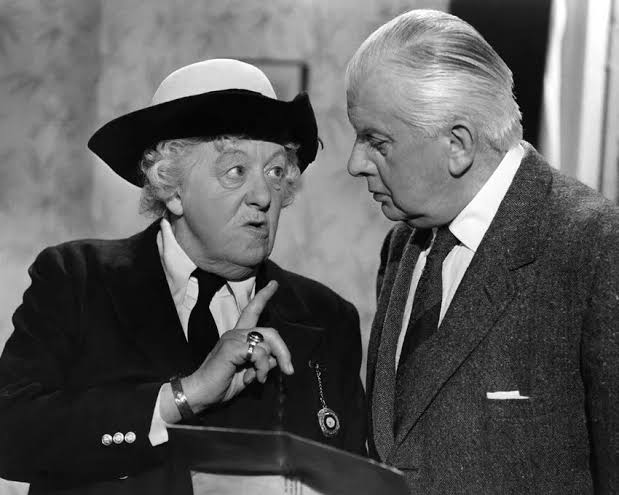
With this kind of god-like appreciation, comes a certain amount of ownership. I am quite possessive about what is done with her work in other media. I can remember seeing Margaret Rutherford on TV in four black and white movies with her playing Miss Marple and thinking, uh-oh.

Don’t get me wrong, I adore Margaret Rutherford. She was a wonderful character actress of the 50s and 60s who was in many fine movies, such as Blythe Spirit, The V.I.P.s, and The Importance of Being Earnest. She even won an Academy Award for The V.I.P.s. However, her approach to Miss Marple was more along the dotty and confused sleuthing line, with less observation and mental acuity. Rutherford also decided to add her own husband to the stories as her sidekick, Mr. Stringer. Of her performances, it was said Christie respected Rutherford, but later wrote that ”Margaret Rutherford was a very fine actress, but was never in the least like Miss Marple.” I’m with her.

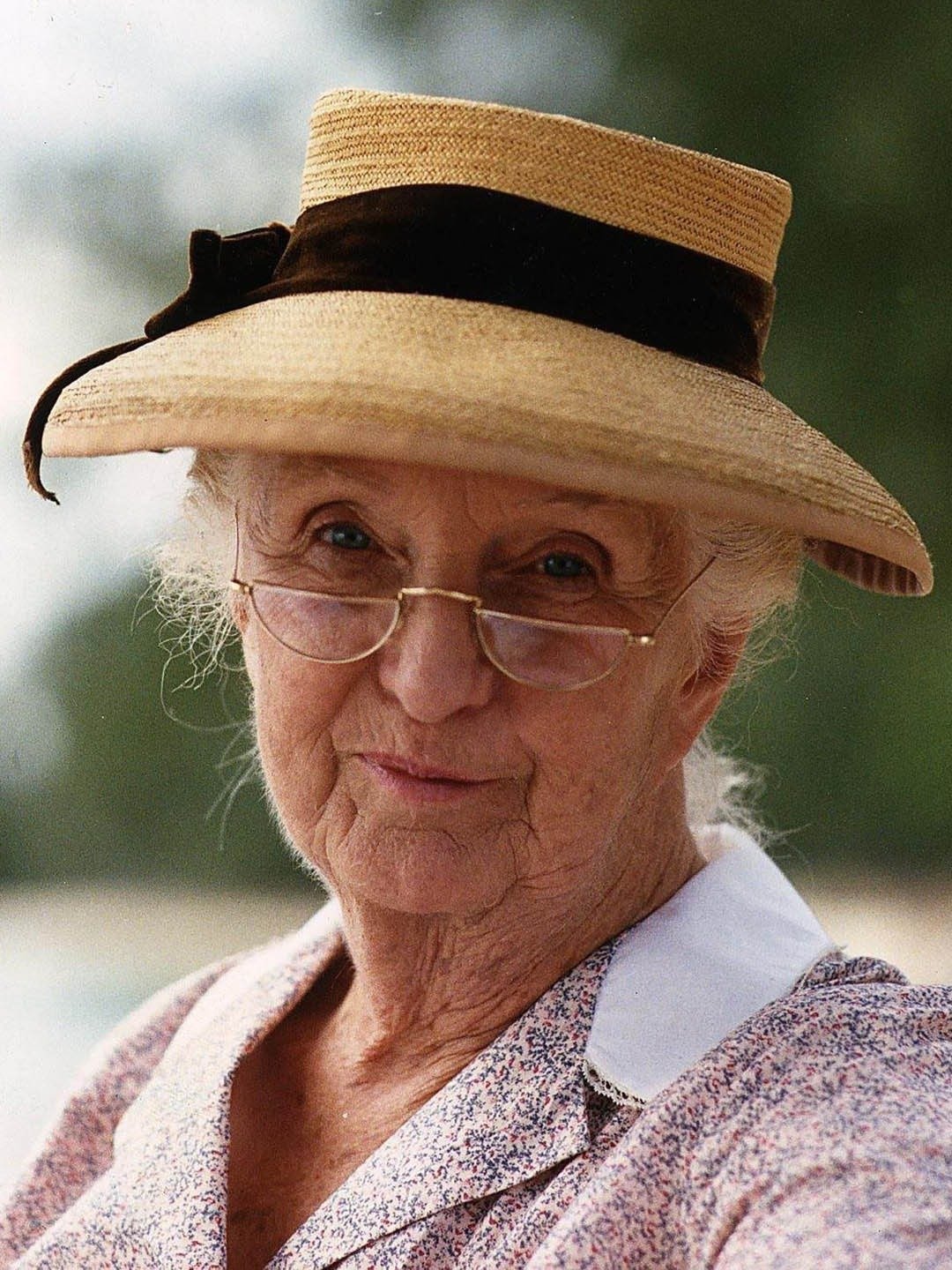
Glossing over 5’8″ Angela Lansbury’s Miss Marple played when she was 55 years old and looking as if she could fell a horse, we move on. Christie’s quintessential Miss Marple was Joan Hickson. Agatha Christie even wrote her a letter saying, “I hope one day you will play my dear Miss Marple.” Christie eventually got her wish when the opportunity arose for Hickson to star in the role at the age of 78. Others come and go, but Joan Hickson was and is my perfect Jane Marple.

Another gloss-over moment is Tony Randall playing Hercule Poirot in The Alphabet Murders. Despite adding Robert Morley to the cast, the movie didn’t work on any level. The script was compromised, the heart of the story was neglected, and Tony Randall was simply miscast. He found his feet in The Odd Couple but certainly tripped all over himself as Poirot.

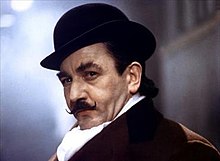
Albert Finney did Poirot one time in the movie Murder on the Orient Express. With an all-star cast, the script followed much of Christie’s novel. Thank you. Finney’s portrayal of Poirot was exacting, respectful and believable. My own respect for Albert Finney went up several notches after seeing that movie. This handsome dude who starred in the movie Tom Jones not ten years before became the excentric, middle-aged, not-so-good-looking Hercule Poirot.

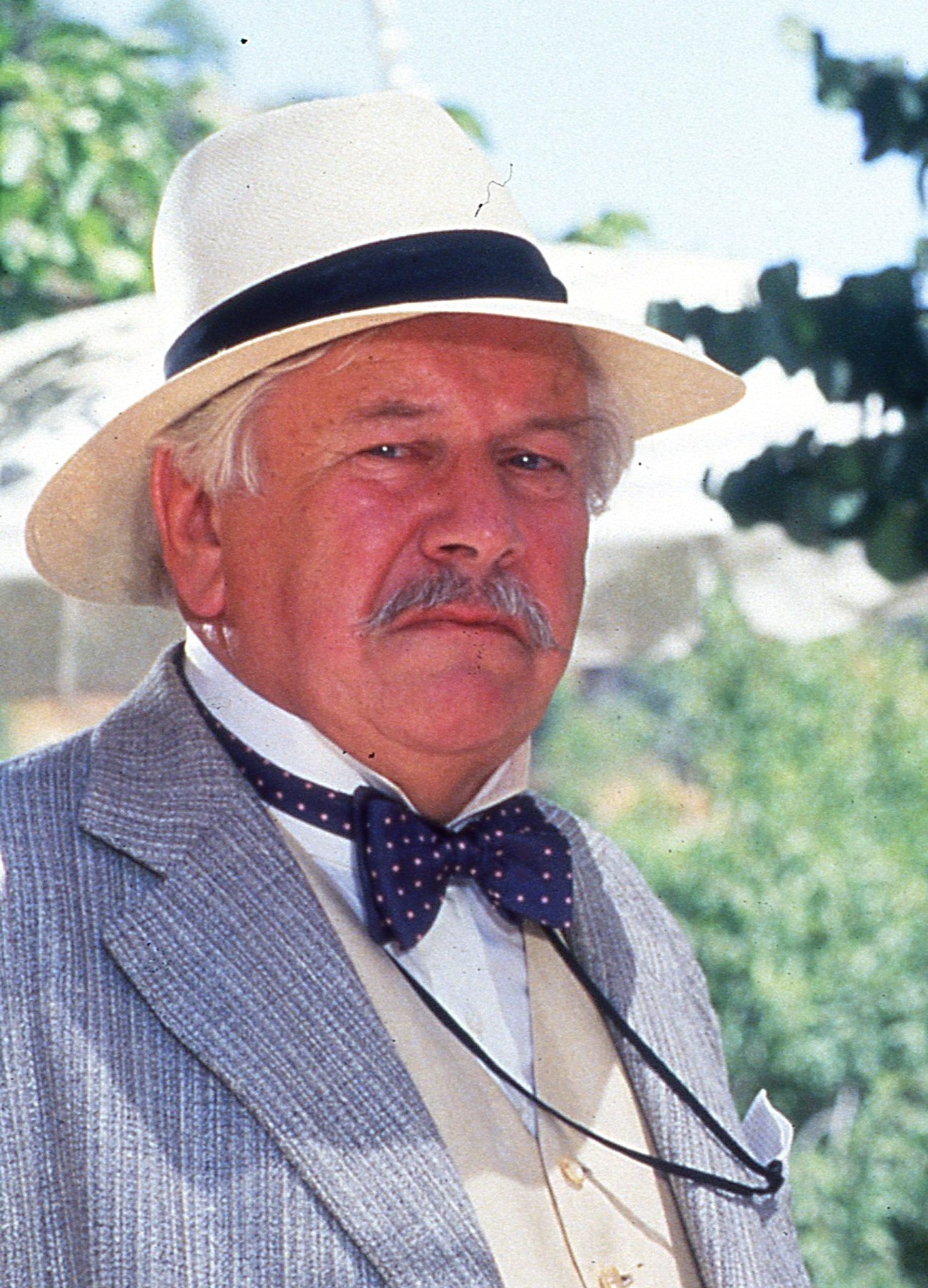
Peter Ustinov played a very credible Poirot in six movies. While he didn’t look physically very much like the description of Poirot in the books, he had a great sense of fun, the intellect was there, and he honored the character and the role. And he was a wonderful actor. The films were made on location and tended to follow the plotlines, always a plus. His Death on the Nile is one of my favorite go-to movies.

But now we come to Kenneth Branagh. He’s a good Shakespearean actor, but his Hercule Poirot is more one of his fancies than what Christie wrote. His Poirot is a man with a touch of Ian Fleming’s double 0 seven in him, blondish, younger, and far more strapping than any Poirot previously done. And his mustache seems to change in every film. He’s done three films so far, all uneven, and probably plans to do more. Okay. Everybody’s gotta make a living.

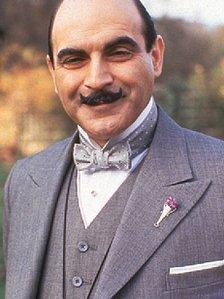
If you want to know what Hercule Poirot looks like according to Agatha Christie, either read the books or watch one of David Suchet’s performances. Because we have just gone back to quintessential. David Suchet played Hercule Poirot for nearly 25 years on television. It was a faithful version of the character. According to movieweb.com, “Throughout his 25-year tenure as the detective, Suchet managed to consistently bring to life all of Poirot eccentricities, right down to the physicalities and movement of the character — as, notably, Suchet managed to perfect Poirot’s distinct walk.”

Keeping in mind that actors need to work, and they’re going to take a job whether I like their version of the role or not, when I really want to visit Miss Marple, Tommy and Tuppence, or Poirot, I pick up one of Agatha Christie’s books. Timeless and wonderful.

History “swings like a pendulum do” *

* to misquote Roger Miller’s “England Swings.”

When selecting a year in which to begin my Wanee Mystery Series, I landed on 1876 not by accident but by design. It was the U.S. Centennial year. The Centennial Exhibition in Philadelphia, partially powered by a massive steam engine, showcased Alexander Graham Bell’s telephone, the first typewriter with a QWERTY keyboard (Remington 1), Edison’s automatic telegraph, new products such as popcorn, ketchup and root beer, and mass-produced wares including an improved sewing machine. Attending librarians founded the American Library Association. The women’s pavilion demonstrated women’s influence in philanthropy as well as philosophy, science, medicine, education, and literature, foreshadowing the woman’s movement. All while, Reconstruction was still a thing, Native Americans were battling for their land, the James brothers (and others) were robbing banks, and the country was fraught with the second worst depression in U.S. history, setting men adrift to join those already on the road due to the Civil War.

The War may have been over, but it wasn’t. The tides of belief were changing in the North to be less tolerant of the blacks they had just freed. The Southern Democrats fought a different sort of war using intimidation to ensure victory at the Southern polls. Lynchings were common, murders as well, all over the country, not just in the South. The country felt out of control to most. Yet the depression was easing, opportunities were appearing, and technology was booming. Does any of this sound familiar?

What I didn’t expect was how the next year, 1877, the setting for books four through six, would mirror the present. Newspapers predicted the fall of democracy. Public sentiment turned against “tramps” (homeless to us), immigrants, and Hispanics north and south of the border. Southern Democrats (some of whom, as seditionists, the 14th Amendment denied the right to vote or hold political office) took over statehouses by force and threw out duly elected Republican governors, reclaiming control of the south. The oligarchs of industry ruled the White House and most state houses. Graft was everywhere during President Grant’s just ended presidency, and the election of Rutherford B. Hayes considered fraudulent.

Fear crept through the cracks in doors and across the floor, coloring daily life. Small towns were no exception. Though generally not central to the angst, their newspapers, fed by the larger dailies, amplified the news and worries of the world, breeding distrust of the government and outsiders.

The West was still wild, the East tame (if you call murder, gangs and lynchings tame), and the Midwest a mess of mixed sentiments especially in the border states. Small towns like my fictitious Wanee, Illinois were at the nexus of all this change, rife with the disenfranchised, pressured by growth of outside industry, the railroad, and farmers. Glory be, it is my job to weave the discomfit, prejudice, worry, and change into the warp of each story. What a wonderful and frightening opportunity.

The words of one of my professors accompany me; you cannot truly know the tale Shakespeare tells without first understanding the context of the time in which he wrote. He wasn’t a Shakespearean scholar though he discovered the first draft of one of Shakespeare’s plays. Even so, he taught us far more than Shakespeare. He held our hands through the Elizabethan period, the church, the mores, and Shakespeare’s competitors. He made Shakespeare new to me with one question: what if Hamlet’s father wasn’t dead? I hope I do him honor in providing the context for my tales, these roiling years are the stage upon which Cora and her cohorts play. I ask myself with each page written and each plot devised how this disquiet affects the day-to-day dreams and strivings of Cora Countryman, Dr. Philip Shaw, and Sebastian Kanady, who owns and edits Wanee’s newspaper.

This tumultuous period will provide me with plots for a long time to come as Cora and her supporting cast wend their way through to the new century solving the crimes I present them. Yet, as I work on the fourth book, it feels as though 150 years on, we are fighting the Civil War all over again, while dealing with the same threats to our future, oligarchs, seditionists, and technology included. I for one do not wish another 1877 on this country, nor should you.

But I do love writing about the era and how the changes it forced still define us – for the good or the bad.

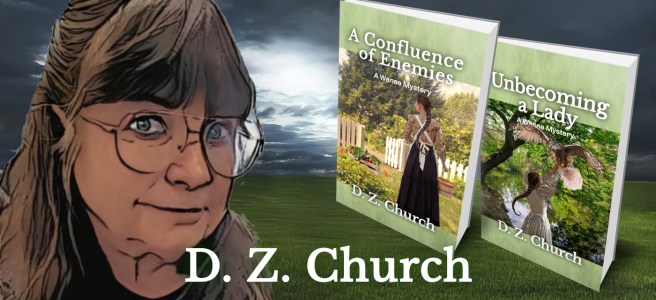
Unbecoming a Lady and A Confluence of Enemies are available from Amazon; https://www.amazon.com/Confluence-Enemies-Wanee-Mystery-Mysteries-ebook/dp/B0CQJ5DW4W. Check my website: https://dzchurch.com for more information on the Wanee Mystery Series and my other books or to sign up for my newsletter.