Best Laid Plans

This has been a busy month for me. I launched Her Last Breath, my third book in the Hood River Valley Mystery/Thriller series a couple of weeks ago. It took longer than I thought it would, but it’s now out on Amazon. I think it will be available to bookstores and libraries on October 19th.

I’ll be selling my books at our local Fall Craft Show on the 18th and 19th. And I have an upcoming book signing in Pendelton, Oregon at Brett’s Books New and Used on November 1st.

I’ve been getting ready for those events and trying to finish the edits on another book. This one is a Christmas Romance. Several years ago, I wrote about 80% of this book and never finished it. It had always been on my bucket list to write a Christmas Romance. For some reason, I just didn’t know how to end this one. Maybe it’s because I’m normally a mystery writer and the ending is typically the solving of the crime.

There were no crimes in my Christmas Romance. There’s a little intrigue, but crime doesn’t take a leading role. So, I talked to my friend and fellow author, Cassie Moore, and we brainstormed until I had the idea for the ending, and I was able to finish it.

The premise of this book is: What do you do when the man you thought you’d spend the rest of your life with dies, and you’re certain you’ll never love anyone else again? And then a stranger comes along and turns your world upside down?

While Brynn Cummins fights her attraction to mystery author Jack Andrews, she finds herself embroiled in two family problems that seem insurmountable. Her son’s ex-wife is trying to take their two-year-old son away from him while he’s being deployed. and after she has given up all parental rights. And Jack’s ex-wife is needing his help because she’s going through cancer. Then her crazy brother gets involved and complicates Jack’s life even more.

As love blooms between Brynn and Jack, can they navigate their way through their problems and find their way to each other? Or will the problems be more than their fledgling relationship will bare?

I’ve been editing two books, trying to get one formatted and into production, while setting up book signings. Then one of our dear friends died unexpectedly. He had been having cognitive issues for the last few years, but I thought he was strong physically. He wasn’t, and dealing with his death has been so hard. He was such a good man, and he will be missed.

His Memorial Service is next weekend. Last weekend I was supposed to go to my cousin’s funeral. Instead, I ended up in the hospital. I’ve been here two days, and they are planning to do surgery today. When you think you are already too busy, and life drops something like this on you, it’s like, how am I supposed to get everything done when I was already overwhelmed, and now I have a hospital stay?

I’ll be glad when today is over and I can get well and move on. I had warning signs. For the last few weeks, I kept having chest pains that moved into my abdomen and back. But they didn’t last long, and I was in denial. I didn’t want to take time out for health reasons.

Then last Saturday the pain came and wouldn’t go away. I tried lying down and getting up and walking around, all things I’d done in the past to alleviate the pain. It just got worse and worse, so I called my husband and said, “I think you need to take me to the hospital.” It’s probably a good thing I came. I will be fine, I just have a few days of recovery, and I’ll be up and around again.

I’m determined to make it to the Memorial Service for our friend this weekend, and to the Craft Show. Someone will have to carry my books in, but hopefully I can arrange that.

Fast forward a couple of days, and I’m home. Surgery went well and I should heal nicely. I’ve learned that no matter what plans I have that I feel can’t be changed or shelved, life has a way of changing those plans sometimes.

I still plan to make my friend’s memorial. But I may have to bow out of the Craft Show as much as I hate that. Amazon doesn’t plan to get my new book to me until the day after the show closes. I’m keeping my fingers crossed that they’ll come early, but I just checked tracking, and it doesn’t look good.

I could scream, but I know that won’t do any good. The books will come when they get here. There will be other opportunities to sell my books. I just need to chill and let life do what it’s going to do.
Characters, where do they come from?

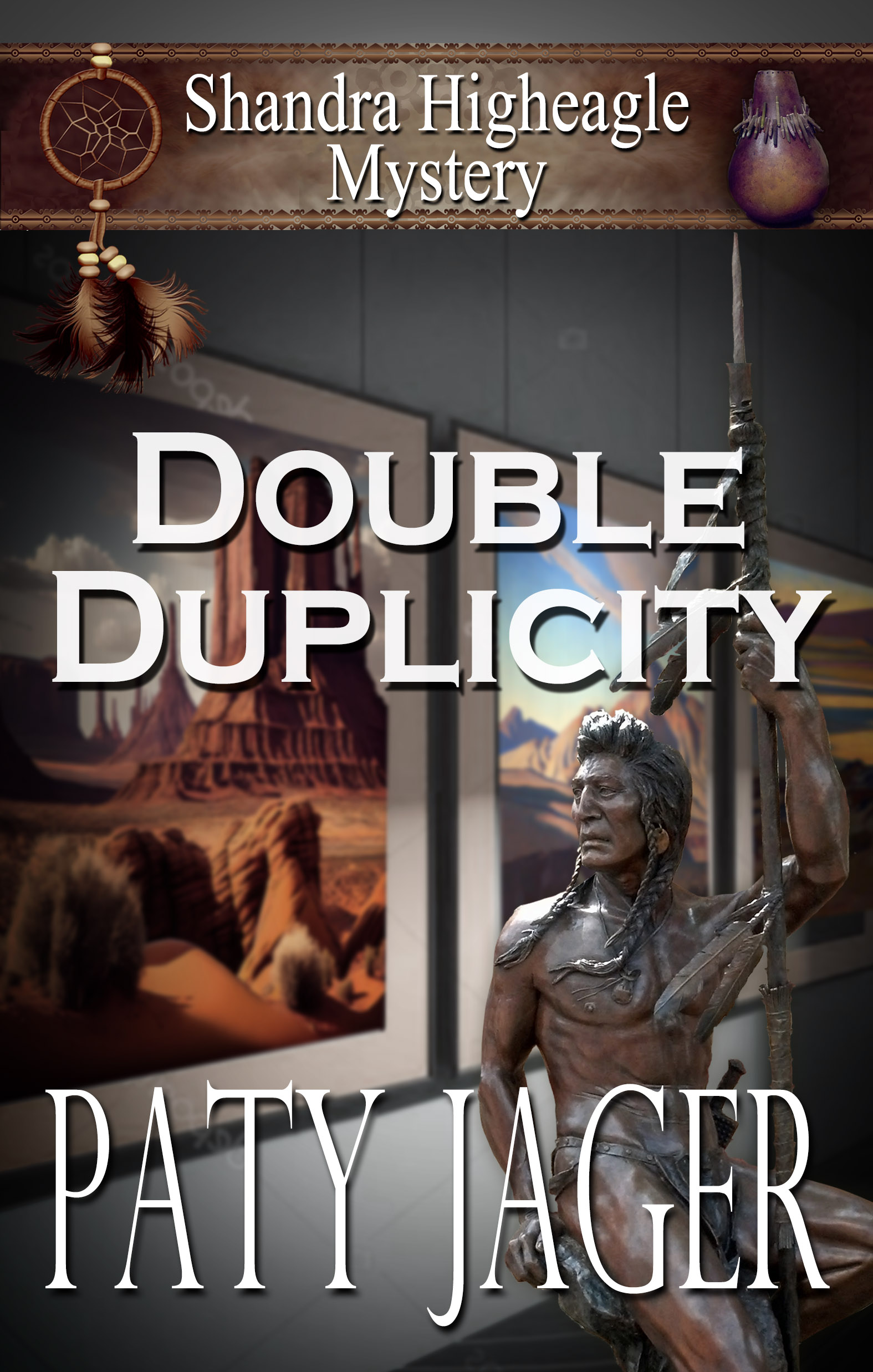
Shandra Higheagle Mystery, this month.

After my post last month about Getting to Know my Character, I had a reader ask me to write about how I create, develop, and name characters.

I guess I’ll start with my Shandra Higheagle series. In the case of this series, my brother gave me the idea for a unique murder weapon. He is an artist and was working at a bronze foundry, welding bronze statues and putting the patina on them. He told me about a large statue of a warrior with a spear and how the spear from the warrior’s hand up could be removed. It was made that way for transportation.

Once that idea was in my head, I knew the first book had to be set in the world of art to have the statue come into play. I decided my main character would be an artist. Since I am captivated by Indigenous culture and have a friend in that world who was willing to help me understand things I would need to know, I made Shandra a potter who made vases that are sold in art galleries. She is also half Nez Perce from the Colville Reservation and half Caucasian. To make it easier for me to write from her perspective, I had her Nez Perce father die when she was four and her mother took her away from that side of her family. She grew up off a reservation on a cattle ranch in Montana with a stepfather who kept her Nez Perce origins hidden.

That gave me a good way to reacquaint her with her Nez Perce heritage as I learned things. I didn’t try to appropriate her culture, just share her learning and experience. I had the help of my friend, who lives on the Colville Reservation, to help me with the books that are set there and how the people there live.

I set the books in a fictional ski resort area in Idaho. We had traveled through Kellogg, ID, a few years earlier, and I thought it was a wonderful place for an artist to reside. It gave Shandra a mountain where she would gather clay and purify it to make her vases. I had learned about an artist who made his own clay in Wallowa County from my brother. He set up a time for me to meet with the artist and learn all about the gathering and purifying of the clay. While I was there, he showed me several of his pieces that were in various stages of the processes he used.

Once I had all about Shandra settled, I started working on secondary characters. Her dog, Sheba, who is large and scared of her own shadow. A woman who helps her with her clay and taking care of the land that she purchased. Crazy Lil came with the ranch like a stray cat. She grew up on the ranch, lost it when her parents died, and went to work for the person who bought it. When they sold to Shandra, Crazy Lil didn’t move on and became Shandra’s right-hand woman. She’s a bit on the cantankerous side and is leery of Ryan, the detective who takes a shine to Shandra.

Then I added friends. A woman who owns an art gallery in Huckleberry. Naomi is married and she and her husband, Ted, sell Shandra’s vases and know a good deal about her. Ruthie is a Black woman who owns a diner in Huckleberry. She and Shandra bonded over Shandra’s love of cheeseburgers and caramel shakes. Her other good friend is Miranda Aducci, whose family owns the Italian Restaurant in Huckleberry. There are several other unique characters like the albino doctor who is trying to find a cure for the disease that killed all the males in his family in their 50s, and Maxwell Treat whose family owns the local mortuary.

When Shandra is considered a suspect for the death of a gallery owner in the first book, she butts heads with Ryan Greer, the detective for the county. This brings in a man who was a cop in a large city and came back to where he grew up because his large Irish family all live in and around the county. His cultural beliefs about little people help him to come to terms with Shandra’s dreams with her deceased grandmother before she realizes that they are helpful.  

Detective Ryan Greer came to me as I was building the beginning scene in my head. I made him Irish and gave him a good Irish name. His mother is Irish and taught her family all about her homeland. His siblings all have Irish names.

My vision of Shandra

Shandra’s name just came to me as I was putting together what she looked like to me. Of course, I wanted a last name that sounded Native American. Sheba’s name came from a big black fluffy dog my daughter had while growing up. Crazy Lil, was just something I typed the first time I brought her into the book. That’s the way all the secondary characters’ names come to me in each book.

As I type a scene and add a new character, I have in my mind what they look like and I add a name that seems to suit them, or the purpose they have for the story. That sounds kind of vague but that’s the way my mind works.

I always have the main character, the victim, and the suspects fleshed out when I start a book, but the secondary characters that are new to the series pop up as they enter my head.

I’m sure readers are interested in how I came up with my Gabriel Hawke and Dela Alvaro characters in their series. I’ll tell you about them in next month’s post.

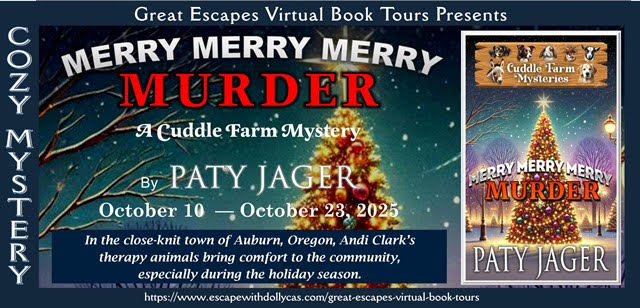
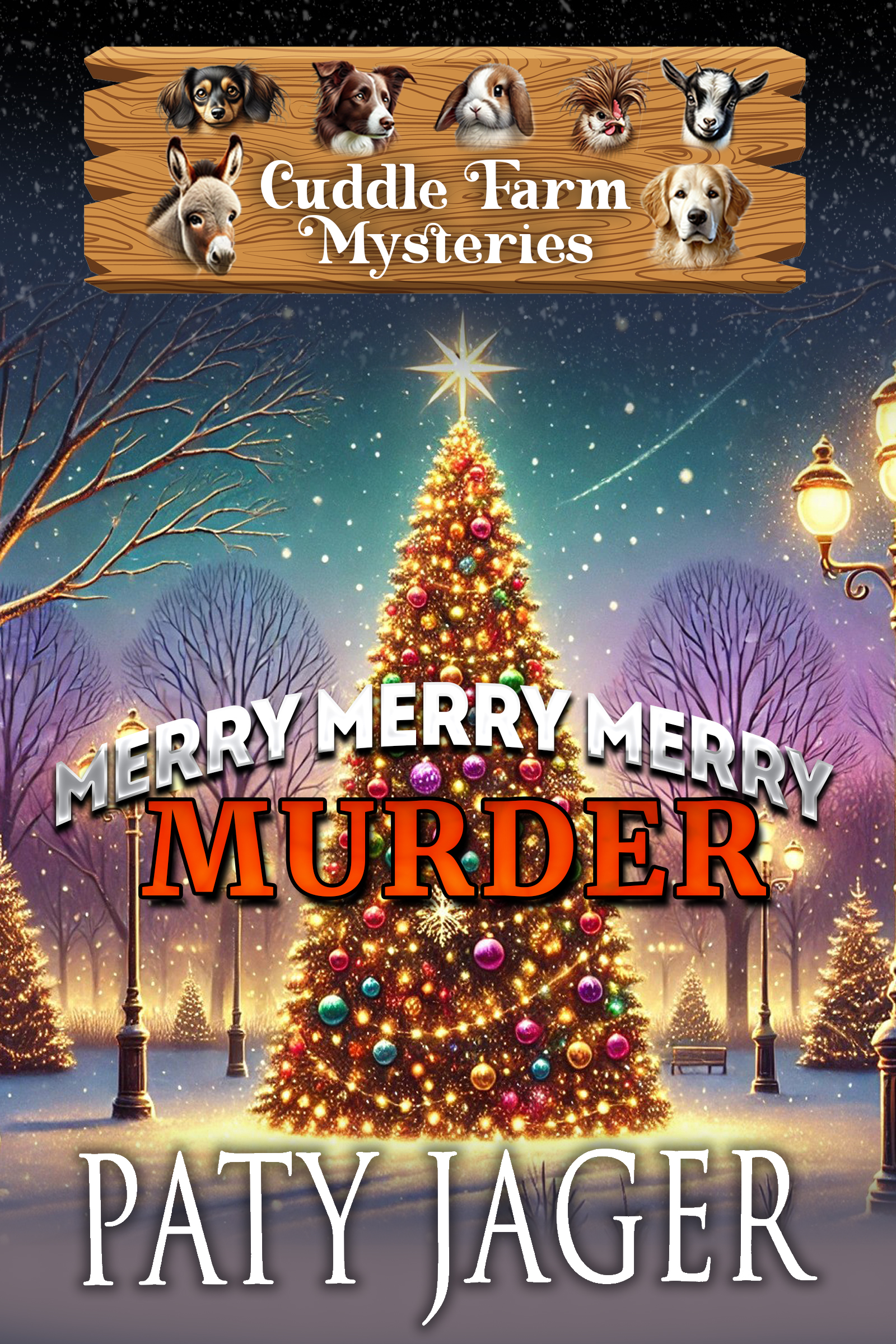
I wanted to give you the info about my new Cuddle Farm Mystery Series. There will be a blog tour for the first book, Merry Merry Merry Murder, from October 10th-23rd. there will be character posts and posts about how I came up with the series on multiple different blogs if you want to hear about the book from Cocoa, the border collie, Cupcake, the pygmy goat, Lulu, the chiweenie, and Betty, a secondary character who is one of the main character’s best friends.

 You can purchase Merry Merry Merry Murder ebook from the usual vendors or you can purchase the ebook from my website.

“Where comfort and cheer meet scandalous secrets—A holiday mystery set in a small town.”

In the close-knit town of Auburn, Oregon, Andi Clark’s therapy animals bring comfort to the community, especially during the holiday season. When a young girl seeks solace from Athena, Andi’s therapy dog, after witnessing an unsettling scene behind the sleigh, it marks the beginning of a much darker holiday.

As the town gathers for the Tree Lighting Ceremony, a scream shatters the festive atmosphere. Cocoa, Andi’s loyal Border Collie, pulls her toward a chilling sight: a woman standing over the lifeless body of the girl’s mother, strangled with Christmas lights.

Determined to help the grieving girl and her town recover from the shock, Andi, her therapy animals, and her niece, a county deputy, take it upon themselves to investigate. As they uncover secrets and untangle clues, they stay one step ahead of the new sheriff and worry that the killer lurking in their midst could be someone they know.

Purchase now from my website: https://www.patyjager.net/product/merry-merry-merry-murder-ebook/

Purchase from a universal buy link: https://books2read.com/u/mZ6qpJ

The Freedom to Read

by Margaret Lucke

When I was twelve and in the seventh grade, I read On the Beach, by Nevil Shute, a grim novel about people facing death from radiation in the aftermath of a nuclear war. I chose it for the best of reasons—a cute guy in my class was reading it and I wanted to impress him.

A friend of my mother’s who was visiting saw me with the book and said to Mom, “Are you really letting her read that?”

Mom’s reply: “I don’t worry about what she reads. If a book is too adult for her, she won’t really understand what it’s talking about. And if she does understand, it’s already too late.”

When it came to my sisters and me, my parents set firm standards for behavior but not for ideas. While they urged us in the direction of certain attitudes, opinions and beliefs, they let us read whatever we liked. They understood that books can fire a child’s imagination and give her an experience of ideas, cultures, and aspects of the human experience far beyond the boundaries of her own family and community. They knew that books are a good investment yielding lifelong benefits.

Not everyone understands this. I’m all for parents being aware of what their children read, of discussing with them the books and the ideas they contain, even sometimes making them set aside a particular book until they are older. But too many people, afraid of the power books have to change lives, feel they have right to dictate what others can read—not just their own children, but other people’s kids. Other adults too.

This week, October 5-11, is Banned Books Week 2025, sponsored by the American Library Association, and today is Let Freedom Read Day, when the ALA asks everyone to take at least one action to help defend books from censorship and to stand up for the library staff, educators, writers, publishers, and booksellers who make them available. Every year the ALA compiles lists of hundreds of books for which people have filed written complaints requesting that the book in question be removed from schools and libraries. The reasons cited: the books have too much sex or violence or bad language, or they depict lifestyles or beliefs with which the complainant disagrees. Too often, the jurisdiction in question agrees and pulls the books off the shelves.

According to the free-of-expression advocacy group PEN America, this sort of book ban happened almost 7,000 times between July 1, 2024, and June 30, 2025. The Washington Post reported that during this period, the author who was subject to the greatest number of bans was Stephen King.

This is in the U.S., where free speech and freedom of expression have traditionally been dearly held principles. In many countries it’s the government that steps in to ban books, afraid of what its citizens might do if they had unfettered access to ideas.

I don’t know if On the Beach was ever banned or challenged anywhere, but a book I read and loved soon afterward made the list: Margaret Mitchell’s Gone with the Wind. Here’s a random selection of a dozen other favorites (among many) that have been so “honored”:

Where the Wild Things Are, by Maurice Sendak
Charlotte’s Web, by E.B. White
Green Eggs and Ham, by Dr. Seuss
Winnie-the-Pooh, by A.A. Milne
The Merriam-Webster Dictionary, 10th edition
The Great Gatsby, by F. Scott Fitzgerald
To Kill a Mockingbird, by Harper Lee
The Grapes of Wrath, by John Steinbeck
The Kite Runner, by Khaled Hosseini
Huckleberry Finn, by Mark Twain
The Glass Castle, by Jeanette Walls
Born a Crime, by Trevor Noah

Banned Books Week is an opportunity for librarians, booksellers, publishers, journalists, teachers, writers, and readers come together to celebrate the freedom to read and draw attention to attempts to restrict that freedom. You can learn more about it here.

A good way to celebrate? Find a book that has somewhere, at some time, been challenged or banned. Read it. And pass it on.

Who’s In Charge Here?

by Janis Patterson

Every so often one of my writers’ groups will conduct a workshop on ‘how to create a character.’ I’ve taken a few of them and the methods range from a half-dozen point checklist to a six page questionnaire that goes into such depth as the character’s favorite flavor of Jello, the schools he attended, what kind of pet he had as a child…. You get the idea.

I’ve tried them all, and each time created a deep, multi-faceted character. A completely dead deep, multi-faceted character. They had all the proper points, but they never came to life on the page. Working with them resulted in all the joy and sparkle of Silly Putty. Oh, they moved from Point A to Point B when I directed them, and spoke the words I put in their mouths, but they were reminiscent of nothing so much as Gumby or King Kong – their movements were obviously stop-animation instead of really coming to life.

So I quit taking classes and went back to what I’ve always done – letting the character come to me. Almost every writer has snorted with disbelief when I tell them about the birth of my characters, but – other than my occasional forays into how-to-create-characters classes – it’s always worked for me.

So what do I do? Nothing. My characters simply walk in, tell me their name, and start fitting into the vague storyline that I’ve started with. And yes, they tell me their names. Once I really didn’t like a character’s (the hero!) name and changed it. He didn’t like it, so he shut up and refused to speak to me again until I changed it back to what he wanted some three weeks later. Then the writing simply flowed because of his cooperation.

Who said writers had complete control in their own world?

I know this technique (technique? maybe dictatorship?) wouldn’t work for all writers. Huh, it may not work for any writer besides me, but that’s the point. Even if I’m the only one it works for, it does work for me. I know the character’s-favorite-Jello system works for some people. It doesn’t work for me, but I’m glad it works for them.

What I’m trying to say is that there is no one singular this-way-only technique for writing a book. The only thing that we all should do is write a good book. How we write that book is up to us. There are many good techniques, probably some I’ve never heard of. The important thing is that each writer has to find the one that works for him. Or which ones work for him. There’s no rule saying you can only use one technique. As long as you turn out a good book, it doesn’t matter.

Artful Travels

Here’s a quote from Ian Fleming, World War II Naval intelligence officer—and author of the James Bond novels:

Never say ‘no’ to adventures — always say ‘yes.’ Otherwise, you’ll lead a very dull life.

Dull life? Not me.

Recently my life has been anything but dull. Though not the way I planned it.

When I wrote the first draft of this blog, I anticipated it would appear days after my return from two glorious weeks in Bella Italia.

Naples, Pompeii, Herculaneum. Rome, the Eternal City. The Vatican museums. The Coliseum. Florence, steeped in art, the statue of David looming over all of it. Venice with its canals and gondolas.

It didn’t happen. I had to cancel the journey I’d been planning for over a year.

A week before I was due to leave, I started getting low heart rate alerts on my Fitbit. Off to the emergency room, where an afternoon of EKGs, bloodwork and doctor consultations revealed that I needed a pacemaker. The doctors didn’t advise traveling for four to six weeks. Surgery, then home, then back to the ER with a fluctuating heart rate—again. One of the leads on the pacemaker had come loose. Another surgery, this time to replace that lead and reposition the others. I came home from this second hospital stay the day I was supposed to leave for Italy.

The travel insurance claim is in the works, and I’ve rebooked the trip for next spring. I’ll get to Italy yet.

So, why Italy? It’s the same reason that led me to Greece two years ago, and an upcoming trip to Egypt in January. History and art. I have an MA in history and all those books on my shelves. I love going to museums and wandering through galleries full of wonderful art. My favorites, the Impressionists. When I was in Paris decades ago, I went to the Louvre three times and the Orsay Museum twice. I sought Monet at the Orangerie, the Marmetton and took a trip to Giverny, where he painted and where I discovered he loved Japanese woodblocks as much as I do.

I used to say I didn’t like modern art. Then some years ago, the San Francisco Museum of Modern Art mounted an exhibit featuring Richard Diebenkorn. I went twice. Time to take a different look at modern art and understand it a bit more.

I took an art history course. I’d always thought about doing that when I was in college and never got around to it. I enrolled at the local community college and went to classes, accompanied by the weighty tome I bought in the college bookstore. I was the oldest person in the room, including the instructor. I learned a lot.

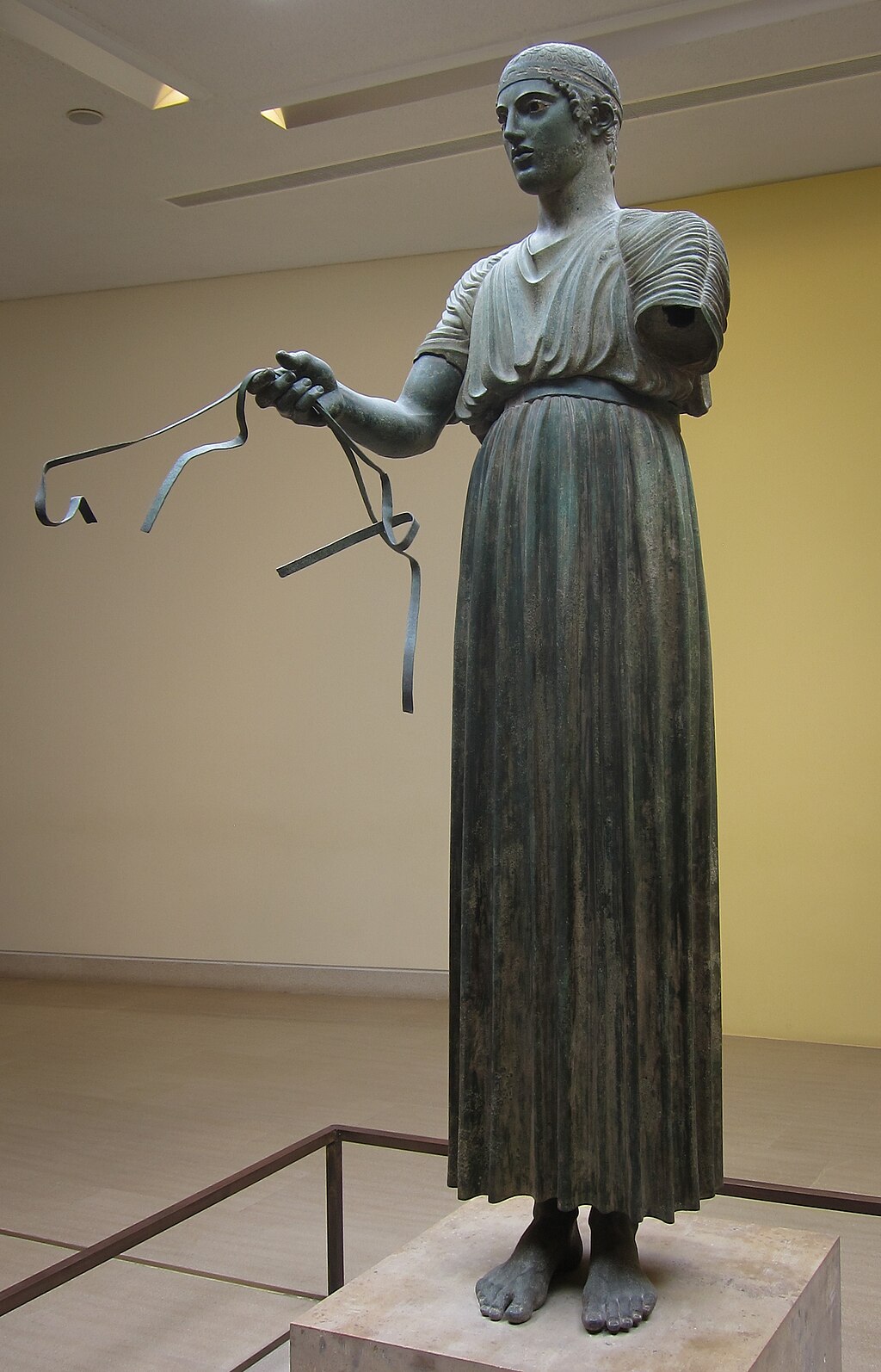
The class broadened my appreciation of art and reignited my desire to travel. Not to the land of the Impressionists, but to the ancient world. Hence the trip to Greece. I climbed to the top of the Acropolis and marveled at the treasures in the Archeological Museums of Athens and Crete. I saw the statue of the Charioteer in Delphi. On Santorini, I went to the ruins of Akrotiri, a town destroyed by a volcanic eruption in the 16th century BCE.

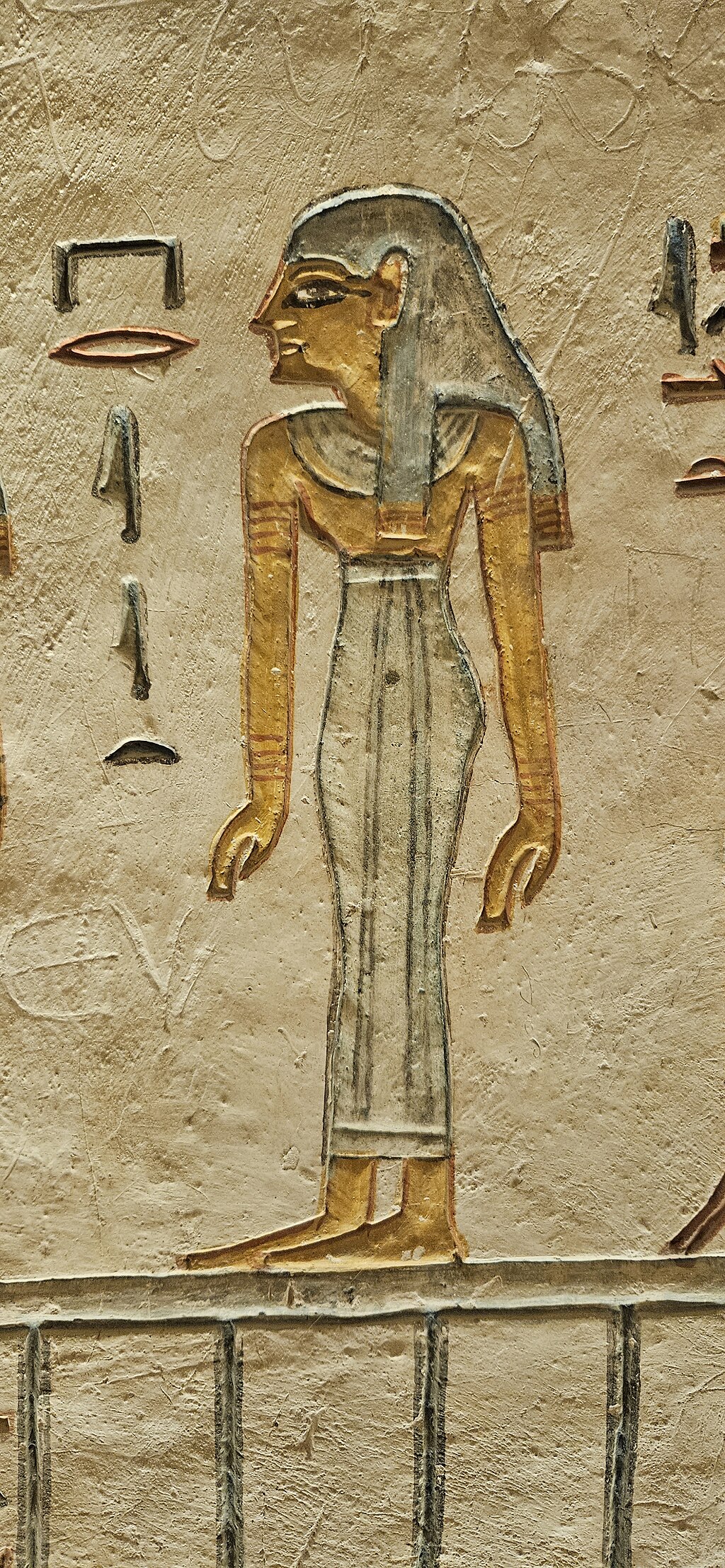
I could happily go back to Greece, as there is much to see and I barely scratched the surface. Italy has been rescheduled for next spring. Now I’m anticipating Egypt. Cairo and the Grand Egyptian Museum. The pyramids and the Sphinx. Abu Simbel, Luxor, the Valley of Kings. Sailing the Nile on a boat and envisioning Amelia Peabody! I can’t wait!

Later in the year, I’m planning a return to England and France. In keeping with my interest in history, especially World War II history, I’ve signed up for an Operation Overlord tour that starts in London, with the planning of the D-Day invasion, and includes visits to Churchill’s War Rooms and the Imperial War Museum. Then to Bletchley Park, where Allied codebreakers cracked the Axis codes. From there to Portsmouth and a cross-channel ferry to Normandy and the D-Day beaches.

Of course, if I’m going to England and France, I’m spending extra days in both places. Versailles, a tour of the Paris Opera, perhaps another trip to Giverny. As for England, I’m checking to see what plays and musicals are playing in London’s West End. The Museum of London, one of my favorites. The British Museum, a must. Afternoon tea at Brown’s Hotel, of course. That’s where Agatha Christie always stayed. And it’s the scene of her Miss Marple novel, At Bertram’s Hotel.

After that? Where shall I go next? Vienna? Australia? Costa Rica? Iceland? Spain? My wish list gets longer and longer!

And yes, there’s an art history plot in here somewhere. Remember, in my latest Jill McLeod/California Zephyr book, Death Above the Line, a Vermeer looted by the Nazis appears—then disappears. What happened to it? Eventually I’ll have to find out.