Ties that Bind

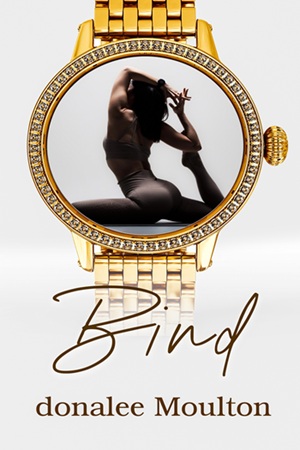
In addition to buds, baby birds, and bugs, spring has brought with it Bind, my new book. I would love to hear your feedback.

Three yogis, two cops, and one damn cute dog join forces to discover who’s stolen a Patek Philippe watch from what was supposed to be a secure locker.  Time is ticking.

Shondra (Woo Woo) Aeron, Lexie Hill, and Charlene Kurtz meet five mornings a week at the Asana Yoga Studio for a downward dog or two, one serene savasana, and a steaming cup of coffee afterwards. They’re not friends, but the theft of a very expensive watch from the gym where their studio is located draws them together – and into a bind of another type. 

To support Kristi Yee, their yoga instructor and co-owner of the gym, the three women offer to help her retrieve (some might call it stealing) financial information from her business partner. Mission successful (albeit with a few hiccups). It doesn’t take Charlene, an auditor, long to determine the balance sheet is not all it appears. Certainly, fencing a very expensive watch would help.

The partner isn’t the only suspect. The watch owner could use some money. He is having a relationship with at least two women, neither his wife. One of those women, who made the affair loudly public early one morning in the gym, has managed to cash in on her relationship. The other woman is unknown, at least initially.

The watch owner’s son, a diehard romantic, is also a suspect. His father and his girlfriend certainly think so. He doesn’t need or want the money, but his girlfriend does. At least he thinks so. He thinks wrong.

The girlfriend is also a suspect. She could, apparently, use money and she does not like her boyfriend’s father. That’s not fair, she detests him. Gym staff are also under police scrutiny as well as Kristi herself.

One conundrum for Halifax Police Detective Michael Terrell: how could someone remove the watch from a busy changeroom locker? Admittedly, the owner lost his key, which he usually does at least once a week, but you’d have to know what locker the key opened or try each locker in the change room. Warriors three to the rescue. Their task, at the request of Terrell (who seems to have a thing for Woo Woo, a reflexologist) is to try and penetrate the inner gym sanctum.

They fail, hilariously. But in their failure comes one undeniable conclusion: whoever stole the watch knew exactly what locker to open and what they would find inside.

Throughout the investigation a number of other more personal issues arise. Lexie clearly has a thing for a gym employee. (It’s not what you think.) Someone is repeatedly trying to connect with Charlene. She resists. (It’s not what you think.) Every once in a while, Woo Woo gets a message from another world. (It is what you think.)

Namaste.

Guest Blogger ~ Lois Winston

Truth is Stranger than Fiction

By Lois Winston

First, a little literary history regarding the expression, “Truth is stranger than fiction.” It’s been around for a long time. In 1897 Mark Twain published the travel book Following the Equator: A Journey Around the World. Chapter Fifteenth included the epigraph, “Truth is stranger than fiction, but it is because Fiction is obliged to stick to possibilities; Truth isn’t. — Pudd’nhead Wilson’s New Calendar.”

However, Twain wasn’t the first to come up with some version of the saying. Seventy-four years earlier, Lord Byron had Don Juan opine, “’Tis strange — but true; for truth is always strange; Stranger than fiction; if it could be told, How much would novels gain by the exchange!”

Why am I telling you this? It’s because I’m not only a news junkie, but I’m also a diehard eavesdropper. I developed that skill at a very young age, learning all sorts of interesting stories while listening from behind closed doors. The adults in my life thought I was off playing with my dolls or watching cartoons, but I quickly realized that far more interesting tales were being told around my grandmother’s kitchen table. I became Harriet the Spy, well before Louise Fitzhugh ever dreamed up Harriet.

My grandmother, aunt, and great-aunts loved to gossip. Consequently, I learned some fascinating stories about my relatives and their private lives. Little did I know at the time that much of what I overheard would eventually wind up decades later as inspiration for characters and plots when I first got the itch to write a novel.

Much of what I heard involved my grandfather, who had a decades-long career in law enforcement during the heyday of organized crime in the New York metropolitan area. By the time I came along, he’d risen to captain of a major metropolitan police force. However, back in the day, he was personally responsible for the apprehension of many mobsters. But get this: one of his brothers was a bootlegger! And one of his wife’s brothers was romantically involved with a woman whose family was in the Mafia! I wound up going to school with two of her nieces. Mind-boggling, right?

Is it any wonder Anastasia Pollack, my Jersey Girl reluctant amateur sleuth so often finds herself tangling with Mafia henchmen?

To date, I’ve published twenty-three novels and five novellas. The plots and subplots for all have been drawn from events I’ve either observed, overheard, or read about—going all the way back to those early childhood days of listening with my ear pressed up to the kitchen door.

However, in Seams Like the Perfect Crime, the fourteenth and most recent book in my Anastasia Pollack Crafting Mystery Series, I didn’t draw on memories of conversations from my childhood. Instead, I looked no further than across the street from a former house my husband and I bought in 1998.

Over the years, I’ve had some very strange neighbors. Many of them have made their way into my books, but the couple who lived in the house across the street from us back then tops the Strange Neighbors List.

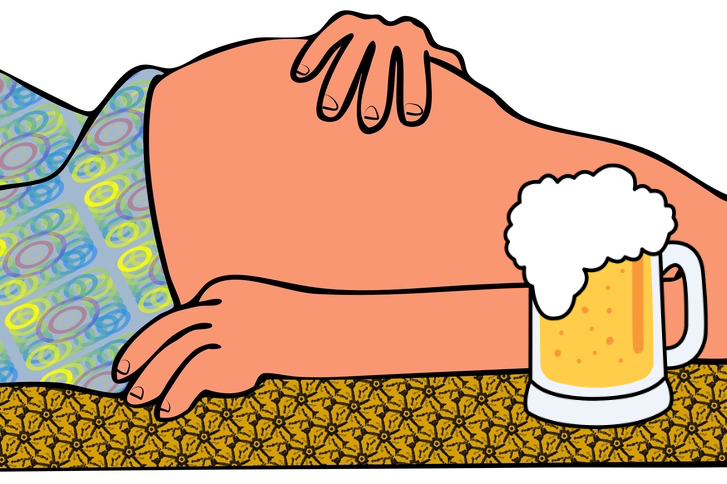
In Seams Like the Perfect Crime, readers meet the very odd Barry Sumner, a half-naked man who spends hours each day mowing his postage stamp-sized yard of weed-infested packed dirt. When the mower runs out of gas, Barry settles onto the top step of his porch, downs a six-pack or two, and passes out. Every day, year round, weather permitting.

And here’s where truth being stranger than fiction comes into play. The characters of Barry Sumner and his wife are based on the neighbors who lived across the street from my husband and me twenty-seven years ago, including the same strange mowing obsession and beer guzzling habit, as well as his wife’s suspicions regarding some hanky-panky. Luckily, this former neighbor didn’t meet the same fate that awaits Barry Sumner in Seams Like the Perfect Crime.

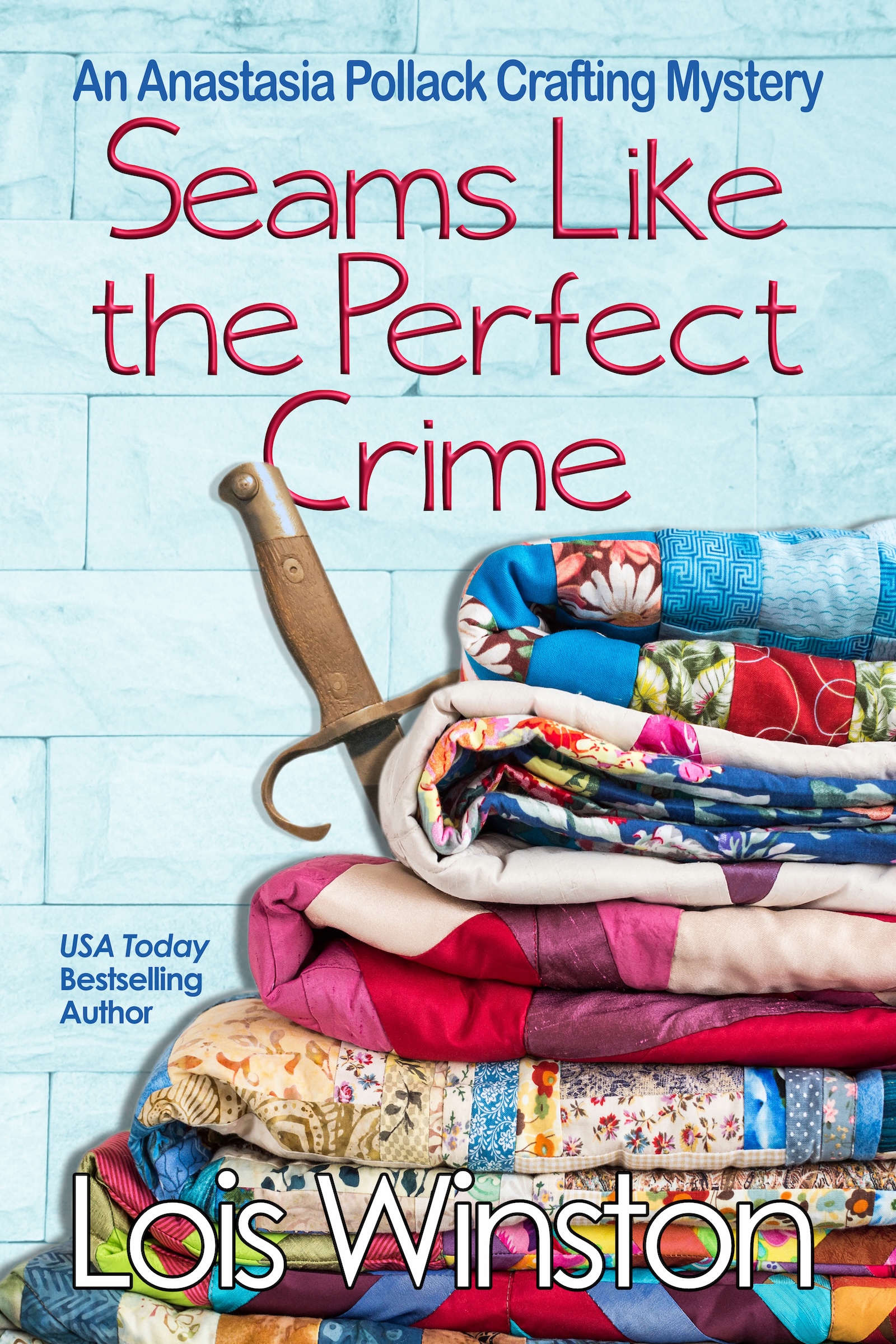
Seams Like the Perfect Crime

An Anastasia Pollack Crafting Mystery, Book 14

When staffing shortages continue to hamper the Union County homicide squad, Detective Sam Spader once again turns to his secret weapon, reluctant amateur sleuth Anastasia Pollack. How can she and husband Zack Barnes refuse when the victim is their new neighbor?

Revolutionary War reenactor Barry Sumner had the odd habit of spending hours mowing a small patch of packed dirt and weeds until his mower ran out of gas. He’d then guzzle beer on his front porch until he passed out. That’s where Anastasia’s son Nick discovers his body three days after the victim and his family moved into the newly built mini-McMansion across the street.

After a melee breaks out at the viewing, Spader zeroes in on the widow as his prime suspect. However, Anastasia has her doubts. There are other possible suspects, including a woman who’d had an affair with the victim, his ex-wife, the man overseeing the widow’s trust fund, a drug dealer, and the reenactors who were blackmailing the widow and victim.

When another reenactor is murdered, Spader suspects they’re dealing with a serial killer, but Anastasia wonders if the killer is attempting to misdirect the investigation. As she narrows down the suspects, will she jeopardize her own life to learn the truth?

​Craft projects included.

Buy Links

Amazon: https://amzn.to/49KvjaG

Kobo: https://www.kobo.com/us/en/ebook/seams-like-the-perfect-crime

Nook: https://www.barnesandnoble.com/w/seams-like-the-perfect-crime-lois-winston/1146583329?ean=2940184679983

Apple Books: https://books.apple.com/us/book/seams-like-the-perfect-crime/id6738502932

Books2Read Universal Link to Other Sites: https://books2read.com/u/3LXa1e

USA Today and Amazon bestselling author Lois Winston began her award-winning writing career with Talk Gertie to Me, a humorous fish-out-of-water novel about a small-town girl going off to the big city and the mother determined to bring her home to marry the boy next door. That was followed by the romantic suspense Love, Lies and a Double Shot of Deception.

Then Lois’s writing segued unexpectedly into the world of humorous amateur sleuth mysteries, thanks to a conversation her agent had with an editor looking for craft-themed mysteries. In her day job, Lois was an award-winning craft and needlework designer, and although she’d never written a mystery—or had even thought about writing a mystery—her agent decided she was the perfect person to pen a series for this editor.

Thus, was born the Anastasia Pollack Crafting Mysteries, which Kirkus Reviews dubbed “North Jersey’s more mature answer to Stephanie Plum.” The series now includes fourteen novels and three novellas. Lois also writes the Empty Nest Mysteries and has written several standalone mystery novellas. Other publishing credits include romance, chick lit, and romantic suspense novels, a series of romance short stories, a children’s chapter book, and a nonfiction book on writing, inspired by her twelve years working as an associate at a literary agency.

Learn more about Lois and her books at www.loiswinston.com where you can find links for her other social media sites and sign up for her newsletter to receive a free download of an Anastasia Pollack Mini-Mystery.

Website: http://www.loiswinston.com

Newsletter sign-up: https://dl.bookfunnel.com/dc9t0bjl00

Killer Crafts & Crafty Killers blog: www.anastasiapollack.blogspot.com

Booklover’s Bench: https://bookloversbench.com

The Stiletto Gang: https://www.thestilettogang.com

Goodreads: https://www.goodreads.com/author/show/722763.Lois_Winston

Bookbub: https://www.bookbub.com/authors/lois-winston

Name that title!

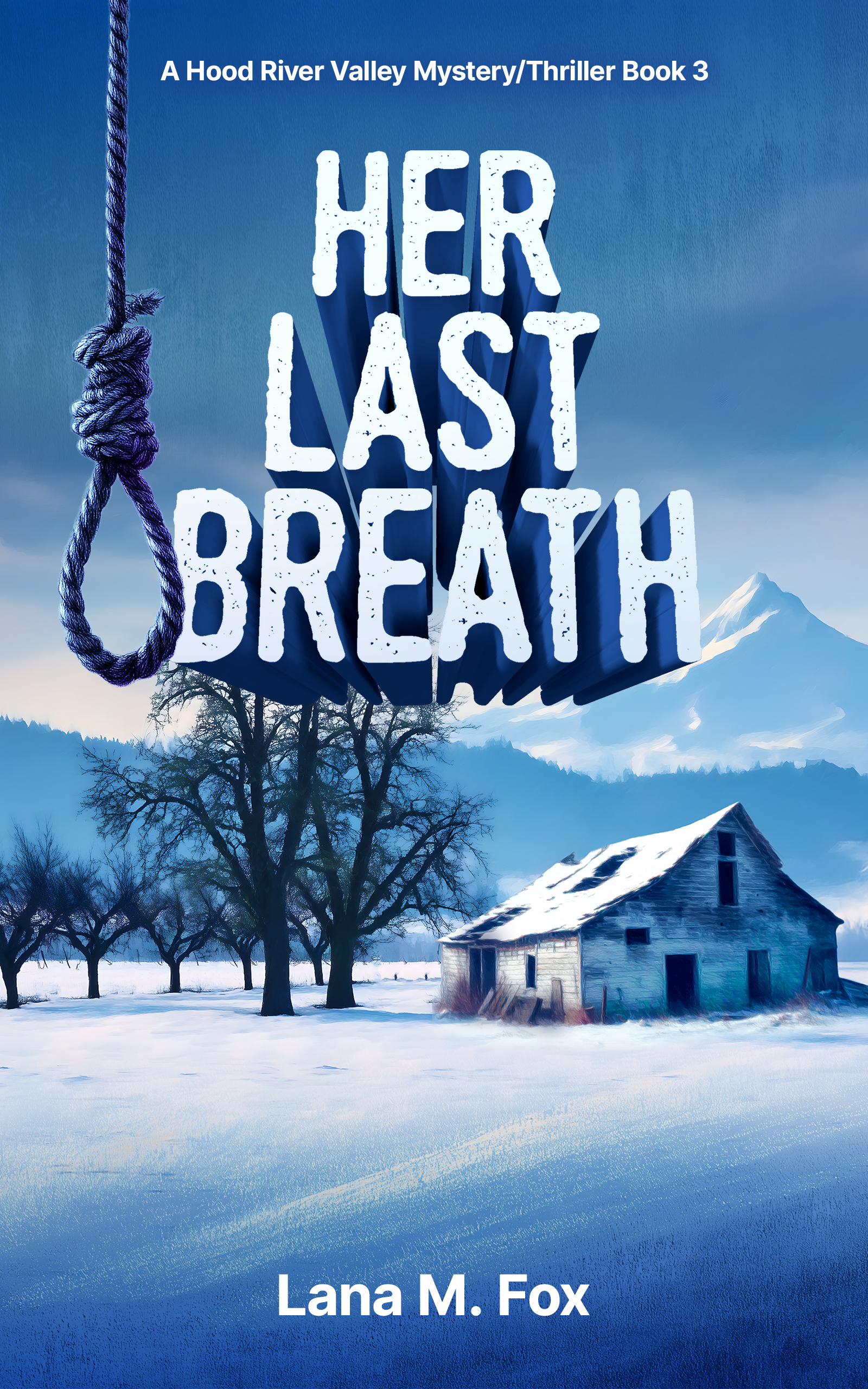
I’m editing my latest Hood River Valley Mystery, getting it ready to send out to my editors. I’ve been thinking a lot about titles. The title of this book came to me when I first started writing the book. It fits because the serial killer in the story talks about capturing Her Last Breath.

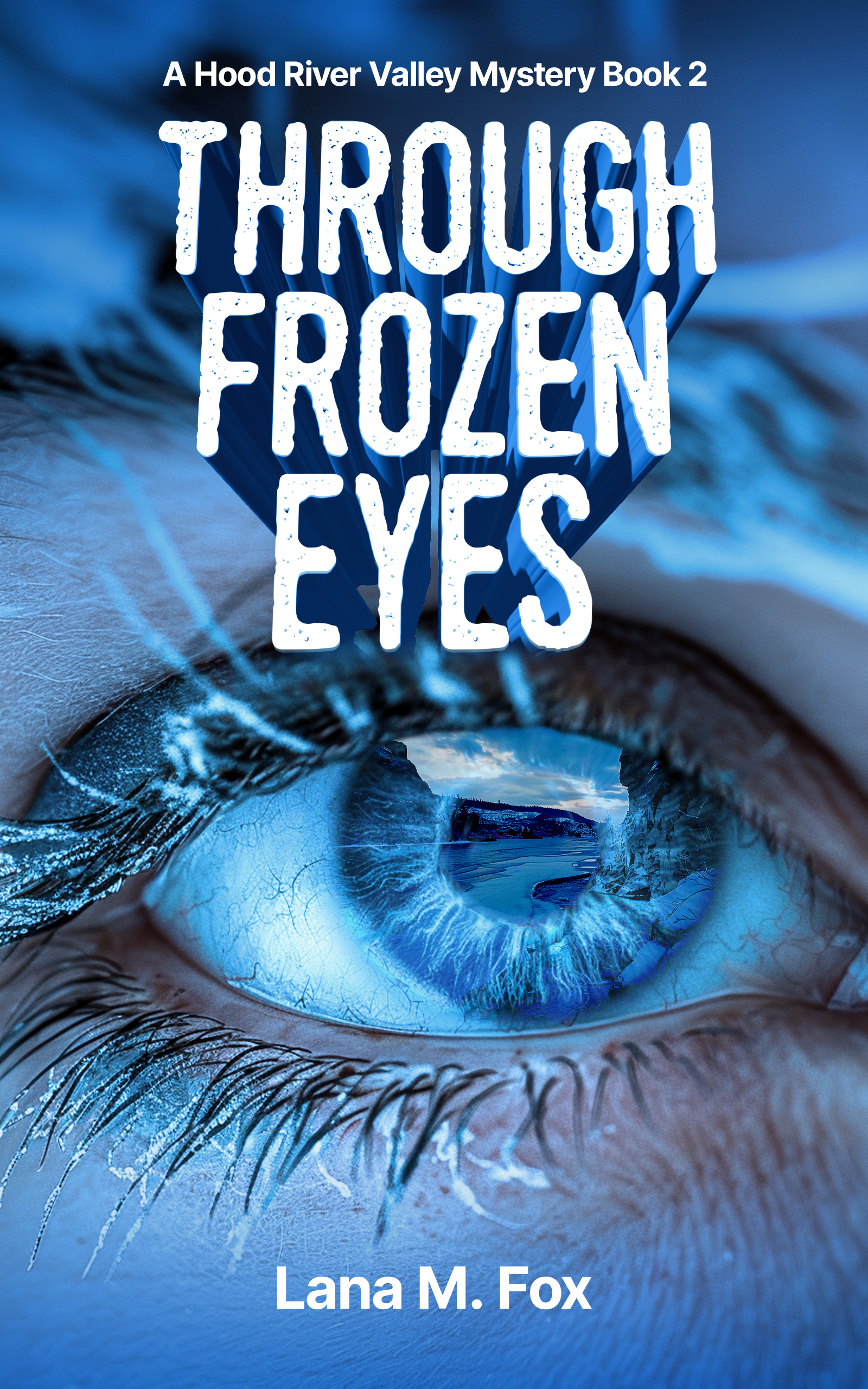
Sometimes the title is the first thing I know about a book when I start to write. Other times I struggle to come up with something that fits the story and is hopefully enticing to readers. I wanted the title for my last book to be, The Ice Princess. Not long after I finished writing that book, another writer used The Ice Princess for the title of their book. The books would’ve been published close together so I opted to change my title. I didn’t know what to use, so I had a contest on Facebook. I told my friends and followers the title I’d picked out, why I didn’t want to use it, and invited them to come up with a title for me. I offered a free signed copy of the new book when it came out. Several people offered ideas for titles, and I picked the one I liked best, and thought would work for my novel, Through Frozen Eyes.

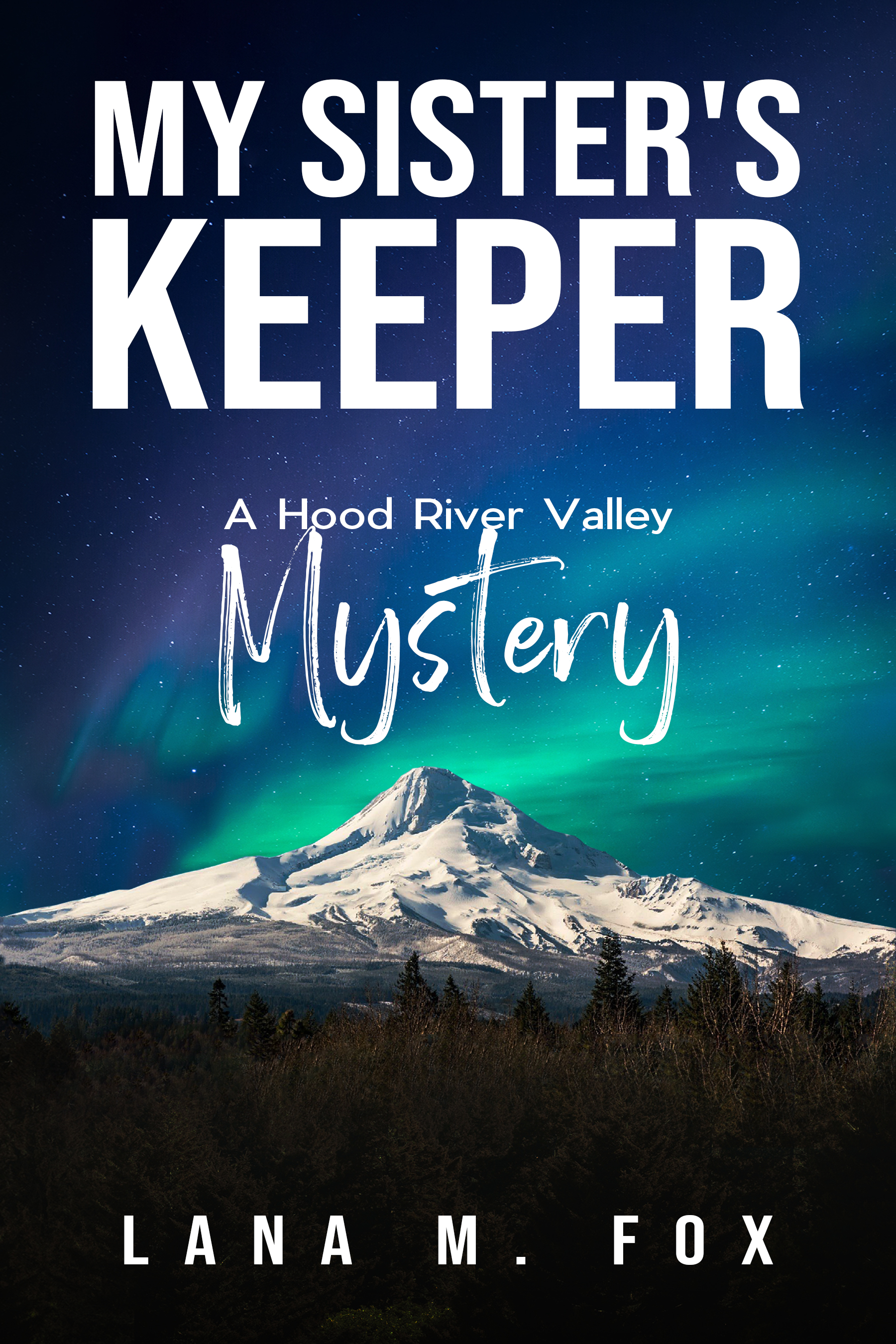
When I wrote the first novel in my Hood River Valley Series, I titled it My Sister’s Keeper. I didn’t realize there was a famous novel by Jodi Picoult by that title. I wish I’d known because several people have told me they read the book years ago and loved it. Then I have to admit that my book has only been out a couple of years and they’re probably referring to the book by Jodi Picoult. Luckily, titles aren’t copywrited!

I’m always interested in how other writers come up with their titles. They usually come easily for me, so when one doesn’t, I think it’s the end of the world!

I feel that picking out a title is sort of like naming your children. The name (or title) will stay with them the rest of their lives, so you’ve got to get it right. When I got pregnant with my first son, my husband wanted to name him, Curtis Hugo. I was horrified! I was young enough that I didn’t realize he wanted to name him after two members of his family who were important to him. I was afraid he’d get beaten up in school because Curtis Hugo sounded like a nerd. My husband didn’t push it, and we ended up naming him after one of his uncles and my cousin. Win, win for both of us. (And our son!)

I’ve recently heard that it’s good to have the same type of title for each book in a series. Who knew? I do have the same number of words for each title in the series. I’ll try to keep that in mind for the next one.

I’m learning as I go on this writing journey and loving it. I know I still have a lot to learn, and I plan to keep at it for the long haul.

What about you? If you are an author, do you have an easy time naming your books? Or do you struggle with titles like I sometimes do? Are you drawn to a book because of the title? I’m very visual, so I’m drawn more by the cover, but occasionally I see a title and think I have to read that book.

I’d love to hear your process. Leave a comment and let me know.

Pesky little thing called research.

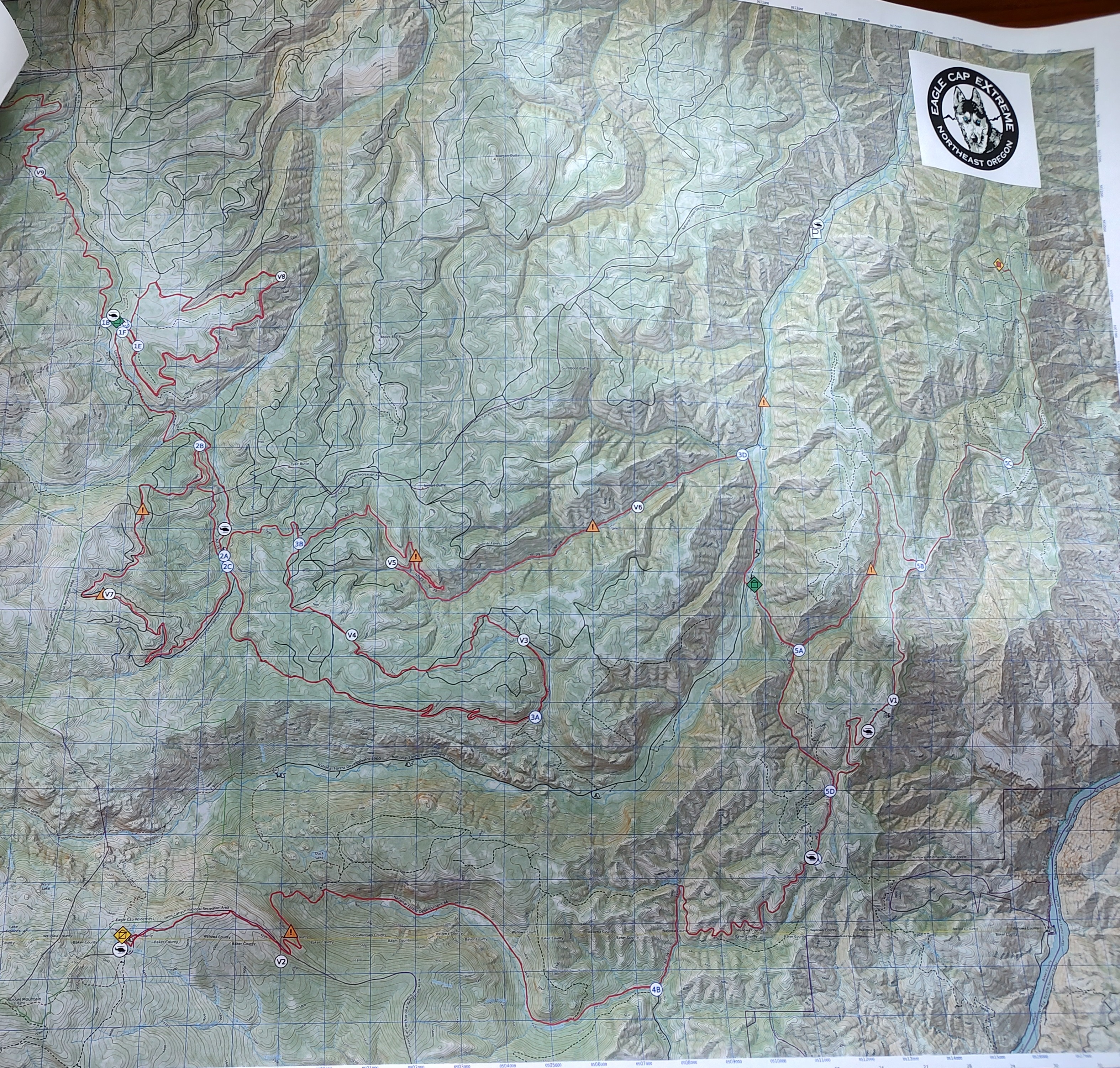
When I learned about an event that is held every year in the area where I set my Gabriel Hawke novels, I decided I would write a book around that event. How hard could it be to have my character, who is a Fish and Wildlife State Trooper, become involved with finding a person or a killer during a sled dog race competition?

Well… Let me tell you, now that I’ve been digging into the logistics, the multitude of volunteers, the less than 60 hours for the total of the 200 mile race, and that doesn’t even count the weather conditions, I’m starting to wonder if this was a good idea.

Map of the race

I’ve had my first interview with a person who has volunteered for this event for 20 years. She gave me some good insight into logistics and more people I will need to interview. This book won’t be ready to write for at least two more weeks as I talk to the head of technology, mushers, the race marshal, and judge.

What had started out as a “fun idea” has now blossomed into much more of a project. I can’t even start my suspect chart or decide how someone would be murdered or missing without doing all the research. There are so many uncertainties that I can’t even begin to fathom what the motive would be.

This is so out of the norm for what I normally do when writing a book in this series. By the time I’m ready to start writing the book, I have mulled over every aspect of the death, did the bit of research I needed and am ready to roll.

Now I sit, watching one more video, reading one more blog, and waiting to interview people so I can start this book. The next book my fans are waiting for me to publish. But as I dabble in the research, waiting to do the interviews, I may have to start working on the next Cuddle Farm Mystery book or even the next Spotted Pony Casino Mystery book, because my hands and imagination can’t sit idle for that long.

Depositphoto

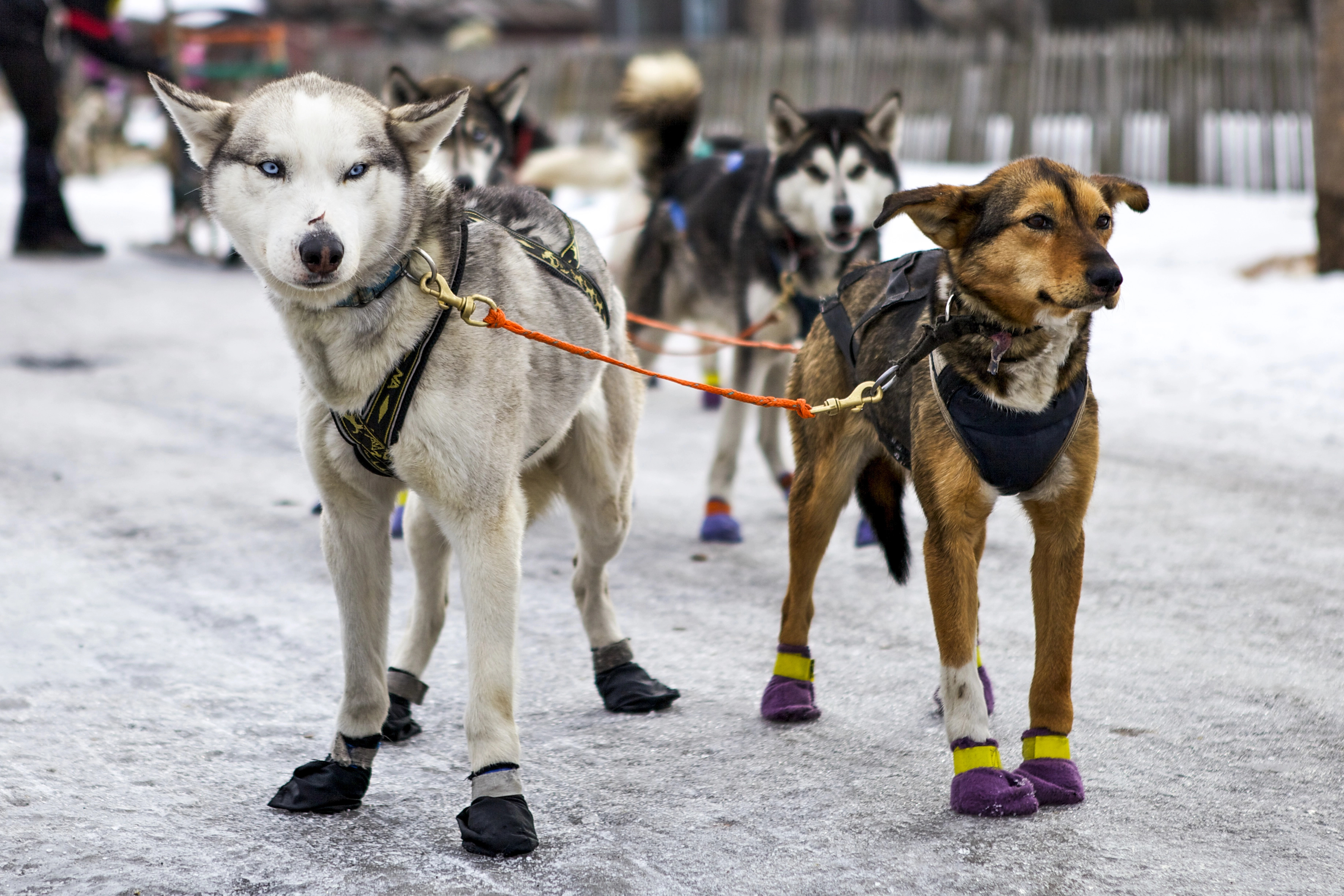
I’ve already learned a lot that I didn’t know. Especially, about the dogs. A good mushing dog isn’t big and thick. It’s long and lean, like a marathon runner. They have high energy and stamina. The Alaskan Husky is nothing like the Siberian Husky. The Alaskan has been bred through the centuries to be fast and tough. They have a multitude of breeds in them that make them the marathoners that they are.

Now I need to learn more about the tracking of the participants during the race, the area where they sleep, and why someone, in a sport where you are dependent on one another to survive, would kill.

What a Writer Does in Her Spare Time

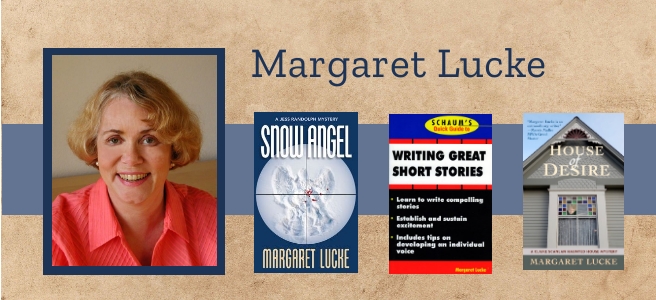
By Margaret Lucke

Spare time? What spare time?

The other day someone asked me what hobbies I enjoy. When I’m asked a question like that, I never know what to say. A hobby is a pastime—that is, an interest or activity you enjoy passing time with when you’re not working. But when is a writer not working?

Really, it’s a 24/7 job. No matter what else we’re doing, half of our mind is focused on writing the book. With that kind of schedule, who has time for a hobby?

Consider some of my favorite activities. You might think they’re hobbies but they qualify as work just as much as the time I spend at my desk.

Reading. Writing changes how you read. When I pick up a book my mental red pencil is poised to rearrange sentences and trim out extraneous words. I nod at clever word choices and apt descriptions, and shake my head at clumsy ones. Every book is a potential course in professional development. How can I achieve what Author A does so well? How can I avoid doing things as badly as Author B? Sometimes, to my delight, a book absorbs me so completely that my mental red pencil disappears. Other times, it’s so busy that I get annoyed and set the book aside for good.

Movies. I’m a big fan of movies, and I especially like seeing them in a theater. The big screen, the dark auditorium, and of course the popcorn add a lot to the experience, if you ask me. A writer can learn so much from movies. How is the backstory made clear when there’s only dialogue, action, and visual cues to work with? How is the main character’s point of view made clear when we can only observe that person from the outside? How are the plot points presented and transitions made from Act I to Act I to Act III? By the time the credits roll, my husband is blinking back tears while I’m analyzing how the scriptwriter achieved that emotional impact.

Walks. A hike on a forest trail and a walk along a beach are my favorite forms of exercise—or. even a stroll around the neighborhood. I’m fortunate in that the San Francisco Bay Trail goes through my town, and it’s not unusual to find me there. I enjoy the fresh air, the sunshine, the bird song, and all of the story ideas that pop into my head. Maybe it’s the rhythm of the steps or the letting go of other thoughts as I attempt to be present in the moment. I try to remember to tuck a pad and pen into my pocket so I can be ready to grab the elusive ideas as they float by.

Sleeping. Sleeping is one of my better skills, and it’s definitely a way I enjoy passing the time, especially in the middle of the night. But even when I’m asleep, my story machine is cranking away. I’m sure I’m not the only writer who’s dreamed the entire plot of a novel during the course of a night. Of course, as soon as the alarm clock rings it all vanishes, except for a couple of tantalizing but meaningless tidbits. That’s not the point. What’s important is, even though my body is at rest my mind is still at work.

So none of those activities really count as hobbies. I can think of only one pastime I have that doesn’t contribute somehow to my writing: 

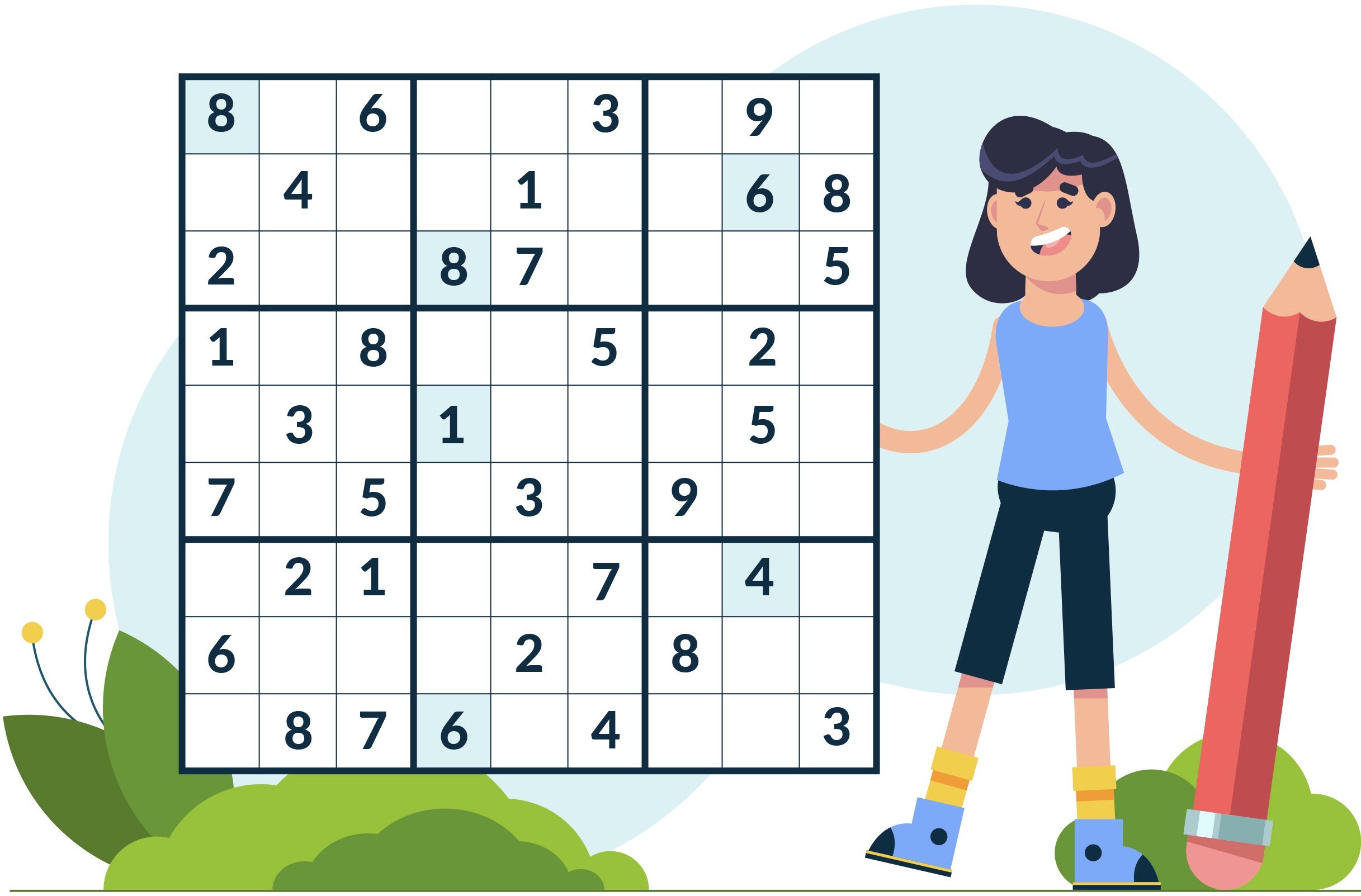
Sudoku. Nine digits. Arrange them in rows, columns, and squares so that none are repeated. No math, just logic. And it’s nonverbal, leaving no room for words and ideas to jostle their way into my head.

Except—what if there’s a major sudoku competition, with a top prize big enough to kill for? And what if it pits two expert players against each other, two experts with secrets in their pasts? And what if there’s a cheating scandal? And what if …