Clues, Magic and Little Cat Feet

by Janis Patterson

I’ll admit I get a little put out when people (including some writers) say “Oh, I could never write a mystery – how do you think of all those clues and where to put them?” Usually, when I’m wearing my romance-writer hat (yes, I write both, along with several other genres), these are the same people who say “Oh, I could churn out one of those stories if I ever had the time.”

Grrrr.

To me that is as stupid as someone saying they can cook a roast but could never cook hamburgers. Or vice-versa. Writing is a learned craft, and the basic tools are the same whether you write confession stories or blockbuster action-adventures or small town cozy mysteries with a bakery shop (sometimes a needlework store) and a romance.

Yes, I am the first to admit that there is an element of magic in writing, of taking twenty-six simple symbols and turning them into a story that will touch and enthrall the reader, but magic – like luck – really does seem to prefer the prepared who have worked like the devil to learn their skills.

But magic aside, writing is a craft. Sometimes when I start a mystery I have a hazy idea of who and why, and that often changes, sometimes several times, but as I write along I leave a strong story behind me. If I may steal Deborah (Debra?) Dixon’s mantra of ‘goal, motivation and conflict’ I’ve found that following that guideline for almost every scene (excluding a very few, very short ones used mainly for transition from one arena of action to another) as well as for the entire book makes it much easier. In real life we sit around, we dawdle, we have purposeless (though sometimes pleasant) conversations, we sit in traffic, we… whatever, but in a book we don’t have that luxury. Every word, every action has to count and either explain why our characters/events are the way they are and/or bring us closer to the climax/resolution.

I’ve told this story before, but in my mystery THE HOLLOW HOUSE for the first two thirds of the book I was absolutely positive I knew who the killer was. Then – boom! All of a sudden I realized that wouldn’t work. Well, it would have worked because I’m the author and what I say goes – sort-of, but dramatically it was a bust. Rather than start over again or back up and throw out great chunks of wonderful, deathless prose <grin> I kept on writing and within a few pages I knew who the murderer really was. Except – another chapter, and the whole thing started over again. He couldn’t be the murderer. Gritting my teeth I forged on.

To make a long story short, if it’s not too late, this process repeated itself five times during the last third of the book. I was getting alarmed, as I was running out of potential villains, and will never subscribe to the ancient trope of a convenient homicidal maniac wandering around who just happened by and had never been mentioned before. Grimly I went on, and in the next to the last chapter suddenly all was revealed to me. I will admit that by this time I had ceased to feel like a writer and more like a scribe, just taking down what I couldn’t control.

But the final solution was perfect. Things could not have worked out better. The only thing that made me sigh with apprehension was that now I would have to go back through the entire manuscript and put in clues. I was as astonished as anyone could be when on rereading I found that they were already there. Who knew? Magic? Anyway, I think I put in two or three more, just so I would have the illusion of being in charge…

So perhaps I should restate my premise – writing is work, writing is a skill is available to just about anybody who will study and practice. And the magic? I think it comes creeping in on little cat feet (sorry, Mr. Sandburg) under the cover of study and practice just waiting to jump out when you expect it the least. And it doesn’t make any difference whether you write mystery or romance or horror or action-adventure or any of millions of other kinds of stories – the building blocks are the same. But you do have to learn how to use them.
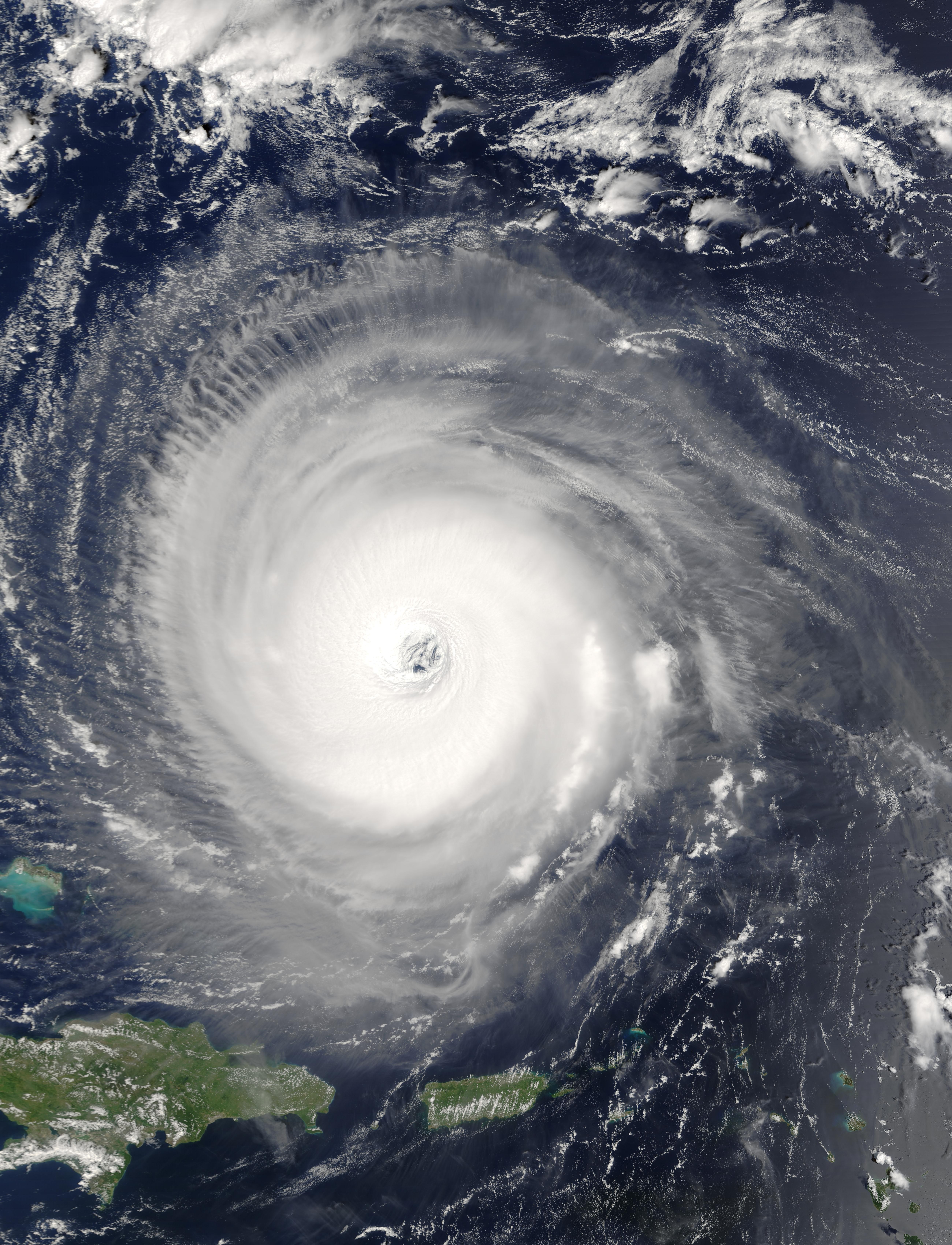
The Storms of Fortune

The laws of fiction aren’t the laws of life. Luck is a deciding factor in many aspects of our lives. Some people are born with better cards, born into the one percent. Some people are dealt such a stunningly bad hand I can only reel vicariously at the things that strike them and think, no, this much can’t happen to one person. One of my students has had so many illnesses, physical and emotional, and so many concussions, it doesn’t seem possible that she could have one more stroke of bad luck—and then one hits her.

Many years ago, I did quite a dance with bad luck and good luck, though none of my misfortunes were anywhere near as bad as hers. I was living in the Jamestown area outside of Williamsburg, Virginia, a low-lying area of wetlands near the James River. It was wonderful place for walking and running, and the townhouse I rented had a beautiful wildflower garden my landlady had put in. And then I got new neighbors. Bad luck. Their younger children were undisciplined and inconsiderate, so noisy I felt they were in my apartment all the time. My neighbor on the other side who had kids the same age agreed—those little boys were terrors. She didn’t want her children to play with them. When the wild boys finally settled down at night, their teenaged sister entertained other teens in the neighborhood on the front lawn. Every night. I had to leave if I wanted to reclaim my peace of mind, so I found a quiet place out in the country, further inland on the other side of Williamsburg. Moving was inconvenient and expensive, but it was just my chance misfortune that I had to do it.

Within a month, two hurricanes struck almost back to back. The place I had been driven out of near Jamestown was flooded up to the second story. In retrospect, I had good luck to get bad neighbors. But the people who didn’t move, who might have tried to work with the homeowners’ association about the noise—they had bad luck. And none of them had earned it. Even the loud family couldn’t summon two hurricanes. This story would not work as fiction.

Overcoming adversity is the essence of a strong story in fiction, but bad luck isn’t the primary obstacle and good luck isn’t the source of success. The protagonist is in pursuit of a goal and her obstacles are organic to that pursuit. Her actions, not her luck, determine her success or failure, while the actions of antagonist, also a willful actor, create setbacks and conflicts. Readers don’t like to see chance events determine the plot. It feels as though the author cheated if she turns the plot around an unearned blessing or random disaster.

If I want to work luck into fiction, I need to give it context, such as a shamanic culture’s prediction that if you refuse your calling as a seer or healer, bad luck will follow you until you accept the call. (As the title suggests, this is a theme in the first Mae Martin mystery, The Calling.) Another way to work with good or bad fortune is to set it as prior history. A character in Shaman’s Blues describes himself as a “trauma magnet.” Some of his bad luck, he invited by recklessness; some it was a bad roll of the dice. But this enters the story as a pre-existing condition—quite literally, since it’s set in 2010 and he’s uninsured and uninsurable. That’s his background. What happens in the plot depends on his choices, given his circumstances at the point at which the story begins.

I recently read a powerful novel, Peter Heller’s The Painter, in which nature is almost a character. The protagonist, through a series of emotionally driven decisions, ends up being pursued on back country roads by someone who seems determined to kill him. The author develops everything that builds up to this chase, so there are no events that feel like luck. We know the lead character has a good truck for rough-track driving; he camps and fishes throughout the book and the truck is ever-present in the story. He’s in an unfamiliar stretch of mountains and woods but in a region he knows well. And the weather has been threatening. The flash flood he encounters is random luck, but he put himself in the situation, and it’s the decision he makes in reaction to it that determines which kind of luck it is, and what kind of man he is, too.

That’s the satisfaction of fiction. The catharsis, the resolution. It can make us feel that even luck itself is within the grasp of our limited human strength.

What Happens Next

by Janis Patterson

After listening to those of my friends who have become mothers – some several times – the more I am convinced that finishing a book is sort of like having a baby. The initial idea is delightful and often quite pleasurable. The gestation period is variable, ranging from horrendous to enjoyable, and sometimes both on any given day. The final wind-up is a lot of hard work and sweat, and though a book does not cause the same amount of physical pain as a baby, with a book you cannot be anesthetized to insensibility and then wake up to a brand new book.

Once the deed is done and over with, though, and The End typed boldly at the bottom of the manuscript a debilitating lassitude creeps in. You feel hollow and in an odd way bereft. That which you have cossetted, worried over, been obsessed with, hated, and loved pretty much to the exclusion of all else for X number of months is gone. It is no longer extant only within you. It lies there on table or hard drive, unable to take flight on its own, but neither a part of you any longer. It is no longer totally dependent on you.

Oh, it’s still very much in need of you, and in a way perhaps the hardest work of all lies ahead. Edits. Congruency runs. (You don’t want a character named Eddie to be called Charlie in chapters 4 and 21 when there is no plotline reason for it.) More edits. Revisions. Perhaps even more edits and revisions in a seemingly endless obscene dance. Then, when it is finally spruced up and ready to be seen out in the world, there are the submissions to agents and editors, or if self-publishing, the conferences with cover artists, even more kinds of editors and formatters. No matter how you are publishing there is publicity to be thought of and budgeted for, even perhaps ARCs to be sent out and reviews to be solicited.

But that is in the future. At the moment you have just typed The End, and that hollow feeling is enveloping you. I cannot do this again, you think. This is absolutely the last time. Even when an idea – a new idea, a simply splendid idea that will never give you the trouble and pain this one did – pops into your brain you are so totally wrung out it doesn’t even sound appealing. You’re never going to do this again.

I know. I just finished a book day before yesterday that has given me no end of pain and problems and trouble. And I know the unholy circus of editing and all the rest lies in front of me. The whole idea seems so daunting I want nothing more than to lay my wrung-out, bereft, hollow self down with a margarita within easy reach and do nothing.

If only that dratted new, shiny, oh-so-delectible idea would just go away and leave me alone…

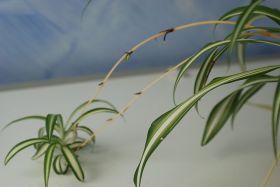
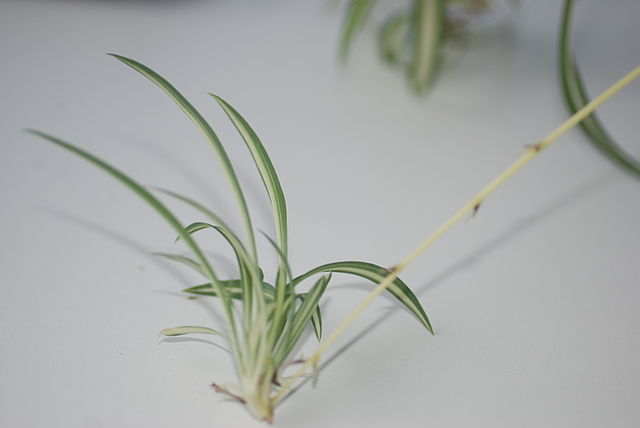
How a series is like a spider plant

spider-plant

My writing process reminds me of a spider plantsprouting new plants which have potential to live and thrive if I cut them off the parent plant and pot them. But I have to choose how many little spiders I want to do that with, and how many I’d rather leave attached or simply trim off.

My last book, Ghost Sickness, took root from two stories I discarded. A scene that ended up being close to the end of it was originally the beginning of one of the rejected plots, while several key characters and settings came from the other. Maybe I should have entitled this post “Reduce, Reuse, Recycle,” because when I’m cutting, I store a lot of the cuts in a Scenes to Recycle file. It often ends up being the gentle way to kill my darlings, but it can also lead to creative recycling. Shaman’s Blues, my second book, hatched from a subplot in Soul Loss, which was originally going to be the second book and ended up being the fourth.

I’m well along in the first draft of the sixth book in my series, tentatively titled Medicine Buddha, and I can see that it’s going need trimming. I like the subplots better than the main plot. The antagonist doesn’t feel strong enough. My protagonist doesn’t have enough at stake. But I like the theme I’m working with and I love the settings. I’m also happy with reintroducing some characters from prior books, giving them important roles in this one.

This work in progress hatched like a baby spider plant from a second draft of Ghost Sickness. I cut scenes and subplots from it which are now the opening scenes of the main plot of book six. My protagonist, Mae Martin, attends a workshop on energy healing and medical intuition. There she encounters a fellow student, Sierra, who makes claims about reincarnation and self-healing and causing one’s own illness because of karma. She also claims that Mae’s boyfriend is part of a special soul group with her and that Mae isn’t in it. When I dropped Sierra into the workshop scene, I had no idea she was going to be my main antagonist and I’m still not sure she is.

I don’t like to repeat myself. Since the crimes in my books aren’t murders, I have to think of new types of wrong-doing for each book. Sometimes the malfeasance is on a spiritual and ethical level; sometimes it’s a criminal act. I’m trying not to make Sierra an echo of Jill Betts, the neo-shamanism expert in Soul Loss, and I’m also aware that I can’t repeat the manipulations done by Charlie, the shady professor in The Calling, who misuses his knowledge of spirituality and alternative healing.

Maybe this antagonist will evolve, or be replaced as the real “bad guy” in the book by a person who’s in her shadow right now. Maybe she’ll end up being a victim of sorts. That was my original plan but my characters acted differently than I thought they would. Still, I think it would be interesting if Mae had to protect and help a strange, difficult person she dislikes. I don’t know yet. Maybe I’ll recycle that idea in the next book. It could work better there. First, I need to wrap up the current WIP. Then I’ll see which little spiders need to be trimmed and set aside for possible other books, and which will get to remain part of the big plant.spider_plant2

*****

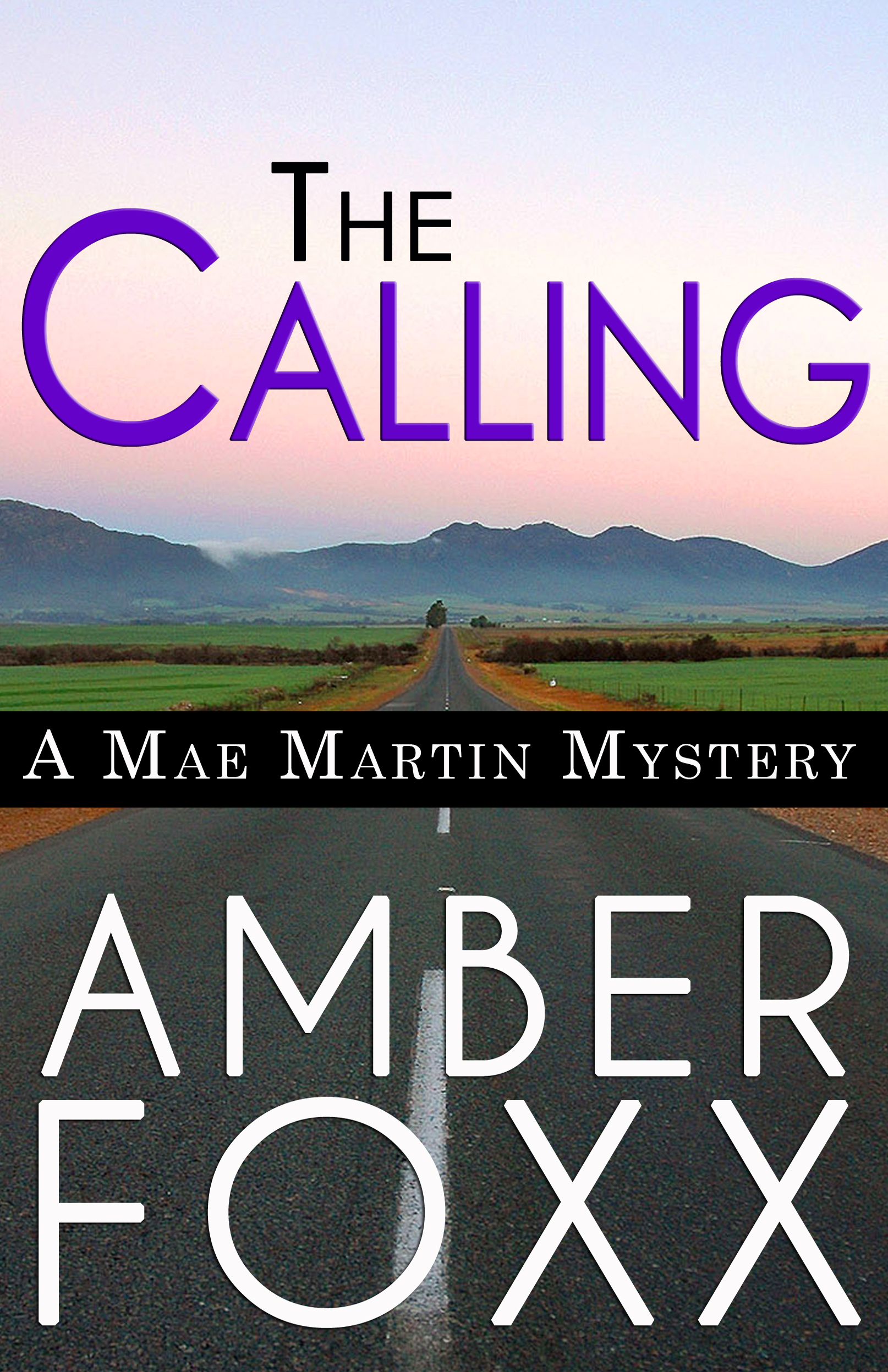
The first book in the Mae Martin Psychic Mystery Series, The Calling, is on sale for 99 cents through the end of December.callingebooknew

Enough!

by Janis Patterson

I have gone into full rebellion mode. Yesterday afternoon I hadn’t gotten anywhere near my daily word count and that upset me, as I am very serious about my writing. But I couldn’t write. Actually, I was doing pretty good to breathe and sit upright. All I could do was sit at the computer, staring fixedly at the screen and moving around the puzzle pieces on my favorite jigsaw site. Usually I restrict myself to one jigsaw a day, two if The Husband is watching something on TV in which I have absolutely no interest. (For reasons I won’t go into right now my work computer is in the family room…)

Yesterday, though, I went from one puzzle to another, mindlessly putting the pieces together, all the while telling myself I’d get to work right after I finished this one… I lied. Finally I knew if I didn’t lie down I’d fall over, so I left the computer and laid down on the couch and watched a little mindless TV until it was time to get up and fix supper.

And had an epiphany. I was exhausted, pure and simple. Between the holidays, getting ready for the holidays, cleaning up for the holidays, shopping for the holidays, wrapping gifts for the holidays, baking for the holidays, holiday parties, plus some family issues, and writing my regular group blogs, starting a newsletter for the first time, doing a couple of promotional appearances and arrange more, and – oh, yes – working on my new book, all on top of regular life, including cooking, cleaning up, laundry, looking after our furbabies and keeping The Husband happy… I was forgetting something.

Me. In the rush to get everything done, I was forgetting that I am no longer a spring chicken with boundless energy and stamina. I was forgetting that if I go down, pretty much everything else goes down with me and probably won’t get done. I was forgetting that this is my life too, and while there are things that must be done, I deserve to have a little fun as well.

So – learn from my mistakes and don’t pummel yourself into the ground like I did. The things that are essential will get done. Learn to enjoy again. Take your time. Prioritize. I’m not going to freak out if the wreath doesn’t get hung or if we have sandwiches for supper two nights in a row. This selectiveness is not only good for your heart and your stamina, it is good for your soul. You will learn what is important – family, friends, the joy of the season, a good day’s work. You can’t do it all (at least for any length of time or with any quality of life) so enjoy what you can do.

Life is short – make the best of it. And, most importantly of all, be good to yourself, for you are the best gift you can give to yourself and your loved ones.

Merry Christmas! Or, if you don’t celebrate Christmas, may you have the happiest of holiday seasons.