A Letter from the Antagonist

handwritten_letter_texture_for_layers_(2980933249)

For one weekend this past fall, my personal antagonist was Amber in tree finaltechnology. I’ll spare you the whole story. The short version is this: I couldn’t access my work in progress due to various computer issues and I was having severe withdrawal symptoms from not writing all day. It’s as bad as not exercising—I feel strange and incomplete if I go without either for a full day. I had to write by hand.
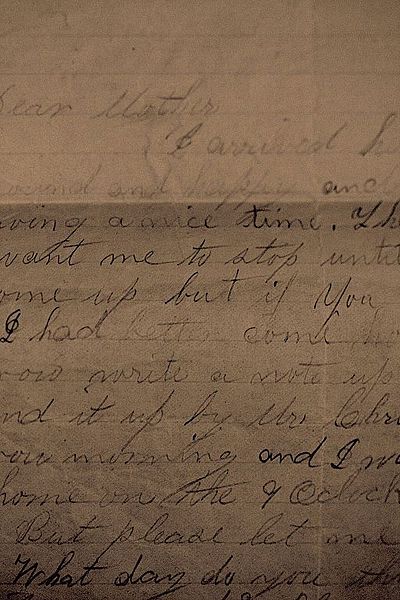
Fortunately, there’s one thing I always do by hand for each book, and I was at exactly the right point in the work in progress to do it. Before the final version of the plot is set, but after I can see where it’s going, I write the story in the first person from the antagonist’s point of view. No scenes, no dialog, just that character’s voice telling what happened and why. This exercise gives me insight into the complexity of the oppositional characters’ feelings about their actions. It also helps me keep track of events offstage, so I can weave in all the loose ends. Since I never include scenes from the antagonist’s point of view in a book, this process doesn’t have to be polished. All it needs to do is flow.

My mysteries aren’t about murder, so my antagonist characters aren’t villains or killers, though the opposition character in Snake Face comes close. Sometimes they commit crimes; sometimes they manipulate people without being criminal. I noticed, after reading Princeton professor Harry Frankfurt’s concise, humorously titled but serious work of philosophy, On Bullshit, that I tend to cast bullshitters in the antagonist’s role—Charlie in The Calling and Jill in Soul Loss. Maybe, after years in academia, I’ve come to think bullshit is a crime.

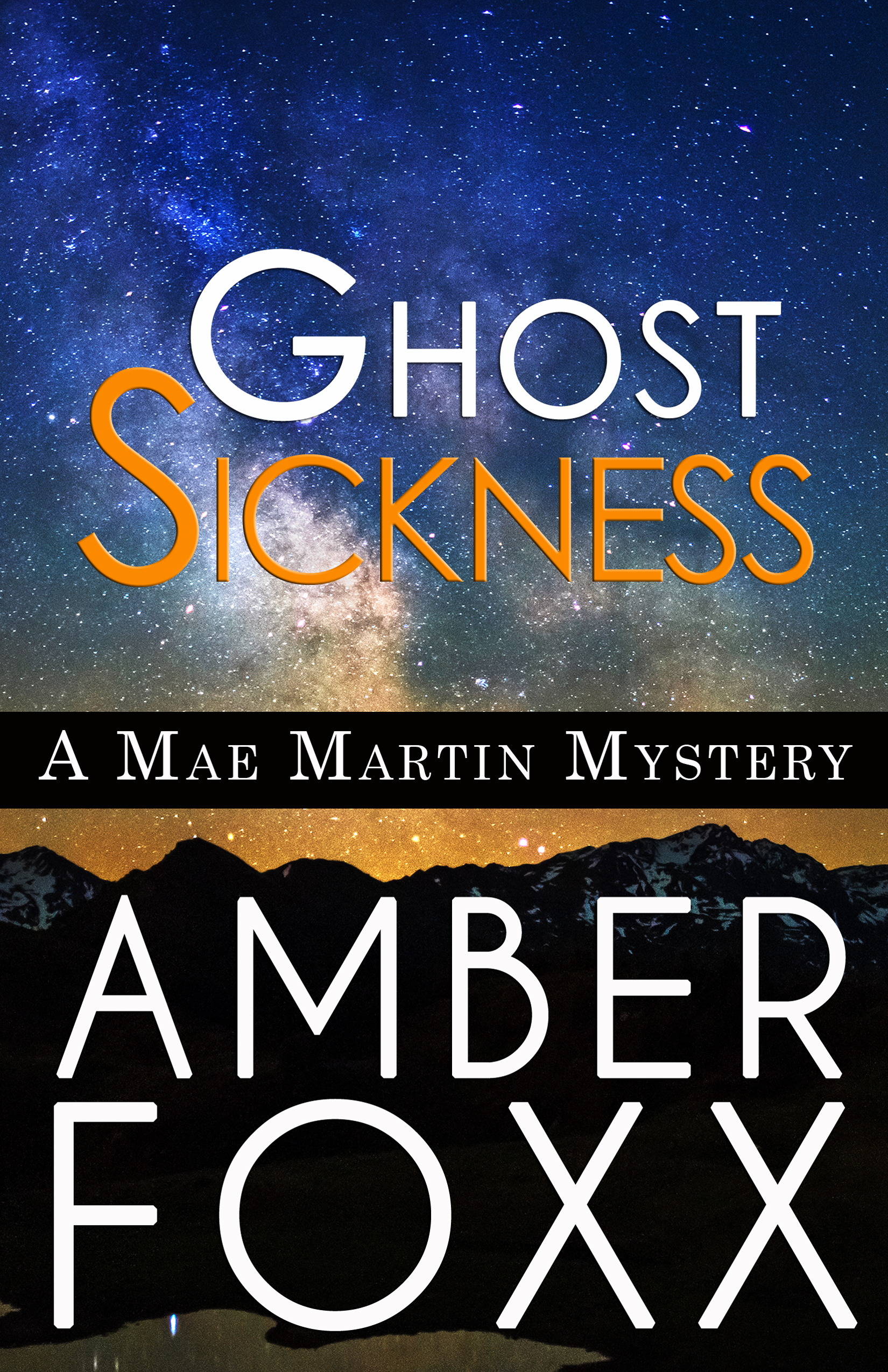
During my weekend without a computer, I invited a puzzling and deeply secretive character to tell his story as if he were sitting down and confiding in me. Or I might say, since I ended up with his hand-written narrative, he wrote me a letter. From that document I discovered which clues would need to come next in gradually revealing his story, and what would need to be saved for the end. He told me things I didn’t know about the people who helped him, and surprised me with a revelation of his deepest motive. I’ve recently wrapped up the book, Ghost Sickness, which is coming out in August, and I’m looking forward to doing this exercise with the new work in progress, even without enforced separation from my computer.ghost sickness ebook
*****

 Yesterday, inspired by a power outage, I posted on my other blog about an additional writing-by-hand creative process, the story mandala. https://amberfoxxmysteries.com/2016/07/20/monsoon-moon-and-mandala

6 Deadly Sins of Writing a Mystery by Paty Jager

Every mystery writer wants to write the best who-dun-it. The one who kept the reader guessing to the end and then has the reader saying, “Wow, I didn’t see that coming.”  But the writer has to beware of the 6 things that can make them lose readers.

  1. Fair play – All clues discovered by the detective must be made known to the reader.
  2. The murderer must be introduced in the story before he is announced as the killer. Someone can’t appear in the last chapter and then is announced as the murderer.
  3. The crime being solved must be significant. Murder, kidnapping, blackmail, theft something that has a significant impact on the story.
  4. The solution can’t be stumbled on. There must be detection done by the protagonist(s). A web of clues that not only misdirects the sleuth but the reader.
  5. The suspects should be known and the murderer among them.
  6. Keep the story to the solving the crime, don’t toss in unnecessary things to throw the reader off.

If a writer keeps these in mind and takes the reader on a journey of discovering one clue after the other, you can still keep the reader guessing as each suspect is slowly dropped from the list.

I like to bring the murderer into the story not as a character on the page but as a character that is alluded to. I used this method in my latest Shandra Higheagle Mystery, Killer Descent.

Some may say that having my amateur sleuth’s grandmother come to her in dreams would be a no-no as stated in number 4. But the dreams don’t give her the clues, they direct her to seeking out the clues. She still has to decipher the dreams and then find the clue. I have a post about it here.

I’m currently writing the next Shandra Higheagle Mystery, Reservation Revenge. Setting it on an actual reservation has been giving me some logistical challenges, but I’m excited to see where the clues lead me. 😉

About Me:

Paty Jager is an award-winning author of 25+ novels and over a dozen novellas and short stories of murder mystery, western historical romance, and action adventure. She has a RomCon Reader’s Choice Award for her Action Adventure and received the EPPIE Award for Best Contemporary Romance. Her first mystery was a finalist in the Chanticleer Mayhem and Mystery Award and is a finalist in the RONE Award Mystery category.  This is what Mysteries Etc says about her Shandra Higheagle mystery series: “Mystery, romance, small town, and Native American heritage combine to make a compelling read.”

All her work has Western or Native American elements in them along with hints of humor and engaging characters. Paty and her husband raise alfalfa hay in rural eastern Oregon. Riding horses and battling rattlesnakes, she not only writes the western lifestyle, she lives it.

blog / websiteFacebook / Paty’s Posse / Goodreads / Twitter

SH Mug Art


Save

A Sympathetic Protagonist

Amber in tree final                                              Mother_and_baby_ducks

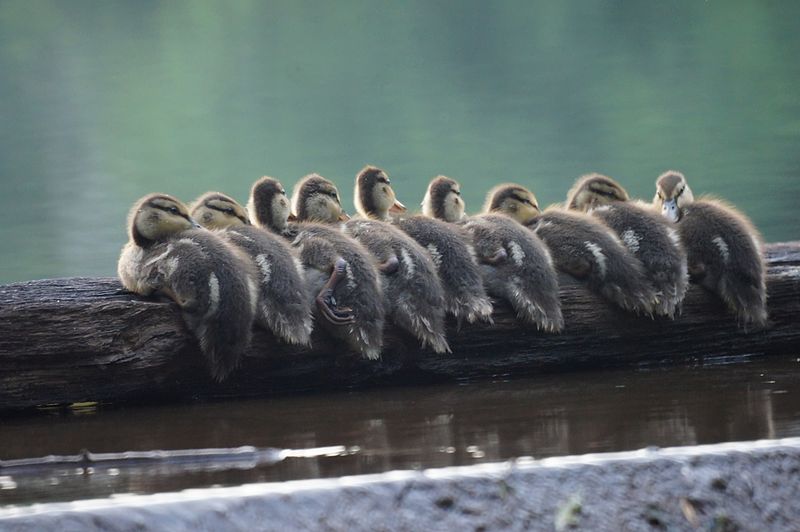
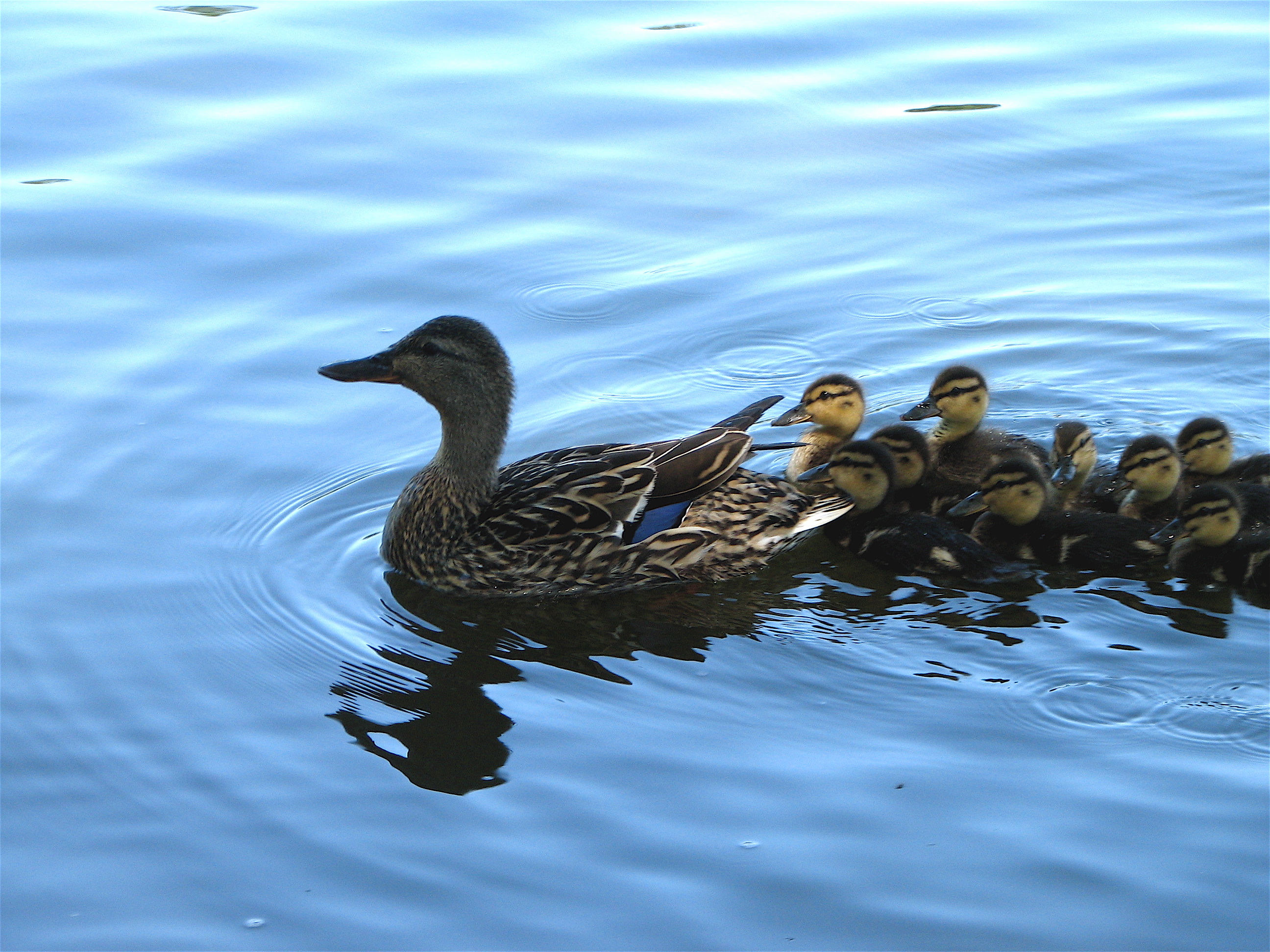
The park was deserted—all mine. Perfect. My plan: run laps of the trail for four miles, and come home with plot developments for my work in progress. I took in the beauty of the setting and slipped into creative mode as my legs fell into the rhythm of running, ready for free-wheeling improvisation. Then, up the stream bank came a mother duck followed by a swarm of fluffy brown-and-yellow ducklings. It was a tough climb for their little legs, and I wondered if they would all make it up the steep slope. On my next lap, I checked. None seemed to have been left behind. At first, I couldn’t count the babies, they were so numerous, active and close together. When I finally could see them clearly, I counted eleven.

She herded them to hide behind her as well as possible when I neared and quacked them into order when they strayed too far. I wondered if she felt overwhelmed by the responsibility. Could she count to eleven? Could she tell them apart? After I’d passed a few times, she began to warn me off, making a soft hissing sound. The next time, she hissed and waddled toward me. The next time, she lowered her head and charged, eyes narrowed, hissing for all she was worth. I honored her efforts with a burst of speed, letting her think she had scared me. I don’t know if there is such a thing as courage in ducks, but she struck me as brave, a small animal going after an adult human.

A couple with an off-leash dog arrived on the far side of the park. I jogged across and let them know about the ducks, in case their dog might be tempted to chase. They said he took no interest in things like that. I went back to the trail. No ducks in sight, not even in the stream. How she had swept all eleven into hiding so quickly, I don’t know. It was an impressive exit. Unlike the dog, I took an interest. Distracted from brainstorming my work in progress, I got wrapped up in the drama of the ducks, feeling as if I somehow knew what it was like to have too many ducklings and to strive to defend them.

Pardon me while I anthropomorphize. The mother duck has some excellent characteristics for a sympathetic protagonist. In spite of being better equipped for flight than fight, she chooses not to fly from danger, though that would be her own best defense. Instead, she tries to fight. Protectiveness in relation to weaker beings is a trait that makes readers care about a character. Flaws, in the right dose, also help readers identify with a protagonist and feel compassion for her. The brave mother duck is imperfect. Waddling at me while throwing a hissy fit, she’s a comical yet touching inconvenience. Her success in driving me off the path gives her moments of illusory triumph, but in reality she’s the underdog—underduck sounds funny—and she’s chasing a red herring, unable to realize I’m no threat to her fuzzy eleven. Against hawks and cats, the real enemies, she’s far less likely to succeed. The odds are stacked against her and her ducklings, hypervigilant though she is, but she because she’s a gifted escape artist, she stands a chance. Readers root for the character who might—but might not—make it.

On my next run in the same park, I found that nature had taken its toll. She’s down to nine ducklings now. The loss of two makes her story stronger. She charged me with even more ferocity, straight away without allowing me a few laps before she attacked. The struggles in pursuit of a meaningful goal, the setbacks, and the sense that the protagonist is reaching her limits and still not quitting: all of this keeps the reader emotionally involved and turning the pages. I have to close this “book” since I leave Virginia for New Mexico tomorrow, and I won’t see the next chapter, but I’m rooting for the nine remaining baby ducks to survive, and for their hard-working mother to eventually see them fly. And I’ll keep her in mind as write this summer, checking that I have all my ducks in a row for establishing an engaging protagonist.

babyducks


Ripping out “Seems”

Amber in tree finalA few years ago I read a novel in which the characters “blew out a breath” so often, I started counting the times the phrase showed up. Needless to say, I was distracted from following the plot. That experience made me a little paranoid about over-used words and phrases. While revising each of my books, I’ve discovered a unique verbal habit for that manuscript. In my work in progress, I suddenly noticed that “seemed” cropped up too frequently. (I almost wrote, “I seemed to use seem too often.”) I did a search and found that forms of this word occurred an appalling ninety-seven times. My books are longer than the standard mystery, but even with over a hundred thousand words, this struck me as too many seems. Why was this word infesting my manuscript?

Characters seemed to have certain emotions. Avoiding head-hopping, staying in the point of view of one character, I slipped into this weak way of describing her perceptions. In revisions, I worked for more vivid and specific descriptions.

At other times, I used seemed when a more direct word would do. If my protagonist thinks a certain problem is recurring too often, she doesn’t have to think that it seems to happen too much. She’s Southern and raised to be polite, so she might careful in her spoken words, but I didn’t need evasive, roundabout wording in her thoughts. It made her sound indecisive or lacking confidence, and she’s not.

Sometimes, I needed to convey that an appearance or impression was uncertain. “He seemed honest, but was he?” I left some of those seems in place and replaced others with alternative words and phrases.

There are now only thirty-one seems and the story still holds together. (Pun intended.)

Fellow writers, what are some of those pesky words that you have to prune? Readers, do you ever get snagged on things like this is in a book?

*****

Amber Foxx is the author of the award-winning Mae Martin Psychic Mystery Series. The fifth book is in progress and seems to be is going well.

Researching a Mystery by Paty Jager

SH Mug Art (2)

I’m not a forensic coroner or a lawyer or even a law enforcer. I’m the wife of a rancher and I write murder mystery.

As I write this next book in my Shandra Higheagle Mystery Series I’ve come across questions that have required answers by professionals. When I start a book I know how the victim will die and where. But I ultimately need to know what their injuries would look like say if they fall off a cliff or are stabbed with a blunt object or shot at close range with a small caliber gun.

These are all things coroners have seen and can tell me. But how do I get a coroner on speed-dial or in my case speed e-mail? I’m part of a yahoo loop that is filled with every kind of occupation a mystery or murder writer might need expertise about. The yahoo loop is crimescenewriter@yahoogroups.com

That’s how I connected with a coroner who not only answered my question I put on the loop but also emailed back and forth with me as I asked more questions and what-if’s. She has lots of knowledge and being a budding writer is willing to help out fellow writers.

Writing the opening and how the victim is killed and what is discovered went well, knowing I had the correct information and knowledge. Then I brought in some secondary characters and a sub-plot. For the sub-plot I needed some legal information. I turned to my niece who is a para-legal and what she couldn’t answer she knew where to send me to find the information. After my niece and I discussed the issue I wanted brought up in my book and how I wanted it dealt with, she suggested I contact a law enforcement officer.  I happen to have one in the family. 😉

I sent off an email explaining what I wanted to do, how would it be handled, and after some back and forth ,that element of the sub-plot was worked out.

Writing mystery books is my favorite writing experience. Not only do I have to puzzle out a mystery that will keep the reader thinking, I have to make sure the forensics and laws will work in the story and enhance the overall realness of the crime and the killer.

Have you read books where you could tell the writer hadn’t researched the laws or forensics? Did it bother you while reading the book or is that something that doesn’t bother you?

~*~

Award-winning author Paty Jager and her husband raise alfalfa hay in rural eastern Oregon. She not only writes the western lifestyle, she lives it. All Paty’s work has Western or Native American elements in them along with hints of humor and engaging characters. Her penchant for research takes her on side trips that eventually turn into yet another story.

You can learn more about Paty at:

her blog; Writing into the Sunset

her website; http://www.patyjager.net