Entitled 2: Giving your book a title to remember

Last month we talked about giving your story a title. Unlike article titles, book titles are usually the domain of the writer.

This may be because the writer has a closer connection to the topic, the editor wants the writer to do the work, or the writer and editor see it as the author’s prerogative. But just because the book writer usually develops the title doesn’t mean the editor will accept it. They will tell you if they don’t like it, and why. They will tell you if it won’t work, and why.Let’s look at what constitutes – usually – a good book title, and then I will use my first book as an example.

Because book titles are one of the first things a potential reader sees, they need to hook that reader. It’s recommended the title give away a little something about the plot and the nature of your book. Is it going to be action-packed, romantic, whimsical?

Here are the three main ingredients in a strong title:


LENGTH. 
Shorter is better. Shorter tends to be more memorable, more powerful. Some experts advocate for the one-word title, but one-word titles are more limiting for search engines. Fewer examples are found. The recommendation: three or four words.


IMPACT.  
The title should draw the reader in because it is evocative; it speaks to what lies within the pages of the book. It sets the stage for what they can expect.


UNIQUENESS.
Titles that we can remember, titles that stand out from the crowd are winners. This may be a play on words, a pun, a jab, a literary reference, a phrase that speaks to mind, heart and spirit.

In short, titles are essential to the sale of a book. And they are not easy. Let’s look at one title I’m very familiar with.

My first book is Hung Out to Die. It’s a murder mystery. The main character is CEO of a cannabis-production company in Elmsdale, Nova Scotia. As I was writing this book, a funny aside started to take place involving a word the main character had never heard before: Chunderfuck. In my mind, that became the title of the book with asterisks replacing two of the letters in the last syllable. I then built on this concept. Future books would have similar fun but profane titles: Numb Nuts, Dick Wad…. You get the idea.
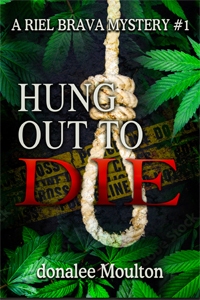
book cover from Hung Out To Die

It was not meant to be. As I was starting to shop around my book, I realized the title might lead agents and publishers to conclude the book would be darker, edgier, grittier than it is. Indeed, it’s actually funny. I also didn’t want to turn off publishers before they even read the book. I went with a working title instead: So, A psychopath walked into a bar. In my mind, the book would still be called Chunderf**k, an issue I would raise with my publisher as soon as I had one. Which I (with gratitude) did. My publisher, BWL Publishing, was more than open to changing the title. But not to Chunderf**k – and not for the reason you might think. Search engines don’t pick up asterisks.

Dammit.

So the book became Hung Out to Die. It’s a play on words, drying plants is linked to cannabis, and the victim dies by hanging. It’s short, it’s got some oomph, but let’s face it. It’s no Chunderf**k.

I’d love to hear your thoughts on titles. And asterisks.

Titles- where do they come from?

Ask any writer and they will each give you a different answer to where they get the title for a story, book, or article. Most will even say they come up with the title differently for each story, book, or article.

So how does that tell you where titles come from…it doesn’t. From talking to other writers and reading the struggles they go through to find titles, I can tell you there is no set way a writer comes up with the words that are on the front of their book or draws a reader to their story or article.

If the writer is published with a traditional publisher, they have no say over the title. The publishing company decides what title will go on the book based on past book sales. Not sales by that author but by all the authors in their house and what titles readers were drawn to.

A self-published author can give their book a title and it will stay with the book. We don’t have the algorithms that the traditional publishing houses have. But we can google the title, see if there are any others like it. Then we can see if the words in the titles are used in top selling books. And so on. If you are a writer who tries to piggyback off the top selling books.

For me, the title either comes as I am “stewing and brewing” the story –this is where I’ve come up with a premise, or the means of murder, or a unique idea I plan to incorporate into the story. If that doesn’t bring about a catchy title that matches other titles in the series, then I start writing. Adn at a point while I’m putting the story down in words, a few will string together and a lightbulb comes on and I realize that is the title of the book. This has happened to me, mostly with the first book of a series. Then after that the rest of the series has to have similar titles.

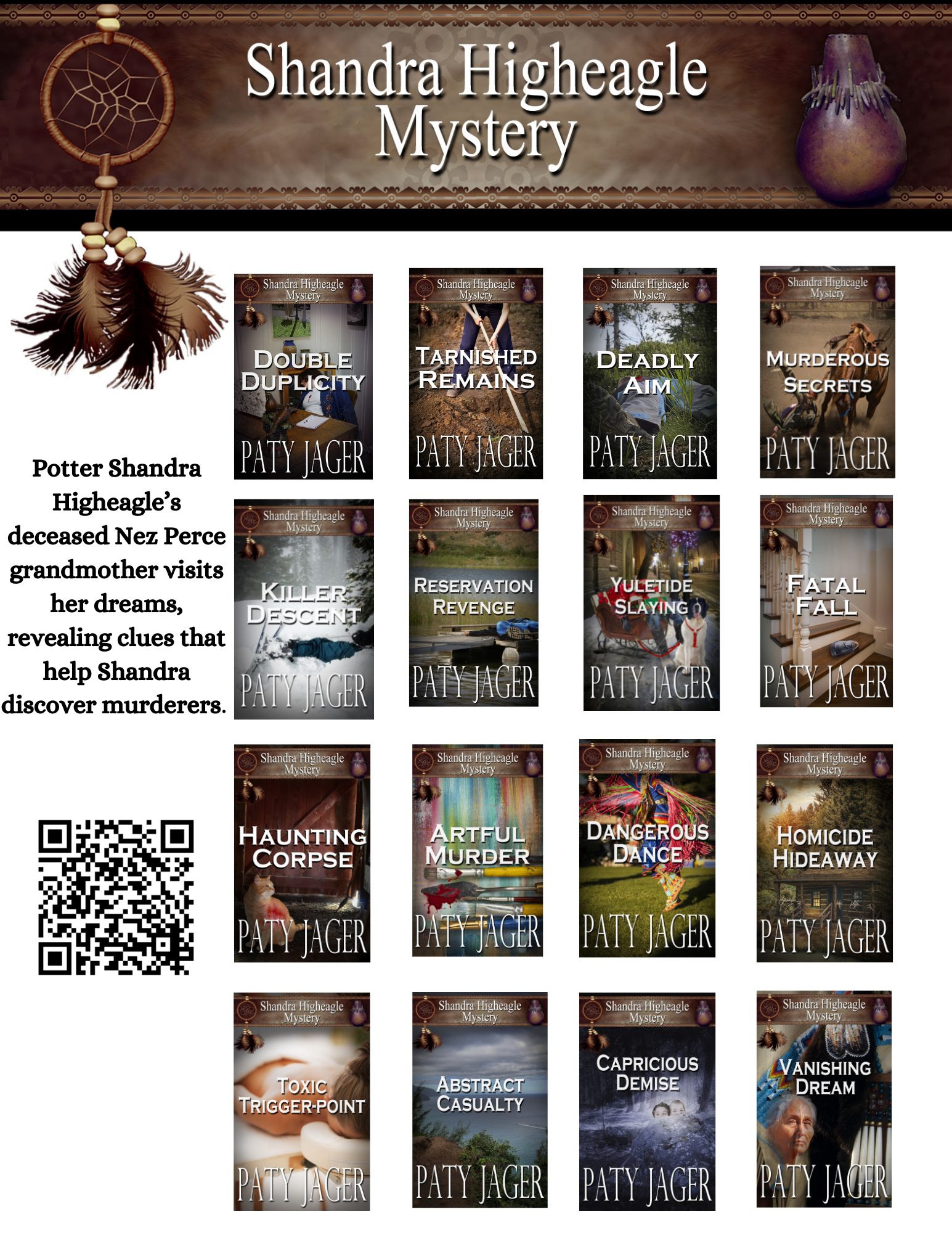
As for my Shandra Higheagle mystery series, the titles all come from either the way someone was killed or how they came to be killed.

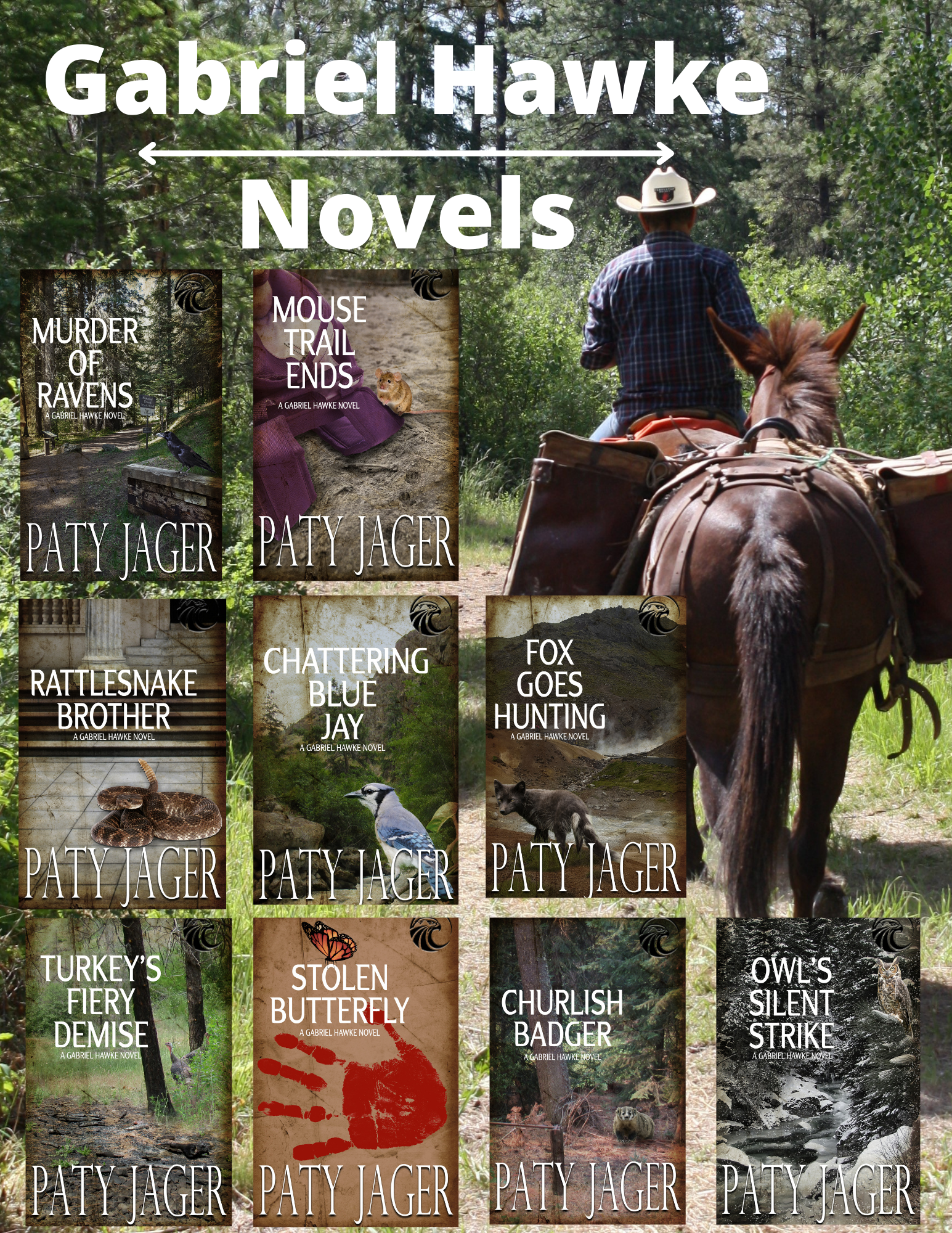
With the Gabriel Hawke series, since he is a Fish and Wildlife officer (game warden) I wanted to have animals in the titles of the books and on the covers.

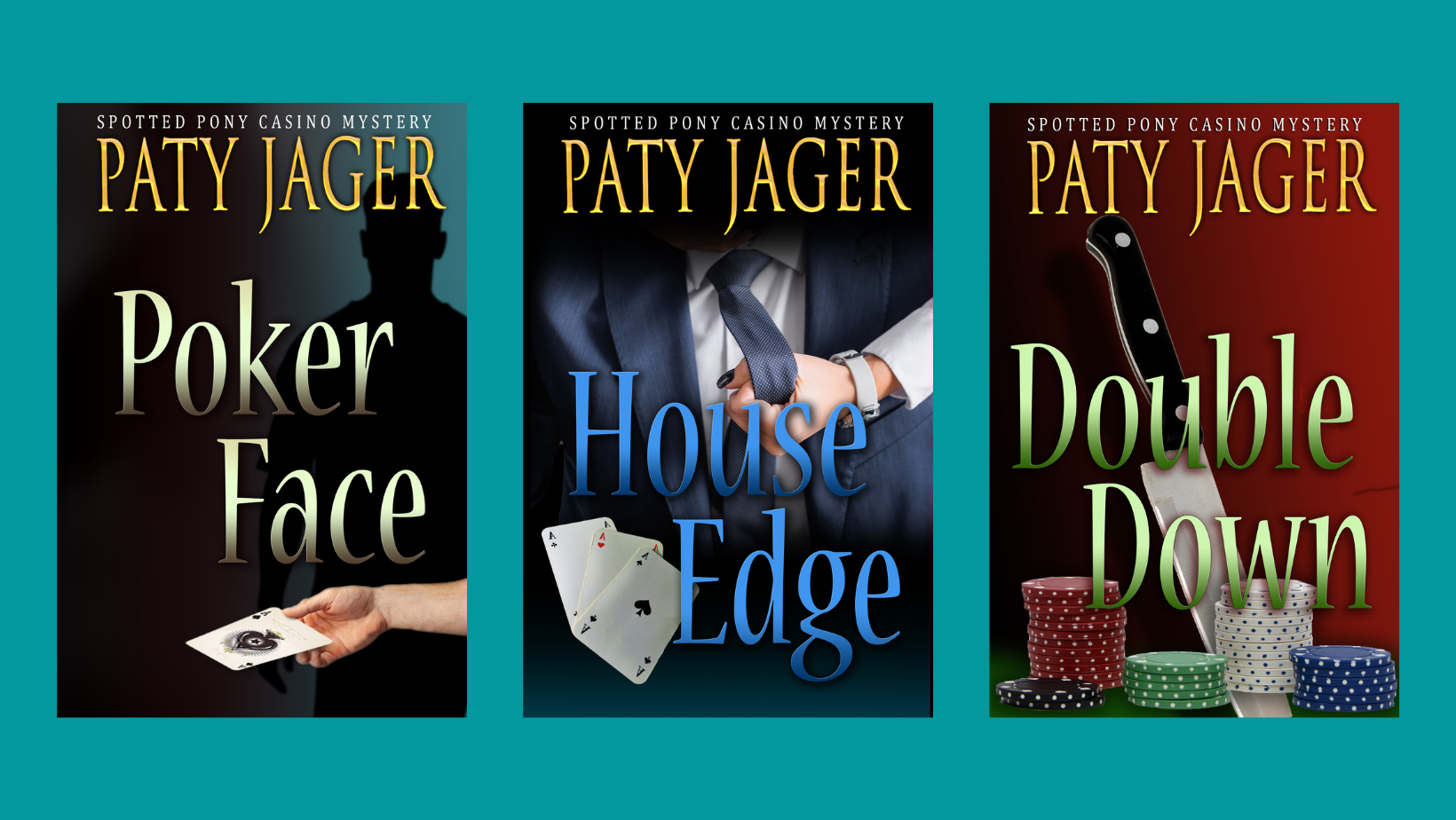
The Spotted Pony Casino mystery series, I chose to use gambling terms for the titles of the books. I found a dozen terms that I liked and have been slowly incorporating which ever title I pick into the murder mystery that I write. This has actually been the easiest way to come up with a title. I have the list and just have to decide which term works with the premise I come up with for the book.

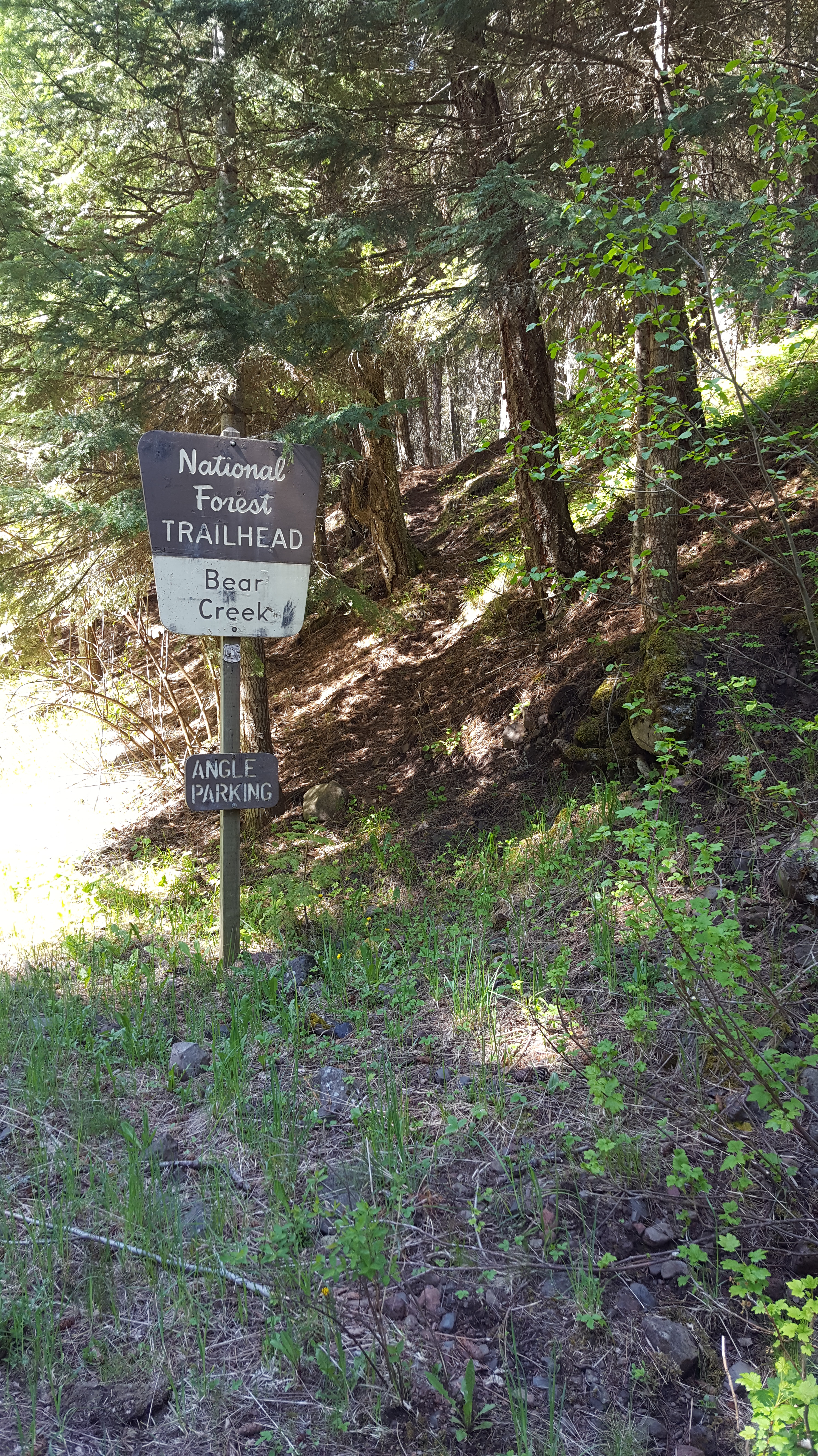
Currently, I have started book 10 in the Gabriel Hawke series. When I first came up with the idea for the story and formulated the premise of the murder, I had called the book Fleeing Swan. But after researching the area and getting a great photo of a bear while traversing the wilderness where one of the characters will be hiding, I decided I wanted that photo on the cover and have changed the title to Bear Stalker. While the character who I was referring to as swan in the original title swims away from a threat, I decided to give her the Cayuse name of Small Bear (kskɨ́s yáka). Since she is being stalked by the killer- I came up with the title Bear Stalker. And now that I have my title and my story, my fingers are flying across the keyboard telling Small Bear’s story.

I haven’t decided what the next title will be in the Spotted Pony Casino series. I have an inkling of what the story will be about, at least the secondary plot since I left it hanging in the last book, but I want the title to reflect the main plot of murder in the book and not the secondary plot that will be left hanging in the next few books. I don’t want that little time bomb to go off just yet. 😉 But until I get a clear picture of what the next book will be about, I’m not sure what the title will be other than one from my list of gambling terms. 😉

Does a title of a book draw you to discover more about the book or is it the cover image that draws you to the book? Especially if it is an author you have never read before.

Discovering the Story

This post is both an apology and a discovery. I went off this morning thinking I had attended to everything that needed attending to, and then came home to realize I was wrong. So, late but here is my post along with my apologies.

When I began working on the Anita Ray mystery series I knew there would be a wedding in the story arc, and I assumed I knew who the bride would be. After two entries in the series I zeroed in on the prospective bridegroom. But after another two novels I found I was wrong. The character who was the obvious candidate wasn’t all that obvious anymore for reasons not known at first. I don’t want to give away what happened to him, but he lived to appear in a later story.

I continued with the fifth book in the series, In Sita’s Shadow. Each mystery is named for an Indian deity whose temperament matches one aspect of the story. Sita is the wife of Lord Rama, and is considered the quintessential wife, the spouse deified, her perfection unmatched in this world or any other. 

The choice of this figure for the title was meant to underscore the character of one of the main figures in the plot, but then the story got out of hand, and all of a sudden I had a love story in my lap.

Many Indian weddings, if not most, are still traditional, which means they can take hours. Every step in the ritual must be exact—the roles of the relatives are strictly prescribed, the recitations must be exact (no stumbling over the lines), and the families must meet all the requirements.

I thought it would be fun to write about a traditional Malayali wedding adapted to modern requirements, and it was. The first ritual is the presentation of the dowry. Among the Nayars in Kerala, the groom is required to provide the dowry; his “gifts” must be exactly what was agreed to. The gifts are inspected by the father of the bride and his agent before the ritual can begin. There’s something about watching two men with their agents calculating the pile of gold sovereigns, jewelry, saris with gold borders, and keys to cars or motorcycles, and more.

The guests watch it all. Women sit on one side of the room, men on the other, and we check out what the groom provided. I once made the mistake of saying, “So is that what the groom offered to give?” And the father of the bridge pounced and said, “Must give!” He was adamant, even fierce. Marriage is serious business in India.

The wedding in In Sita’s Shadow is adapted to the needs of a Westerner and an Indian woman, and figuring out how this would work required creativity as well as consulting with an anthropologist, but we figured it out, and it’s now one of my favorite scenes of all I’ve written about India. Auntie Meena, originally a skeptic of this relationship and the marriage rites between them, is won over. I hope the readers will be too.

Coming in August, In Sita’s Shadow: An Anita Ray Mystery.

What’s in a Title? by Paty Jager

Do you pick a book by the title? Do you want the title to tell you the genre of the story or what the story will be about? How about a mystery? Do you want the title to be a clue to the mystery?

These are all questions I’ve asked myself as I picked the title for the first book of my new mystery series coming out in 2019. I thought I had the perfect title… I loved it! Thought it was the essence of the story, more or less. Until I finished the book and read through it again. I felt like the title was lacking.

I loved the title. I used it as part of my trajectory in the story, or so I thought.

I sent the book to a beta reader. When he finished reading and sent me back his thoughts on the story, I told him the new title that popped into my head after I’d sent the manuscript off to him. What did he think? He said the new title fit the story better without me even explaining why I picked it.

BooYah! I now have a new title- Murder of Ravens: A Gabriel Hawke Novel.

20180514_102901

Because my character is a game warden I want to have animals in all the titles. I have four more story ideas penciled out and went through my list of animal names I compiled from Native American Myths and Legends books and hope my titles will fit the books I write. If they don’t, I’ll be changing them as I did with the first book.

Another clever, I think, item to this new series, is whatever animal is in the title will be somewhere on the book cover. In some cases the size of the animal may make it a good contest to have readers find the animal. 😉

So as I asked in the beginning- Do you pick a book by the title? Do you want the title to tell you the genre of the story or what the story will be about? How about a mystery? Do you want the title to be a clue to the mystery?