Beating Fear with Knowledge

I think most writers are worriers. Will the readers like the story? Did I have typos/mistakes? Does the plot make sense? Am I not offending the culture of the people I write about? Am I doing justice to the cause? Am I entertaining as well as educating?

Yes, all of these things go through my head as I write a book. I feel bad I can’t get to every book by every author in my genre- mystery/suspense/crime fiction. But I spend most of my time reading books to help me better understand my characters. Because I write Native American characters and I am not Indigenous myself, I feel I must read and learn all I can about the culture and dynamics of the tribe and people I write about.
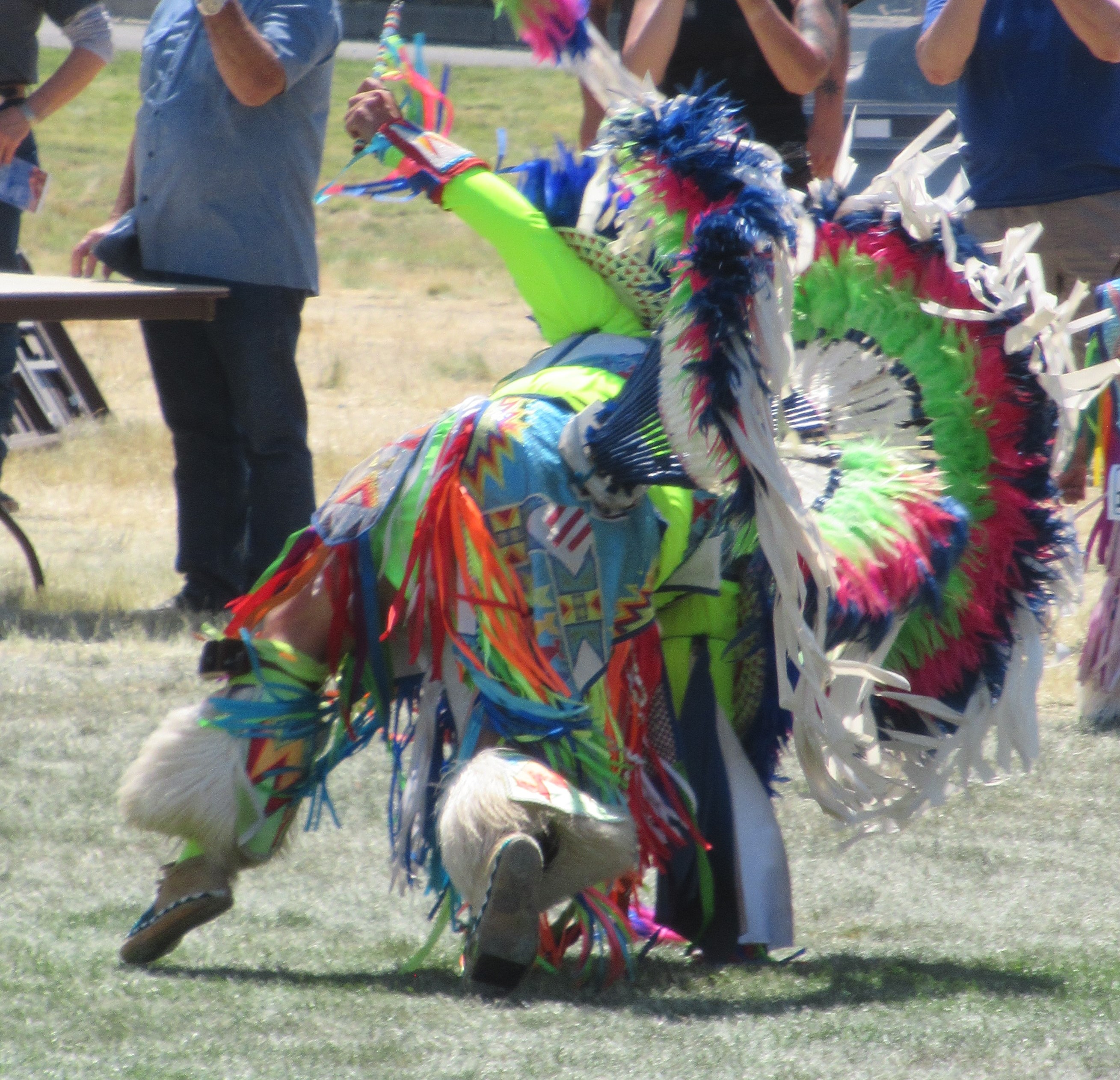
I have some tribal members who respond to my questions, but I’ve yet to find someone to openly allow me into their world. Which makes me worry, I’m not portraying them as well as I should be. Every time I think about that, I get a knot in my stomach. I want to show them for the inventive, resilient, good-natured people that they are. I also want to show the dynamics that have made them who they are.

An author friend, Carmen Peone, who helped me with my Shandra Higheagle mystery series, that is partially set on the Colville Reservation where she lives, told me about a Choctaw woman author who has a workshop to help Native and non-Native writers better understand their characters. I spent all last week watching, listening, and taking notes. Then I picked up a book I purchased a month ago about a woman who grew up in the area near where my series, takes place and am learning more about the culture and family bonds within the culture I write about.

I have the two closest powwows written into my calendar to attend. I have attended both of them once before, years apart. This summer I will attend both and try to do what Sarah Elizabeth Sawyer suggested for attending a powwow. She had a lot of good insights even though her tribe is in Oklahoma, and I write about Oregon tribes.

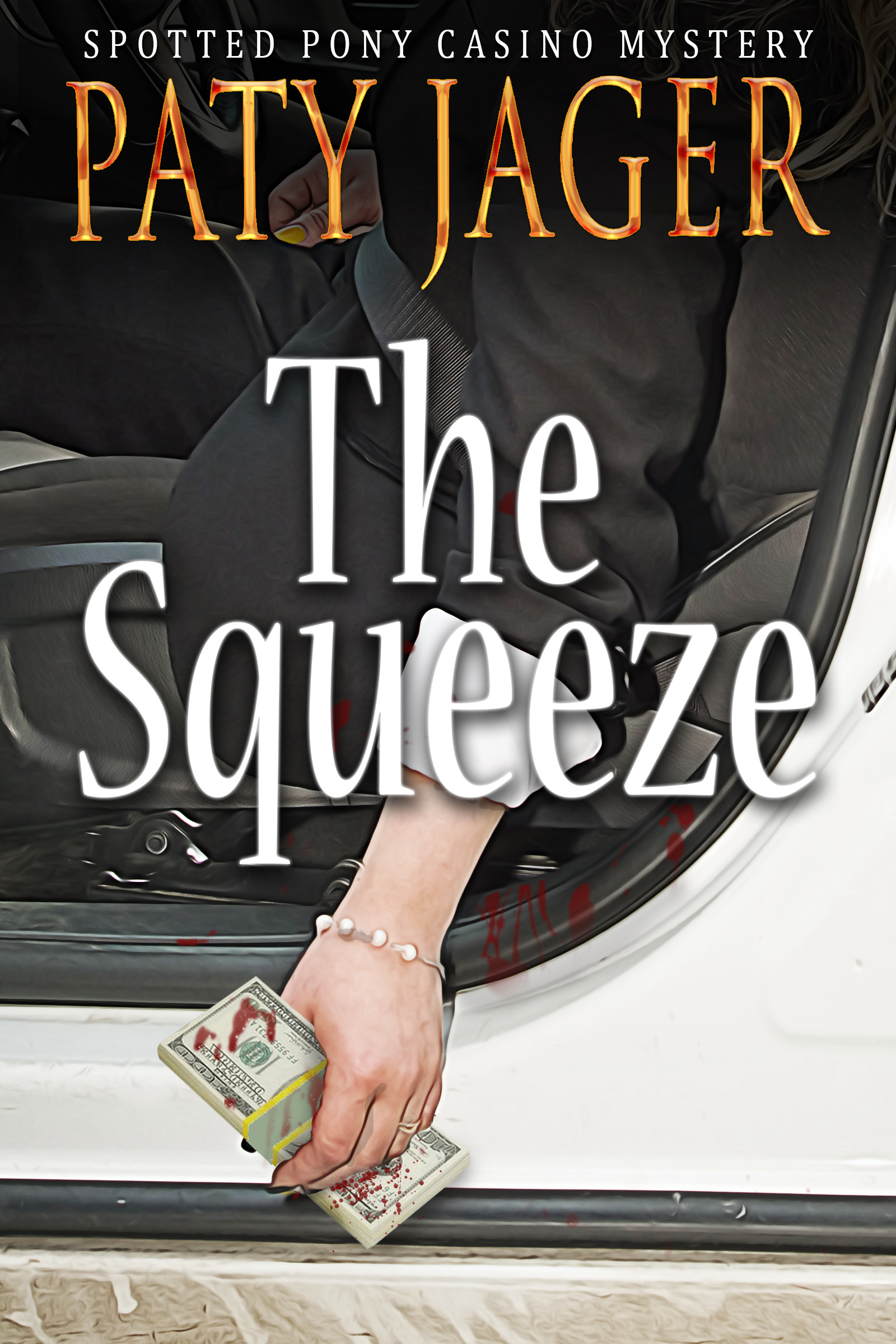
One of the series that I work so hard to perfect the cultural dynamics is my Spotted Pony Casino mysteries set on the Umatilla Reservation outside of Pendleton, Oregon. Book 4 in the series released this month.
Lies, deceit, blackmail.

Murder ends it all.

Or does it?

When an employee at the Spotted Pony Casino is caught leaving early, Dela Alvaro, head of security confronts the woman. The lies the woman tells only piques Dela’s curiosity. After witnessing the employee threatening a man, she is found murdered in her car parked in the driveway of her home.

Upon learning the woman used her job at the casino to blackmail men, Dela feels compelled to solve the woman’s murder and teams up with Tribal Officer Heath Seaver. Not only does the duo have a death to solve, but there is also a mystery behind Dela’s dead father. Not to mention, her mom just announced she’s marrying a man Dela has never met.

https://books2read.com/u/4X0WY9

I’ll leave you with something one of my readers sent me in an email. It made my day!

“Your characters are so full of life and personality, I find myself thinking they’re real folk! The sign of a great writer! I just finished the Squeeze. Loved it, love Dela! And when I get up your way, I’d love to buy you a cup of coffee. You are an inspiration for other NW authors and a marvelous advocate for our indigenous peoples. Please keep bringing up the issue of missing people…it needs to be kept alive or nothing will change. Thank you for all you and your posse do to make Oregon a better place. You have my support, 100%. And I’ll await your next book, whoever you choose to write about. I already know I’ll love it.”

Writing, Housework and Cat Hair

I hate doing laundry. It ranks high on my list of onerous household tasks. But needs must, as the Brits will say.

When household tasks loom, I think of a quote from French philosopher Simone de Beauvoir:

“Few tasks are more like the torture of Sisyphus than housework, with its endless repetition: the clean becomes soiled, the soiled is made clean, over and over, day after day. The housewife wears herself out marking time: she makes nothing, simply perpetuates the present … Eating, sleeping, cleaning – the years no longer rise up towards heaven, they lie spread out ahead, grey and identical. The battle against dust and dirt is never won.”

At my house, the battle against clutter and cat hair is never won. One pass with the vacuum cleaner and I have enough cat hair to build a new cat.

What, you ask, does this have to do with writing? To me, writing is a bit like housework. It never ends. I wrote a blog post last month and here it is, time for another one. Same with the newsletter. I spent two years writing The Things We Keep, the Jeri Howard book that was published in March. Now I’m back to work, on a new book.

It’s starting all over again, that perpetual cycle for the writer. Having released my polished progeny into the wild, to be purchased by avid mystery readers, I am once again struggling to whack the next novel out of the brush, wielding brain and keyboard instead of a machete. The book is tangled with plot threads that must be woven together, somehow. And full of characters that I envision inhabiting the book. Plus some that I didn’t imagine—who showed up anyway.

The next months will be spent wrestling with the new book, making the idea come together, persuading the people in my head to behave the way I want them too. Or in some cases, going along with them in the direction they lead me.

And doing research. This is a historical novel and it’s easy to jump down the rabbit hole, wondering what my protagonist wears, how she travels from place to place, and what she fixes for dinner. The novel is also based on actual historical events and features real people in supporting roles. So the timeline of my plot must account for that. In other words, I don’t want my protagonist talking to a historical figure when that person was out of town that week.

No wonder I’m talking to myself, and my characters.

Ah, well, I finish the novel, then I start a new one, and the process goes on and on. While the battle with dust, dirt and cat hair is never really won, at least when I’m finished writing a book, the end result is out there, available to readers.

Guest Blogger ~ Barbara Pronin

SPINNING TALES BY CONNECTING THE DOTS

            I confess I have an odd history of collecting miscellaneous bits and pieces – a compelling smile, a story in the news, a flowering meadow under sunlit skies that almost defies description. For the most part, I have no clue how or if these snapshots will come together in a novel. But I am not surprised when that compelling smile one day lights the face of a character, or when that flowering meadow becomes the very place where the lovers in chapter three come together.

            Let me see if I can help you understand how the magic and mystery happen.

            In 2019, we checked in for a weekend at a seaside hotel in California – a boutique hotel, the brochure called it, which I interpreted as small, over-priced, a little bit quirky, and not necessarily solvent. The pretty young desk clerk who checked us in seemed to be a bit frazzled – all the more so when a colleague tapped her on the shoulder.

 “I’ll take over,” she whispered. “Your daughter’s on the phone. She says it’s urgent.”

The desk clerk heaved a sigh, managed a wan smile, and ran for the nearest phone.

            Months later, we went to South Dakota to see Mt. Rushmore. The colossal sculpture, breathtaking in the shadow of the brooding Black Hills, is truly a sight to behold. We toured the national park to watch the buffalo roam, stopped for a night in Rapid City, and moved on to the storied town of Deadwood.

            Deadwood, as popularized by the TV series, was the dusty little gaming mecca where Wild Bill Hickok met his Maker. It still supports itself as a gaming mecca, but its neighbor, Lead, is home to the Homestake Mine – at one time the nation’s largest, deepest, and most productive gold mine in the nation. The mine closed in 2002, but it’s still open for tours – so in we went.

            I felt a chill as I took a step into the dark, dank interior of the mine, its concrete walls damp with decades of moisture and crosshatched with the remnants of rutted trails embedded by trams and miners bringing up the precious ore.

            I leaned forward, peering over the rails into the darkened mineshaft. All around me I heard the quiet buzz of tourists. But in my writer’s mind, I heard the anguished cry of someone falling into the depths.

Who was it? Had they fallen or been pushed? And if they had been pushed, why?

Out of nowhere, the frazzled desk clerk walked into my head and began to tell me a story. By the time I got home, I could hardly wait to get it down on paper.

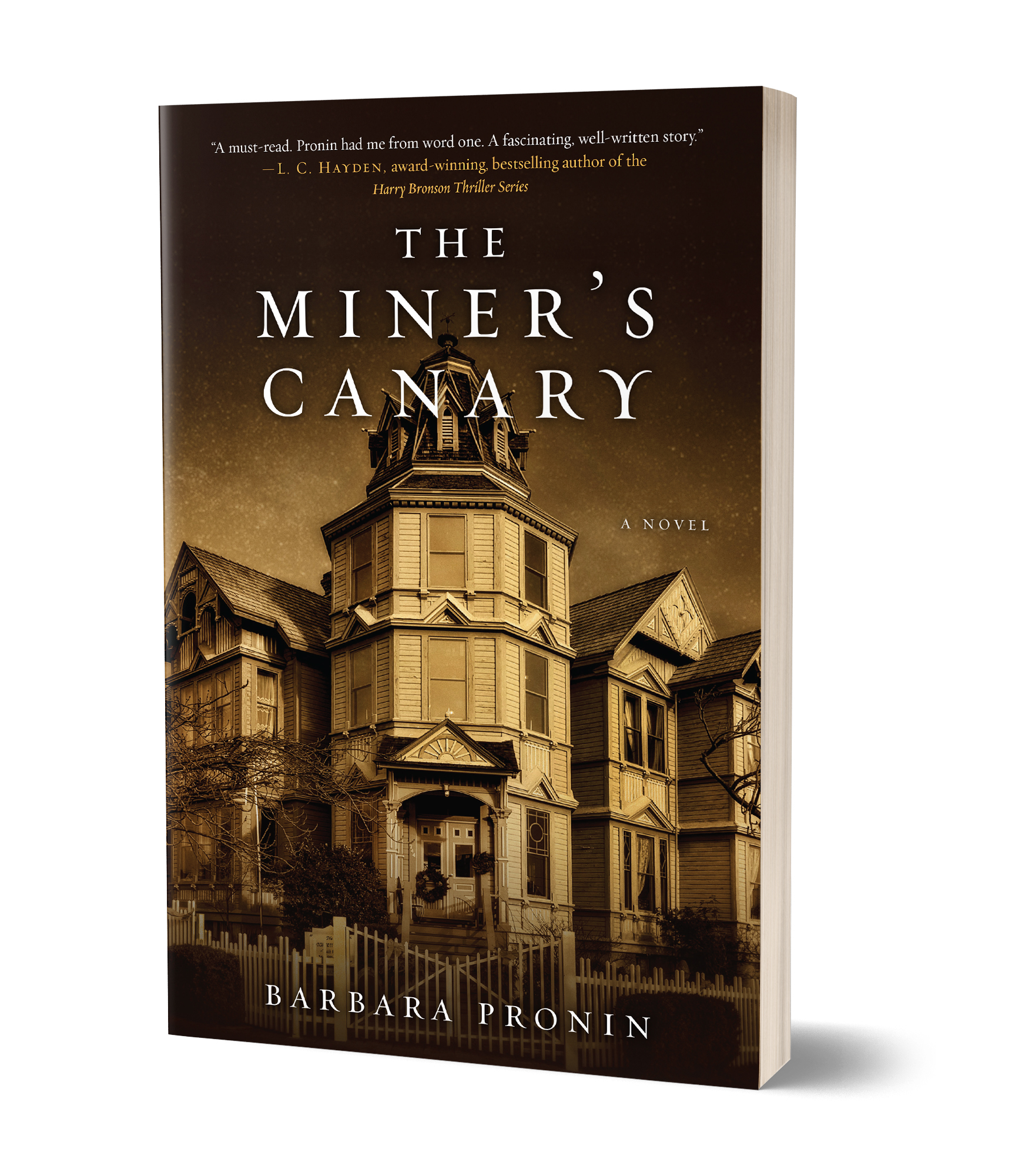
If you’re curious to know how a California desk clerk wound up in a mine shaft in South Dakota, please read “The Miner’s Canary.”

As for me, I’m busy connecting bits and pieces for my World War II historical, “Winter’s End,” due out this coming October.

Thanks for caring –

Barbara

THE MINER’S CANARY

They say you can’t go home again… For single mom Julie Goldman, who long ago left the ghosts of her troubled youth behind her, inheriting her aunt’s old Victorian in the Black Hills mining town of Deadwood, South Dakota, is as much a test as a blessing. Her aunt was not the person she thought she knew, and a diary left by her long-dead cousin Kate sets Julie on a path to find her killer. But with two new murders in town, and a series of vague threats, Julie must overcome her personal demons to protect her daughter and stop the killer who has them clearly in his sights.

Amazon.com : the miner’s canary barbara pronin

The Miner’s Canary: a novel by Barbara Pronin, Paperback | Barnes & Noble® (barnesandnoble.com) 

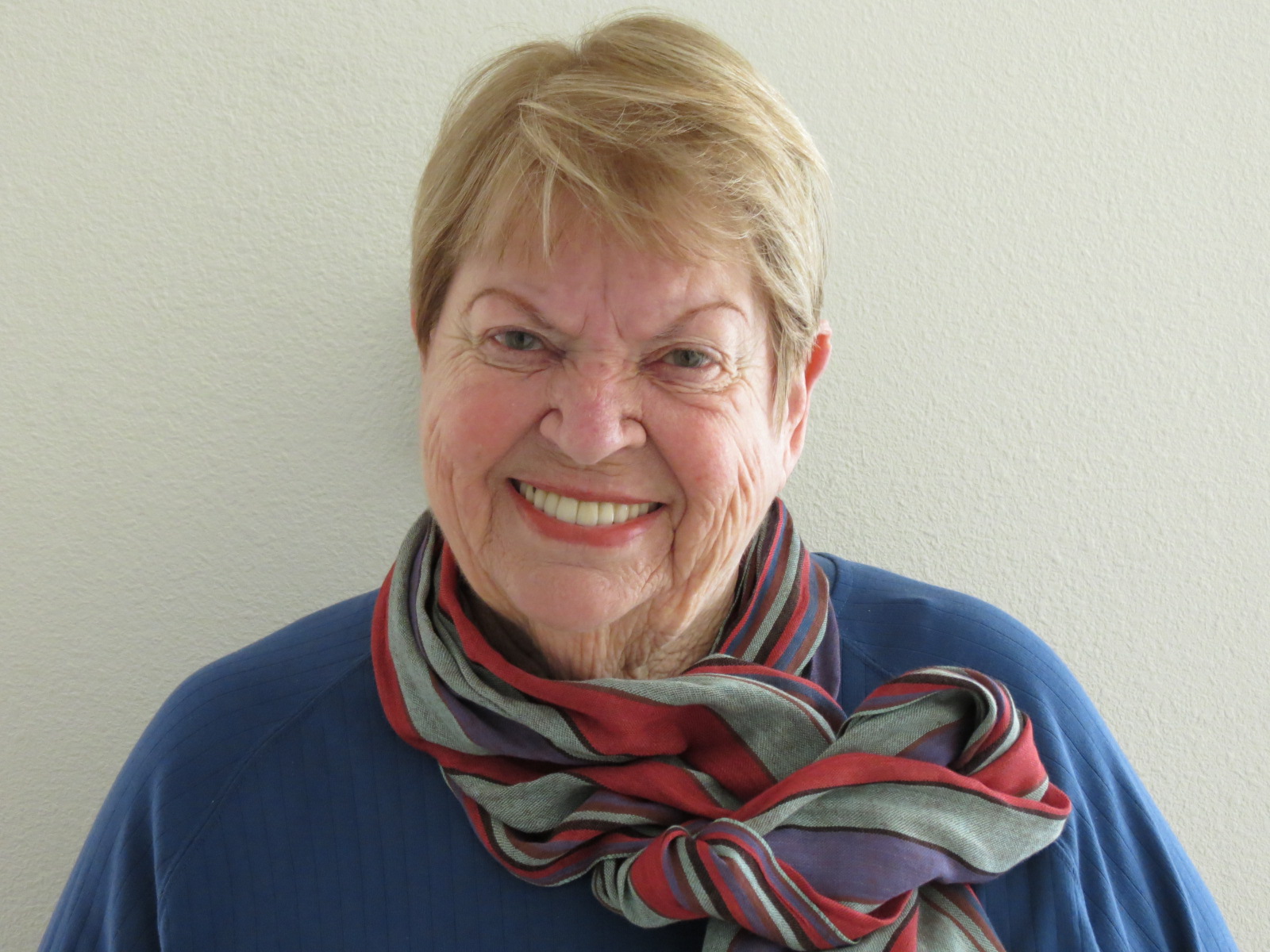
Barbara Pronin saw her first byline in a community newsletter at age eight and was forever hooked on writing. She has worked over the years as an actress, a probation officer, a news editor, and a substitute teacher, the last of which inspired her first book, a non-fiction guide to effective subbing still in print more than 30 years later.

Her earlier mysteries, including three as Barbara Nickolae, earned kudos from such best-selling writers as Mary Higgins Clark and Tony Hillerman, and have recently been republished. Her latest mystery, “The Miner’s Canary,” was published last October. Her newest work, a World War II historical titled, “Winter’s End” is set for publication in October 2023.

A lover of dark chocolate, Greek sunsets, and Dodgers baseball, Barbara lives and works in Orange County, Calif., where she writes on real estate for RISMedia and is eagerly waiting for the next cast of characters to take up residence in her head and demand that she tell their story.

Email:
Bpronin@att.net

Website:
https://www.BarbaraPronin.com

Writers and Their . . . Warnings?

Several articles over the last few weeks have circled around the issue of “trigger warnings.” I’m used to seeing them before certain television shows, but I haven’t seen them on books yet.

Jamie Beck’s essay in Writer Unboxed explored the perplexing and even confounding question of trigger warnings for novelists. Her publisher “engaged a sensitivity reader to evaluate the portrayal of a neurodiverse character in my summer 2023 release (The Beauty of Rain). I eagerly anticipated the reader’s feedback, whose notes on that aspect of the manuscript were ultimately helpful and unsurprising. Conversely, her recommendation that I add trigger warnings about suicidal ideation and prescription drug abuse did momentarily throw me.” In the end, after extensive discussion, she decided to add a warning in the author’s note, as an expression of her commitment to building “a trusting relationship” with her readers.

The essay is reviewed in Victoria Weisfeld’s blog, where she considers other books, including one that seemed hardly to need a trigger warning of any sort. On Fabian Nicieza’s highly comic mystery, Suburban Dicks, she comments, “A reader would have to be extremely thin-skinned indeed to take his jibes seriously, but then we do seem to be in such an era.”

The idea of trigger warnings may have grown out of academia. In 1991, when I attended Bread Loaf Writers’ Conference, a young MFA student admitted in a workshop that her fellow students were paralyzed in their classes for fear of writing something that would lead the teacher to accuse them of . . . of what wasn’t clear. But in general, they feared writing something considered politically incorrect, and as a result couldn’t write anything. 

At MIT students are sometimes afraid to speak for fear of consequences, which suggests we haven’t made much progress since 1991. According to an article in the Boston Globe, “A recent FIRE survey of 45,000 students at over 200 US colleges found that 60 percent were uncomfortable publicly disagreeing with a professor about a controversial topic; at MIT, it’s 68 percent. In the national survey, 63 percent of students worried about damaging their reputations because someone misinterpreted their words or actions. At MIT, 68 percent worried about this.” It should be understandable that my brain jumped to the news of Ron DeSantis, governor of Florida, shutting down the AP course on African American History. 

For me the issue isn’t whether or not what I write will offend someone, a reader I’ve never met and probably never will. I write a traditional mystery, and avoid violence in any form. But the question upends my longstanding view of the reader, as someone who comes to my work with an open mind and an optimistic attitude. 

Whenever I’m looking for something to read in the library, I pull several titles off the shelves until I find one that appeals to me. I check the genre (thriller, sci-fi, traditional, cozy, etc.), read the blurbs and jacket copy, and consider the author. Once I make my choice I go home wanting to like the book, and I give it my full attention as a reader, a form of respect for another writer’s best effort to date. Do I look for trigger warnings? No. Have I ever missed one and wished it had been included? No. Have I read into books that I wished I hadn’t? Yes. 

I don’t think I could read a novel and notice every instance that might cause distress in a reader. Would a deadly car crash qualify? Or back story about a child taken from the home because of physical abuse? How about the story of a bully who made high school miserable for a group of students? This is the kind of information I’d expect to find in the jacket copy—a clear indication of the parameters of the story. But I also wouldn’t want the jacket copy to give away important features. 

There’s no easy answer to the question of using or not using trigger warnings, but the discussions have caught my attention and made me think. I don’t want a reader to be distressed by one of my books (very unlikely, considering what I write), but I also don’t want to find myself unable to write freely out of fear or concern about a reader’s reaction. The decision will be different for each writer, and may vary with the book. I look forward to more discussion, and learning more about how this plays out for writers.

https://writerunboxed.com/2023/01/24/to-warn-or-not-to-warn

https://www.bostonglobe.com/2023/01/24/business/mit-students-faculty-afraid-speak-their-minds-sensitive-issues-report-says/

https://www.bostonglobe.com/2023/01/24/opinion/ron-desantiss-fear-american-history/

https://www.apmresearchlab.org/motn/what-americans-think-about-liberty-rights-freedom-may-2022

Down to One Last Charge

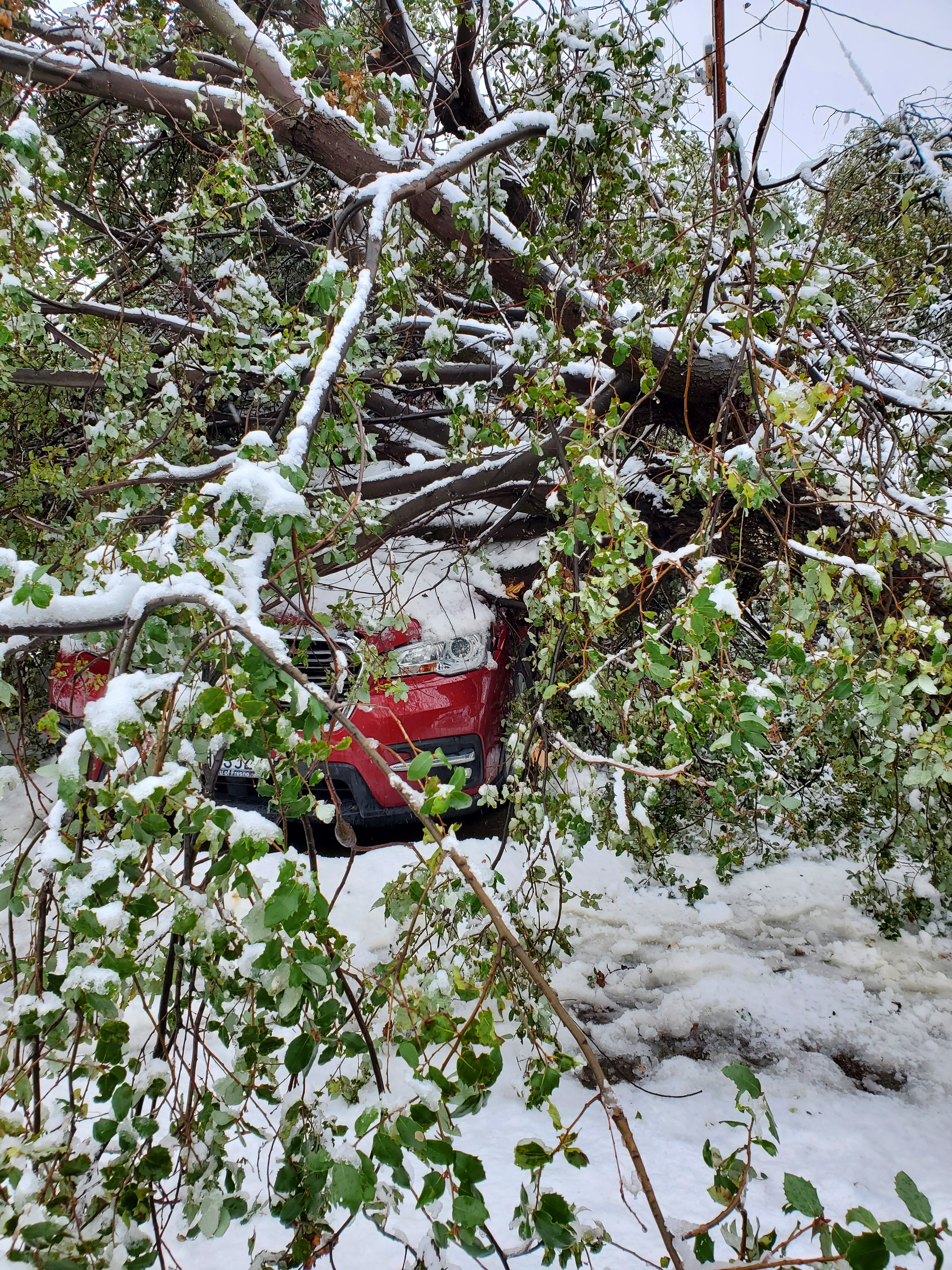
Eight days! Stuck behind a mountain of snow. Our prize oak tree split and embedded in our car, stranding us. We were down to one charge on one power pack for one phone (our only lifeline) when power was restored.

Imagine no power for eight days. In the mountains that means no heat, water, lights, or flushing toilets. Oh, we had enough food. I went shopping two days before the storm as did everyone else in the area. I was standing, resting my elbow on my shopping cart’s handle, when a woman in another endless checkout line yelled, “It better snow!” 

It did. Feet of it. It was enjoyable, big fluffy flakes softly piling up on our deck, until a tree demolished our car, and the power went out. After that, we had no way out, nor did our neighbors. We have an excellent wood-burning iron stove and dry wood. We could light our gas stove with matches, but not the oven. We had headlamps, and lanterns of all sorts. Batteries for the ages. Puzzles. And a massive goose-down comforter in the unheated bedroom. We believe the ambient temperature of sheetrock to be forty-four degrees.

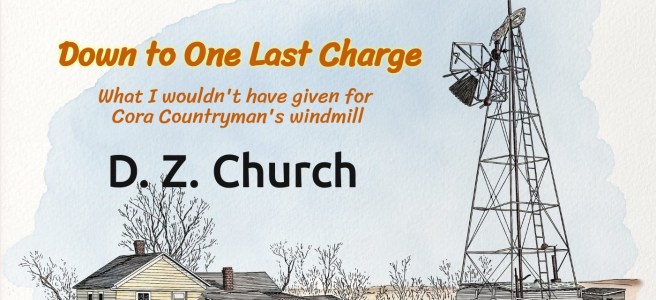
Now, if you’ve been paying attention, you know my most recent book Unbecoming a Lady takes place in 1876. That’s where we lived for those eight days. It’s tough. But what I learned is this, it can be done. It takes some reorientation, for sure. On the first day, you figure out what is essential, and how to operate all while praying that the power comes back on. You overuse your phone because it is your only point of contact with the outside world. And, in our case, the only way to file the insurance claim on our destroyed car. Oh, for a horse and sleigh like those used in Cora’s little prairie town of Wanee.

Then you get the endless emails from PG&E telling you they are on site and the power will be up Monday … no Wednesday … no Friday.

As time went on, we ate the food from the freezer in the order it thawed. We ate pretty darn good. One night we dined on coconut shrimp and dim sum. Way better than Cora’s winter mainstays of storage vegetables and salted meat.

We lived Cora Countryman’s life for over a week minus the three-story house to clean and the boarders to feed that define her days. Hard, all-consuming work. All your attention turns to staying warm, clean, and fed. You get up in the morning and light the fire, boil water to make pour-over coffee, scramble eggs, and fry bacon. Forget the toast. Then you gather fresh snow for your coolers and dump water in the toilet tanks until they flush. You melt snow and boil it to wash yourself and the dishes. Put fresh batteries in where needed. Shovel a path through the snow to the wood pile. Then shovel it again. Pull out the old laundry drying rack and set it by the fireplace, so everything is dry for the next day’s shoveling. You get the idea. And when it gets dark huddle around the fire with your puzzle. Then repeat.

My husband and I finished the puzzle, headlamps on our heads. It is striking how well we adapted to life without television, streaming, phones, lights, toilets, running water, and a microwave. Perhaps because games were played outside when we were kids, the telephone was tethered to the wall, and the television was a small square box with three channels. This isn’t to say that we didn’t delight when the microwave went diddle-diddle-dee, happily letting us know the power was back on.

Now, like Cora, I wonder how her mother found time to play Whist three days a week. And I have a deeper understanding of her day-to-day life. Now to write a wintertime mystery!