The Joy Of It All by Heather Haven

Let’s face it, joy seems to be in short supply these days. The world is in trouble. Between global warming, hurricanes, floods,  fires, and the pandemic, if you want joy, you have to seek it out. It no longer springs up and dances in front of you.
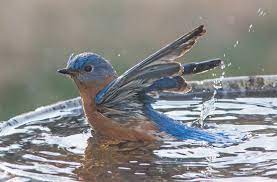
For me, joy often comes in small ways. I feel joy watching birds bathe in the birdbath. They splash about with such utter abandon, I grin from ear to ear. I get joy from playing with my cat, Ellie, and in hearing her purr. Or in seeing yet another gardenia bloom in my small but yielding garden. It’s finding the perfect word for a wanting sentence. That brings me joy and gobs of relief, of course. And I take joy in spending time with my life partner, a man I truly admire.
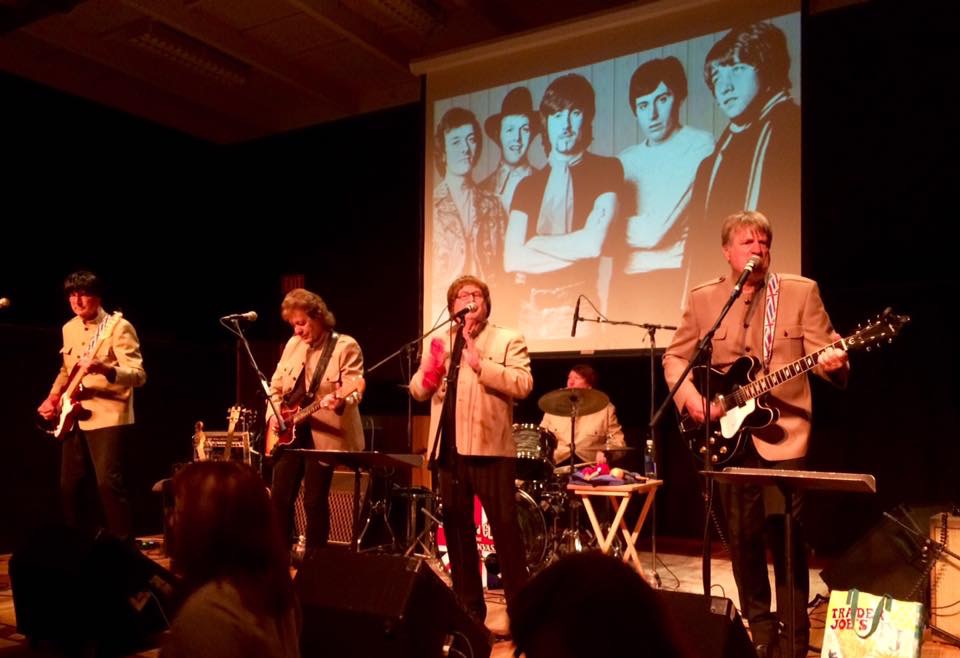
Speaking of which, my husband is a performer — mainly a singer — but also plays the guitar, drums, and piano. He often performs alone, singing jazz standards while accompanying himself on the piano. He’s also been a member of a rock and roll band for over 13 years. The group has a pretty solid following, although they haven’t played many venues recently with the pandemic. However, whenever I go along with him to one of his gigs, whether he’s solo or part of the band, I am struck by the sense of joy the audience experiences while they listen. Pure joy is written all over their faces. Live, good music can do that.
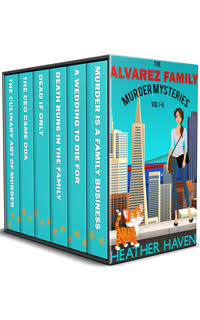
That got me wondering. Do I, as a writer, give any joy to my readers the way my hubby does to his listeners? I sure hope so. Every now and then I do receive the random note or email from a reader who tells me she/he is reading my book to a hospitalized or sick loved one, relative, or friend. They write a certain story or novel has taken them away from their current problems or worries. I am so grateful they let me know. Because I’m not there, the way a performer is, I can’t see any of this for myself. This could be one of the bigger drawbacks to being a writer, the solitude of what we do.
It is my hope my stories offer my readers a certain amount of joy, especially the lighter, more humorous books. That would be mission accomplished. As far as I’m concerned joy — no matter how fleeting or how it comes to us — is always a welcomed addition to our lives.
Decluttering

My condominium is small. When I first looked at the place nearly 30 years ago, it seemed quite large. Well, it was empty when my real estate agent and I unlocked the door. I remember thinking, wow, all that closet space!

Of course, all the rooms, and the closets, are now full. As my cousin says, stuff expands to fit the space available, plus two boxes.

So, stuff. Too much stuff.

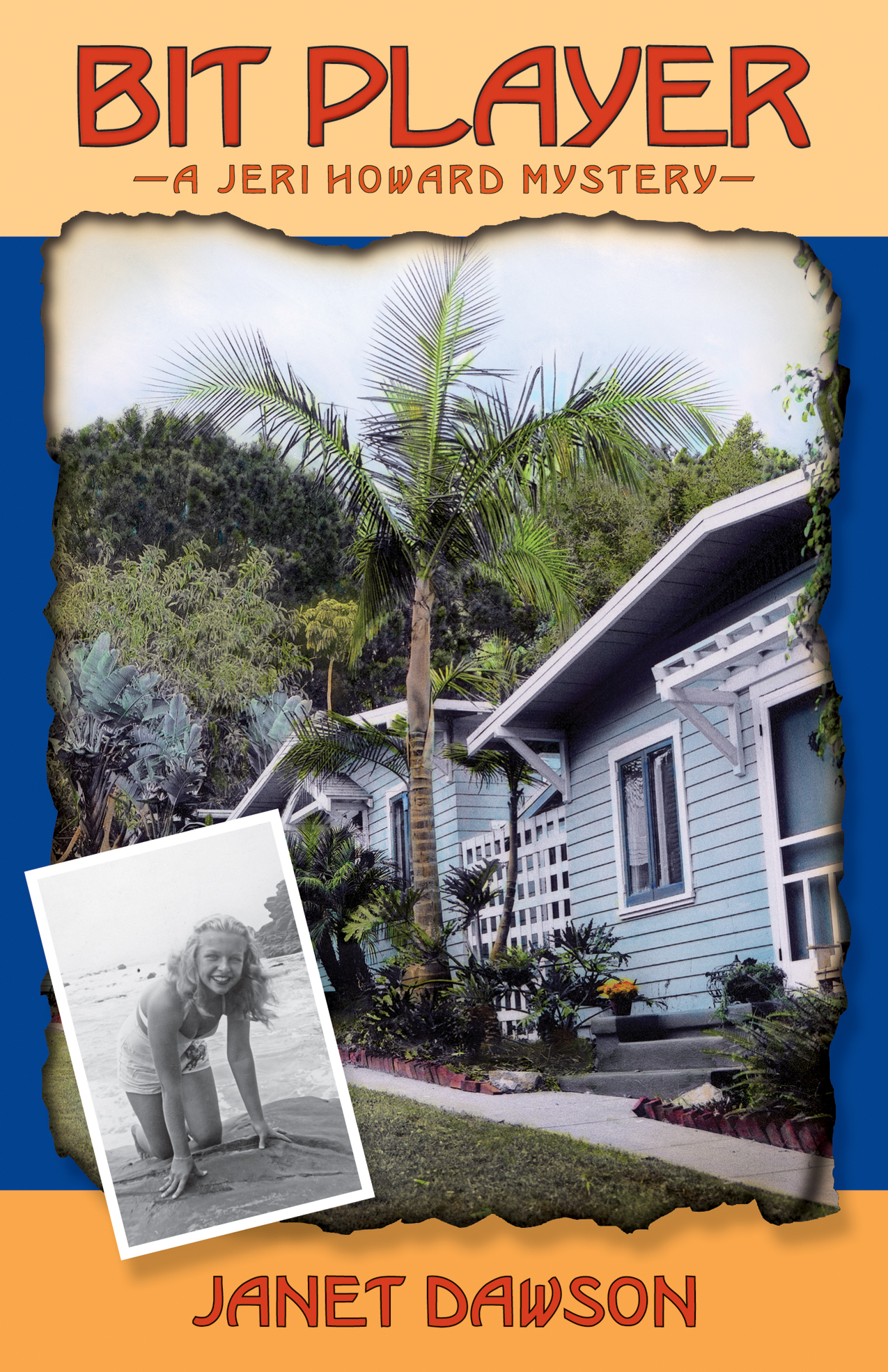
I’ve been cleaning my office as long as I’ve lived here. At least that’s what it feels like. I have a lifetime accumulation of books, paper, and assorted dustcatchers. Some of these have sentimental value, such as books that have been signed and personalized to me. As for the knick-knacks, they too have sentimental value. Then there are those files of newspaper clippings, saved because they that might possibly find their way into a book. They sometimes do. I once clipped a small article from the San Francisco Chronicle and kept it for several years, vowing that I would use it, some day. And I did. It wound up as an important plot point in Bit Player.

I’m such a paper magnet. Through the years I’ve written down story ideas and notes for plots. I still have all those pieces of paper. If I ever get writer’s block, I’ll know which file folders to mine for material.

These days, of course, I can copy the URL of a pertinent article and paste it into the work in progress.

I’ve rid myself of old bank statements and old contracts for books that are no longer in print. Making an effort not to keep anything past a year, unless it’s tax stuff.

Letters, remember those? Missives written before the advent of email? I save letters. The ones from my grandmother are tucked away in a folder, and they are important to me.

What do I save? And what do I throw away? That’s a question Jeri Howard asks in Bit Player, as she sorts through old letters written by her grandmother to solve a decades-old mystery.

Clothes? Since I retired from my day job some years ago, my wardrobe is decidedly casual. I start a donation box and when it gets full, I take it somewhere. Most recently, a local thrift shop. Books go to the Friends of the Library for their book sale.

However, getting rid of stuff is not a matter of opening a large garbage bag and sweeping the offending stuff into the bag. Clearing away clutter is a very personal thing. It involves decisions about what to keep and what to throw away. Sometimes the answer to that conundrum varies, depending on the mood I’m in at the time. Lately, the refrain of, “Maybe I’ll need this something,” is giving way to, “Why am I keeping this?” And that’s a good thing.

I’m not at the “Hoarder” stage yet but sometimes I wonder. At least I got a short story out of the subject. It’s a cautionary tale, called “Pack Rat.”

Guest Blogger~ Debbie Burke

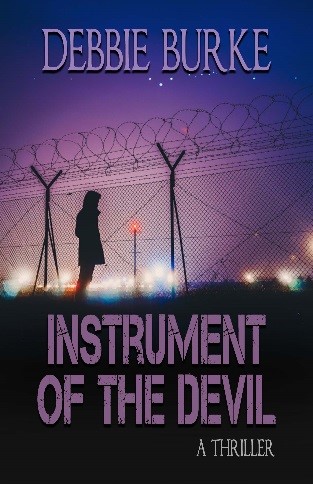
Hi, Ladies of Mystery, I’m crime novelist Debbie Burke. Thank you to Paty Jager for her gracious invitation to chat with you today. Here’s a little about my main character.

Montana widow Tawny Lindholm is swept up into a terrorist plot when she trusts the wrong man.

After Tawny receives a new smartphone as a gift, she’s baffled. This instrument of the devil behaves as if possessed and she dubs it Lucifer. Enter a dashing widower who offers to help her untangle its mysteries. Lonely and vulnerable after her husband’s death, Tawny falls prey to his charm. She doesn’t realize he is a terrorist who sent her the device as part of his plot to destroy the electrical grid. His target: Hungry Horse Dam where Tawny is a longtime seasonal employee. He sets her up as the scapegoat to take the fall for his crime.

Soon she’s being followed. When she can’t explain large cash deposits, the bank and suspicious feds freeze her money. She’s broke, her family is threatened, and she’s on the run.

Can she turn the devil back on himself to save her own life and prevent a blackout affecting millions?

Are there autobiographical elements?

Tawny’s struggles mirror my own experiences with a frustrating new smartphone.

Fortunately, though, I haven’t met any charming terrorists!

When I was writing the book, news stories about the vulnerability of the power grid kept surfacing. Documentaries exposed how easily a smartphone could trigger a cyberattack that would disrupt electricity to vast swaths of the U.S.

I was onto something timely…and scary.

Tawny may seem like an unlikely thriller hero—an everywoman like your neighbor or coworker—but, with technology intruding into all aspects of today’s life, this scenario could happen to anyone…even you.

Instrument of the Devil is the first book in the Tawny Lindholm Thrillers with Passion series. Toward the end of the book, a larger-than-life lawyer named Tillman Rosenbaum comes on scene to defend her. He’s brilliant, arrogant, and sexy. Their gasoline-and-match chemistry leads into the second book, Stalking Midas, where Tawny goes to work for Tillman as an investigator.

Each book is written as a standalone and can be read in any order but there is an ongoing arc of their stormy relationship.  

The series is meant to be entertaining, with fast-moving action, surprise-twist plots, and quirky characters. But it also examines timely issues like terrorism, racism, elder fraud, teen suicide, and a justice system that rarely gives justice. 

Please stop by my website: debbieburkewriter.com

Twitter: @burke_writer

Try Instrument of the Devil for FREE then come back for the other Tawny Lindholm Thrillers with Passion. 

Click on covers below for Amazon links.

Links to other online booksellers:

Instrument of the Devil

Stalking Midas

Eyes in the Sky

Dead Man’s Bluff

Crowded Hearts – A Novella

Flight to Forever


WHY I KEEP WRITING

The simple answer is I can’t stop writing—and believe me there are times I’d like to stop and put my efforts into something else.

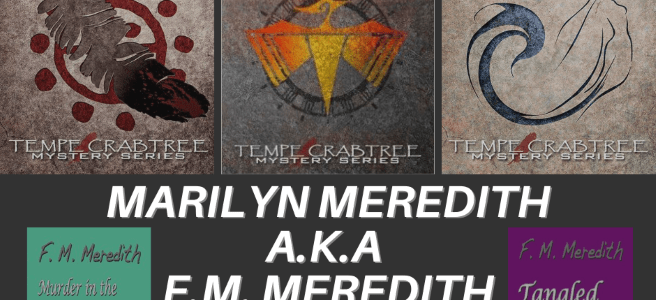
When I finished writing End of the Trail, I thought it was the last of the Deputy Tempe Crabtree mystery series. After all, my heroine had decided to retire, time for me to do the same, right?

However, when I visited my daughter in Murrieta and she made a remark about her husband taking care of his trash harem, my curiosity got the best of me. When she explained, I had an idea for another Tempe mystery, The Trash Harem.

I’m not a best-selling author but I get great pleasure writing about the characters who live in my imagination and helping them solve the mysteries they are involved in.

I also enjoy talking about my books and writing with those who are interested. Plus, there’s great satisfaction when a reader tells me how much they enjoyed one of my books.

My latest Rocky Bluff P.D. mystery, Not As We Knew It, has received good reviews despite the fact that I included the virus that has invaded our world. I was warned not to do it, but couldn’t see how I could avoid it.

I’m now writing an as yet unnamed Rocky Bluff P.D. that does have the same kind of problems connected to the virus that we’re all facing—though it’s all in the background of the main mystery.

Life here in the foothills has become complicated. The big fire in the mountains that is burning some and threatening more giant Sequoias is causing our whole are to be full of smoke. We haven’t seen the sun in days.

The fire has driven the wild animals down into our community, and we and others have bear visits every night. We keep our trash in a big trailer to take to the dump once a week—and that’s a big attraction for our bear visitor. Bears have been seen all around, though usually they make their appearance at night.

We do all the things we usually do, hoping and praying the firefighters will eventually get this big fire under control. Life has been altered in so many ways, but no matter what, I am still compelled to sit in front of my computer and write.

Marilyn

Official Blurb for The Trash Harem:

Deputy Tempe Crabtree has retired from her job in Bear Creek when friends, who once lived in Bear Creek and attended Pastor Hutch’s church, ask her to visit them in Temecula. The husband, Jonathan, is a suspect in what might be a murder case. The retirement community includes many interesting characters, any of whom might have had a better motive than Jonathan. There is also a connection to Earle Stanley Gardner as well as the Pechanga Old Oak. What is a trash harem? You’ll have to read the book to find out.

To purchase The Trash Harem

Writer’s Block

I recently read an article about writer’s block, and nodded as I read through the various suggestions to overcome it. The problem is, I don’t think I’ve ever had real writer’s block as it was described in that and several other articles. I’ve never felt the blank wall closing in on me, the paucity of the well of ideas, the cold empty feeling of not knowing what to do next, the inability to move forward in any way. I do, however, have moments when I don’t like the ideas I’ve come up with, I know they’re not going to work, and I can’t think of something better. I may not call it writer’s block, but I have something in my brain that’s not working.

Carl Jung believed in the all-powerful unconscious to create art in its many forms. 

“The creative process, so far as we are able to follow it at all, consists in the unconscious activation of an archetypal image, and in elaborating and shaping this image into the finished work. By giving it shape, the artist translates it into the language of the present, and so makes it possible for us to find our way back to the deepest springs of life.” (Collected Works 15, paragraph 115) https://jungiancenter.org/speaking-in-primordial-images-part-1-jung-on-creativity-and-the-creative-process/#_ftn2

I don’t think of myself as a Jungian, but I do think that the unconscious plays a role. When the ideas that seem obvious to me also feel unsatisfactory, I set the work aside and do something else, such as write a blog post, outline a different story, read. I let the obvious and unworkable material evaporate and hope something better will come along. And eventually it does.

John Cleese, a man who seems to exude creativity in everything he does once said that he never takes the first idea. If you clap onto the first idea that comes to you, you miss something better. You have to be willing to wait until the dross fades and the pure rises to the surface.

Sometimes I try out the less perfect ideas and use them as a bridge to the next scene or chapter, which I’ve already sensed is a good piece. After a while, the problem with the “bridge” scene becomes obvious and I can rework or remove it. 

One of the best pieces of advice I ever got from another writer was to take my time, don’t rush it, let the story grow organically. If that means setting it aside for a few hours or a few days, do it. The mode of expression is different but the idea lines up with letting the unconscious do its work.

It doesn’t take much to spark a story idea, but it does take more thinking to get the feel of the entire story, who the characters are and how they will interact, the setting and how it affects the characters and the plot, and the tone or mood of the whole thing.

In my experience the writer’s block occurs when I push forward too hard, before I’ve let the story develop. When ideas start popping (yes, like the first signs of popcorn popping), then I settle down to write it out, knowing that I’ll have to stop at a later point and wait for the rest of it to show up. A moment of writer’s block is telling me something, and I’ve learned to listen.