Guest Blogger ~ J. Woollcott

WHERE DO PLOTS AND CHARACTERS COME FROM?

It was summer and I had finally finished my working career. I wanted to write and travel, but Covid happened, and travel was out of the question, so writing became my focus. I wasn’t sure exactly what kind of book I wanted to work on, except that it should be a mystery and probably have a detective in it. As I hail from Northern Ireland, I figured that was the perfect place. I had a relative who had been in the police over there and I thought, well, if that’s not serendipity, I don’t know what is.

The next part—actually writing the darn thing—was a little more difficult.

The plot? A good question. I don’t really know where that came from. Ask any writer and most of the time they will say the story came from an overheard remark or something they read in the paper or on line. Not copied, just a stray word or sentence that sparked another idea. Stephen King, in his wonderful book, ‘On Writing,’ tells how a casual remark someone made about a basement with ‘rats as big as dogs,’ led him to write Graveyard Shift. I suspect Mr. King doesn’t really suffer from a lack of plot ideas though. I rather think he has more than he knows what to do with.

And where do the characters who populate our books come from? Now this is murky. They often rise fully formed out of the writer’s imagination—or so it seems. I suspect my hero, DS Ryan McBride, and the other members of the squad are an amalgam of too many hours spent reading detective crime fiction and watching British tv mysteries and movies.

So, a plot can spring unbidden from anywhere and characters can tap you on the shoulder and say; ‘Hey, let me out, I want to be in your next story.’

I was a designer and artist, and tend to be visual, so when I started to write A Nice Place to Die, I had an opening scene in my head. A woman’s body lying by a river outside Belfast. Crows cawing above in high, dark trees. A day of sun and cloud. Around that time there had been a lot of talk about date rape drugs and the like, and also articles about mistaken identity. Somehow, by a mysterious alchemy, both subjects came together and ended up in my book.

The Belfast Murder Series; Book One, A Nice Place to Die.
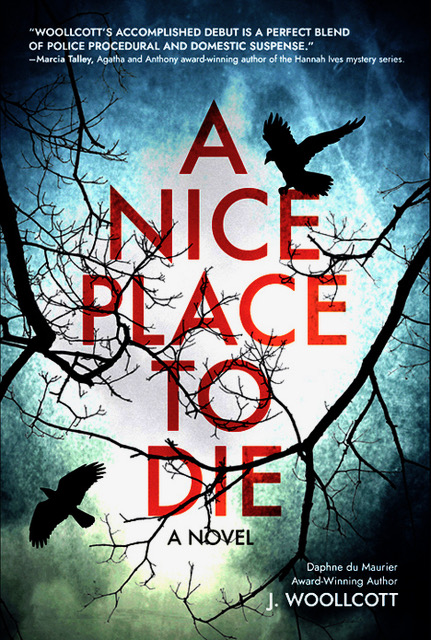
The body of a young woman is found by a river outside Belfast and Detective Sergeant Ryan McBride makes a heart-wrenching discovery at the scene, a discovery he chooses to hide even though it could cost him the investigation – and his career. As Ryan untangles a web of lies, his suspects die one by one, leading him to a dangerous family deception and a murderer who will stop at nothing to keep it. And still, he harbors his secret …

For DS McBride’s second outing, Blood Relations, I’d like to say that came to me in an ordered way, but no. I have even less idea where that plot came from, other than an opening scene of a bleak country house, dark clouds rolling in and a retired Detective Inspector lying dead upstairs on bloody sheets. Once again the story sprang from bits and pieces of chat, random conversations and well, just everyday life – not the murder part of course, I made that up … of course I did.

The Belfast Murder Series; Book Two, Blood Relations.
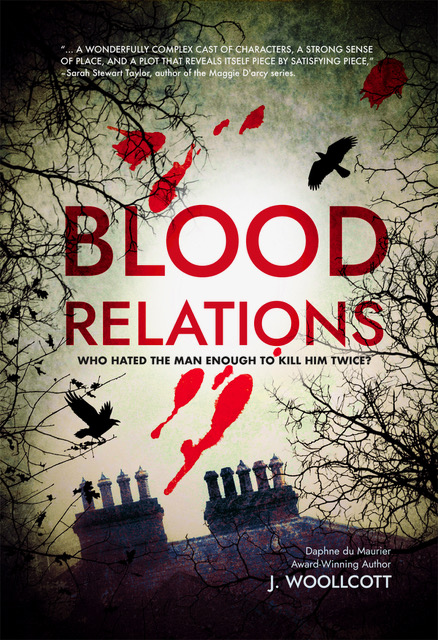
Belfast, Northern Ireland: early spring 2017. Retired Chief Inspector Patrick Mullan is found brutally murdered in his bed. Detective Sergeant Ryan McBride and his partner Detective Sergeant Billy Lamont are called to his desolate country home to investigate. In their inquiry, they discover a man whose career with the Police Service of Northern Ireland was overshadowed by violence and corruption. Is the killer someone from Mullan’s past, or his present? And who hated the man enough to kill him twice? Is it one of Patrick Mullan’s own family, all of them hiding a history of abuse and lies? Or a vengeful crime boss and his psychopathic new employee? Or could it be a recently released prisoner desperate to protect his family and flee the country? Ryan and Billy once again face a complex investigation with wit and intelligence, all set in Belfast and the richly atmospheric countryside around it.           

Amazon link: https://www.amazon.com/Blood-Relations-Ryan-McBride-Novel-ebook/dp/B0CFJWF69D/

J. Woollcott is a Canadian author born in Belfast, N. Ireland. She is a graduate of the Humber School for Writers and BCAD, University of Ulster. Her first book, A Nice Place to Die won the RWA Daphne du Maurier Award, was short-listed in the Crime Writers of Canada Awards of Excellence in 2021 and a Silver Falchion Award finalist at Killer Nashville 2023.

Website: https://www.jwoollcott.com

Twitter: @JoyceWoollcott
Let It Go by Karen Shughart

There’s a certain amount of pressure for all authors, regardless of how they’re published, that’s self-imposed. We set out to write a book and determine the time frame for finishing it, and therefore must adhere to some sort of schedule. And for those of us who are with traditional publishers, there’s the added pressure of submitting our book at an agreed upon deadline,

When I started writing my Edmund DeCleryk cozy mystery series, I wrote every day. I didn’t set a specific number of hours but instead spent time at the computer until I was either so exhausted that I literally couldn’t see straight or was happy with the advancement of the plot. In the past this has worked well for me, but this summer it didn’t.

Let me explain.  We live in a resort village that is a bustling hive of activity during summer months. Our beautiful scenery, gorgeous waterways, pristine beaches, and a multitude of activities centered around what we call Summerfest results in visits from family and friends, picnics, cookouts, concerts, festivals, outdoor movies, yoga classes, boating excursions and, on cool nights, time spent with friends drinking wine around a blazing fire pit watching the stars.

This year in particular, I was also happily bombarded with invitations to do book talks and signings, sometimes more than one a week. In addition, we took three short trips: to visit family; for a couple’s getaway; and when I participated as a panelist at a  mystery lovers’ conference in another state.

I must admit, at first I felt anxious about my inability to carve out time to continue writing my fourth novel, Murder at Chimney Bluffs, after making good headway last winter and spring.  Then I took a deep breath and thought. ‘It will be done, and isn’t a big part of life enjoying experiences that could help make my writing be even better? Let it go.’

And I did. When my publisher emailed me to get a sense of when she could expect my next book, I responded that I thought I could submit it to her a year from this coming November or maybe even December, but not before. She thanked me and said no problem. When I gave talks and attended signings, which I really do enjoy, I wasn’t the least bit anxious about not writing.

At the entrance to a town a little west of us there’s a huge sign that announces “Where Life is Worth Living”.   And that’s certainly true about this place we call home.  I finally conceded to the pressure to write and allowed myself to enjoy every minute of every day and relax about not keeping to a schedule. I’ll get it done, I know. There’s something to be said for letting go.

Karen Shughart is the author of the Edmund DeCleryk cozy mystery series published by Cozy Cat Press. She lives on the south shore of Lake Ontario in a village in New York state that’s the prototype for Lighthouse Cove, the s fictional setting for her books.

Guest Blogger ~ Kathleen Kaska

Another Hotel, Another Murder, Another Sydney Lockhart Mystery

My idea for my Sydney Lockhart mystery settings came from historic hotels my husband and I have frequented. These old hotels are usually in the town center and are often community gathering places. Having cocktails in the lounges allowed us to meet the locals who would often share the most entertaining, unique, and unusual places to visit, which was excellent fodder for additional scenes in the books.

The series is set in the early 1950s. Sydney is a sassy, determined young woman trying to make it as a private detective in a man’s world. Her journey begins when she checks into the Arlington Hotel in Hot Springs, Arkansas, only to find a dead man in her bathroom. The man had been murdered, and she is the main suspect. I chose the Arlington as the first location because it is like my second home. Adding up all the nights we’ve stayed at the Arlington equals about four months. I’m familiar with all the nooks, crannies, and hidden places the average hotel guest is unaware of. Many local business I mentioned in the book have been in operation since the 1930s and are still open today. And with Hot Springs’ notorious history of gangsters running the city, it was easy to create a feasible plot. In fact, Al Capone once lived in the Arlington Hotel.

Since then, I’ve used the Luther Hotel in Palacios, Texas, the Galvez Hotel in Galveston, Texas, the Driskill Hotel in Austin, and the Menger Hotel in San Antonio. They all possess a unique history, which I weave into the stories.

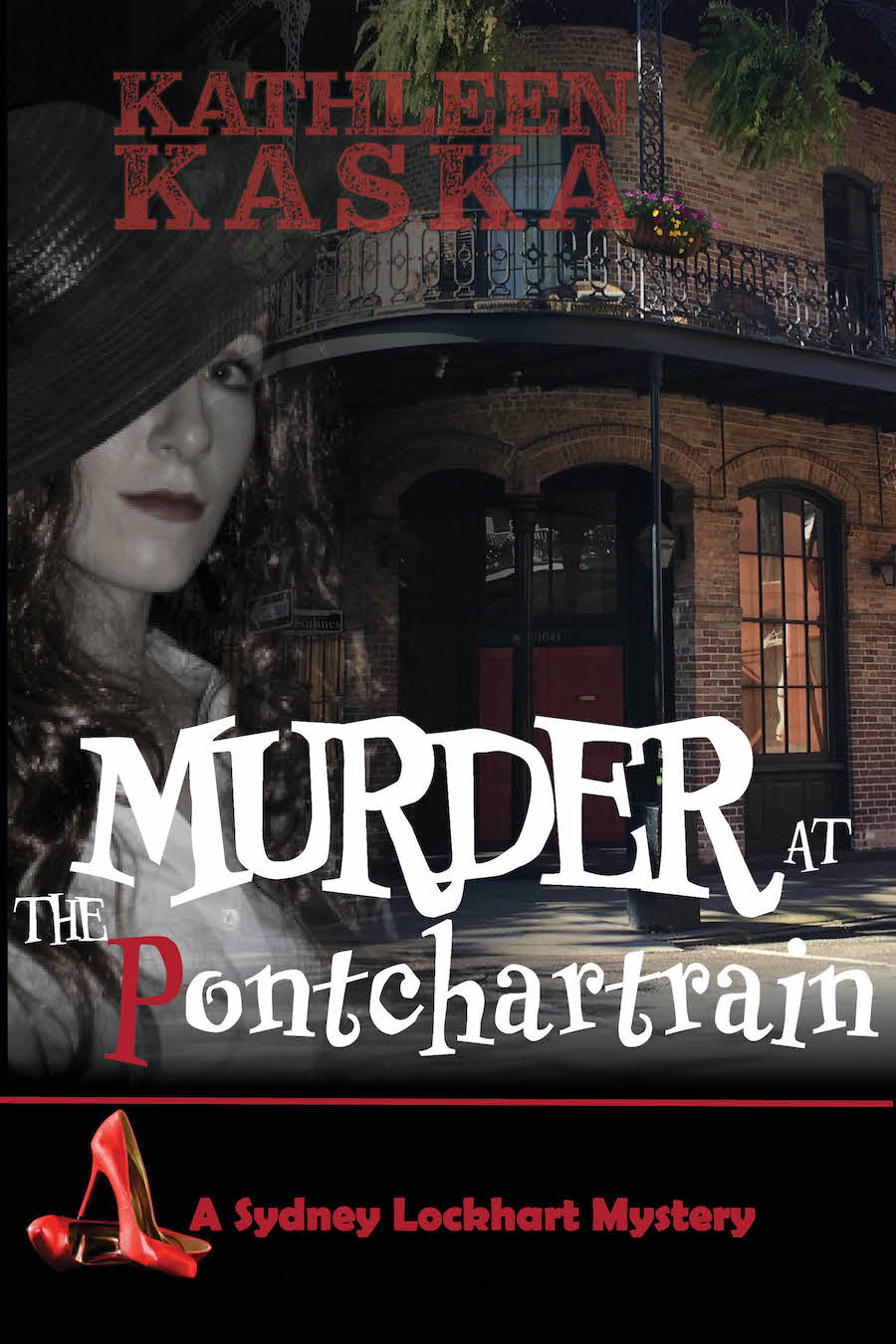
My latest mystery, Murder at the Pontchartrain, which was release on June 28, occurs in one of my favorite cities, New Orleans. The Pontchartrain, located in the Garden District, was opened in 1927 as a luxury apartment building. In the early 1940s, it was turned into a hotel. This is where Tennessee Williams wrote his classic play, Streetcar Named Desire. This vibrant, exotic city begs to have a mystery set there. Just ask Anne Rice.

I brought Sydney to New Orleans because she and her fiancé/partner in crime, Ralph Dixon, had some unfinished business to attend to. But in less than twenty-four hours, someone is murdered in their hotel room, and Dixon is arrested. Sydney is in a race to solve the murder and free Dixon before she ends up in a cell next to him. When word back home in Austin gets out, Ruth, Sydney’s bubble-headed blonde cousin, and Sydney’s twelve-year-old charge, Lydia LaBeau, arrive to give Sydney a hand. Ruth is assigned to snoop around the hotel. At the same time, Lydia appoints herself as the investigator of the French Quarter, where she ends up helping out at the Voodoo Shop and making friends with Pat O’Brien’s head bartender. Yes, I know the girl is only twelve, but age has never influenced what Lydia does.

While wandering the streets in New Orleans, I envisioned Sydney darting down the back alleys of the French Quarter, tracking a suspect near Audubon Park, and almost meeting her demise in the Lower Ninth Ward.

If readers know of great hotels for my future setting, I love to hear about them. The requirement is that the hotel was in operation in the early 1950s and is still in business today.

I’m Sydney Lockhart. I solve murders, most of which I’m the primary suspect. My fiancée, Ralph Dixon, and I came to New Orleans to get married. Instead, he’s been arrested for a double murder, and I’m hunting for the real killer. Assisting me are a twelve-year-old voodoo queen, a ghost detective, and my crazy cousin Ruth. Wish me luck. I’ll need it.

https://www.amazon.com/Murder-Pontchartrain-Sydney-Lockhart-Mystery/dp/1941237940

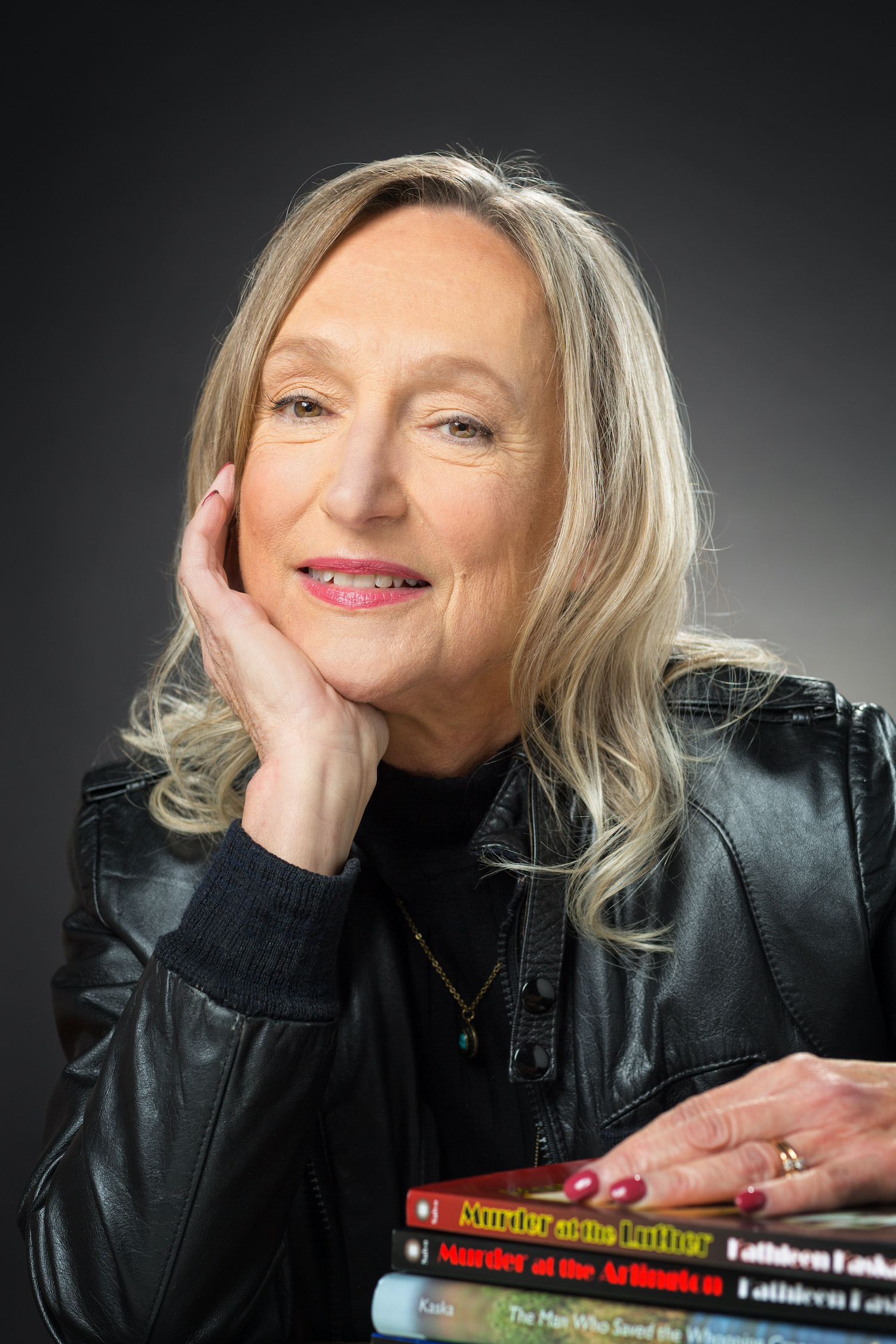
Kathleen Kaska is the author of the awarding-winning mystery series: the Sydney Lockhart Mystery Series set in the 1950s and the Kate Caraway Animal-Rights Mystery Series. She also writes mystery trivia. The Sherlock Holmes Quiz Book was published by Rowman & Littlefield. Her Holmes short story, “The Adventure at Old Basingstoke,” appears in Sherlock Holmes of Baking Street, a Belanger Books anthology. She is the founder of The Dogs in the Nighttime, the Sherlock Holmes Society of Anacortes, Washington, a scion of The Baker Street Irregulars.

Social Media Links:

http://www.kathleenkaska.com

Bookstore

https://twitter.com/KKaskaAuthor

http://www.facebook.com/kathleenkaska

https://www.instagram.com/kathleenkaska/

https://www.bookbub.com/search/authors?search=Kathleen%20Kaska

https://www.amazon.com/author/www.kathleenkaska.com

Random Ramblings

My summer has been busy! More so than usual. The only upside is I have been gone so much I didn’t have to help with as much hay harvesting. 😉 However that running around has drained me and made it take longer to get my next book out.

I told myself when I planned my 10 day trip to Hawaii that I would still work on my writing for half of the day. Well, I didn’t. And that put a book that I was already struggling with too much of a lag between starting and finishing it. Thank goodness my beta readers and editor found the places where I changed someone’s name or had a character looking at something they couldn’t have seen because the other character hadn’t been home to leave it. Little timeline things that I was sure I’d written but obviously only in my head.

Turtles on the rocks in Hawaii

As a writer, do you have instances like that? I have on several books known I’d written a scene that led up to something and neither I nor a beta reader can find it. It was a scene I’d played over in my mind while I was walking or driving and then when I sat down at the computer I started with the scene after it and was sure I’d written the one that was still in my brain. That’s frustrating. At least the scene is there, and usually, I can write it better than it played out in my mind.

In the book that is off to my final proofreader, I had many spots that I had to “fix” after the beta readers read it. I also had more scenes and paragraphs that I took out or manipulated to make my character more sympathetic to the victims in the story. I have never had so many saved documents of partial scenes that don’t make it in the book. I sure hope my readers like this one. It’s a true Hawke story but it does delve into something more controversial than his other books.

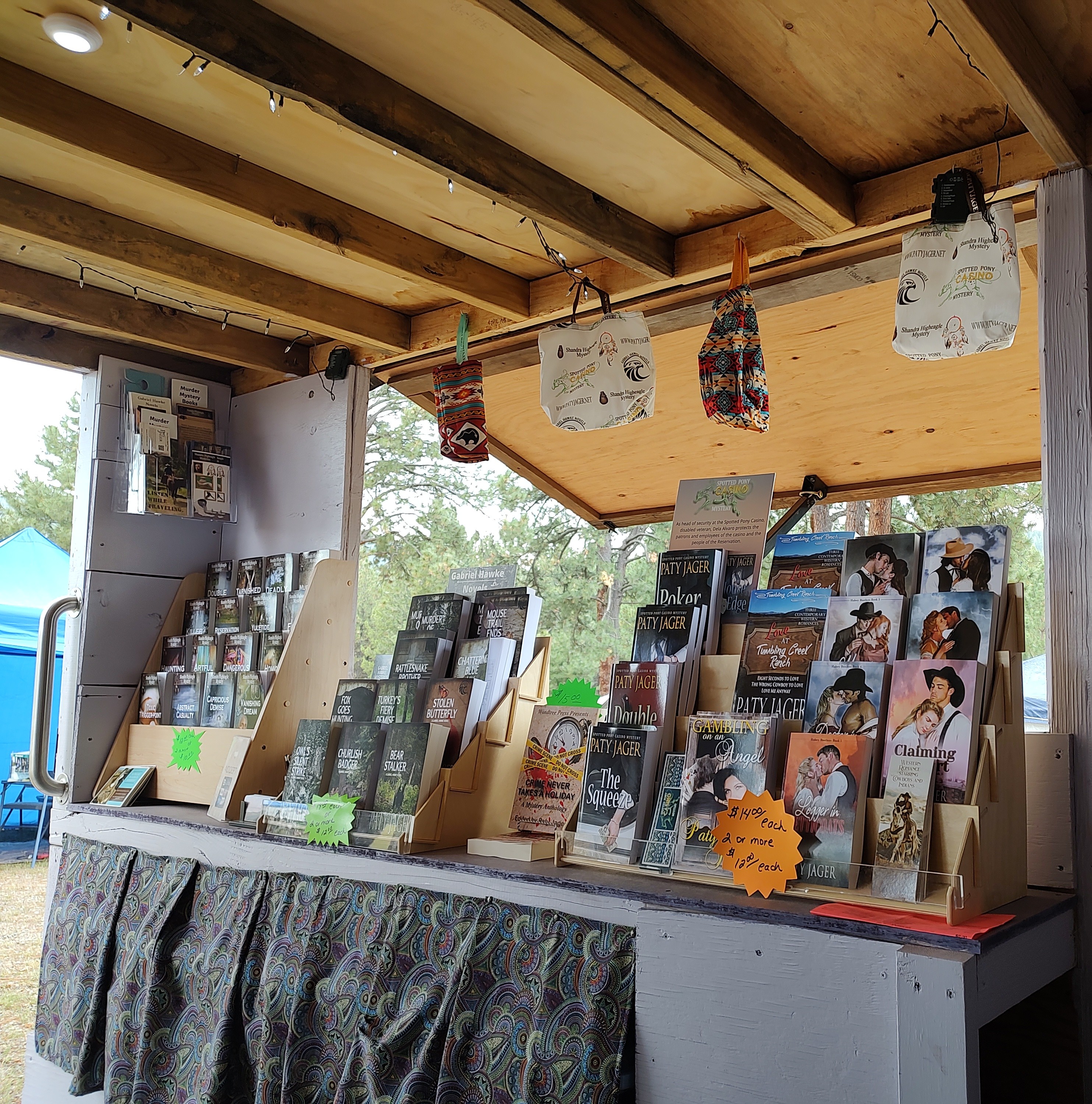
I spent Labor Day Weekend at a Flea Market where I and another writer friend usually have brisk sales. This year there were so few people who wandered by our trailer, it was kind of eerie. I only sold about a third of what I normally sell. Most of those were to my return readers.

This week, I’m headed to Mt. Angel, Oregon to sell my first in series books along with books by other NIWA (Northwest Independent Writers Association) members. It should be a fun weekend.

As soon as I return from there, I’m diving into a Shandra Higheagle Christmas mystery. I’ve had a multitude of Shandra fans ask me for one more book. I’m writing a Christmas novella to hopefully give the readers closure. I hope I can get it out before Christmas!

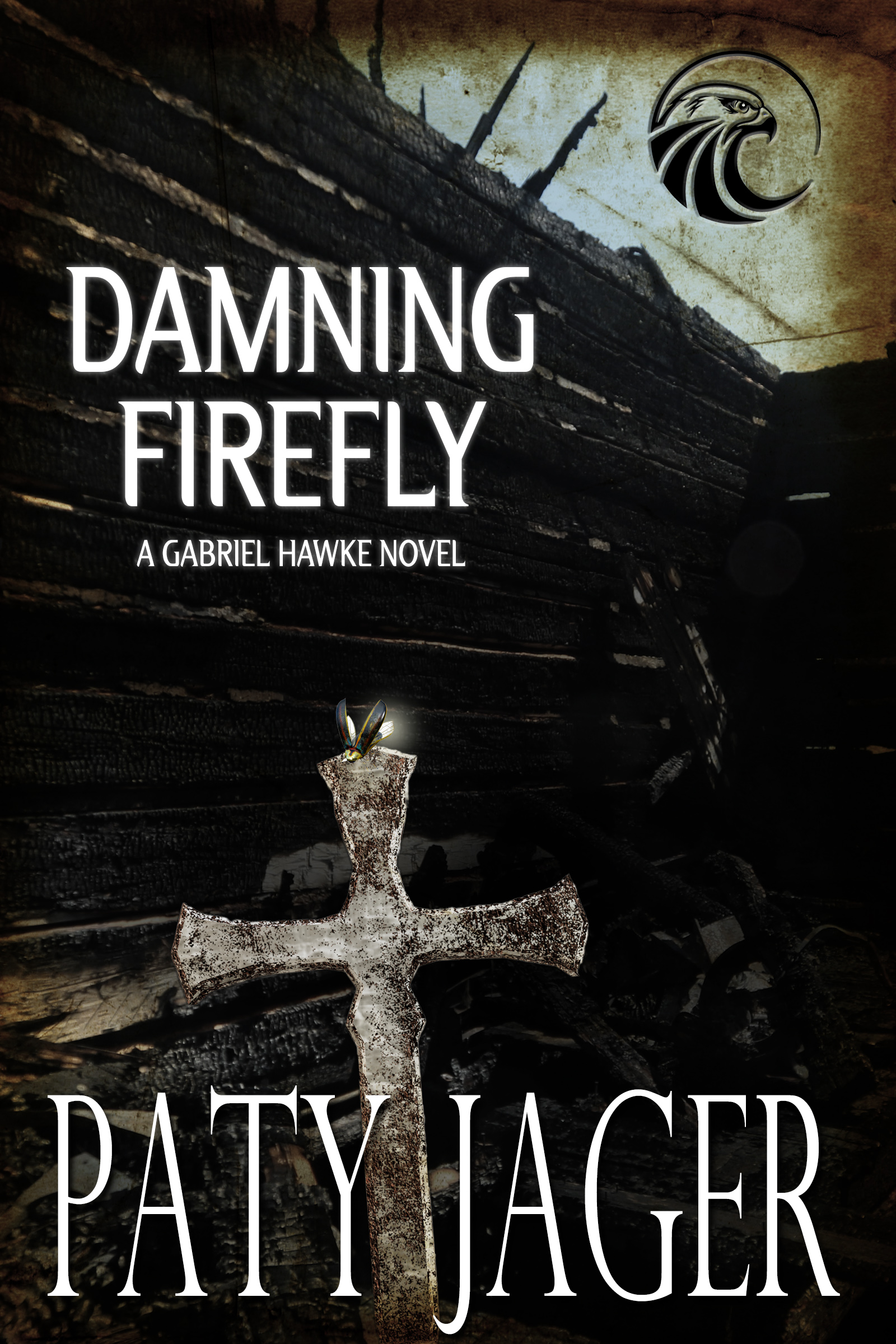
Right now you can pre-order Damning Firefly. It will release on September 25th.

Book 11 in the Gabriel Hawke Series

A church fire.

An unconscious woman on Starvation Ridge.

Gabriel Hawke, fish and wildlife officer with the Oregon State Police, helps with a fire at The Lighted Path church before heading out to check turkey hunters. He discovers a car wedged between two trees and a woman with a head injury reeking of smoke. Is she the arsonist?

Hawke encounters the county midwife gloating over the burnt church and learns she and the victim in the car know one another.

Two seemingly separate events lead Hawke to a serial rapist and a county full of secrets. 

Universal Book Link to Pre-order: https://books2read.com/u/bQeBDZ

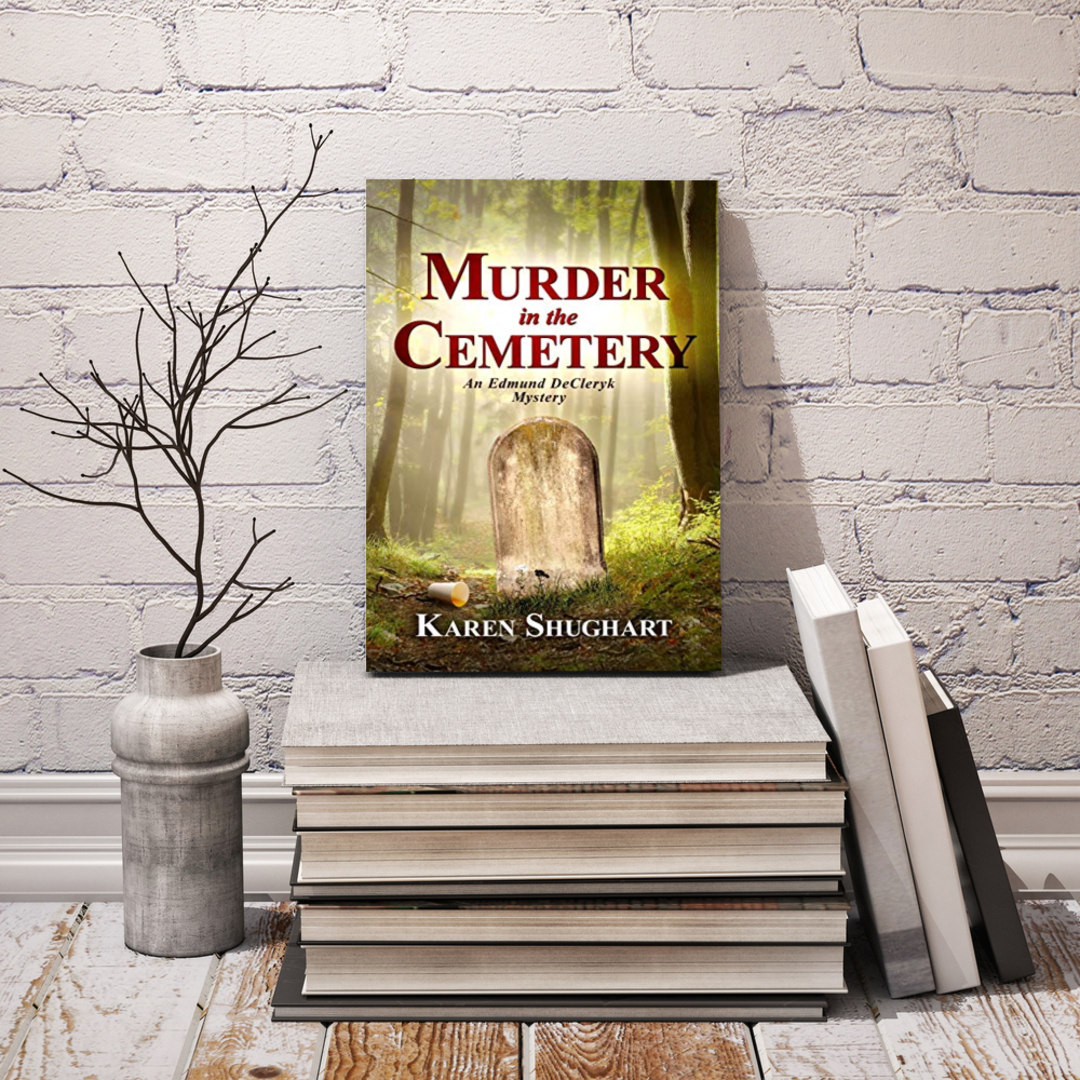
The Importance of Research by Karen Shughart

 I recently attended a conference in Pennsylvania called Murder As You Like It that was for writers and readers of mysteries. I was fortunate to have been asked to participate with a group of other authors on a panel where we discussed the importance of research in our books.

My books are cozies that take place in the present in the fictional village of Lighthouse Cove, NY, modeled after the village where I live. Each has a historical backstory that provides clues as to why the murder occurred, all of them based on an actual period of history in our community.  Although for the most part my characters are fictional, King George, III; Abraham Lincoln; Frederick Douglass, and Susan B. Anthony are among real characters I name as part of each back story, and real universities, museums, and tourist attractions as they fit into each plot.

My sleuths follow clues that lead them to Rochester, NY; Niagara-on-the-Lake, Gananoque, and Toronto, Canada; London, England and Charleston, SC. I’ve visited these places and creative license aside; my descriptions are fairly accurate. While I don’t use the names of real newspapers, concerned that my reporters wouldn’t reflect their editorial policies and methods, I have used the name of one of our regional magazines, with permission.

When I started writing the series, I decided that it was also important to make the investigative procedures as accurate as possible, so the books had believability. I was fortunate to have been accepted into a citizen’s police academy sponsored by our local sheriff’s office – once a week for nine weeks, six hours each time- where I learned about the criminal justice system in our county. We ate lunch in the jail, watched K 9 demonstrations, and heard speakers who were experts in their fields.

My favorite research tool is talking with professionals who know how investigative procedures work. I’ve been able to interview our DA, a professor of criminal justice, a retired police officer, a commander for regional police force; medical professionals.  In book two of the series, Murder in the Cemetery, the sleuth has a friend who is with the CIA whom he calls upon for advice. It took a bit of chutzpah, but I decided to contact the real CIA to see if I could interview someone there with questions, and low-and-behold, it worked. They reviewed my credentials, and I got a call from their public affairs officer shortly after. It never hurts to try.

Yachts in present time and rumrunning boats during prohibition figure into the book I’m writing now. A friend of mine, after retiring, got his captain’s license and now appraises boats for insurance companies. He’s been a treasure-trove of information.

 Realistic research adds authenticity to the stories, and I think it’s the interplay between fact and fiction that’s so much fun for me to write and I hope, makes the stories interesting to my readers.