Guest Blogger ~ Charlene Bell Dietz

WHY MYSTERIES CAPTIVATE

by

Charlene Bell Dietz

We’re all drawn to what we don’t understand. It must be a primeval survival instinct. We have our daily world, which mostly consists of routine habits and familiar surroundings. But when something quirky intrudes, we find ourselves on high-alert mode. Like at night, when our usual surroundings fade into shadow, and we hear a strange noise, we stop to listen. The appeal of experiencing what’s unknown in the safety of our own cozy world creates our great demand and interest for the mystery novel.

Many authors preach “write what you know” to wanna-be writers. To me this doesn’t make sense. What motivates us to solve problems and engage in dreams comes from our not knowing. Writers are readers, and reader’s read to experience something new and maybe learn. As authors, we need to write what we don’t know.

If you don’t know something how can you write about it?

Maybe you’ve dreamed of being a double agent. Possibly you’ve longed to experience what it would be like to be in a Witness Protection Program. Perhaps you’ve wondered how it would feel to have the hot breath of a serial killer on your neck just before your heavy wrench smashes his face into the dirt. Only human beings can enjoy danger safely, living vicariously, through the words spoken or written by others. No other animal on our planet has this luxury.

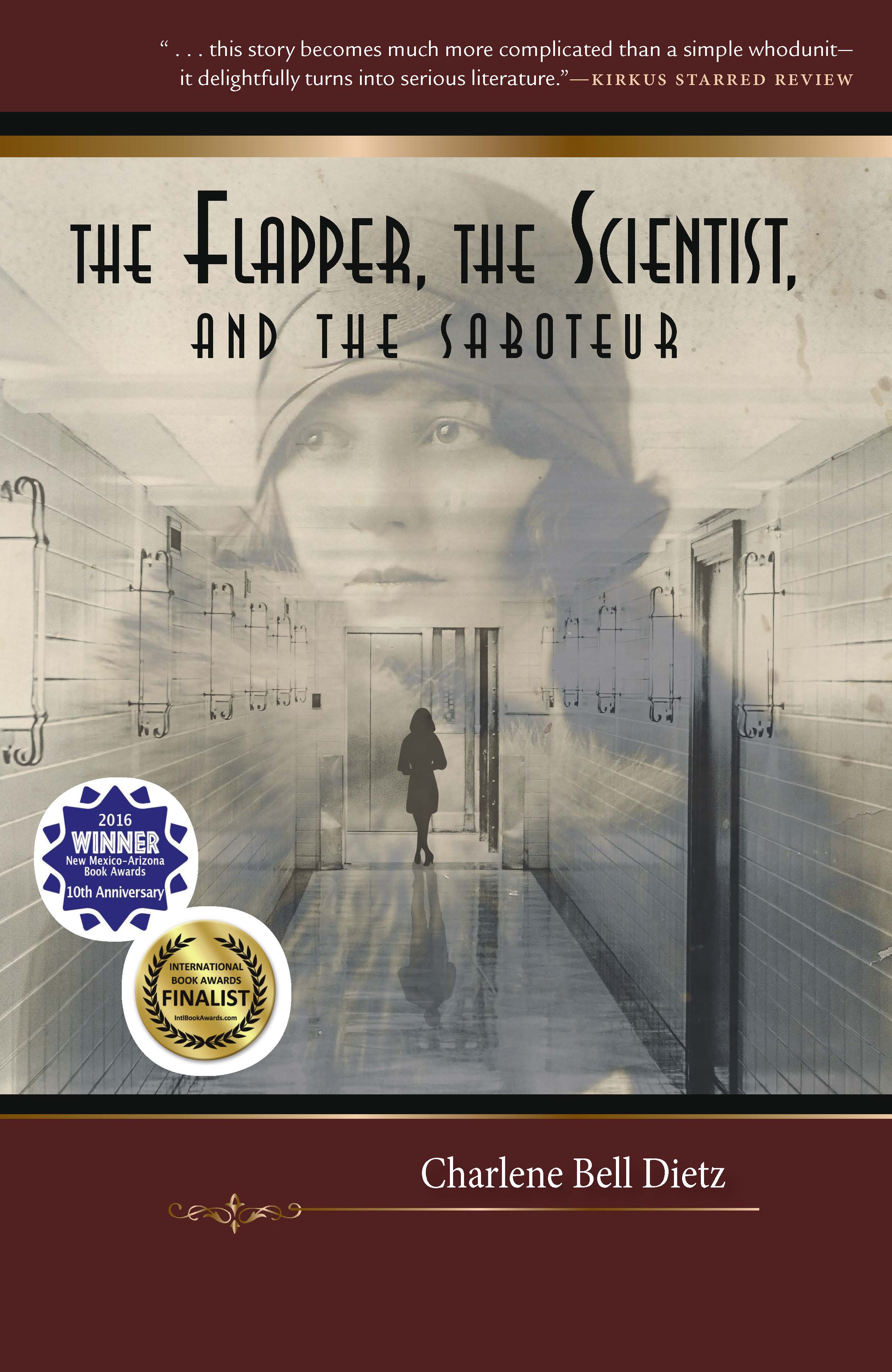
My first novel, The Flapper, the Scientist, and the Saboteur, Kirkus Reviews (starred review) started with scant knowledge about an estranged aunt who was an ex-flapper. Inspiration for this novel came to me because her story felt too important to ignore. My ancient aunt had slammed into my busy life, vying for attention with my demanding career. This redoubtable, chain-smoking, rum-drinking woman made a game of criticizing me, turning the air blue with smoke and cuss words, and enchanting my husband.

I’d come home exhausted from my job of problem solving as an administrator in a heavy-handed bureaucracy of educators and also from my layman position, working with a veterinarian to evaluate research protocols at the Lovelace Respiratory Medical Research Laboratory. Every evening, I’d find this tipsy woman telling outrageous tales of her Roaring-Twenties life as a flapper in dangerous 1923 Chicago. She never revealed much about her own antics, except on occasion she’d toss out tidbits of her wild life like delicious appetizers.

Too good not to be told:

What if I combined this ancient flapper’s ramblings and fabrications with today’s devastating corporate espionage problems, using what I did know about biomedical research labs? Then this would be much more than just another Roaring-Twenties flapper story. Even though I’d fashioned an unusual combination, I thought it might be quite an intriguing mix. However, I knew nothing about the 1920s and even less about corporate spying.

Playing around with my knowledge of bits and pieces, tiny kernels of ideas developed into miniature tales. I shuffled them together using fictional characters, places, events, and conflicts. For my strange story to be engaging, each character would have to be connected with the others characters through powerful motivations. This meant even my secondary characters must be three dimensional. I had huge holes in my knowledge. I needed to know more.

Use what you know to figure out what you don’t know:

After untold hours of researching, I made likely guesses to fill in as many empty spaces as possible. I buried myself under a search and find mode. I had started out knowing only the Hollywood version of a flapper’s life along with scraps of information my aunt had given. This wouldn’t do, and I knew nothing about corporate espionage, but spies have always intrigued me. The more I learned the more fun I found in bringing my Flapper, Scientist, and Saboteur to life.

Writing the unknown:

I believe your story deserves to be startling and robust. I always research more than I can possibly use. Then I select only what’s rich and on target. For fun, I throw in some quirky stuff. Here’s the best part: I put all of the above together, mix with my wildest imagination, edit, delete, select the most powerful verbs, revise, revise, revise, then polish my story—with joy.

My award winning stories happen because I dare to write what I don’t know. How does your imagination help you write what you don’t know?

The Flapper, the Scientist, and the Saboteur intertwines a corporate espionage mystery with a generational battle-of-wills story between a dedicated professional intent on fighting chaos to restore order and a free-spirited aunt who needs her niece to live in the moment.

Beth Armstrong, a Denver biomedical scientist, wrestles with the impossible choice of saving her sabotaged, groundbreaking cure for multiple sclerosis or honoring an obligation to care for her cantankerous old aunt. Playing nursemaid ranks just a notch above catching the plague on Beth’s scale, yet her ex-flapper aunt would prefer catching anything deadly to losing her independence under the hands of her obsessive-compulsive niece. 

While a murderous culprit runs loose in the science institute, Beth finds her whole life out of balance. Unpredictable nefarious activities at the institute–which is rife with suspects–cause Beth to wonder if she can trust anyone, while at home her chain-smoking aunt entertains Beth’s neglected husband with nightly cocktails and raucous stories from the Roaring Twenties. The Flapper, the Scientist, and the Saboteur creates a compelling mystery intertwined with a generational battle-of-wills story between a dedicated professional intent on fighting chaos and restoring order, and a free-spirited aunt who insists her niece listen to her heart and learn to live in the moment.

Buy Links:

https://www.barnesandnoble.com/s/charlene%20bell%20dietz/_/N-8q8
https://www.amazon.com/Flapper-Scientist-Saboteur-Charlene-Dietz-ebook/dp/B01HFKL3DA
https://treasurehousebooks.net/product-tag/charlene-bell-dietz/
https://www.audible.com/pd/The-Spinster-the-Rebel-and-the-Governor-
Audiobook/B0BPDCJK4B

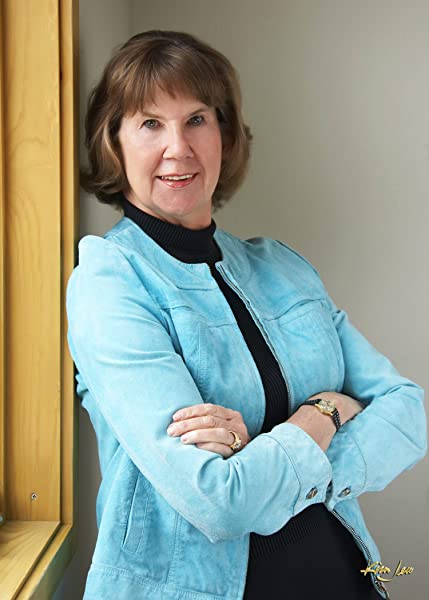
Charlene Bell Dietz, raised in the Rocky Mountains of Colorado, now lives in the central mountains of New Mexico. She taught kindergarten through high school, served as a school administrator, and an adjunct instructor for the College of Santa Fe. After retirement she traveled the United States providing instruction for school staff and administrators. Her writing includes published articles, children’s stories, short stories and mystery and historical novels, winning awards from NM/AZ Book Awards, Writers Digest, Public Safety Writers, and International Book Awards, along with earning two of the coveted Kirkus Reviews (starred review) and having two books named to Kirkus Reviews Best Books of 2018.

Connect with Charlene:

chardietzpen@gmail.com

https://www.facebook.com/charlene.dietz.9/

http://inkydancestudios.com

Hitting the Road to Write a Book

I’m heading on a road trip Wednesday to check out some locations I’ve written into the 4th book, The Squeeze, in the Spotted Pony Casino Mystery series. While I grew up close to the area and had quite a few trips to there, it has changed since I was a teenager.

I’m also going to the library in Pendleton to use their archives of the local paper to go through the motions my character will be doing in my book. And I need to see a restaurant and store that I use in the book. Then I’ll be headed to the Umatilla Reservation to drink in more of the atmosphere there. I plan to sit for an hour or more in the small store with a sandwich shop to watch interactions and if I’m lucky I’ll find someone to talk to about living there. After that, I’ll go to the museum and check out the books at the store in the museum to see if there are any books that I can use to learn more. And finally, I’ll sit in the casino an hour or two to soak up that atmosphere and add it to my story. I may even venture out to where I have my character’s house just to get view of it in a different season.

I’d hoped to visit with a tribal member that has been helping me with the culture of the reservation. He can’t get away to talk to me the days I could get to the Reservation.

It will be a five-hour drive from where I live to Pendleton. I’ll either spend the night at the casino if I don’t have enough time to do all I want, or if I do get my research finished and don’t have to go back, I’ll spend the night at my oldest daughter’s an hour from Pendleton and head home on Thursday.

This isn’t the first nor the last time I’ll be taking research trips for books. The 5th book in the series is set at an Indian casino on the Oregon Coast. I’m headed there in March with a friend to do research for that book.

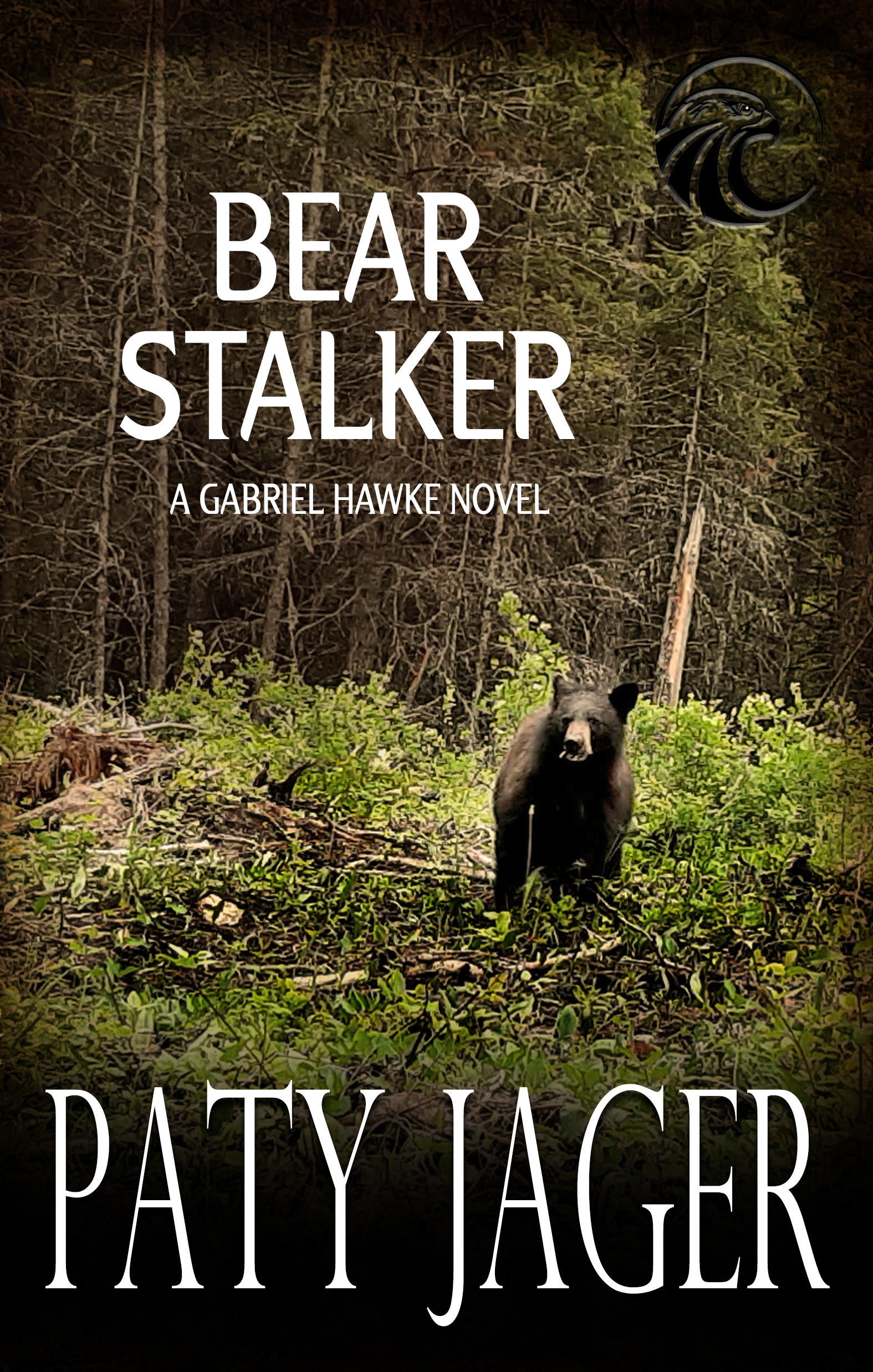
And over the summer I took a trip with my sister-in-law for book 10 in my Gabriel Hawke series. Bear Stalker is now available in ebook and print and we are working on the audiobook.

Here is the blurb, cover, and buy link:

Book 10 in the Gabriel Hawke Series

Greed, Misdirection, and Murder

Oregon State Trooper Gabriel Hawke’s sister, Marion, is on a corporate retreat in Montana when she becomes a murder suspect. Running for her life from the real killer, she contacts Hawke for help.  

Hawke heads to Montana to find his sister and prove she isn’t a murderer. He hasn’t seen Marion in over twenty years but he knows she wouldn’t kill the man she was about to marry.

As they dig into possible embezzlement, two more murders, and find themselves trying to outsmart a wilderness-wise kidnapper, Hawke realizes his sister needs to return home and immerse herself in their heritage. Grief is a journey that must be traveled and knowing her fiancé had wanted Marion to dance again, Hawke believes their culture would help her heal.

https://books2read.com/u/mdjNzW

Guest Blogger ~ Skye Alexander

A Good Place To Die

The real estate agent’s axiom about the importance of “location, location, location” holds true for me, too, as a mystery writer––usually the setting is the first thing I establish in a novel. The place where a story occurs provides a backdrop for the action and creates ambiance. It also grounds the tale in a time/space framework with a history, culture, and physical features that dictate what can or cannot happen there. A crime that transpires in a seventeenth-century French chateau, for instance, will be different from one that takes place on the mean streets of Al Capone’s Chicago or in a California mining town during the Gold Rush.

Sometimes the setting assumes a life of its own and becomes a character in the story, such as the marsh in Delia Owens’s Where the Crawdads Sing and the Four Corners in Tony Hillerman’s novels. In some cases, the setting serves as an antagonist, like the Dust Bowl in John Steinbeck’s Grapes of Wrath and the Parisian flood in Sarah Smith’s Knowledge of Water. The environment challenges the protagonist and either helps or hinders her efforts to solve the crime––or to stay alive.

Much as I enjoy reading about Louise Penny’s fictitious town of Three Pines, Quebec, and Susan Oleksiw’s Hotel Delite in Kovalam, South India, I didn’t want to limit my series to only one setting. Consequently, I created a cast of New York Jazz Age musicians whom wealthy people hire to perform at special events. Each stint takes the entertainers to a different location where they’re presented with a unique set of obstacles and opportunities.

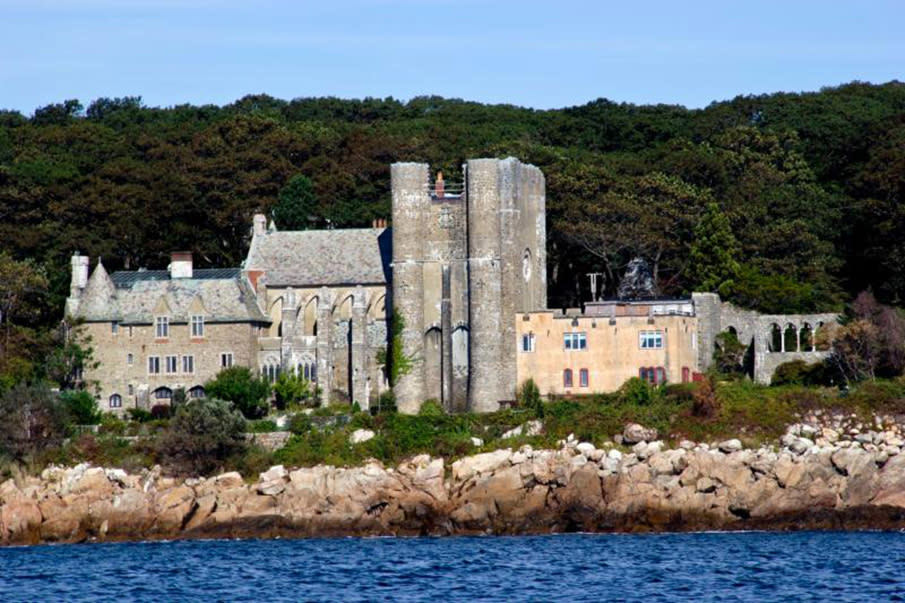
The most recent novel in my Lizzie Crane mystery series, What the Walls Know, is set in a spooky castle in October of 1925. When the musicians accept an invitation to perform at a Halloween party there, they have no idea they’ll be trapped on an isolated peninsula with real-life wizards, witches, ghosts, fortune-tellers––and a murderer. The actual neo-Gothic Hammond Castle in Gloucester, Massachusetts inspired me, and I incorporated its magnificent pipe organ and some other notable features into the story. The oceanside estate of the plumbing magnate Richard Crane prompted the first book in my series, Never Try to Catch a Falling Knife. Two future novels in the series, The Goddess of Shipwrecked Sailors and Running in the Shadows, take place in Salem, Massachusetts. This city’s colorful history offered up intriguing plot elements, including the clipper ship trade and the notorious smuggling tunnels that once ran beneath the old town.

For the sake of authenticity, I physically visit each place mentioned in my novels––every house, store, hotel, restaurant, church, library, museum, park, railway station, and cemetery. If it ever existed and still does, I’ve been there. In Never Try to Catch a Falling Knife, my characters eat lunch at a resort that unfortunately burned down in the 1950s, dashing my hopes for a site visit. Luckily, though, I located an elderly gentleman whose family owned the resort when he was young and he kindly spent an evening recounting the “good old days” with me.

What are some of your favorite story locations? How do you feel they contribute to the tale? Does reading about a particular setting make you want to go there?

What The Walls Know

Halloween 1925, Gloucester, Massachusetts: Jazz singer Lizzie Crane thinks ghosts in a creepy castle are her only worry, until a woman dies of a suspicious heroin overdose and Lizzie becomes a murder suspect––or maybe the next victim.

Buy Links:

https://www.barnesandnoble.com/w/what-the-walls-know-skye-alexander/1142463455

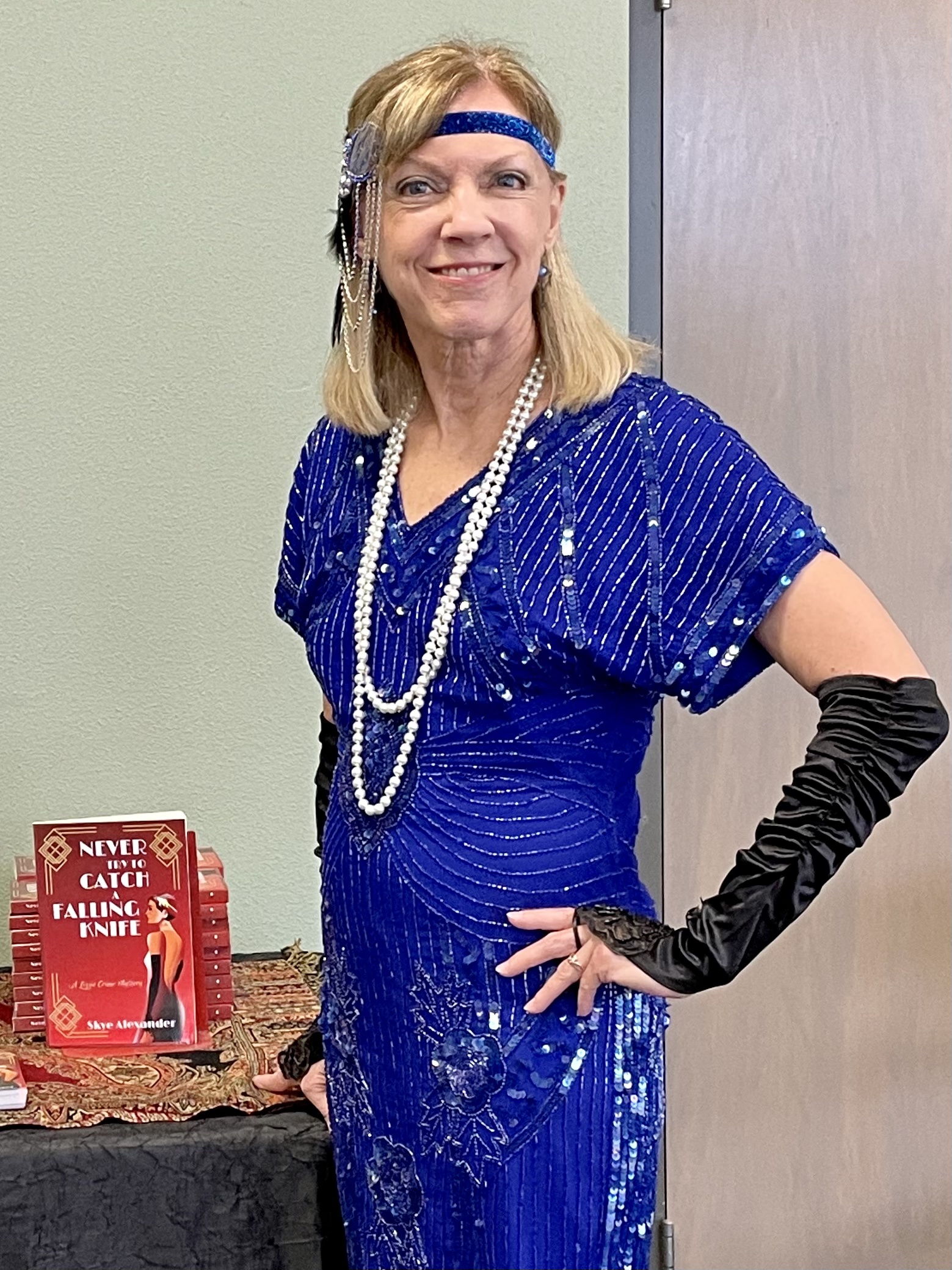
Skye Alexander is the author of nearly 50 fiction and nonfiction books. Her stories have appeared in anthologies internationally, and her work has been published in more than a dozen languages. In 2003, she cofounded Level Best Books with fellow authors Kate Flora and Susan Oleksiw. The first novel in her Lizzie Crane mystery series, Never Try to Catch a Falling Knife, set in 1925, was published in 2021; the second, What the Walls Know, was released in November 2022. Skye lives in Texas with her black Manx cat Zoe.

Website: www.skyealexander.com

Facebook: https://www.facebook.com/skye.alexander.92

Guest Blogger ~ A. M. Ialacci

It’s the end of November as I write this, and I had hoped to have my fifth and final book in the Crystal Coast Case Series complete and ready to publish next month, but my muse had different ideas. The fifth book is outlined and even started, but I had another, different project, begun a few years ago clamoring for my attention. Rather than force myself to write the book I needed to write, I chose to let the stories inside to make that decision for me.

This other, more insistent book, a historical mystery, started as eleven pages that were written over a period of maybe three days — without an outline, without character studies, without research — and then stuck in a drawer for a while. How very unlike me!

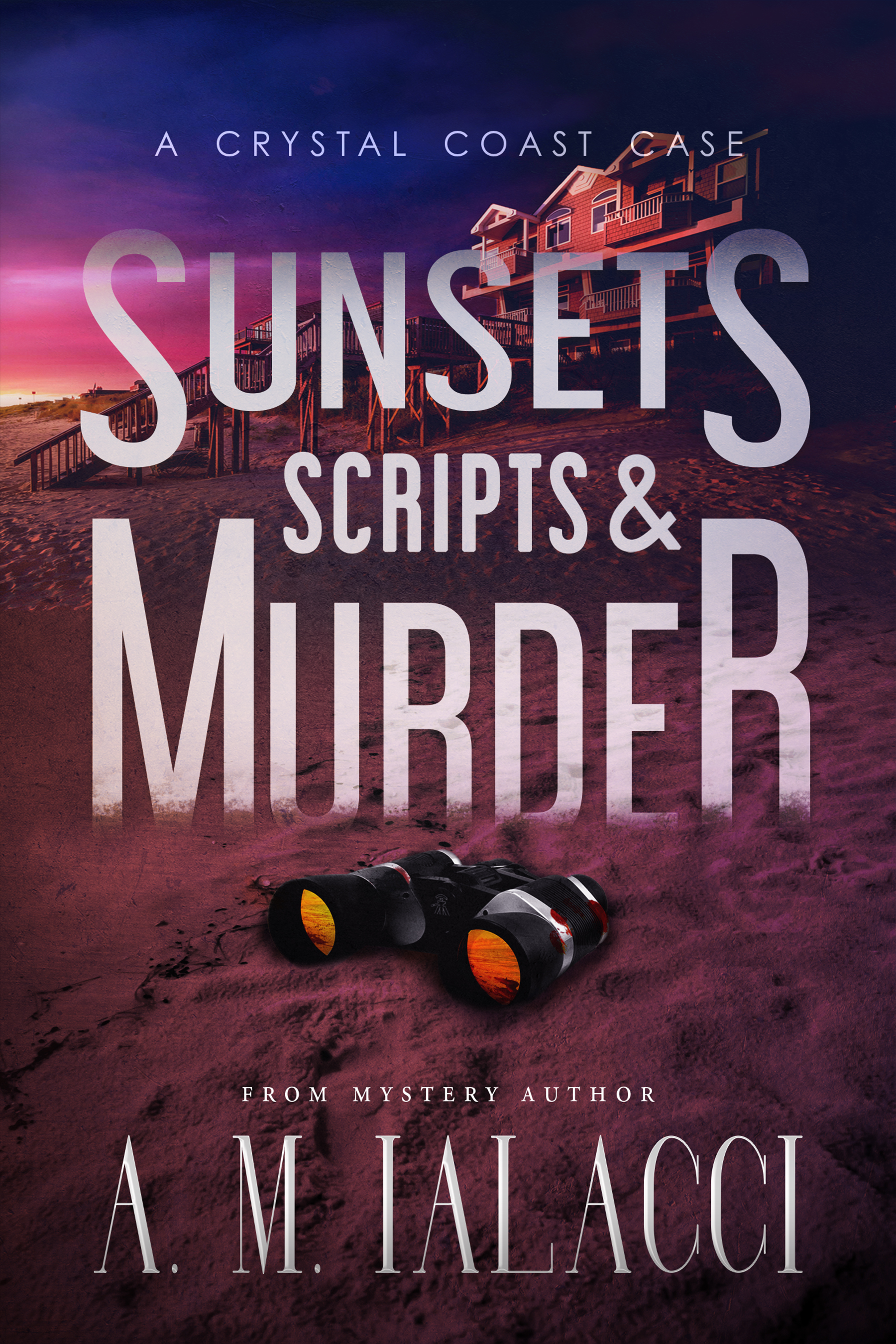
I went on to complete book four of the Crystal Coast Case Series, “Sunsets, Scripts, and Murder,” and released it in September of last year. Outlined, researched, edited, formatted, published. Done and dusted.

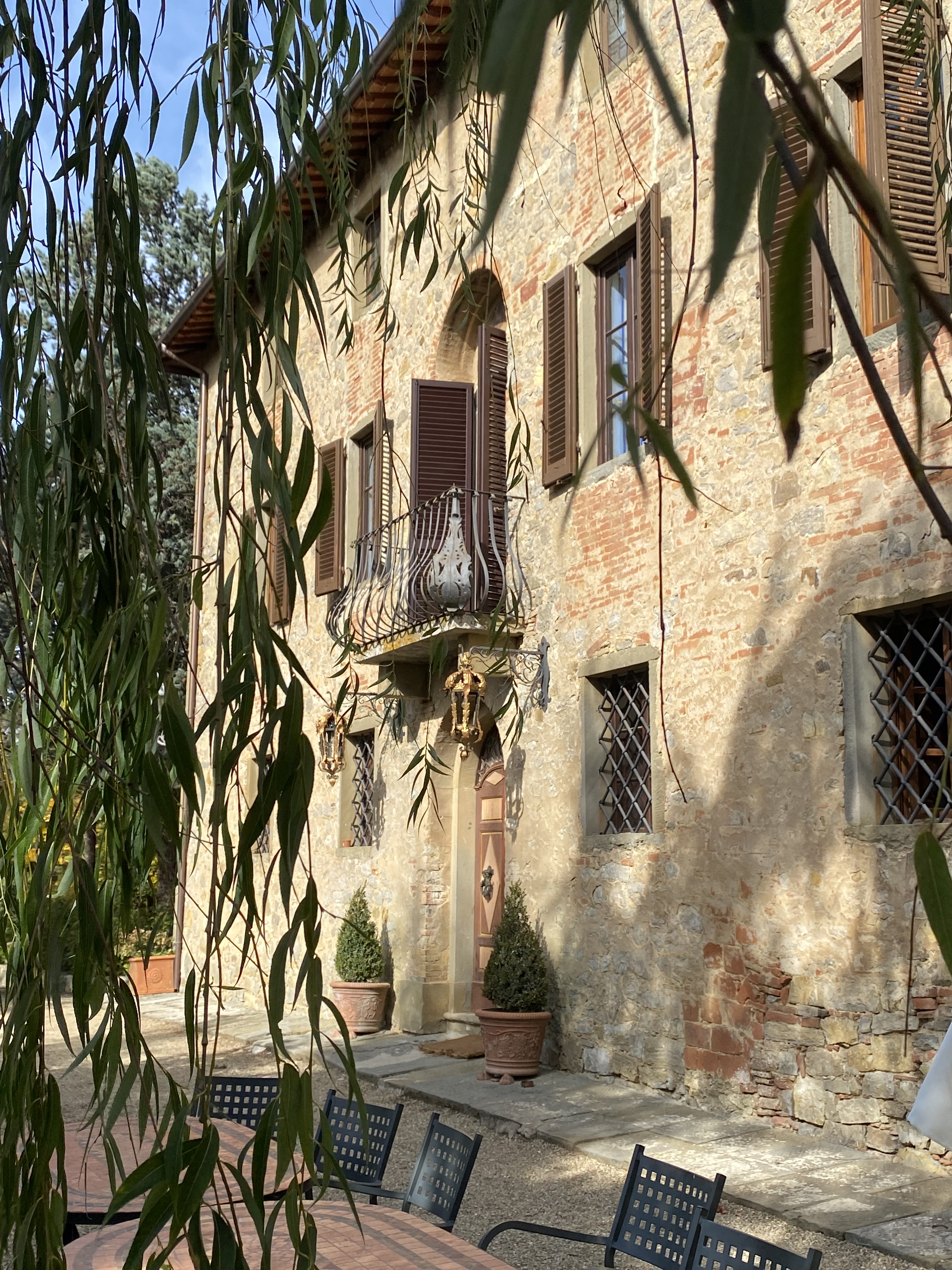
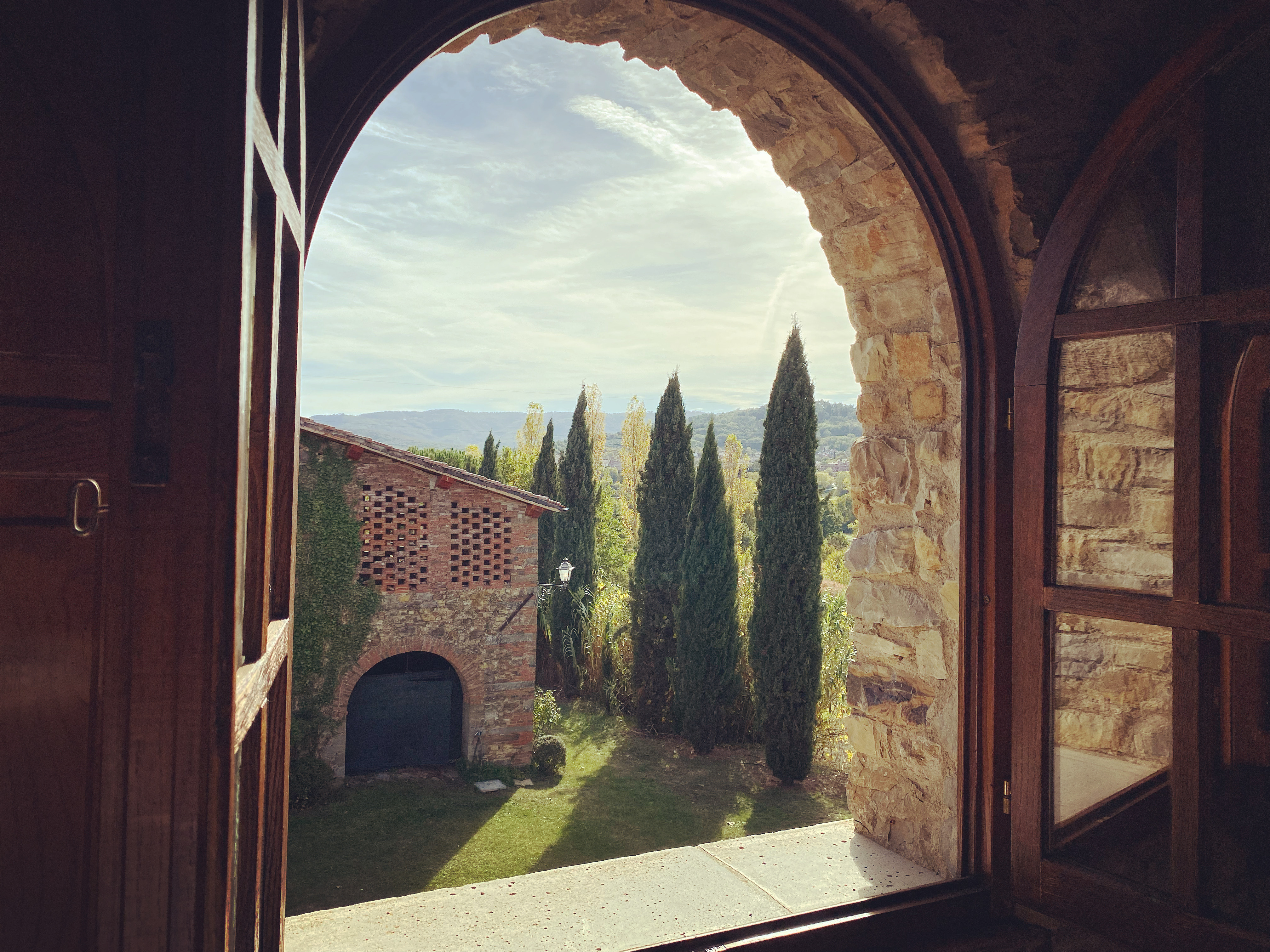
Then in October, I went to Italy for a much-anticipated writing retreat. A week in the rolling hills of Tuscany at a villa with four-course, chef-cooked meals. I couldn’t be further from the beaches of the Crystal Coast of North Carolina, so I chose to pick up that eleven-page historical mystery and see where it led. By the end of the week, my fellow writers were hooked on my story, and I was bewildered. How was I doing this?

When I returned home to the realities of everyday life, that bewilderment combined with my very real responsibilities and turned into a period of burnout. I couldn’t write anything. This had happened to me once before, and I recognized that I just needed time. It was uncomfortable, I was unhappy, but I wasn’t going to add more stress to the situation by creating arbitrary goals to get back to my work.

With some outside help and coaching, I gradually returned to my story, and continued to write intuitively. No one was more surprised than me. My entire process was different, but the story was appearing before me on the blank page. I only had to follow its lead and put it into words.

Now my draft is done, and my critique partners, my beloved writing circle, tell me it’s the best book I’ve written. And it isn’t even near its final form yet.

In April, I go to Germany, in part to do some on-the-ground research for this historical mystery, and I know it may be some months before this book is complete. But I’m truly excited about it, and I can’t wait to share it with the world.

In the meantime, I’ll get back to the series finale my readers have been eagerly anticipating. If you’d like to get caught up on this series, so that you’ll be ready for book five when it comes out, please click on the accompanying links.

A dead actress. A big secret. And Allie Fox is on the case.

Tired of couch-surfing with friends, PI Allie Fox heads to the beach on an overcast, off-season day to do some house hunting.

But when she stumbles onto a dead body in an empty rental, she’s plunged straight into another case of foul play.

Up and coming actor Aisha Carter’s stay in Emerald Isle had been a secret, and only a select few knew she was here. When her agent hires Allie to investigate, she finds the actor was keeping everyone in the dark, and hiding much more than her whereabouts.

As she digs deeper into Aisha’s past, nothing seems to add up. Then Allie uncovers a shocking clue that puts everyone she loves on the killer’s list.

Sunsets, Scripts, and Murder continues the story of the Crystal Coast Case series. If you like Melinda Leigh, Lisa Gray, or Claire McGowan, you’ll love A. M. Ialacci’s gripping story of bright lights, big secrets, and murder.

Buy link: https://www.amazon.com/dp/B09H5JMS84

Growing up on a steady diet of Murder She Wrote and Nancy Drew, it wasn’t until Anna left her twenty-year teaching career that she realized she might be able to write her own mystery. Single mom to a young man on the autism spectrum, and living in a multigenerational household, she loves the beach, reading Scandinavian crime fiction, and binging on Netflix. Anna is the winner of the Occasions, Just Write Writing Contest 2018, and a runner up in the Writer’s Domain One Sentence Story Contest 2018.

Website: https://www.amialacci.com

Facebook: https://www.facebook.com/AMIalacci

Instagram: https://www.instagram.com/amialacciauthor

Twitter: https://www.twitter.com/AMIalacci

Goodreads: https://www.goodreads.com/author/show/18931413.A_M_Ialacci

Amazon: https://www.amazon.com/A-M-Ialacci/e/B07P7J1RWV

Bookbub: https://www.bookbub.com/profile/a-m-ialacci

November: A Prologue by Karen Shughart

After my first Edmund DeCleryk Cozy mystery, Murder in the Museum, was published, I decided to play around with the concept of having two prologues for subsequent books and contacted my publisher to see what she thought. She basically told me to ” go for it”, and in book two, Murder in the Cemetery, that’s what I did: the first to set the historical back story that alerts readers to why the murder may have been committed, and the second to describe the seasonal tone for the crime.

In book two I described the month of May in Lighthouse Cove, with its profusion of flowers and abundance of sun, a fitting backdrop to the crime that’s about to occur. In Murder at Freedom Hill, the third book in the series (now on sale in paperback and Kindle versions at Amazon and other book outlets) the second prologue is entitled “November”. I thought it was appropriate for this month’s blog, so here goes:

  For residents of Lighthouse Cove, NY, November was always a month of mixed emotions.  

There was a yearning for the blazing colors of October, the cool, crisp nights, starlit skies, bright days. For a low-hanging sun that could still warm the bones and ease the joints.  For the farm stands, now shuttered until spring, that had offered up a bounty of ripe produce, local honey, homemade baked goods and jams, fresh herbs.  For the hayrides and bonfires and deer spotting among the apple orchards. For the unbridled joy of chattering, costumed children extending small hands for treats as their parents kept a watchful eye; glowing lights illuminating their way.

There was also the peace that comes with tourists gone for another year and the ease of getting about.  The sound of waves, ambling onto the beach like lazy sloths. The geese and swans gliding effortlessly around the bay, no longer competing for space with boats and bathers, and the eagles soaring silently above on currents of wind. The rumbling and grumbling of street noises now muffled by a thick carpet of brown, fallen leaves.

 There was excitement and anticipation, too, in November.  For a day, later in the month, when families would gather to give thanks and then soon after, start to prepare for the hustle and bustle of the upcoming holiday season. For the hunters who had been looking forward all year to donning their camo, retrieving their guns, and stalking their prey in fields and woods, hoping to bestow upon their loved ones a largess befitting of their labors.

For some, November was also the month of grieving. A month of decay that precedes death.  Where what was past was past and would be no more, and what lay ahead was the chill and dark of winter.