
By Margaret Lucke
As April 15 rolls around, I’m saddened to report of the demise of one of that date’s most cherished annual events.
No, I’m not talking about the deadline for filing your federal income taxes. You still have to do that, and if you haven’t yet started dealing with all of those numbers and all of that paperwork, I recommend you stop reading this blog right now and get busy with that task.
What I’m referring to is the late, great Bulwer-Lytton Fiction Contest. It was announced not long ago that 2024 would be this beloved competition’s final year.
While entries were accepted any time, the official deadline was each year April 15 –which, as the contest’s organizer, Professor Scott Rice, noted, is “a date that Americans associate with painful submissions and making up bad stories.”
The English Department of San Jose State University began sponsoring this annual wordfest in 1982. Writers were urged to come up with the opening sentence to the worst of all possible novels.
It’s a challenge for any writer to come up with an opening line that will grab our readers and pull them into reading the rest of the book. With the Bulwer-Lytton winners, there was no rest of the book. They were often complete single-sentence stories. Anything more would have been superfluous.
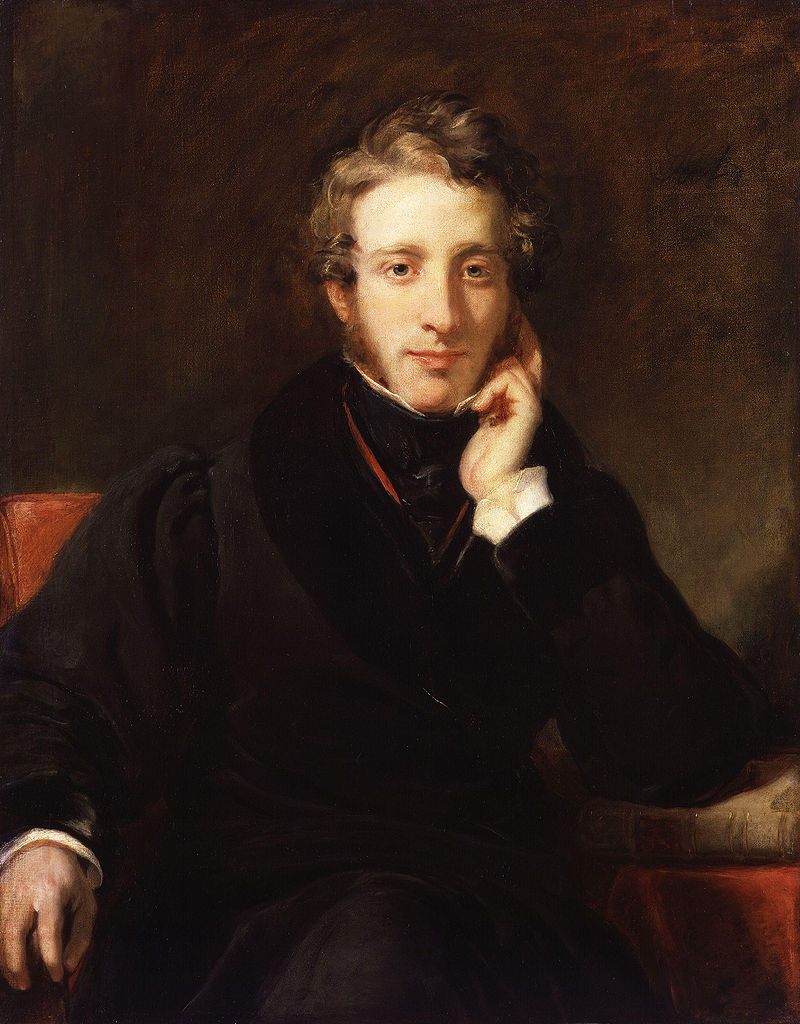
The contest was named for Edward George Earle Lytton Bulwer-Lytton, 1st Baron Lytton, a minor (perhaps deservedly so) but prolific British novelist of the Victorian era. His best-known title is probably The Last Days of Pompeii, and he originated the saying “The pen is mightier than the sword.” But he is most famous today for penning the immortal opening line: “It was a dark and stormy night … ” Thus begins the novel Paul Clifford, the story of an English gentleman man who moonlights as a criminal.
The complete sentence reads:
“It was a dark and stormy night; the rain fell in torrents–except at occasional intervals, when it was checked by a violent gust of wind which swept up the streets (for it is in London that our scene lies), rattling along the housetops, and fiercely agitating the scanty flame of the lamps that struggled against the darkness.”

Snoopy, famed beagle from the Peanuts comic strip, appropriated the first seven words for the title and first sentence of his own novel. Snoopy is not one to waste words. His entire novel is only 214 words, not all that much longer than Bulwer-Lytton’s single sentence. A born mystery writer, he jumps straight into a suspenseful plot with his second sentence: “Suddenly a shot rang out.”
Back to the Bulwer-Lytton contest: In its first year it attracted three submissions. In its second year, thanks to a little publicity, the number grew to 10,000. Writers were invited to submit as many abysmal first sentences as they like. One year a hopeful author sent in more than 3,000. If he had strung them together he would have had an entire book, which surely would have qualified as a the worst of all possible novels.
I submitted my own masterpiece of a first line one year. Sadly it didn’t win, possibly because it exceeded the recommended length of not more than 50 of 60 words. I’m fond of it anyway, and I can’t resist including here:
“Until the night he set her house afire, burning down the only home she’d ever known, incinerating the manuscript of her nearly completed novel, turning her cherished photos of Daddy to ash, though thank goodness the cats escaped … until the hour when sparks soared across the heavens like shooting stars and the smoke from the conflagration carried away all her hopes and dreams … until the moment when a firefighter squelched her screams and drenched her nightgown with a well-aimed hose … until that very instant Isabelle believed her love affair with Rolf would last forever.”
Hmm, maybe I should think about writing the rest of that book.
If you’re interested in reading the sentences that the judges, in their wisdom, preferred to mine, you can find an archive of the winners and dishonorable mentions here: https://www.bulwer-lytton.com/winners

 Ladies of Mystery
Thanks, Heather! A book may evolve from that sentence yet.
LikeLike
I’m sorry the competition is ending. I so enjoyed reading the first entries, and trying to decide which one was the worst.
LikeLike
Susan, I’m sorry it’s ending too. Always great entertainment. Some of the first sentences that were entered told complete stories. Others set the imagination going – what would happen next?
LikeLike
As usal, Peggy, a fun, entetaining, and informative post. And your sentence offering is hilarious.
LikeLike