

Along with other authors, I was recently asked to be one of the judges for a mystery writing contest involving fairly new or inexperienced writers. I was honored to be asked. In reality, my acceptance was more or less for selfish motives. While reading these works, I am reminded of what to do and what not to do myself. Even still, I realized this would not be an easy job. I try to be a fair judge (and person), so would my own subjectivity about the kind of mysteries I enjoy reading bias my critiques? Of course, it would, unless I was careful.
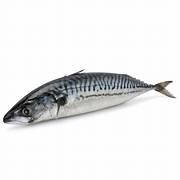
Consequently, I tried to judge each work on technique and skill. Personal enjoyment was not expected nor part of the game. I put up a fourth wall and went back to the basics. A good journey to take from time to time. Like being slapped across the face with a wet mackerel, I was hit by the realization that not only did the majority of these stories smell, but the basics of good novel writing simply weren’t there. Bummer. For instance:
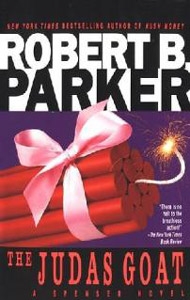
1 – The opening paragraph. Did it pull me in? Hook me while it could? Most of the time, no. The writer needs to let me know what I’m in store for. It’s the author’s contract with the reader. If I could, I would email each contestant the opening paragraph of Robert B Parker’s Judas Goat, which I feel is an excellent example. Right away, this author lets you know what you can expect from the book, his writing style, and a feel for some of the facets of the protagonist. Parker’s Spenser was and is a huge success for good reason.
2 – Was I grounded? Did I get a sense of being somewhere, even if I didn’t know where that was for the moment? Not for the majority of the stories I was judging. If we’re in an ethereal space with no sense of time or place, for heaven’s sake, let me know. Otherwise, it’s like flying around my living room in a hot-air balloon.
3 – Did flowery words and long-winded phrases distract me from many stories? OMG. I still have some silly jumble of pretty but meaningless words describing a building running around inside my head. I don’t remember anything else. Like who died. What’s the first thing most of us learn in any writing class? Kill your darlings. Tattoo it on your forehead if need be. It’s on mine. This is why I wear bangs.
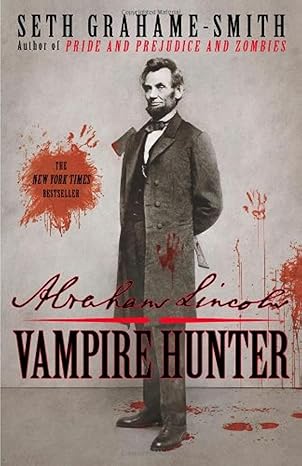
4 – What is the novel about? How much time are we spending on everything else but the story? As one well-known writer said, “Get off the front porch.” Another tat moment. And if the story is about zombies, let’s get some sort of reveal fairly soon, even if it’s “You’ll never believe who showed up at my front door last night. I thought we buried him last week.” Or maybe through the title. Abraham Lincoln: Vampire Hunter, has, by the way, a good opening paragraph, even though it’s not a mystery. Of course, there is the mystery of how one man could run a country, especially during a civil war, and roam the countryside looking for vampires. But let’s let that one go.
5 – Did you throw all your backstory in at the beginning? Save most for later, if even then. One newbie writer did all the right things in chapter one. I was heartened. Unfortunately, it was followed by page after page of the protagonist’s marriage from decades before. If it’s important to the story somewhere along the line, add it in drips and drabs. Don’t lay it before me like an in-depth biography. A story is like a shark. It needs to keep moving or it will die. I held on through chapter two but at the end of chapter three, the pacing was lost, the impact was lost, and I was lost.
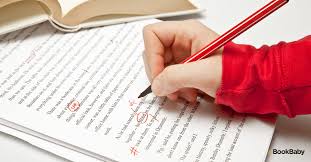
6 – This leads me to: GET A GOOD EDITOR AND LISTEN TO HER/HIM. Regarding the above writer, I thought I had found the beginnings of a good mystery novel until I was at the point where I was pulled out of the story and landed in I know not where nor do I care territory. A good editor might have drawn a redline through chapters two and three and saved this book. We will never know. Because the author lost me, it doesn’t matter how good the story gets later on if I’m gone after chapter three.
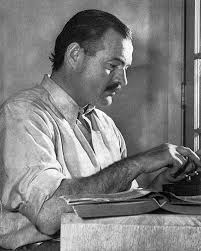
Now these are things most writers reading this post know. Preaching to the choir, donchaknow. But now and then I need that wet-mackerel-across-the-face moment. I can be dense, forget, or get caught up in a pretty phrase. But eventually, I kill my darlings, painful though it may be. This is because I know they’re just words, I’ve got a million of ’em, and these just ain’t working, baby. Hmmm. I’m beginning to wonder if Ernest Hemingway wasn’t on the right track when he said, “Write drunk, edit sober.” The approach may be wrong but the purpose is spot on.


Happy Holidays and Happy Writing.

 Ladies of Mystery
This is a good post for anyone writing. Newbies to learn the ropes and those of us writing a while to keep in mind the things we learned but may be fudging on. Fun post and I’ve been there! I’ve judged a number of contests and go into each one hoping to find a really good read and a new author to follow. But there are always the writers who need more help than a judge can give them. I always try to steer them in a direction they can get help. I was there once and am thankful I had a judge who showed me the light of what I was doing wrong and then went on to be my first critique partner.
LikeLiked by 1 person
You are right on the nose, Paty. I haven’t been asked to give feedback, but if I were to, the five things I wrote were the most frequent offendings. For me, personally, watch your run-on sentences, Heather., is what I have to constantly tell myself. Heigh-ho. God bless the writers who put themselves out there to help us.
LikeLike
This is a good list of all the potholes on the road to a final draft. Even the most published writer needs a reminder of the basics now and then, And yes, sometimes we all need that wet mackerel slapped across the face. Good post.
LikeLiked by 1 person
Thanks, Susan. But still, it’s great fun to be a writer and I hope each of these newbies strick with it. And a special holiday hug for you, Susan. You are just the best.
LikeLike