Thank God for Beta Readers

I am closing in on finishing my 14th novel. By which, I really mean that I just finished my rough draft. So, as most authors know, the real work begins: soliciting feedback, rewriting, planning for launch. And I absolutely, positively, could never finish without beta readers.

I do have a few critique partners who read chapters along the way as I write, but for the most part, I wait until I have a complete rough draft before sharing it. That’s because I am a pantser who changes a lot along the way, so it can be frustrating and sometimes a waste of time to share rewritten material over and over again.

My favorite description of how the novel writing process typically goes was written by bestseller Lisa Gardner in Plotting the Novel: Otherwise Known as The Real Reason Writers are Neurotic, which you can get from her website. Her description is hilarious, and oh, so true! And it’s how the process works for me every time, except that I rarely create an outline, so my process is even more chaotic. But it’s true that, like Lisa, I always start off thinking I have a brilliant idea, and then, as I work on the dang manuscript over and over, I inevitably end up thinking I have a worthless book that nobody will ever want to read. (We writers tend to be an insecure lot.)

For Cascade, my sixth Sam Westin novel, I wanted to use the experience I gained years ago at the Writers Police Academy of crawling through a collapsed building. My novels mostly take place in outdoorsy settings, so I had an avalanche destroy a ski lodge. And my Sam Westin books include wildlife, so I threw wolverines into the mix (not in the ski lodge!). But did I really have a story? As I wrote and rewrote the scenes, I began to wonder if I’d totally forgotten how to write at all.

This probably happens to every novelist who does not suffer delusions of grandeur. By the time I reach the rough draft stage, I’m so bored with my characters and plot that I want to throw the manuscript in the trash. Every scene, every conversation seems repetitious. But I know this largely comes from thinking, rereading, and rewriting the same material over and over again. At least I hope it does.

So, I really rely on a handful of beta readers to tell me whether or not I’ve created a novel or I should just stick to weeding my garden from now on. Some authors have a whole team of alpha readers to read the first draft, and then a different team of beta readers to read the rewritten version. I like to think that now I’m a little more efficient than that (probably a delusion of grandeur), so I generally skip the alpha step and go straight to beta readers.

These brave souls are willing to read a rough draft and tell me what they like, what they hate, and where I went totally off the rails. (This does not replace a thorough copyedit, by the way; I always hire a real pro for that as a last step.)

I am now in the “Help Me with my Rough Draft” phase, and I can only hope that my beta readers save me again. Meanwhile, I’ll be weeding my garden.


Help a Writer Save a Wolverine

On The Road

As you are reading this, I’m off on a research trip for the next Gabriel Hawke novel. This one is set in Montana. I have an place in the middle of the two areas I need to research.

This story started about 5 years ago, before I had even started writing the Gabriel Hawke series. My husband and I were driving from the south to the north of Montana headed to visit my cousin in near Flathead Lake. As we followed this lake, I looked out and spotted a resort on an island in the lake. My first thought was “what a great place to have a writers retreat!”

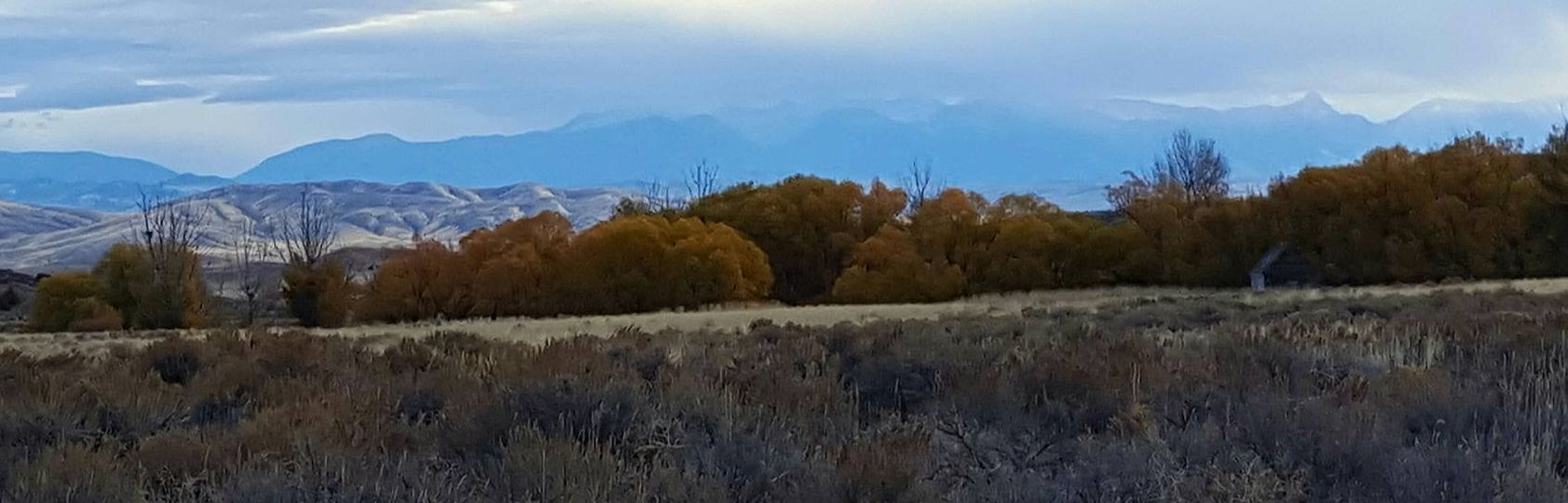
A photo from when I was in Montana before. This is south of the lake.

That island and building kept coming back to me and when I decided on the premise of book 10 in the series, I knew that resort would be in the story.

I didn’t know the name of it and hubby and I were of a different opinion of which road we’d been on. One of my oldest daughter’s friends lives and works in Helena, MT. I contacted her and asked if she’d seen the place on her weekend drives. She knew the place and sent me a link to their website. I had been right! It was off the road I had said we’d driven up to my cousin, not the road, hubby had thought. Score one for me! That doesn’t happen often when it comes to driving and roads since hubby was a truck driver for 30 years.

With the website I looked up the island and the resort. I had hoped to stay there one night and get a feel for the place. Not at $2000 a night! So then I emailed and asked if I could just come hang out for a couple of hours (you have to get there by boats that are run by the resort). I explained I was a writer and wanted to use the resort for a couple of scenes in my book.

The person who wrote back to me asked if I was the author who had requested the same a while back. I said no. When I told her when I’d be in the area, she said there would be guest at the resort and no one else was allowed. But she would be happy to answer my questions and send me any photos I might need. You can bet after I go scope it out from the side of the lake, I’ll have more questions for her. Luckily it is only being used as the place where Hawke’s sister is attending a corporate retreat and it is more of a starting point for the story than a main setting.

The other place I’ll be visiting is the Flathead Indian Reservation. I’m debating on where the sister will run to, the reservation or the wilderness. That will depend on what I find out on my trip.

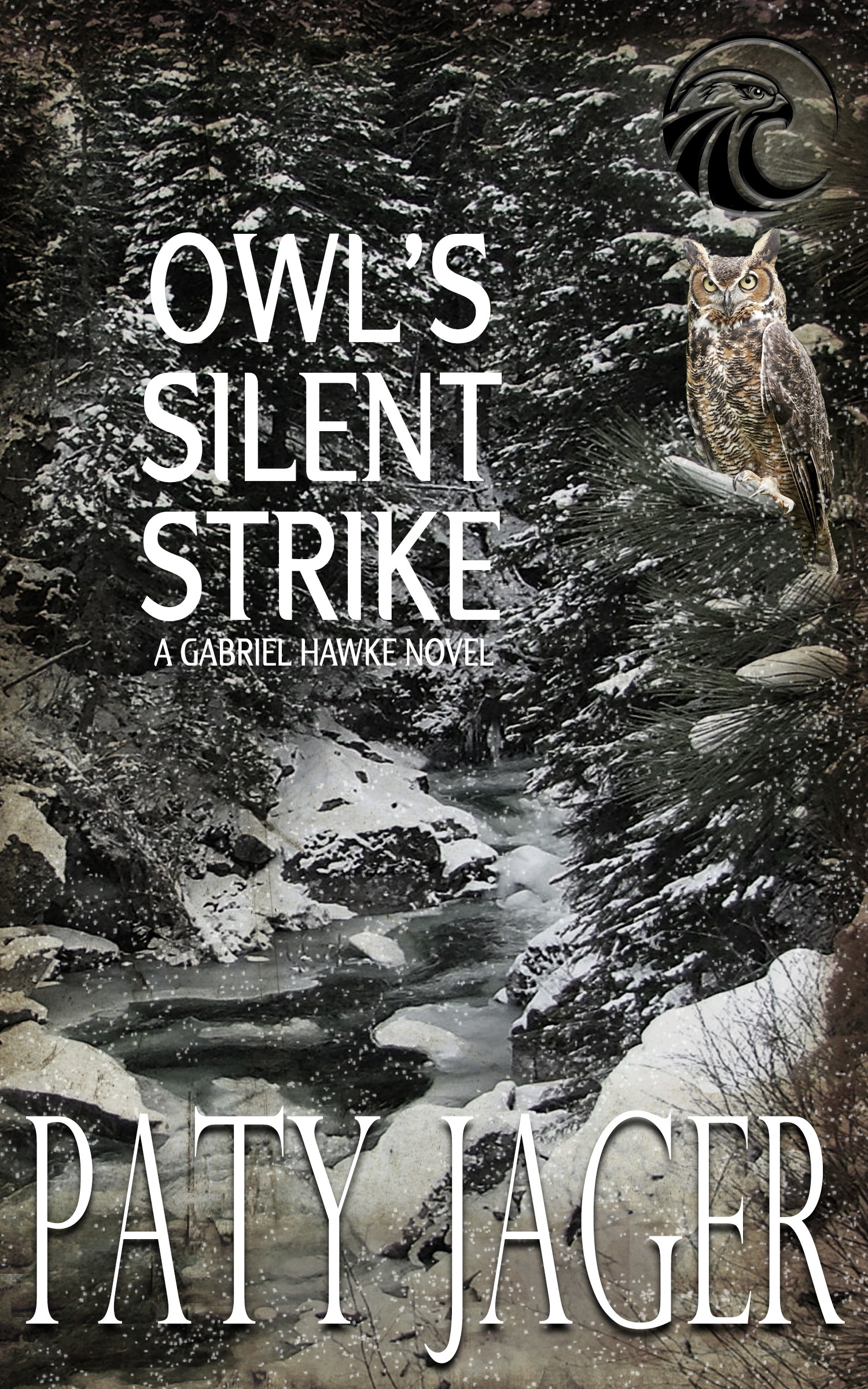
Right now, I’m pleased to say that book 9, Owl’s Silent Strike, is now available in ebook and print. My narrator is working on the audiobook.

Unexpected snowstorm…

Unfortunate accident…

And a body…

What started out as a favor and a leisurely trip into the mountains, soon turns State Trooper Gabriel Hawke’s life upside down. The snowstorm they were trying to beat comes early, a horse accident breaks Dani Singer’s leg, and Hawke finds a body in the barn at Charlie’s Lodge.

Hawke sets Dani’s leg, then follows the bloody trail of a suspect trying to flee the snow drifted mountains. Hawke is torn between getting the woman he loves medical care and knowing he can’t leave a possible killer on the mountain.

Before the killer is brought to justice, Dani and Hawke will put their relationship to the test and his job on the line.

universal buy link: https://books2read.com/u/bw19DG

A Room of One’s Own

by Janis Patterson


I belong to a number of writers’ groups, some of which – at long last! – are starting to meet in person again. The particular group of which I speak is composed of all kinds of writers from working professional to stark-beginner aspirant, and was finally having a real meeting after two years of Zoom-ing. The conversation level was astounding as we all talked full speed full volume catching each other up on what had happened since our last real gathering. (As good as Zoom is for the meat of meetings, it is not up to personal interaction and exchange!)


One woman, who had joined the group only a few meetings before the shutdown, was holding forth, proudly showing photos of her new office. She had acquired one of those monstrous L-shaped desks that can eat half a room. It was festooned with several shelves of reference books, plaques of inspiring quotes, beautiful pictures, a few lovely little objets d’art and even a gorgeous silver vase of fresh flowers. A large brand new Mac computer took pride of place in the typing area and – to the envy of my uncertain back – a new, bright red X-Chair sat in front of it. I will it admit, it took a great amount of discipline not to drool openly over that.


“Now,” she concluded with pride after finishing a highly descriptive virtual tour, “I can be a professional writer.”


Huh?


When pressed for an explanation she said, “Well, one has to have a professional office in order to be a professional, doesn’t one?”


The eyeblinks in the room were almost deafening.


“It’s lovely,” someone said. “It must make writing so much easier. How many books have you done?”


“None yet.”


Double huh?


When The Husband and I inherited our house, we turned the guest bedroom into my office by the simple expedient of adding a small desk and a cheap office chair. Even though I have been publishing for decades I had never had a real office before and it was heavenly. For a number of family reasons, though, it ceased to be an option and I moved my writing center onto a table in the family room, a room shared with our animals, the TV and a newly retired husband. My output did not drop, though – at least, not significantly and not for long. I know a prolific multi-published novelist who writes at the dining room table, and another who has a card table squashed into the corner of her bedroom. There was one who turned the built-in bar in their home into her office and another who has a day job stays late every night for an hour and a half or so to write simply because she cannot write in the chaos of her home. In fact, I know more professional writers who do not have dedicated offices than those lucky few who do.


“You mean you haven’t written anything?” another asked incredulously. “It’s been two years since we last met.”


She looked offended. “How,” she replied only a little huffily, “could I have written anything? It was only delivered last week.”


There was nothing any of us could say to that. We separated into other conversational groups, metaphorically if not physically shaking our heads. This woman had had two years of what basically amounted to house arrest (she does not have a day job) and while many of us had taken advantage of the enforced lack of external activities time to write even more apparently she hadn’t written at all. I myself wrote 1 ½ more books than I would have normally done in that time span, and many of my professional writer friends did even more.


This woman had obviously spent her time poring over design magazines and websites. Now, she proudly proclaims to anyone she can get to listen, since she has a professional office she is a professional writer.


Hey, lady, professional writers WRITE. We write in dens and dining rooms. We write while waiting at the garage and in line waiting to pick up children from school. We have been known to scribble facts and ideas and scraps of dialogue on paper napkins while at lunch. Some of us even write on our phones wherever we happen to be.


I am not a total grinch. Her office is lovely (how I do truly envy her that red X-Chair!) and I wish her much joy in it. It will not, however, make her a professional or any other kind of writer except a wannabe. Only writing and selling makes a true professional. The agents/editors/publishers/readers won’t give a flip if she writes on a huge L-shaped desk or a card table. What matters to them is the story, the words, the worlds she creates… and you can’t order them from any design house.

Changing It Up

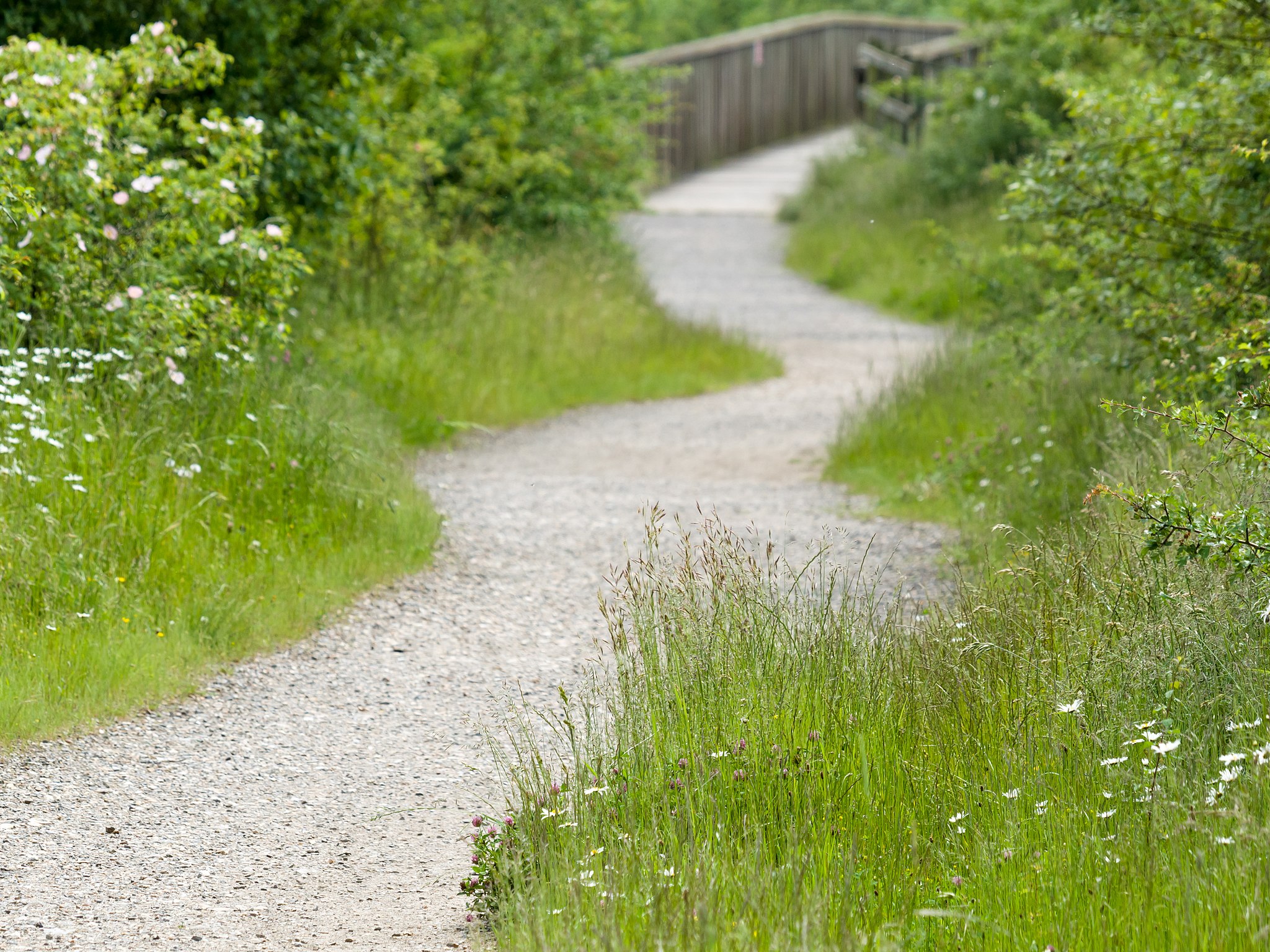
Writing a book is hard. I’ve been at this for more than thirty years. It doesn’t get easier, just more challenging. And it’s never a straightforward process. Start with chapter one and plow through till THE END? No, it’s a journey on a twisting, turning path.

When I start a book, I have an idea of where I want to end up. But getting there is always an adventure. My path takes me up the hills, or even mountains, down into the valleys, wandering along cliffs and thumping over potholes.

Sometimes I find myself at a crossroads. Or a big bump in the road. It’s not writer’s block. It’s more like: what do I do now?

I’ve discovered one technique that often helps me get past whatever it is that’s impeding my progress. I call it changing it up. Changing one or two details can help reinvigorate the narrative, and my writing process.

For example, in the Jeri Howard novel I’m writing, I have two important secondary characters, husband and wife, who own a small press that publishes travel books, like the ones that Jeri’s fiancé Dan writes. Their request that Jeri and Dan help them inventory the contents of a relative’s Alameda house sets the book in motion.

When I started the book, I had the characters living in Berkeley, with their company located there as well. Something about that wasn’t working. I decided to move the characters and the company to Alameda. It’s a small change, but it helped a lot. It explains the husband’s relationship with his aunt, who owns the Alameda house, and it helps with Jeri’s investigation. The crime scene is in Alameda and so is much of the background story.

I’ve made several changes to another novel. It’s the first one I wrote, back when I was learning to be a writer. At the time it was a book about broken family relationships, things happening in the past that affect the present. Well, that sounds like lots of the Lew Archer private eye novels by Ross Macdonald. I’ve decided to revive that plot. I’m seasoning it with a handful of crime.

When in doubt, add murder.

Many years ago, when I started that book, it was set in rural Colorado, the state where I lived at the time. I have been a resident of California for forty-plus years, so I decided to set the in rural Monterey County. Then I made up a town and a county, both called Rocoso, for my novel The Sacrificial Daughter. Making up a setting means I can make up all sorts of details like history, geography, local issues, without relying on the baggage that comes with a real setting. Now the revived plot takes place in my fictional county.

Then there are titles. I thought perhaps I’d christen the old novel, the one about family relationships, with a new title. I tried it on for a couple of days and decided it didn’t work. So it’s back to the original title. In the meantime, I’ve discovered that the title I’ve chosen for my work in progress has been used several times before. I do like that title but I must consider changing it. I have a few in mind and we’ll see if they work.

Sometimes as I write, I give characters a temporary name. Might even be X, Y, or Z. With my work in progress, I have two characters I’ve been calling Thug 1 and Thug 2. That tells you plenty about these two guys. If they were walk-ons, I could have left them with those handles. But as I revise, I’ve discovered that Thug 1 is related to another secondary character, and Thug 2 unintentionally reveals an important clue. Now they have names. Making that change tells me more about the way they look and act.

I’m still thumping over potholes with this book. But I’m getting closer to THE END.

Giest Blogger ~ Deb Rogers

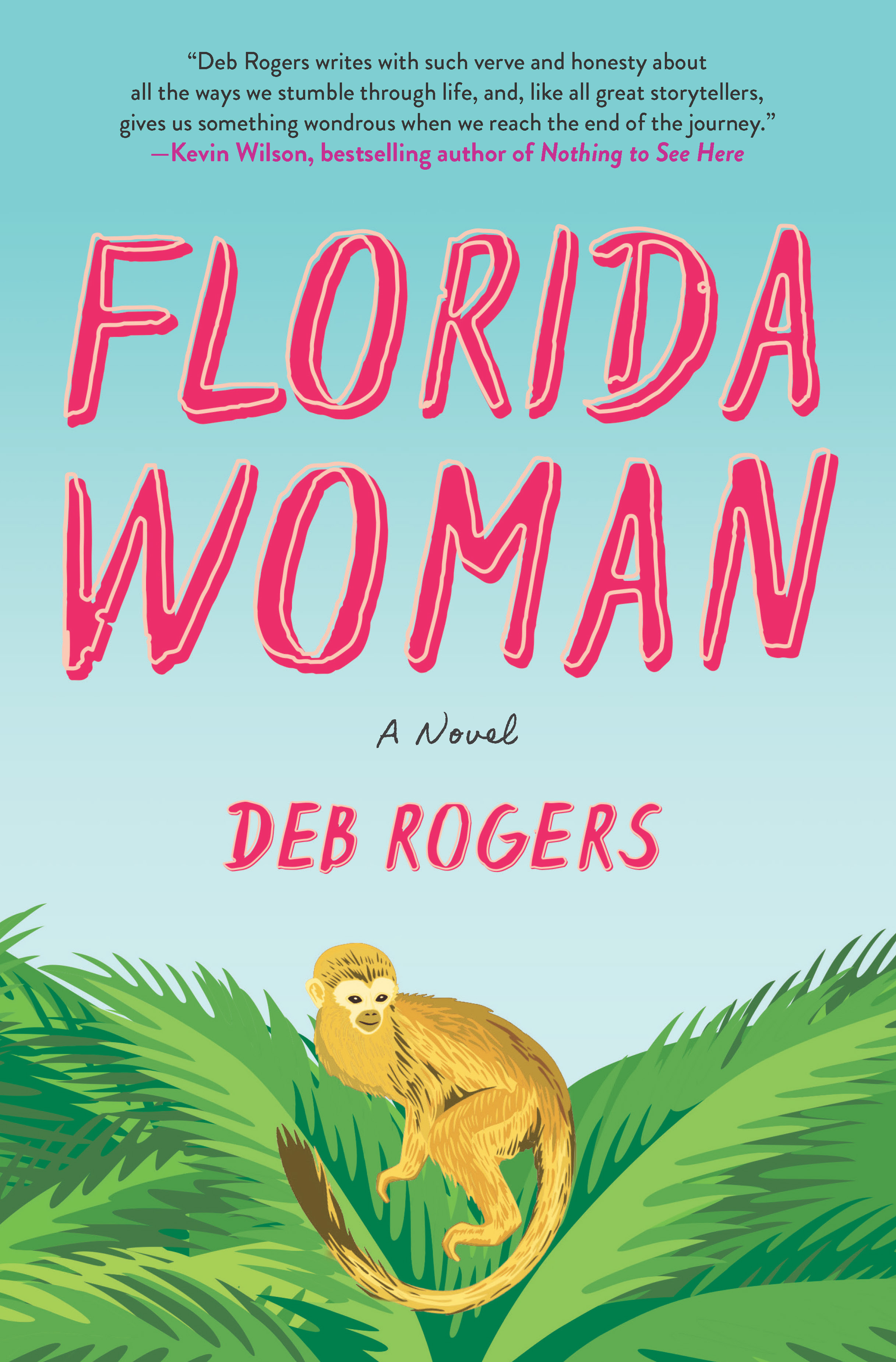
One of the things I loved about writing FLORIDA WOMAN was the ability to play around with the #FloridaMan and #FloridaWoman tropes.

Everyone thinks they know all about Florida. To be fair, we are very distinctive, so anyone who has visited Florida—which is over 100 million people every year—holds a version of our landscape, tourist culture and balmy climate in their memories. Our beaches, our palm trees, our birds, snakes and gators make Florida stand out. If you add to that the way Florida likes to stay in the news for everything from politics to Disney, and then also add our very open Sunshine Laws which means that reporters have access to dirty laundry other states keep private (like embarrassing mugshots), it makes sense that people think they understand what Florida is all about.

To be fair, some of our reputation is earned. Many people end up in Florida looking for a second chance, or for a third one, because they haven’t fit in elsewhere in the country. Jobs outside of the tourist industry are hard to come by, and people can get creative. Corruption, conspiracy theories, and cults are rampant. The gorgeous climate can also be rough to live in. Hurricanes, sinkholes, the humidity—all of it can get to you, and people can act up. Often in public. Maybe not wearing as many clothes as we would wish.

In all, Florida can be weird, but if truth be told, it’s even weirder than you know. Maybe even more interesting, there are very human stories behind those viral mugshots and wacky crimes, and I’m fascinated by that part of my state. I’m interested in how messy people try to survive in this sinking paradise, how their desperation and desires fuel their actions, and how despite all odds, they believe it will all work out. Those are the threads that led me to writing FLORIDA WOMAN, and it’s been a blast to hear what readers think after reading it. I’m learning that among other reactions, most readers are happy to discover that they have a secret Florida Woman hidden inside them who is ready to break out and thrive—even if the rest of the world doesn’t fully know what to do about her!

A gleefully dark and entertaining debut about the mysteries a volunteer uncovers one sensational summer at a Floridian wildlife center for exotic monkeys.

Jamie is a Florida Woman. She grew up on the beach, thrives in humidity, has weathered more hurricanes than she can count, and now, after going viral for an outrageous crime she never meant to commit in the first place, she has the requisite headline to her name. But when the chance comes for her to escape viral infamy and imminent jail time by taking a community service placement at Atlas, a shelter for rescued monkeys, it seems like just the fresh start Jamie needs to finally get her life back on track — until it’s not.

Something sinister stirs in the palmetto woods surrounding her cabin, and secrets lurk among the three beguiling women who run the shelter and affectionately take Jamie under their wing for the summer. She hears the distant screams of monkeys each night; the staff perform cryptic, lakeside sacrifices to honor Atlas; and the land, which has long been abandoned by citrus farmers and theme park developers alike, now proves to be dangerously, relentlessly untamed.

As Jamie ventures deeper into the offbeat world and rituals of Atlas, her summer is soon set to inspire an even stranger Florida headline than she ever could’ve imagined.

Indiebound: https://www.indiebound.org/book/9781335426895

Barnes & Noble: https://www.barnesandnoble.com/w/florida-woman-deb-rogers/1140016527

Libro.fm: https://libro.fm/audiobooks/9781488214264

Amazon: https://www.amazon.com/Florida-Woman-Novel-Deb-Rogers-ebook/dp/B09CMQ1SHR

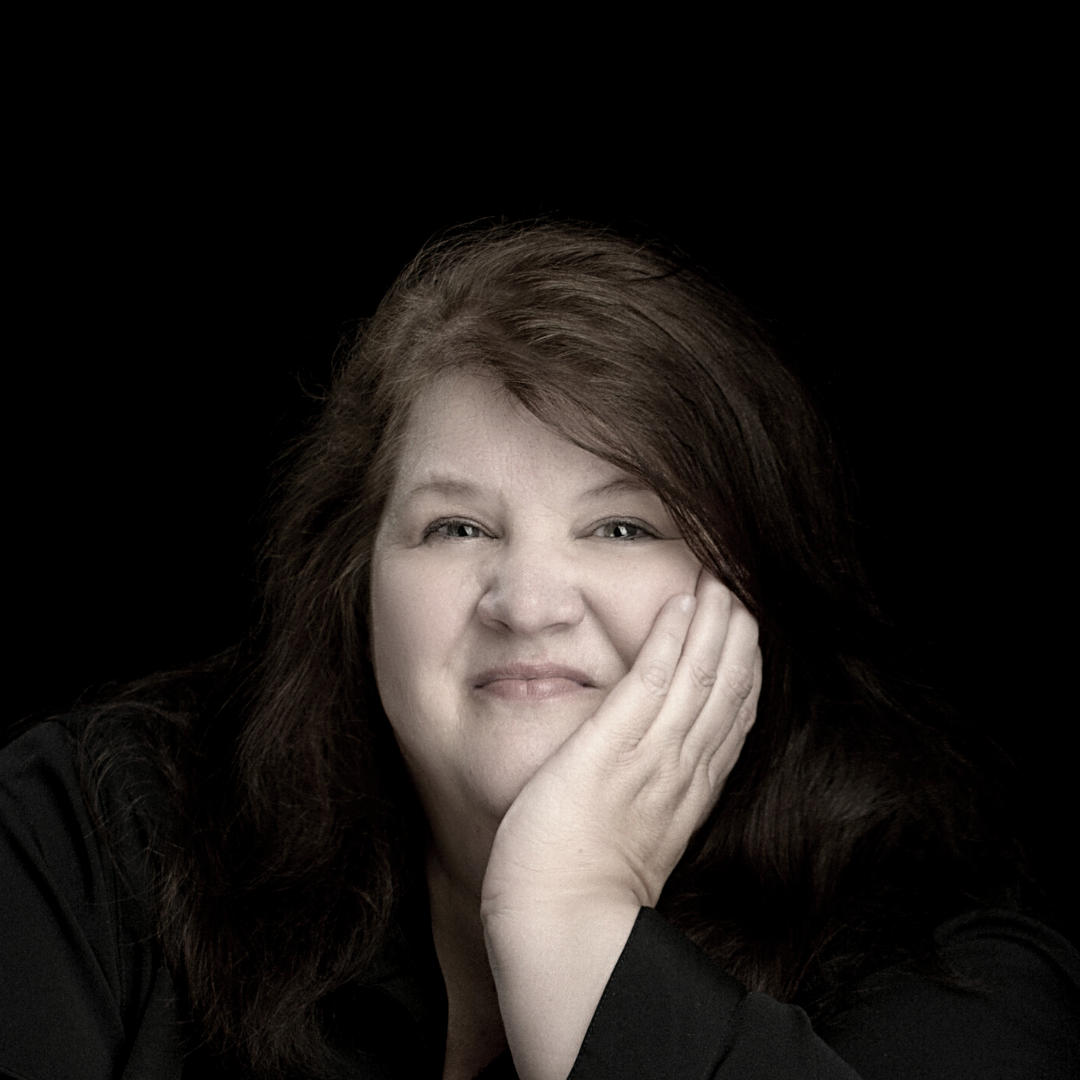
Deb Rogers is the author of FLORIDA WOMAN and has been widely published online on sites including The Belladonna, The Toast, and BlogHer.com. Previously a teacher at a wilderness school, a victim advocate, a non-profit policymaker in Tallahassee, Deb now writes, edits and serves as a consultant in St. Augustine, Florida. Learn more at debrogersauthor.com.

http://www.twitter.com/debontherocks