Not Writing About COVID-19

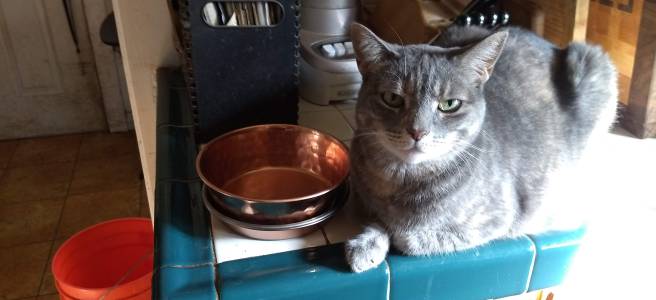
Photo of Sadie Cat looking peeved

It’s raining here in sunny Southern California. It started yesterday and my weather app (1Weather) says it’s going to be raining for the rest of the week. We’ll get the weekend off, then by the time you’re reading this (since I am trying to get this written *before* it’s due), it will possibly be raining again.

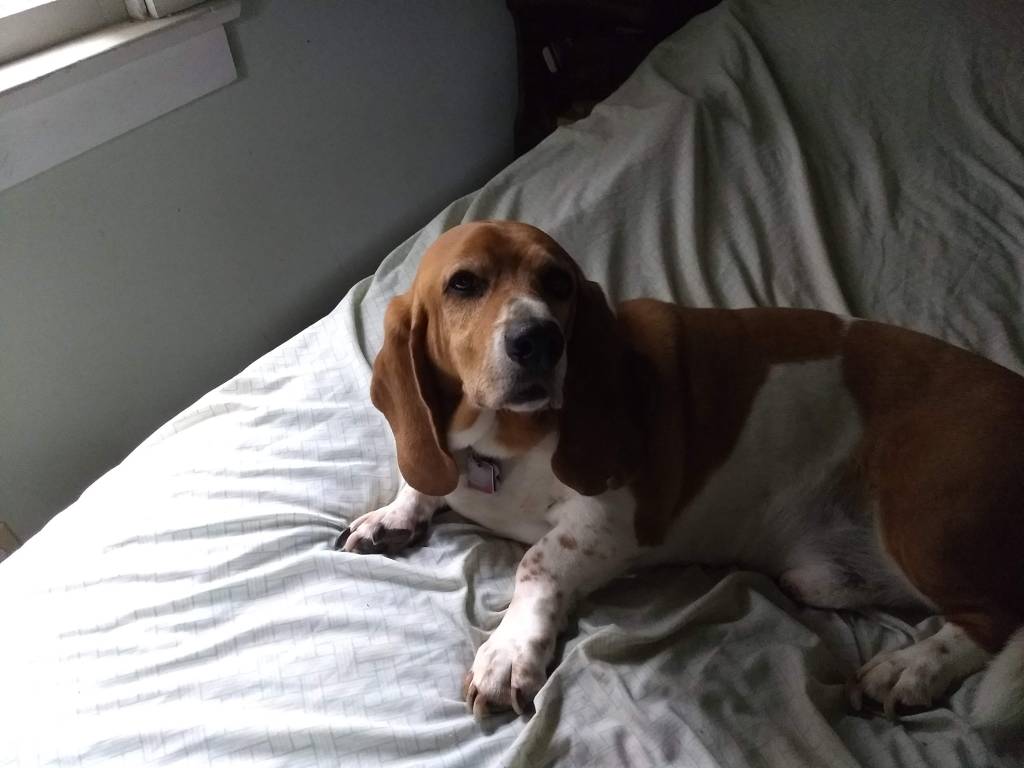
TobyWan

The cats are not happy. The dog isn’t, either, since he does have to go out in the wet to do his business. However, when not doing his business, TobyWan prefers to stay inside. It’s the cats who are suffering the most from this cruelest of developments.

My husband is mostly staying inside, thanks to the lockdown, house arrest, stay at home order. He is also trying to find the perfect way to say lockdown, house arrest, stay at home order. Stay at home order is too long. We are not in prison, nor are we under arrest, so neither lockdown or house arrest apply. He’s not usually that fussy about precise language, although I am, so this is an interesting turn of events. I’m good with lockdown in the metaphorical sense since we can still go on walks and go grocery shopping.

Xannikins demonstrating how she got her name. Not a lucky shot, she’s sleeping like this.

Back to the cats. As I explained in my debut post on this site, we have three. Sadie Cat, the old lady of nine years (at the top of the post), and the much younger, though no longer kittens, Xanax and Benzedrine. They all came into our house almost two years ago after our cat, Dorothy Parker died of old age. Parker, who was all too aptly named, would have no other cats before her. So, my husband insisted that when it came time to find her successor, we get a pair of bonded kittens. Unfortunately, when we went to the shelter, I walked past a cage and saw this large, lovely cat giving me the look that could turn you to stone, and remarked, “Oh, look! There’s Medusa.”

Well, if you name a cat in the shelter, you know you’re going home with it. And, as it turned out, Medusa actually had a name already – Sadie. But we sometimes call her Medusa. Or Psycho Sadie, since she will pick fights with the other cats and is trying to kill the dog.

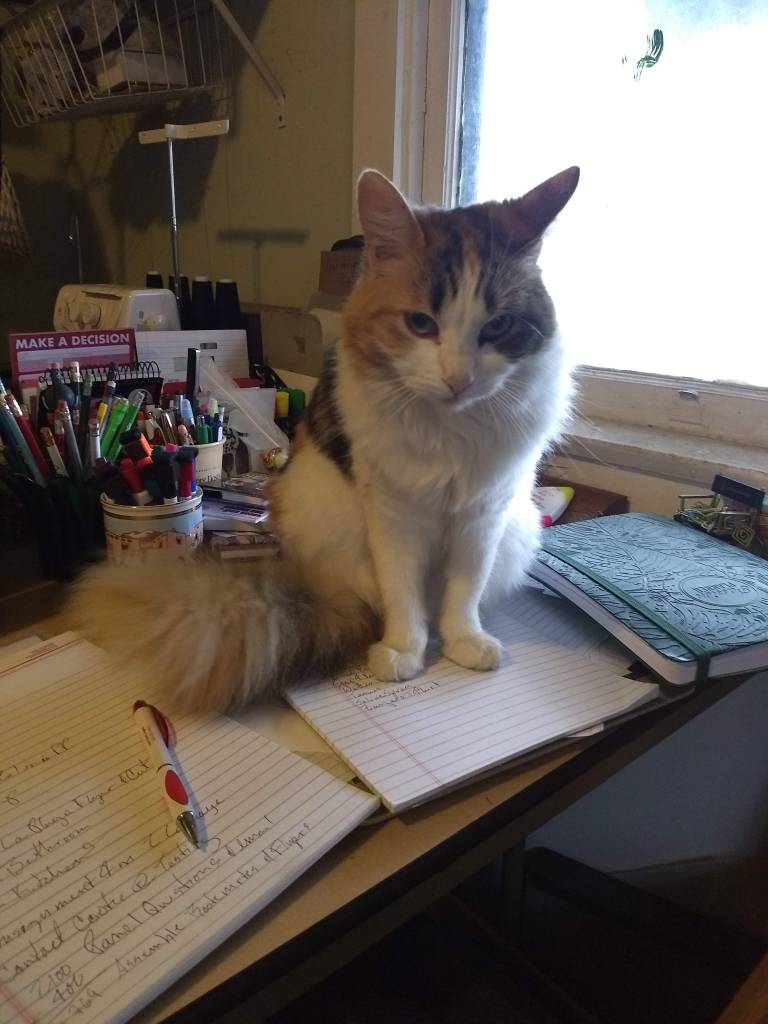
The Benzomatic looking annoyed at the rain

Strangely enough, although Sadie prefers being outside the most, she seems less annoyed about the rain than the other two. Benzi (aka the Purr Bot for her trilling purr) has been on my desk getting in the way multiple times today and given me the glare. Xannie (also in the guise of the mild-mannered Puff) has the stronger personality and makes a point of getting in our faces when she wants something. She, however, is just hanging around the back door, then glaring at us when we open it and she does not want to go out.

By the way, we do live on a relatively quiet street and the cats are indoor/outdoor to keep the vermin away. It’s the most natural form of pest control and it really works.

Except when it’s raining and they can’t go outside.

The Angst That Doesn’t Go On The Page by Paty Jager

Many literary prose are filled with angst and trepidation. I wonder if literary writers feel the same angst and trepidation that genre writers do?

This is a confession of sorts. Before I started writing mystery, I just researched either history, settings, occupations or whatever I needed to make the story real and conjured up characters that I liked and hoped readers liked. Those were my romance books.

Then I wrote an action adventure trilogy. I researched and read and studied. I came up with a high IQ character and hoped I could pull her off. I set books in areas I had never been, but I found people who had or lived there. I dug deep to make sure I had all the knowledge I felt I needed to write those books. When the first one released, I knew it was going to flop. How could I write about an anthropologist with a genius level IQ and make people believe her?

But I did! Readers loved Isabella Mumphrey. The first book won an award!

After all the angst and worry, I decided to try my hand at the genre I really wanted to write– mystery. And what did I do? I made my character half Native American. Mainly because I feel it is a culture that gets shoved under the rug and partly because I love research and learning new things. I thought why not learn about the culture along with my character.

But I worried I couldn’t pull her off. That someone would tell me I didn’t have the right to write such a character or I wasn’t portraying her correctly. However at book 14 in my Shandra Higheagle Mystery series, I have people who love the information on the culture that I include in the books. This makes me happy that I am informing my readers about a culture they may not know about in an entertaining way.

Then I start writing another book and I worry this one won’t be as good as the last. Or I feel it’s lagging, not enough twists, or not enough culture… There is always something I feel I didn’t flush out enough.

This goes on daily as I write. My books go through critique partners, beta readers, a line editor, a sensitivity reader, a proof reader and my final arc readers before it gets to the public. And I still worry that something was missed.

It isn’t until my ARC readers send me the links to their reviews that I know if my book was mediocre or they enjoyed it. I”m happy to say the newest release has been a joy to get reviews and emails about. The subject lines have been: I loved it! You did it again!

These are worth all the worrying, angst, and beating myself up over the characters and plot.

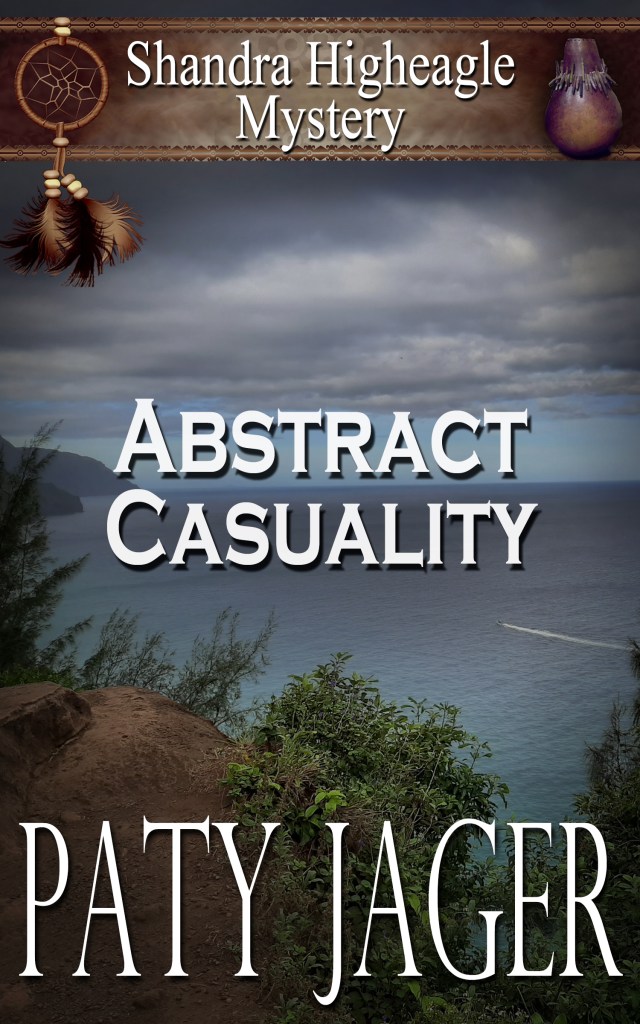
Here is Abstract Casualty

Book 14 in the Shandra Higheagle Mystery series

Hawaiian adventure, Deceit, Murder

Shandra Higheagle is asked to juror an art exhibition on the island of Kauai, Hawaii.

After an altercation at the exhibition, the chairwoman of the event, Shandra’s friend, arrives home with torn clothes, scratches, and stating she tried to save an angry artist who fell over a cliff. Shandra and Ryan begin piecing together information to figure out if the friend did try to save the artist or helped him over the edge.

During the investigation, Shandra comes across a person who reminds her of an unhealthy time in her past. Knowing this man and the one from her past, she is determined to find his connection to the dead artist.  When her grandmother doesn’t come to her in dreams, Shandra wonders if her past is blinding her from the truth.

https://books2read.com/u/4XXLke

Dr. Missye K. Clarke, Writing Life Coach @ Your Service!

Ordinarily this blog offers tips, pointers, secrets of the writing life you can implement in your own mysteries and shorts. But life’s kickin’ my keister recovering from a rotten cold and two vicious sickle cell crises in as many months, so let’s have a little fun. For this post, I’ve on my what-happens-when-life-demands-my-writing-time Life Coach cap for insight, wisdom, and experiences dealing with the not-so-nice parts of your writing life. I’m positive these brave ladies who’ve asked theses questions, you, Everyday Susan and Typical Jo, have asked yourselves this, too.

So let’s get to it!

Q: Dr. Missye, what’s some good writing advice you can offer? I’m a mom to two under eighteen, working full time, keep house, and have a husband. Where do I find writing time?

Did I mention my kids are Gen Z, I’m a Gen X’er, and my husband’s a front-end millennial? HELP!!!

Thanks,
“Eugenie

A: Great question, Eugenie! I’ll do my best to give a satisfactory answer–but at the end of the day, you have to go with what’s best for you in your situation.

Firstly, being pulled in multiple directions is awful, isn’t it? Nobody understands. We’re stuck between generations. Or you’re feeling it more than the others do. Whichever the case . . . just . . . breathe. In. Out. Repeat. Remind yourself as you deep breathe: This, too, shall pass. This, too, shall pass.

You’re good? Talked all down? Okay.

So. You’ve babies under eighteen . . . aawww. Cherish them now; they’ll be grown and gone before you know it. This’ll be antipoden in what you want to hear, but your writing life may need to hit pause as you raise your kidlets. Too many authors have neglected their kids for their imaginary worlds, justifying this with the millions they’ll make to make up for it. Wrong. They want YOU, not possessions (yeah, I’ll say it: “Cat’s in the Cradle” by Harry Chapin, anyone?), so be there for them. If you must write, do so when they’re asleep, while they’re in school, or involved with other peripherals.

In working full-time while shoehorned in with caregiving aging or ailing family members and meeting your own nuclear nest’s needs, tight time organization is essential. During obligation breaks, maybe jot lines for your story, post a quick character sketch, a scene outline, or untangle a plot kink via a story device app. Or unwind with an audiobook. Find snatches of time you can to put into write, draft, outline, hell, even sleep. Some “you” time is essential and not at all wasted during this hectic activity, too. You’ll go bats if you don’t.

Note this, if nothing else: Please don’t compare your writing like and time with anyone else’s. You’ll only discourage yourself, and to be honest, why waste that time and energy you can’t get back? This is your path. Walk it as you do. And in perspective, if providing for your family is more important than creating and crafting for the time being, so be it. Your situation isn’t anyone else’s, and you don’t know the real goings-on of that life you think is so put together, either. In other words, as your kids’ gen says–much like ours did–“Eyes on your own paper!” And just do you.

If the writing bug bites that badly, delegate house chores to hubby or area kids needing a fast buck. Have the kids clean their own room(s) and other rooms if they’re big and old enough, or they can regularly clean a room you always do. Oh, and forget perfect; the job’s done, and it’ll get dirty again regardless. But you got some writing in, and practice makes perfect, which applies to chores, too. Have a child or hubby giving you consternations–that’s also known as pitching fits for those of you in #RioLinda 😎–? That’s real easy. Make them Bed-Making Captain! Or the CDVO–Chief Dusting and Vacuuming Officer! If you give an important title with the chore, they might not complain about having to do it. Or trade–they do the work, you write, and you make their meal favorites when the chores are done. I’d’ve suggested not make a meal at all to the selfish family members, but . . . uh, well . . . calls to Children’s Services aren’t invited to be part of your life, or of this post, and nobody wants that 😏.

We all get the same 24 hours in a day. Some can get more done in that day than others. If you’re not one of them, that’s fine. Where’s it written you have to do everything in this life you wanted to do? Some things are worth leaving aside for the joy in others–and the best thing, in my life coach opinion, is raise your kiddies, be their mommy, and love every minute of their young lives. The writing will be there when they’re grown, gone, and you’ve got time to make their empty bedroom into your personal writing studio. #360Win Hope this helps. And the very best of luck to you!

Q:  Hi, Dr. Missye . . . I sure hope you can help me.

I’m involved with a man I met online. “Rod” is in Utah, I’m in Maine, and we’ve been talking regularly for almost eighteen months. We both want to make it work, but for one sticking point–he disregards my writing (I write poetry and am working on a memoir) as a flight of fancy and thinks it’s pointless. Any advice?

Constance

A: Hi, Constance (oooh, I love you name!)! Thank you so much for your question, it’s awesome! :).

Hmmm . . . well, there’s two answers for this: the starlight and moonbeams answer, or the tough-love, OG NYC gal, answer. Which do you want?

Oh, good, the tough-love answer. The starlight and moonbeams answer–yeah . . . I got nothin’.

Kidding!

This is a two-part question, so I’ll take the obvious one first. If you and Rod really want this to work, possibly you can meet halfway between your home states and make a weekend of some touristy spots in Indianapolis (been there; lovely city, that!), Nashville (for me, it’s meh, but you might dig better’n I do.), or go big and bold in New Orleans. The idea is to find if you honestly have chemistry more than just talking online? You have to be in one another’s spatial space to know if there’s electricity between you two in real time (Yeah, #RioLinda, lookin’ at you–that’s IRT spelled out!). If he balks or bails, give him time to explain why you felt like a big box of swampy skunk-ass getting stood up–or have the pleasure of telling him off before you declare you’re never bothering with him again–but in your gut, you’ll have your answer.

Second part: when you say he disregards your writing, you weren’t specific. He disregards it how? Does he call it degrading names (“silly,” “waste of time”)? Is he dismissive (“Who’s gonna buy it?” “Are you any good?” “Aren’t you a little old to play pretend?”)? A deeper question–why do you let him do this to what you hold dear? What’s been your response? Have you defended it? Have you asked him to not invade that boundary? If he’s this flippant about your creative choices, it’s time to play Pick A Door. You can choose Door, Stage Left by never mentioning this to him again–on this and other issues, you don’t have to always see the same POV–but he doesn’t get to disrespect you verbally, permitted his opinion notwithstanding. If he cares for you as he says he does, he’ll choose wiser words in the future, Men, I’ve found, either grunt through the English language while gnawing the last of a meat bone’s marrow, or they’re superfluously verbose in speech–cape, sword and all–much more than women are.

BUT . . .!

If he’s really been nasty in his views about your writing life and creativity, I’d ask why he believes this the case, and ask why does he need to be so cruel expressing himself this way. While sharing, while you respect his having that stance, it hurts you he does hold it. You mentioned this has been a sticking point between you two, so I’d imagine y’all have been talking about it. Maybe he’s insecure how far you’ve gotten. Maybe he’s threatened by what you can do what he’s strove to do and couldn’t achieve. Maybe he genuinely believes you’re not good enough, but can’t bring himself to say it. Whichever the case, it’s on you to protect your creativity. You do this by a): that’s a boundary he never crosses if you and he plan to make this work; or b): end the relationship if he can’t respect your stance or refuses to quit violating that boundary. You respect his having those views, asinine as they may be, and likely told him so. If he claims to hold deep feelings for you, he’ll rethink his position with care and wisdom, keep his views to himself, or work on himself to abandon them altogether. You deserve peace of mind, body, soul, and spirit. Get that however you can. If he’s incapable of holding up this side of the relationship, things between you and he might’ve run its course.

Thank you for letting me share this angle of the writing life with you. Everything touches everything else. When you’re emotionally instigated, it’ll resonate in your writing world in the most profound ways.

Namaste.

We Are The Other?

Janis Patterson

In these tiresome days of Political Correctness and ‘woke-dom’ there is a small battle raging about using italics for non-English words in book manuscripts. “It is divisive,” shriek the PC crowd. “It fosters other-ness and is not inclusive.”

Well, duh!

When speaking of a book written in English for the use of an English-speaking audience, of course the writer should use italics for foreign words and phrases. The words are foreign words, not English words – they are ‘other.’ Italics show that. It’s not divisiveness, it’s clarity, showing the reader that this is a different language. Some words in other languages are spelled the same but have wildly different meanings. (For example : douche (French) and douche (English) while having the same familial root are totally different things.) Without italics to differentiate what is English and what is another language, the reader can be confused and pulled out of the story to puzzle it through, and no writer wants that. Of course, that homophonic mayhem happens in all-English books, too – if I read one more story that mixes up ‘grizzly’ and ‘grisly’ that book, like a number of others, will end up smashing against the wall. Words are the tools of the writer, and one should learn to use one’s tools properly. To do less is to disrespect both the art of writing and the intelligence of the reader.

To make things even more confusing, the PC crowd applauds the use of a bunch of weird self-chosen pronouns that a small portion of the population uses to describe themselves which, while doubtless emotionally satisfying to them, are linguistically and societally bizarre. How can there be anything else but a deliberate ‘other-ness’ when an individual refers to him/her/itself as ‘they’? Talk about mixed signals!

Of course an individual has the right to call themselves anything they like; that is freedom of speech in its purest form and is guaranteed under the First Amendment. Those who want to use the ‘new’ pronouns are most definitely free to do so, but no one has the right to demand that everyone else use them, most especially in a written format. The result is a linguistic minefield.

The essence of language is communication. Language is nothing but a collection of sounds and syllables to convey ideas, but it only works if everyone understands what those sounds and syllables mean. This is especially true for writers, for they must communicate by written symbols only, without the supporting means of vocal intonation and facial expressions.

Can you imagine the delicious confusion (or might it be deliberate obfuscation?) in a mystery when a single individual obviously speaking in the first person refers to himself as ‘they’ or ‘we’? How does the poor confounded detective/sleuth react, especially if he is not up to speed on this linguistic trend? That could almost be a subplot in itself.

Conversely, the essence of communication – especially for writers and the written word – is language. We need the same reference points, the same starting points for efficient interaction. Standard linguistics offer this universal base. If a non-English word in an English language book is italicized, everyone knows it is not English, even if it is identical in spelling to an English word with a totally different meaning. If a writer uses the ‘new’ pronoun structure, he’d better have a really good reason that forwards the story or risk confusing and perhaps even alienating his readers.

Years ago someone coined the phrase K I S S – Keep It Simple, Stupid (or Silly, depending on to whom you’re talking). It’s still good advice. Good communication is simple, and the foremost tool in the writer’s toolkit.


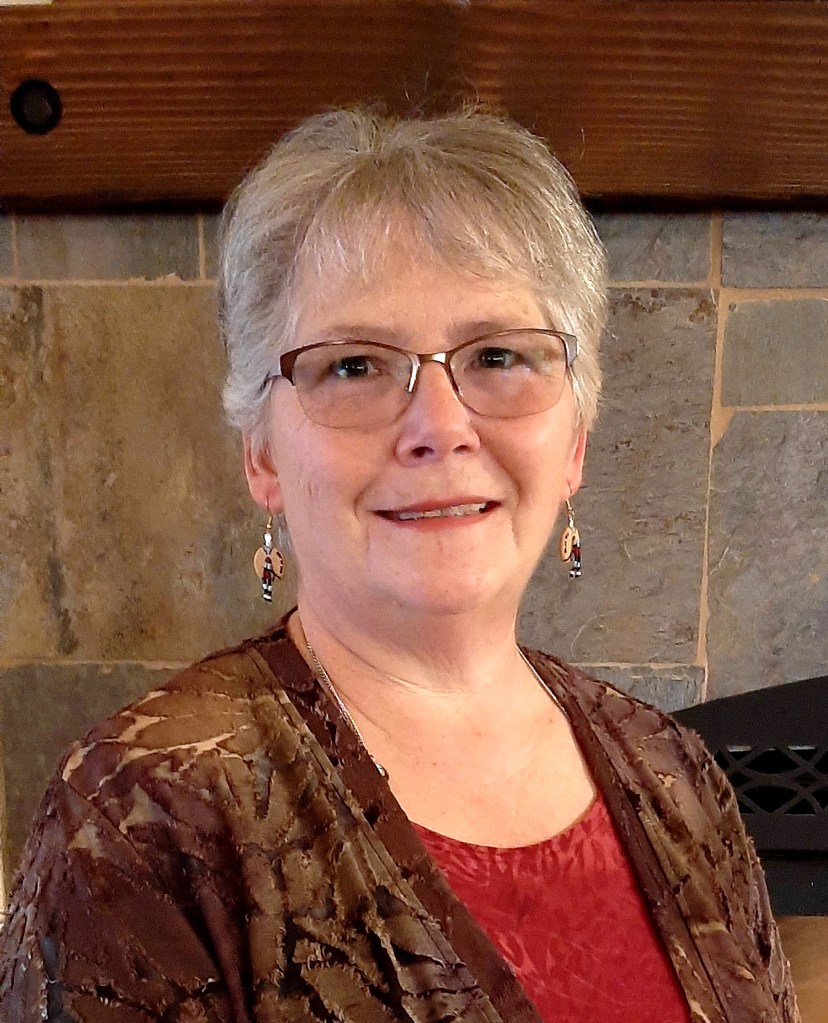
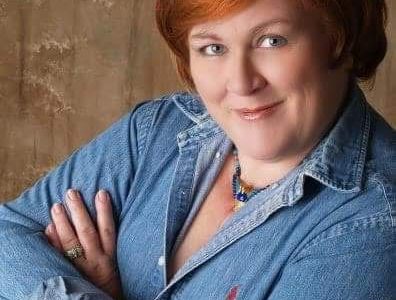
Personal Note – if you have been a reader of this blog for a while doubtless you have been accustomed to seeing my picture with blonde hair. It’s red now, both in the picture and on my head. I finally decided that it would be a charitable act to give the general populace a warning label.