The Birth of a New Book

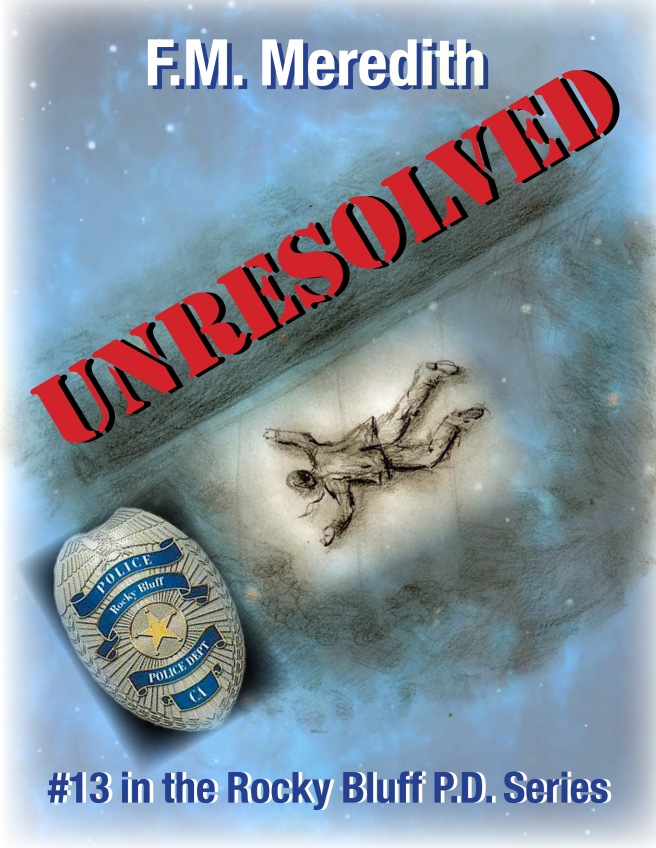
Unresolved is number 13 in the Rocky Bluff P.D. series, a book that I feared would never become a reality.

The publisher of the series suffered a serious illness, one she is recovering from now, but the publishing company has been put on hold for the time being. I continued writing Unresolved even though I wasn’t sure what might happen. I’m compelled to finish what I start, especially when it comes to a book I’m writing.

One of the publisher’s former writers offered to publish through his new publisher those books that were in the queue with the option that the author could return to the former publisher when and if possible. When I finished Unresolved and had it edited, I contacted this author and asked if he’d be interested in my book.

He said, “Yes,” and things have moved along quickly since then.

Today, I’m going to share the  cover and the blurb.Unresolved

#13 in the Rocky Bluff P.D. series, Unresolved Blurb:

Rocky Bluff P.D. is underpaid and understaffed and when two dead bodies turn up, the department is stretched to the limit. The mayor is the first body discovered, the second an older woman whose death is caused in a bizarre manner. Because no one liked the mayor, including his estranged wife and the members of the city council, the suspects are many, but each one has an alibi.

What this means, of course, is that I’ve had to speed up promotion plans. My first thought was a blog tour and I reached out to folks who have blogs and asked to be a guest. The tour will start on April 23rd.

I already have some in-person events scheduled–and whether or not I’ll do a special book  launch I haven’t decided.

In the meantime, I’m writing another Deputy Tempe Crabtree mystery.

This has been a busy, but exciting time.

Marilyn Meredith who is also known as F. M. Meredith


The Storms of Fortune

The laws of fiction aren’t the laws of life. Luck is a deciding factor in many aspects of our lives. Some people are born with better cards, born into the one percent. Some people are dealt such a stunningly bad hand I can only reel vicariously at the things that strike them and think, no, this much can’t happen to one person. One of my students has had so many illnesses, physical and emotional, and so many concussions, it doesn’t seem possible that she could have one more stroke of bad luck—and then one hits her.

Many years ago, I did quite a dance with bad luck and good luck, though none of my misfortunes were anywhere near as bad as hers. I was living in the Jamestown area outside of Williamsburg, Virginia, a low-lying area of wetlands near the James River. It was wonderful place for walking and running, and the townhouse I rented had a beautiful wildflower garden my landlady had put in. And then I got new neighbors. Bad luck. Their younger children were undisciplined and inconsiderate, so noisy I felt they were in my apartment all the time. My neighbor on the other side who had kids the same age agreed—those little boys were terrors. She didn’t want her children to play with them. When the wild boys finally settled down at night, their teenaged sister entertained other teens in the neighborhood on the front lawn. Every night. I had to leave if I wanted to reclaim my peace of mind, so I found a quiet place out in the country, further inland on the other side of Williamsburg. Moving was inconvenient and expensive, but it was just my chance misfortune that I had to do it.

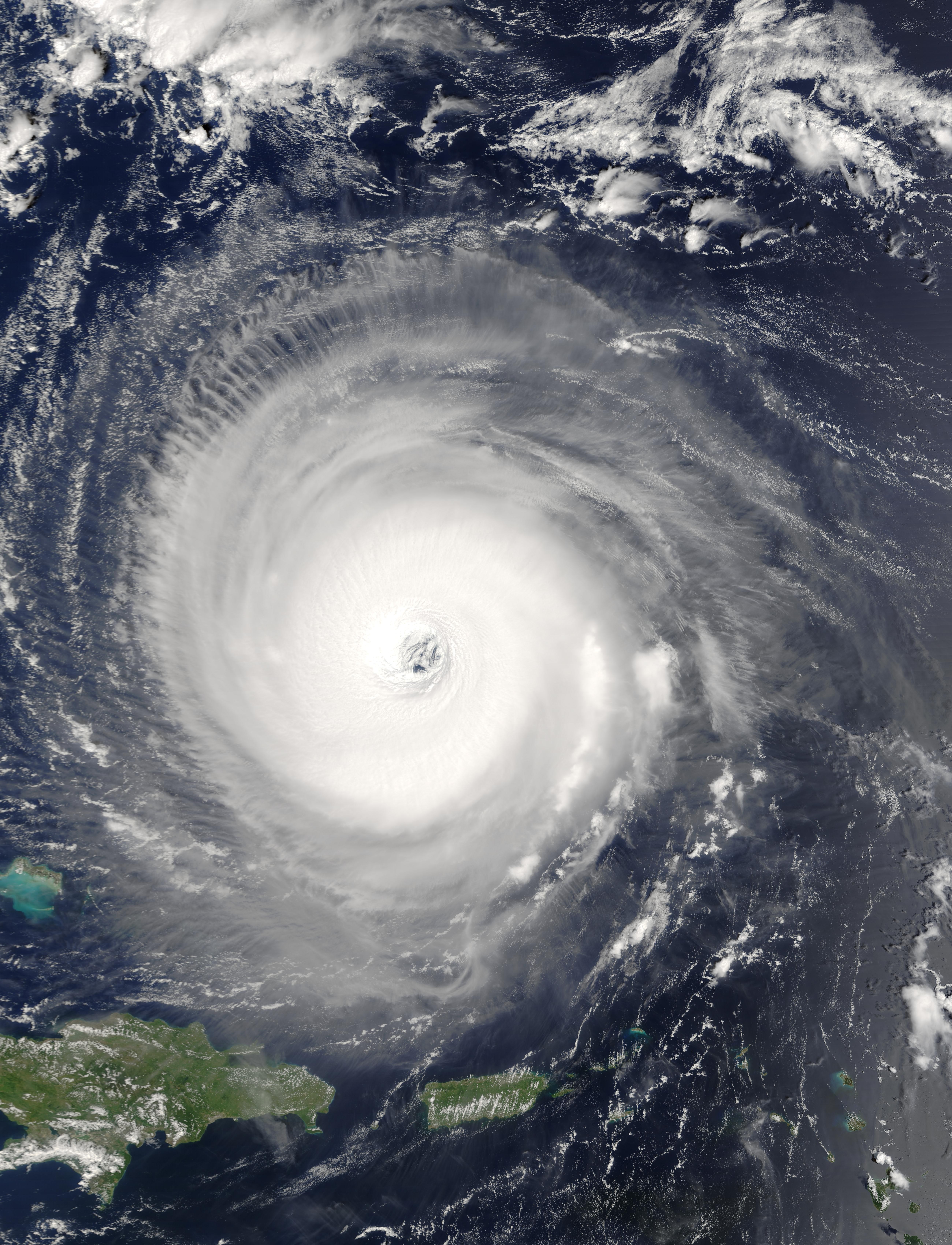
Within a month, two hurricanes struck almost back to back. The place I had been driven out of near Jamestown was flooded up to the second story. In retrospect, I had good luck to get bad neighbors. But the people who didn’t move, who might have tried to work with the homeowners’ association about the noise—they had bad luck. And none of them had earned it. Even the loud family couldn’t summon two hurricanes. This story would not work as fiction.
Overcoming adversity is the essence of a strong story in fiction, but bad luck isn’t the primary obstacle and good luck isn’t the source of success. The protagonist is in pursuit of a goal and her obstacles are organic to that pursuit. Her actions, not her luck, determine her success or failure, while the actions of antagonist, also a willful actor, create setbacks and conflicts. Readers don’t like to see chance events determine the plot. It feels as though the author cheated if she turns the plot around an unearned blessing or random disaster.

If I want to work luck into fiction, I need to give it context, such as a shamanic culture’s prediction that if you refuse your calling as a seer or healer, bad luck will follow you until you accept the call. (As the title suggests, this is a theme in the first Mae Martin mystery, The Calling.) Another way to work with good or bad fortune is to set it as prior history. A character in Shaman’s Blues describes himself as a “trauma magnet.” Some of his bad luck, he invited by recklessness; some it was a bad roll of the dice. But this enters the story as a pre-existing condition—quite literally, since it’s set in 2010 and he’s uninsured and uninsurable. That’s his background. What happens in the plot depends on his choices, given his circumstances at the point at which the story begins.

I recently read a powerful novel, Peter Heller’s The Painter, in which nature is almost a character. The protagonist, through a series of emotionally driven decisions, ends up being pursued on back country roads by someone who seems determined to kill him. The author develops everything that builds up to this chase, so there are no events that feel like luck. We know the lead character has a good truck for rough-track driving; he camps and fishes throughout the book and the truck is ever-present in the story. He’s in an unfamiliar stretch of mountains and woods but in a region he knows well. And the weather has been threatening. The flash flood he encounters is random luck, but he put himself in the situation, and it’s the decision he makes in reaction to it that determines which kind of luck it is, and what kind of man he is, too.

That’s the satisfaction of fiction. The catharsis, the resolution. It can make us feel that even luck itself is within the grasp of our limited human strength.

What’s in a Name?

thumb_IMG_1225_1024

I had the great pleasure of attending a presentation by Elizabeth George at a New England Crime Bake conference a few years back. Ms. George is one of my favorite authors — not just one of my favorite mystery writers, but one of my all time favorite writers. Crime Bake is one of those wonderful small conferences attended by a wide variety of mystery writers, designed to teach, discuss and celebrate writing and reading mysteries. Together, it was an idyllic combination.

crime-bake-logo

At her presentation, Ms. George drew from her book, Write Away, to share a few choice ideas and approaches that helped her strengthen her writing. I had of course already read her book, but it was fun to see which ideas she highlighted, to see what she considered the most important to share with a group of mystery writers and readers in a short amount of time.

She touched on a few topics, one of which was the importance of names. She’d struggled with a character in one of her books, she told us, until she realized she’d given the character the wrong name! Once the name was corrected, the character’s personality, strengths and weaknesses all fell into place. A name has meaning.

avenue-park-752965_1280

I’ve been thinking about her presentation a lot recently, because I’ve been struggling with the name of one of my characters in my work in progress. Oddly, it’s not that I have a character without a name. It’s that I have a name without a character. The theme of my book is redemption and hope, and I believe I have a character named Saul. Or perhaps Paul. My Christian upbringing is exposing itself, but whenever I think of a person making a life changing decision and seeking redemption, I think of Saint Paul (also known as Saul) as he had his epiphany on the road to Damascus.

But I just can’t get the name to fit. Maybe I’m wrong about which character is seeking redemption. Perhaps I don’t have a character named Saul or Paul at all, he’s simply hiding behind the scenes directing things. I don’t know. I haven’t figured it out yet.

I’m reminded of Paty Jager’s post here on Ladies of Mystery last week about moving her story back to the town in which it belongs. Once the story is brought home, it all falls into place. It’s the same with getting the right name.

Unfortunately, I’m still waiting to meet my Saul.

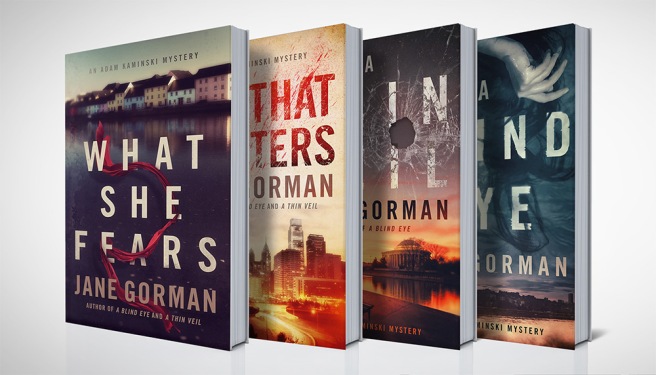
Learn more about Jane Gorman at her website or visit her on Facebook, Twitter or Amazon.

Adam-Kaminski-Mystery-Series

Staying Small Town by Paty Jager

20170311_100646 (400x225)

As I was contemplating the next Shandra Higheagle Mystery, I thought I needed to take her out of Huckleberry and away from the reservation to not have critics saying there are too many murders in the ski resort or on the reservation.

Then there was a timely blog post at Mystery Readers.org about small town cops, which had me thinking about my small town amateur sleuth.

While we all know small towns have a lower rate of murders, the small town atmosphere is what makes placing a mystery there so enticing. My character, Shandra Higheagle knows many of the local people. Her conversations are much like that of Miss Marple in the Agatha Christie books. She doesn’t wander about in an apparent aimless way asking questions like Miss Marple, but she does use the knowledge of the people in Huckleberry or the Reservation to learn the information that helps her, along with her dreams, unravel the murders.

From the blog post on small town murders, it seemed readers are willing to put up with an unusual amount of people being knocked off in a small area if you give proper reasons for the murders and give them a good test to their detective skills.

After reading the post, I moved the next book back to Huckleberry and the crime and suspects came to me like a barrage of hungry dogs. (No offense, Sheba). Putting my story back in the town I knew, with people I knew, and using one of the scenarios I’d already set up in previous books, I couldn’t wait to get started on this book.

The only thing eluding me now is the title. All the other books in the series, I had the title before I started writing. But this one is still waiting to come to me. I’m thinking Fatal Fall, because the body is found at the bottom of the stairs, and the word fall could work into the premise of the story. But I could also use Fatal Tale, as the dead person is telling her memoirs to a ghost writer.  So who knows. It may end up something completely different. 😉

SH Mug Art

blog / websiteFacebook / Paty’s Posse / Goodreads / Twitter / Pinterest


What Happens Next

by Janis Patterson

After listening to those of my friends who have become mothers – some several times – the more I am convinced that finishing a book is sort of like having a baby. The initial idea is delightful and often quite pleasurable. The gestation period is variable, ranging from horrendous to enjoyable, and sometimes both on any given day. The final wind-up is a lot of hard work and sweat, and though a book does not cause the same amount of physical pain as a baby, with a book you cannot be anesthetized to insensibility and then wake up to a brand new book.

Once the deed is done and over with, though, and The End typed boldly at the bottom of the manuscript a debilitating lassitude creeps in. You feel hollow and in an odd way bereft. That which you have cossetted, worried over, been obsessed with, hated, and loved pretty much to the exclusion of all else for X number of months is gone. It is no longer extant only within you. It lies there on table or hard drive, unable to take flight on its own, but neither a part of you any longer. It is no longer totally dependent on you.

Oh, it’s still very much in need of you, and in a way perhaps the hardest work of all lies ahead. Edits. Congruency runs. (You don’t want a character named Eddie to be called Charlie in chapters 4 and 21 when there is no plotline reason for it.) More edits. Revisions. Perhaps even more edits and revisions in a seemingly endless obscene dance. Then, when it is finally spruced up and ready to be seen out in the world, there are the submissions to agents and editors, or if self-publishing, the conferences with cover artists, even more kinds of editors and formatters. No matter how you are publishing there is publicity to be thought of and budgeted for, even perhaps ARCs to be sent out and reviews to be solicited.

But that is in the future. At the moment you have just typed The End, and that hollow feeling is enveloping you. I cannot do this again, you think. This is absolutely the last time. Even when an idea – a new idea, a simply splendid idea that will never give you the trouble and pain this one did – pops into your brain you are so totally wrung out it doesn’t even sound appealing. You’re never going to do this again.

I know. I just finished a book day before yesterday that has given me no end of pain and problems and trouble. And I know the unholy circus of editing and all the rest lies in front of me. The whole idea seems so daunting I want nothing more than to lay my wrung-out, bereft, hollow self down with a margarita within easy reach and do nothing.

If only that dratted new, shiny, oh-so-delectible idea would just go away and leave me alone…