If Wishes Were Horses…

by Janis Patterson

Hello. My name is Janis and I am a word nerd.


I love old words, convoluted words, obscure words… Unfortunately, it is definitely genetic. My father was the same way, and one of the delights of my early youth was playing esoteric word games with him. Which, I might add, gave me an everyday (to me, at least) vocabulary that did not endear me to the educational system. In grade school I learned quickly to accept that my automatic use of what were to me perfectly ordinary words would upset and draw the derision of my classmates; what I did not expect was that it would have a similar effect on the teachers, who had to have it proven that the words I used were not made up nonsense syllables but perfectly good – if not really common – English words. For several years I had to make it a practice to always carry a large dictionary with me. That was only one of the things about public education which earned my (well-deserved) contempt. I have never suffered fools gladly.


Anyway, that is an overly long explanation for why I’m on several word-a-day type daily emails. About half the time the words are too common to be much noticed, but every so often there is a really good one. Today I received the word velleity, which means “a wish or inclination not strong enough to lead to action.”


Wow! Who hasn’t felt like that at least once if not many times?


We all know those people who say “I want to write a novel” but never actually do anything toward it. Then there are those of us who do write who say “I would like to do a book about … (whatever subject is currently teasing our mind)” but the project never goes beyond a vague wish. There are millions of possibilities, and everyone indulges occasionally. My grandmother would have called it daydreaming.


And that’s okay. We all work on many levels at all times, and not all ideas/wishes/concepts are destined to bear fruit. Sometimes it’s little more than ‘play-time’ for our minds, which probably need it more than the rest of us. Nothing can do work all the time, and play time is essential.


It also goes beyond writing. Multiple times I personally have expressed a wish for some unknown reason to learn how to crochet, once even going so far as to buy a hook and some yarn. Both of them are now gathering metaphoric dust at the bottom of some drawer or other, as that is as far as I have ever gone. Velleity in action. The same goes for reorganizing my kitchen (where I usually spend as little time as possible), or creating an herb bed in the back yard (when I sadly possess a black thumb invariably deadly to all living plants), or any number of momentarily alluring but basically low/no priority daydreams.


However, I am a true believer that energy is never wasted, even the ephemeral energy of a transitory daydream. It merely changes form. Case in point, the herb garden. I actually did some reading on herb gardens and while a real herb garden never appeared in my life, it did in one of my books, enhancing it greatly. See? Energy really is never wasted.
So, dream your dreams – just don’t let them take over your life. You might never bring them to the fruition of reality, but someday somewhere somehow they might be just the thing you need to complete some other venue.


Now I must go, because I’m thinking about how nice it would be to paint our guest bathroom…

Settings and Seasons

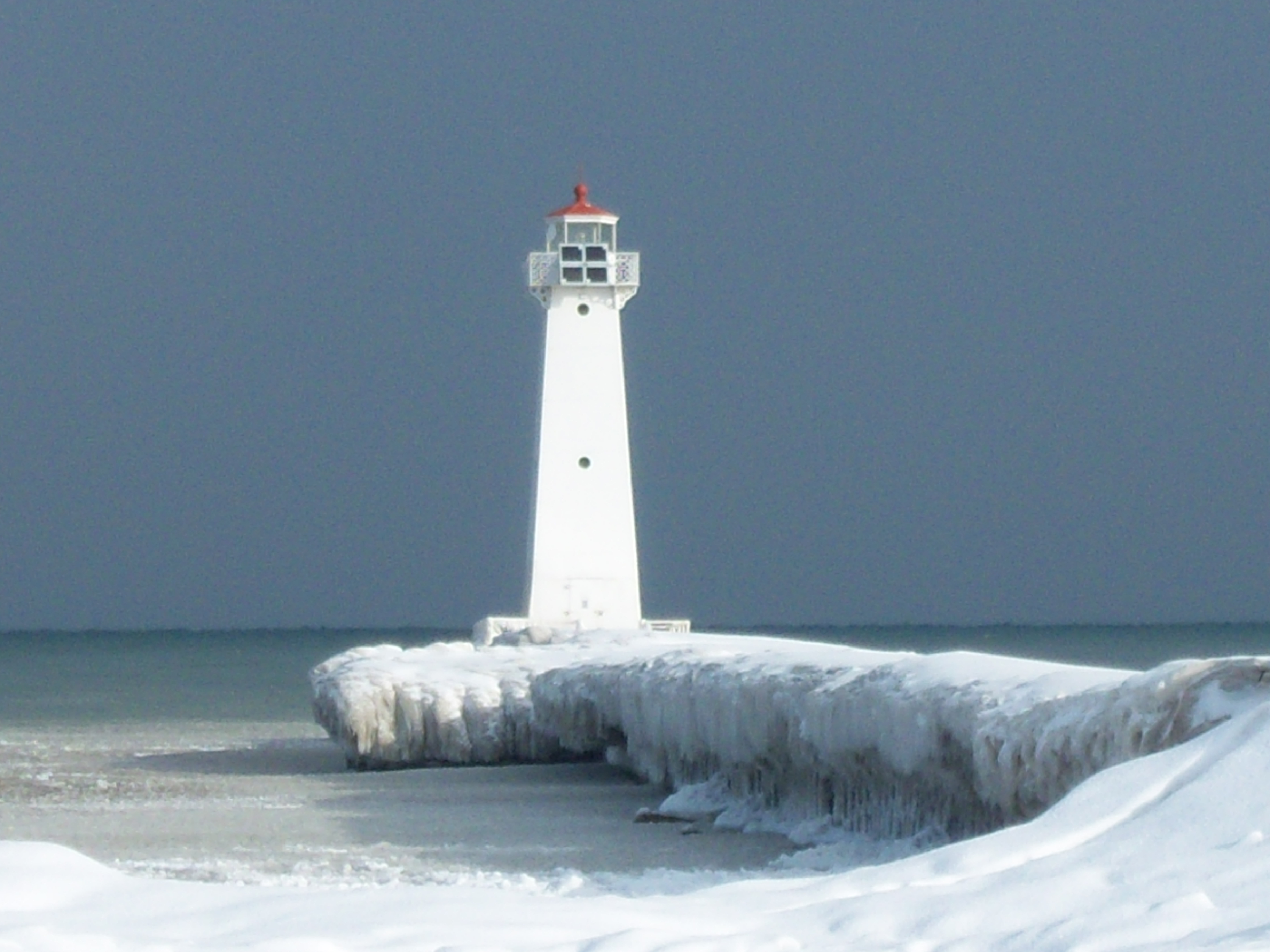
This morning when I went out to walk the dog, the temperature was 12 degrees. When the breeze came along, it cut. But it’s also dry. When I think about winter I prefer cold and dry to warmer and wet (think snow and ice).

During my walk I often compose sentences to add to whatever I’m working on when I get back to the house, or just because I feel like writing a sentence in my head. This morning the cold held my attention, and I began thinking about how this degree of cold would affect an amateur sleuth hot on someone’s trail. Snowy and cold would make the situation even worse.

Since I live in New England, famous for its winters, most of my mysteries, long or short, are set in pleasant, or at least tolerable, weather—in spring, summer, or fall. Winter poses challenges that my characters don’t have to face, challenges that could change the plot, the direction of the story, the success of the sleuth and the authorities. Perhaps the sleuth has only a few minutes to reach a location to rescue someone, but it’s snowing, the roads are icy, the stop lights not working because of a power failure, the streets impassable in some places. The weather certainly ratchets up the suspense. (Sounds like my drive home from work years ago.)

In a city the sleuth could travel faster and more safely by subway, but at least in my area (Boston), that means a different kind of problem—subway car breakdowns. (To be fair, in Boston subway cars break down in every season.) Or, this could be the start of a story—the subway car stuck in a tunnel. When the car starts up again and makes it to the station, the riders trip over a dead body blocking the exit. Is the killer still on the car, or did that person somehow get off and escape through the tunnel? Will he or she survive in subzero weather underground?

I will admit that when I go about choosing the setting in a warmish season, I’m really thinking about myself—how easy it is to get around, to get things done, to get anywhere I want to go. Winter is a chore for me. And on cold days, though I don’t actually mind them, having grown up in New England, I’m aware of how much effort it takes to make the transition to outdoors—scarf, hat, coat, boots or heavy shoes, mittens, sometimes even a hand warmer for a long walk. But now that I’ve thought up a number of scenarios relying on cold weather, perhaps I’ll make a change.

The weather is going to remain well below freezing for the next day or two, and then warm up. That gives me plenty of time to work out the basic plot of a story set in bitter cold weather, with all the worries and challenges that come with that setting. And I get to write the story while I’m warm inside.

As we head into Christmas, I hope all of you reading this are warm inside with your families and friends, good food, and a pet if you have one, enjoying the season and the freedom to write whatever you want.

Fiction or Fact: That Is the Question by Karen Shughart

If you’ve read any of the books in my Edmund DeCleryk Cozy mystery series, by now you will have noticed that with each murder there’s a historical back story that gives clues as to why the crime occurred.

When I conceived the series I decided to write about what I knew, which meant describing the beauty where we live up here on the southern shore of Lake Ontario: the beaches; fruit orchards; quaint homes and cottages, and the stunning weather that changes with each season. There’s also our close knit and friendly community and a rich tradition of history.

Across the lake lies Canada and in the middle of it, where the depths can reach 800 feet, shipwrecks occurred starting long before the Revolutionary War. The British invaded our village and burned most of it down during the War of 1812, and an active and committed abolitionist movement and the Underground Railroad helped to change the course of history. In the 1920s, rumrunners from Main Duck Island in Prince Edward, Ontario piloted across the lake to Chimney Bluffs-drumlins created by icebergs with a broad beach below-to supply the speakeasies here with booze. During World War II, several prisoner-of-war camps housed German soldiers, one of which has been converted to a state park near our home.

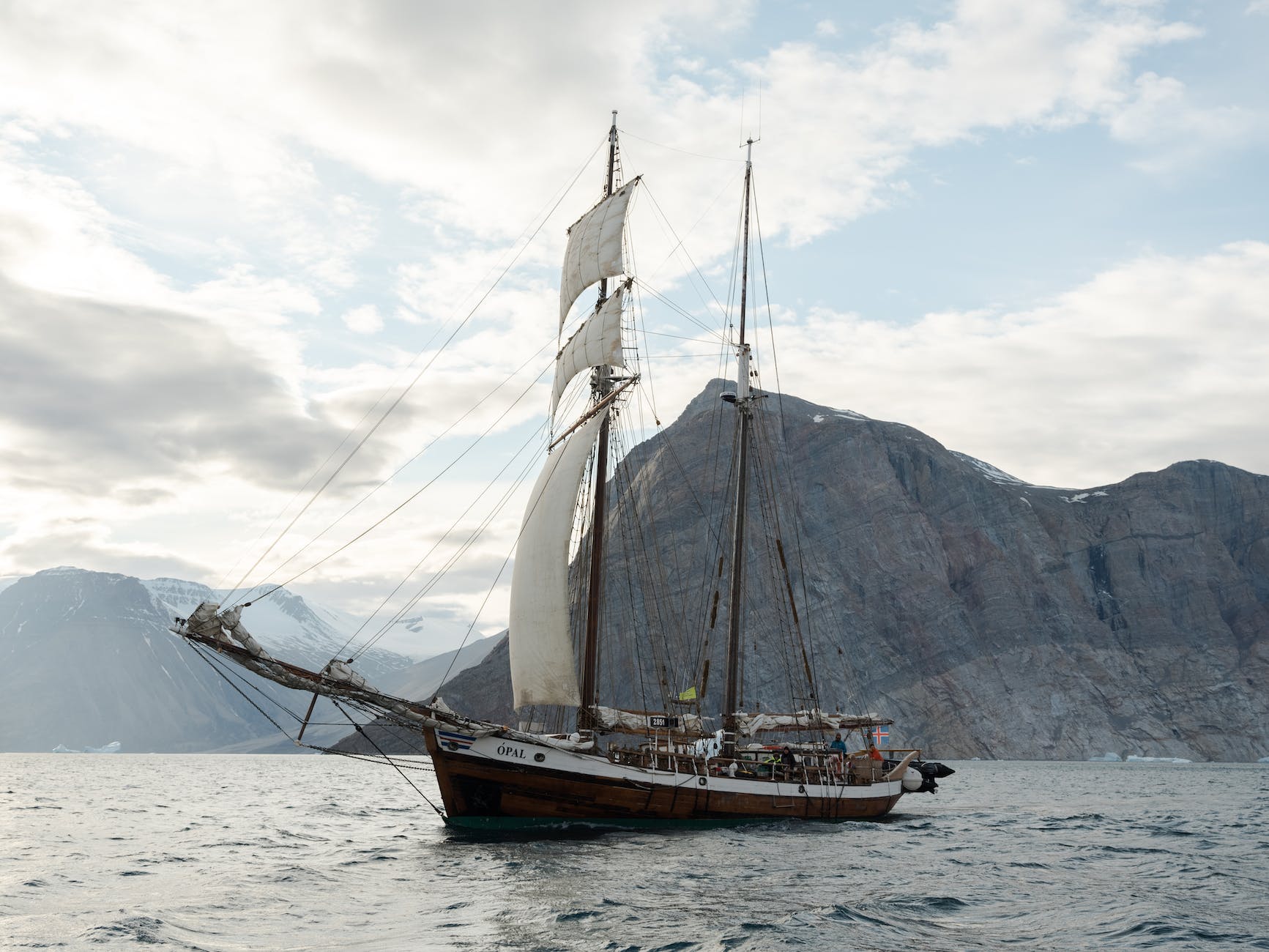
Photo by ArtHouse Studio on Pexels.com

I’ve been asked numerous times, at books talks and signings, about the inclusion of history into my books and the incidents are real. While the historical events are based on actual occurrences, I remind my readers that I write fiction, so history is merely a way to enhance the plot. Mostly, the characters are fictional and the details surrounding the events are figments of my imagination, although I do occasionally slip a real character into the mix.

In book one, King George, III had a minor role; in book two, I name-drop Morgan Lewis, the fourth governor of New York and quartermaster general during the War of 1812, whose father was a signer of the Declaration of Independence. In Murder at Freedom Hill, I mention Abe Lincoln  once or twice along with Frederick Douglass and Susan B. Anthony, but only to provide context to the back story.

I just started writing book four in the series, Murder at Chimney Bluffs. It’s early days, so at this point I have no idea who my historical celebrity will be, but whoever it is will have either supported Prohibition or opposed it, or be one of those mysterious crime bosses who organized the trips back and forth across the lake. I’ll figure it out as I move forward.

What I tell my readers is that what I love about writing fiction is that I can pretty much do anything I want with the plot, name dropping and historical events notwithstanding.  I wouldn’t have it any other way.

Silver Linings and Simple Pleasures


by Janis Patterson


Update – we still don’t have our new refrigerator despite two unkept promises of delivery dates (thank you, Lowe’s!) and someone finally had the decency to tell us that it wasn’t even in the country yet (thank you, GE!). And yes, I’m being very sarcastic, but my true thoughts on both these entities are not fit for public pixilation. I’ve quit calling Lowe’s for updates and go over to the store to trap the salesman and occasionally his manager for an eye-to-eye confrontation. This last time I was promised (which means nothing, as every failed delivery date was a promise) that I would have my white, basic French door refrigerator by Christmas. (This was after he was telling me the not heartening news that another special order refrigerator had taken 18 months to be delivered.) I looked him square in the eye and asked if he meant Christmas, 2022. It was not encouraging that he said nothing.


Sad thing is, I could have had a bright pink refrigerator within a week of ordering. (Wrong color, wrong size, wrong configuration, waaaay wrong price, though.) I still don’t understand why a basic white refrigerator has to be a special order!


On to other news. Everything seems to have gone wonky this fall – except for our glorious trip to Egypt (and my trip diary is available to read for free on my website). Some backstory on the most painful problem – during his last Iraqi deployment several years ago The Husband injured his left shoulder. It healed pretty much, though it has given him some trouble from time to time, but while in Egypt he had the bird-brained idea to go down in the Bent Pyramid – perhaps the hairiest and most dangerous pyramid available to tourists. Why he went, I don’t know, as he has done it before.

Well, sometime in the tour he reinjured that same shoulder and it has been giving him terrible pain ever since. We’ve been to a doc-in-the-box, our personal physician, an orthopedic specialist, several multi-week rounds of physical therapy, an X-Ray and an MRI… and his shoulder is getting better, but very little and very slowly. (I think I told you that I told him if he ever even mentioned going down in that pyramid again I would sit on him until he gave up the idea or passed out from suffocation!)


However, I have always believed that dark clouds have silver linings. With his shoulder The Husband cannot drive, so guess who gets to be his chauffeur – driving him to his various appointments, waiting while he takes care of things and then taking him home? Right… However, this has been an unexpected blessing in two big ways. If there is grocery shopping needed, we stop at a conveniently located Aldi’s on the way back – and he has to give some input into what we eat for the next few days. (And often he just looks around and suggests we go out, which I like…)

Perhaps the best benefit, though, is that while I’m waiting I read. There’s not enough time involved for me to be expected to take my computer and write, so I just sit and read, both of which for me are rare luxuries. I’ve always loved to read – hey, I live in a house with three dedicated libraries, so that’s a given – but between writing and all its attendant duties of rewriting, publishing, publicity, et al, care of extended family and now The Husband, housework, etc., etc., etc., there has been precious little time for just pleasure reading. Thank goodness for reading apps on my phone!


Which brings me to the important part of this little screed – never underestimate how important it is for writers to read. We become so bogged down in our own work, making sure that our characters and situations are real, that action is always logical for the world we have created, even keeping track of hair and eye color and the time of day, that our word choices and grammar are acceptable, sometimes we forget the simple, overwhelming magic of the printed word. By reading the work of others we learn. Sometimes their work is incredible, opening doors and windows into realms we have never known, or may have once known but time and other things have obscured. Sometimes their work is so bad that it is a salutary lesson in what not to do. And sometimes it is so incredibly bad that it isn’t worth my time to read more than a few pages – but there are still lessons in those few awful pages.


I do sincerely hope that The Husband will soon recover fully and go back to having at least a portion of his own life. On the other hand, it would be a lie for me to say that there has not been at least a sliver of silver lining in my time spent in various waiting rooms. I got to read for pleasure without feeling guilty that I’m taking time away from working and other responsibilities, and that’s always good.

My First DSLR

I was returning to India after a seventeen-year hiatus, and my husband suggested I take a digital camera. He gave me his. The first time I returned I took a film camera. The DSLR would be much easier—no film to load and unload throughout the day, not to mention the added cost to develop and weight in my luggage.

One of my favorite side ventures is photography, something that I first tried as an eight-year-old and then again as a college student, but didn’t pick up again until my forties. Since then I’ve had two solo shows, exhibited in juried shows, and sold a few images. But the camera I use has its own story.

Michael began working in photography in college, and immediately showed an aptitude for all things photographic. He began with a Pentax and remained loyal to the brand for practical as well as technical reasons. Every Pentax lens is interchangeable on a Pentax body, and over the years he accumulated lots of lenses. Before my trip he’d been having trouble with his current DSLR, and took it to a specialist, at Hunt’s. The two men along with a technician inspected, tested, retried, retested, opened, fiddled, and couldn’t figure out why it wouldn’t register an image. The camera simply didn’t work. He didn’t buy it from Hunt’s, but the man offered him something reasonable for it. Instead, Michael brought it home and told me of the very disappointing visit. This is where it gets weird.

He came in and told me the whole story of his visit to Hunt’s, and his discussion with the owner, whom he’d worked with before and trusted. I picked up the camera, sighted it, and snapped the shutter. The image appeared and looked fine to me.

“What’s wrong with it?” I asked. “It looks okay.”

Michael looked at the image, at me holding the camera out to him, at the image, at me. He agreed it did look okay. I’ll never forget the look on his face, though I didn’t understand why his expression was so odd.

“Why don’t you take it with you to India, along with the other one.” He was referring to a small pocket digital Pentax I’d given him a few years ago that he didn’t use.

I did, and took tons of photographs. The camera was the most reliable tool I’ve ever worked with. It always worked for me. I never had any trouble with it. It never worked for him again, no matter what he did. I use it still, though I now have access to his other, more advanced cameras and lenses.

At the time I said the problem with the camera was a matter of electricity. I had less in my hands, or body, than he had. My touch didn’t interfere with the operation of the camera. Maybe I have more than he has and that helps the camera work. I have no idea. But it’s one of those odd incidents in life that reminds me of how little we know about how the physical world around us operates. 

And it perhaps explains why some of us love our tools, as though they are a part of our body, an extension of our imaginative selves as we manipulate the physical world to fit our vision. Writers do it with paper and pen, or computer and printer; carpenters with hammers and chisels and wood; photographers with camera and lenses and paper and ink. It doesn’t matter what you use; the result is the same—a world remade according to the singular vision of one particular person, a lens into another mind and its world.