

Our Love Affair with Villains and Killers
As a novelist who writes criminal procedurals (a genre name I hate), evil characters are central to my plots. The more evil they are, the more they capture the fascination of readers. It’s not that readers want the killers to win, but they do love the chase and climax when the criminals are caught and face their fate.
I like to call my writing style “plausible fiction”. While the stories are a product of my imagination, I want readers to walk away with the belief that while my novels are fictional, the stories I weave are believable. Plausible. Only then have I successfully delivered a compelling tale to my fans that hopefully puts a few chills down their spines.
I try to achieve that result through thorough research, including conversations with some of the vilest people one could ever meet. I’m often amazed how open such people will open up to me. Early in my writing career, I imagined that if I told a stranger that I was a novelist and would like to talk to them, they’d suggest I find the door. Or worse. But the exact opposite occurs. People want to talk. They want to tell their stories. I strive to make sure my readers can get into the criminal mind and find themselves conflicted with their own thoughts on right and wrong. So, I talk to both criminals and the people who protect us from them. I’m not trying to write morality plays but I want to challenge readers with a reality that can often be unsettling.
Terrorists and serial killers, always major characters in my books, are unworthy of our sympathy. They are psychopaths to their core. They have no sense of right or wrong. Yet they could be your neighbor. Someone you know who seems to act as sanely as anyone else. Most are not the scary characters you see on television or in movies. They don’t have dispositions that openly reveal their ill intent. Indeed, they are among us every day. As FBI statistics and supporting studies by non-partisan organizations show, at any given time there could be as many as fifty active serial killers on the prowl. There are thousands of unsolved murders, and experts say many of them are collections of victims slain by serial killers who were never caught.
Yet in our day-to-day lives, we should not be frightened. The chance of a serial killer lurking in your hometown is slim. You probably have a better chance of being hit by lightning than encountering one of these psychopaths. Nonetheless, we remain captivated by their stories, and it is that fascination that makes readers crave criminal procedurals.
Of course, we need our heroes, too. Someone needs to counter evil and stand for justice. And at times, they need to skirt the edge of propriety to catch the targets of their search. That happens every day. Who can blame them? If they can stop a killer, we’re all safer. But what we often miss is that our justice system has checks and balances that are important even when they seem to favor criminals. So, in my writing, I try to keep the “bad cops” well balanced against the “good cops.” That conflict is central to the plot in The Shakespeare Killer where the FBI profiler is repeatedly stumped by a mysterious serial killer murdering criminal defense lawyers.
One thing that has beguiled me, however, is the choice people make when I offer to use their name as a person in one of my books. Years ago, I used to raffle off the opportunity to choose whether you’d like to be a hero or a villain The proceeds were donated to charity. Or I’d simply ask someone I wanted to memorialize if they’d like me to use their name. Something like an homage. Every time, they chose to be a villain. Not once has anyone said they want to be a hero. In fact, when I’ve chosen to make them heroes or victims, they’re disappointed. They’d rather be an outlaw. A killer. A psychopath. And when I tell them to reconsider since it was likely I’d kill them off in a particularly gruesome manner, to a person, they’d tell me to have at them. The worse their death, the better. I’ve vaporized characters in bombings, hanged them in executions, riddled them with bullets, or made them suffer grotesque endings. The response? Sheer glee from those who face that fate.
So, I write plausible fiction that teeters close to reality and when I approach a person I want to include in the book, they choose to be killed-off in the most despicable way possible. Now ask yourself and be honest. If you’re given a choice to have your name as a character in a fictional thriller about a serial killer or terrorist, who do you want to be? The hero or the villain? And, most importantly, how would you like to be killed?
The Shakespeare Killer
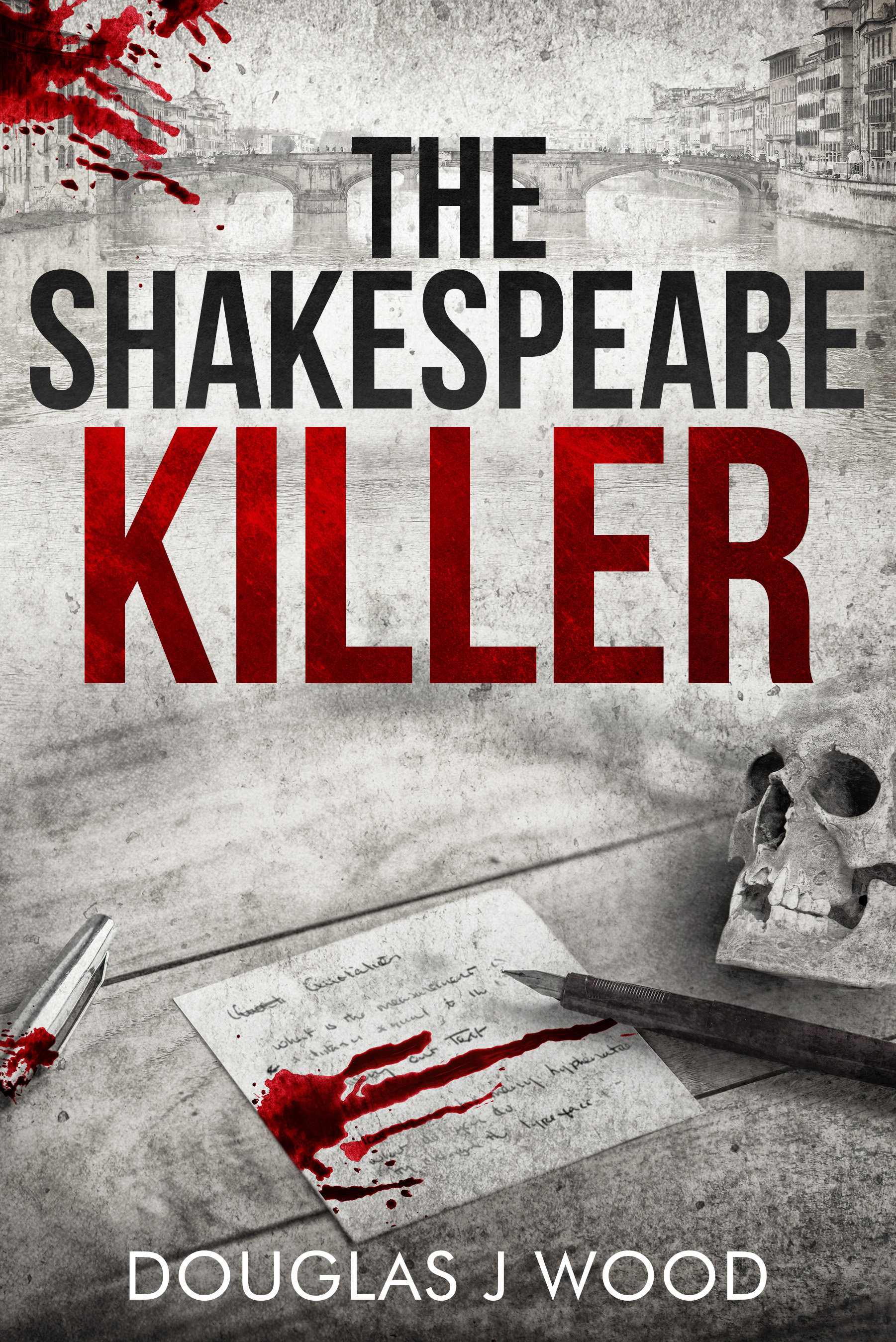
The first victim is Jacob Schneider– a prominent criminal defense attorney. His death is ruled a suicide by authorities, just like all the other defense attorneys who have died recently. However, when Special Agent Chris DiMeglio gets on the case, he receives a tip from a local reporter who suspects these deaths are connected. Between the victim profiles, the suicide notes, and the unusual methods of death, it soon becomes obvious the FBI has yet another serial killer on their hands.
The Shakespeare Killer is a new mystery from Douglas J. Wood featuring Special Agent Chris DiMeglio. This case is particularly sadistic and soon DeMiglio starts receiving texts referencing Shakespearean characters and a clear motive to “kill all the lawyers.” With the lives of so many at stake, DiMeglio is forced to play a heart-pounding, cat and mouse game to find the culprit and stop the killing.
Amazon buy link: https://www.amazon.com/Shakespeare-Killer-Douglas-J-Wood/dp/B0C4HLQ82S/
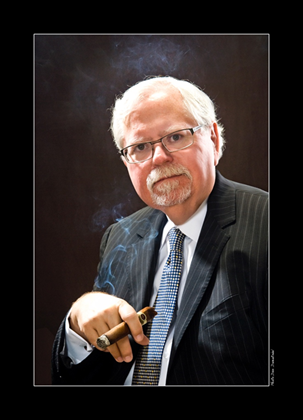
Douglas J. Wood is the author of multiple award-winning books, both fiction and non-fiction. Including his Samantha Harrison series; his memoir, Asshole Attorney: Memories, Musings, and Missteps in A 40-Year Career (2019 Independent Press Award for Best Humor and Wit); Dark Data: Control, Alt, Delete, a thriller about cyberwar and financial terrorism (2020 Independent Press Award for Best Political Thriller); critically acclaimed Dragon on the Far Side of the Moon (2021); and Blood on the Bayou, a police procedural about a serial killer in New Orleans (2023 Independent Press Award Distinguished Favorite in Crime Fiction). The Shakespeare Killer is his seventh novel and a sequel to Blood on the Bayou.
As Senior Counsel at the law firm of Reed Smith LLP, he gained over 45 years of experience practicing entertainment and media law, often imparting knowledge from his career in his books. Listed among the leading global specialists in advertising law in Chambers, the Legal 500, The Best Lawyers in America, and Super Lawyers, he is known and respected worldwide and is a member of the Legal 500 Hall of Fame. He received his BA from the University of Rhode Island, his Juris Doctor from the Franklin Pierce Law Center, a Masters of Law in Trade Regulation from New York University School of Law, and an Honorary Doctor of Laws from the University of New Hampshire.
Doug currently lives in North Carolina with his wife of 49 years, Carol Ann. They are blessed with three grown children and four adorable grandchildren.
Author website: https://douglasjwood.com/
Instagram: https://www.instagram.com/douglasjwoodauthor
Facebook: https://www.facebook.com/douglaswoodauthor
Twitter: https://twitter.com/djwood1976
 Ladies of Mystery
You must be logged in to post a comment.