Guest Blogger ~ Denise Forsythe

5 Tips on Researching a Novel

by Denise Forsythe

As a writer of both short stories and novels, I’ve grown accustomed to research. It is a part of writing, much like plotting and editing. Because I’m naturally curious, I have to limit the amount of research I do on any given subject.

When I began writing Misconception, a domestic suspense thriller, I had no idea how much research I’d need to do. That’s because up until then I’d been a short story writer and only needed to research small bits of information to propel my plot forward.

A tried-and-true pantser, the ideas that combined to form the plot led me to realize just how much research was needed.

The book contains medical research on infertility, psychological research on personality types and disorders, employment research on workplace disputes and criminal law research, including jail/prison conditions for female inmates.

What worked for me and what I will share are five tips on how to get through the research hurdle.

1) To avoid long gaps in writing while researching subjects, consider doing just enough cursory research. That means conducting research prior to or early on during your first draft. That way you’ll avoid having to correct large parts of your story or manuscript later on. In my case, as I was writing Misconception I decided to set the story in Chicago. I felt the large city coupled with challenging weather would set a moody tone for the domestic suspense thriller. This is especially beneficial when you are deep into developing characters and plot points. Once you are at a point to take stock of what you’ve written so far, you can continue researching and filling in any gaps. This can also reduce the chance of falling into a rabbit hole by limiting what you need to advance the story.

2) Create a system to keep track of research sources. I use Scrivener to write my manuscripts. The software provides a handy corkboard to place website links right next to the page where the information will be placed. It’s important to obtain at least two to three resources for each subject, to ensure information or resource isn’t outdated or incorrect.

3) While artificial intelligence resources can be helpful, I would caution their use. Though a resource like ChatGPT can narrow down resource options, it isn’t a replacement for doing your own thorough research. Some resources I used included: WebMD and Health.com for medical conditions, university educational programs for fertility specialty information, past news coverage of sports and team rivalries, news coverage and/or documentaries on jail conditions, fertility health associations, hospital chapel coverage by local newspapers and a website called Lifeway that offers examples of funeral sermons.

4) Check and recheck sources. It’s a good idea to use respected sources for medical and legal research and avoid copying what you see on television or in movies. Tapping into my past experience as a paralegal working for a New York City DA’s office, I knew my knowledge of criminal law wasn’t enough to flesh out the details of Cassie Nichols’ harrowing journey through the Wisconsin legal system. Make sure to drill down to the state, and sometimes the city, when it comes to researching criminal law. I researched specific areas from a state and local angle, going so far as to find real accounts of what jail conditions are like and locating transcripts of initial court appearances so I could use the information as a guide. If you are good at deciphering medical jargon, by all means do so. If you’re not, don’t be afraid to reach out to an expert. A helpful website to assist in locating an expert in a field is HARO or helpareportout.com.

5) Do a final fact check while the book is in self-editing mode. Things change, especially when it comes to legislation. My book was about a third of the way complete when I discovered that it couldn’t be set in Chicago, as planned. During research I learned that in the state of Illinois, in vitro fertility treatments are covered by insurance, whereas in Wisconsin they are not. This was an integral aspect of the plot, given the tension between the main character, Cassie Nichols, and her husband Jake. The financial strain burdened the already stressed couple, adding to the tension. Because I wanted to retain the moody weather as a backdrop to intensify certain scenes in the psychological thriller, I chose to move the setting to a fictional town in southeastern Wisconsin near where I grew up.

Though research may seem daunting, with a little strategy it doesn’t have to be painful.

Misconception
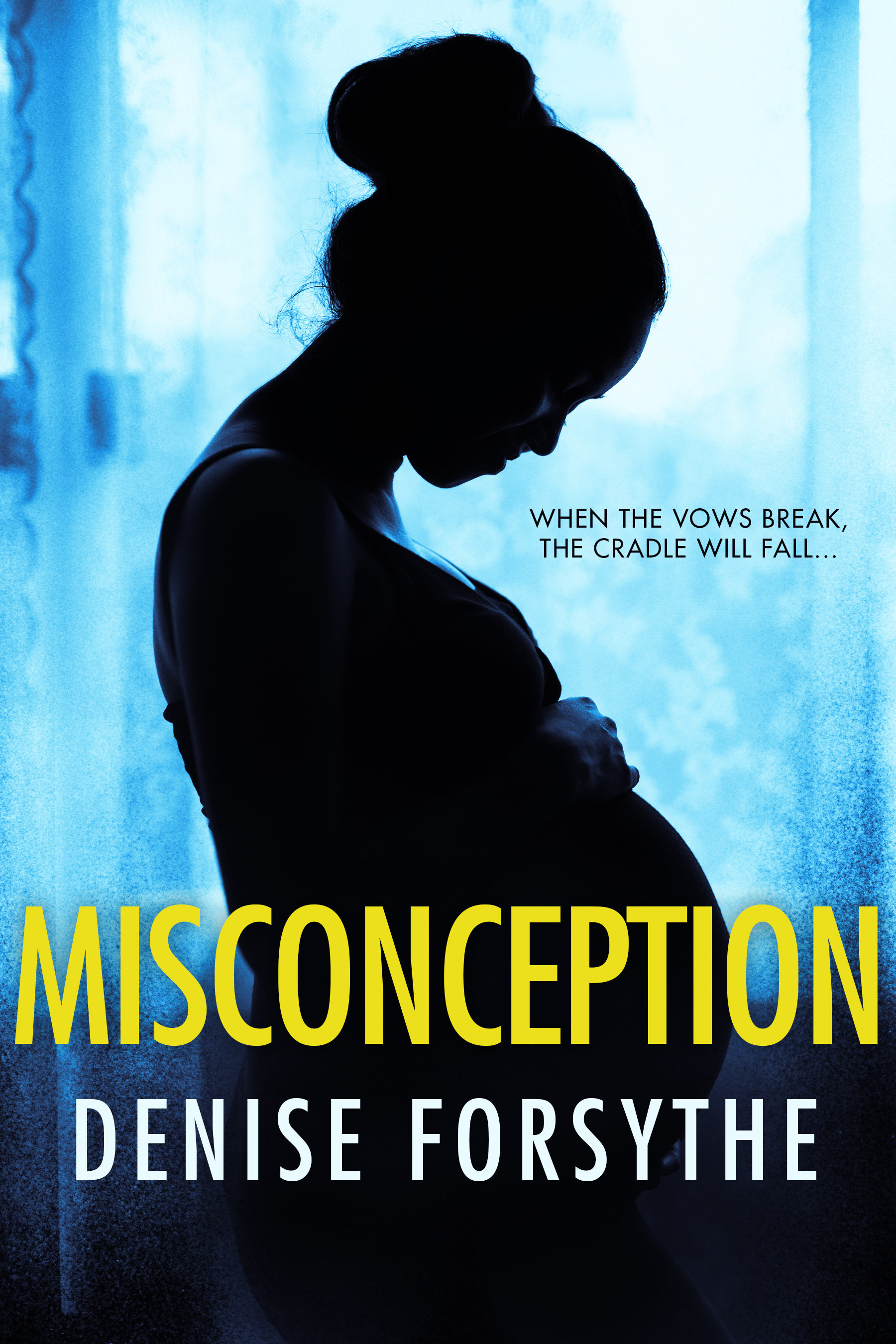
Cassie Nichols wants a baby. Badly.

She’s certain a baby will anchor the crumbling relationship with her husband, Jake, who she suspects is having an affair.

But after a miscarriage and continued trouble getting pregnant leads the couple down the frustrating and expensive road of in vitro fertilization, Cassie finds herself running out of time.

Pumped on hormones, fueled by anxiety, and believing it is the only way to save her marriage, she does the unthinkable to ensure a viable pregnancy.

Now, the happy family she envisioned remains out of reach and is instead wrought with lies, deception, and murder.

universal buy link: https://books2read.com/misconceptionbyDeniseForsythe
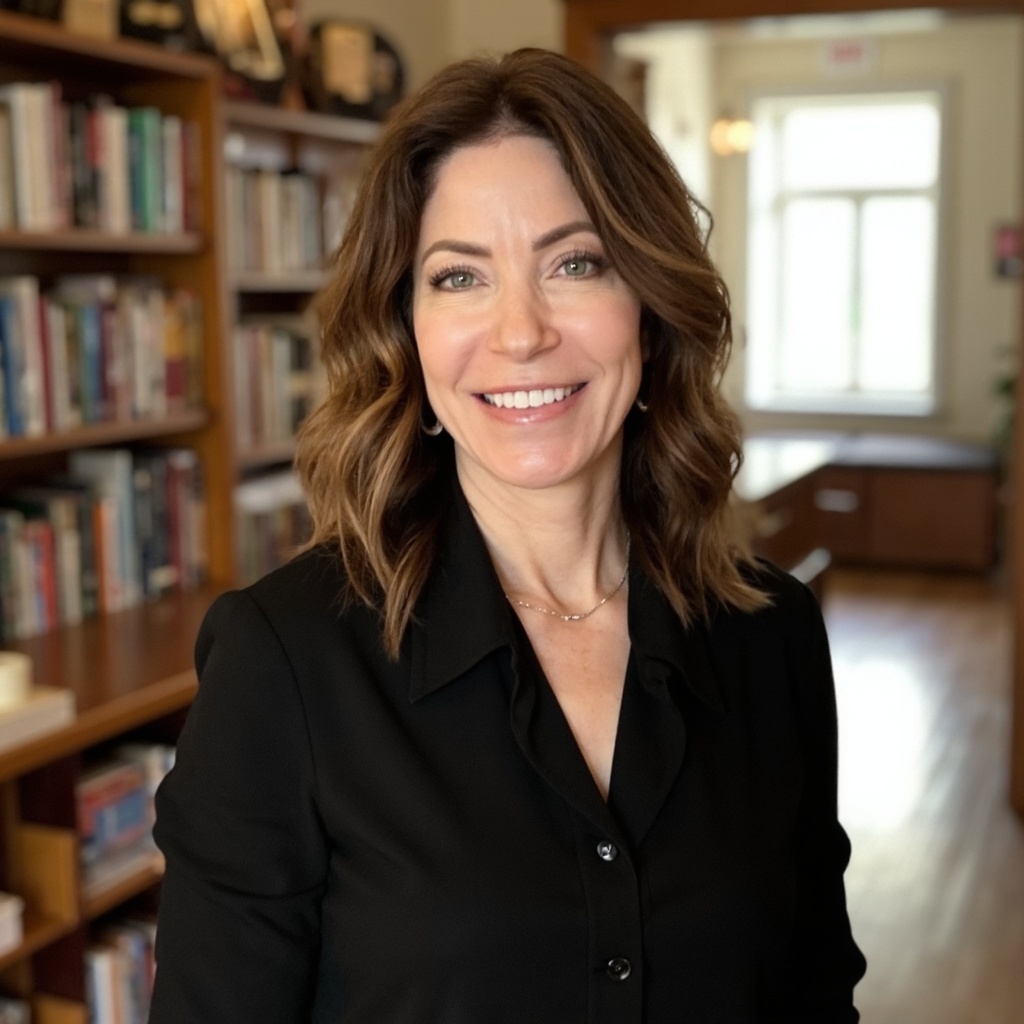
Denise Forsythe is the author of the domestic suspense novels Misconception and the forthcoming Misconstrue.

An award-winning and recognized writer of mystery, horror, and science fiction short stories; you can find these works under the pen name Denise Johnson (see author page).

A member of Sisters in Crime, Inc. and multiple Sisters in Crime chapters, she is a Charter Member of the Sisters in Crime

Grand Canyon Writers chapter and its current vice president.

She resides in the Southwest with a precocious Labradoodle that keeps her on her toes.

Visit her at her website:deniseforsythedotcom to learn more about freebies, upcoming book projects, and book signing events.
Guest Blogger ~ Liz Alterman

A big thank you to Liz for getting a post for me in time to fill in for Heather Haven, who asked me to find someone to fill her Thursday this month.

Why I write psychological suspense:

During my teen years, my favorite way to spend the weekend involved sitting in the eerie darkness of a movie theater, sharing a bucket of popcorn with friends, waiting to be scared—not by zombies, dinosaurs, or tornados but by the nanny who wasn’t as kind as she appeared, the handsome husband leading a double life, or the woman posing as an author’s biggest fan who will ultimately hold him hostage.

That fear, the feeling of goosebumps sprouting, hair rising on the back of my neck, was such an enthralling sensation, almost like those chilling moments when a roller coaster inches up that steep incline, I couldn’t get enough.

Since the afternoons when my mom read to me as a child, I’d always wanted to write a book. While my first was a memoir, when I turned to fiction, I longed to try to evoke the same tension and anxiety I fell in love with in the fourth grade while reading Lois Duncan’s Ransom and, later, in other novels by authors like Megan Abbott and Patricia Highsmith, and, of course, in those frightening films.

I’ve now written several thrillers and while I’m in the thick of plotting each story, I worry that it won’t come together in the end. (Another source of fear!) That said, I love the way the process can feel akin to putting together a puzzle. You’re working toward a complete picture, your brain turning around the pieces until they lock into place. When they do and you can surprise yourself—and, hopefully, your readers—it’s magical.

Reading and writing thrillers, suspense, and mystery also gives you a healthy sense of wariness. When you’re dialed into the possibility of darkness lurking around every corner, it keeps you on guard. One morning when I was in my twenties and walking through a parking lot, a man approached me and asked if I wanted to see the puppies he had in his van. I almost said, “Are you kidding? I’ve seen Silence of the Lambs three times! There’s no way I’m getting near your van!”

Writers have rich imaginations, which is both a blessing and a curse. I joke that once you start writing thrillers, suspense, or mysteries, that becomes the lens through which you view the world. Last fall, I attended a short writing retreat. Beyond my window lay a field, a dense fog muting the colors of the autumn landscape. My gaze shifted to a pair of dogs sniffing around but always returning to the same patch. Were bodies buried out there? I couldn’t help but muse. 

I often wonder if romance writers are similarly afflicted. When they see a couple, do they create an elaborate backstory for them? A meet-cute? A conflict involving a former love interest that leads to a break-up and eventually a happily-ever-after? Is all this imagining an occupational hazard? Either way, it’s often a delightful escape from reality.

Writing thrillers has also been a wonderful way to work through pent up feelings of frustration and even revenge fantasies. Murder a busybody neighbor? No problem. Put snarky dialogue in the mouth of your protagonist as she outwits a villain? Done. Leave all your animosity on the page.

Though I love writing personal essays and humor pieces, suspense is a genre I always return to for the chance to bask in the unsettling appeal of impending doom.

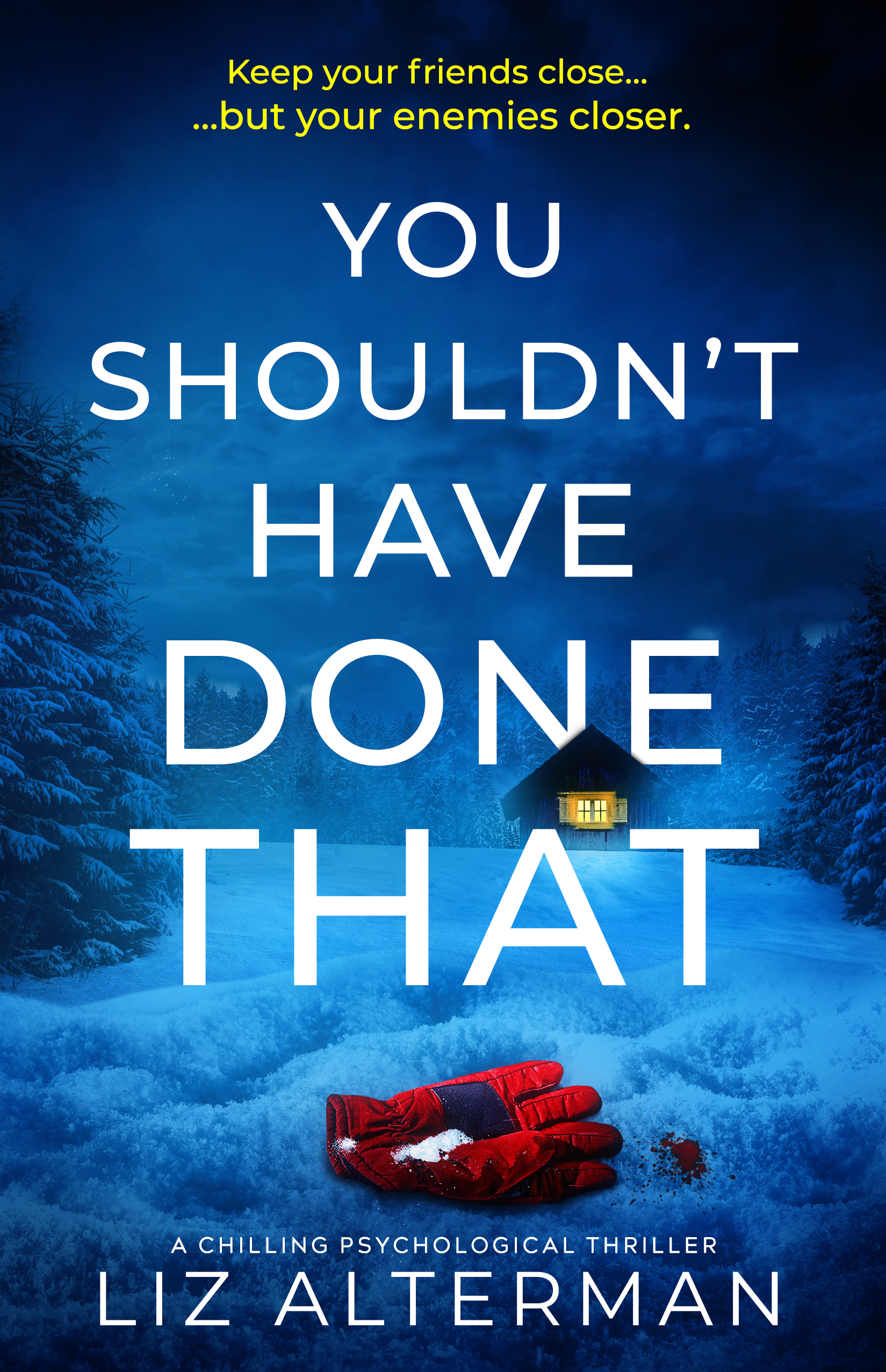
You Shouldn’t Have Done That

Jane Whitaker and Ivy Chapman have been best friends for twenty years – ever since their sons Cal and Brad attended the same preschool.

But their close bond is severely tested when their now adult sons go skiing together in Wyoming and only one returns.

Where is Cal Whitaker and why didn’t Brad Chapman report him missing?  With growing fears for Cal’s safety, his family begins to suspect Brad knows a lot more than he’s saying.

Friendship turns to suspicion and then to open hostility when Cal’s sister Emerson posts an online appeal that ignites a vicious crusade against Brad.

As decades-old loyalties crumble, Jane and Ivy find themselves on opposite sides of a deadly divide. How far will each mother go to protect her family? And what happens when saving one son means destroying the other?

Buy link: https://www.amazon.com/Shouldnt-Have-Done-That-psychological-ebook/dp/B0F1DPWT5D/ref=tmm_kin_swatch_0

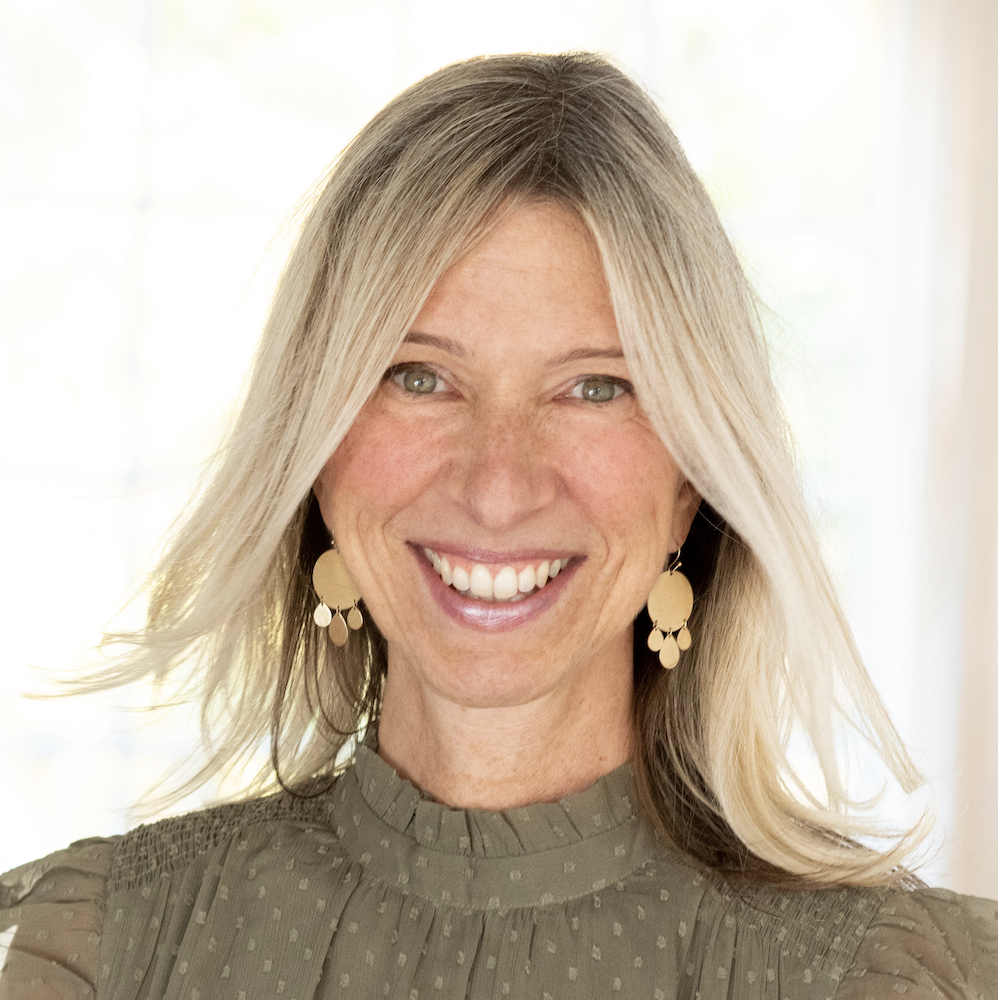
Liz Alterman is the author of the memoir, Sad Sacked, the young adult thriller, Hell Be Waiting, the suspense novels The Perfect Neighborhood, The House on Cold Creek Lane, and You Shouldn’t Have Done That, as well as the forthcoming romcom Claire Casey’s Had Enough. Her work has been published by The New York Times, The Washington Post, McSweeney’s Internet Tendency, and other outlets. Follow her on Instagram or subscribe to her Substack where she shares the ups and downs of the writing life (and cat photos).

Guest Blogger ~ Laury A. Egan

Creating Jack & I

Ever since reading The Three Faces of Eve and Sybil (a case later reported to be a sham), I’ve been fascinated with Multiple Personality Disorder, now named Dissociative Identity Disorder. After additional contemporary research, I decided to create a character who suffers from this disorder, featuring the “host” Jack’s narration in first person and the “alter” Jack’s narration in third person, interchanging the two in each short chapter. This twin structure allowed for more intimacy with the beleaguered host and a slight distance from his sociopathic alter. Since we all have dark impulses that we subjugate (or mostly do), the novel gives the reader the opportunity to experience what it would be like if we acted on our more sinister desires in a kind of Dr. Jekyll/Mr. Hyde manner all the while maintaining our moral selves.

Jack Kennett is a character who slowly emerged in my mind as I wrote, whereas his alter appeared with immediate presence. Sometimes, the “bad guy” characters are easier to imagine, but as the words accumulated, the host teenager evoked more sympathy because he was dealing with the usual issues: shyness, peer discomfort, and his frustrated feelings for a girl, but also was struggling with dire problems: Jack had experienced severe trauma in infancy (the cause of the personality split), lived in a series of foster homes with some foster parents who re-traumatized him, and dealt with an alter who subsumed Jack and committed crimes, engaged in sexual promiscuity and prostitution, and constantly undermined his attempts to be a normal sixteen-year old boy. In addition, whenever his alter takes over, the host experiences memory loss, though on occasion he can piece together what his alter has done. These blackout states are an intriguing literary device for a writer.

In interviews, I’m often asked why I set most of my novels in the 90s. Simple. By doing so, I’m able to avoid the pesky problems of technology since most people didn’t have internet service or use cell phones until later. These tools allow others to access a character and learn where he or she is and for people to do quick research and be in constant communication with the world, thus making a writer’s job more difficult, especially in a suspense story. In Jack & I, the absence of technology let me concentrate on the interaction between the two primary personalities and those who come into contact with them. This would have been an entirely different story if set in current times. For example, Jack (the host) would have learned about his psychological condition by researching his symptoms on the internet and wouldn’t have had to struggle with many of the mysteries that plagued him.

Another common question: why do I frequently write in the psychological suspense genre? One of my first literary influences was Patricia Highsmith, who loved to devise innocent characters who become victims, usually due to entrapment by an antisocial, manipulative person such as her brilliantly conceived Tom Ripley. Taking a page from Highsmith, Jack & I combines the innocent and the sociopath in one body. An economical structure allowing for dramatic contrasts in behavior, personality, emotions, and thoughts.

This novel was tricky to create in many ways. Keeping the host Jack semi-ignorant of his alter’s activities meant I needed to find strategies for him to become aware of these actions despite his amnesiac states. So, although the reader has the full picture of what’s happening, for Jack to understand the extent of his dire circumstances proved to be a constant challenge as he dips in and out of presence.

I hope readers will be intrigued by the book’s psychological complexity but also by the suspenseful plot. Will Jack and his alternate personalities ever fuse or fine a way to live together? I welcome comments or questions via my website or social media!

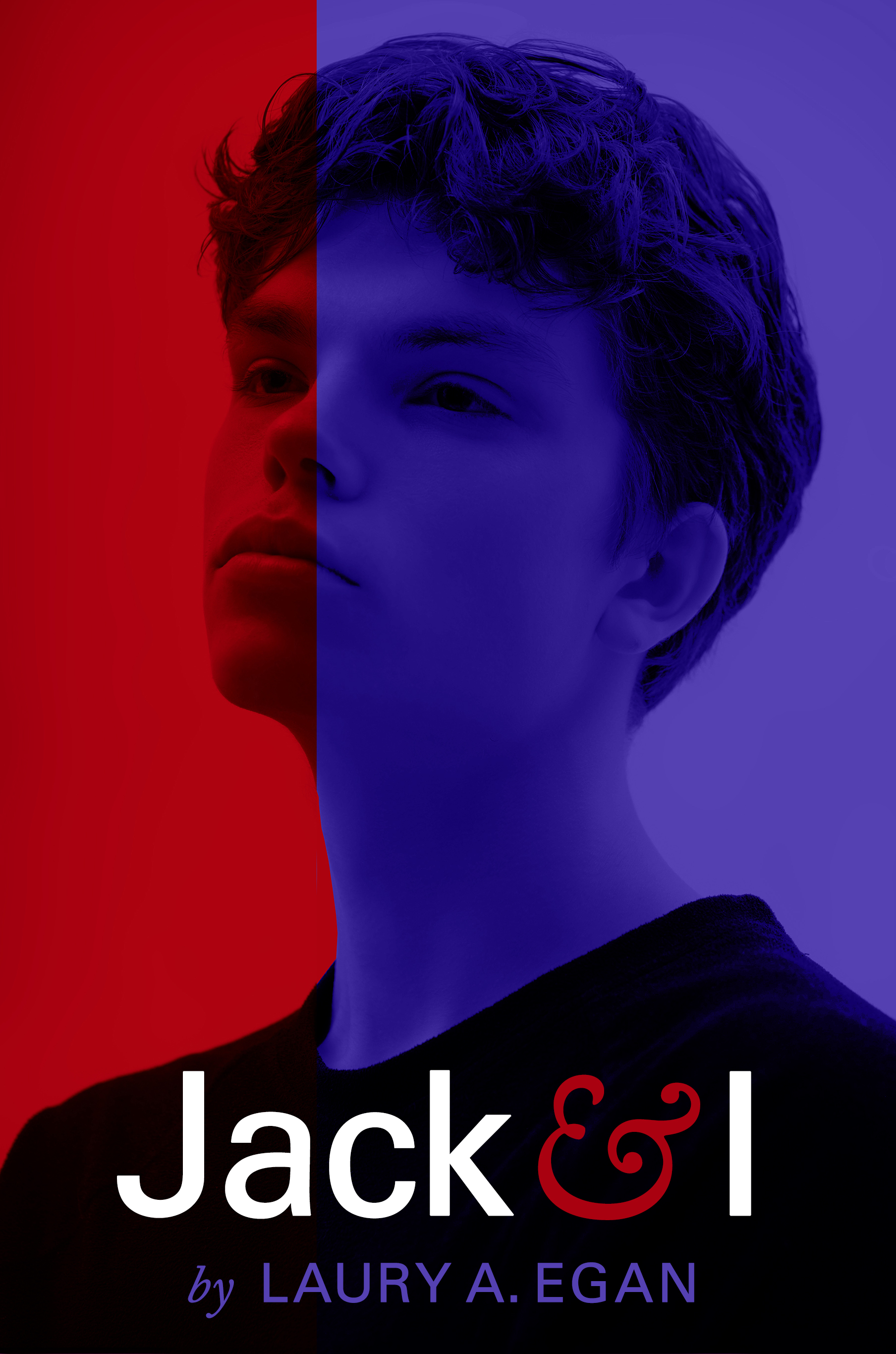
A psychological suspense novel about two teenage boys. The twist? They’re both named Jack and both inhabit the same body. “Mostly I was relieved to put distance between Jack and myself, although this wasn’t possible because I am Jack, too. And sort of not Jack. I am I, or rather, I am me.”

1994. Jack Kennett is sixteen and suffers from un-diagnosed Dissociative Identity Disorder (Multiple Personality Disorder). Abandoned at age two, Jack has been in the New Jersey care system all of his life: foster homes and once placed for private adoption with the Kennetts, a family he adored, especially their daughter, Cara. As the divisive war between the two personalities escalates, Jack (the host) is in despair and feeling powerless as he experiences amnesiac events and must deal with his alter’s promiscuity, truancy, and illegal acts. How will the war between the personalities end?

Amazon link: https://mybook.to/jackandi

GoodReads: https://www.goodreads.com/book/show/209445898-jack-i

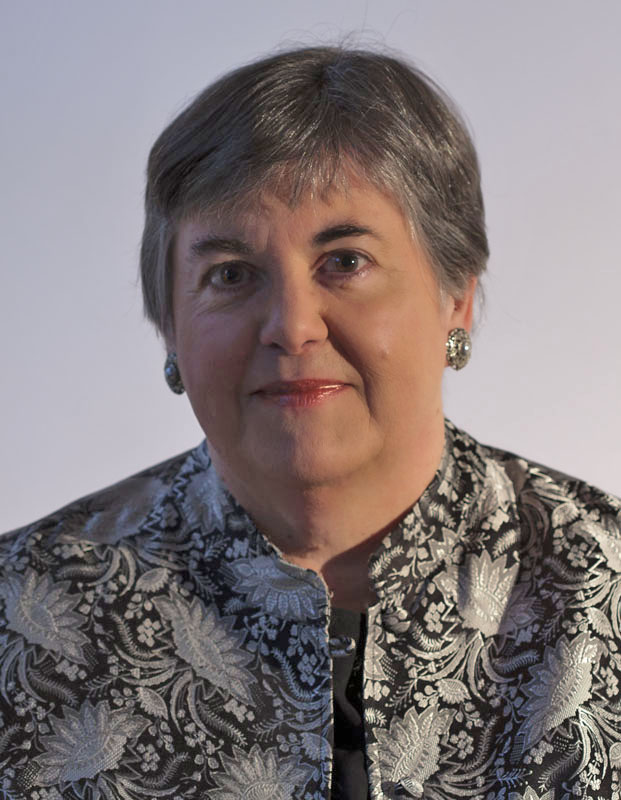
Laury A. Egan is the author of fourteen novels, including suspense titles such as The Psychologist’s Shadow, Wave in D Minor, Doublecrossed, The Ungodly Hour, and Jenny Kidd as well as a collection, Fog and Other Stories. Four limited-edition poetry volumes have been published, and eighty-five of her stories and poems have appeared in literary journals and anthologies. She is a reviewer for The New York Journal of Books and a 2024 recipient of a New Jersey State Council on the Arts Individual Artist Award in prose.

Website: www.lauryaegan.com

LauryA.Egan@EganLaury

https://www.facebook.com/laury.egan

https://www.instagram.com/laurya.egan