

5 Tips on Researching a Novel
by Denise Forsythe
As a writer of both short stories and novels, I’ve grown accustomed to research. It is a part of writing, much like plotting and editing. Because I’m naturally curious, I have to limit the amount of research I do on any given subject.
When I began writing Misconception, a domestic suspense thriller, I had no idea how much research I’d need to do. That’s because up until then I’d been a short story writer and only needed to research small bits of information to propel my plot forward.
A tried-and-true pantser, the ideas that combined to form the plot led me to realize just how much research was needed.
The book contains medical research on infertility, psychological research on personality types and disorders, employment research on workplace disputes and criminal law research, including jail/prison conditions for female inmates.
What worked for me and what I will share are five tips on how to get through the research hurdle.
1) To avoid long gaps in writing while researching subjects, consider doing just enough cursory research. That means conducting research prior to or early on during your first draft. That way you’ll avoid having to correct large parts of your story or manuscript later on. In my case, as I was writing Misconception I decided to set the story in Chicago. I felt the large city coupled with challenging weather would set a moody tone for the domestic suspense thriller. This is especially beneficial when you are deep into developing characters and plot points. Once you are at a point to take stock of what you’ve written so far, you can continue researching and filling in any gaps. This can also reduce the chance of falling into a rabbit hole by limiting what you need to advance the story.
2) Create a system to keep track of research sources. I use Scrivener to write my manuscripts. The software provides a handy corkboard to place website links right next to the page where the information will be placed. It’s important to obtain at least two to three resources for each subject, to ensure information or resource isn’t outdated or incorrect.
3) While artificial intelligence resources can be helpful, I would caution their use. Though a resource like ChatGPT can narrow down resource options, it isn’t a replacement for doing your own thorough research. Some resources I used included: WebMD and Health.com for medical conditions, university educational programs for fertility specialty information, past news coverage of sports and team rivalries, news coverage and/or documentaries on jail conditions, fertility health associations, hospital chapel coverage by local newspapers and a website called Lifeway that offers examples of funeral sermons.
4) Check and recheck sources. It’s a good idea to use respected sources for medical and legal research and avoid copying what you see on television or in movies. Tapping into my past experience as a paralegal working for a New York City DA’s office, I knew my knowledge of criminal law wasn’t enough to flesh out the details of Cassie Nichols’ harrowing journey through the Wisconsin legal system. Make sure to drill down to the state, and sometimes the city, when it comes to researching criminal law. I researched specific areas from a state and local angle, going so far as to find real accounts of what jail conditions are like and locating transcripts of initial court appearances so I could use the information as a guide. If you are good at deciphering medical jargon, by all means do so. If you’re not, don’t be afraid to reach out to an expert. A helpful website to assist in locating an expert in a field is HARO or helpareportout.com.
5) Do a final fact check while the book is in self-editing mode. Things change, especially when it comes to legislation. My book was about a third of the way complete when I discovered that it couldn’t be set in Chicago, as planned. During research I learned that in the state of Illinois, in vitro fertility treatments are covered by insurance, whereas in Wisconsin they are not. This was an integral aspect of the plot, given the tension between the main character, Cassie Nichols, and her husband Jake. The financial strain burdened the already stressed couple, adding to the tension. Because I wanted to retain the moody weather as a backdrop to intensify certain scenes in the psychological thriller, I chose to move the setting to a fictional town in southeastern Wisconsin near where I grew up.
Though research may seem daunting, with a little strategy it doesn’t have to be painful.
Misconception
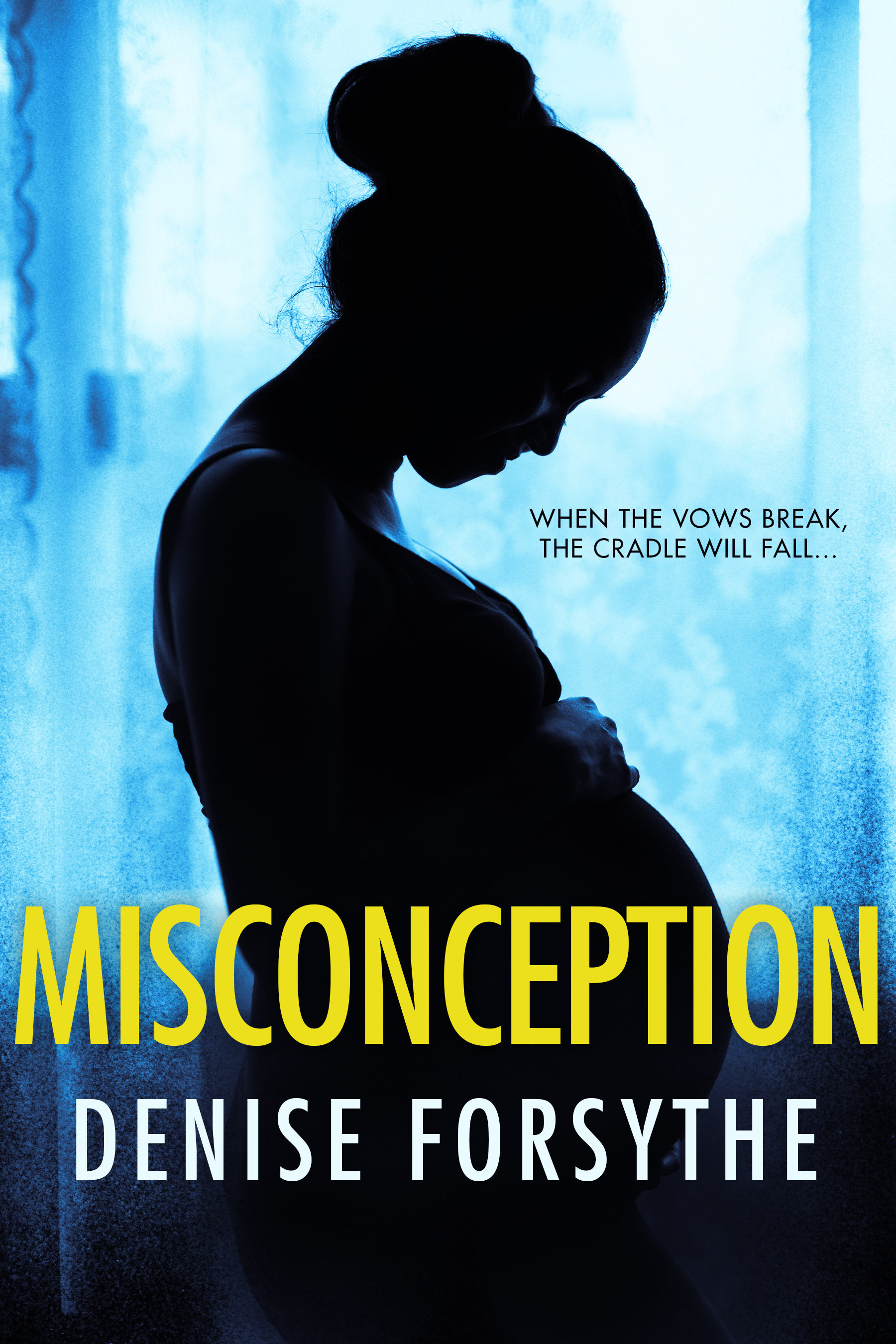
Cassie Nichols wants a baby. Badly.
She’s certain a baby will anchor the crumbling relationship with her husband, Jake, who she suspects is having an affair.
But after a miscarriage and continued trouble getting pregnant leads the couple down the frustrating and expensive road of in vitro fertilization, Cassie finds herself running out of time.
Pumped on hormones, fueled by anxiety, and believing it is the only way to save her marriage, she does the unthinkable to ensure a viable pregnancy.
Now, the happy family she envisioned remains out of reach and is instead wrought with lies, deception, and murder.
universal buy link: https://books2read.com/misconceptionbyDeniseForsythe
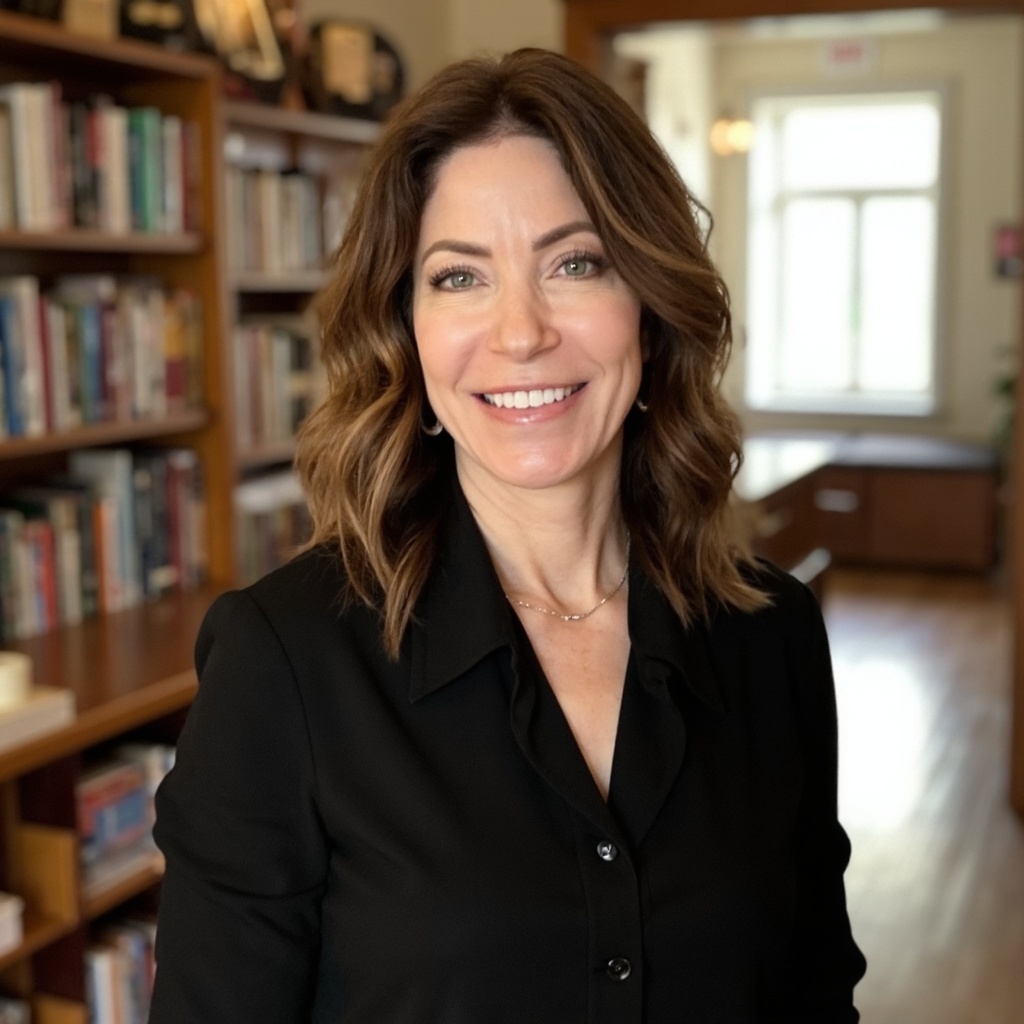
Denise Forsythe is the author of the domestic suspense novels Misconception and the forthcoming Misconstrue.
An award-winning and recognized writer of mystery, horror, and science fiction short stories; you can find these works under the pen name Denise Johnson (see author page).
A member of Sisters in Crime, Inc. and multiple Sisters in Crime chapters, she is a Charter Member of the Sisters in Crime
Grand Canyon Writers chapter and its current vice president.
She resides in the Southwest with a precocious Labradoodle that keeps her on her toes.
Visit her at her website:deniseforsythedotcom to learn more about freebies, upcoming book projects, and book signing events.




 Ladies of Mystery
You must be logged in to post a comment.