Guest Blogger ~ Sharon L. Dean

The Mystery of Naming

I’m not original when it comes to naming characters. No Vermeulens or Siobhans or Kimmos. I try to make the names I choose popular at the time when a character was born. So the six old women in my novella with that title get Barb, Dottie, Jane, Lucy, Stella, and Thelma, all common names in the 1920s.

My novels are filled with generic names, Will and Peter, Anna and Cynthia. The problem with this is that I tend to repeat names without remembering that I used the same one in an earlier novel. This happened recently with the novel I’m working on now. I named a minister Roy Chambers after Roy Chamberlain, the minister of my former church. When I discovered I’d used the name in Cemetery Wine, I had three choices: keep the name despite the repetition, change the name, or find a connection between the old novel and the new one. I worked to find a connection. None made sense, so I changed just the last name from Chambers to Tibbetts, a nod to another minister I once knew.

I heard a famous writer say that if she met someone she didn’t like, she’d use that person’s name for an unlikeable character in her next novel. I don’t do that. But I do pay homage to people via the names I choose. A mortician gets the last name of the mortician in the town where I grew up, a doctor gets the name of my old doctor, and a college professor gets the name of my dissertation advisor. My cats, Nutzycoocoo and Charlie, get memorialized in my writing.

My novels Leaving Freedom and Finding Freedom borrow the protagonist’s name, Connie, from Constance Fenimore Woolson, a nineteenth-century writer whose work I researched in the days I was an academic. Woolson’s sister and niece were Clare and Clara. Connie, Clare, Clara, I couldn’t keep them straight even when I was researching Woolson. So I changed my Connie’s sister to Sarah (note the rhyme) and her niece to Lizzie, after Woolson’s friend. Her mother gets Woolson’s mother’s name, Hannah, and her uncle gets Woolson’s brother, Charlie.

The most fun I had with names came in Death of the Keynote Speaker. This is the second in my first mystery series featuring Susan Warner, the name of another nineteenth-century writer. I put into the novel a secret code even Nancy Drew couldn’t crack. Nancy Wheeler combines Nancy Drew and Honey Wheeler from the Trixie Belden books. Frank Belden combines Trixie’s last name with Frank Hardy. Joe Hardy of Hardy Boys series is Joe Keene after Carolyn Keene, the name given the author of the Nancy Drew series. And so it goes, all the way to the police officer named Stratemeyer after the syndicate that produced all those books.

The name of a character doesn’t need to be unique. Often these days, I wish there were a pronunciation glossary to accompany a novel. I can do Raskolnikov and Akhmad and Clytemnestra. I applaud the wider range of ethnicities in our contemporary fiction, but please tell me how to pronounce Ove. Ove with a long o? Ové with two syllables? Uve as in ooh or Uvé with two syllables? Maybe there’s a reason the American movie is named A Man Called Otto.

How do you choose names when you write? What kind of names do you prefer when you read?
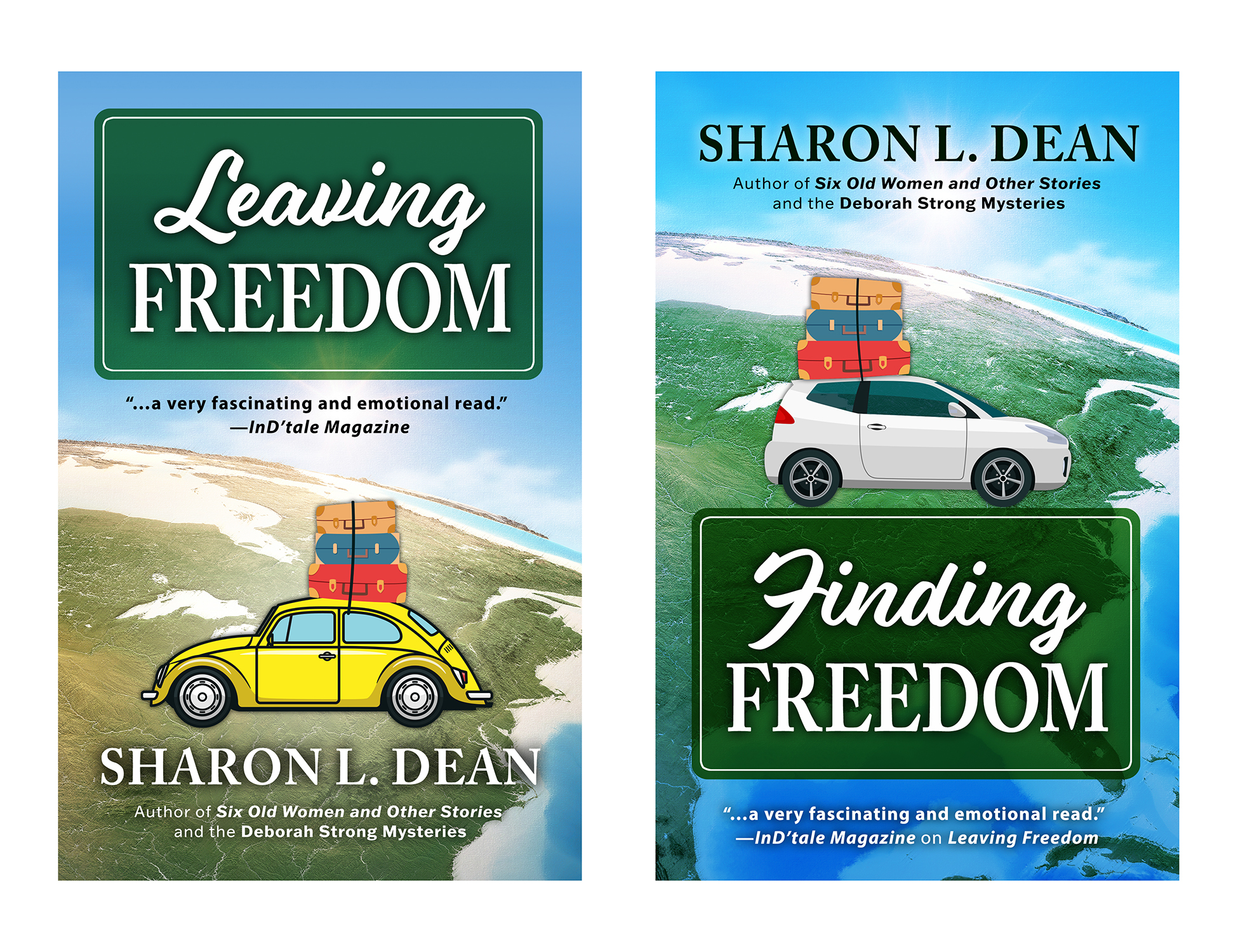
Leaving Freedom took Connie Lewis from her home in Freedom, Massachusetts, to Florida with her aging mother and then to Ashland, Oregon, where she found success as a writer and a place to call home. Now, in the sequel Finding Freedom, Connie is eighty years old and has exchanged the Volkswagen she called The Yellow Sub for a Honda Fit she’s nicknamed Last Chance. She’s ready for a last adventure and will use a drive across the United States to write a travel narrative she’ll call Travels with Connie.  From gospel singers in the little town of Fossil, Oregon, to a famous painter in Glacier National Park, to turtle races in Perhem, Minnesota, to a twelve-year-old grandniece who teaches her about the lives of modern tweens, she finds more material for her book than she expected. Both going and coming back, she solved mysteries that help her to understand how the world changes even as it remains the same. Will she complete her journey in Massachusetts where she was born, the Oregon she has learned to call home, or somewhere she hasn’t expected?

https://www.amazon.com/Finding-Freedom-Sharon-L-Dean-ebook/dp/B0C5ZHK5N1

https://www.amazon.com/Leaving-Freedom-Sharon-L-Dean/dp/1645994651
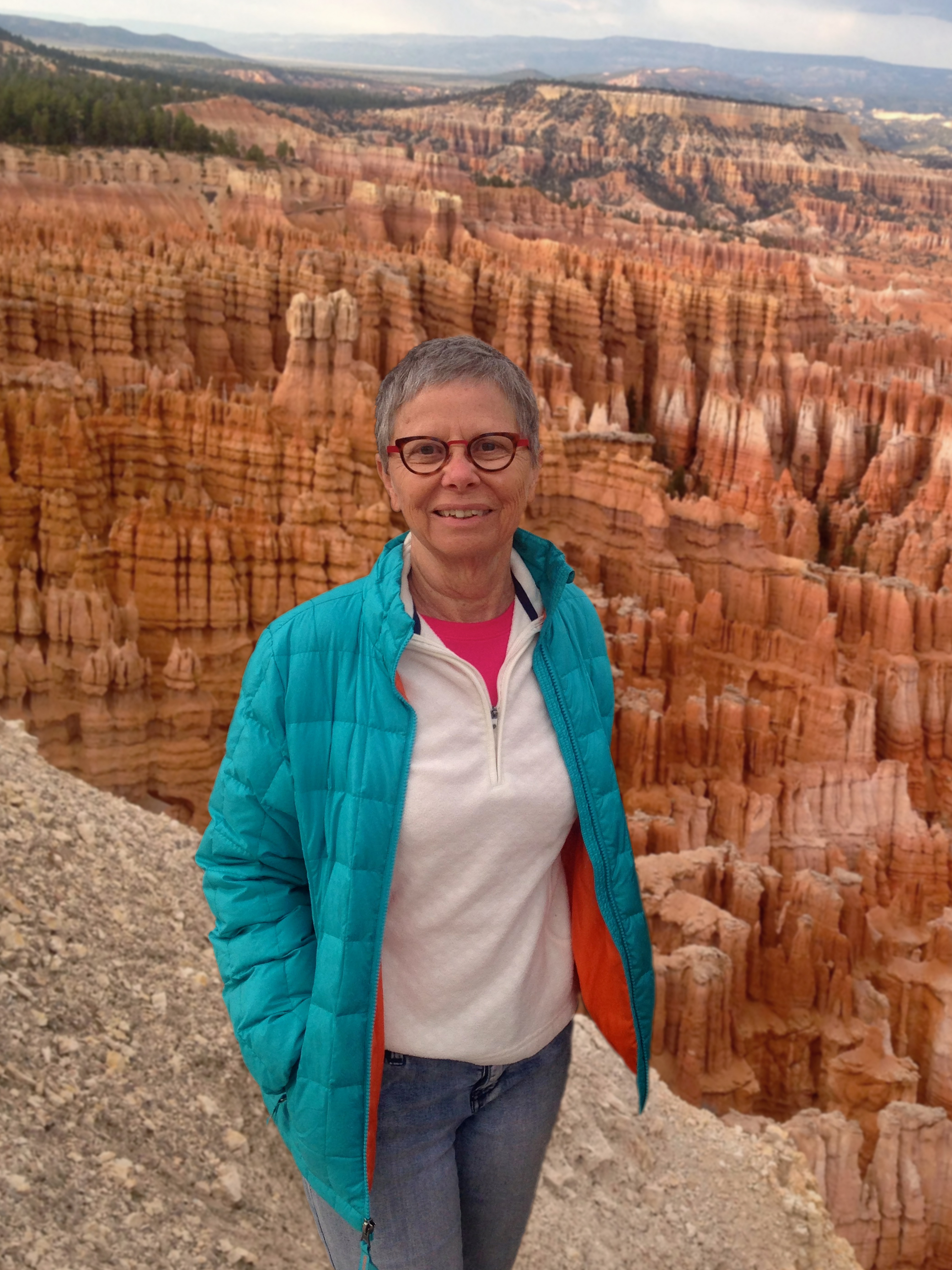
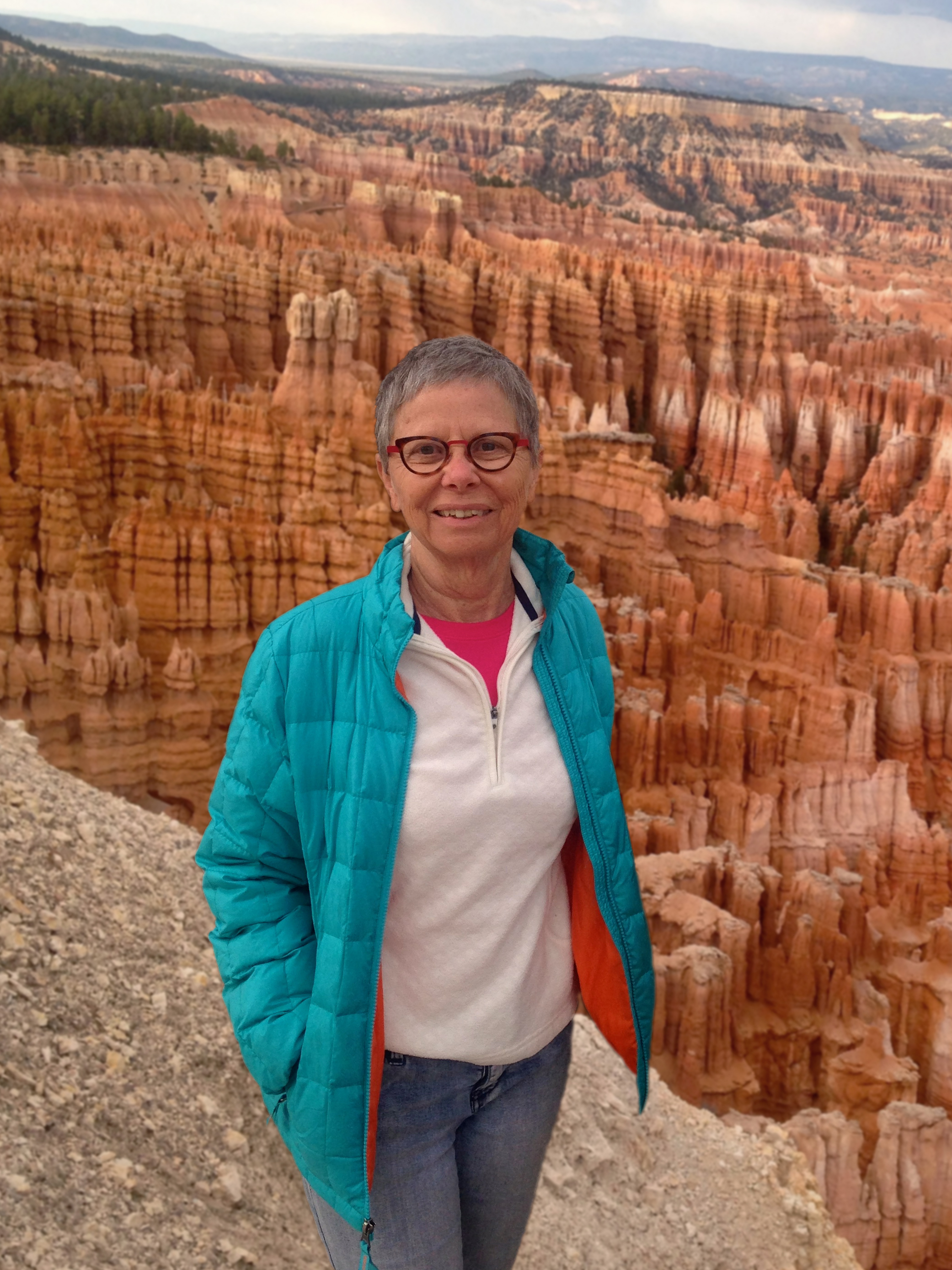
Sharon L. Dean grew up in Massachusetts where she was immersed in the literature of New England. She earned undergraduate and graduate degrees at the University of New Hampshire, a state she lived and taught in before moving to Oregon. Although she has given up writing scholarly books that require footnotes, she incorporates much of her academic research as background in her mysteries. She is the author of three Susan Warner mysteries , three Deborah Strong mysteries, and a collection of stories called Six Old Women and Other Stories, Her novel Leaving Freedom was reissued on June 14, 2023 along with a sequel Finding Freedom. Dean continues to write about New England while she is discovering the beauty of the West.

My website:

https://sharonldean.com/

My publisher:

https://encirclepub.com/

Guest Blogger ~ Sharon L. Dean

Critique groups

Some of us are in critique groups, some would like to find one, and still others vow never to come near one.  Maybe these resistant writers have a trusted editor at a big-name publisher or maybe they think they’re wonderful without feedback. I’m not that good, so when I moved to the Rogue Valley, Oregon, and gave up academic writing for fiction writing I was grateful to be introduced to my Monday Mayhem group.

I still remember my first meetings with the group. They praised my writing style but told me that I couldn’t wait a hundred pages before I introduced the murder. Although I reject such “rules,” they were right about Tour de Trace. The discovery of the murder in that novel now happens on page twenty.

I’ve now published seven novels with two more scheduled before the end of 2023. I couldn’t have achieved this without Monday Mayhem. The group works because it forces us to submit writing every two weeks. Not that we can’t take a pass now and again or that we can’t stray from writing mysteries that were the original impetus for the group. This isn’t a class where our grades depend on following an assignment and handing it in on time.

There are other reasons besides discipline that makes our group work. We stay on task, drinking water, not wine, and except for an occasional cookie being fed only the manuscripts we’re cooking up, even the cookies on hiatus when Covid drove us to Zoom. A two hour time period also keeps us focused on writing, not small talk. We’re not a stiff group, though. Sometimes we learn things about each other’s lives that surprise us. Who would have thought that one of the women drove race cars or that one of the men was admitted to his college’s Hall of Fame because of his acting career.

When I first joined this group, we were three men and two women. We welcomed a third woman, but when Tim, the group’s founder died, we returned to five members instead of six. Tim was the member who was most insistent about not delaying the murder in Tour de Trace. His criticism was never gentle so when I found a publisher for my short story “24/7” (The Fictional Café), I smiled to remember his rare praise for that story, “Don’t change a word.”

We’ve remained at five members because this seems to be an optimal number for giving full attention to what can amount to a hundred pages that we collectively submit on the Thursday before our Monday meeting. We all bring a different focus, a different strength, and, yes, a different weakness to our writing.

Carole’s work could be classified as regional fiction. All her novels are set in Oregon, often in the horse barns of ranches, and her sleuths are never professionals. I challenge her to omit extraneous detail and she challenges me to bring more emotional depth to my characters.

Clive’s region is as different from Carole’s as congested Los Angeles is to the range land of Oregon. His protagonist is a sometimes private investigator, sometimes actor. His novels are rich in Hollywood detail. I challenge him to eliminate his tendency to use passive voice, and he helps me get out of a clunky paragraph by suggesting that I use dialogue.

Jenn’s region is also Southern California and she writes with a strong comic voice. Michael’s setting in his thrillers is mostly international. He draws on his knowledge of politics honed from his years of teaching. Jenn inspires me to add a witticism or two to my writing and I challenge her to push on through her manuscript before she goes back to revise for consistency. Michael helps me whenever I get tangled in inaccurate technology and I remind him that even thrillers need to take a break now and again from an escape or a chase or a fight.

As helpful as critique groups can be, they also come with the hazard of someone going rogue. What do you do if a member consistently submits more than the allotted page count or spends valuable time resisting a suggestion? What if someone loses the big picture in favor of arguing about a comma or regularly crushes others with insults rather than constructive suggestions.

Monday Mayhem’s strength comes from our differences. Although our genres and writing styles differ, we have compatible writing skills. We aren’t teaching writing, we’re helping with revising. Neither too bad nor too good might be a mantra for a successful critique group. We can’t help someone with a tin ear any more than we can help a Beethoven.

Discipline, compatibility, variety. Three ingredients for a successful critique group. If you’re looking for one, watch for these qualities. If you are in one, ask yourself why it works or what it needs to work better.

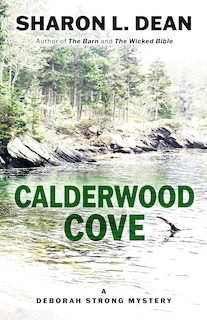
When Deborah Strong accepts an invitation for a reunion with high school friends who will all be turning fifty, she anticipates a lovely Fourth of July weekend in Maine.       But soon a murder disturbs the quiet of the summer homes that dot the isolated cove. Deborah’s suspicions follow her like the Maine landscape–plenty of sunshine, plenty of fog, and plenty of evening mosquitoes that arrive like the sparks of fireworks. Where is Brenda’s husband? Where have her caretaker and cook gone? Who is the anorectic young man who keeps appearing? Is one of them a murderer? Or is it the old woman who lives across the street, her son who runs an oyster farm in the face of global warming, her poet-tenant who lives in her apartment? Deborah even suspects each of the friends she grew up with. By the time she finds the answer, she is ready to leave Calderwood Cove where an idyllic summer retreat turned as deadly as contaminated shellfish.

Buy Link: https://www.amazon.com/Calderwood-Cove-Deborah-Strong-Mystery-ebook/dp/B09ZDJGMQS

Sharon L. Dean grew up in Massachusetts where she was immersed in the literature of New England. She earned undergraduate and graduate degrees at the University of New Hampshire, a state she lived and taught in before moving to Oregon. Although she has given up writing scholarly books that require footnotes, she incorporates much of her academic research as background in her mysteries. She is the author of three Susan Warner mysteries and of a literary novel titled Leaving Freedom. Her Deborah Strong mysteries include The Barn, The Wicked Bible, and Calderwood Cove. Dean continues to write about New England while she is discovering the beauty of the West.

Guest Blogger ~ Sharon L. Dean

(Re)appearing Ladies

It’s Halloween. What better time to write about ghosts, real and imagined. I spent my academic career writing about the nineteenth-century novelist Constance Fenimore Woolson. Woolson had her own family ghost story to tell about the haunting of the bedroom where her sister Emma died. A scholar I know claims she felt Woolson’s presence when she visited the apartment where Woolson leapt or fell to her death in Venice.

 I  felt no such presence there, but like so many scholars I know, once Woolson gets hold of us, we can’t let her go. She materialized for me in my second novel, Death of the Keynote Speaker, where I imagined her as a fictionalized Abigail Brewster in a setting on one of the Isles of Shoals off the coasts of New Hampshire and Maine. Woolson never visited those islands, but I drew on real life historical figures for an appearance in that novel: Celia Thaxter, who held a literary salon on Appledore Island; Karen and  Anethe Christensen who were murdered on Smuttynose Island in 1873; and abortionist Madame Restell, who was known as “The Wickedest Woman in New York.”

            After I published Death of the Keynote Speaker, I wasn’t finished with my ghosts. My newest novel, The Wicked Bible, reimagines Abigail Brewster and Madame Restell. How could I not reprise “The Wickedest Woman in New York” in a novel titled after an actual 1631 Bible dubbed “The Wicked Bible?”

            I’m not done with reappearances. The novel I’m working on now reprised a character I named Connie in Leaving Freedom. Woolson left her childhood home in Cleveland to accompany her mother to Florida and the beginnings of a writing career. My Connie also leaves her hometown in Freedom, Massachusetts, to care for her mother in Florida where she also finds success as a writer. My novel in progress is bringing Connie, now eighty years old, back to Freedom. It’s tentatively titled Finding Freedom. I don’t know yet what Connie will find, but I know that the ghost of Constance Fenimore Woolson has given me plenty of inspiration. I wonder what ghosts live for you, whether they be haunting or inspirational?

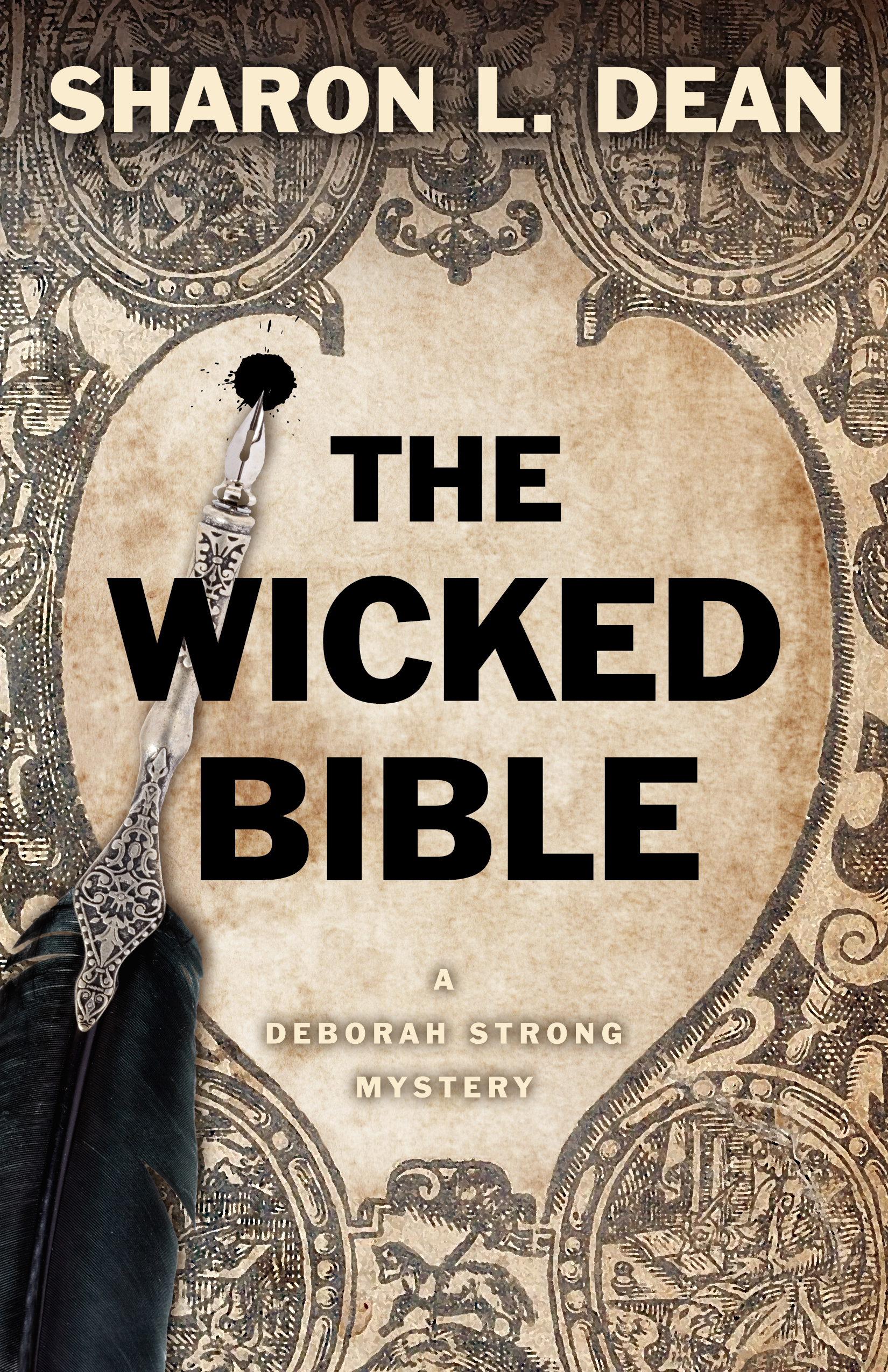
After a winter when she solved the cold case of a high school friend found dead in a barn, Deborah Strong needs a distraction. She joins a conference, “Libraries: Where Have We Been, Where Are We Going?” that will be useful for her work as a librarian in the small town of Shelby. The setting at a picturesque college in New Hampshire should also be healing.

Deborah’s project for the week plunges her into a mystery that would delight most researchers. What are the connections between a Bible dubbed “The Wicked Bible,” a woman called “The Wickedest Woman in New York,” a book written by a nineteenth-century author, and a letter penned to the author? As she slowly unravels the connections, Deborah confronts an event from her own past and anticipates a future that could be as brilliant as New Hampshire’s September foliage.

Buy links: Amazon- https://www.amazon.com/Wicked-Bible-Deborah-Strong-Mystery/dp/1645992810

Goodreads: https://www.goodreads.com/review/new/59432097-the-wicked-bible

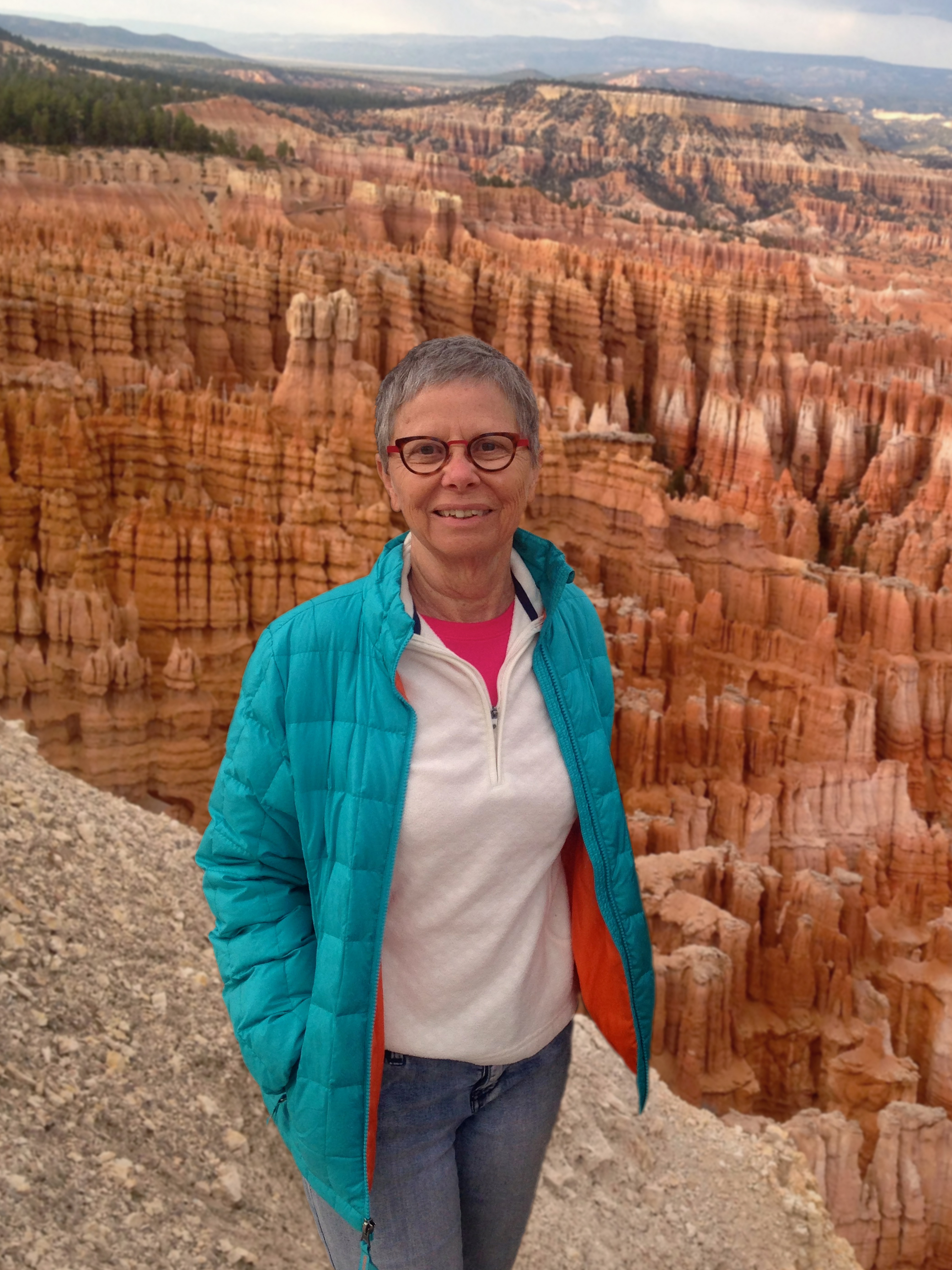
Sharon L. Dean grew up in Massachusetts where she was immersed in the literature of New England. She earned undergraduate and graduate degrees at the University of New Hampshire, a state she lived and taught in before moving to Oregon. Although she has given up writing scholarly books that require footnotes, she incorporates much of her academic research as background in her mysteries. She is the author of three Susan Warner mysteries and of a literary novel titled Leaving Freedom. Her new seriesfeatures librarian and reluctant sleuth Deborah Strong. In The Barn, Deborah solves a thirty-year-old cold case. The Wicked Bible, scheduled for an October 2021 release by Encircle Publications,brings Deborah to a college campus and a search for who stole a Bible and a letter from the library’s archives. The third in the series, Calderwood Cove, forthcoming in 2022, will bring her to the coast of Maine and a murder. She continues to write and research in the landscape she’s discovering the Northwest.

Social Media:

Website: https://sharonldean.com/ Publisher: https://encirclepub.com/