
* Vacations and Writing
by Margaret Lucke
“A writer never has a vacation. For a writer,
life consists of either writing or thinking about writing.”
–Eugene Ionescu
Ionesco may be right. Even when writers take time off, our brains keep chugging away on the story. Plot details pop into mind at odd moments. Characters whisper secrets in our ear. No matter what we’re doing, the story is humming in the background.
So, yes, we’re always writing. But that doesn’t mean we have to stay chained to our desks. Sometimes a change of pace in a fresh environment—in other words, a vacation—is exactly what our creativity needs.
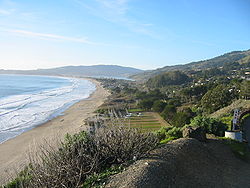
A writers group I belonged to for many years used to have a wonderful tradition. Each autumn, we held our own writers retreat. We rented a pair of cottages in the nearby seaside town of Stinson Beach and spent a week there writing. No phones. No TV. No families. No errands to run. Just our stories and the companionship of other writers. We each had our own room to work in and a long beach to walk on. Fresh air. The sounds of the wind and the gulls. Everyone brought her own food for breakfast and lunch. In the evenings we took turns making dinner and gathered by the fireplace for wine and conversation. We went home with our spirits rejuvenated and lots of work accomplished.
Then our horizons expanded. One of our members, Joan, was offered the opportunity to spend September and October of that year in a grand maison in a medieval hilltop village in Provence. The cost was extremely reasonable, and the house would accommodate a large number of guests. Why not, she suggested, hold our annual retreat there?
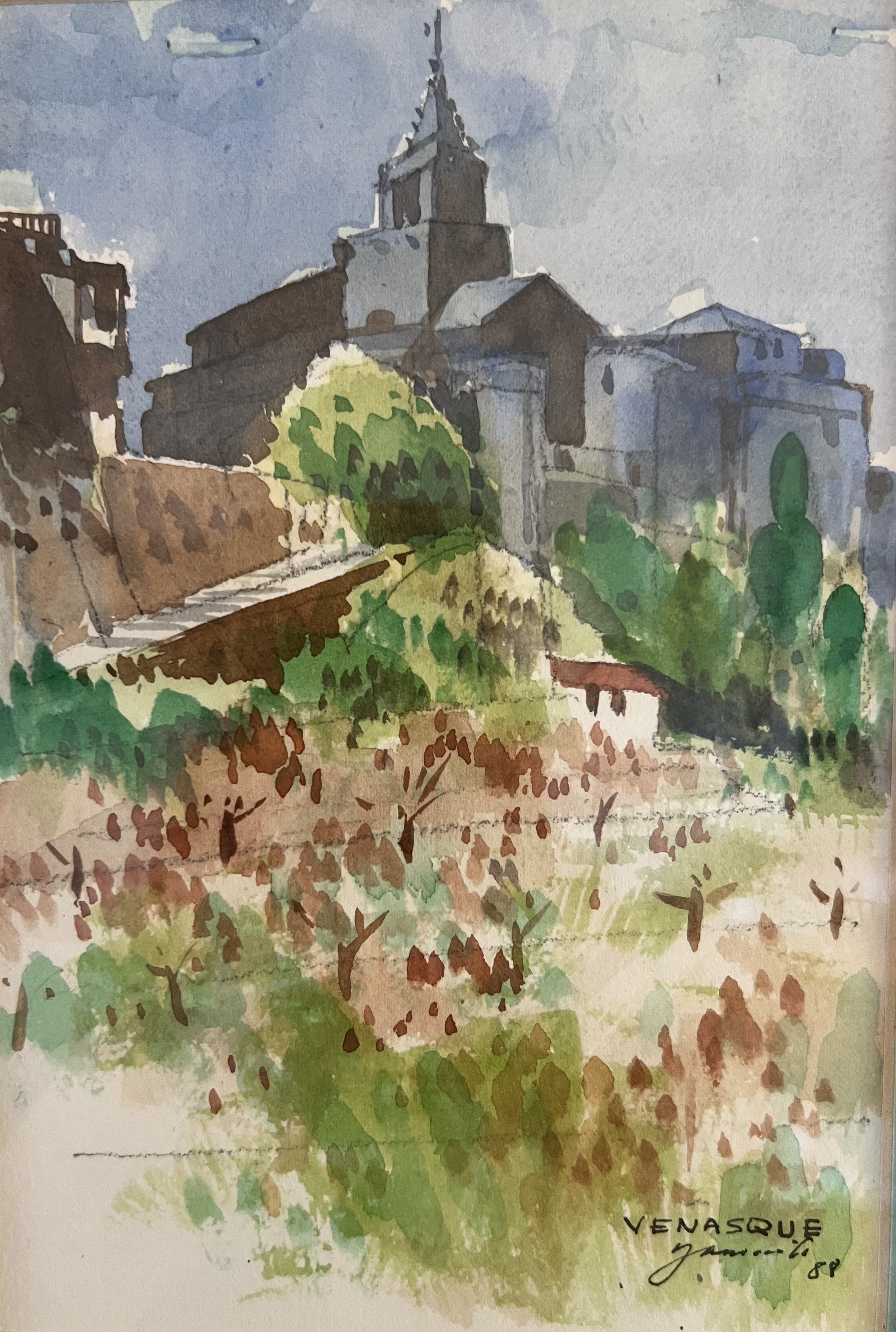
So off we went to Venasque, which is to be considered one of the most beautiful of Provençal villages. It sits east of Avignon in the midst of vineyards and lavender fields, near the slopes of Mont Ventoux, the southernmost peak of the Alps. Its church was built in 1100s, next to a baptistery that dates all the way back to the 6th century. It is said that the baptistery was built on the site of a temple to Venus, the goddess of love who is still honored in the village’s name.
Not all of our writing group members could stay for the full two months but each of us got there for at least a few days, as did some of Joan’s other friends. I spent all of October in France, one of the most memorable months of my life.
The days quickly settled into an agreeable rhythm. Churchbells woke me at seven. I’d read in bed or write at the table in my pretty blue bedroom until nine. That gave me time for breakfast before the daily tour began at ten. Several of us would take off in our leased car to visit a museum or a monastery, or explore a Roman ruin or another medieval town, or stroll through a picturesque outdoor market. We’d stop at a patisserie with an outdoor terrace for a café crème and a pain au chocolat, then head home for dinner and a glass or two of the local wine. Around nine we’d start drifting to our rooms, some to sleep, others like me to write for a couple of hours.
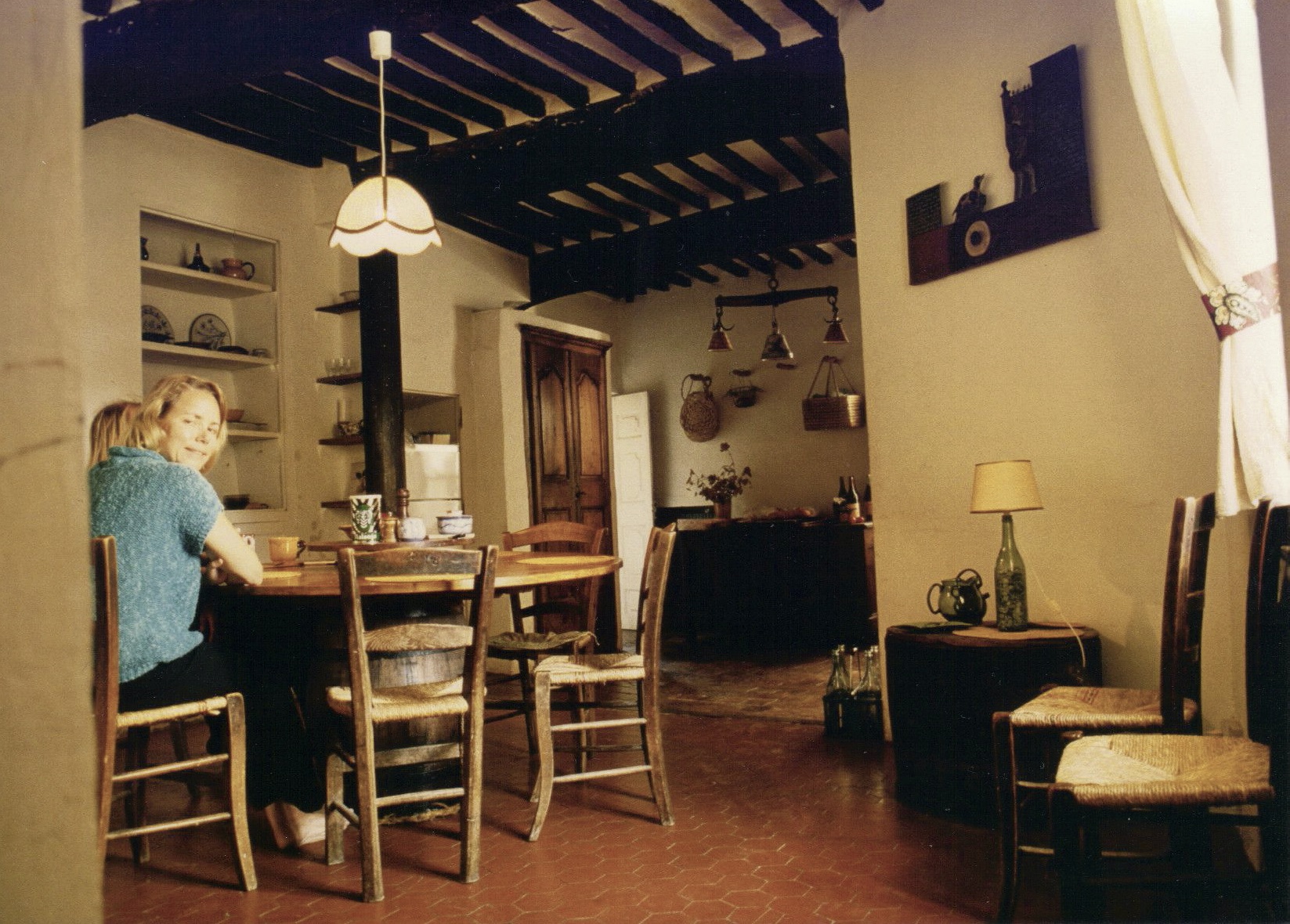
We were enthusiastic tourists, yet we got a lot of work done. There was no computer, no phone, no TV, no billboards along the roads, no job to go to—just as at Stinson Beach, we had none of the constant distractions and demands for attention that we experienced in our normal lives. And there were plenty of new sights, sounds, and scents to stimulate both our senses and our mental story engines. Going home was hard, yet the positive effects of the trip lasted for a long time. I still get a boost just from the memories.
France was a hard act to follow, and that trip proved to be the writing group’s last retreat. The next year, and again the one after, we couldn’t find a week when we were all free to go to Stinson Beach, and sadly the tradition died.
Right now, as the summer vacation season wraps up, I’m feeling the stirrings of writer’s wanderlust. Surely a sojourn like my adventures in Stinson Beach and the south of France would help me move forward with my current novel-in-progress. If the power of positive thinking really works, I’ll soon find a good way to combine les vacances et l’ecriture—vacation and writing—no matter what Ionescu says.
The painting of Venasque is by artist Lawrence Yamamoto, a member of our group.
* * *
This fall I will be teaching a course called The Craft of Writing for UC Berkeley’s Extension program. Ten Thursday evenings, September 10 through November 12, 6–9 pm Pacific time. If you are interested in learning more, you can find out by clicking here.


You must be logged in to post a comment.