Every mystery writer knows that moment when life hands you a story, though mine arrived with the bureaucratic charm of a DEA agent on an ordinary afternoon in my Phoenix psychiatric practice. I suppose I should have expected it, having recently qualified to prescribe buprenorphine for opioid addiction treatment. The universe has peculiar timing, particularly when you’re drawn to the psychological complexities of LGBTQ characters navigating medical mysteries. Maybe it’s because I’ve spent years watching people navigate the collision between who they are and who the world expects them to be, and writing LGBTQ characters in medical crises lets me excavate those psychological fault lines in ways that feel necessary, especially these days.
The agent’s unannounced inspection was routine, professional, even cordial once I explained that I hadn’t actually used this newfound prescribing capability yet. But as we sat in my office, surrounded by the everyday detritus of psychiatric practice, tissues strategically placed, diplomas asserting competence, that one plant I somehow hadn’t killed, my writer’s mind began its familiar excavation. What if I had been prescribing buprenorphine? What if some had gone missing? What if someone in this very building was orchestrating a diversion scheme with the methodical precision of a chess master?
That afternoon planted the seed for Tangled Darkness, though it would marinate in my subconscious for years before finally demanding to be written.
The premise crystallized when I combined that DEA visit with my experiences serving on Arizona’s Medical Board committee for impaired physicians. I’d witnessed how addiction could transform brilliant medical minds into ethical contortionists—people trained to heal suddenly finding themselves entangled in webs of their own making. The stories I heard were psychological case studies in how desperate circumstances can rewrite even the most carefully constructed moral code.
But the real catalyst emerged from a pattern I’d observed: the more ethical and scrupulous a physician was, the more vulnerable they became to exploitation. Their conscientiousness could be weaponized against them with surgical precision. This paradox fascinated me, the idea that integrity could become a liability. What if someone filed a false complaint against an innocent psychiatrist? What if that psychiatrist harbored a secret history that made the accusation both plausible and devastating?
Enter Dr. Leslie Schoen, my protagonist. She’s ethical, competent, and living with the transparency that recovery demands—her wife Izzy knows about her journey with alcoholism, and they’ve built their relationship on that foundation of honesty. Which makes the secret she’s now carrying so much more corrosive. When a Medical Board complaint lands alleging that Leslie has stolen opiates from her clinic, she can’t bring herself to tell Izzy, not when her wife is pregnant, not when the accusation feels like a knife twisted in the wound of her recovery. The irony is exquisite in its cruelty: her very status as someone in recovery makes the false allegation both plausible and devastating.
The murder element emerged from a simple question: In a medical practice where controlled substances represent both healing and profit, what happens when someone knows too much? I envisioned Damon Grady, a medical assistant caught between loyalty and desperation—his death would need to be clinically precise yet psychologically revealing, appearing as an overdose while carrying deeper implications about betrayal and survival.
My years in addiction psychiatry taught me that buprenorphine occupies a uniquely precarious position in the opioid crisis. It’s medication that can save lives when used properly, yet because it is another opioid, it’s valuable currency on the street. This duality—medicine as both salvation and commodity—became the engine driving my plot. The very safeguards designed to prevent diversion could be manipulated by someone who understood the system from within.
Portland provided the perfect setting after my relocation from Phoenix. Here was a city where medical marijuana dispensaries operated alongside prestigious medical centers, where progressive healthcare coexisted with the ongoing addiction crises. This backdrop felt like the perfect petri dish for the story I wanted to tell—where cutting-edge addiction treatment coexisted with people dying from overdoses three blocks away.
What made the premise truly compelling was layering in the psychological complexity I’d observed throughout my career. The most dangerous people I’ve encountered in clinical practice aren’t the ones wearing their pathology like a neon sign—they’re the ones whose choices feel both inexplicable and inevitable. I wanted characters who would make readers squirm with recognition, the kind of people you might defend at a dinner party right up until you learn what they’ve done.
The investigation structure allowed me to explore how medical professionals react under scrutiny. Having participated in peer reviews and committee investigations, I understood the unique terror of having your professional reputation questioned. That fear could drive even innocent people to make choices that would haunt them forever.
Writing Tangled Darkness became an exercise in precision—every scenario needed to be plausible enough that medical professionals would nod in recognition yet twisted enough to keep readers guessing. The drug diversion scheme had to be sophisticated enough to temporarily succeed but flawed enough for a determined psychiatrist to unravel. Because even the most brilliant criminals are ultimately human, and humans make mistakes—often the kind that reveal exactly who they are when nobody’s supposed to be watching.
The deeper I dove into the story, the more I realized I wasn’t just writing about prescription drug diversion or murder. I was exploring how systems designed to help us can be corrupted, how past traumas shape present choices, and how the pursuit of truth sometimes requires risking everything we’ve built. It’s a psychological-medical thriller doubling as an LGBTQ mystery. Many would say all of the above.
That cordial DEA agent who visited my Phoenix office had no idea he was launching a debut novel. But then again, the most compelling stories often begin with an ordinary moment—a routine inspection, a casual question. Sometimes the best plots are just waiting there in the everyday machinery of our lives, disguised as paperwork.
TANGLED DARKNESS
When Dr. Leslie Schoen becomes a suspect in her clinic assistant’s murder, she investigates a dangerous web of opiate drug theft while protecting her pregnant wife and confronting her own haunted past. Racing against time to clear her name, she discovers everyone has secrets—and someone in her inner circle is willing to kill to keep them hidden.
MM Desch brings over three decades as a practicing psychiatrist to her debut psychological thriller, TANGLED DARKNESS (Rowan Prose Publishing). With a passion for telling realistic stories about the veiled realm of psychiatric practice, Desch blends high crime and suspense with her real-world knowledge of addiction medicine. She and her wife live in Portland, Oregon, USA.
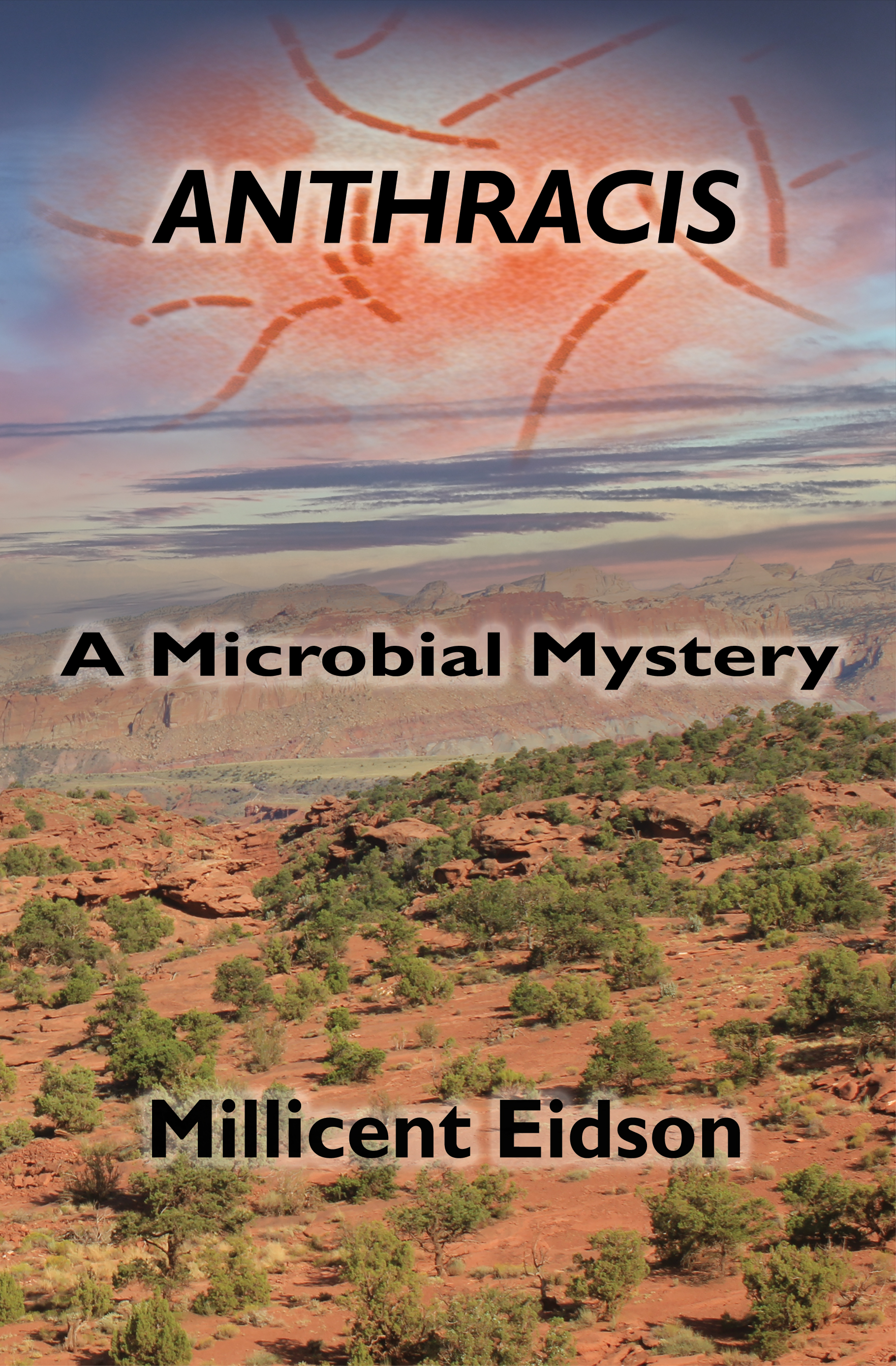
Microscopic microbes that kill—those have been my life’s blood for forty years as a veterinary epidemiologist with state health departments and the Centers for Disease Control and Prevention. Now focused on communicating public health through creative writing, I’ve published ten shorter works and the first novel of my alphabetical series, “Anthracis: A Microbial Mystery.”
Epidemiologists used to joke that everyone thought we were skin doctors. Now in the age of COVID, much of the public is sick to death of public health pronouncements. But there are enough people who are fascinated by the science and inside story of how diseases are routed out and conquered. The West Wing immersed us in the personal and professional challenges for public servants in the White House. The MayaVerse provides a backstage pass to veterinarians in public rather than private practice.
Medical thrillers usually have physician pathologists as the heroes, but medical detectives can include veterinarians specializing in zoonoses, diseases transmitted from animals. “One Health” is the concept that humans, other species, and the environment are intricately intertwined. Ignoring one part places the others at peril.
The MayaVerse is the world of Dr. Maya Maguire, a young veterinary epidemiologist starting her first assignment as part of the CDC shock troops called Epidemic Intelligence Service Officers. I had the honor of beginning my own public health career as an EIS Officer, and my creative writing is inspired by my mentors, peers, and successors. Maya is partially modeled on my daughter, adopted as an infant from China. She’s been a close collaborator at creating the story of a ‘fish out of water’ growing up Asian in the American Southwest.
The author Edward Abbey said that our definition of beauty is formed by the land imprinting our brains during childhood. I bless my good fortune for growing up in Arizona. No place on earth is more spectacular to me than the Sonoran desert.
With climate change scorching the earth and increasing asthma-inducing wildfires, my retirement home is along the gorgeous shores of Lake Champlain in Vermont. However, the Southwest still has my soul and is the initial setting for the MayaVerse. In the second novel “Borrelia” to be published June, 2022, Maya’s investigations into this squiggly spirochete will take her to Europe, and the fifteen years of her life until “Zika” will take us all on a worldwide adventure.
Shorter works, many available for free at HOME (drmayamaguire.com), provide some prequels and side stories for lively secondary characters. Those who sign up for my Reader list will be emailed the e-book and pdf versions of my award-winning short play “Monuments,” which dramatizes a fictional encounter in Santa Fe’s Plaza inspired by real-life controversy over its phallic monument.
“Anthracis” is published wide so available through bookstores, libraries, and multiple online sources including Amazon. Links for the e-book, paperback, hardcover, and large print versions are available at ANTHRACIS (drmayamaguire.com). Please join me on this grand adventure through the microbial world!
Anthracis: A Microbial Mystery
In the hottest summer on record, the spectacular southwestern desert is alive with Bacillus anthracis spores. Maya Maguire, new veterinarian with the Centers for Disease Control and Prevention, battles the largest anthrax outbreak in U.S. history.
Despite lingering trauma from a childhood accident, Maya’s confidence builds with a supportive team of passionate physician Manolo Miranda and enigmatic veterinarian Dave Schwartz.
But Homeland Security and the FBI are suspicious when spores match Dave’s home Texas Triangle of Death. If Maya can’t find the source, thousands may perish. Anthracis takes us to the front lines with scientists betting their lives on the investigation outcome.
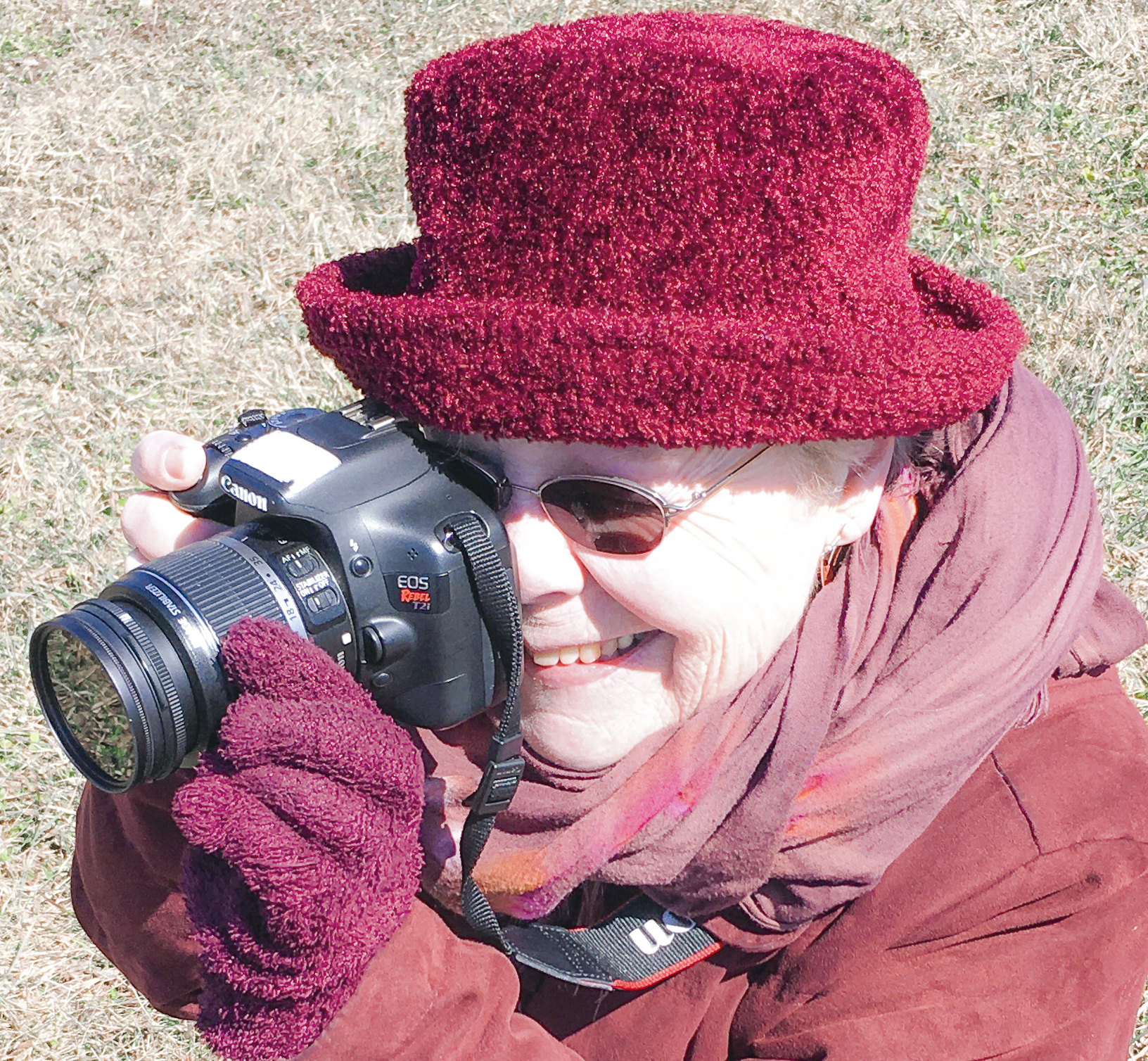
MILLICENT EIDSON is the author of the alphabetical Maya Maguire microbial mystery series. The MayaVerse at https://drmayamaguire.com includes prequels, “El Chinche” in Danse Macabre and “What’s Within” in Fiction on the Web, and a side story, “Pérdida” in El Portal Literary Journal. Author awards include Best Play in Synkroniciti and Honorable Mention from the Arizona Mystery Writers.
Dr. Eidson’s work as a public health veterinarian and epidemiologist began with the Centers for Disease Control and Prevention and continued at the New Mexico and New York state health departments. She is a public health faculty member at the University at Albany and the University of Vermont.




 Ladies of Mystery
You must be logged in to post a comment.