

Creating Jack & I
Ever since reading The Three Faces of Eve and Sybil (a case later reported to be a sham), I’ve been fascinated with Multiple Personality Disorder, now named Dissociative Identity Disorder. After additional contemporary research, I decided to create a character who suffers from this disorder, featuring the “host” Jack’s narration in first person and the “alter” Jack’s narration in third person, interchanging the two in each short chapter. This twin structure allowed for more intimacy with the beleaguered host and a slight distance from his sociopathic alter. Since we all have dark impulses that we subjugate (or mostly do), the novel gives the reader the opportunity to experience what it would be like if we acted on our more sinister desires in a kind of Dr. Jekyll/Mr. Hyde manner all the while maintaining our moral selves.
Jack Kennett is a character who slowly emerged in my mind as I wrote, whereas his alter appeared with immediate presence. Sometimes, the “bad guy” characters are easier to imagine, but as the words accumulated, the host teenager evoked more sympathy because he was dealing with the usual issues: shyness, peer discomfort, and his frustrated feelings for a girl, but also was struggling with dire problems: Jack had experienced severe trauma in infancy (the cause of the personality split), lived in a series of foster homes with some foster parents who re-traumatized him, and dealt with an alter who subsumed Jack and committed crimes, engaged in sexual promiscuity and prostitution, and constantly undermined his attempts to be a normal sixteen-year old boy. In addition, whenever his alter takes over, the host experiences memory loss, though on occasion he can piece together what his alter has done. These blackout states are an intriguing literary device for a writer.
In interviews, I’m often asked why I set most of my novels in the 90s. Simple. By doing so, I’m able to avoid the pesky problems of technology since most people didn’t have internet service or use cell phones until later. These tools allow others to access a character and learn where he or she is and for people to do quick research and be in constant communication with the world, thus making a writer’s job more difficult, especially in a suspense story. In Jack & I, the absence of technology let me concentrate on the interaction between the two primary personalities and those who come into contact with them. This would have been an entirely different story if set in current times. For example, Jack (the host) would have learned about his psychological condition by researching his symptoms on the internet and wouldn’t have had to struggle with many of the mysteries that plagued him.
Another common question: why do I frequently write in the psychological suspense genre? One of my first literary influences was Patricia Highsmith, who loved to devise innocent characters who become victims, usually due to entrapment by an antisocial, manipulative person such as her brilliantly conceived Tom Ripley. Taking a page from Highsmith, Jack & I combines the innocent and the sociopath in one body. An economical structure allowing for dramatic contrasts in behavior, personality, emotions, and thoughts.
This novel was tricky to create in many ways. Keeping the host Jack semi-ignorant of his alter’s activities meant I needed to find strategies for him to become aware of these actions despite his amnesiac states. So, although the reader has the full picture of what’s happening, for Jack to understand the extent of his dire circumstances proved to be a constant challenge as he dips in and out of presence.
I hope readers will be intrigued by the book’s psychological complexity but also by the suspenseful plot. Will Jack and his alternate personalities ever fuse or fine a way to live together? I welcome comments or questions via my website or social media!
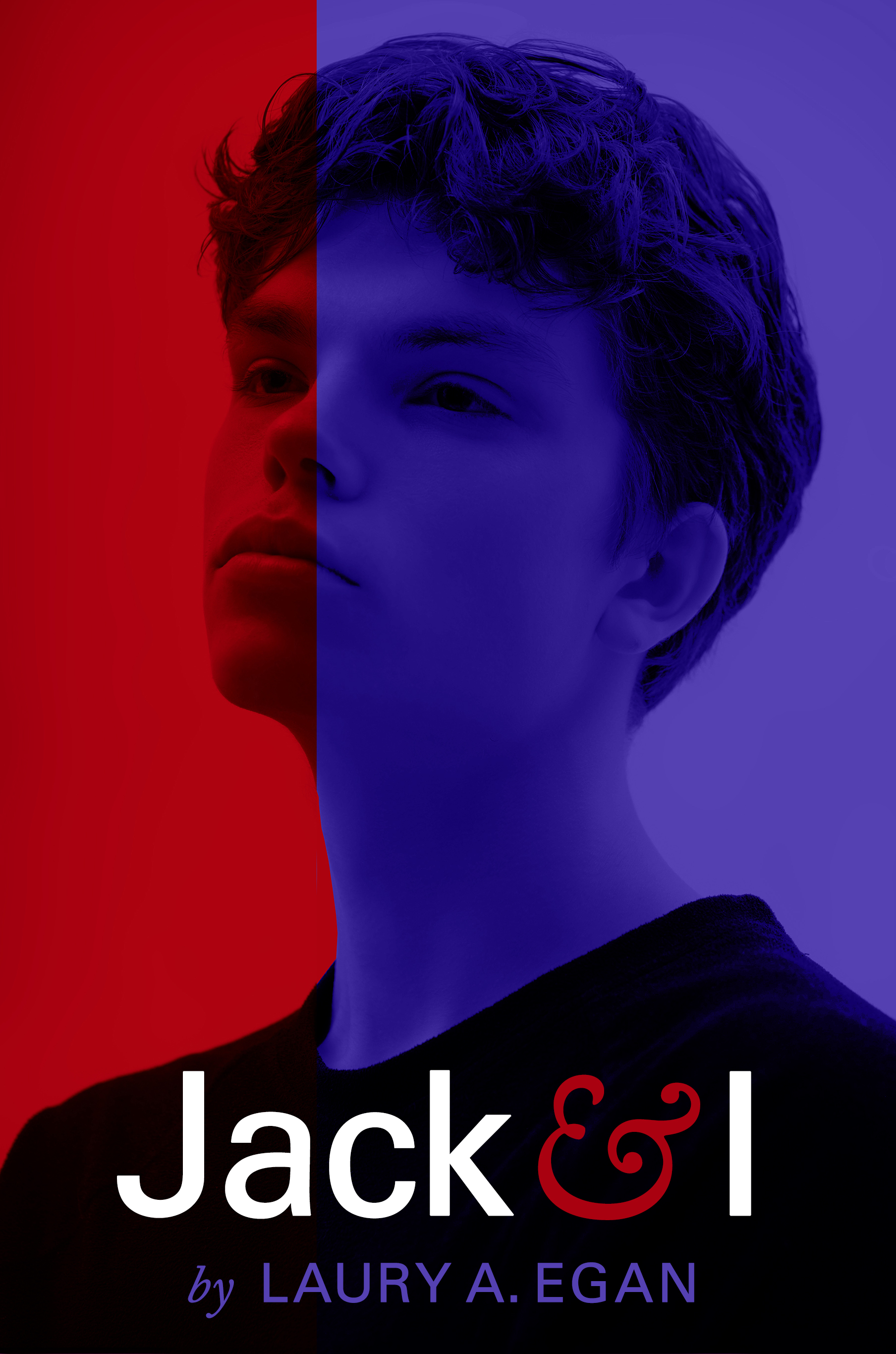
A psychological suspense novel about two teenage boys. The twist? They’re both named Jack and both inhabit the same body. “Mostly I was relieved to put distance between Jack and myself, although this wasn’t possible because I am Jack, too. And sort of not Jack. I am I, or rather, I am me.”
1994. Jack Kennett is sixteen and suffers from un-diagnosed Dissociative Identity Disorder (Multiple Personality Disorder). Abandoned at age two, Jack has been in the New Jersey care system all of his life: foster homes and once placed for private adoption with the Kennetts, a family he adored, especially their daughter, Cara. As the divisive war between the two personalities escalates, Jack (the host) is in despair and feeling powerless as he experiences amnesiac events and must deal with his alter’s promiscuity, truancy, and illegal acts. How will the war between the personalities end?
Amazon link: https://mybook.to/jackandi
GoodReads: https://www.goodreads.com/book/show/209445898-jack-i

Laury A. Egan is the author of fourteen novels, including suspense titles such as The Psychologist’s Shadow, Wave in D Minor, Doublecrossed, The Ungodly Hour, and Jenny Kidd as well as a collection, Fog and Other Stories. Four limited-edition poetry volumes have been published, and eighty-five of her stories and poems have appeared in literary journals and anthologies. She is a reviewer for The New York Journal of Books and a 2024 recipient of a New Jersey State Council on the Arts Individual Artist Award in prose.
Website: www.lauryaegan.com
 Ladies of Mystery
You must be logged in to post a comment.