
Hook, Line and Sinker – The Problem with First Lines

by Janis Patterson

Unfortunately we live in a sound bite age – if you don’t get their attention in X amount of seconds you don’t get it. Time was when authors were advised that you had the first chapter to hook the reader (agent, editor or customer). Then it went down to the first five pages. Then the first page. Then the first paragraph. Now people are leaning toward the first line. Logic would dictate that it would stop there, but in this crazy publishing world I wouldn’t bet on it. With a sad fatalism I’m waiting for a list of sure-fire attention-getting first words. Where things will go after that I don’t even dare speculate.

So what do you do? You grab their attention from the first. Now I’m generous, so I personally work under the three sentence rule. You have three sentences to intrigue them enough to read on. Almost every classic novel violates this rule… some of them adhere to the old ‘first couple of chapters’ convention, which means many if not all would never make it to the shelf today. Of course, novels, conventions and writing styles have changed over the years; what was loved and lionized years – decades – centuries – ago is dead weight today. After all, how many modern people read really old books today for pleasure? (I know some do, and good on them, but we’re talking about modern, short-attentioned modern genre readers.)

So what is it about first lines? People say, you have your cover blurb – why won’t that make them read the book? Well, sometimes it will. It and the cover will usually get the reader to look and pick up the book, but the first sentence(s) will make them want to read the rest. (And like all other things in this more than slightly mad business, this is a generalization. Nothing is ever absolutely certain!)

How? is usually the first question. What do you do to hook the reader? What formula is there to make sure that first line makes them want to continue reading?

The first thing you do not do is start off boring. Don’t talk about the weather, or the pretty scenery, or how much you like your new red dress… unless of course, this is so strange or so much of a clue or whatever that it almost turns out to be the turning point/crux of the story. That’s an individual story call.

Some people just start writing and eventually go back to edit; others end up cutting the first thousand or so words to get a good beginning. Every writer at one time or another has been told “Your story starts in the middle of the second chapter – cut everything before that and lard the information into the story later on.” Other writers can craft a winning first line almost from the get-go. Still other writers come up with a sterling first sentence and then create a story to support it. Even other writers… well, you get the idea. Writing is a highly individualistic enterprise and everyone’s process is different. There are requirements about the finished product, but the process is up to the individual writer.

Back to first lines. Do start off in the middle of something exciting. The hero is caught in the middle of a wildfire or is being stalked by a hungry tiger or is hiding from a gunman – or is being made love to by the most beautiful woman in the world whom he has never seen before. Make his emotions your own. Make the reader wonder (1) how did he get into such a situation and (2) how is he going to get out so much that he has to keep reading.

Once the reader is engaged you can tell the rest of the story – either from that point on or going back to the beginning to tell how he got there or whatever timeline the story demands.

Let’s face it – it doesn’t matter how good and outstanding your story is, or how you present it, the reader is not going to read it unless you hook their interest, and one of the primary tools for that is the first line.

Favorite First Lines

Favorite First Lines

 “I was trying to remember if I’d ever been blindfolded before.

I didn’t think I had been, but the cloth on my eyes felt vaguely familiar, almost nostalgic. I couldn’t imagine why. The only images I could connect with blindfolds were kidnappings.”                      J. Michael Orenduff, The Pot Thief Who Studied Einstein

“Nearly thirteen thousand summers have passed since that splendid morning when the first human footprints appeared between these towering canyon walls. But in all the years since that singular event, not one good thing has happened here. This being the case, hardly anyone visits this remote and dreadful place—though the rare exception is worthy of mention.  Consider Jacob Gourd Rattle.”                     James D. Doss, The Witch’s Tongue

An effective opening says something that makes the reader sit up and pay attention. It’s not a warm-up, but the beginning of something. Something that sets the tone of the book and makes the reader curious or empathic or otherwise immediately engaged. Usually—though not always—it leads into the event that triggers the main plot.

I like the two I quoted above because both give the reader a strong sense of the voice and mood of the book. In the Orenduff example, the narrator reveals his personality, his sense of humor, and his ability to stay cool in bizarre situations. And of course, it raises the question: Why is he blindfolded? The reader is caught up right away, and I think it would hook newcomers to the series who are not yet acquainted with pot thief Hubie Schuze. They don’t need to know his name yet, or what he looks like, or that he’s in Albuquerque. That can come later, once they are pulled into the events.

The example from Doss sets a different tone. His omniscient narrator sees a big-picture view, hinting at something supernatural or evil, and yet doing so with a touch of humor. You can almost hear some Southwestern old-timer spinning a spooky tall tale. The lines create a sense of mystery about the canyon itself and the events—none of them good—that have happened there. And of course, the reader has to wonder who is Jacob Gourd Rattle is and what he’s doing in this cursed or haunted place.

Peter Heller’s novel, The Painter, begins with an equally powerful but entirely different type of hook.

“I never imagined I would shoot a man. Or be a father. Or live so far from the sea. As a child, you imagine your life sometimes, how it will be. I never thought I would be a painter. That I might make a world and walk into it and forget myself. That art would be something I would not have any way of not doing.”

This is backstory and introspection, a risky way to start a book, and one that seldom works. So why is it effective here? For me, it’s the juxtaposition of the startling first line with the narrator’s other unexpected life turns. Art and fatherhood suggest peace, nurturing, and creativity; shooting someone clashes with that image. Then, his compulsion to paint and his ability to vanish into his work suggest he is a passionate man who has things he’d like to forget. The interiority of this passage lets the reader know that this book will be as much about the protagonist’s inner arc as about the dark suspense that drives the plot.

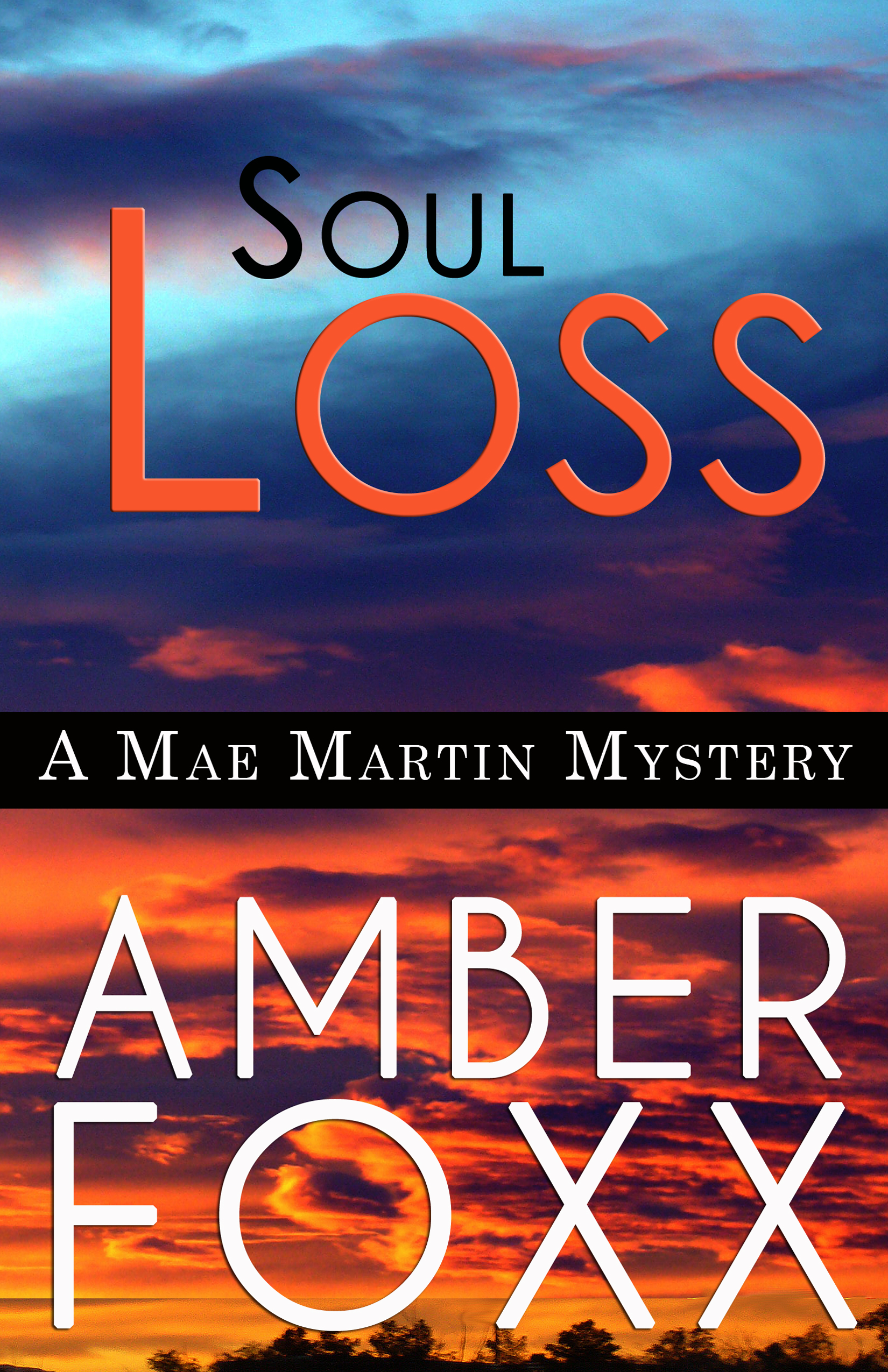
I began Soul Loss, the fourth Mae Martin mystery, this way:

“The full moon was the only glitch in the plan. Too much visibility against the desert and the lake. He’d have to wait ’til he was sure the other campers were sleeping.

“Jamie stared down the slope from his tent to the shore. Depression grabbed him like a weighted net. He’d felt lighter after making the decision, but now the delay dragged him back down.”

Newcomers to the series may wonder who he is and why he’s on the verge of some desperate act. Readers who have been following the series know him and his history, and I meant to alarm them, to make them want to reach into the story and stop him.

Though I’m satisfied with my own first lines, I’m inspired to aim for even stronger ones in the future.  I have an opening line I love in book seven (as yet untitled and unfinished). I’ll have to move it from the beginning of chapter three to the beginning of the book, rearranging the chapters, but it might be worth the work.

What are your favorite openings and why?