
Recently a fellow writer, Jacqueline Seewald, posted an article written by a mystery reader in response to one of her short stories. Along with several others, I commented that this was a gratifying response from a reader, and then I got thinking.
I began writing and publishing mysteries and mystery related articles, reviews, essays over thirty years ago, and to be singled out by a reader for praise is always a thrill. Like any other writer, I want readers to enjoy my work. The number of mystery-related conferences spread throughout the year and scattered around the US and the rest of the world means we are often thrown into contact with current and future (and sometimes past) readers. Both of us—writers and readers—have learned to take this in stride. I make note of which characters a reader liked particularly, a question about a character’s backstory, or hints at a new series or a new direction. But fans don’t have to wait for a conference to find us.
Writers get emails through our websites or blogs, posts on other blogs about a meeting or a particular story, or conversation about a book club. Readers can engage almost any writer on FB or Twitter, on Goodreads or other sites. Writing may be a solitary business, but the readership is ever present. Writers and readers almost can’t avoid meeting each other and engaging in an ongoing conversation. For most of those writing today, this is the norm and always has been. But not for me.
When my first mystery was published, Murder in Mellingham(1993), I was thrilled to have a book launch at Kate’s Mystery Books and meet other writers and readers. After this I attended Malice Domestic and Bouchercon, and met lots of other writers including those I’d never expected to meet in person let alone speak to or have dinner with. It was quite an experience.
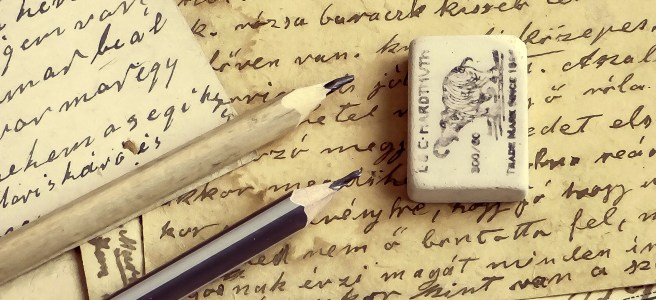
But nothing since then has matched the first piece of mail (yes, snail mail) I received from a fan. I was a newbie, still very little known, but a man who read my mystery took the time to write to tell me how much a specific passage had moved him. He had recently lost his mother, and that one line seemed a particular comfort. I’d never received this kind of letter before (And why would I? This was my first mystery.) and barely managed to write a coherent reply.
I remember that letter because it took time to compose, write on paper, address, stamp, and send (and came through my publisher, as I recall) and was very personal. Of all the warm and enthusiastic responses I’ve had from readers, that one is still the one I remember. Did Jacqueline Seewald feel as excited about her reader’s response? Of course she did. Do younger writers who may never have taken to letter writing feel the same way, I wonder, about email notes from readers telling them how much they liked a book? I’m sure they do. But for me, a letter in the mail will always be the ultimate form of communication.
For the article inspired by Jacqueline Seewald’s story, go to: https://jacquelineseewald.blogspot.com/2020/01/how-readers-relate-to-fiction.html?

 Many years ago, when my husband and I were living in a suburb in central Pennsylvania near Harrisburg, we decided to explore the south shore of Lake Ontario. The Memorial Day weekend was approaching, a time when we typically headed to beach towns in Delaware or Maryland. That year, not wanting to deal with gridlock traffic, expensive hotels and wall-to-wall throngs of people, we were determined to do something different.


 Ladies of Mystery
You must be logged in to post a comment.