Chameleon

As an author, there are days I feel like a chameleon. I have to change my thoughts, my energy, and there are times it feels like my skin.

Because I’m a self-published or Indie author- I have many job descriptions.

  • Writing – The one I love and wish I could do and not worry about any of the others.
  • Editing – One that takes a different side of my brain but makes my work better.
  • Formatting – Making my story into formats for ebook and print books.
  • Producer – Getting the manuscript and pronunciations to my narrators and getting all of that set up to be produced. Then listening to the chapters to make sure the narrators didn’t miss words or used the right emotion.
  • Promoter – Finding the places that will best showcase my books and getting them out to these places as well as looking for authors who write the same type of story to try and do newsletter swaps, Oh and there’s the newsletter that needs to be written. Also making memes, (which I try to get a PA to do as much as possible.)
  • Marketing – Different bubble than promoting. Here I am figuring out what other books in my genre look like, looking for the best advertising for the book and the least amount of out-of-pocket.
  • Sending my stories to Beta Readers and Critique Partners to get feedback on the story and what I can tighten or make different to make it a better story.
  • Uploading – When the book is ready in ebook format, I upload to the various ebook vendors and aggregators. I also upload the print formats to Ingram Sparks. And I upload the audiobook to Findaway Voices/Spotify, Kobo, and Bookfunnel. I also upload the ebooks to Bookfunnel so I can add them to my website store.
  • Website store- While I enjoy having a place where readers can purchase my books directly from me with a bit of a discount to the other vendors, I made myself more work when each book comes out. But that’s okay. I want my readers to start purchasing direct. I like having the one-on-one interaction with them.

For each of these tasks there is a different mindset and there are days I can’t get up the energy to tackle some of them. I always have the energy and drive to write, but many of the other tasks, I drag my feet and reluctantly peel off my writing colors and daunt the dingy, grubby colors of making my brain work in a way, it isn’t accustom to do.

While my brain is constantly coming up with story ideas and working through the next scene or character encounter in my work in progress and the next book brewing in my head, it doesn’t like to switch over to the mundane side of being an author.

There are days I think I should just write for fun and not bother with selling it. But then I think of all the hours and years I’ve spent honing my craft, and know I need to make it a paying endeavor. Not to mention, I would have angry readers if I stopped putting out new books. I love that so many people let me know they enjoy my mysteries. They, the readers, are what keep me shedding my writing colors and doing the jobs necessary to get a book published.

Readers, you keep me writing and sharing! And makes my skin burst with bright, happy colors!

If you want to check out my books you can find them at https://www.patyjager.net

Guest Blogger ~ Erica Miner

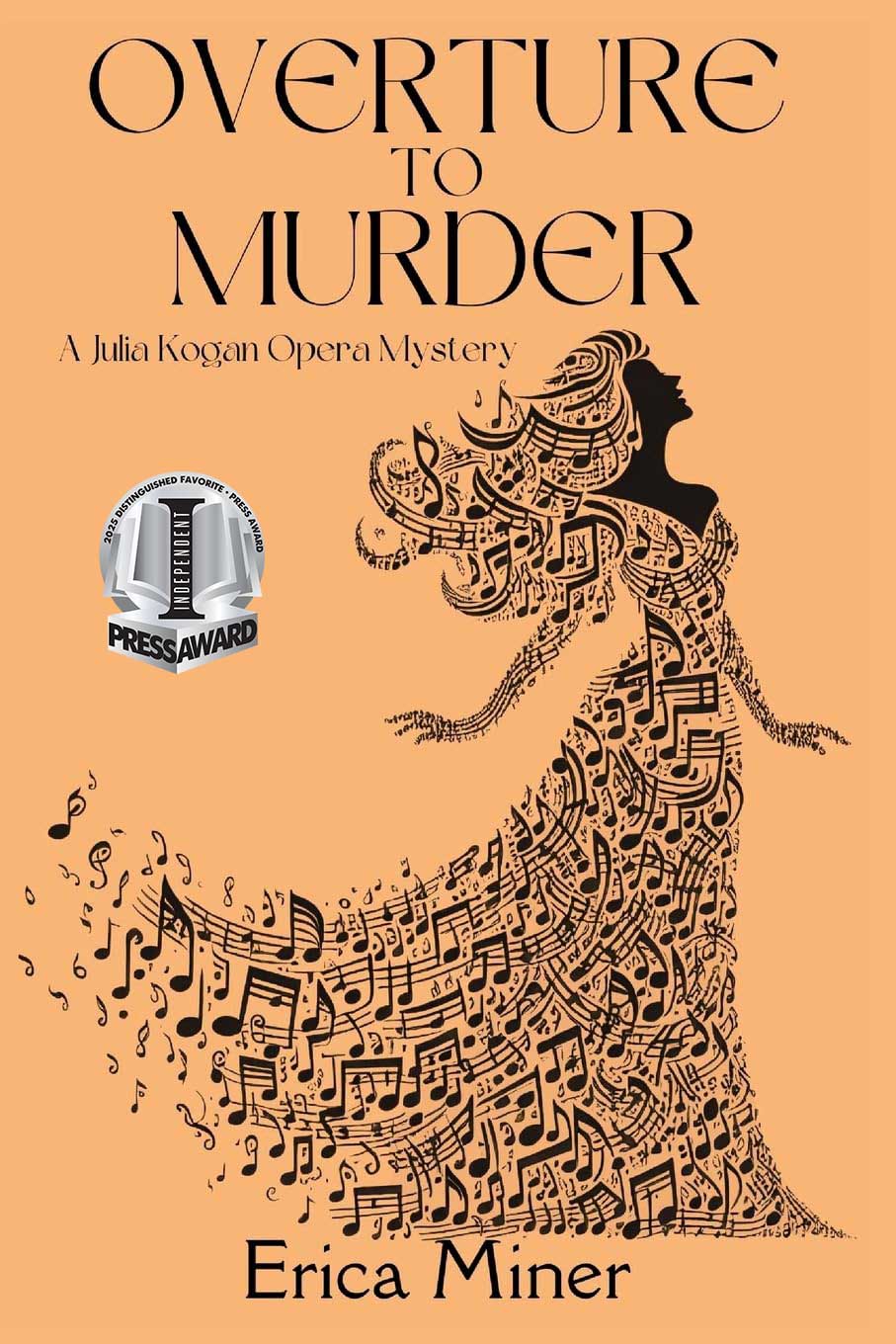
Overture to Murder: a violinist who won’t quit sleuthing

It’s strange how a standalone mystery can evolve into a series. I started off with just one book, Aria for Murder, inspired by my 21 years of experience playing violin at the Metropolitan Opera in New York. The protagonist, young violinist Julia, trades her violin for a detective’s hat as she finds herself investigating murders that take place on and offstage. I had fun weaving real operas into the mystery plot and was gratified at the number of readers who told me they enjoyed learning about opera for the first time. It never occurred to me to write a sequel until one of my fans asked me for one. As a savvy opera aficionado who knew the opera world inside out, he even specified that Book 2 should take place at the Santa Fe Opera.

I jumped at the idea. Though I had never visited Santa Fe, I knew that its opera house, an outdoor theatre set between two mysterious mountain ranges, would be the ideal setting for an opera mystery. Prelude to Murder was the result. While I was in Santa Fe researching the book, I met with a friend, the dramaturg of the San Francisco Opera who, when I revealed my work in progress, asked if I would be interested in writing a third mystery to take place at his company. Book 3, Overture to Murder,was born a year later.

In the story, a suspicious hit-and-run and subsequent backstage murder drive Julia to continue her relentless sleuthing as she investigates deadly secrets behind the music. Can she uncover the truth before the curtain falls on her family’s safety? The answers lie in Overture to Murder. As always, Julia manages to find trouble lurking in every dark hallway and back stairway of the San Francisco Opera, proving once again that an opera house is the perfect environment for mischief and mayhem.

But there were other reasons why I decided to set my third mystery at San Francisco Opera. First of all, San Francisco is one of the world’s most captivating cities. And it considers its opera only slightly less sacred than the Holy Grail. It’s totally an opera town. It’s also a city of mystery and suspense. Witness “Haunted SF Ghosts, Murder and Mystery: a dark and ghastly tour through the mysterious past of downtown alleys and streets. Get haunted by after-dark tales of strange deaths, ruthless villains, famed ghosts, and shocking assassins.” Oh yes. There’s more to the scary aspects of this city than meets the eye.

My most compelling motivation, however, was my personal history with San Francisco’s War Memorial Opera House. Over the years I’ve spent a lot of time there, visiting close relatives and friends who have worked with this illustrious company. When I started researching Overture to Murder, I learned about the fascinating history connecting the opera company with the Gold Rush and other astonishing aspects of the city’s history. But this time, as my friend who had motivated my desire to write the mystery showed me the opera house from top to bottom, I developed a special new intimacy with the place. What I discovered was a theatre steeped in intrigue, with dark creepy basements, ancient creaky elevators, and terrifying catwalks; a place with its own ghosts, whose stories could curl your ears.

What better place to set a mystery?

Overture to Murder

High notes of suspense and danger as the curtain comes down on murder in the third novel of Erica Miner’s Julia Kogan Opera Mystery series. Young Metropolitan Opera violinist Julia heads to the San Francisco Opera to replace ailing concertmaster, Ben, who has suffered serious injuries in a hit-and-run accident. Julia suspects it was no accident, and when one prominent company member becomes the victim of a grisly murder, she cannot resist becoming involved in the investigation. As in her previous sleuthing at the Met and Santa Fe Opera in Books 1 &2, Julia finds danger lurking in the elegant but creepy San Francisco War Memorial Opera house and again finds herself face to face with a ruthless killer. But this time her courage is put to the test when the life of a precious family member is in even deeper peril.

Buy Links:

https://www.amazon.com/Overture-Murder-Julia-Kogan-Mystery/dp/1685127819/

https://www.barnesandnoble.com/w/overture-to-murder-erica-miner/1146432661?ean=9781685127817

https://www.thirdplacebooks.com/book/9781685127817

Award-winning Seattle-based author, lecturer, screenwriter, and arts journalist Erica Miner believes opera theatres and fiery artistic temperaments are a chilling backdrop for murder, and perfect for creating fictional mischief! Drawing on her 21 years as a violinist at the famed Metropolitan Opera, Erica’s fanciful plot fabrications reveal the dark side of the fascinating world of opera in her Julia Kogan Opera Mystery series (Level Best Books): Aria for Murder (2022), finalist in the 2023 CIBA and Eric Hoffer Book Awards; Prelude to Murder (2023), a Distinguished Favorite in the 2024 NYC Big Book Awards;and Book 3, Overture to Murder (2024), a Distinguished Favorite in the 2025 Independent Press Awards.

Erica’s debut novel, Travels with My Lovers, won the Fiction Prize in the Direct from the Author Book Awards. Her screenplays have won awards in the Writer’s Digest, Santa Fe, and WinFemme competitions. When she isn’t plumbing the depths of opera houses for murderous mayhem, Erica frequently contributes reviews and interviews for the well-known arts websites https://classicalvoiceamerica.org, www.bachtrack.com, and www.BroadwayWorld.com.

Erica has lectured on opera and writing throughout the US, as well as in Australia.

Social Media:

https://www.facebook.com/erica.miner1

https://www.instagram.com/emwriter3/

Author Website:

https://www.ericaminer.com

Guest Blogger ~ John Ferriso

Why I Write True Crime.            

Many things can lead us to write down our stories. My writing journey did not just begin; it was always there. As a child, I would remember an incident and retell it to anyone interested. A television show or a stickball game were topics that, years later, I retold to my friends and family. As a child, I watched the police-related television drama Barney Miller, and its dry cop humor interested me. Hill Street Blues had the precinct crime that I enjoyed. Movies like Serpico, Dog Day Afternoon, and Fort Apache the Bronx showed the gritty portrayal of street-level crime; I was hooked and wanted in on the action.    

Growing up in New York, the nightly news inspired me to want a career in law enforcement. I watched the nightly news as the reporters talked about the 44 Caliber killer who murdered his victims; the newspapers referred to him as the Son of Sam. I looked at the morning newspaper headlines and the horrible photos of the women shot. My neighbors talked about him, and teenage girls had their hair color changed. I understood that the Police were looking for the guy. I was fascinated with the stories adults told about the crimes and the ongoing investigations described.

I read true crime, which interested me. I was a reader before my NYPD career and my writing endeavor began. I was in college when I read about the suspects, the investigations surrounding them, and the detectives who hunted them down.

I was in college, working at a sports bar, and waiting to get called to the police academy. I was standing near the waiter’s station, pondering my future law enforcement career. I had a few tables and only a few dollars in my pocket. It would be five more months until the police academy; what type of cop would I become? I will write down what I experienced in the NYPD.

My childhood dream of being in law enforcement propelled me to write. To become a writer, you must focus on what interests you. I no longer needed to listen to the stories of other cops: I was living the same short stories I once read about. I took note cards to work and scribbled pencils to paper my thoughts and engaging experiences. I kept these notecards secret from my co-workers; it was my writing journey.

On the morning of September 11, 2001, I was working in Lower Manhattan, half a ½ mile from the towers. The events of that day and all I witnessed would be imprinted on my mind like an ever-playing movie scene. The day’s horrible events would give me a story to tell others. A few days after the events, I began writing in my spiral notebook everything I witnessed. I condensed my thoughts and observations to 17 pages. I wanted to do more than tell my story; I wanted others to read about it. On the 20th anniversary of the attacks, my story was published online. Free for all to read about what I was an eyewitness to on that horrific day.

In a New York Minute: An officer’s eyewitness account of the events of September 11, 2001 – The Juniper Park Civic Association

After retirement, it was time for me to tell my stories and get my work published. I began with one story about an intoxicated businessman who parked his vehicle on the roadway. I wrote it down as a short story and sent it to Psychology Today. What if the Police called all your contacts? What would they say about you? They published my story! I now knew I was more than just a storyteller; others were interested in what I experienced and what I was saying.

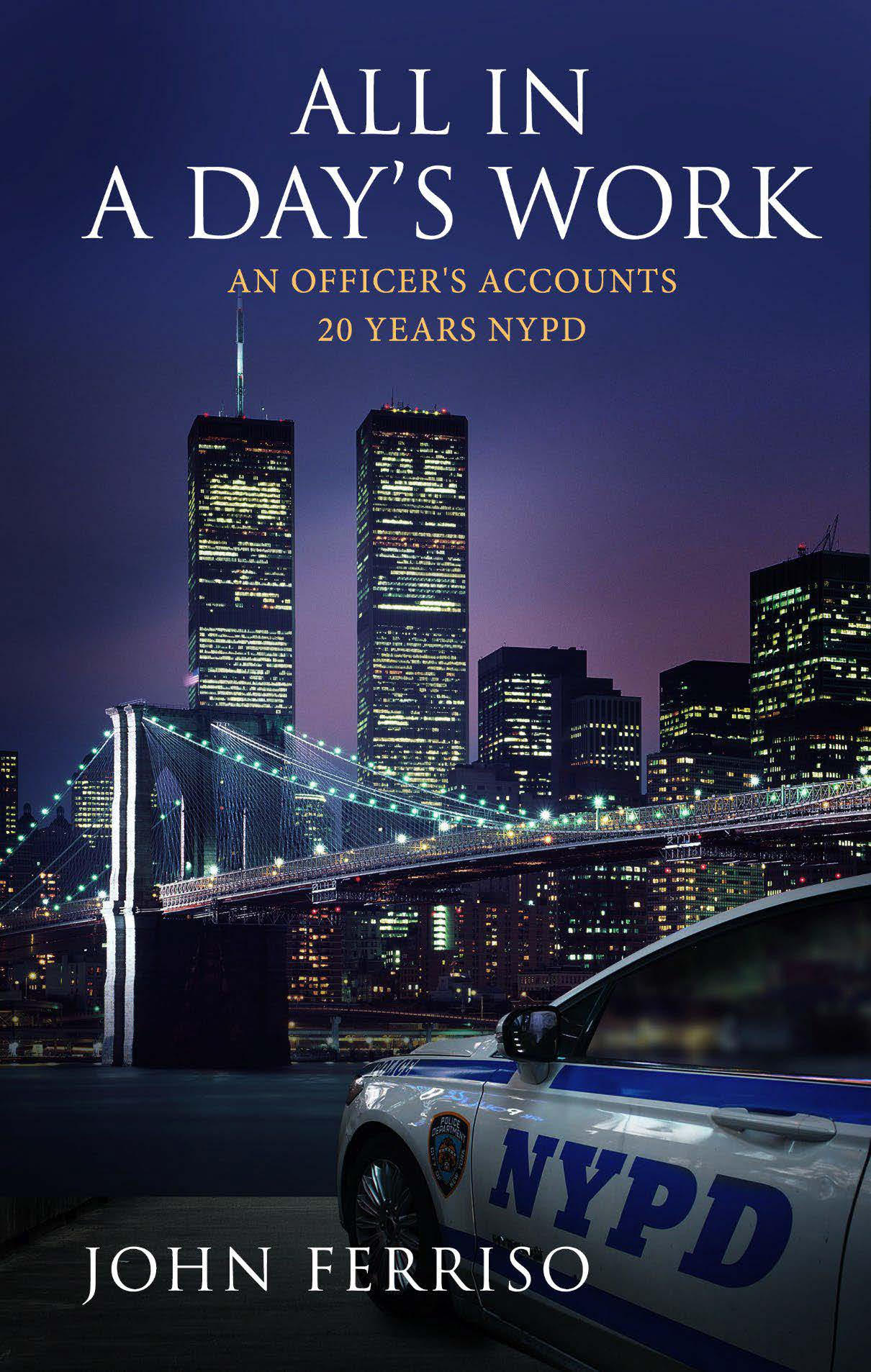
In 2023, it was time to take short stories and self-publish them. All in a day’s work: an officer’s accounts 20 Years NYPD. Soon after, I was a podcast guest in the USA, Australia, and England. I was now telling my stories to a broader audience, discussing my writing journey and the interesting cases I investigated.  

ALL IN A DAY’S WORK

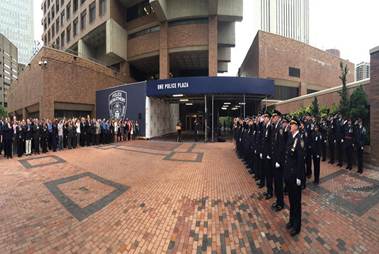
When you are a New York City police officer you become a social worker, chauffeur, human relations consultant, and tour guide. You are expected to do all those tasks while stopping crime as it occurs, preventing crime, and keeping the peace in a city that never takes a break. Let’s not forget you get to do all this within a workday or tour as we call it.

These separate tasks come to you at random times, so going to work is like a roll of the dice. One moment, you are driving with your partner, talking about nonsense, and five minutes later, you are coming face to face with dangerous people who just committed a criminal act. The weight of these tasks can become overwhelming and mentally drain you if you allow it to happen. Many times, you do not have time to reflect on the day’s events. You just move on to the next crisis. Within days or a month, NYPD cops will get involved with and witness more toxic events than an average person will see in a lifetime. Active cops must navigate and work with their coworkers, supervisors, the public, and criminals. What people believe cops do daily regarding police work is often far from the truth.

You will find within my short stories what is occurring inside those moving police vehicles. What the city was like in the days after September 11, 2001. Take a close, in-depth look at the investigation within the NYPD detective squad room. Within the squad room, the pen can influence like a hammer, and a phone call can arrive like a hurricane. If you want the gritty, alarming, and sometimes comical truth behind police work, you have arrived at your destination.

buy link: https://a.co/d/gHVCzb7

I also began to network with authors regarding my law enforcement experience. I could advise other writers on how to place accurate and interesting police-related material into their stories. I could technically advise about the progression of the cases, how the reports are written, and even cop humor. Beyond storytelling and writing, giving back to the writing community is essential and will propel me in future endeavors.

I mainly write true crime because I lived it, which has always kept my interest.

John can be contacted at:

https://ferrisinvestigations.org/

John.Ferriso1970@gmail.com

www.linkedin.com/in/john-ferriso

Guest Blogger ~ M.E. Proctor

The Detective Comes Calling

When I start working on a short story I never know much about the characters. I might have a place in mind—a bar on a beach, a path in the forest, an iced-over parking lot—or a line of text I woke up with, like this one that I used recently, curious to see where it would take me: Innocence doesn’t do it for me. Spoiler alert: somebody dies.

Most of my pieces unspool that way. Characters walk on stage, I get to know them, and things happen. Or nothing happens and the story goes asleep on my laptop, for a while or forever. That loose process works well for me, for short fiction.

A book is a very different animal.

If you write yourself in a corner in a short story the damage is minimal. You can shelve the draft, revisit it later and either find a solution or scrap it entirely. It’s disappointing but at worst you’ve only lost a few weeks. On the other hand, if you’re fifty thousand words into a book and hit a wall or run out of juice, it really hurts. The investment in time and the emotional commitment are substantial. Of course you can try to rescue the project. As Chandler said: In doubt, send in a guy with a gun. Sometimes it works, other times … Raise your hand if like me you’ve read books that feel like they’re limping to the finish line.

The pitfalls of winging it were very much in the back of my mind when I decided to sink my teeth into a crime novel. The problem is that I’m not a plotter. Detailing every beat of a story before sitting down to write it feels too much like a straitjacket. It sucks all the fun out of the project. Why bother to write it if I know everything, no surprises, from the get go? Still, I wanted to be better organized than usual. Start with an idea and develop a rough outline that could go the distance.

It was an excellent resolution.

It didn’t happen.

Because Declan Shaw threw me for a spin.

I was on the back porch, engaged in the creative exercise known as woolgathering, when a name popped into my head. Out of nowhere. Insistent. I’d never written anything, book or short story, that used the name of a character as a prompt. I was intrigued. Who the hell was this guy pitching a tent in my subconscious?

Names aren’t neutral. In life, we’re passive recipients—a gift from our parents. In fiction, the writers are in control. They can play with the mental images a name creates (Dickens mastered it). What does the name suggest about the character’s past, family, or cultural background? Smith evokes 1984 or The Matrix, Cadogan-Smith comes with horses and country estates, Smith-Underfoot might be a familyliving in Hobbiton.

Declan Shaw. What does it bring to mind? Irish heritage. He probably drinks whiskey and can tell a tale. Yes, I know, it’s a cliché. But seriously, with a name like that, what does he do for a living? I love antiheroes but I didn’t feel like spending an entire book with a hitman, Ken Follett did it so well in The Day of the Jackal, and, more recently, Rob Hart in Assassins Anonymous. So what? Reporter. I could see the byline, front page, above the fold. Then an insidious voice in my head whispered: Can you build a series around a journalist, how many cases can he cover, without stretching credibility? A series? The inner voice had to be kidding, there was no book #1 yet. It was ludicrous. But, but … I could smell the possibilities.

And that‘s how, right there, on my porch, Declan Shaw became a private detective.

The first scene I wrote had nothing to do with investigating. I pictured him as an eleven-year-old boy, standing at the bottom of a flight of stairs, looking up at his intimidating grandmother. She was a black-clad villain straight out of a comic book. I imagined the events that brought the kid to her place and the disastrous consequences that ensued. Readers won’t find any of that in Love You Till Tuesday, the first book in the series. Declan’s back story is in my back pocket and won’t come out until the time is right.

I forgot my resolution to outline and gave myself permission to improvise. The plan was to learn who my character was by writing him. It took a lot longer than I expected, three years, three manuscripts, a thousand pages, multiple false starts. None of that work made it into the book, but the effort was worth it. I knew Declan inside out. We were both ready to tackle Love You Till Tuesday. In some sort of orderly fashion.

My plot document looked like the output from a chaotic brainstorming session, a jumble of character sketches, a rough timeline, cryptic notes, dead ends and side stories. It was an unstructured and messy pseudo synopsis, with plenty of freedom between the lines to change almost everything. As I typed away, things changed indeed, and changed again after input from editors and beta readers, cuts and tightening up, but the original bones of the story remained. Until finally Declan Shaw made his official debut with his cigarillos, his cowboy boots, his good and flawed impulses, and his ironic take on the world. He’s good company. I’m keeping him.

Love You Till Tuesday – A Declan Shaw Mystery

The murder of jazz singer April Easton makes no sense, and yet she appears to have been targeted. Who ordered the hit and why? Steve Robledo, the Houston cop in charge of the investigation, has nothing to work with. Local P.I. Declan Shaw who spent the night with April has little to contribute. He’d just met her and she was asleep when he left.

The case seems doomed to remain unsolved, forever open, and quickly erased from the headlines. And it would be if Declan’s accidental connection with the murder didn’t have unexpected consequences.

The men responsible for April’s death are worried. Declan is known to be stubborn and resourceful. He must be watched. He might have to be stopped. He’s a risk the killers cannot afford. The stakes are high: a major trial with the death penalty written all over it.

Buy Links:

Love You Till Tuesday is available in eBook and paperback.

Barnes & Noble, Bookshop.org, and Amazon at https://www.amazon.com/Love-You-Till-Tuesday-Proctor/dp/1956957707

From reviews:

If you think the crime fiction market has enough PIs, think again. Declan Shaw is the kind of PI this genre has been waiting for. Declan is a well-developed, complex and nuanced character, wrestling with his own internal conflicts as he investigates the murder of April Easton. Sharp, witty dialogue and a fast-pace make Love You Till Tuesday an engaging read—one of those books you can’t put down and keep reading late into the night. It is a fun, intense read from beginning to end and M.E. Proctor displays her incredible talent at creating a well-written and beautifully crafted book.

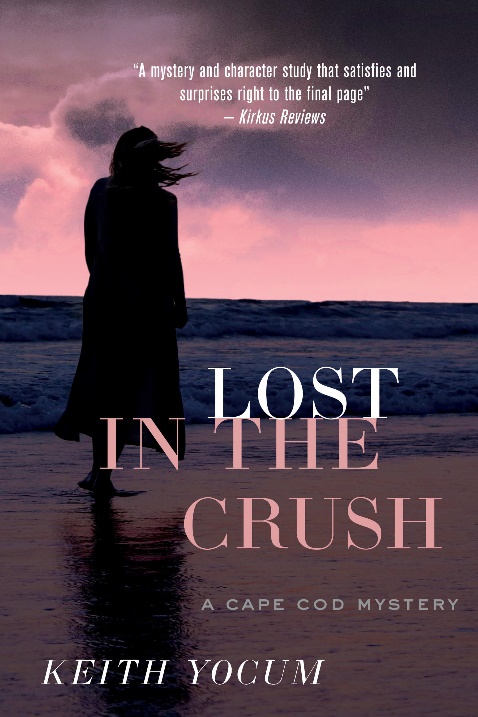
M.E. Proctor was born in Brussels and lives in Texas. The first book in her Declan Shaw PI series, Love You Till Tuesday, is out from Shotgun Honey with a follow up scheduled for 2025. She’s the author of a short story collection, Family and Other Ailments. Her fiction has appeared in various crime anthologies and magazines like VautrinBristol NoirMystery TribuneShotgun Honey, Reckon Review, and Black Cat Weekly.

Social Links

Author Website: www.shawmystery.com

On Substack: https://meproctor.substack.com

Facebook: https://www.facebook.com/martine.proctor

Twitter: https://twitter.com/MEProctor3 BlueSky: https://bsky.app/profile/meproctor.bsky.social

Life has made changes in my writing style.

When I started writing to get published over 30 years ago, I would sit down and knock out words for an hour or two a day. That was when the kids were in school and I’d finished all my outside and household chores. Back then I hadn’t attended more than a college class on fiction writing and a community Ed class on writing for hire.

I had one children’s story published in a parenting magazine and I was working as a freelance reporter for first the Redmond Spokesman and the the Bend Bulletin. These didn’t pay much but they showed me I could write.

The first novel I wrote was a murder mystery. I’d read the first three Kinsey Millhone Mysteries by Sue Grafton and felt I could write a mystery novel. I loved the main character and enjoyed writing about a divorced mother of two who made her living with freelance photography helping her ex-husband prove he didn’t kill someone. I used a book I’d heard about on a television talk show that would help you be your own detective. Great premise! I did my homework looking through the tombs of agents in the books you couldn’t take out of the library and thought I’d found the right one.

Back then I didn’t know you didn’t pay them to read your books. I was already working on the second book in the series when I received the rejection letter that said mystery books in first person didn’t sell. I stood open-mouthed as I read it. But the very books that had set my muse on fire were in first person and they were selling well. I changed the book into third person and resent it, without any money, and never heard back from the agent.

In the meantime, I’d heard on a television talk show ( this was back in the day when I watched television as I cleaned, folded clothes, and did all the household chores) that homemakers were writing romance books and making money. I started writing a historical romance. I attended what I realized, after the fact, was a literary writer’s event. The two workshops I wanted to take were reasonable and I could stay with my parents. I went to the first class and enjoyed learning more about writing. The second workshop was with an editor from New York. We were to read a section of our work to her. The first person started reading and I thought, wow, where is the plot in this? Then the second one read and I was completely lost. Then the third had the moon as the protagonist. I was clearly feeling like I didn’t belong in this group. Then it was my turn and I started reading from my historical romance. Everyone leaned back and stared at me. The agent stopped me and asked if I’d heard of RWA. I hadn’t and then she told me to come see her after the workshop.

From the RWA organization I learned the craft of writing. I learned to make my characters flawed and likeable. I learned how to use villains and tragedy to draw the reader in. I learned about suspense and crafting a good hook. During that time, I wrote every week day. I became published in historical Western romance. After I became published I wrote seven days a week, for three to four hours. I decided to make this a career.

Ten years ago I decided to get back to writing mystery books. That’s when I started writing the Shandra Higheagle Mystery series.

I have written at least 2-4 hours every day since I became a published author.

Until this year.

This year I decided to indulge in life more. Which had me not writing for days, weeks, even a month when I went on my Europe trip.

I take that back, I did write every day because I kept a journal of my trip. But I didn’t work or even think about the next book, which is unusual for me. I usually have two books in my head, the one I’m working on and the next one. I had neither for a whole month.

When I returned, I set a goal for myself. To finish Gabriel Hawke, book number 13, titled Wolverine Instincts, this month. The plan on my whiteboard is for it to publish in January. Right now I’m thinking late January and possibly early February. However, I am writing my 3k a day on this book since November 1st and my goal is to have it ready to go to critique partners and beta readers by the first of December.

This is the second book this year that I’ve given myself a month to get written. I was able to get that book written in the month, but there weren’t two book-selling events and a holiday during that month.

My character Dela Alvaro in the Spotted Pony Casino mysteries is a disabled veteran. The audiobook for Down and Dirty will soon be available. But today, on Veterans Day, you can download a free copy of Poker Face, book 1 in the series using this link from Bookfunnel. https://dl.bookfunnel.com/xlsrf57q4l

Thank you to all Veterans!

And don’t forget that starting November 15th through December the Ladies of Mystery have our Cavalcade of Books available for you to get deals or gift books to people on your Christmas list. Each of us is offering three books, some at special prices just for you! Ckick HERE to see what’s what, once again starting November 15th!