I love everything about writing my books. The research and plotting. Developing characters and creating scenarios for their fictional lives. Deciding what crime my villains will spring on their unsuspecting victims. And not knowing how the book ends until I make the journey with the characters is so satisfying.
I do not, however, enjoy marketing. Seriously! There is so much to learn about running Facebook ads. And don’t even get me started about trying, unsuccessfully by the way, to make an Amazon ad. I also can’t seem to master Tik Tok or Book Tok or any kind of Tok.
My trek into the nightmare of marketing is driven by the desire to increase my book sales. So far my endeavors have been participating in book events with Northwest Independent Writers Association (NIWA), as well as doing a few on my own. I love talking to potential readers and discussing my books along with other authors’ books. And I’m really good at sales! I’ve been told I can sell someone the shirt their already wearing!
Obviously, I’m participating in writing blogs for Ladies of Mystery, but I also try to post blogs on my author’s website. And have looked into writing a blog for Goodreads to see if I can attract more readers to my books.
One of the benefits to working events with other authors is learning how to well … market. Paty Jager has been helpful beyond words, answering my questions and holding my hand as I flatten my learning curve. From creating ads to crafting a newsletter to navigating tools like Audible, Paty has provided great insight. Her patience is endless and if not for her I would’ve tossed in the towel after the first week.
Now I’m running a Facebook ad every week or so and my book sales are creeping upwards. I haven’t been able to master an Amazon ad yet, but plan to keep trying. I noticed that my eBook sales are up via Draft2Digital. In fact, the Brooklyn New York Library ordered all five of my eBooks. What?!? As did the Jackson County Library in my hometown of Medford, Oregon.
One of my favorite marketing tasks so far has been scheduling more solo book events. I’ve landed a booth spot for Donald Daze in my current hometown and the Jackson County Library has invited me to do an event in June.
Marketing might be a touch challenging, but I do love a good challenge! I would love any tips or tricks you’ve had success with, so please feel free to share at author@kimilakay.com
I’m off now to work on my current WIP, “Chaos in Cabo”, because causing chaos for my characters is way more fun than marketing!
Happy writing, Ladies ~ Kimila
Footnote: As you know, I lost my son, Derrick, seven years so with each passing child, I deeply feel the loss for the parents. Dear friends of mine lost their 21-year-old son, Jason, in a motorcycle accident a week ago. My apologies for the short blog this time, but I’ve been in Medford wrapped in the comfort of family and friends. Hug those close to you because no matter how much time you think you have … it will never be enough.
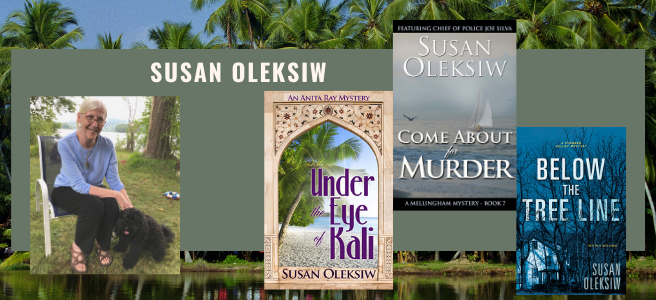
I’m in the middle of the sixth book in the Anita Ray series, which is set in a tourist hotel in a South Indian resort. Over the years the area has grown from a tiny fishing village with a few hotels just up the coast to one of the most popular destinations for Westerners eager for the sun and sand, not to mention the sunsets and the fishing boats bobbing on the horizon at night. I know the area well, having visited it for the first time in 1976 and several times in the 2000s.
The pathways laid out in the early years are now paved walkways through marsh with little pools covered with lily pads. The paths have been widened in some areas to allow shop owners to hang out rows of brightly colored silk saris and blouses. When I think there’s no more room for another restaurant or shop, I turn a corner and spot five square feet turned into an open-air cafe with the owner stirring a pot on a two-burner cooktop, ready to serve the foreigners sitting on stools before a board table. The food is good, the price is right, and the cook’s son works in one of the high-end hotels. Much of Kovalam has spread on what was once paddy fields that came down to a low berm fronting the beach. All those are gone, and only the rare private home remains, hidden away beneath tall palms.
A reader often tells me they know “exactly where I am” in an Anita Ray story, and that’s because I do too. I have a strong sense of direction in India (and elsewhere), a deep understanding of India (after years of graduate school), and a personal love of the region. All of that informs the Anita Ray stories. What I don’t have is a sense of place in any story if I haven’t been there, walked through a public park, found a typical cafe for the area, and visited a municipal building—perhaps a library or town hall. I can make up a lot of it, but I need to experience the “feel” of the place.
The Joe Silva series, in seven books, takes place in a small coastal New England town. I know these towns well, having grown up in one. The rocky coast speaks of the “flinty” Yankee, and the harsh winds call to mind the ever-present threat of hurricanes and other storms. Winters may be changing because of climate disruptions, but the birds still come, the land demands careful attention, and life for the fisherman is never easy.
One of the reasons I enjoy reading crime fiction is the other landscapes I get to explore. I’ve been through the Southwest and lived for a brief time in Tucson, so I appreciate any writer who can take me into that world of mountains and deserts, long straight roads, and small adobe houses with gravel yards. The openness of Montana and Wyoming brings out the best in some writers, and I look forward to their stories and landscapes.
Regardless of where we grew up or now live, we are creatures of our environment, and the best fiction uses that sense of place, what is distinctive and unique about one location, to propel the characters and their story. This, for me, is the reward of a reading a novel with a rich, fully developed setting. I come to understand both people and place, and know a part of the world I may never visit a little better.
Most fiction authors are familiar with the debate about whether to use real locations, people, and real historical events in our stories; or whether to keep everything fictional.
There’s an argument to be made for both sides. Many book lovers enjoy reading about real places, and some even make the effort to visit a place because they’ve read about it. They might buy specific products mentioned in a book, or eat a particular meal that was described. I get it. I have sought out places and experiences that I’ve read about in my favorite stories.
Maybe I’m uniquely cursed, but the changeable nature of reality often comes back to bite me when I use something specific and real in my stories. It’s one thing when a story is clearly historical fiction, set far back in time, but when it takes place only a decade or only a few years ago, do readers actually keep track of when changes happened, or do they simply think the author is clueless?
I started my Sam Westin series with Endangered, a story about the search for a missing child in a fictional national monument. My protagonist was submitting daily blog reports from the backcountry via satellite phone and computer connections. Needless to say, the technology that she was using more than ten years ago has changed drastically over the years. Do readers now think that I know nothing about technology? I’m afraid to take a survey.
When I wrote my mystery Backcountry, I decided to set a pivotal scene in a country western dance bar owned by an acquaintance of mine. I wanted more people to know about the place. Then, less than a year after Backcountry was published, the bar went out of business.
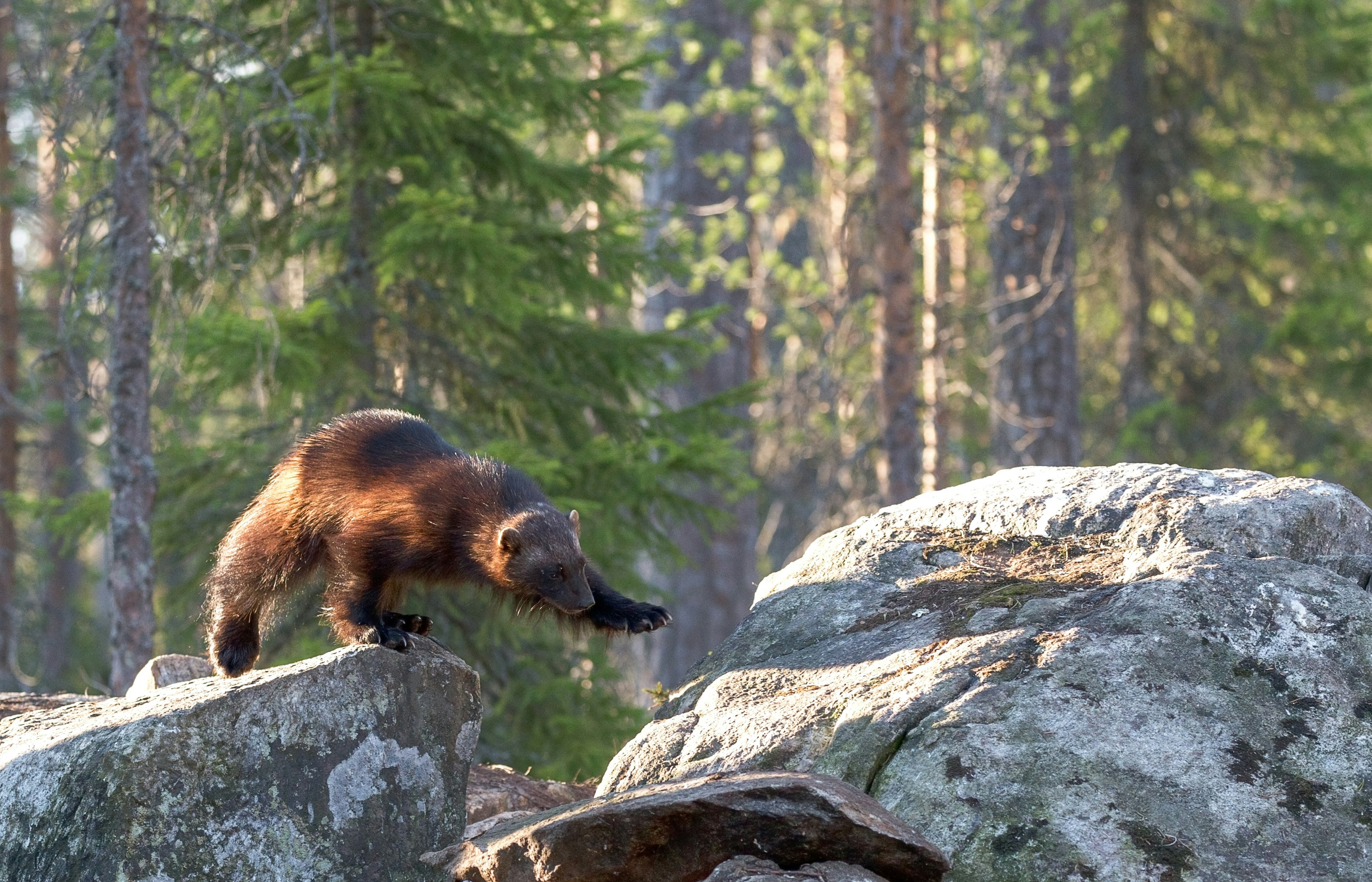
In Cascade, a mystery I published only a couple of years ago, I (or rather, my protagonist Sam Westin) made a big deal about how wolverines should be on the Endangered Species List in the United States, but they weren’t. Just a couple of week ago, I read wolverines had recently been added. Yay for wolverines! They deserve to be listed. But now, I’ve got to wonder: how many readers will check the publication date of Cascade and compare that with the date that wolverines became protected; and how many will simply conclude that the author of the book didn’t know what she was writing about?
To make matters more complicated, my state, Washington, is on a campaign to change the names of our popular waterways and parks because the person for which the place was named was white and basically, a terrible person to non-Caucasian people. For example, our Harney Channel, a major passage in the San Juan Islands here, was originally named for a 19th century U.S. Army general famed for abusive and even deadly actions toward Black and Indigenous people. Now it’s Cayou Channel, re-named to honor a Coast Salish Native American who was an upstanding leader in all ways for his time. Again, this is something to celebrate, but now even new maps seem to indicate that I don’t have a clue about local geography.
No doubt our state’s Committee on Geographic Names will change up a lot of things around here. After all, practically all the place names I’m surrounded by are called by the last names of white British officers who were on George Vancouver’s explorations, or named for white guys who were bigwigs in the Hudson Bay Company. And how long will it be before the Committee gets around to reconsidering our state’s name? George Washington was another old white guy and a slaveowner, after all.
The faster that technology and names change, and the faster that events change public opinion and even the course of history, the harder it is to write a good story that mentions real places and things. We authors are capturing snapshots in time, and that time seems to be getting shorter and shorter.
Maybe I’ll switch to writing science fiction and make up everything from now on.
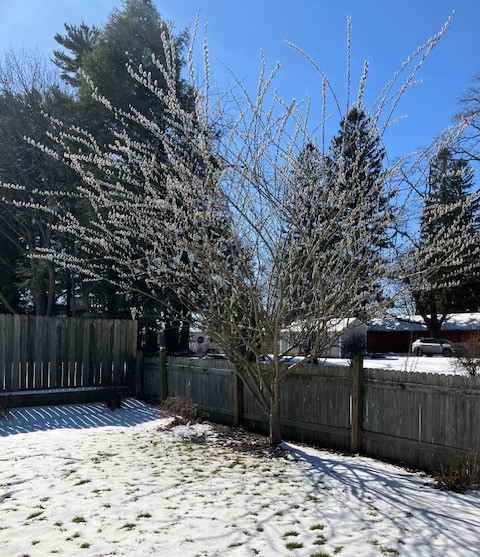
Here on the south shore of Lake Ontario we had a mild winter, and now we’re having an early spring. In February that rascally groundhog didn’t see his shadow, so he probably wasn’t surprised when our daffodils started peeking up from the ground, that green leaves emerged on our hydrangea bushes, or that lush catkins swelled the branches of our pussy willow tree. Robins began hopping about in search of worms, and we awakened to the cooing of mourning doves much sooner than expected. Geese obviously know things we don’t, we spied multiple V-shaped processions flying high in the sky, heading north to Canada, about a month early.
February was also a wild roller coaster ride – a day or two of sub-freezing temperatures with power outages, the result of vicious wind and driving rain or blowing snow — followed by a day or two of sweater weather, bright sun with temperatures in the 50s, 60s and on some days, 70s, Repeat, and repeat. Thank goodness we have a generator.
Now it’s March, the month that in our neck of the woods we call Mud Season. The reason for the name is that the several feet of snow we typically get each winter melts in a rush in a day or two, flooding our streets and making for swampy grass and a mucky beach. This year it never happened, we hardly had any snow. It’s odd, but then again, we’re not complaining. I’m still clipping sprigs from the rosemary plant I grow in a pot on our deck, usually by now it’s turned brittle and yellow.
In the past I’ve never really loved March, we often travel south for warmth and sun, but this year we decided to stay home and put a positive spin on it. March, like its cousins June, September and December, spans two seasons, with winter ending earlier than expected and signs of an early spring everywhere.
The air smells softer, a sweet perfume of ripening earth, and instead of washed-out blue, the sky is now the color of a robin’s egg. The lake, more often than not, is cobalt with frothy waves of white instead of pewter and silver. The days are longer; and we often awaken to a coral-pink sunrise and cheerful birdsong. Instead of heavy coats and boots, we don sweatshirts or sweaters and sneakers for our daily walk.
This year, it’s as though a switch has been flipped weeks earlier than we expected. We’re enjoying it and the opportunity to spend more time outdoors as we anticipate the slow and steady movement towards the vibrant days of summer.
Karen Shughart is the author of the award-winning Edmund DeCleryk cozy mystery series, published by Cozy Cat Press. All books are available in Kindle, Kindle Unlimited, paperback, and Audible and at independent and chain bookstores and gift shops. She is a member of Crime Writers Association of the UK, North America chapter; F.L.A.R.E. ( Finger Lakes Authors and Readers Experience) and AllAuthor.
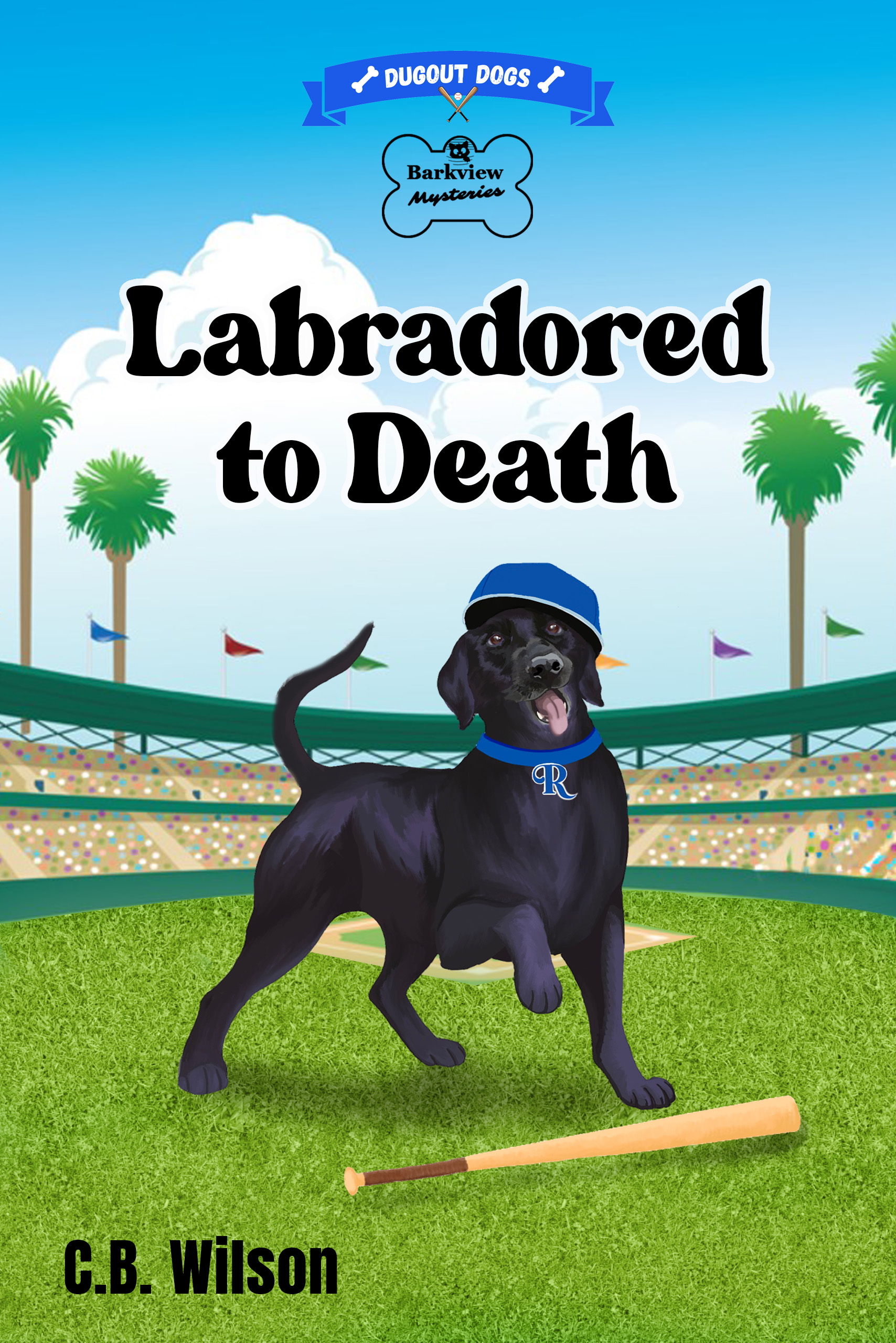
Research is a crucial part of writing for many writers. Some love it, while others hate it. Some writers enjoy it so much they go down that rabbit hole and never get around to writing the story. Others dread it, afraid facts will irrevocably change the story. I fall somewhere in between. Research inspires me. In my latest book, Labradored to Death, Barkview Mysteries book 8, not only did the focus of my book change but a spin-off series was born. You see, I fell in love. (Don’t tell my husband.)
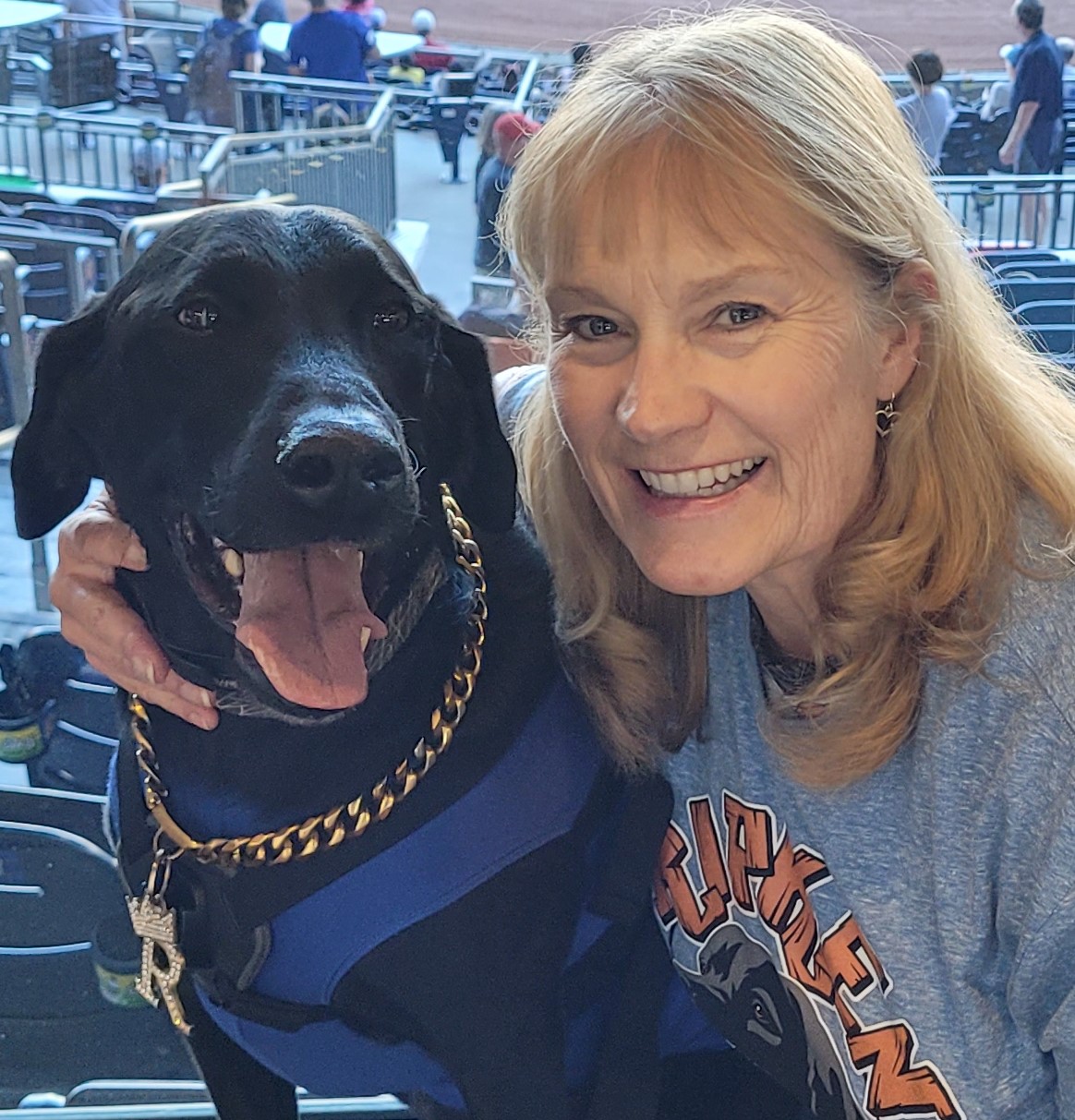
I must admit that I’ve never been a big baseball fan. Sure, I enjoy a sunny afternoon at the ballpark once in a while, but the 7th inning stretch was my cue to scado. Then I met baseball’s bat dogs! These dogs are the new bat boys and work in about ten minor league baseball stadiums. Ripken, Finn, Rookie, Brooks, Turbo, and Miss Lou Lou Gehrig, to name a few. These dogs are amazingly well-trained athletes. I know. I had the pleasure of spending a game on the baseball field with Ripken, the Durham Bulls’ bat dog.
I confess I am starstruck by the black Labrador Retriever. Here’s what happened: It was the bottom of the second. Score 0-0. No hits. Durham Bulls are at bat. The batter hits a double. The crowd cheers. Ripken runs past home plate and down the first base line to retrieve the hitter’s discarded bat. The ENTIRE stadium comes to its feet, chanting, “Ripken, Ripken!”
The dog didn’t even take a bow. He glanced up at the crowd, bobbed his head (Yes, he did), and returned the bat to the dugout. It was exciting. I was ready for more. Unfortunately, the Bulls weren’t a hitting machine that night. However, they did win 3-2. The real surprise came after the Lab left the field. I figured it was time for a well-earned treat. Not a chance. Ripken barely made it off the grass before fans surrounded him. (Brought a whole new meaning to paw-o-graphs.) Is it any wonder the dog’s a fan favorite? With 500,000 social media followers, Ripken, the bat dog, is Durham’s dog.
Talk about a game-changer. Ripken’s story needed to be told. I started by going back to school—puppy school, to be exact—and learning what it took to train these special bat dogs. Black and yellow Labs, Golden Retrievers, and German Shepherds all make popular candidates. The first skill a bat dog must have is the desire to retrieve.
I won’t get into how to train a dog to retrieve. If the skill is natural, that’s the easy part. To be a bat dog, not only does the dog need to learn to fetch the bat, but he also needs to learn NOT to return with anything except the bat, which is problematic. Who knew the baseball diamond had so many distractions? A successful bat dog must ignore everything from shin guards and baseballs to unwanted food items. The dog must retrieve JUST the bat. Every time. Without fail. Did I tell you the bat likely has sticky pine tar on the handle? (ICK! I don’t even want to know what that tastes like.) Wait a minute. The dog must also remain laser-focused while 20,000+ people call out his name.
Have all the above bases been covered? (Pun intended!) Now, get ready for ambassador duty. That’s right. Bat dogs are required to sit for selfies, pets, hugs, and baseball cards while being mobbed by hundreds of fans coming at them from every angle. To say this job isn’t for every dog is an understatement.
It takes a special dog—a one-in-a-million star. So, why are these dogs ONLY used in the minor leagues? They are all fan favorites. With millions of social media followers, why is Major League Baseball dissing these talented athletes? It looks like a serious case of dog-crimination. I hope Major League Baseball does some research and comes to the same conclusion about the bat dogs’ contributions. Please encourage them by joining me in signing a petition that I will send to Ron Manfred, the commissioner of Major League Baseball, to encourage them to include these pups in major league play. You can find the petition on my website at www.cbwilsonauthor.com.
:Labradored to Death
A daring heist, an epic fire, and a dog who holds all the cards.
Has America’s pastime gone to the dogs? Bat boys replaced by bat dogs! Cat Hawl, KDOG’s editor-in-chief, has a bone to pick with professional baseball. When a million-dollar baseball card is stolen and a celebrity bat dog’s collar is discovered at the crime scene, she learns exactly how high the stakes are.
Barkview’s iconic candy company, Canine Caramel, teeters on bankruptcy while stolen sports memorabilia flood the market and sabotage strikes the baseball museum. The evidence neatly leads to the missing baseball card. Or is it just a diabolical misdirection?
With the town full of die-hard baseball fans, Cat and the fearless bat dog must uncover a conspiracy before the seventh-inning stretch.
QUOTE:
***** Its quirky humor and intelligent banter give it the feel of a Nancy Drew and Miss Marple murder mystery hybrid with an even more exciting conclusion. Reviewed by Essien Asian for Readers’ Favorite
The award-winning author of the critically acclaimed Barkview Mysteries series, C.B. Wilson’s love of writing was spurred by an early childhood encounter with a Nancy Drew book where she precociously wrote what she felt was a better ending. After studying at the Gemology Institute of America, she developed a passion for researching lost, stolen and missing diamonds–the big kind. Her fascination with dogs and their passionate owners inspired Barkview, California, the dog friendliest city in America.
C.B. lives in Peoria, AZ with her husband. She is an avid pickleball player who enjoys traveling to play tournaments. She admits to chocoholic tendencies and laughing out loud at dog comics.








 Ladies of Mystery
You must be logged in to post a comment.