TODAY IS MEMORIAL DAY by Marilyn Meredith

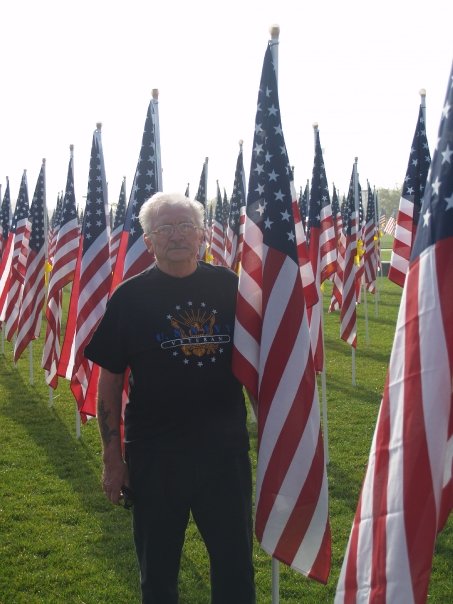
Because it’s long holiday weekend, too many forget this is the day to remember all those who gave up their lives in wars for our freedom. My husband served 20 years in the Sea Bees, including 3 tours in Vietnam. We were fortunate as he came home to us, unlike so many other families who suffered great losses.

Though my husband loved his time serving his country, it wasn’t so pleasant for me. We had a big family—ultimately five children. Often, I was the only parent at home.

There was never enough money. I got my monthly allotment check and I had to buy food for the whole month and budget wisely. There were times I went to work to supplement our income. Usually I ended up splitting whatever I made with the babysitter.

The only reason I decided to share the above information, is that there are many military families still going through separation and not enough money. At this time, we have two family members who are married to service men and have children. I believe the pay is better than what it was during my time as a military wife—but I sincerely doubt that it’s enough. And for those who’ve lost their husbands (or in some cases, wives), I’m willing to bet besides the emotional struggle there are monetary ones too.

Yes, I know that is neither writing nor mystery related, just something I felt compelled to share.

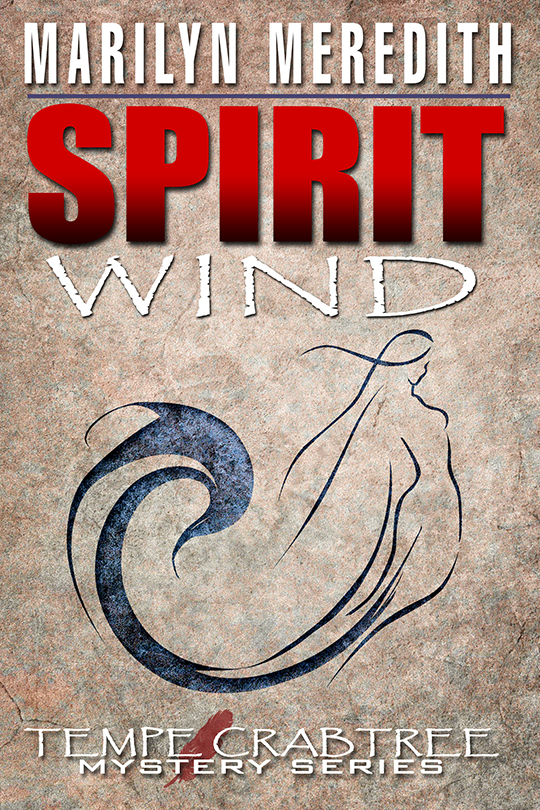
At this time, I’ve been busily planning three book signings—one in my little mountain community at a local coffee/sandwich shop, one in the closest city in a wonderful chocolate store, and one at a museum in Tehachapi—the setting for Spirit Wind. This is the latest in the Deputy Tempe Crabtree series.

Fortunately, Spirit Windhas received some great reviews.

Marilyn

Available in trade paperback and on Kindle.

Voice and Word Choice by Paty Jager

Voice is the author’s style, the quality that makes his or her writing unique, and which conveys the author’s attitude, personality, and character; or. Voice is the characteristic speech and thought patterns of the narrator of a work of fiction.”

This definition I pulled off the internet helps define Voice, but I’m going to dig a little deeper.

Each genre, historical or contemporary, western or mystery, I have to think about the “voice” I need to use for each one. I know the example of voice says it conveys the author’s attitude, personality, and character- true, but that has to also fit the time period and the place- historical or contemporary western. Jeans in a historical are called denims or overalls – in a contemporary they could be call Jeans, Wranglers or Levis.

This also goes along with word choice. The writer needs to know if a word was used in 1880 or if it didn’t become popular until the 1900s. When I type a word when writing an historical, and it feels modern, I use online etymology, a website where you can type in a word and it tells you when it was first used and the meaning of the word at that time and later.

Same goes with my mystery books. I use terms that are contemporary but try to include a bit of a western feel or voice to the books. I do this because they are set in rural areas and because my main characters are Native American, which also leads me to think about phraseology when writing from their points of view.

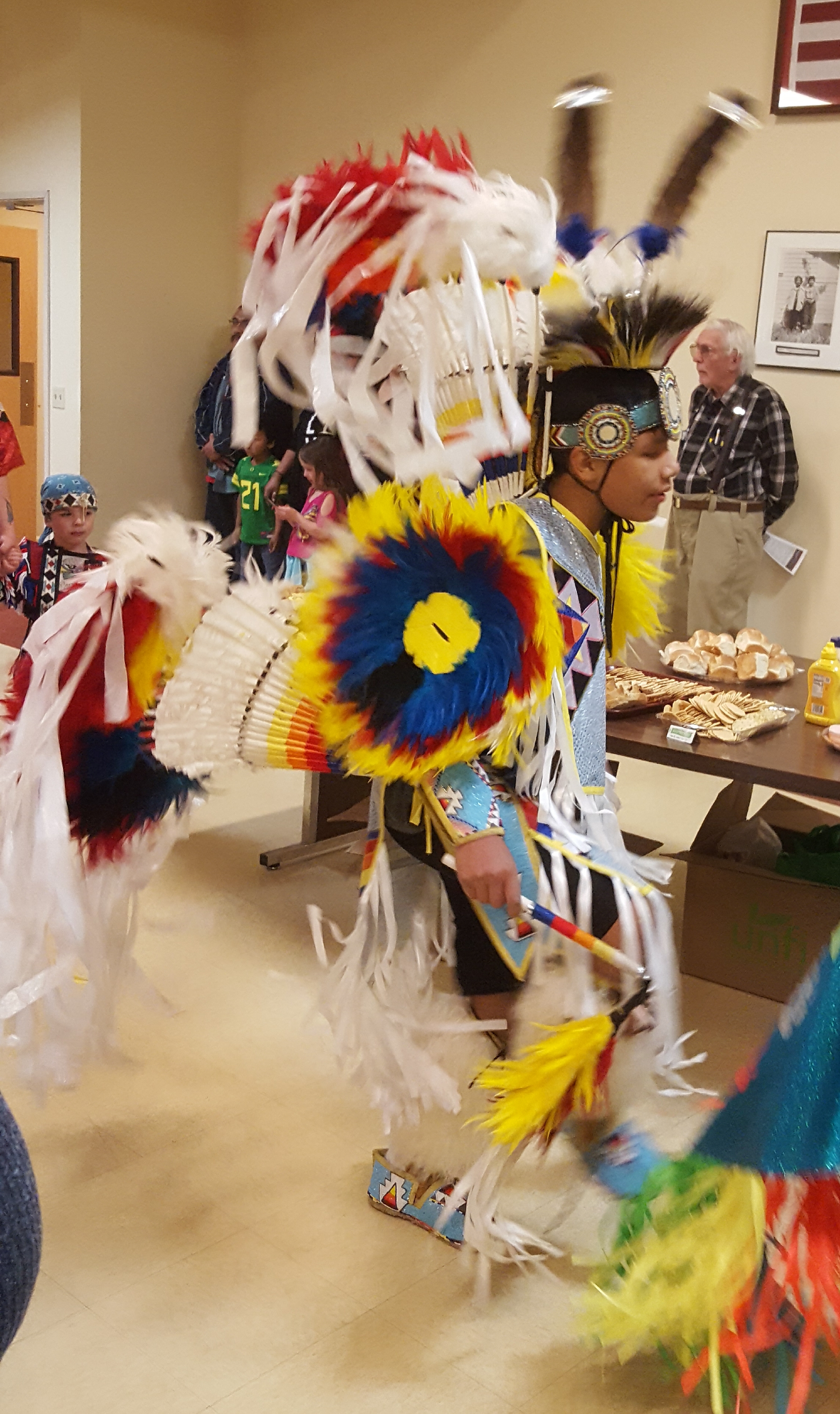
Paiute Fancy Dancer

Especially, my Gabriel Hawke character. He grew up surrounded by his culture, and therefore, has a deeper connection to the outdoors and the earth in general. While writing in his POV, I try to make sure his inner dialog as well as what he says to other characters captures that essence. 

Shandra Higheagle, while having the love of the outdoors and making pottery from clay she digs on the mountain where she lives, she grew up in a white world and is only now learning how deep her roots go in the earth. And because of this, she is easier for me to write because I can include my wonder of the Nez Perce and their culture to be reflected in her as she is coming to know more about her family.

When I sit down to write a book, depending on the genre, I have to mentally put myself in that time and place to make sure I give the best accounting of the events that are happening and told through my characters’ eyes and emotions. If you read a book from each of the genres I write, you will see there is a bit of difference in voice because I am trying to show the story through their eyes and not mine. But some of my emotions- such as my need to show injustice – will come through in every main character.

Word choice as I commented on earlier, has to do with making sure the word is true to the time and the occupation of a character or knowing what I am talking about. I don’t know how many western romance books- contemporary and historical – I stopped reading because a character grabbed a fetlock to swing up onto a horse’s back, or they grabbed the cantle as the horse started galloping. Or what really had me tossing a book…They put the halter on the horse and slid the bridle into its mouth. The writer needs to know what they are writing about. If they don’t know, they need to look it up. I spend a third of my writing time looking things up. Even if I think I know it, I still look it up to be sure. And while I’m looking it up, I might find a better word that makes the scene sound even more convincing.  

Words are what make up a book and they need to be thought about carefully. Just as carefully as the characters that are fabricated to show the story.

blog / websiteFacebook / Paty’s Posse / Goodreads / Twitter / Pinterest   / Bookbub

Keep moving forward

For me, the hardest part of writing a book is getting starting. Thinking about cranking out over 50,000 golden words of terrific prose is daunting. There’s the fear of “How can I top my last book?” and “Can I come up with an original idea?”

The trick is to break down the novel to pieces. Start with one word, then two, then three . . . Work on one chapter at a time before worrying about the next.

I start with an outline. I tried writing one book as “pantster” and by page 50, I was in trouble. The story didn’t interest me and, I’m sure, would bore the reader as well. I threw out of what I’d written and started over—with an outline.

The outline is flexible. I add to it and shift elements around as I progress. But, like a road trip, I have a destination in mind and can plan the most direct route with a minute of delays. As a “pantster,” I’d be taking too many scenic detours and ending up miles away from my goal.

An advantage of outline is that once that’s in place, the actual writing is easy. With an outline, I don’t have to think hard about what should be in the scene. Once I start writing, it begins to flow and gets easier. When I start building the characters and watching how the scene plays out and adding comic bits, I’m motivated to keep going. Like swimming, the initial plunge into the pool takes the most effort.

I’ve heard the phrase that a writer needs to “show up at the page.” That is, the author must sit, pick up the pen or turn on the computer, and actually write. Simply thinking or talking about writing, or saying “it’s all in my head,” or going to endless meetings or conferences or classes without writing will never produce a book.

The first months of this year, for me, had many distractions, including house repairs and cat health and working on a big teaching project. Now that’s all out of the way—for now—and I have no more excuses. I finally picked up the clipboard (my first drafts are in longhand) and began the second book in the Psychedelic Spy retro-cozy series. After all, one can’t have a series with only one book.

The first night I only wrote four pages. But that’s four more pages than I had the night before. If an author only composes one page a day, by the end of the year she’ll have a 365-page novel.

Now that I’ve started one project, I’m ending another. This is my last regular post on Ladies of Mystery. I’ve enjoyed being part of the blog, but my writing time is limited. Along with my day job and housework, I also write a newspaper column and contribute to my parish. I need more time to focus on my books. After the new book is finished I want to write another Sandy Fairfax book along with a non-mystery novel that’s been kicking around in my head for years. So many ideas, so little time.

I hope to return periodically to LOM with guest posts whenever I have a new book to share. In the meantime, you can keep in touch with me on Facebook or contact me at sallyc@earthlink.net. Stay tuned . . .

SUCCESSES AND PROBLEMS by Marilyn Meredith

Lately, that’s been my writing life, good stuff and not so good.

My long-time publisher for my Deputy Tempe Crabtree series has closed its doors. I asked for and received my rights back for the series and the covers. Because the cover had been designed for the latest book and new designs done for some of the older books, I was pleased.

So what to do next? I decided the best route to take with the series was self-publishing, though I didn’t really feel up to the task. One of my friends, an expert at self-publishing, is taking on this huge job. I say huge because there are 17 books in this series.

The latest book, Spirit Wind, is now published and available in print and on Kindle.

The first batch of the printed books didn’t have the appropriate headers—so I’ve used most of them as review copies—and sold some at a big discount.

A few of the other books in the series have been done, but the old publisher’s copies are still the ones upfront and available. So far, we’ve been unsuccessful at getting them taken down or at least the latest ones the first to show up.

I’d like to do a .99 cent deal for one of the series, but that will have to wait until some of the problems are fixed.

How am I feeling about all this? I’m happy the latest Deputy Tempe Crabtree mystery is now available. Though a bit frustrated about some of the other problems, I’m not going to lose sleep over them. One thing I’ve learned over the years, the author’s path is never smooth. I’ve had crooked publishers, and publishers who were friends die. This happened with the first publisher of this series.

I’m going to book fairs (I have plenty of books to sell) and giving talks to writers groups and others. The promotion goes on. And I’m working on a book in my other series.

One thing I can assure you, I’m never bored. I can’t even imagine what that would be like.

The official blurb for Spirit Wind: A call from a ghost hunter changes Deputy Tempe Crabtree’s vacation plans. Instead of going to the coast, she and her husband are headed to Tehachapi to  investigate a haunted house and are confronted by voices on the wind, a murder, and someone out to get them.

Marilyn

What Do Animals and Children Reveal? by Paty Jager

It’s funny how having a reader comment about how having a child’s interaction with my main character shows a different side to him–a side she liked–reminded me why I put animals, and in the case of the Gabriel Hawke series children, in my books.

When I started brewing up my character Shandra Higheagle, I knew she would have a big dog, because she was going to live alone on a mountain. But then I turned that big dog into a coward, and there went her protection. Along came a curmudgeon of a woman, Crazy Lil, who came with the ranch Shandra bought. And with Lil came Lewis, the cat, who hangs around her neck like a fur necklace.

The reason for the dog for Shandra was protection, but Lewis for Lil was to show she had a soft caring side that she doesn’t show. Or want anyone to know about. As is with most women, they both have a soft spot for horses. The way Lil cares for the cat, the horses, and Shandra, shows more of her character than one would guess from her interactions with other characters.

Gabriel Hawke, the main character in my new series, is a by the book Fish and Wildlife State Trooper. His marriage failed because of his job, so he doesn’t have plans to marry again. He is a bit standoffish to people he’s never met because of his Native American heritage and the put downs he’s suffered over the years. He likes to remain aloof until he sees which way the other person will treat him.

In walks his dog, Dog. Yes, he named his dog, Dog because he doesn’t want to get too attached, but guess what? The dog is by his side whenever Hawke isn’t in uniform. He shares food with the animal and allows it to sleep next to him in his sleeping bag when on patrol in the mountains. Then there’s Jack, his horse, and Horse, his mule. Hawke believes if you name an animal what it should be, just as it has it’s animal name, it will behave as such. Hence, a mule is called Horse to keep it from having the nasty mule tendencies. Guess what? It doesn’t always work. 😉

As Hawke works to keep his relationships with two women whose company he enjoys platonic, along comes a child who steals his heart with her interest in plants and all things that deal with his beloved Eagle Cap Wilderness. His heart softening and letting the child in has also lowered his resistance to the two women. All this interaction with animals and the child is bringing him out of his grumpy, stoic trance and having him see the world in a whole new way.

When a main character’s true self can be shown through animals or children, you can bet the reader is going to become more engaged with that character and care just a little bit more about them and what happens to them.

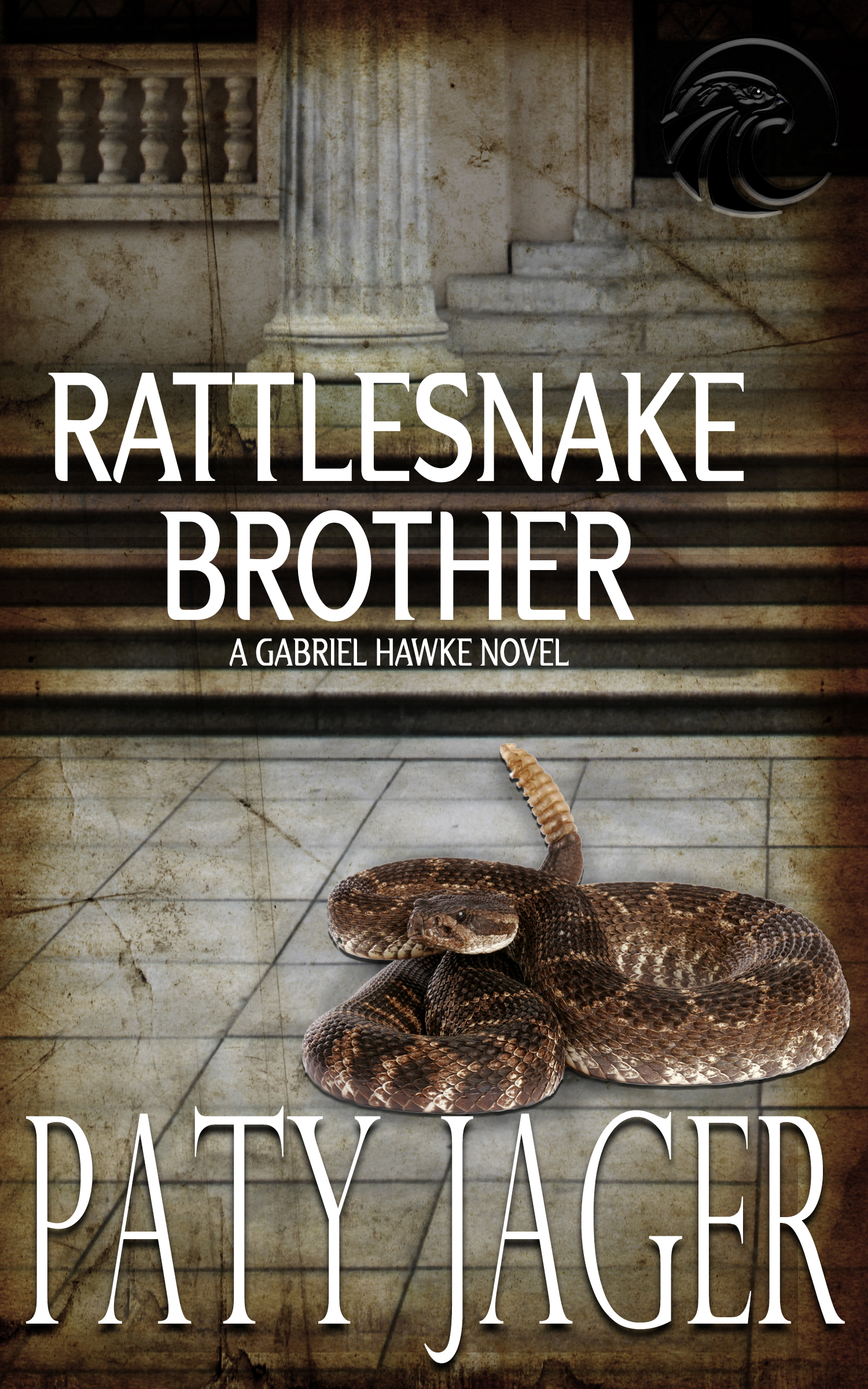
Rattlesnake Brother, book 3 in the Gabriel Hawke series is now available in ebook and print.

Corrupt officials.

Illegal hunters.

Death to those who dare complain.

Fish and Wildlife State Trooper Gabriel Hawke encounters a hunter with an illegal tag. The name on the tag belongs to the Wallowa County District Attorney and the man holding the tag isn’t the public defender. 

As Hawke digs to find out if the DA is corrupt, the hunter’s body is found. Zeroing in on the DA, Hawke finds he has more suspects than the DA and more deaths than the hunter.

Universal Link: https://books2read.com/u/3JyooJ