Setting the Scene by Karen Shughart

All the books in my Edmund DeCleryk cozy mystery series are set in Lighthouse Cove, NY, a fictional village on the south shore of Lake Ontario, with the crimes occurring in the present but are related to something that happened in the past. In book one, Murder in the Museum, a map dated 1785 discovered in the historical society museum – led by sleuth Ed’s wife, Annie – and a journal dated 1845 found at an archaeological dig in Toronto, Canada, provide clues to why the victim was killed.

In book two, Murder in the Cemetery, a relic at the cemetery where casualties of the War of 1812 are buried; long-lost letters written by the wife of a patriot transported to England as a prisoner of war during that time;  a missing artifact at an exhibit at the Victoria and Albert Museum in London, England; and a diary discovered at an abandoned farmhouse help Ed and Annie solve the case.

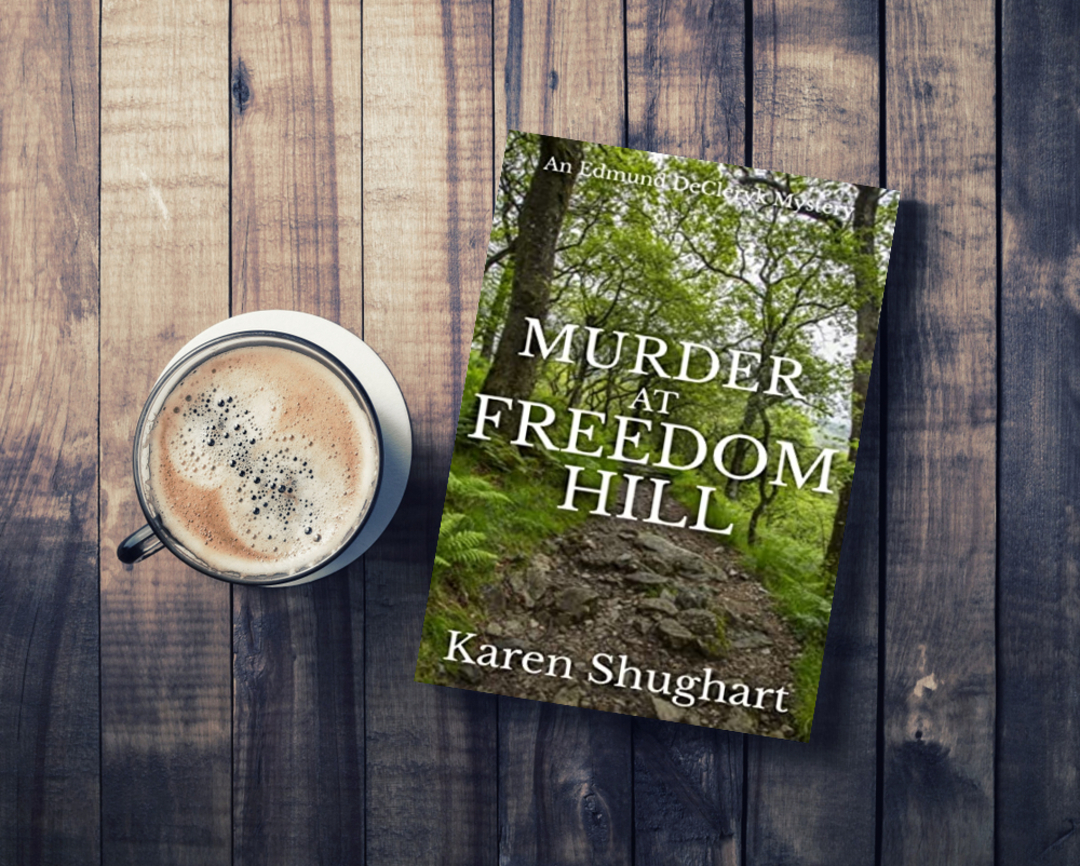
In book three, Murder at Freedom Hill, the crime is thought to be related to the victim’s ancestry, his forebears lived in a settlement where free people of color lived harmoniously with abolitionists who helped transport escaping slaves to Canada across the lake before the Civil War. Another heinous deed, related to that settlement, is revealed during the investigation of the murder.

But what the books also have in common is that I weave into the plot the seasonal setting.  After book one, instead of just one prologue I decided to write two, the first with the historical backstory and the second describing the season.

I continue descriptions of the weather throughout each book, it helps to construct the mood. For example, Murder at Freedom Hill begins in November, before Thanksgiving. In one of the early chapters, Ed discovers that the village mayor has been murdered. A beloved member of the community, the mayor also served on Annie’s board of directors and the two had become close friends. After conferring with Detective Brad Washington at the crime scene, Ed gets into his SUV and drives to the museum to tell Annie about his death. Lots of sunshine and a clear sky start the day, but then the weather changes:

“The brilliant sky at sunrise had made way for clouds the color of brushed pewter that hovered over the roiling silver lake. The day looked like an antique photograph: sepia; gunmetal grey; milky white and black; faded like withered grass. The direction of the wind had changed, picking up speed from the northwest, with fallen leaves swirling around the museum parking lot as Ed pulled into a spot. The temperature had plummeted- winter silently creeping in like a cat about to pounce upon its prey.”

What I enjoy about writing cozy mysteries is the ability to expand description if it fits into the plot, and the weather can either give readers a sense of doom and gloom or provide an interesting juxtaposition to an odious deed.

Karen Shughart’s cozy mysteries are published by Cozy Cat Press. She’s currently working on book four of the series, Murder at Chimney Bluffs.

Tis the Season for…Mystery Reads!

Having been published in romance before I wrote mystery, I can remember hearing romance writers talk about listening to Christmas music in the summer to get a Christmas story written. While I’ve been known to listen to music to get into a character or a story, I’ve never listened to Christmas music to write a Christmas story. No matter what time of the year I write it.

The one thing I do know is I prefer Christmas mysteries to Christmas romance. Thinking on it, I believe it’s because you know in a romance that the two who love one another will get together and there will be a wonderful time had by all.

But a Christmas mystery… Someone may or may not be killed. Is it a relative of the main characters or is it someone special to a relative? Or it could just be the nice old man or woman down the street. But there will be suspense, there will be clues, and there may or may not be a holiday. It depends on how hard the main character is working to solve the murder or it could be because he or she is being detained by the murderer and they can’t make the celebration with their family or loved ones. Hmmm… So much more can go on with a Christmas mystery.

Possibly there is a favorite aunt’s special Christmas letter from her lover that was stolen, and the main character has to get it back before the aunt opens up the music box she always plays on Christmas Eve as she reads the letter. Why does the letter have to be there? What will the aunt do if the letter is gone? So much to think about and so much to do to get that letter back. It makes the season more intense and interesting to have so much hanging on whether or not the letter is replaced before the aunt knows it is missing.

I’ve written two, well three, Christmas mysteries, and I’ve found every one of them to be entertaining to write due to urgency in the main characters to get the murder solved by Christmas. For some reason ending the book on Christmas Day just feels right to me. After a long game of cat and mouse between the clues and the main characters to solve the murder(s), I like to give them the treat of spending Christmas with the people they love.

Okay, so that sounds like a romance. The Happy Ever After ending doesn’t always stay that way in a mystery or a mystery series. You never know when the main character’s life could blow up. But for that brief moment at the end of the mystery set right before Christmas, it gives the reader and the character a moment of peace believing their loved ones are safe and they survived the murderer.

If you like a fun Christmas mystery novella, I enjoyed The Thirteenth Santa by Joanna Pence last year. I listened to it on Chirp. In fact, I enjoyed it so much I listened to it twice.

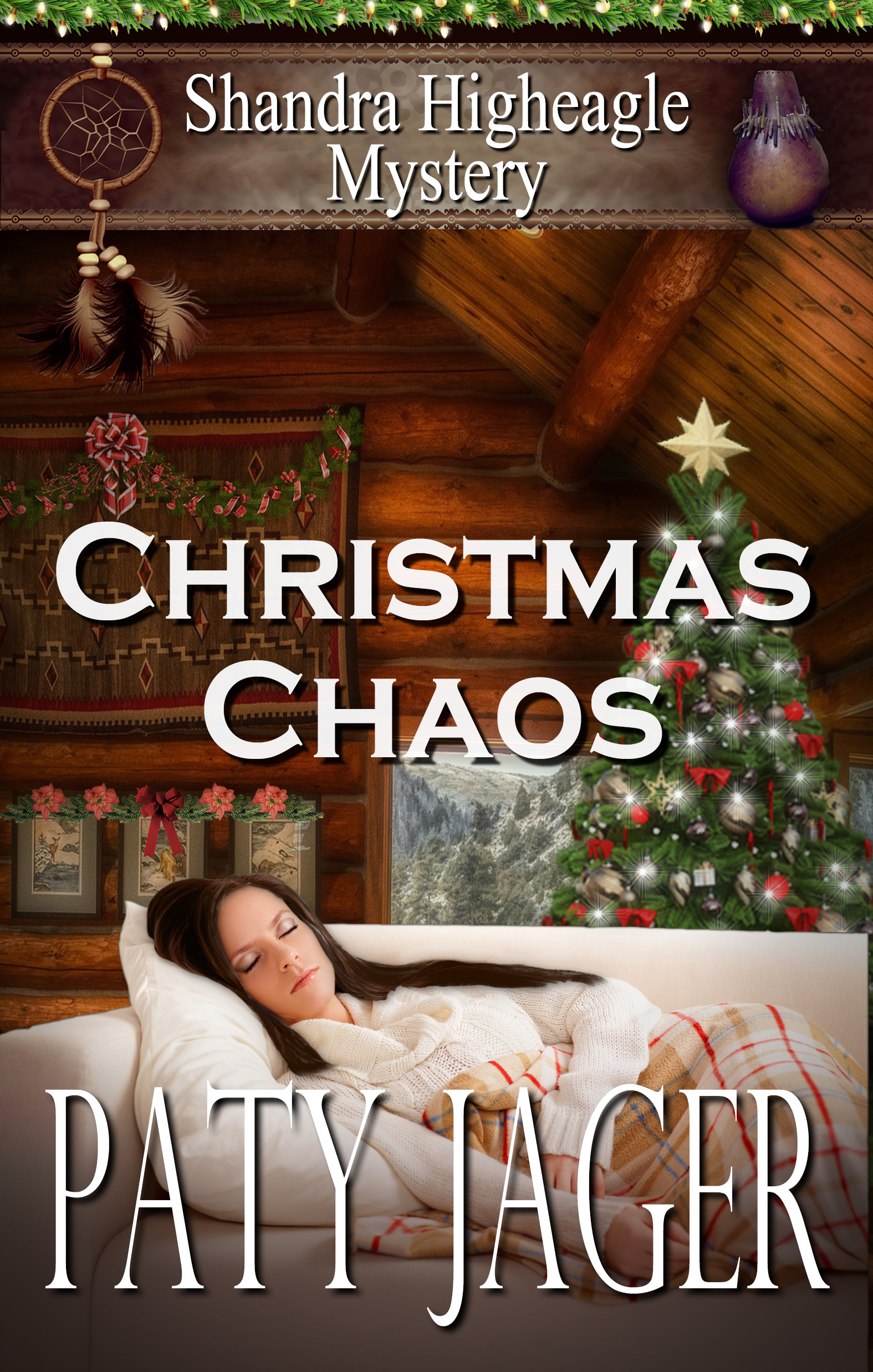
Or you could read my new novella in the Shandra Higheagle Mystery series, Christmas Chaos. This novella came about because my fans kept asking me for more Shandra Higheagle. I’m hoping having set this book ten years after the last book in the series, the readers will finally see how the future turns out for Shandra, Ryan, the twins, and all their friends and family.

Christmas Chaos

Check out a super-special Christmas surprise— a continuation of the Shandra Higheagle Mystery series. Ten years later the twins are at college but there’s trouble brewing.

Shandra Higheagle Greer is anxiously awaiting a visit from her twins as they head home from college for Christmas break. After a ten-year absence, her deceased grandmother is back in her dreams and the message seems clear. The twins are in trouble. After giving a young woman a ride to a nearby town, they become suspects in her murder.

Even though he’s been removed from the case, Shandra and her husband, Weippe County Sheriff Ryan Greer, continue to investigate, determined to dig up proof that the twins had nothing to do with the homicide. Even if that means putting one of the twins in danger to uncover the truth.

Universal buy link: https://books2read.com/u/47dKjq

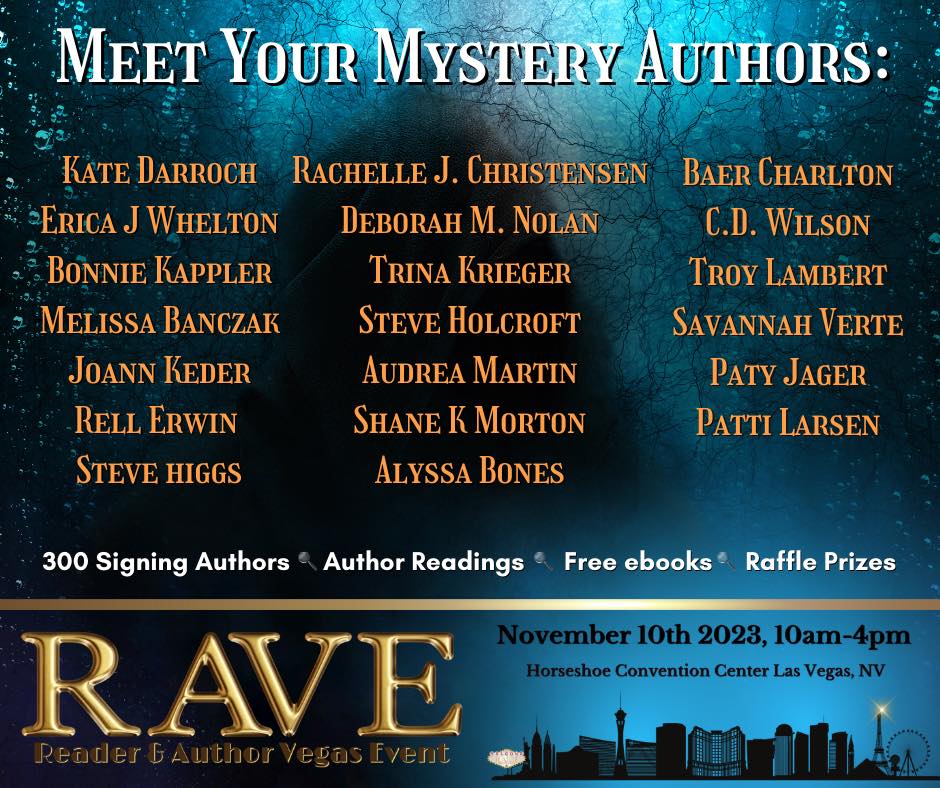
I hope you are having a wonderful November. I’m at a marketing and promotion conference right now. November 10th I’ll be at the RAVE- Readers Authors Vegas Event. If you’re in the Vegas area come on down to the Horseshoe Casino. There will be 300 authors from all genres sitting in the Event Center all day Friday the 10th. I’d love to have you come by and say, “Hi!” This is only a few of the mystery authors who will be there.

I’ll be home for four days and then I’m headed to Portland Oregon to sell my books and the books of other NIWA (Northwest Independent Authors Association) members at the Portland Holiday Market at the Expo Center from Nov. 17th – 19th. If you live around Portland or are passing through one of those days, come on by and visit. I always have goodies for people who stop by to talk.

Guest Blogger ~ Douglas J. Wood

Our Love Affair with Villains and Killers

As a novelist who writes criminal procedurals (a genre name I hate), evil characters are central to my plots.  The more evil they are, the more they capture the fascination of readers.  It’s not that readers want the killers to win, but they do love the chase and climax when the criminals are caught and face their fate.

I like to call my writing style “plausible fiction”.  While the stories are a product of my imagination, I want readers to walk away with the belief that while my novels are fictional, the stories I weave are believable.  Plausible.  Only then have I successfully delivered a compelling tale to my fans that hopefully puts a few chills down their spines. 

I try to achieve that result through thorough research, including conversations with some of the vilest people one could ever meet.  I’m often amazed how open such people will open up to me.  Early in my writing career, I imagined that if I told a stranger that I was a novelist and would like to talk to them, they’d suggest I find the door.  Or worse.  But the exact opposite occurs.  People want to talk.  They want to tell their stories.  I strive to make sure my readers can get into the criminal mind and find themselves conflicted with their own thoughts on right and wrong.  So, I talk to both criminals and the people who protect us from them.  I’m not trying to write morality plays but I want to challenge readers with a reality that can often be unsettling.

Terrorists and serial killers, always major characters in my books, are unworthy of our sympathy.  They are psychopaths to their core.  They have no sense of right or wrong.  Yet they could be your neighbor.  Someone you know who seems to act as sanely as anyone else.  Most are not the scary characters you see on television or in movies.  They don’t have dispositions that openly reveal their ill intent.  Indeed, they are among us every day.  As FBI statistics and supporting studies by non-partisan organizations show, at any given time there could be as many as fifty active serial killers on the prowl.  There are thousands of unsolved murders, and experts say many of them are collections of victims slain by serial killers who were never caught. 

Yet in our day-to-day lives, we should not be frightened.  The chance of a serial killer lurking in your hometown is slim.  You probably have a better chance of being hit by lightning than encountering  one of these psychopaths.  Nonetheless, we remain captivated by their stories, and it is that fascination that makes readers crave criminal procedurals. 

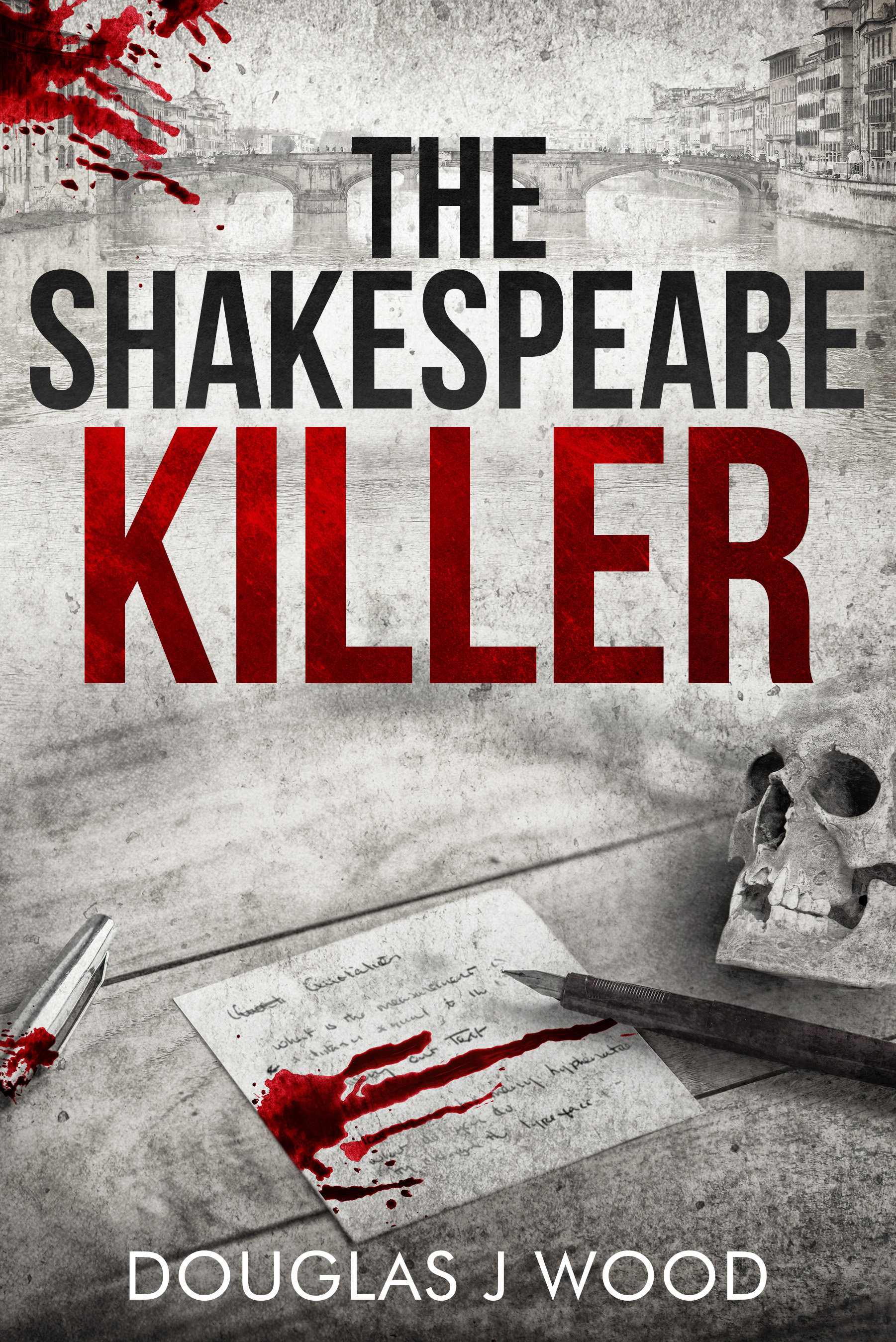
Of course, we need our heroes, too.  Someone needs to counter evil and stand for justice.  And at times, they need to skirt the edge of propriety to catch the targets of their search.  That happens every day.  Who can blame them?  If they can stop a killer, we’re all safer.  But what we often miss is that our justice system has checks and balances that are important even when they seem to favor criminals.  So, in my writing, I try to keep the “bad cops” well balanced against the “good cops.”  That conflict is central to the plot in The Shakespeare Killer where the FBI profiler is repeatedly stumped by a mysterious serial killer murdering criminal defense lawyers.

One thing that has beguiled me, however, is the choice people make when I offer to use their name as a person in one of my books.  Years ago, I used to raffle off the opportunity to choose whether you’d like to be a hero or a villain  The proceeds were donated to charity.  Or I’d simply ask someone I wanted to memorialize if they’d like me to use their name.  Something like an homage.  Every time, they chose to be a villain.  Not once has anyone said they want to be a hero.  In fact, when I’ve chosen to make them heroes or victims, they’re disappointed.  They’d rather be an outlaw.  A killer.  A psychopath.  And when I tell them to reconsider since it was likely I’d kill them off in a particularly gruesome manner, to a person, they’d tell me to have at them.  The worse their death, the better.  I’ve vaporized characters in bombings, hanged them in executions, riddled them with bullets, or made them suffer grotesque endings.  The response?  Sheer glee from those who face that fate.

So, I write plausible fiction that teeters close to reality and when I approach a person I want to include in the book, they choose to be killed-off in the most despicable way possible.  Now ask yourself and be honest.  If you’re given a choice to have your name as a character in a fictional thriller about a serial killer or terrorist, who do you want to be? The hero or the villain?  And, most importantly, how would you like to be killed?

The Shakespeare Killer

The first victim is Jacob Schneider– a prominent criminal defense attorney. His death is ruled a suicide by authorities, just like all the other defense attorneys who have died recently. However, when Special Agent Chris DiMeglio gets on the case, he receives a tip from a local reporter who suspects these deaths are connected. Between the victim profiles, the suicide notes, and the unusual methods of death, it soon becomes obvious the FBI has yet another serial killer on their hands.

The Shakespeare Killer is a new mystery from Douglas J. Wood featuring Special Agent Chris DiMeglio. This case is particularly sadistic and soon DeMiglio starts receiving texts referencing Shakespearean characters and a clear motive to “kill all the lawyers.” With the lives of so many at stake, DiMeglio is forced to play a heart-pounding, cat and mouse game to find the culprit and stop the killing.

Amazon buy linkhttps://www.amazon.com/Shakespeare-Killer-Douglas-J-Wood/dp/B0C4HLQ82S/

Douglas J. Wood is the author of multiple award-winning books, both fiction and non-fiction. Including his Samantha Harrison series; his memoir, Asshole Attorney: Memories, Musings, and Missteps in A 40-Year Career (2019 Independent Press Award for Best Humor and Wit); Dark Data: Control, Alt, Delete, a thriller about cyberwar and financial terrorism (2020 Independent Press Award for Best Political Thriller); critically acclaimed Dragon on the Far Side of the Moon (2021); and Blood on the Bayou, a police procedural about a serial killer in New Orleans (2023 Independent Press Award Distinguished Favorite in Crime Fiction). The Shakespeare Killer is his seventh novel and a sequel to Blood on the Bayou.

As Senior Counsel at the law firm of Reed Smith LLP, he gained over 45 years of experience practicing entertainment and media law, often imparting knowledge from his career in his books. Listed among the leading global specialists in advertising law in Chambers, the Legal 500, The Best Lawyers in America, and Super Lawyers, he is known and respected worldwide and is a member of the Legal 500 Hall of Fame. He received his BA from the University of Rhode Island, his Juris Doctor from the Franklin Pierce Law Center, a Masters of Law in Trade Regulation from New York University School of Law, and an Honorary Doctor of Laws from the University of New Hampshire.

Doug currently lives in North Carolina with his wife of 49 years, Carol Ann. They are blessed with three grown children and four adorable grandchildren.

Author websitehttps://douglasjwood.com/

Instagramhttps://www.instagram.com/douglasjwoodauthor

Facebookhttps://www.facebook.com/douglaswoodauthor

Twitterhttps://twitter.com/djwood1976

October by Karen Shughart

October is without a doubt my favorite month, filled with a bounty of richness and color that I embrace before the landscape turns into subtle shades of brown and beige. Here in the northern part of New York state, on the shores of Lake Ontario, there are breathtakingly beautiful days this time of year: cloudless cerulean skies; a Caribbean green lake with meandering white caps, perfumed like the ocean without the brine; a piercing lemon-colored sun that warms the coolness in the air, and crisp nights with a carpet of stars winking and blinking in an ink-stained sky.

By now many leaves have turned bright with shades of yellow, gold, deep rust and red, but until our first frost, the lawns will remain green.  The sea grasses in our backyard, almost as tall as our house, have feathery, burgundy tassels and, when the wind blows in from the northwest, sound like the gentle ebb and flow of waves on the water. Stately pine trees, red-berried evergreens and hollies provide contrast, reminding us that life continues, even in winter.

Burnap’s Farm Market – Sodus, NY

The farmstands, with domes of potted mums for sale in a riot of colors, will remain open for the rest of this month and into the holiday season. Berries, peaches and plums, lettuces, cucumbers, and zucchini, have been replaced with other fruits and vegetables that can be stored for longer periods of time and will warm our bellies on cold nights: local apples of every variety; hearty winter squashes; purple-green kale; cabbages; potatoes, and multi-hued varieties cauliflower.

In October I replace the summer cushions and pillows on the wicker furniture on our front porch with ones more representative of the season. Halloween is big here, so some of the pillows are patterned with pale green, orange, and white pumpkins with deep green and purple leaves and vines. Instead of sitting on our deck for our late afternoon happy hour, my husband and I move to the porch, drinking wine and welcoming friends who stroll by and then stop for a drink and to chat.

November is just around the corner, and there will be plenty to celebrate then, too, but for now I’ll rejoice in this beautiful month of October.

Karen Shughart is the author of the Edmund DeCleryk cozy mystery series, published by Cozy Cat Press. Her third book, Murder at Freedom Hill, recently was awarded first place in the mystery category and third place in fiction in the International Firebird Book Award competition. She is currently working on book four, Murder at Chimney Bluffs.

Why we write what we do

I started writing a post on here about Indigenous People Day. Which is today. It was made a federal holiday alongside Columbus Day in 2021. But by the time I was at the end of writing the post, I decided someone might take my post as political and moved it to my personal blog. If you’re interested, you can read it here: https://writingintothesunset.net/

But today is why I write the mysteries I write. I have been fascinated and in awe of the Indigenous people since I was old enough to understand all that they have gone through. And to see how some of the tribes have grown along with technology and have raised their people up in knowledge, living conditions, and being heard. I know there are some that are still struggling with being heard and seen as productive part of society, but there are others who are thriving. Getting back their culture and language and being economically sound and successful for their tribe.

Their resiliency, belief in their culture, and their desire to give each generation the best life inspires me to write about them. To bring their horrors and their determination to readers. That’s why I have Native American characters in my three mystery stories, to show readers that while they live a different culture, they are just like everyone else with the same dreams, goals, and desires.

I hope that my stories, while they aren’t as full of the culture as some other writers, still portray the culture and the real people who live each day not only with similar struggles but also with more. They are still labeled and seen as different by many.

The theme of my books all deal with injustice. Whether it is someone who is killed, someone who is believed to be the suspect, or it is the characters dealing with prejudice.

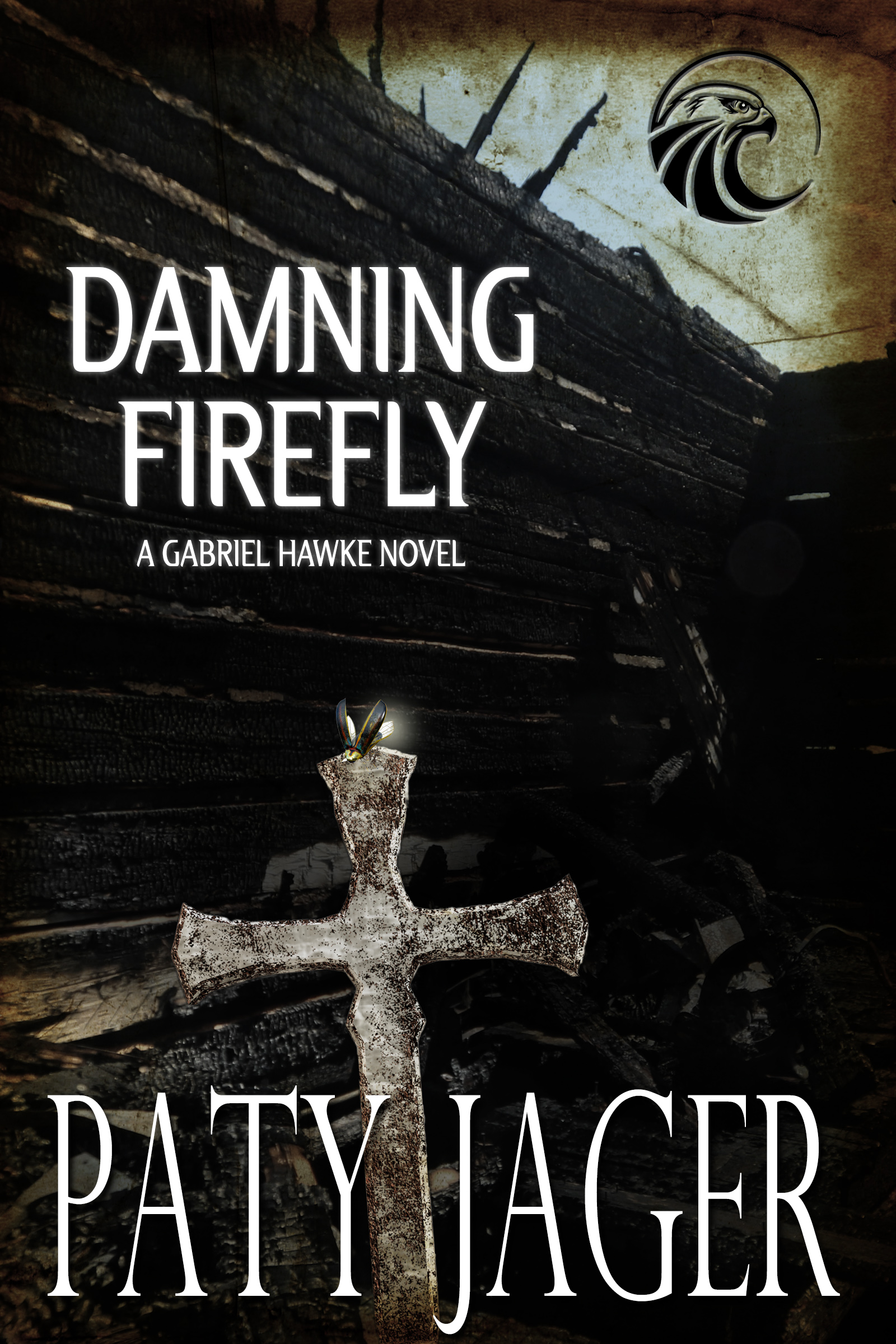
My newest release, Damning Firefly, deals with a completely different injustice. One that I tried hard to portray with empathy and from the first reviews, I did my job.

Damning Firefly

Book 11 in the Gabriel Hawke Series

A church fire.

An unconscious woman on Starvation Ridge.

Gabriel Hawke, fish and wildlife officer with the Oregon State Police, helps with a fire at the Lighted Path church before heading out to check turkey hunters. He discovers a car wedged between two trees and a woman with a head injury reeking of smoke. Is she the arsonist?

Hawke encounters the county midwife gloating over the burnt church and learns she and the victim in the car know one another.

Two seemingly separate events lead Hawke to a serial rapist and a county full of secrets. https://books2read.com/u/bQeBDZ