Guest Blogger ~ Dianne Freeman

An Inspirational Feud

My Countess of Harleigh series takes place among the aristocracy of late Victorian London. That era and group of people provide an endless supply of situations on which to hang a murder mystery. The inspiration for my latest book was an unusual feud between two millionaires of the Gilded Age—John MacKay and Charles Bonynge.

The men had quite a bit in common. John MacKay came to the US from Ireland. In 1851, at the age of twenty, he made his way to California where he worked as a miner for eight years. Tired of mining, he began a mine-servicing business. As mining expanded, his business boomed. He continued to maintain ownership in a few mines as he was sure there was more silver to be found. He was right. One of his mines hit the Big Bonanza, the greatest mining strike in the history of the American West, and made him a millionaire many times over. He and his wife relocated to San Francisco.

Meanwhile, Charles Bonynge immigrated to the US and headed west. He worked in San Francisco in a livery stable while speculating on the stock market. In the 1860s he too moved to Nevada, where he worked in the mines and traded in mining shares. After a while, he quit mining to set himself up as a stockbroker and met with great success. Bonynge, along with his wife and step daughter, moved to San Francisco, where Mackay became one of his clients.

Bonynge and MacKay had a business relationship that appeared to be cordial and lasted for several years. Then Bonynge retired, but not before he made some public comments about MacKay’s unethical business practices.

So began the feud.

Both families had homes in London and they all showed up for the social season of 1886. On the same day, Mrs. MacKay and the Bonynge family were meant to be presented to Queen Victoria at one of her Drawing Room afternoons. Unfortunately for Mrs. Bonynge, a newspaper ran a story revealing that she had been divorced, which made her ineligible to meet the queen. Mr. Bonynge and their daughter attended without her. Only the MacKays could have provided that tidbit to the papers. If this was the opening salvo in the feud, they were happy to fire back. They revealed to a reporter that when MacKay met his wife, Louise, she was working as a washer woman in mining camp.

Despite their wealth and class, the feud, which carried on for four years, was every bit as dirty as the Hatfields and McCoys and far more public. Enough so, that I had to wonder what would happen if one of these men was murdered? Wouldn’t the police immediately suspect the other party in the feud? And if someone else wanted to murder one of these men, what better time than when he was involved in an openly hostile feud with someone else? It was the perfect time. And that’s where A Bride’s Guide to Marriage and Murder begins.

A BRIDE’S GUIDE TO MARRIAGE AND MURDER
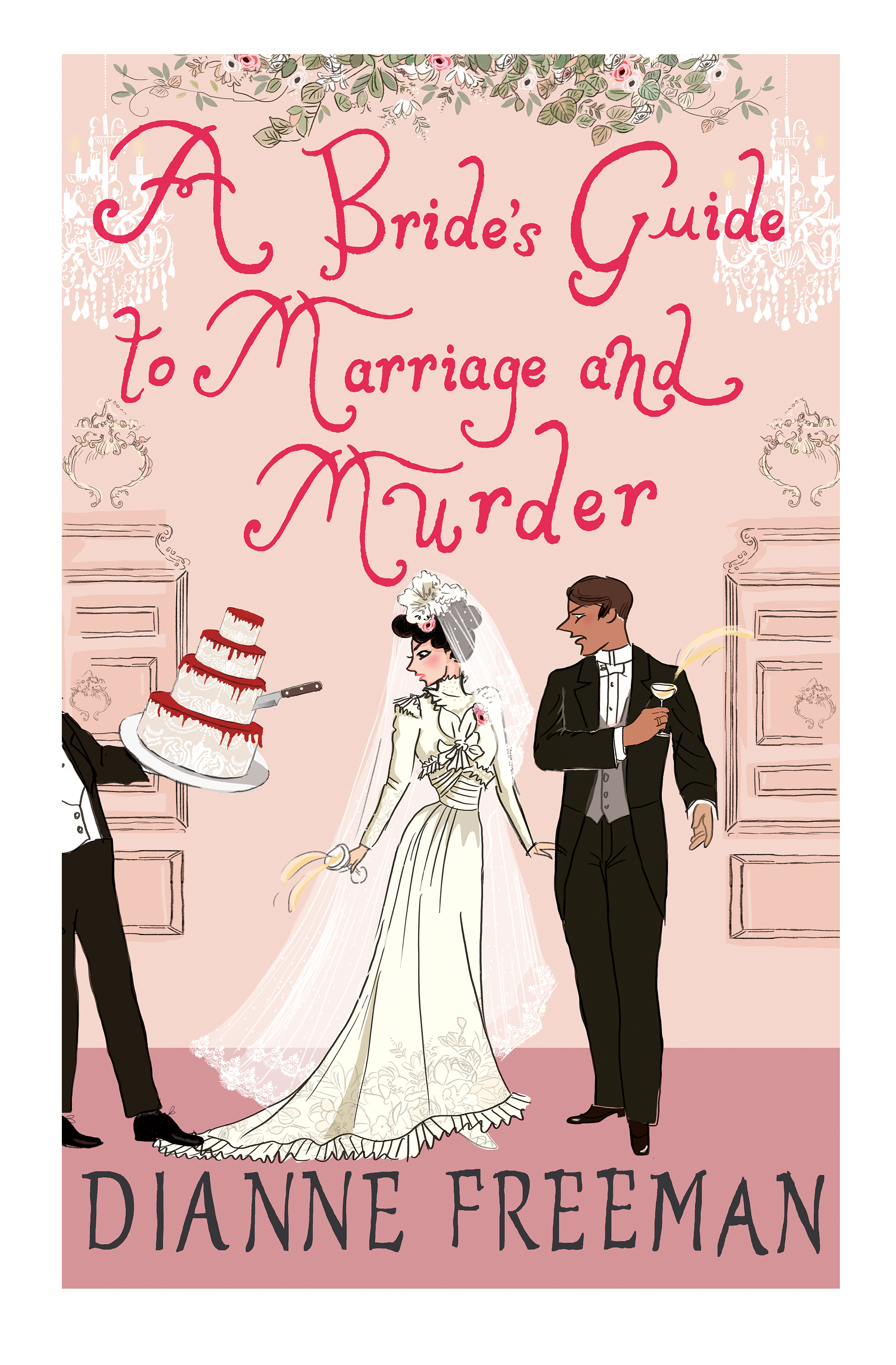
On the eve of her marriage to George Hazelton, Frances has a great deal more on her mind than flowers and seating arrangements. The Connors and the Bainbridges, two families of American robber barons, have taken up residence in London, and their bitter rivalry is spilling over into the highest social circles. At the request of her brother, Alonzo, who is quite taken with Miss Madeline Connor, Frances has invited the Connor family to her wedding. Meanwhile, Frances’s mother has invited Mr. Bainbridge, and Frances fears the wedding may end up being newspaper-worthy for all the wrong reasons.

On the day itself, Frances is relieved to note that Madeline’s father is not among the guests assembled at the church. The reason for his absence, however, turns out to be most unfortunate: Mr. Connor is found murdered in his home. More shocking still, Alonzo is caught at the scene, holding the murder weapon.

Powerful and ruthless, Connor appears to have amassed a wealth of enemies alongside his fortune. Frances and George agree to put their wedding trip on hold to try and clear Alonzo’s name. But there are secrets to sift through, not just in the Bainbridge and Connor families, but also in their own. And with a killer determined to evade discovery at any cost—even if it means taking another life—Frances’s first days as a newlywed will be perilous indeed.

You can find links to all Dianne’s books here: Dianne Freeman | Historical Mystery Writer (difreeman.com)

Goodreads: Dianne Freeman (Author of A Lady’s Guide to Etiquette and Murder) | Goodreads
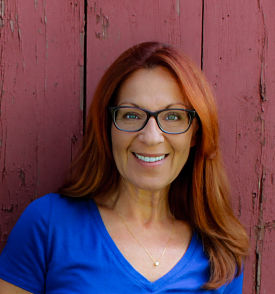
Dianne Freeman is the acclaimed author of the Countess of Harleigh Mystery series. She is an Agatha Award and Lefty Award winner, as well as a finalist for the prestigious Mary Higgins Clark Award and the Sue Feder Historical Mystery Award. After thirty years of working in corporate accounting and finance, she now writes full-time. Born and raised in Michigan, she and her husband split their time between Michigan and Arizona. Visit her at www.DiFreeman.com.

Social media links:

Facebook: (13) Dianne Freeman Author | Facebook

Twitter:  Dianne Freeman (@Difreeman001) / Twitter Instagram: Dianne Freeman (@diannefreemanwrites) • Instagram photos and videos

Guest Blogger ~ Kaye George

Where Did Enga Dancing Flower Come From?

I ask myself that sometimes! Her original name, in my mind, was Enga Yellow Flower. Her twin was Ung…some other color of flower. They were either abandoned by their own Neanderthal tribe, or the sole survivors of a catastrophe. However, as soon as I inserted Enga into the tribe who rescued them, in the very first book, DEATH IN THE TIME OF ICE, it became clear she was a dancer. The best dancer in the tribe. She wanted to keep the Flower in her name, hence, Enga Dancing Flower.

Maybe I should answer the larger question. Where did the Neanderthal tribe, who call themselves the Hamapa, come from? It is totally my fault that they find themselves in what is now North America. My life-long fascination with all things ancient compelled me to use that setting so I could include the wondrous mega-fauna from that time, about 35,000 years ago. I couldn’t resist the giant sloths, giant beavers, dire wolves, glyptodonts, saber tooth cats, mammoths of course, and many more. (The book, ICE AGE MAMMALS OF NORTH AMERICA: A Guide to the Big, the Hairy, and the Bizarre, helped to make them irresistible.)

Aside from residing where it’s probable that they never did (but it’s also possible, just barely!), this tribe and the others are drawn as faithfully to modern research as I can. It’s hard to keep up, though, because new discoveries are constantly being made, and new theories being posited. Just the other day, a baby wooly mammoth emerged from the permafrost in the Canadian Yukon, almost perfectly preserved!

Enga’s twin eventually became Ung Strong Arm when she turned out to be one of the best spear throwers. The Hamapa are matriarchal and the woman are the spear throwers since they are patient and accurate. The strong males are charged with hauling back the large pieces of the kills. Seems fair to me.

How about the names Enga and Ung? Believe me, everything had to be thought out for these books. I studied linguistics to learn what the easiest sounds are, the least complicated. It was thought, for some time, that Neanderthals had no speech capabilities, but that has been shot down for theories that they probably did. I took the middle ground. They can speak, but rarely do. And when they do, they use the sounds that young children and people with speech problems find easy to make.

That’s where Enga Dancing Flower came from. Where is she going? When the leader of the tribe is murdered in the first book, Enga is clever enough, with the help of a juvenile male named Jeek, to figure out who the murderer is. The tribe values her dancing as well as her problem-solving skills. You know, if you read mysteries, that more people will be murdered, and Enga and Jeek will have to uncover more clues, facts, and culprits.

The second book is DEATH ON THE TREK, and DEATH IN THE NEW LAND is the latest.

Enga Dancing Flower and her tribe have reached a place they can stay in safety. Or have they?

It’s clear the groups of other settlers in the area do not want more neighbors, and this is made even more evident when a male of Enga’s tribe is murdered, and a baby is kidnapped.

The future of the tribe is immediately put into question. Can Enga and her people find the killer and rescue the baby? Or will the security and bright future the tribe has dreamed of fall to pieces?

Buy links

Paperback from Untreed Reads (discounted here)

Ebook from Untreed Reads (discounted here, too)

Amazon

Barnes & Noble

Also available through Ingram

Kaye George, award-winning novelist and short-story writer, writes cozy and traditional mysteries and a prehistory series, which are both traditionally and self-published: two cozy series, Fat Cat and Vintage Sweets; two traditionals featuring Cressa Carraway and Imogene Duckworthy; and the People of the Wind prehistory Neanderthal mysteries,  Over 50 short stories have also appeared, mostly in anthologies and magazines. She reviews for Suspense Magazine and writes a column for Mysterical-E. She lives in Knoxville TN.

Social media links: (feel free to pick and choose)

CONNECTIONS

Here’s where you can connect with me if you haven’t already:

Emails: kayegeorge@gmail.com and janetcantrell01@gmail.com

My Facebook page: https://www.facebook.com/kaye.george

Goodreads page: https://www.goodreads.com/author/show/4037415.Kaye_George

Twitter: https://twitter.com/KGeorgeMystery/

Pinterest: http://pinterest.com/kayegeorge/

My Amazon page: http://www.amazon.com/-/e/B004CFRJ76

Book Bub: https://www.bookbub.com/authors/kaye-george

Authors Guild of Tennessee: https://authorsguildoftn.org/

My blog: http://travelswithkaye.blogspot.com/

PUBLIC FACEBOOK GROUPS:

Nose for Trouble Facebook group:  https://www.facebook.com/groups/NoseForTrouble/

Prehistory Writers and Readers Campfire: https://www.facebook.com/groups/1466936593554809/

Cozy Town Sleuths (on the 4th of the month) https://upload.facebook.com/groups/cozytownsleuths/

Smoking Guns E TN chapter of Sisters in Crime: https://www.facebook.com/groups/391058174841953/

On The Road

As you are reading this, I’m off on a research trip for the next Gabriel Hawke novel. This one is set in Montana. I have an place in the middle of the two areas I need to research.

This story started about 5 years ago, before I had even started writing the Gabriel Hawke series. My husband and I were driving from the south to the north of Montana headed to visit my cousin in near Flathead Lake. As we followed this lake, I looked out and spotted a resort on an island in the lake. My first thought was “what a great place to have a writers retreat!”

A photo from when I was in Montana before. This is south of the lake.

That island and building kept coming back to me and when I decided on the premise of book 10 in the series, I knew that resort would be in the story.

I didn’t know the name of it and hubby and I were of a different opinion of which road we’d been on. One of my oldest daughter’s friends lives and works in Helena, MT. I contacted her and asked if she’d seen the place on her weekend drives. She knew the place and sent me a link to their website. I had been right! It was off the road I had said we’d driven up to my cousin, not the road, hubby had thought. Score one for me! That doesn’t happen often when it comes to driving and roads since hubby was a truck driver for 30 years.

With the website I looked up the island and the resort. I had hoped to stay there one night and get a feel for the place. Not at $2000 a night! So then I emailed and asked if I could just come hang out for a couple of hours (you have to get there by boats that are run by the resort). I explained I was a writer and wanted to use the resort for a couple of scenes in my book.

The person who wrote back to me asked if I was the author who had requested the same a while back. I said no. When I told her when I’d be in the area, she said there would be guest at the resort and no one else was allowed. But she would be happy to answer my questions and send me any photos I might need. You can bet after I go scope it out from the side of the lake, I’ll have more questions for her. Luckily it is only being used as the place where Hawke’s sister is attending a corporate retreat and it is more of a starting point for the story than a main setting.

The other place I’ll be visiting is the Flathead Indian Reservation. I’m debating on where the sister will run to, the reservation or the wilderness. That will depend on what I find out on my trip.

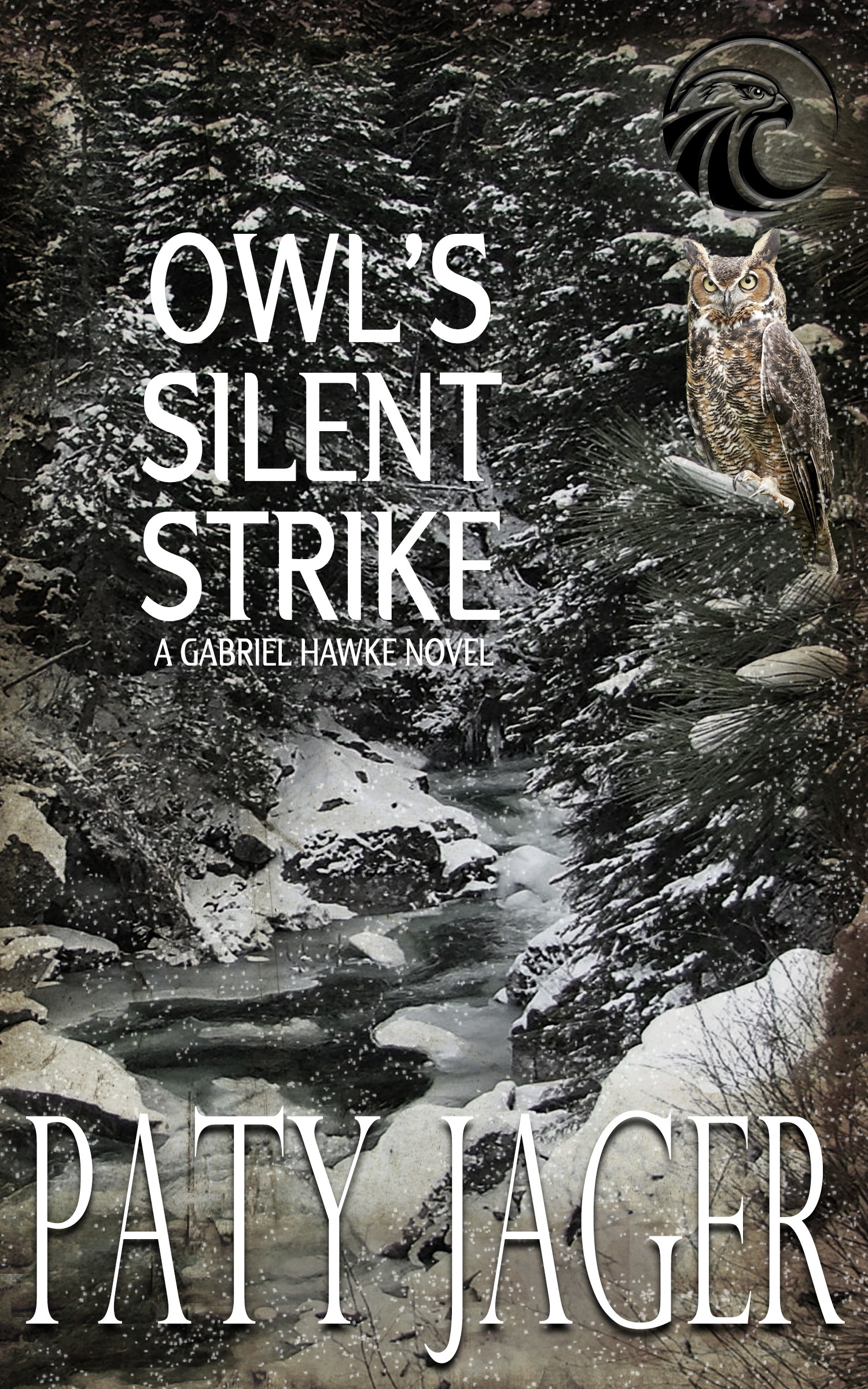
Right now, I’m pleased to say that book 9, Owl’s Silent Strike, is now available in ebook and print. My narrator is working on the audiobook.

Unexpected snowstorm…

Unfortunate accident…

And a body…

What started out as a favor and a leisurely trip into the mountains, soon turns State Trooper Gabriel Hawke’s life upside down. The snowstorm they were trying to beat comes early, a horse accident breaks Dani Singer’s leg, and Hawke finds a body in the barn at Charlie’s Lodge.

Hawke sets Dani’s leg, then follows the bloody trail of a suspect trying to flee the snow drifted mountains. Hawke is torn between getting the woman he loves medical care and knowing he can’t leave a possible killer on the mountain.

Before the killer is brought to justice, Dani and Hawke will put their relationship to the test and his job on the line.

universal buy link: https://books2read.com/u/bw19DG

It Never Rains in Southern California by Karen Shughart

We just returned from a visit with our son and daughter-in-law, who live in southern California. There was a song in the 1970s entitled It Never Rains in Southern California, and although the lyrics did not particularly inspire joy, the title is apt, it truly hardly ever rains in southern California. As my son reminded me when I mentioned how nice it was to not have to deal with the inconsistent weather events like blizzards and blinding rainstorms like we do here in the northeast, he reminded me that California has plenty of their own climate issues: mudslides, fires, earthquakes, and damaging winds. Good point.

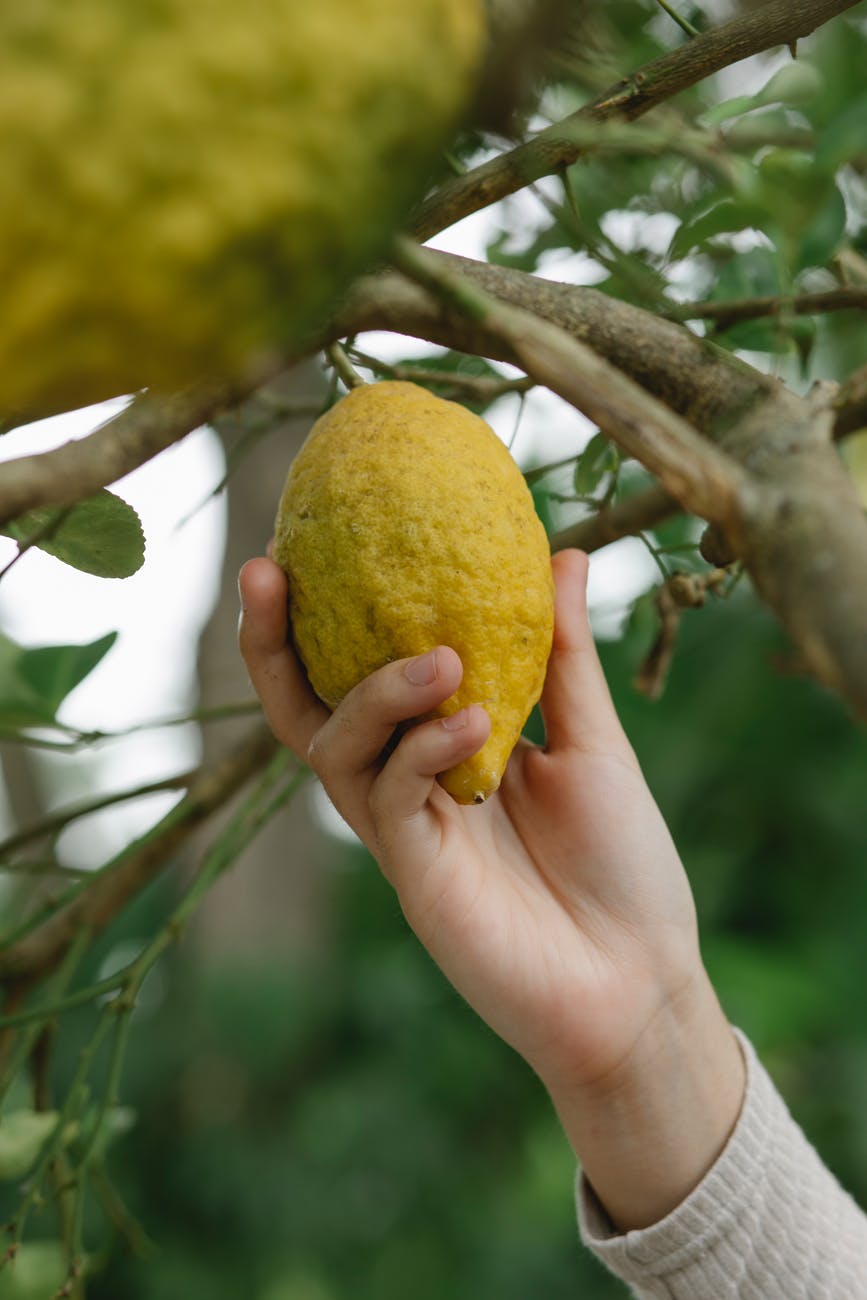
During our visit we sat under a pergola in their backyard and snacked on tangerines picked from a nearby tree. One night for dinner we ate freshly-caught Pacific salmon with lemon slices we plucked from another. Avocados, plentiful in that part of the world, hang heavy on branches drooping over fences A bottle brush tree with vivid red flowers and clusters of bright yellow daylilies attract a multitude of hummingbirds and Monarch butterflies. The air is redolent with sun-ripened foliage and the salty brine that drifts inland from the broad, blue Pacific Ocean.

Photo by Gary Barnes on Pexels.com

We arrived back in New York to a gray, cloudy day with a drizzle of fine rain and yet, when we pulled into our driveway, our daffodils and forsythia were beginning to bloom, the hyacinths were emerging from the earth, and nestled in among our own burgeoning daylilies were bright, purple violets, signs that spring is surely on the way. While the weather is fickle, each day here brings a surprise; now some days are warm and bright, on others, winter doesn’t want to lose its frosty grip.

I thought about how climate and weather affect writing. My Cozies are set in a small village along the south shore of Lake Ontario, much like the village where we live.  Four defined seasons provide the setting to the mysteries:  a dark, stormy, windblown night is a metaphor for what’s to come, as is the juxtaposition of bright summer days and a murder that’s occurred in a lush garden setting.

If we lived in California, I would still be writing Cozies, but they would different. Mine have a backstory based on the history of our state: the Revolutionary War, the War of 1812, the Underground Railroad, to name a few. If we lived in California, I’d choose Spanish Missions, the Mexican American War, or the Gold Rush.   The setting, too, would change. A California beach town and one on Lake Ontario have few characteristics in common, our beaches are rocky and not as wide, we don’t have sidewalks and parking lots along the water, and the distance across the lake to Canada is a mere 80 miles, compared to more than 6,000 to China. We do, surprisingly, have pelicans, but we’ve never seen a whale. Still, it’s fun to contemplate what I’d do differently if my mysteries were set in a part of our country where it never snows, hardly ever rains, and the sun shines almost every day.

Gathering my Thoughts

When a new year comes around and I’m starting a new book, it just feels right. My desk is clean. Something I do the end of every year is make sure my desk is tidy and ready for the coming year. (I also do it between each book/project) It wipes away what I had been working on and makes a clean slate for the next project.

This first project of the year is book 9 in the Gabriel Hawke series. I enjoy writing these books. They are set, mostly, where I grew up and have a unique character who I feel I can tap into better than my female protagonists. I don’t know why, but Hawke flows from me without doubts or self recriminations that the character isn’t this or that.

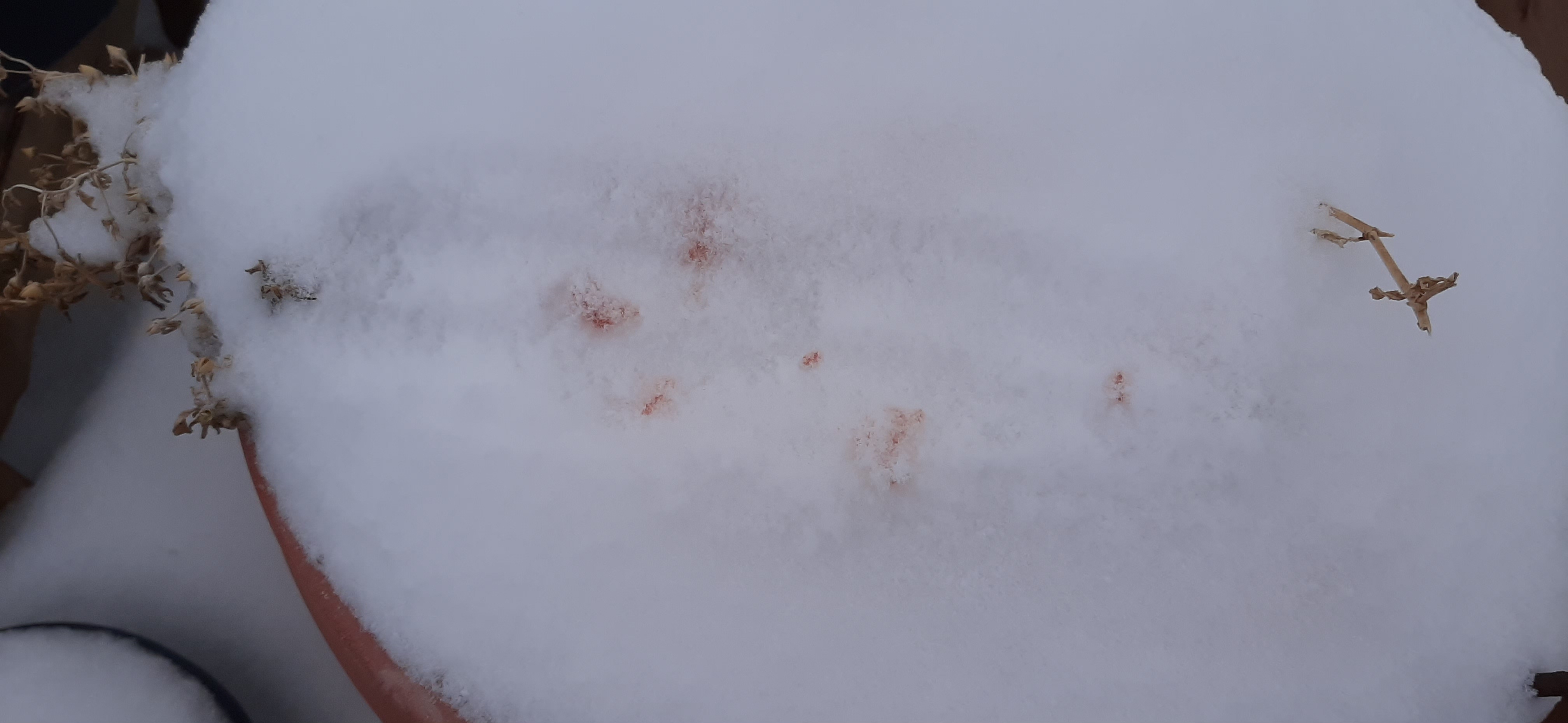
This book will push me and my character. He and his significant other are going to be pushed to their limits trying to help a wounded person and survive a blizzard in the Wallowa Mountains. I have my research books stacked up and have started reading them. I have even ran some tests in our snow to see what blood looks like when it first drips onto the snow. I took photos and studied the spot for about four days, until our snow melted. I know what my character will see or be on the look out for when they follow the sparse drops of blood from the bleeding person who left a dead body behind.

Blood experiment

Several of the scenes have played over in my mind since I came up with the premise of this book. I have sat down and discovered who the person they are following is and who the dead person was. I wrote out the chain of ideas for scenes. Once I do some more research on snow conditions and animals that would be accessible for food or to follow to stay warm, I’ll start writing the book this week.

While some people don’t like to have a “road map” or outline to follow when they write, I’ve found, after the last Spotted Pony Casino Mystery that I “mapped out” that it helped me to know my story better when I started and while I didn’t stick to the road or route I’d mapped, I felt I had a stronger book throughout because I knew a bit more about my characters and who I wanted to highlight as possible suspects.

As yet, I don’t have a title for book #9 in the Hawke books. I’m waiting to see what animal makes sense that is out in the winter and would work for the premise of the book. I’m a writer that either has the titles before I start the book or I come across it as I’m writing. It looks like it will be the latter this time.

If you have any thoughts on a winter animal put it in the comments and I’ll look up its habits to see if it might work.

At the moment I have Churlish Badger being made into an audiobook as well as the Shandra Higheagle Mystery book, Homicide Hideaway. But what you really need to know is through the month of January, if you like audiobooks, Book 1 in the Shandra Higheagle Mystery series, Double Duplicity is $1.99 at Authors Direct.

If you don’t have the app it’s easy to download and free. This audiobook resource gives me and the other authors using it more royalties than the other audiobook vendors. (and my books are priced lower here.)