Switching Horses Mid-Stream by Karen Shughart

The process of writing a novel takes a long time. First, there’s coming up with the idea for the plot, but from creation to completion there are lots of other steps along the way. Some authors set strict parameters, develop an outline, keep a set of note cards and pretty much stick to the plan. When I write, my mind never shuts off while I envision multiple possibilities. At times it drives me and my loved ones crazy, but as a result, I am able to shape what I hope will be a better story.  

I thought I’d be finished by now with writing book three in the Edmund DeCleryk Cozy mysteries series, Murder at Freedom Hill. It’s taking longer than expected because I’ve switched horses mid-stream. There’s a murder, for sure, but I’ve added a subplot that’s loosely related to that crime.
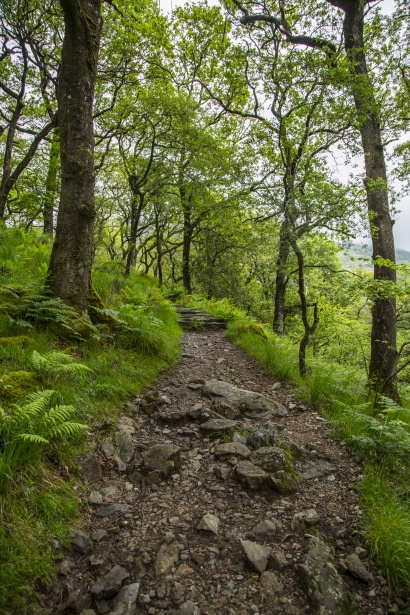
Photo by Karen Shughart

As with the other two books in the series, I created a backstory based on the history in the village where I live. For book one it was post-Revolutionary War; book two, The War of 1812; and for book three, it’s the abolitionist movement and Underground Railroad. Thus, the reason for the title of this blog – the phrase was conceived by Abraham Lincoln in a speech he gave in 1864 to members of the National Union League.  It fit.

But I digress. As the result of adding a subplot, I made other changes, too. In book one, a manuscript dated 1745 provides clues to why the victim was killed, in book two it was a series of letters written between 1814 and 1817 by the wife of a soldier. In this book I had first planned to insert newspaper clippings from the mid-1850s that were discovered at the local library. Just this past week I turned those into excerpts from a research project the victim was working on. As I thought about it, it just made more sense to do it that way because I changed the secondary plot from one that was probably a bit too political for a Cozy mystery to one that’s not.

Politics in Cozies, while permitted, aren’t necessarily encouraged, and I understand why.  When people read the genre, they want to be entertained, and they want to escape. Characters in Cozies are part of a tightly knit community, and the evil that lurks is usually not something you’d read about in the news today.  We get enough of that  every time we turn on our TVs, computers and our phones, and read newspapers and magazines.

For weeks I was losing sleep over this book trying to figure out what it was about it caused discomfort. Once I figured it out, I started rewriting, and I’m sleeping better now.  Yes, the process of writing takes a long time, but to paraphrase another sentence from a speech Abe Lincoln gave, this time on July 4, 1861, “Let us renew our trust… and go forward without fear.” Just so you know, July 4 is also part of the plot.

The Second Draft by Karen Shughart

I’ve just finished the second draft of Murder at Freedom Hill, the next book in the Edmund DeCleryk cozy mystery series. Draft one is the rough draft, where I have a general idea of the plot, the main characters and whodunit, but there are a lot of gaps between the beginning and the end

Draft two is the one that takes the most time, because it’s at the point where the disparate threads of the book must be woven together, the pieces of the puzzle must fit, and the story becomes cohesive.  My brain almost never shuts off. I keep a notepad nearby to write down ideas as they occur to me, sometimes in the middle of the night and often when I’m multitasking. These are the ideas that help to fill in the gaps in the story and where the rough draft evolves into something smoother.

 I write the introduction, dedication, and acknowledgements in draft two. I add or delete characters, expand the number of suspects, and accordingly change the story line. Now’s also when I check for timeline inaccuracies, chapters that aren’t listed in order, cut and paste sections of the book and rewrite, rewrite, rewrite: the prologue, the epilogue, chapters with missing pieces.

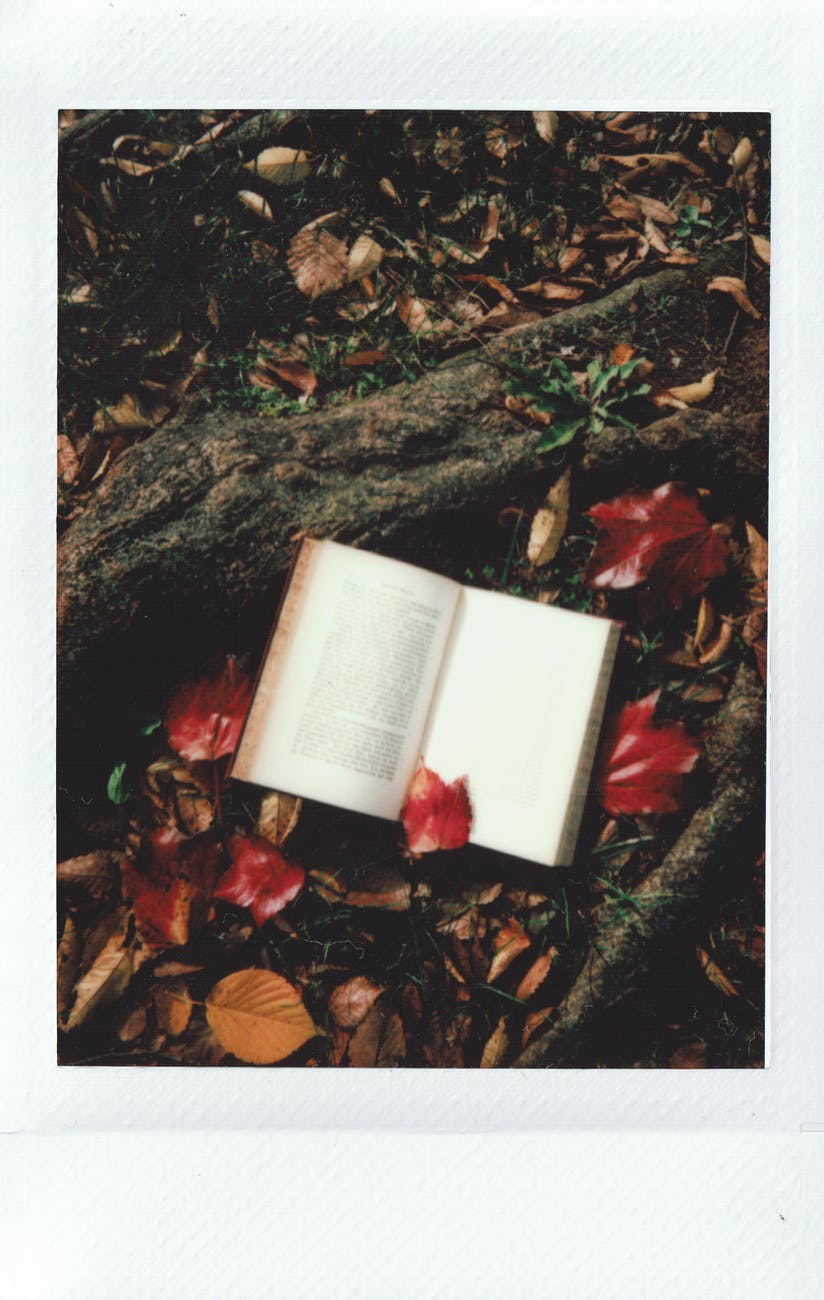
Photo by rikka ameboshi on Pexels.com

Then there’s what I call “wordsmithing”, changing some words to others whose meanings are more precise. Inside a folder on my desk is a sheet of paper with an extensive list of words to substitute for “said” and another of overused words. Draft two is when I make those changes, too. It’s also the time for eliminating redundancies and paring down too much dialogue.

Paying attention to detail is tantamount to having a coherent finished product, and draft two is where that occurs. Recurring characters from previous books must age accordingly- a baby can’t be a teenager three years later- and someone who is described as six-feet tall can’t suddenly shrink to five-feet seven inches. Unless they’ve changed careers, they can’t be teachers in one book and truck drivers in the next or say they were born in Rochester but in another book, Buffalo. A character with blue eyes can’t also have brown eyes . It goes on and on, I’m sure you get the picture.

After spending weeks rewriting, cutting and adding chapters, and rebuilding what I destroyed to make way for what I believe will be a better story, I’m finally comfortable with draft two and ready to move on to the final draft.

Draft three is when I polish, spend lots of time copy and proof editing, re-read recipes that appear at the end of the book, and verify that all the ‘i’s’ are dotted and ‘t’s’ are crossed, at least as much as I’m able. It’s at this point that I’m finally ready to send the book to my publisher.

Guest Blogger ~ Julie Weston

The Nellie Burns and Moonshine Mystery series began one full moon night. My husband and I had visited Galena Lodge in south central Idaho, near where we live, for a full moon dinner. On our way back down from this mountain pass between the Boulder Mountains and the Sawtooth Mountains, we stopped at Last Chance Ranch. My husband is a photographer and he longed to take a photograph of this ranch in the moonlight and snow. No lights were lit, so we climbed through the fence, he carrying his large format camera, tripod, and other camera gear. As he set up the camera to take the photograph, I watched the house and decided there could be a dead body in there. And lo, my Moon series of books began.

My protagonist is a young woman photographer who comes west from Chicago in the early 1920s. She yearns to be an artistic landscape photographer. Photographing Moonshadows (the name of the first book in the series) is high on her list. In addition to my husband, I have a line of photographers in my family on my maternal side, who came first to Idaho in the 1870s on their way to Oregon via wagon train. They stopped in Boise and never left Idaho. My grandmother and mother were born there, and I grew up in North Idaho in a mining town. The photographers in my family were named Burns. In early North Idaho, a woman photographer arrived from Chicago. Her name was Nellie Stockbridge. And lo, I had my first character: Nellie Burns.

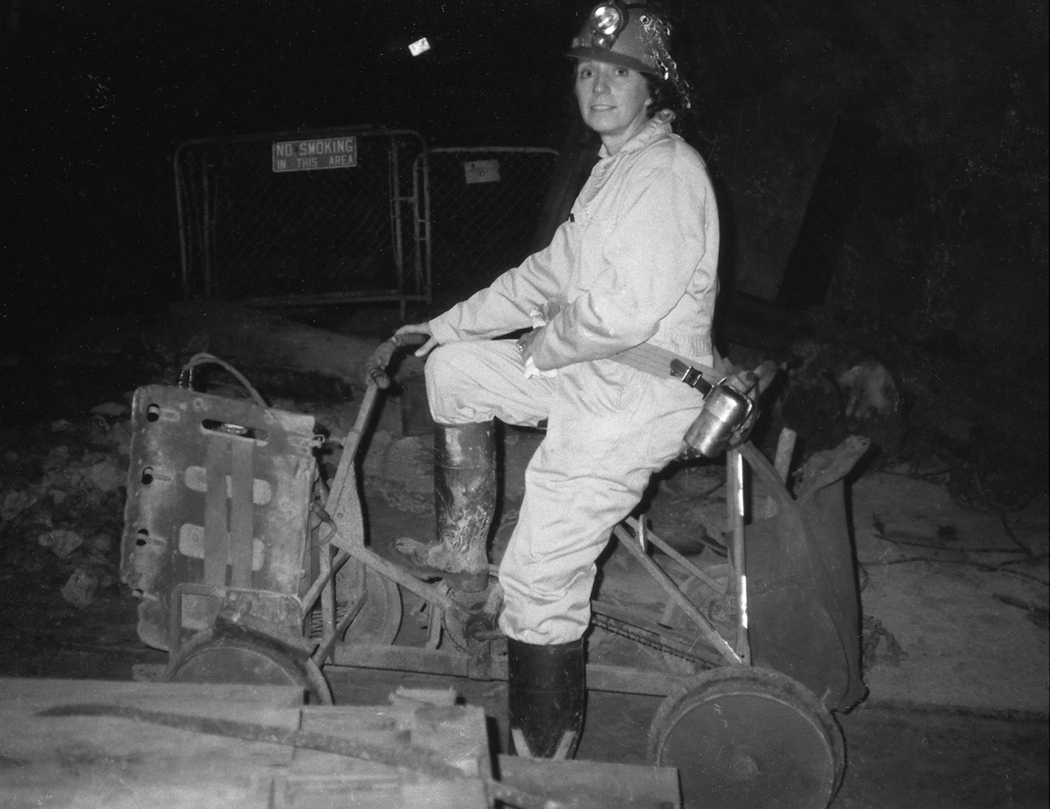
Author in a mine near where she grew up.

Other characters turned up almost immediately: Rosy Kipling, a retired miner from Hailey (our hometown now); Charlie Asteguigoiri, the Basque sheriff for the county; Goldie Bock, the owner of a rooming house in Ketchum; a Chinese mother and son; a sheep rancher, and other persons of interest. Nellie and her photographs help solve the mystery of the dead man at the ranch, along with Moonshine, a black Labrador dog, that Nellie adopts. He becomes her constant companion. And lo, I have a sidekick.

The second and third books in the series live in Idaho—in the Stanley Basin (Basque Moon) and in Craters of the Moon (Moonscape). Each time the landscapes become characters as well, partly because of my heritage and partly because I live here after having practiced law in Seattle for many years. My books have each won honors, including Basque Moon, which was a WILLA winner in historical fiction.

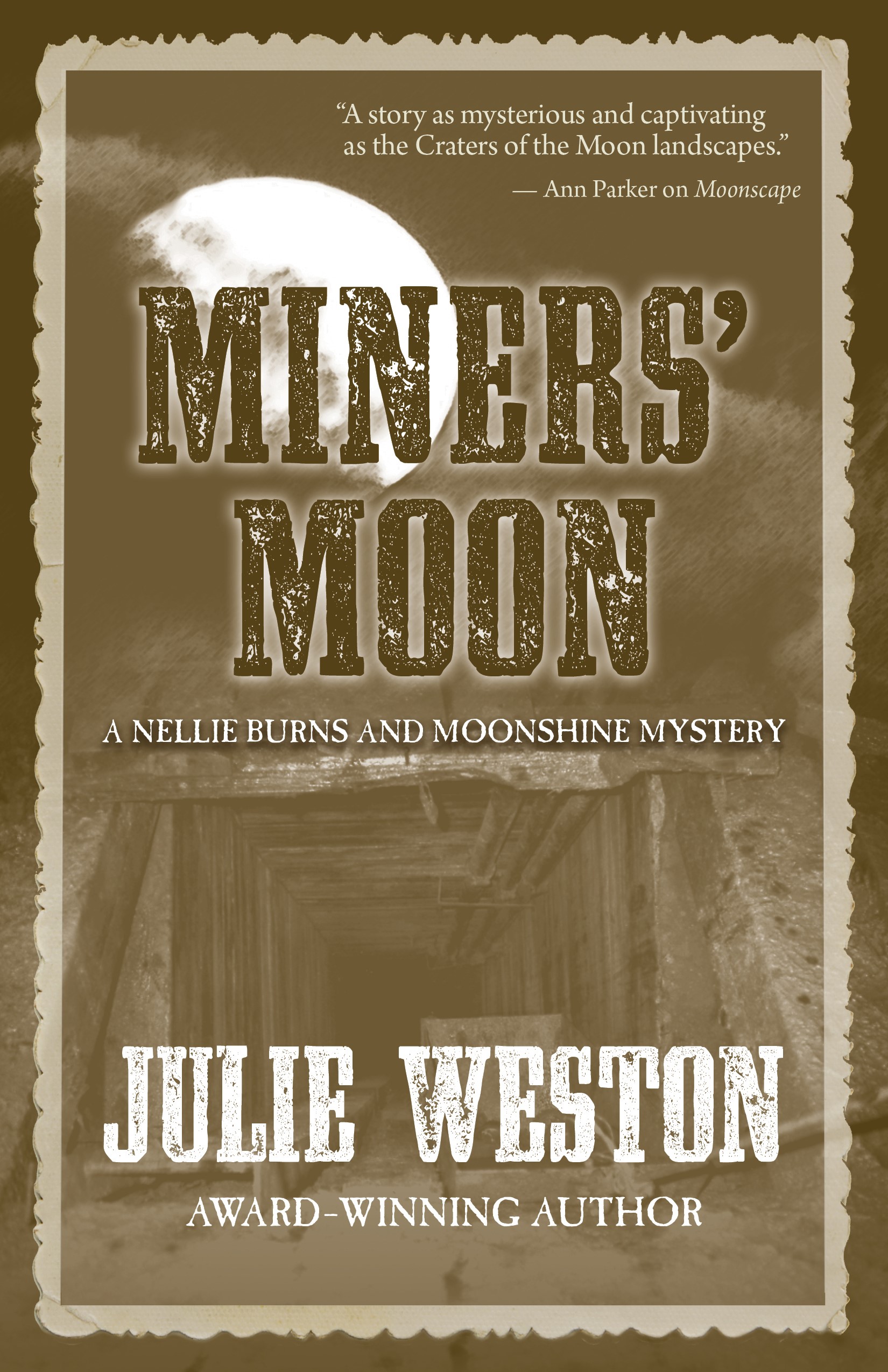
My latest book, MINERS’ MOON, coming out in December, 2021, grew out of my mining town of Kellogg. I descended the mines a while ago, and all I did and learned then became the basis for this newest book. Rosy, Charlie, and Nell get tangled up in two investigations: a mine explosion where several miners are killed, and bootlegging the federal revenuers seek to stop.

Idaho has so many wonderful and strange places and history, I see no end to my Nellie Burns and Moonshine series.

Miner’s Moon

Crime photographer Nellie Burns and Basque Sheriff Charlie Asteguigoiri travel from central to northern Idaho to investigate bootlegging and possible complicit town officials. A suspicious mine explosion pulls them into a second investigation. Retired miner Rosy Kipling joins them, bringing Nell’s black Lab Moonshine.

While Charlie roams the backcountry in search of illegal stills, Nell questions survivors of the explosion and a madam. Rosy descends the principal mine to listen and pry. The two investigations lead all three to discover secrets and lies—from “soda drink” parlors, local brothels, worker hints deep in the mine shafts—that have deadly consequences. Predictably, Nellie gets in over her head. A rock burst seals off Charlie and Rosy in a mine collapse. Moonshine plays an instrumental role, and Nellie tries to rise to the occasion in spite of her debilitating fear. All four long to return to their high desert home, but cannot until they lay bare the crimes before their luck runs out.

Buy Links:

Indiebound:  https://www.indiebound.org/book/9781432888046

Amazon:   https://www.amazon.com/Miners-Nellie-Burns-Moonshine-Mystery/dp/1432888048/ 

Five Star Publishing:  gale.orders@cengage.com

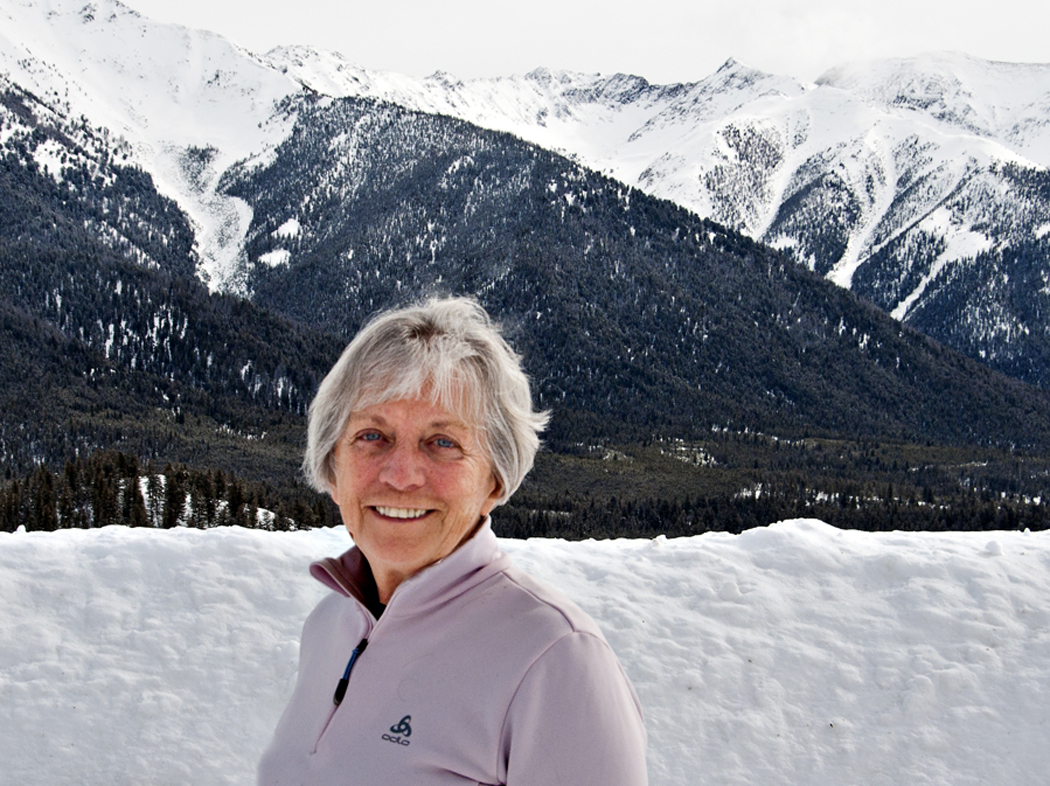
Julie Weston’s publications include mysteries set in Idaho in the 1920s, a memoir of place about Kellogg, Idaho, where she grew up; and a coffee table book with her photographer husband, Gerry Morrison. Essays and Stories have appeared in a variety of journals, including The Threepenny Review, The Saint Ann’s Review, IDAHO magazine and others.

Awards for Weston include the WILLA Award for Historical Fiction, Story Circle Finalist award for Moonshadows, Foreword Bronze Award for Mystery and Honorable Mention for her memoir in the 2009 Idaho Book of the Year Award, among others.

Social Media:

Facebook: Julie Weston and JulieWestonAuthor

Instagram: westmorjw

Email: westmorjw@aol.com, juliewweston@gmail.com

www.julieweston.com

www.bigwoodbooks.com

The First Draft by Karen Shughart

I started writing the first draft of the third mystery in the Edmund DeCleryk series several months ago. It’s entitled Murder at Freedom Hill, and as with the first two books, the murder is linked to an historical event, this time the Abolition Movement and Underground Railroad. Both are part of the history of the village where I live in upstate New York, as are the historical backstories with the previous books, portrayed with a bit of poetic license.

When I start writing a draft, I know the setting (it’s always the fictional village of Lighthouse Cove, NY), have chosen the victim and other characters.  There will be a trip or two to Canada, it’s right across Lake Ontario from Lighthouse Cove; the communities bordering it on both sides are intricately linked by related historical events.

Photo by cottonbro on Pexels.com

I’ve contacted my technical experts with questions on investigative procedures and sentencing guidelines. I have the basic trajectory of the story in my head, and usually have identified the murderer. And I plan for the recipes that will appear at the end of the book, courtesy of Annie, Ed’s wife.

After that it’s a bit of a free-for-all. Structured chaos. The road not taken. Once the first draft is finished, I start to think about changes I want to make in the plot. Sometimes that means getting up in the middle of the night and writing down idea so that by morning they haven’t been erased by a dream or two I may have had in the interim.

I’ve been asked if I create an outline or use index cards when I’m writing a book. I don’t, although I know many authors who do. For me, it’s too confining. I’d rather go where the story leads me instead of being boxed in by my own rigid expectations. Case in point: since starting the first draft of Murder at Freedom Hill, I’ve changed the murderer three times, added a few twists and turns, and lengthened the time it takes to solve the case. It’s a true, excuse the cliché,  work in progress.

The first draft is messy and meandering, and it’s now that the hard work begins. I know I’ll need to clean it up, cut and paste, do a significant amount of wordsmithing, expand the investigation, eliminate overused words, and insert the historical backstory chronologically and strategically. I’ll also need to decide which recipes to include.

The first drafts of Murder in the Museum and Murder in the Cemetery ran about 40,000 words. My background is journalism, so I learned to write sparingly. I think I’m finally getting the hang of it, this draft ended at 55,000 words, a lot closer to my goal of 70,000+.

Writing the first draft is lots of fun, I go with the flow and see where the story takes me.  But now, the real work begins.

The Wine Blog by Karen Shughart

I’ve always believed that it’s easier to write about what you know, which is why wine features so prominently in my Edmund DeCleryk mysteries. Like my husband and me, Ed, and his wife Annie, live in the northern Finger Lakes region of New York, the second largest wine producer in the U. S. Wine is very much part of the lifestyle here.

Our own wine journey began many years ago. Our kids were in college, our careers at their peak, and we came home each night exhausted. We made the transition from workday to evening by having a glass of wine (or sometimes for Lyle, a Scotch) before dinner.  We caught up, chatted about our day, and even when my husband traveled for business, we designated a time to call each other, evening drink in hand. Although now retired, we continue the tradition to this day.

This image has an empty alt attribute; its file name is restaurant-love-romantic-dinner.jpg

One weekend we were invited to a dinner party at some friends’ house. We were asked to bring a dish to share and a bottle of wine to pair with it. It was the genesis of a gourmet group that met quarterly for many years, rotating hosts. A specialist at a wine store helped us choose the wines to go with each course. We quickly learned that to enjoy wine is to slowly sip and savor it.

Some of us took a cruise together from San Francisco Bay, along rivers that led to the Napa, Sonoma and Carneros wine regions of California.  Each evening we’d dock and before dinner attend a wine education session. The next morning we’d board a bus that would take us to charming towns for vineyard tours, wine tastings and to explore galleries and shops.

One weekend Lyle and I traveled to the Finger Lakes; a short drive from where we lived in Pennsylvania. We were enchanted by the wineries and restaurants, the vibrant jazz scene, and postcard-picture beauty.  We purchased an 1890s cottage on Lake Ontario; after retirement, we decided to make it our permanent home.

We joined a wine club.  At a series of monthly classes at New York Kitchen in Canandaigua, we learned about regions around the world where wine is crafted and how terroir, the natural environment in which grapes are grown, results in differences in color, smell and taste of the same varietal.  We cleaned up our musty basement and created a wine cellar in what was once a cistern, dry as a bone with thick stone walls and floor and about 56 degrees year ‘round.

Over the years I’ve learned a lot about wine, and I write about it in my mysteries. It is, after all, part of the local lore, and an integral part of the culture. And just like Lyle and me, having a glass of wine at the end of the day is a way for Ed and Annie to unwind and share their stories.