Guest Blogger~Terri Karsten

            People often ask where I get my ideas. The answer seems simple—ideas come fromthe people we meet, the things we read, the places we go, the songs we know. But the first kernel of an idea is not enough to create a novel.

So, how does a kernel develop into a book? For me, it starts when an idea won’t let go.  Characters start chattering in my head. Scenes start playing out in my day dreams. I sometimes spend years thinking about an idea before I actually start writing. Then I do a lot of research to learn more about the period. I want my historical fiction to immerse the reader in a world as real and accurate as possible. I want the reader to know what it was like to live ‘back then.’

My historical novel, A Mistake of Consequence, developed in just that way. The first idea came from a college class in American Women’s Studies. We read many primary documents, including one about a young woman who had been indentured in Virginia. She wrote her father, complaining of the horrible conditions there and begging him to send ‘his poor undutiful daughter’ adequate clothing. Her heartfelt letter made me want to learn more.

My curiosity led to major research about indenture, a practice was quite common in the 17th and early 18th centuries. Indenture was a legal contract binding a person to work for a certain number of years in return for some compensation such as passage to America. The indentured person was not free to leave the contract and had limited rights as a servant.

Then I discovered that in addition to the people who indentured themselves or family members, many men, women, and children were snatched from England, Scotland, and Ireland and sold in the colonies. In spite of important differences (indenture theoretically had a termination date) the parallels to African slavery were intriguing,

            As I learned more, the characters emerged. The first I envisioned was Callie Beaton, an impetuous, young Scottish woman. Callie’s temper would lead her to the wrong place, straight into the hands of a ‘spiriter’ who kidnapped her, transported her across the ocean, and sold her. Penniless and bound in a strange place, her goal was to return home.

Callie’s story portrays one path indenture could take, but I wanted to show a broader picture. Two other characters gradually took shape, one indentured by choice, and one by circumstances beyond her control. Though both are secondary characters, their lives become entwined with Callie’s.

With these three women in mind, I still needed a plot. I always want to know how the story will end before I can start writing. For this novel, I needed a love interest, a murder victim, and at least one villain to drive the action and influence the outcome. That meant more characters taking up space in my day dreams.

My goal in writing historical fiction is to portray ordinary people living in circumstances very different from our own, but sharing the same joys, fears, and concerns about their families. I want to show that strong, resilient women had important roles in all eras. History, especially women’s history, can help people today learn from the challenges of the past.

            Gradually all these ideas coalesced in A Mistake of Consequence, a rollicking adventure in Colonial America, told from a unique perspective, that of a woman bound by custom and law, but with the courage to choose her own path.

Mistake of Consequence
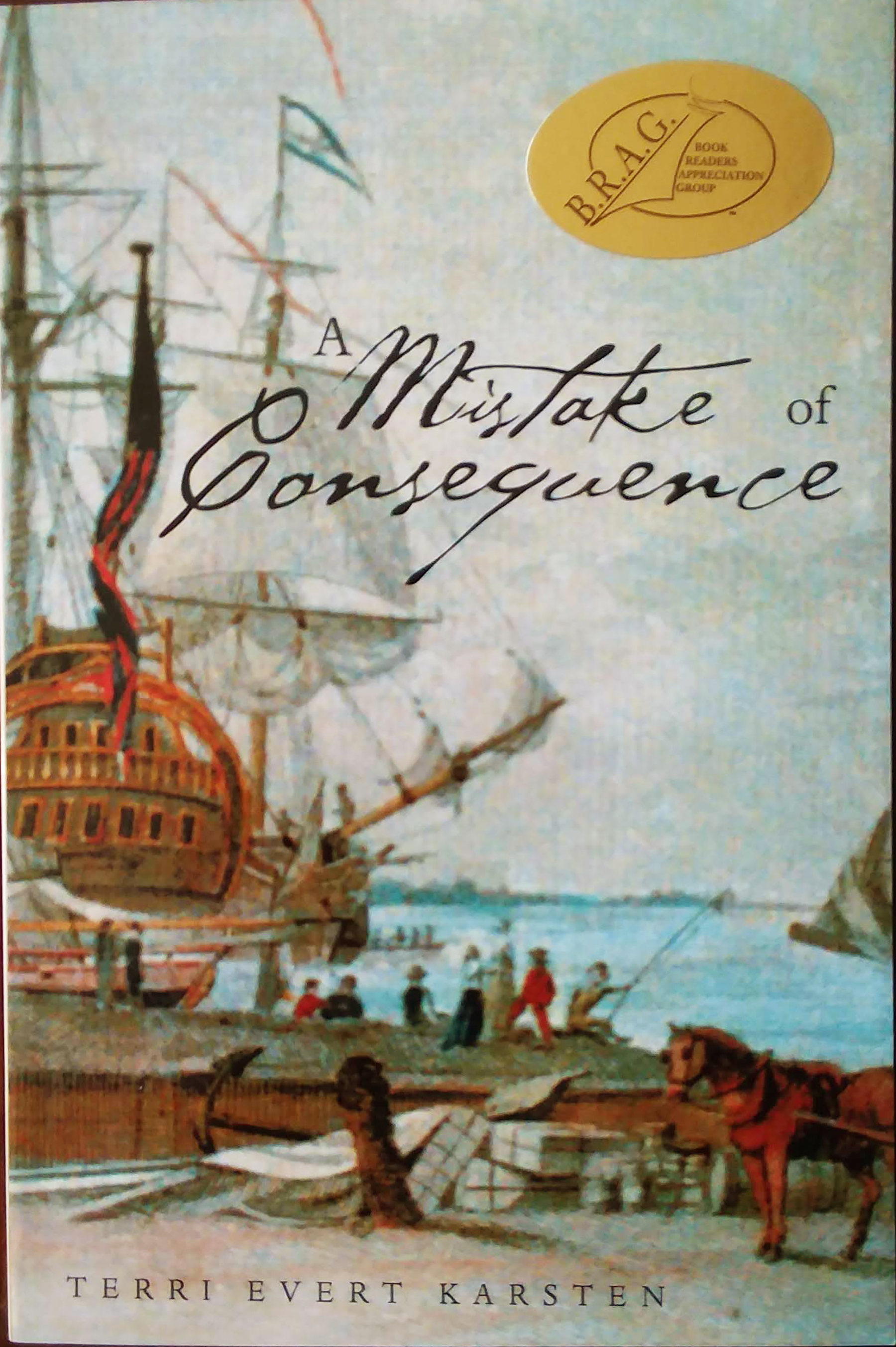

It is 1754 in Edinburgh, Scotland. Callie Beaton is nearly twenty,
single, and determined not to marry anyone her grandfather deems worthy.
But after her impulsive flight from yet another unwanted suitor leads
her to the pier one rainy evening, Callie is mistaken for someone else
and dragged aboard a ship. Trapped in a dark hold and at the mercy of
strangers, Callie has no idea the ship is headed for a bustling port
city across the ocean in America.

Wracked with seasickness, unable to convince the ship’s captain she is
not who he thinks she is, and with only one scraggly dress to her name,
Callie somehow survives the horrid journey. She arrives in colonial
Philadelphia penniless, nameless, and alone in a strange place. Two men
offer her help: Ethan Asher, a handsome gentleman with a hidden past,
and Davy McRae, a charming ship captain with a dangerous secret. Neither
seems trustworthy, but when tragedy strikes, Callie is caught in the
middle and must choose one of the men to help her if she is to save
herself and her newfound friends from disaster.

In this historical romantic adventure, a Scottish lass who finds herself
in the wrong place at the wrong time unwittingly embarks on a journey
across the ocean to a new beginning where she searches for love,
belonging, and ultimately her true destiny.

Buy link:
https://wagonbridge-publishing.square.site/product/a-mistake-of-consequence/1?cp=true&sa=false&sbp=false&q=false&category_id=3

or

http://www.terrikarsten.com/a-mistake-of-consequence.html

An avid fan of all things historical, Terri Karsten lives in a hundred
year old house near the upper Mississippi River. After retiring from
teaching high school English, she divides her free time between writing
books, playing with grandkids, and chasing the outdoor life. Karsten
writes both fiction and non-fiction, and has publication credits in a
variety of magazines, newspapers and encyclopedias, including Highlights
for Children, The Winona Daily News and An Encyclopedia of Women’s
History. Her novels focus on historical fiction with strong women as
protagonists (A Mistake of Consequence, When Luck Runs Out). For more
information, visit her website: www.terrikarsten.com

Social Media links:
https://www.facebook.com/terri.karsten

https://www.linkedin.com/in/terri-karsten-7a272330/

The Characters Keep Expanding by Karen Shughart

It’s fascinating to me how, with each successive book in my Edmund DeCleryk mystery series, the number of characters keeps expanding. With the first book there were a handful as I introduced the investigators and their families and friends, but the number grew as I included  the murder victim, witnesses and those involved as suspects or  who helped with the investigation.  While each book can be read as a standalone, because this is a series there are not only recurring characters- the support cast, so to speak- but new ones added as part of each new plot.  

For the first three books I was able to keep track of those characters without having to write their names on a chart, although occasionally I browsed through previous manuscripts when I couldn’t remember a minor character’s name. Now I’m in the process of writing book four, Murder at Chimney Bluffs, and keeping track of all the names has become much more challenging. So, to make things easier, I’ve created a list that includes old and new that I keep by the side of my computer to refer to when necessary. The list is so long that I now have two columns, divided into main and supportive characters, their friends and family, those involved in the historical backstory, or who are suspects or otherwise related to the crime or the killer.

Photo by Helena Lopes on Pexels.com

I’m asked if I construct an outline for my books and stick to a plot I create at the outset, but I don’t.  Instead I typically go where the story takes me. Like a train picking up cargo along the way, I add characters, or discard those who appeared in previous books if they’re not relevant to the current one. If appropriate, I’ll bring them back as the series continues.

 A former board member of the historical society and museum who retired and moved to Canada; his son; Annie’s predecessor who moved to England with her husband; a CIA agent who worked with Ed when both were Navy SEALS;  Ed’s close group of male friends from childhood ; Annie’s chums who comprise her support group; most have had at least cameo roles in all the books.

A new and influential member of Annie’s board of directors will appear for the first time in book four, and I expect he will also be a recurring character. Astonishing how the number has grown from book one to book four. At last count, I’m close to 50, some major and many minor.  As I think about it, what’s happened is that I’ve been building a community, and in the end, that’s what cozies do.

Karen Shughart is the author of the Edmund DeCleryk cozy mystery series, published by Cozy Cat Press. Her books are available in multiple formats at retail outlets and online. Read a recent interview about her writing with AllAuthor: https://allauthor.com/interview/karenshughart/

Guest Blogger ~ A.M. Reade

THE BEST OF BOTH WORLDS

I recently took an online quiz designed to determine whether I am a right-brained or left-brained person. There were probably a thousand other things that might have been a better use of my time, but I was intrigued (Clickbait, you’ve come to the right place). In a nutshell, right-brained people tend to be the more creative types, whereas left-brained people tend to be more analytical.

You may have seen this quiz, or recall one very much like it from 2015. People are shown a photo of a sneaker and asked what they see: is it gray and teal, or is it pink and white? Back in 2015, it was the dress. Did you see a blue and black dress or a white and gold one? If you don’t know what I’m talking about, Google it. You’ll see what I mean.

In a brilliant illustration of what it’s like to be me, the sneaker and dress quizzes indicate that I fall into both right-brained and left-brained camps—or neither, depending on how you look at it.

In all seriousness, though, everyone has both right- and left-brain capabilities, though one side or the other happens to be dominant in most people. I honestly don’t know which is my dominant side.

I used to consider myself a left-brained person: verbal, analytical, and (somewhat) organized. That makes sense—I practiced law before turning to writing fiction, and the law is very logic-based. I know, I can hear you laughing from here, but it really is true, at least in a courtroom setting. Writing a novel requires a certain amount of logic, too. A writer’s job is to come up with a plot and a story arc that make sense to the reader.

The longer I’m away from the law, though, the more I find myself doing things like handicrafts and gardening and artwork and experimental cooking (I like to tweak or make up recipes just to see what will happen) in my spare time. These are typically considered right-brained activities.

This got me thinking: where does that leave the zealous lover of mystery fiction?

And here’s what I’ve decided: writers and readers of mysteries get to experience the best of both worlds (both sides of the brain) simultaneously.

The act of writing satisfies and exercises both analytical and creative muscles, as does the act of reading. Is there anything better than finding yourself immersed in a story, following along as if you’re part of the action? Whether you’re writing that story or reading it, you’re using both sides of your brain. You’re walking the logical path of the plot from beginning to end, puzzling out the clues, and you’re using your imagination to experience the sights, sounds, scents, and tactile sensations of the setting.

If you’re a writer, you’ve done your job if a reader comes away with a feeling of satisfaction. If you’re a writer of historical mysteries, as I am, you’ve done your job if the reader also learns a little something in addition to enjoying the mystery.

If you’re a reader, you’ve done your job if you’ve simply paid attention to the story. You’ve very likely used your imagination without even realizing it. This is left- and right-brain exercise at its best.

It turned out to be a good thing for me to take that sneaker quiz because it led me down the rabbit hole of research into how people use different parts of their brains. It got me thinking of the ways in which I use my own brain.

If you’re reading this post, you probably love mysteries. You use your whole brain when you read. So where do you see yourself on the left-brain/right-brain spectrum? What do you do in addition to reading? Are you a stock analyst? Are you a painter? Does (or did) your day job exercise a different part of the brain than the part you use when you read? I’d love to hear your thoughts. Thanks to the Ladies of Mystery for hosting me here today. It’s been a fun post to write and I hope it got you thinking.

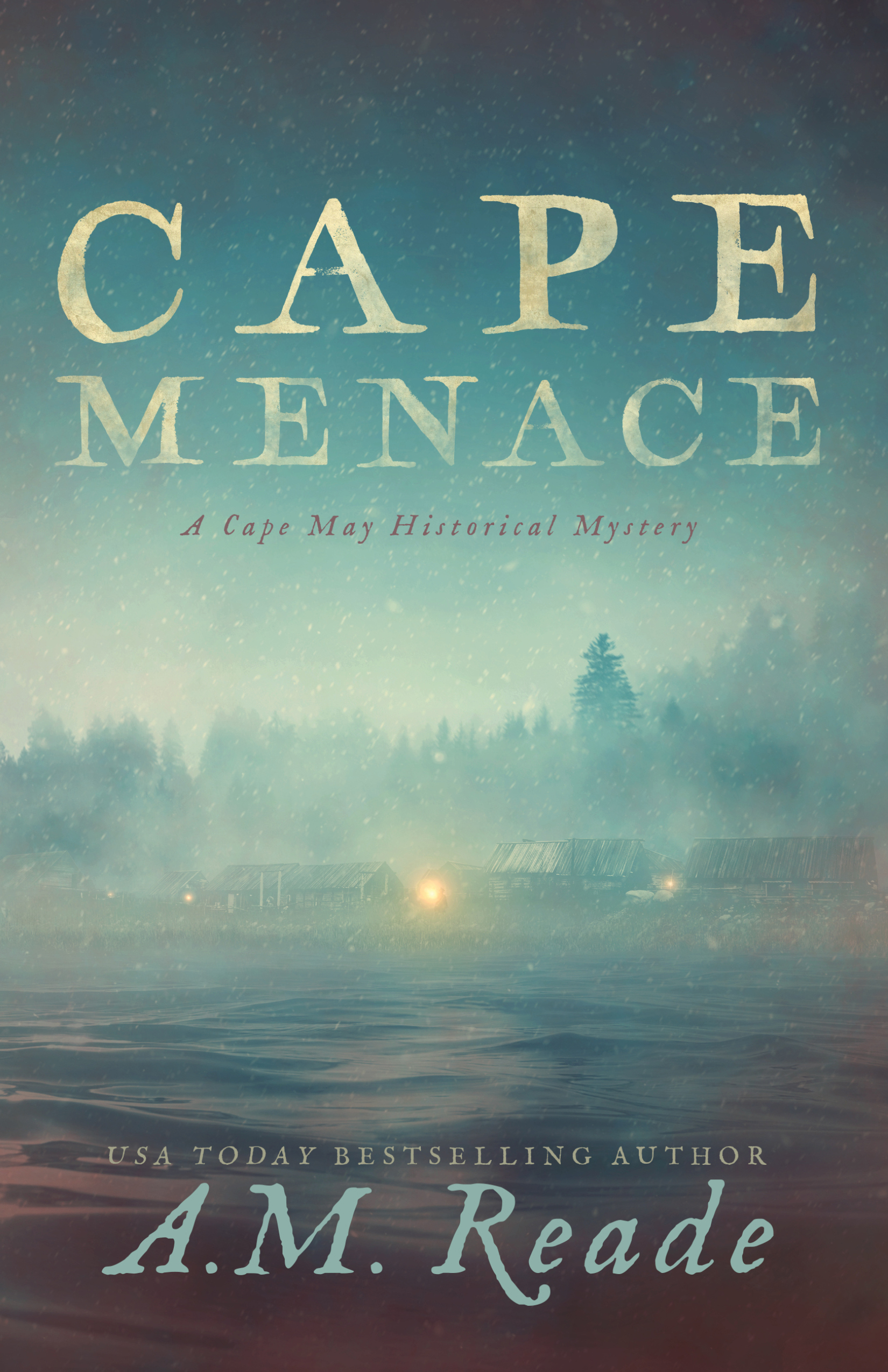
CAPE MENACE

The year is 1714. Two years have passed since Ruth Hanover vanished into the wilderness of the New Jersey colony without a trace, leaving behind her husband, William, and their daughter, Sarah.

Though William and Sarah have never stopped hoping Ruth will return, as time goes by it becomes less and less likely they will ever see her again.

Now William is acting strangely. He won’t tell Sarah why he’s conducting business with a mysterious stranger in the middle of the night, he won’t explain the sudden increase in his income, and he won’t share with her what people in town are saying about her mother’s disappearance.

When the time comes for Sarah to face her father’s secrets and figure out why her mother never came home that December day in 1712, what she learns will shock her tiny community on the New Jersey cape and leave her fighting for her life.

KINDLE: https://www.amazon.com/Cape-Menace-Historical-Mystery-Collection-ebook/dp/B087PJWX7Y

APPLE IBOOK: https://books.apple.com/us/book/cape-menace-a-cape-may-historical-mystery/id1511409624

KOBO: https://www.kobo.com/us/en/ebook/cape-menace-a-cape-may-historical-mystery

BARNES & NOBLE NOOK: https://www.barnesandnoble.com/w/cape-menace-amy-m-reade/1136964165

GOOGLE PLAY: https://play.google.com/store/books/details/Amy_M_Reade_Cape_Menace?id=P3zkDwAAQBAJ

PAPERBACK: https://www.amazon.com/Cape-Menace-Historical-Mystery-Collection/dp/1732690782

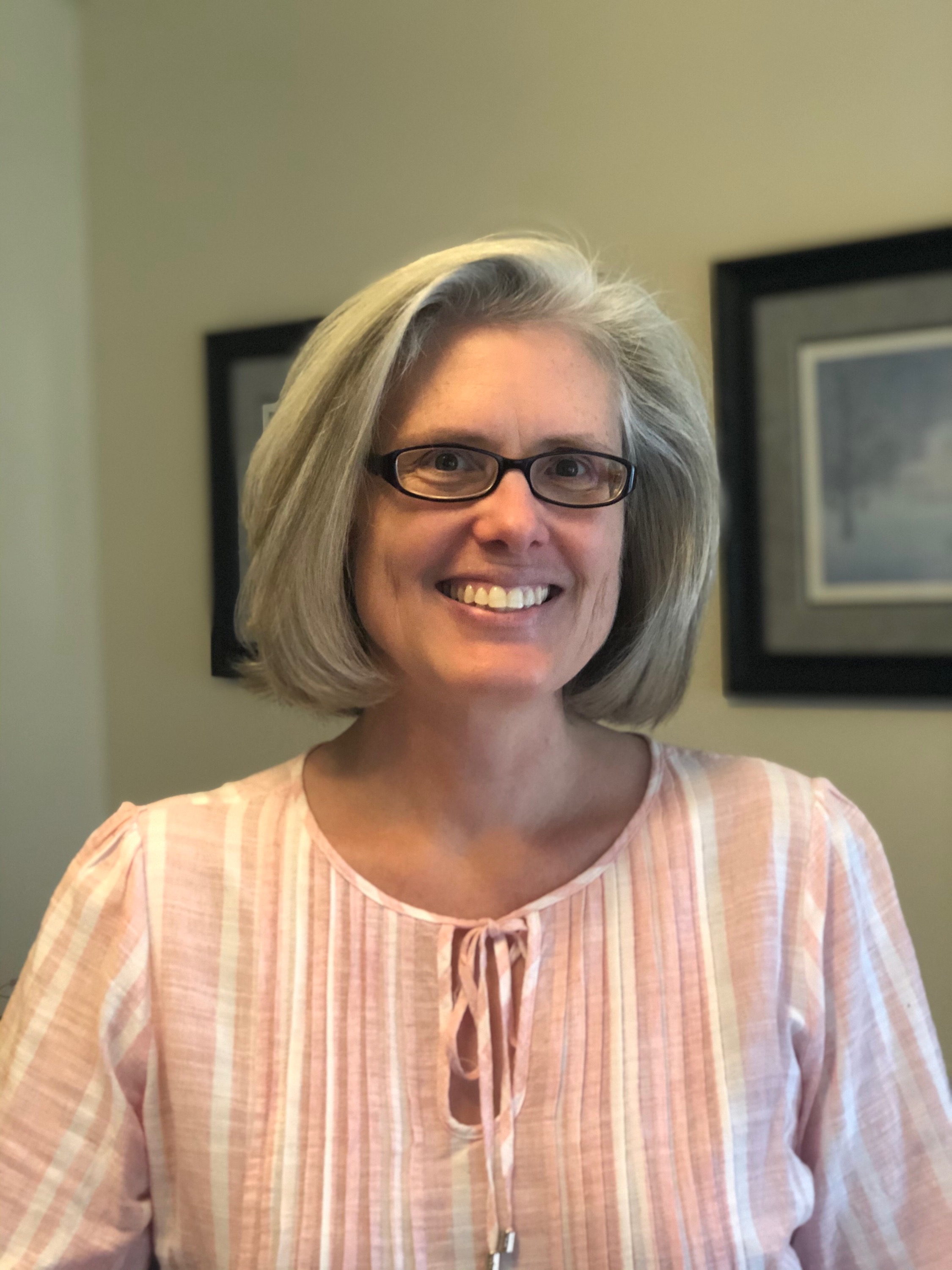
Amy M. Reade is the USA Today and Wall Street Journal bestselling author of cozy, historical, and Gothic mysteries.

A former practicing attorney, Amy discovered a passion for fiction writing and has never looked back. She has so far penned three standalone Gothic mysteries, the Malice series of Gothic novels, the Juniper Junction Holiday Cozy Mystery series, the Libraries of the World Mystery Series, and the Cape May Historical Mystery Collection. In addition to writing, she loves to read, cook and travel. Amy lives in New Jersey and is a member of Mystery Writers of America and Sisters in Crime.

You can find out more on her website at www.amymreade.com.

BLOG: https://amreade.wordpress.com/

FACEBOOK: https://www.facebook.com/amreadeauthor

AMAZON: https://www.amazon.com/stores/Amy-M.-Reade/author/B00LX6ASF2

GOODREADS: https://www.goodreads.com/author/show/8189243.Amy_M_Reade

BOOKBUB: https://www.bookbub.com/profile/amy-m-reade

TWITTER: https://twitter.com/readeandwrite

INSTAGRAM: https://www.instagram.com/amymreade PINTEREST: https://www.pinterest.com/amreade/

Guest Blogger ~ Darcie Wilde

            IDEAS & INSPIRATIONS

            I am a Jane Austen fangirl.  

            I admit, I was not always.  But then, like a whole lot of people I saw the 1995 Pride & Prejudice with Colin Firth as Mr. Darcy, and I was gone.  Lost.   Yourcallisveryimportanttouspleaseleaveamessage.  Gone.

            Since then, I have read Pride & Prejudice multiple times, along with the other Jane Austen novels.  I’ve also read a lot of Austen’s contemporaries, who were between them busy inventing the modern novel and several literary genres, including Romance and Historical Fiction.  A lot of these books are really bad, but some of them a absolutely fascinating, if you’re a history nerd, which I also am.

            For all I credit Austen and her novels as one of the inspirations for the Useful Woman mysteries, I’d never really leaned into the plots and characters of what has become the most famous of her books.

            But, as we all know,  it is a truth, universally acknowledged that the writer of a series set in England in 1820 must be in want of a plot.  And sooner or later, that writer needs to look to the Great Jane.

            But in 2021, was there another version, or vision, left to write?  Pride & Prejudice has been adapted for every genre, and every character seems to already have their book.

            So, what was I going to do?

            Step One: reread the original.  If you haven’t read Pride & Prejudice, I recommend it.  It’s easy to follow and accessible.  Even better, it’s funny.  It’s sharp.  It’s suspenseful and engaging, even after two hundred years and countless adaptations. 

            Step Two: Get mad at Mr. Bennet.  Mr. Bennet is our Heroine’s father.  This is the guy who failed to save any money for dowries, or do much of anything else, like insist the girls get educated, so they could manage for themselves, or contact his relatives to help them get started in society so they actually had a chance of making decent marriages.  

            Step Three: Develop a sympathy for the three younger Bennet sisters.  These are Mary, Kitty and tragic Lydia.  Realize it must have been hard to be a younger Bennet.  Mom’s a hypochondriac.  Dad’s emotionally unavailable.  You’re constantly being compared to your two oldest sisters, and you know you’re never going to measure up because you’re not that pretty and not that witty and you’ve got no money.  So what are you going to do?

            Step Four:  Hear those oh-so-dangerous words in the back of your head What if…

            What if we had a similar situation, where a ne’re-do-well insinuates himself into a family, and tries to seduce one of the sisters?  What if the sister isn’t just a silly little thing with no idea of what she’s getting into?  What if she’s got a plan?  What if she sees this rogue as rout to getting some money of her own and away from her smothering family and perfect older sister? And what if she had help from a sister…?

            What if this situation landed in my sleuth Rosalind’s lap just before the London social season of 1820?

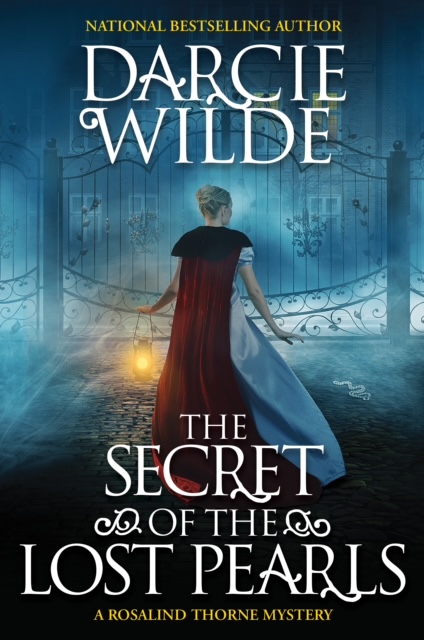
Darcie Wilde is the bestselling, award-winning, multi-genre author of the Useful Woman mysteries.  Her latest title The Secret of the Lost Pearls is an Editor’s Pick on Amazon and a “Must Read” book for 2022 from USA Today.

This captivating Regency-era mystery inspired by the novels of Jane Austen is perfect for fans of Andrea Penrose, Lauren Willig, and Deanna Raybourn, as readers venture beyond the glittering ballrooms and elegant parties of Regency London to the dark side of the city and its unexpected dangers.

Rosalind Thorne may not have a grand fortune of her own, but she possesses virtues almost as prized by the haut ton: discretion, and a web of connections that enable her to discover just about anything about anyone. Known as a “most useful woman,” Rosalind helps society ladies in need—for a modest fee, of course—and her client roster is steadily increasing.
 
Mrs. Gerald Douglas, née Bethany Hodgeson, presents Rosalind with a particularly delicate predicament. A valuable pearl necklace has gone missing, and Bethany’s husband believes the thief is Nora, Bethany’s disgraced sister. Nora made a scandalous elopement at age sixteen and returned three years later, telling the family that her husband was dead.
 
But as Rosalind begins her investigations, under cover of helping the daughters of the house prepare for their first London season, she realizes that the family harbors even more secrets than scandals. The intrigue swirling around the Douglases includes fraud, forgery, blackmail, and soon, murder. And it will fall to Rosalind, aided by charming Bow Street officer Adam Harkness, to untangle the shocking truth and discover who is a thief—and who is a killer.

Buy Links:

https://www.indiebound.org/search/book?keys=secret+of+the+lost+pearls

https://www.amazon.com/Secret-Pearls-Useful-Woman-Mystery-ebook/dp/B09YLRTWFX

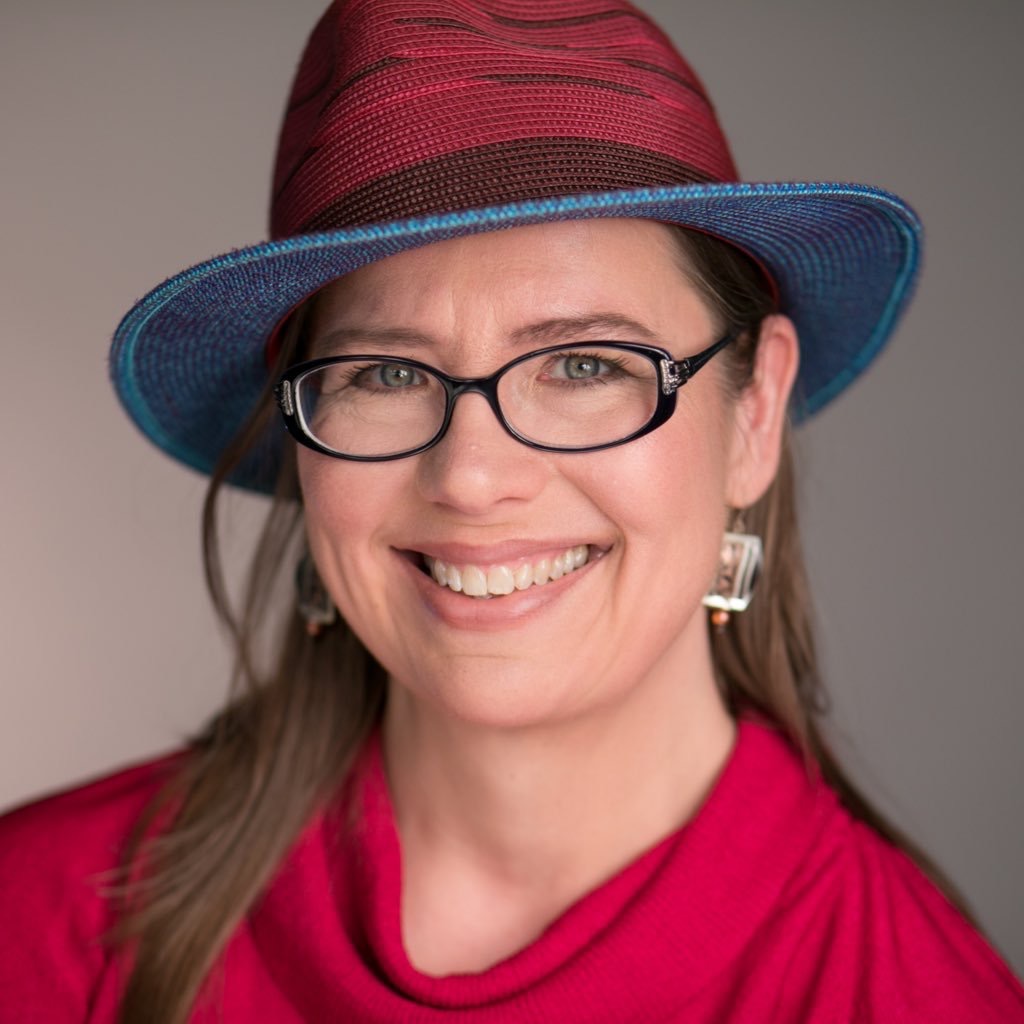
Darcie Wilde is the bestselling, award-winning, multi-genre author of the Useful Woman mysteries.  Her latest title The Secret of the Lost Pearls is an Editor’s Pick on Amazon and a “Must Read” book for 2022 from USA Today.

www.darciewildeauthor.com

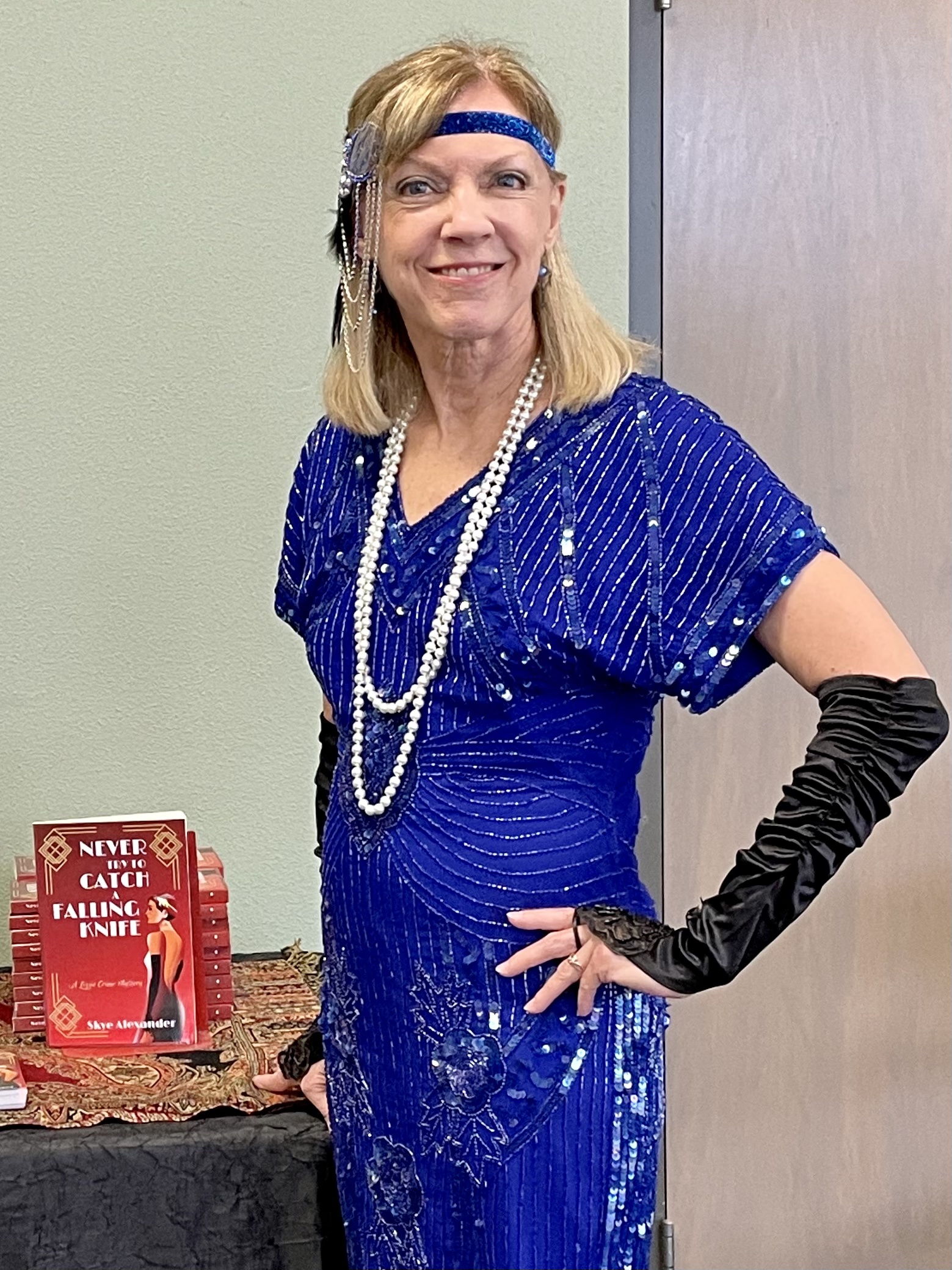
Guest Blogger ~ Skye Alexander

A Good Place To Die

The real estate agent’s axiom about the importance of “location, location, location” holds true for me, too, as a mystery writer––usually the setting is the first thing I establish in a novel. The place where a story occurs provides a backdrop for the action and creates ambiance. It also grounds the tale in a time/space framework with a history, culture, and physical features that dictate what can or cannot happen there. A crime that transpires in a seventeenth-century French chateau, for instance, will be different from one that takes place on the mean streets of Al Capone’s Chicago or in a California mining town during the Gold Rush.

Sometimes the setting assumes a life of its own and becomes a character in the story, such as the marsh in Delia Owens’s Where the Crawdads Sing and the Four Corners in Tony Hillerman’s novels. In some cases, the setting serves as an antagonist, like the Dust Bowl in John Steinbeck’s Grapes of Wrath and the Parisian flood in Sarah Smith’s Knowledge of Water. The environment challenges the protagonist and either helps or hinders her efforts to solve the crime––or to stay alive.

Much as I enjoy reading about Louise Penny’s fictitious town of Three Pines, Quebec, and Susan Oleksiw’s Hotel Delite in Kovalam, South India, I didn’t want to limit my series to only one setting. Consequently, I created a cast of New York Jazz Age musicians whom wealthy people hire to perform at special events. Each stint takes the entertainers to a different location where they’re presented with a unique set of obstacles and opportunities.

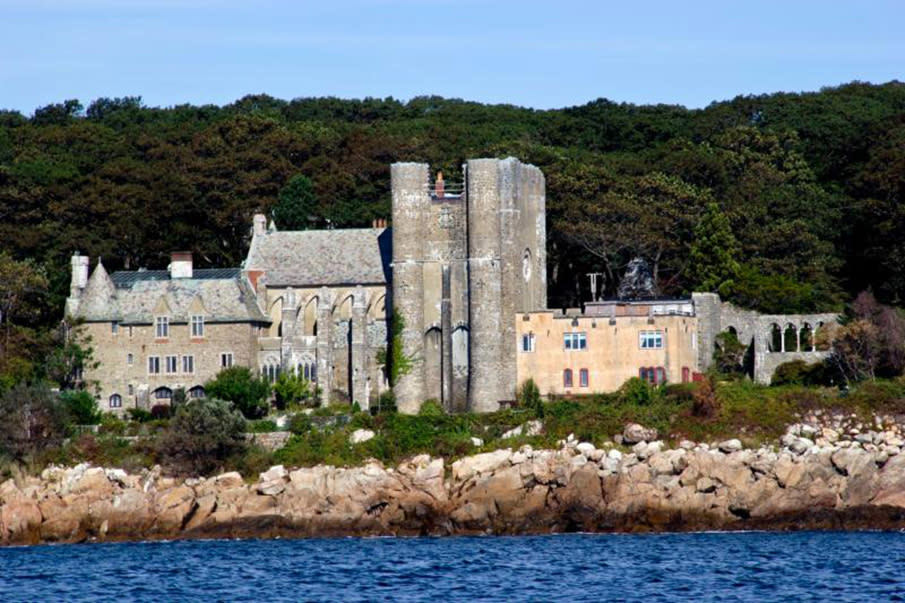
The most recent novel in my Lizzie Crane mystery series, What the Walls Know, is set in a spooky castle in October of 1925. When the musicians accept an invitation to perform at a Halloween party there, they have no idea they’ll be trapped on an isolated peninsula with real-life wizards, witches, ghosts, fortune-tellers––and a murderer. The actual neo-Gothic Hammond Castle in Gloucester, Massachusetts inspired me, and I incorporated its magnificent pipe organ and some other notable features into the story. The oceanside estate of the plumbing magnate Richard Crane prompted the first book in my series, Never Try to Catch a Falling Knife. Two future novels in the series, The Goddess of Shipwrecked Sailors and Running in the Shadows, take place in Salem, Massachusetts. This city’s colorful history offered up intriguing plot elements, including the clipper ship trade and the notorious smuggling tunnels that once ran beneath the old town.

For the sake of authenticity, I physically visit each place mentioned in my novels––every house, store, hotel, restaurant, church, library, museum, park, railway station, and cemetery. If it ever existed and still does, I’ve been there. In Never Try to Catch a Falling Knife, my characters eat lunch at a resort that unfortunately burned down in the 1950s, dashing my hopes for a site visit. Luckily, though, I located an elderly gentleman whose family owned the resort when he was young and he kindly spent an evening recounting the “good old days” with me.

What are some of your favorite story locations? How do you feel they contribute to the tale? Does reading about a particular setting make you want to go there?

What The Walls Know

Halloween 1925, Gloucester, Massachusetts: Jazz singer Lizzie Crane thinks ghosts in a creepy castle are her only worry, until a woman dies of a suspicious heroin overdose and Lizzie becomes a murder suspect––or maybe the next victim.

Buy Links:

https://www.barnesandnoble.com/w/what-the-walls-know-skye-alexander/1142463455

Skye Alexander is the author of nearly 50 fiction and nonfiction books. Her stories have appeared in anthologies internationally, and her work has been published in more than a dozen languages. In 2003, she cofounded Level Best Books with fellow authors Kate Flora and Susan Oleksiw. The first novel in her Lizzie Crane mystery series, Never Try to Catch a Falling Knife, set in 1925, was published in 2021; the second, What the Walls Know, was released in November 2022. Skye lives in Texas with her black Manx cat Zoe.

Website: www.skyealexander.com

Facebook: https://www.facebook.com/skye.alexander.92