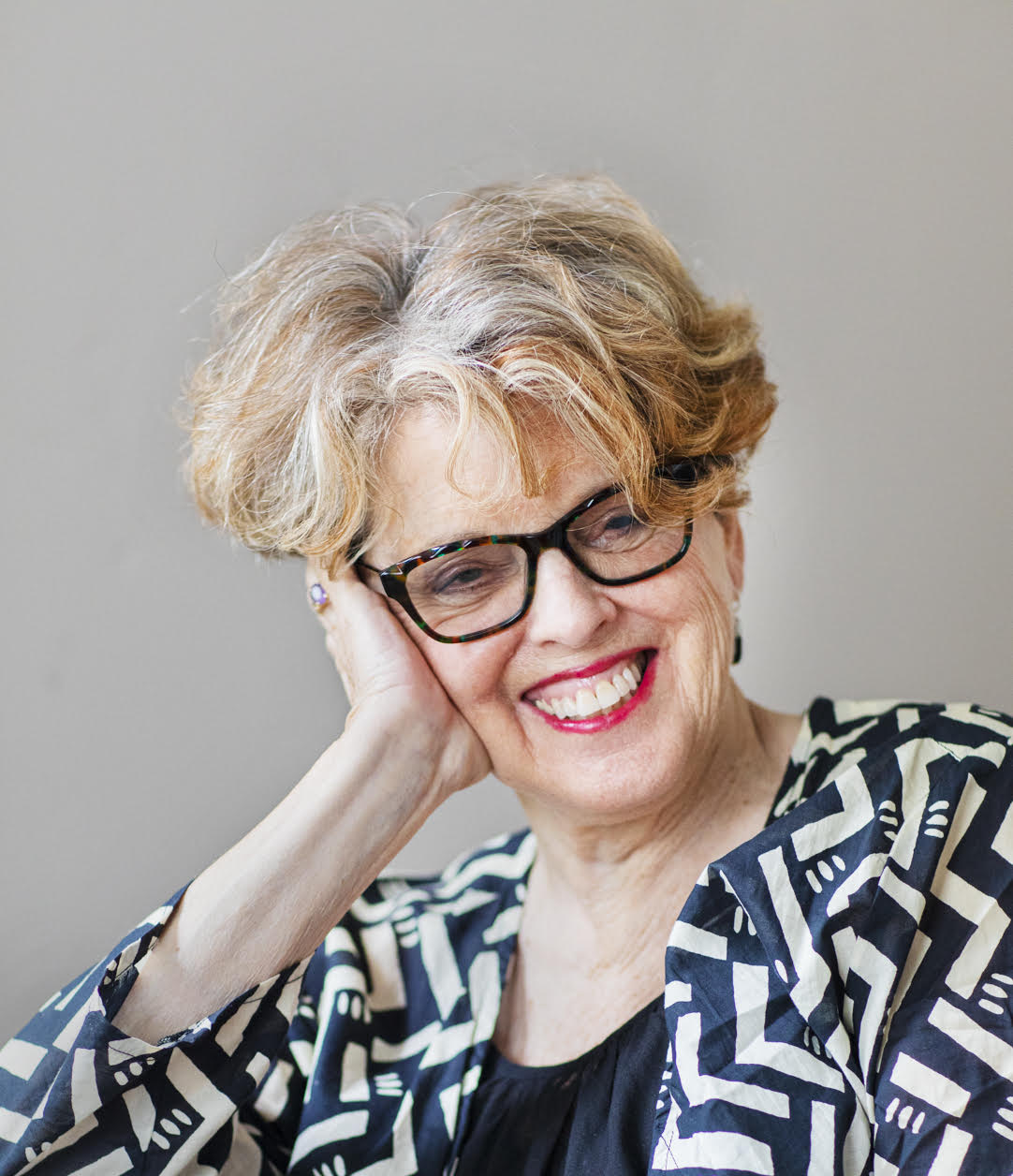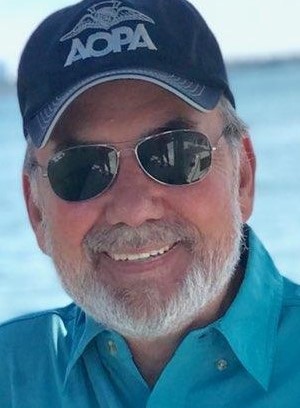
Guest Blogger ~ Sharon L. Dean

Critique groups

Some of us are in critique groups, some would like to find one, and still others vow never to come near one.  Maybe these resistant writers have a trusted editor at a big-name publisher or maybe they think they’re wonderful without feedback. I’m not that good, so when I moved to the Rogue Valley, Oregon, and gave up academic writing for fiction writing I was grateful to be introduced to my Monday Mayhem group.

I still remember my first meetings with the group. They praised my writing style but told me that I couldn’t wait a hundred pages before I introduced the murder. Although I reject such “rules,” they were right about Tour de Trace. The discovery of the murder in that novel now happens on page twenty.

I’ve now published seven novels with two more scheduled before the end of 2023. I couldn’t have achieved this without Monday Mayhem. The group works because it forces us to submit writing every two weeks. Not that we can’t take a pass now and again or that we can’t stray from writing mysteries that were the original impetus for the group. This isn’t a class where our grades depend on following an assignment and handing it in on time.

There are other reasons besides discipline that makes our group work. We stay on task, drinking water, not wine, and except for an occasional cookie being fed only the manuscripts we’re cooking up, even the cookies on hiatus when Covid drove us to Zoom. A two hour time period also keeps us focused on writing, not small talk. We’re not a stiff group, though. Sometimes we learn things about each other’s lives that surprise us. Who would have thought that one of the women drove race cars or that one of the men was admitted to his college’s Hall of Fame because of his acting career.

When I first joined this group, we were three men and two women. We welcomed a third woman, but when Tim, the group’s founder died, we returned to five members instead of six. Tim was the member who was most insistent about not delaying the murder in Tour de Trace. His criticism was never gentle so when I found a publisher for my short story “24/7” (The Fictional Café), I smiled to remember his rare praise for that story, “Don’t change a word.”

We’ve remained at five members because this seems to be an optimal number for giving full attention to what can amount to a hundred pages that we collectively submit on the Thursday before our Monday meeting. We all bring a different focus, a different strength, and, yes, a different weakness to our writing.

Carole’s work could be classified as regional fiction. All her novels are set in Oregon, often in the horse barns of ranches, and her sleuths are never professionals. I challenge her to omit extraneous detail and she challenges me to bring more emotional depth to my characters.

Clive’s region is as different from Carole’s as congested Los Angeles is to the range land of Oregon. His protagonist is a sometimes private investigator, sometimes actor. His novels are rich in Hollywood detail. I challenge him to eliminate his tendency to use passive voice, and he helps me get out of a clunky paragraph by suggesting that I use dialogue.

Jenn’s region is also Southern California and she writes with a strong comic voice. Michael’s setting in his thrillers is mostly international. He draws on his knowledge of politics honed from his years of teaching. Jenn inspires me to add a witticism or two to my writing and I challenge her to push on through her manuscript before she goes back to revise for consistency. Michael helps me whenever I get tangled in inaccurate technology and I remind him that even thrillers need to take a break now and again from an escape or a chase or a fight.

As helpful as critique groups can be, they also come with the hazard of someone going rogue. What do you do if a member consistently submits more than the allotted page count or spends valuable time resisting a suggestion? What if someone loses the big picture in favor of arguing about a comma or regularly crushes others with insults rather than constructive suggestions.

Monday Mayhem’s strength comes from our differences. Although our genres and writing styles differ, we have compatible writing skills. We aren’t teaching writing, we’re helping with revising. Neither too bad nor too good might be a mantra for a successful critique group. We can’t help someone with a tin ear any more than we can help a Beethoven.

Discipline, compatibility, variety. Three ingredients for a successful critique group. If you’re looking for one, watch for these qualities. If you are in one, ask yourself why it works or what it needs to work better.
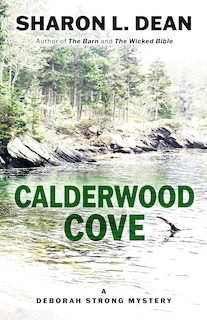
When Deborah Strong accepts an invitation for a reunion with high school friends who will all be turning fifty, she anticipates a lovely Fourth of July weekend in Maine.       But soon a murder disturbs the quiet of the summer homes that dot the isolated cove. Deborah’s suspicions follow her like the Maine landscape–plenty of sunshine, plenty of fog, and plenty of evening mosquitoes that arrive like the sparks of fireworks. Where is Brenda’s husband? Where have her caretaker and cook gone? Who is the anorectic young man who keeps appearing? Is one of them a murderer? Or is it the old woman who lives across the street, her son who runs an oyster farm in the face of global warming, her poet-tenant who lives in her apartment? Deborah even suspects each of the friends she grew up with. By the time she finds the answer, she is ready to leave Calderwood Cove where an idyllic summer retreat turned as deadly as contaminated shellfish.

Buy Link: https://www.amazon.com/Calderwood-Cove-Deborah-Strong-Mystery-ebook/dp/B09ZDJGMQS
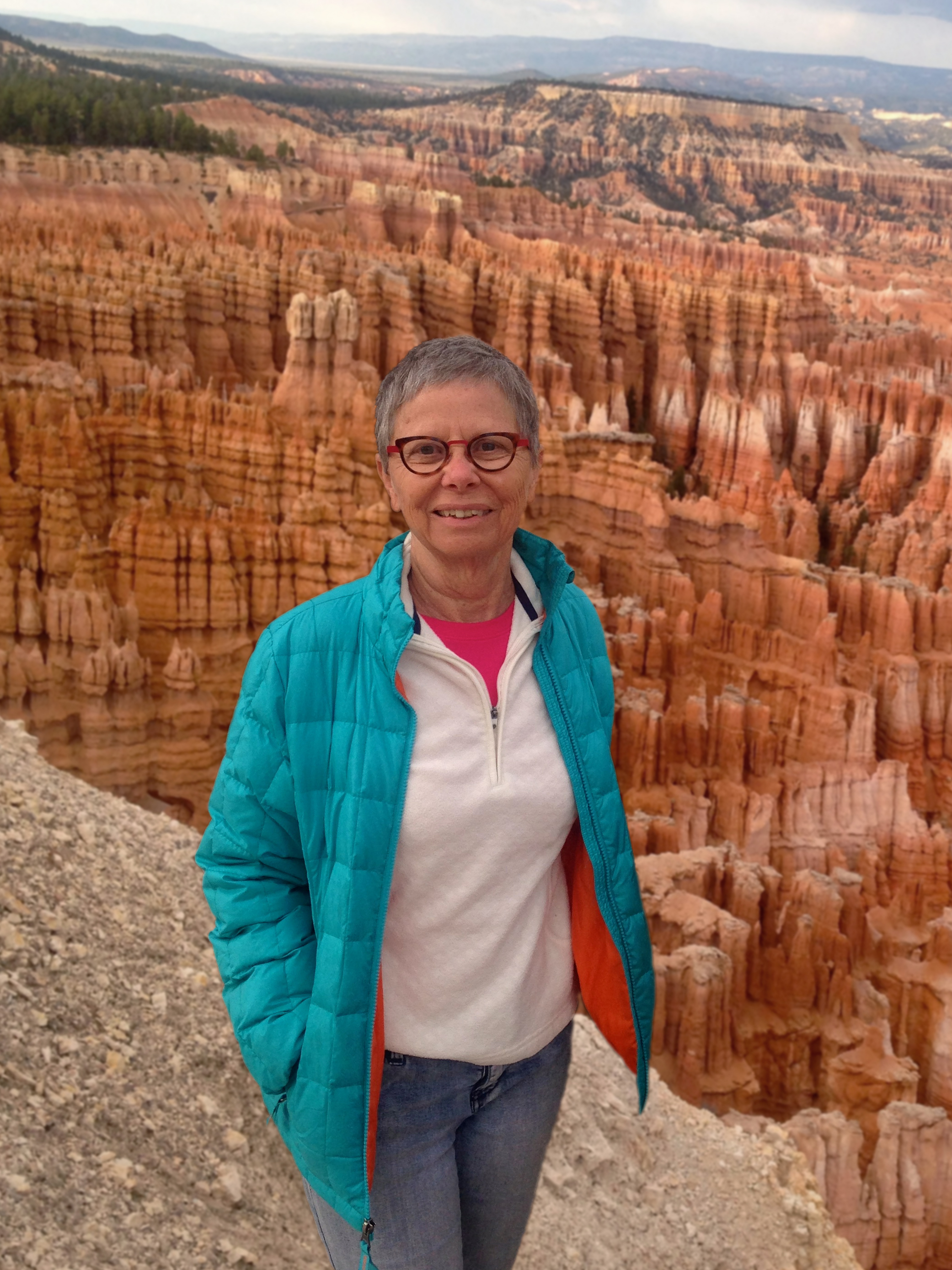
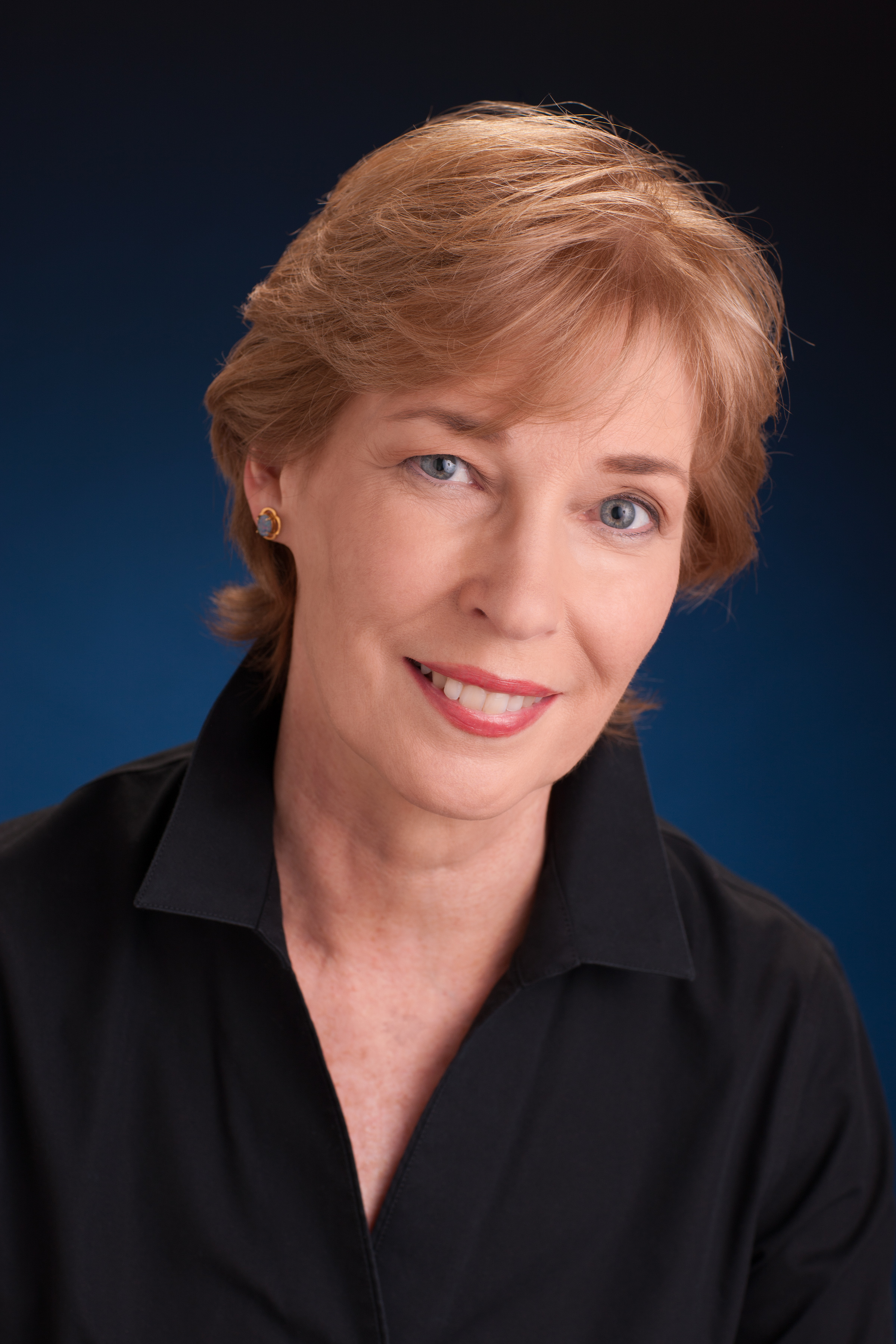
Sharon L. Dean grew up in Massachusetts where she was immersed in the literature of New England. She earned undergraduate and graduate degrees at the University of New Hampshire, a state she lived and taught in before moving to Oregon. Although she has given up writing scholarly books that require footnotes, she incorporates much of her academic research as background in her mysteries. She is the author of three Susan Warner mysteries and of a literary novel titled Leaving Freedom. Her Deborah Strong mysteries include The Barn, The Wicked Bible, and Calderwood Cove. Dean continues to write about New England while she is discovering the beauty of the West.
Guest Blogger ~ Suzanne Trauth

How did I come up with the main character in the series?

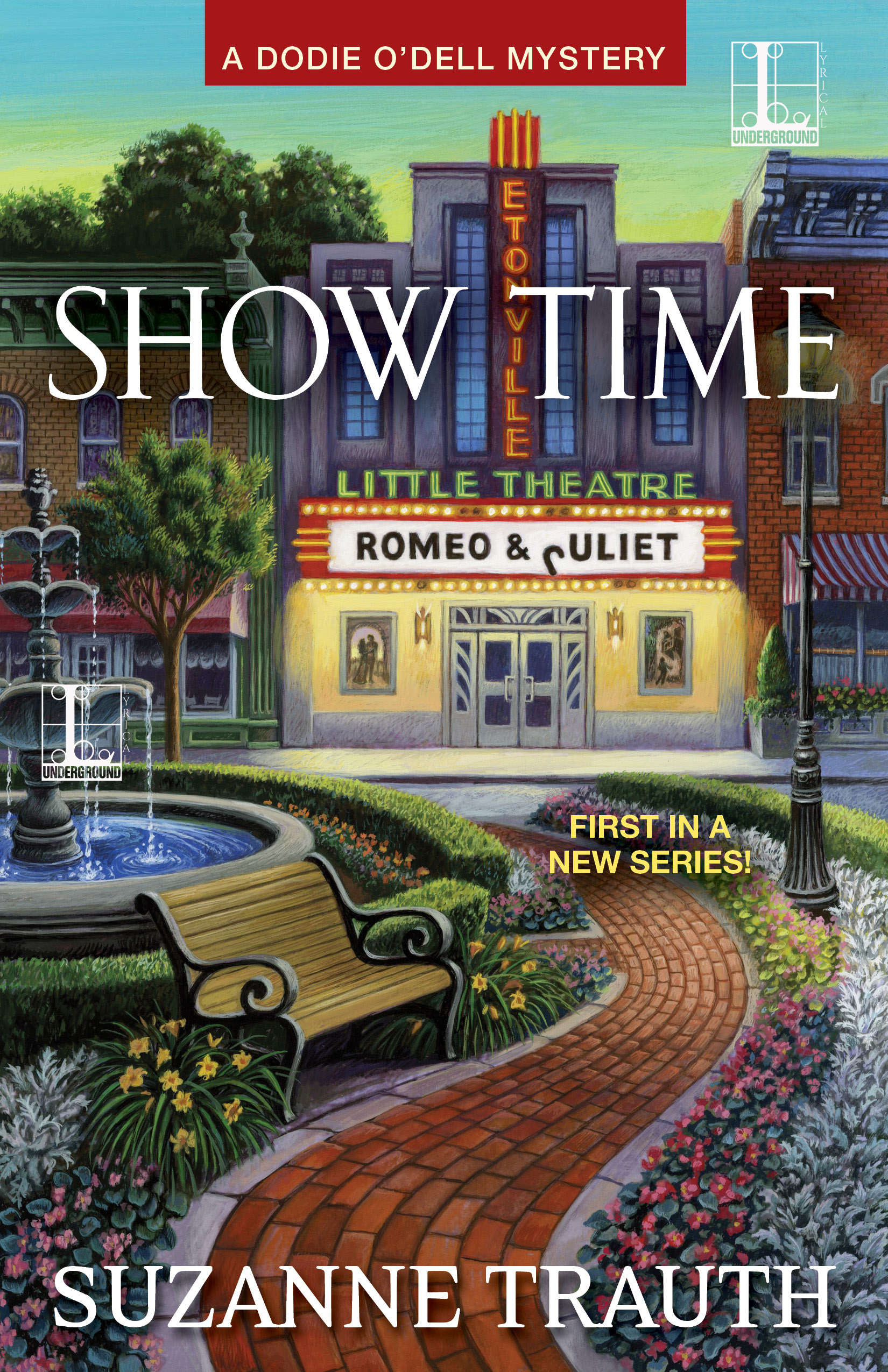
     The heart of the Dodie O’Dell mystery series is, of course, Dodie herself, restaurant manager and amateur sleuth. I began the first book in the series, Show Time, around 2014, only a couple of years after Hurricane Sandy devastated much of the New Jersey shore area. I’d been toying with the idea of a female amateur detective and I knew I wanted her to reside in northern Jersey, in the general area where I lived. And I wanted her to be new to the location…not born and raised there. So my goal was to find a way to get this character to my fictional small town of Etonville. In the first book, after Hurricane Sandy destroyed the restaurant she managed, as well as her home, Dodie was ready for a new life. When a job opened up in a restaurant owned by a relative of her former boss, she jumped at the chance for a second chapter. As luck would have it, the Windjammer restaurant was located next door to the Etonville Little Theatre, providing an abundance of opportunities to showcase interesting menus and the foibles of small town community theatre in my books!

     Dodie became friends with many of the theatre’s members and before long she was helping out on her days off—sewing costumes, hanging lights, assisting at auditions. And then she got a brainstorm, a way to boost the Windjammer’s business while supporting the Etonville Little Theatre: create theme food for every production. For example, seafood for Dames At Sea, Italian fare for Romeo and Juliet, a 1940s Brooklyn food festival for Arsenic and Old Lace. It was a smash success except for one problem…dead bodies started to turn up. Although no one blamed Dodie for the mysterious murders, she had to admit they did begin to appear once she moved to town. She assumed the role of unofficial detective, helping, or sometimes hindering, Etonville’s police chief with her quick-witted, outside-the-box detection skills. Not to mention her ability to navigate the town rumor mill at the local hair salon.

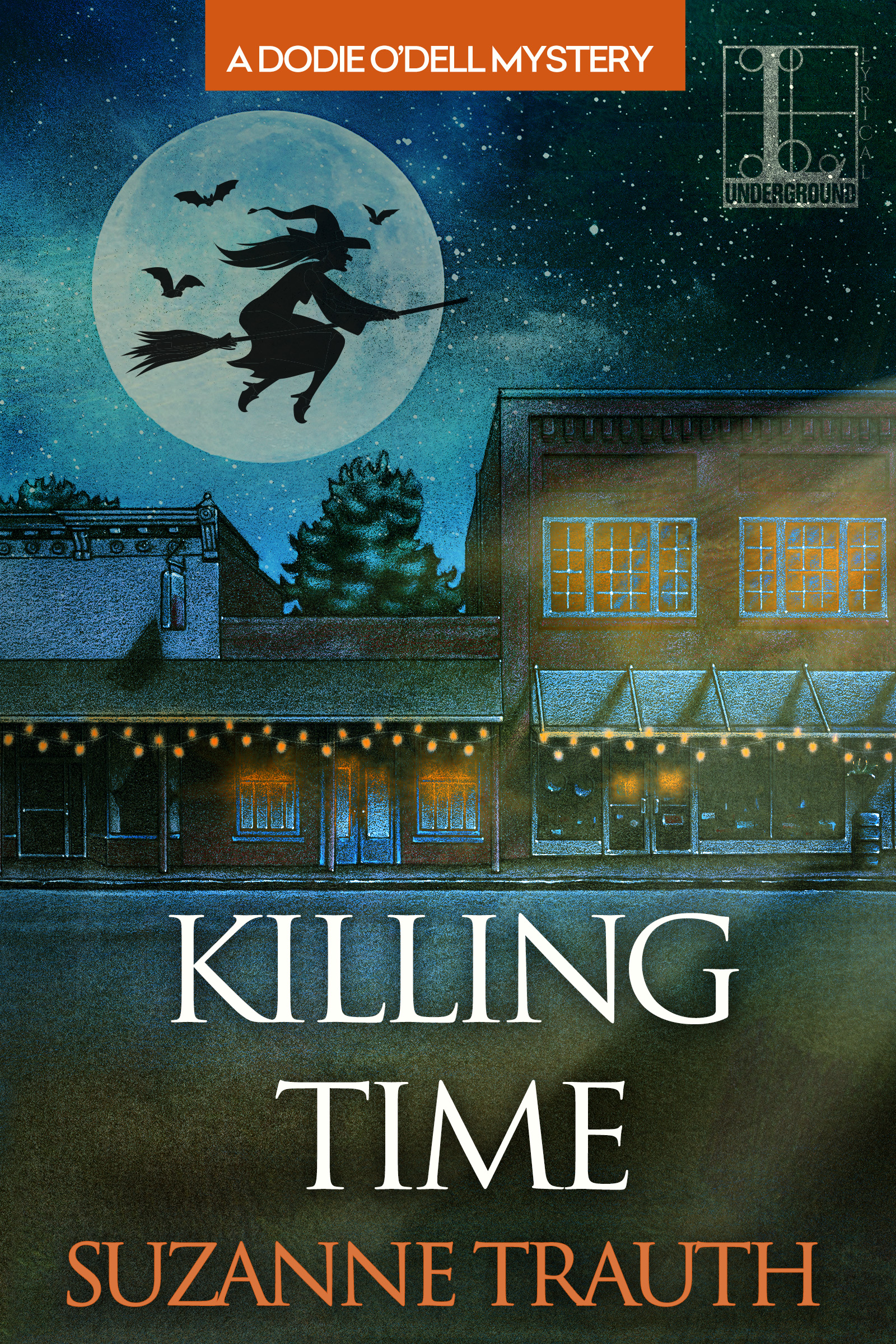
     The latest Dodie O’Dell mystery, Killing Time, is set on the eve of Halloween and the theatre is rehearsing Dracula. When a stranger appears in the town cemetery with a stake in his heart, Dodie shifts her attention from the production-themed food—a garlic infused menu from appetizers to entrees—to solving the murder in order to rescue the production.

     Every book in the series is focused on a different play paired with theme food served at the Windjammer restaurant…and with a murder related to the theatre’s current production, with victims such as the box office manager, a guest director, a musical accompanist, even a stranger found on the set on an opening night. Dodie has her hands full solving mysteries, managing the restaurant, and supporting her theatre friends. She’s up to the challenge!

With Halloween just around the corner, Dodie O’Dell is making preparations for the town costume party while the Etonville Little Theatre is staging Dracula. But casting the titular Transylvanian is proving challenging. The amateur actors in the company are not shy about chewing the scenery, but who among them can convincingly sink their fangs into a victim’s neck? When a mysterious newcomer with a transfixing Eastern European accent lands the part, rumors that he might be an actual vampire start to take flight—not unlike the bat who’s recently been spotted in the town park. But everyone’s blood really runs cold when a stranger is found in the cemetery with a real stake in his heart. Dodie decides to stick her neck out to bring the killer into the light of day. She’d better keep her wits about her, though—or Dodie may be the next one to go down for the Count . . .

Buy Links:

https://www.barnesandnoble.com/w/killing-time-suzanne-trauth/1132868201?ean=9781516107261

https://bookshop.org/books/killing-time-9781516107261/9781516107261

Suzanne Trauth is the author of the Dodie O’Dell mystery series—Show Time, Time Out, Running out of Time, Just in Time, No More Time, and Killing Time—and What Remains of Love, an historical romance, as well as plays and non-fiction books. In her previous career, she spent many years as a university professor of theatre. When she is not writing, she coaches actors and serves as a celebrant performing weddings. She lives in Woodland Park, New Jersey.

Visit her website: http://www.suzannetrauth.com or connect on Facebook: https://www.facebook.com/SuzanneTrauth


Giest Blogger ~ Deb Rogers

One of the things I loved about writing FLORIDA WOMAN was the ability to play around with the #FloridaMan and #FloridaWoman tropes.

Everyone thinks they know all about Florida. To be fair, we are very distinctive, so anyone who has visited Florida—which is over 100 million people every year—holds a version of our landscape, tourist culture and balmy climate in their memories. Our beaches, our palm trees, our birds, snakes and gators make Florida stand out. If you add to that the way Florida likes to stay in the news for everything from politics to Disney, and then also add our very open Sunshine Laws which means that reporters have access to dirty laundry other states keep private (like embarrassing mugshots), it makes sense that people think they understand what Florida is all about.

To be fair, some of our reputation is earned. Many people end up in Florida looking for a second chance, or for a third one, because they haven’t fit in elsewhere in the country. Jobs outside of the tourist industry are hard to come by, and people can get creative. Corruption, conspiracy theories, and cults are rampant. The gorgeous climate can also be rough to live in. Hurricanes, sinkholes, the humidity—all of it can get to you, and people can act up. Often in public. Maybe not wearing as many clothes as we would wish.

In all, Florida can be weird, but if truth be told, it’s even weirder than you know. Maybe even more interesting, there are very human stories behind those viral mugshots and wacky crimes, and I’m fascinated by that part of my state. I’m interested in how messy people try to survive in this sinking paradise, how their desperation and desires fuel their actions, and how despite all odds, they believe it will all work out. Those are the threads that led me to writing FLORIDA WOMAN, and it’s been a blast to hear what readers think after reading it. I’m learning that among other reactions, most readers are happy to discover that they have a secret Florida Woman hidden inside them who is ready to break out and thrive—even if the rest of the world doesn’t fully know what to do about her!

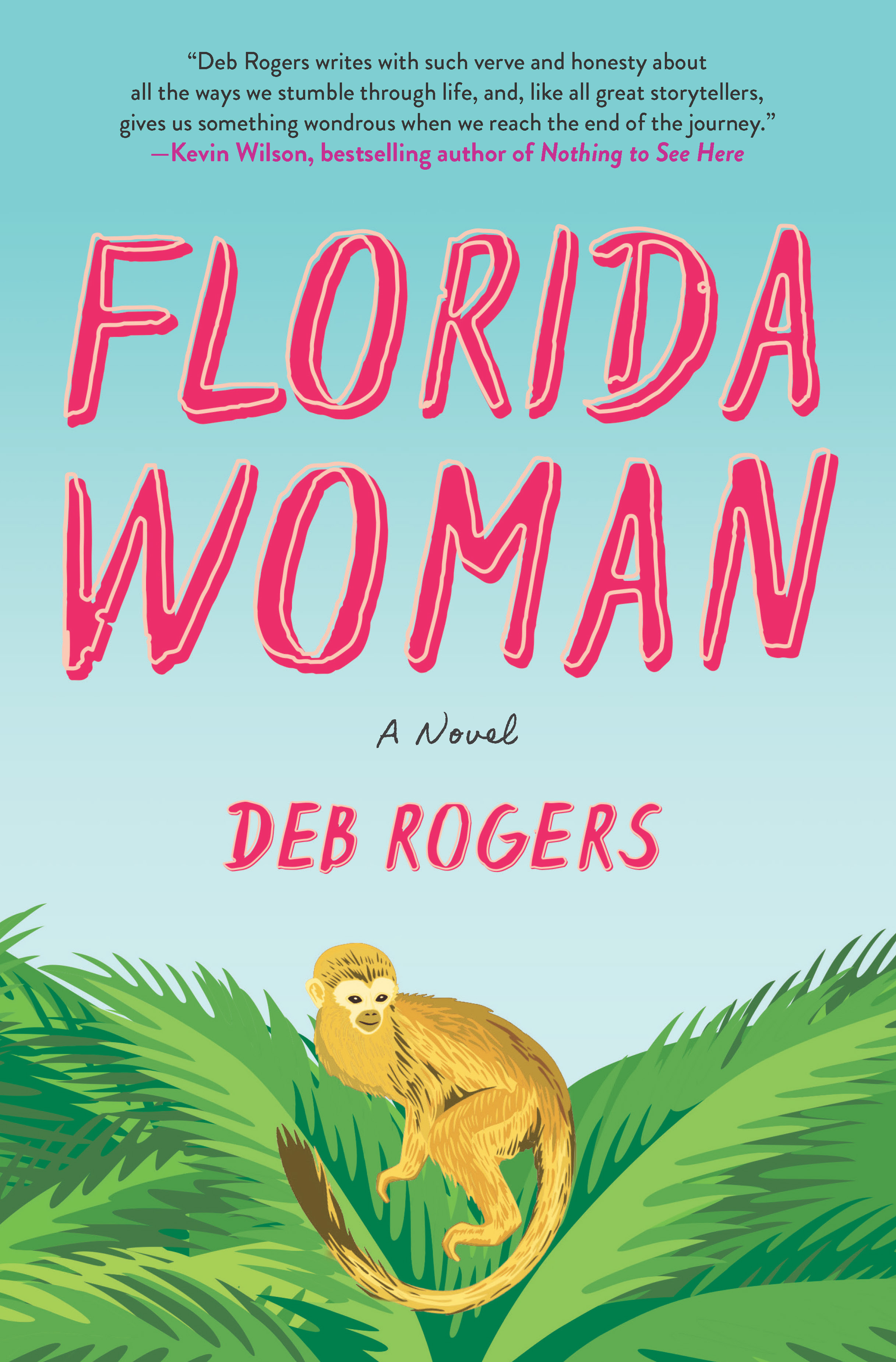
A gleefully dark and entertaining debut about the mysteries a volunteer uncovers one sensational summer at a Floridian wildlife center for exotic monkeys.

Jamie is a Florida Woman. She grew up on the beach, thrives in humidity, has weathered more hurricanes than she can count, and now, after going viral for an outrageous crime she never meant to commit in the first place, she has the requisite headline to her name. But when the chance comes for her to escape viral infamy and imminent jail time by taking a community service placement at Atlas, a shelter for rescued monkeys, it seems like just the fresh start Jamie needs to finally get her life back on track — until it’s not.

Something sinister stirs in the palmetto woods surrounding her cabin, and secrets lurk among the three beguiling women who run the shelter and affectionately take Jamie under their wing for the summer. She hears the distant screams of monkeys each night; the staff perform cryptic, lakeside sacrifices to honor Atlas; and the land, which has long been abandoned by citrus farmers and theme park developers alike, now proves to be dangerously, relentlessly untamed.

As Jamie ventures deeper into the offbeat world and rituals of Atlas, her summer is soon set to inspire an even stranger Florida headline than she ever could’ve imagined.

Indiebound: https://www.indiebound.org/book/9781335426895

Barnes & Noble: https://www.barnesandnoble.com/w/florida-woman-deb-rogers/1140016527

Libro.fm: https://libro.fm/audiobooks/9781488214264

Amazon: https://www.amazon.com/Florida-Woman-Novel-Deb-Rogers-ebook/dp/B09CMQ1SHR

Deb Rogers is the author of FLORIDA WOMAN and has been widely published online on sites including The Belladonna, The Toast, and BlogHer.com. Previously a teacher at a wilderness school, a victim advocate, a non-profit policymaker in Tallahassee, Deb now writes, edits and serves as a consultant in St. Augustine, Florida. Learn more at debrogersauthor.com.

http://www.twitter.com/debontherocks

Guest Blogger ~ Joanna Fitzpatrick

When Do You Know You’re Going to Write Not Just One Mystery But a Series?

My first foray into writing mysteries was when I sat cross-legged around a Brownies’ campfire and told scary stories between bites of melting marshmellows. I held the girls’ attention with tales of monsters putting hairy arms through car windows and grabbing the bare necks of young girls cowering in the backseats. I loved adding details that made the other Brownies squirm.

Then as Virginia Woolf famously said, “life interrupted.”  My dream of being a writer was put on the back burner where it simmered for many years. The next opportunity to become a writer did not happen until, at age fifty, the record company I worked for was sold and I invested my windfall in my first love‑‑Literature.

After achieving a bachelor’s degree at SUNY, I was accepted at Sarah Lawrence College where I earned an MFA in creative writing. My thesis was a memoir on growing up as a Hollywood hippie. 

My first published book was a historical novel based on the life of the short story writer Katherine Mansfield.  My second novel The Drummer’s Widow was a contemporary novel about an older woman reinventing her life after her husband’s sudden death. I thought my third novel would be another genre. Or maybe return to that widow’s story in New York.

This was my state of mind when my husband and I moved to a mountaintop ranch in northern California for creative peace and quiet. The ranch’s tack room was converted into my writing studio. But I had severe writers’ block and I couldn’t find the nerve to begin another novel.

Then, remembering my writing teachers always telling me to write what I read, I signed up for an online mystery class at Stanford.

My great aunt Ada Belle came down from the heavens and offered her career as a painter for inspiration. In the 1920s, she’d lived in a women’s artist colony in our local town, Carmel-by-the-Sea. My research into this historical village opened a rich vein to explore as a storyteller. Characters started showing up in my studio and we worked together to plot a mystery. The Artist Colony became my third novel.

And now it’s published and I’m back to that dreaded moment when you’re between books and wondering if you really have the stamina to write another knowing how steep the metaphorical mountain is to climb before you reach the top and say “The End”. Or maybe not the end if I write a sequel, but is it too late to do that?

I’ve been told by those in the mystery-writing trade that if you’re going to write a sequel then you should know that before you start the first book. But recently I was speaking to a well-respected writing coach who said, “There are no rules other than write what you want to write as it is you who will have to devote a massive amount of time to get the job done.”

“Stop procrastinating!” added my amateur sleuth Sarah Cunningham. She is dying to step out from the written pages of The Artist Colony to solve a new mystery.

With this literary encouragement, I started making scenes in a small medieval village in southern France where I spend my summers. How marvelous to stroll on its cobblestone streets accompanied by my characters; sleuth Sarah, her Irish companion Rosie, and the ever popular dog-tective Albert. There are many unlit narrow streets where murder and mystery beckons me.

Ah yes, I can feel my heart quicken with suspenseful plots and spicy characters. I guess it’s time to get to work on that sequel.

*****

I’d love to hear from other mystery writers as to when they decided to write a series? From the beginning or, like me, after you finished one mystery and you and your readers missed your characters so much that you brought them back to life again. And a question to mystery readers? Do you want to know before you start a mystery whether there are going to be sequels? And will it influence your decision to read the mystery if it’s a one-off rather than a series?

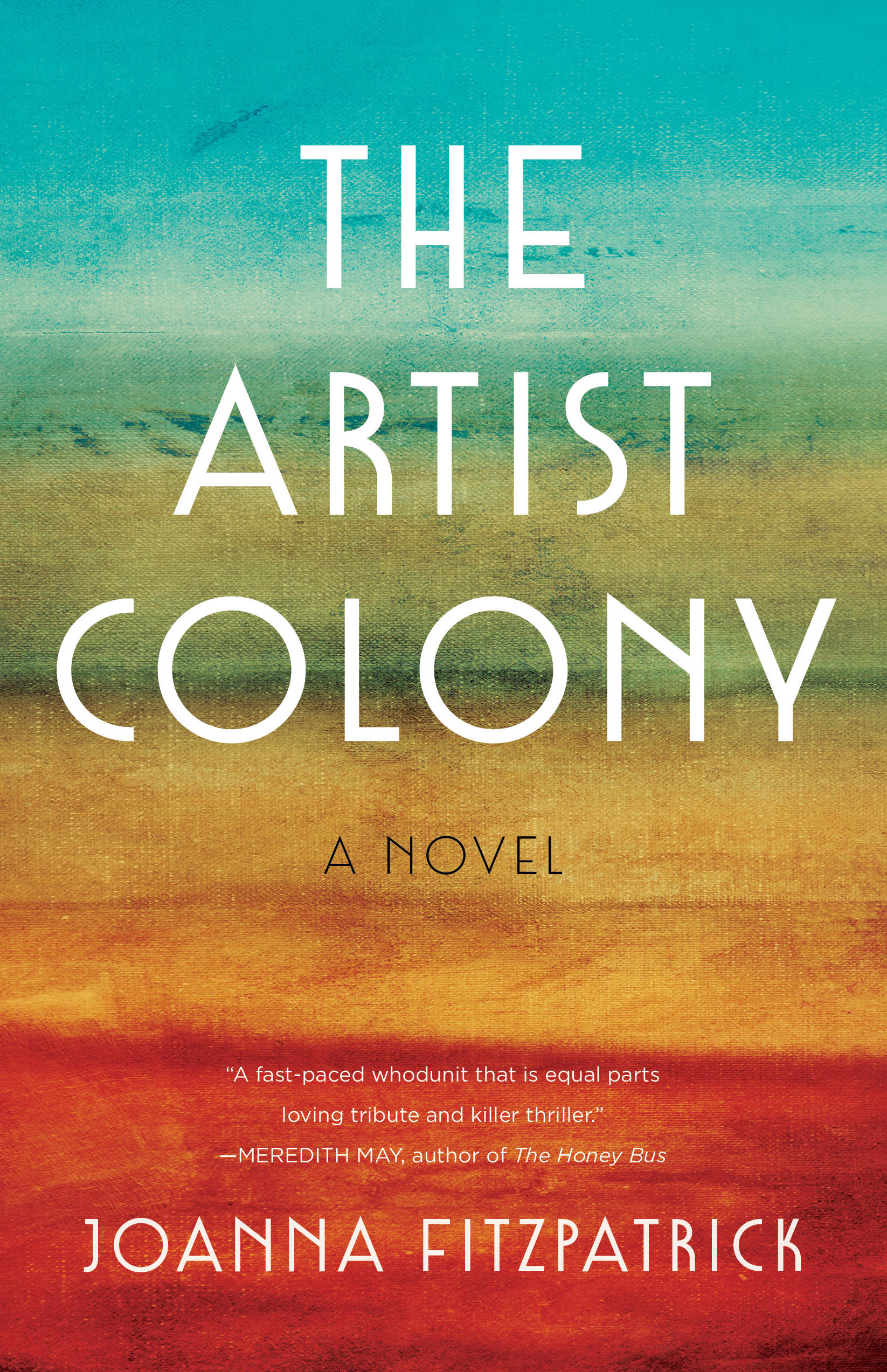
In Joanna FitzPatrick’s gripping new novel, set in 1924, Sarah Cunningham, a young Modernist painter, arrives in Carmel-by-the-Sea from Paris to bury her estranged older sister, Ada Belle. En route, she is horrified to learn that Ada Belle’s suspicious death is a suicide. But why kill herself? Ada Belle’s reputation was growing: her plein air paintings regularly sold out, and she was about to show her portraits for the first time, which would have catapulted her career.

Amazon https://www.amazon.com/Artist-Colony-Novel-Joanna-FitzPatrick/dp/1647421691

Barnes & Noble https://www.barnesandnoble.com/w/the-artist-colony-joanna-fitzpatrick/1138488960?ean=9781647421694

Bookshop.org https://bookshop.org/books/the-artist-colony/9781647421694

Bookbub: https://www.bookbub.com/books/the-artist-colony-by-joanna-fitzpatrick

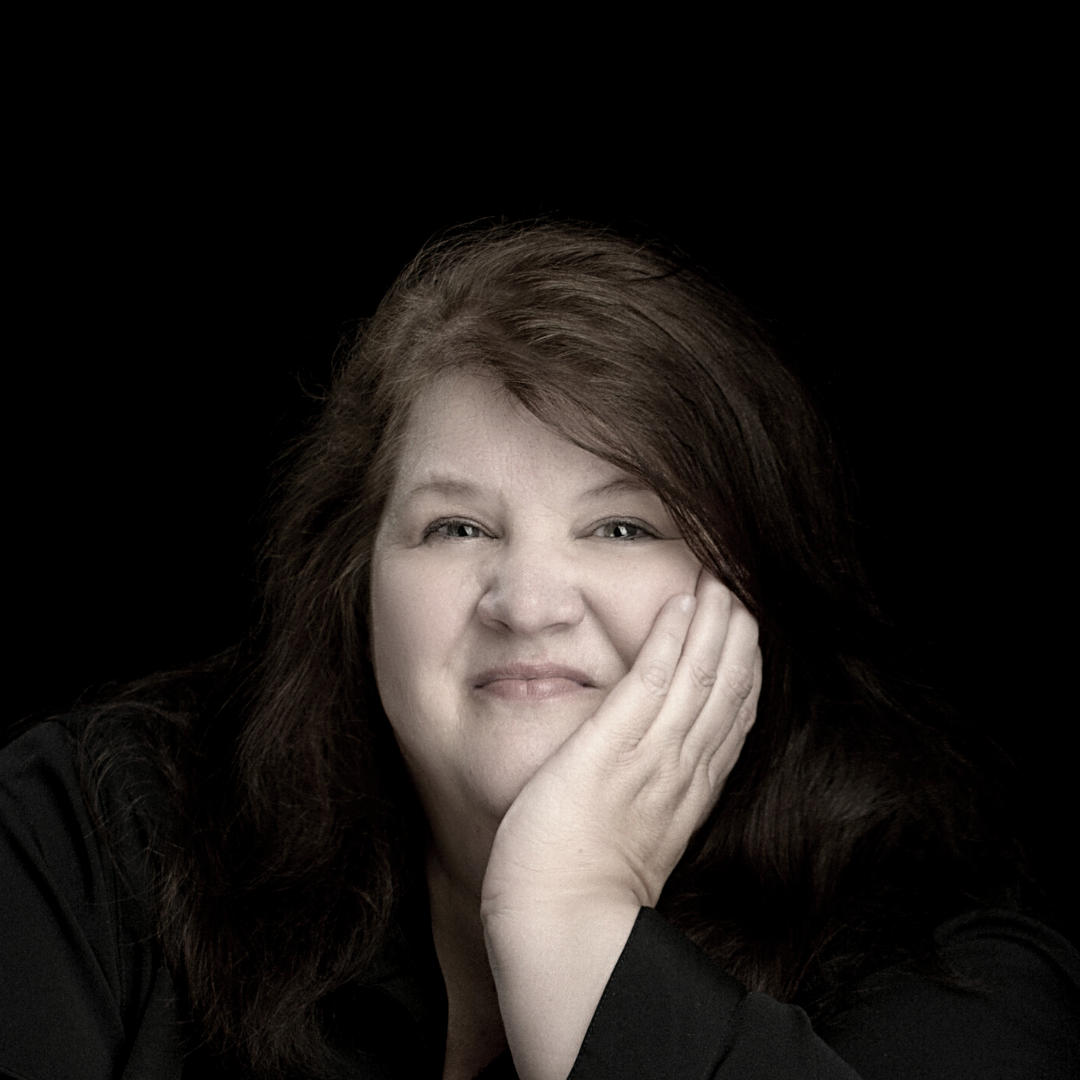
JOANNA FITZPATRICK was raised in Hollywood. She started her writing habit by applying her orange fountain pen and a wild imagination to screenplays, which led her early on to produce the film White Lilacs and Pink Champagne. Accepted at Sarah Lawrence College, she wrote her MFA thesis Sha La La: Live for Today about her life as a Hollywood hippie. Her more recent work includes two novels, Katherine Mansfield, Bronze Winner of the 2021 Independent Publisher Book Award (IPPY) in Historical Fiction, and The Drummer’s WidowThe Artist Colony, Gold Winner of the 2022 Independent Publisher Book Award (IPPY) in Mystery, is her third book. Presently, FitzPatrick divides her time between a cottage by the sea in Pacific Grove, California and a hameau in rural southern France where she begins all her book projects. 

Author website: www.joannafitzpatrick.com
Facebook: www.facebook.com/JoannaFitzPatrickauthor
Twitter: https://twitter.com/Fitzpatrick_jo
Instagram: https://www.instagram.com/joannafitzpatrick.author/

Guest Blogger ~Mike Nemeth

The Bonds of Marriage

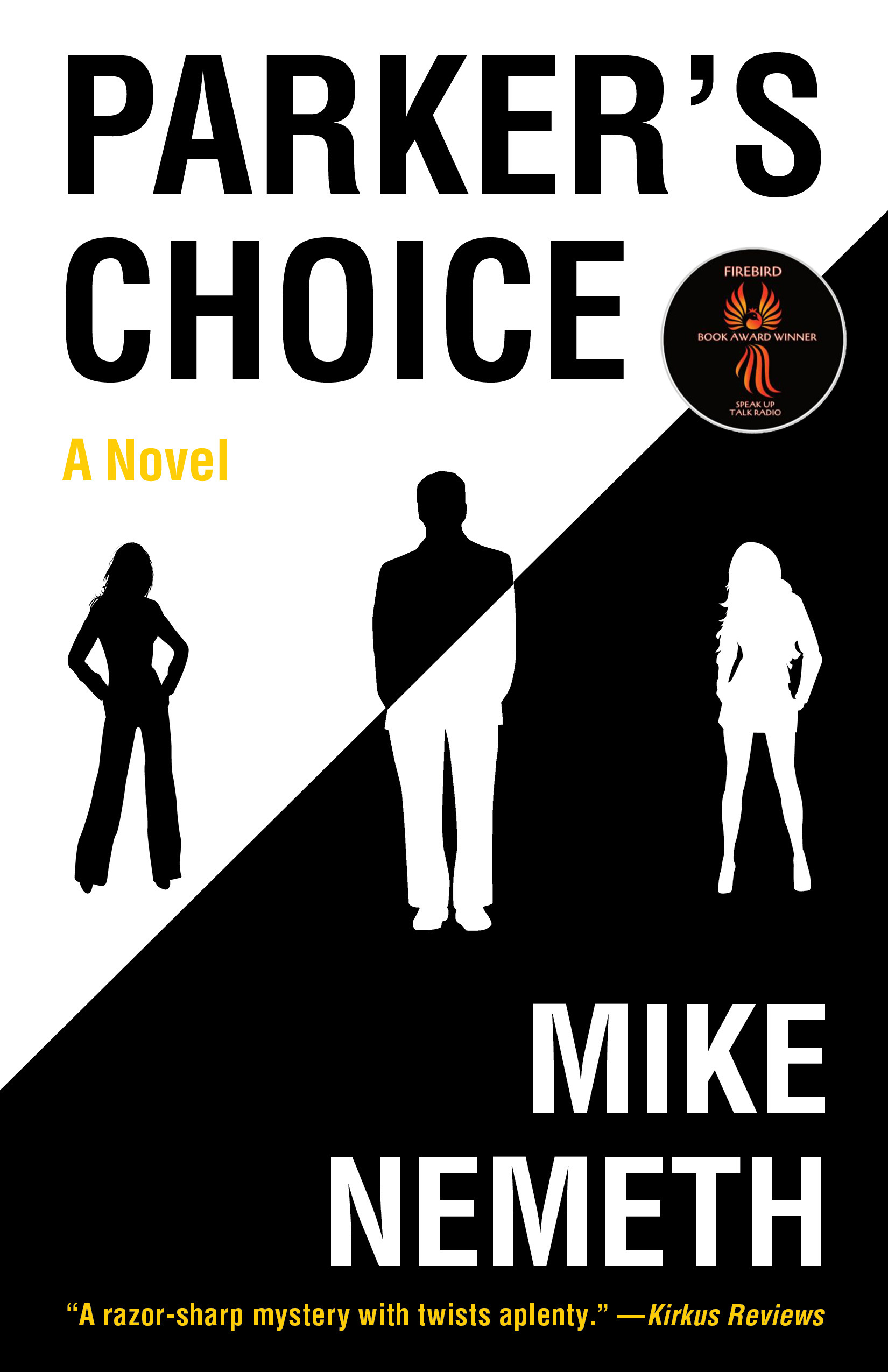
I’ve become fascinated by how far the bonds of marriage can be stretched before they break, like English toffee pulled apart by scrapping children. The inspiration to write a novel in which the main characters struggled to maintain their relationship under extraordinary pressures—Parker’s Choice—came from the senselessly shattered marriage of my best friends. Served with a side order of genealogy and a dash of corporate fraud, the fate of Parker’s marriage to Paula is baked into in a delicious murder mystery. A murder mystery, I found, is the perfect MacGuffin for a story about fragile relationships.

Parker is a prison-smart, professional data scientist who grew up immersed in his mother’s secret surrounding his birth father. Work and marriage are handholds for him as he seeks a stable life, but travail is the crucible in which his true identity is forged.

Three years ago, Parker took the blame for Paula’s assault with a deadly weapon and went to prison in her stead. Upon his parole, he finds Paula unwelcoming, ungrateful, unrepentant, and ensnared in an alcoholic spiral. He takes a high-paying job and moves Paula to suburban Atlanta, away from her support structure, only to find that his boss has hired Parker precisely because an ex-con can be coerced into committing corporate fraud. Parker’s comely Nigerian-American colleague, Sabrina, coaxes Parker to expose the fraud, but that would lead to his dismissal, entanglements with the authorities, and more discord at home. When the body of his worst enemy is pulled from the Chattahoochee River, Parker is certain that Paula committed the murder, but the cops make Parker their prime suspect. Parker shuttles Paula to an alcohol rehab facility in Florida to protect her from the cops, then becomes irresistibly infatuated with Sabina as they contrive to derail the fraud. On the run from cops and crooks, Parker and Sabrina travel to Columbia, SC, St. Petersburg, FL, and the New Orleans French Quarter in search of clues. In a creepy, decrepit cemetery, they find the link to Parker’s long, lost birth father and that breaks both cases wide open. Then Parker has a choice to make—protect his family or unmask the criminals.

From a writing perspective, I followed a simple, time-tested rule—I continuously asked myself: How can I make things worse for Parker? That was fun, but as a result, I exerted increasing pressure upon their marriage. No spoilers here, but Parker and Sabrina become terrific amateur sleuths.

Parker’s Choice has received two Firebird Awards, one for romantic mystery/suspense, and another for diverse and multicultural mystery/suspense. It can be found wherever books are sold.

Parker’s Choice is a tasty murder mystery served with a dollop of romance and a dash of corporate fraud.

Parker has been to prison for a crime he didn’t commit, and he’s not about to let that happen again. He’s thrilled to land a good job after being paroled, until his boss threatens to fire him if he doesn’t facilitate a fraudulent scheme that will cost thousands of Americans their jobs. To complicate matters, a woman’s body is pulled from the Chattahoochee River and Parker fears his estranged wife, Paula, has committed the murder, but the cops make Parker their prime suspect. His clever and alluring Nigerian-American colleague, Sabrina, shames Parker into helping her expose the fraud and they find themselves romantically attracted to one another as they search for the “smoking gun” that will thwart the fraud and expose the murderer—the identity of Parker’s elusive birth father. On the run from cops and crooks, the last piece of the puzzle falls into place when Parker is ambushed in a frightening New Orleans cemetery. Then Parker has choices to make.

“A razor-sharp mystery with twists aplenty.” Kirkus Indie Reviews

Buy links: amzn.to/3elgUag (bit.ly compressed link for ebook)

ow.ly/cng050E2zNE

amzn.to/3FixaCT (paperback)

Mike Nemeth, a Vietnam veteran and former high-tech executive, writes mystery novels in which his characters face moral dilemmas. He is the author of three previous novels including The Undiscovered Country, which won the Augusta Literary Festival’s Yerby Award and the Beverly Hills Book Award for Southern Fiction. The book inspired songwriter Mark Currey to compose the song Who I Am. His latest work, Parker’s Choice, won a Firebird Award for thrillers and American Fiction Awards for Romantic Mystery and Diverse and Multicultural Mystery. His pieces have been published by The New York Times, Georgia Magazine, Augusta Magazine, Southern Writers’ Magazine, Deep South Magazine, and the Writers’ Voices anthology. Creative Loafing named him Atlanta’s Best Local Author for 2018. Mike lives in suburban Atlanta with his wife, Angie, and their rescue dog, Scout.

Social:

Twitter:@nemosnovels

Instagram: @nemosnovels

Facebook: FB.com/mikenemethauthor