I Love Research!

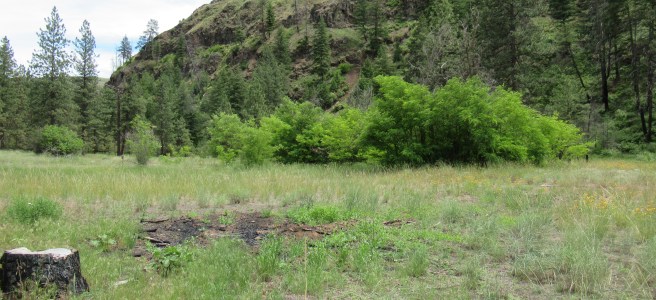
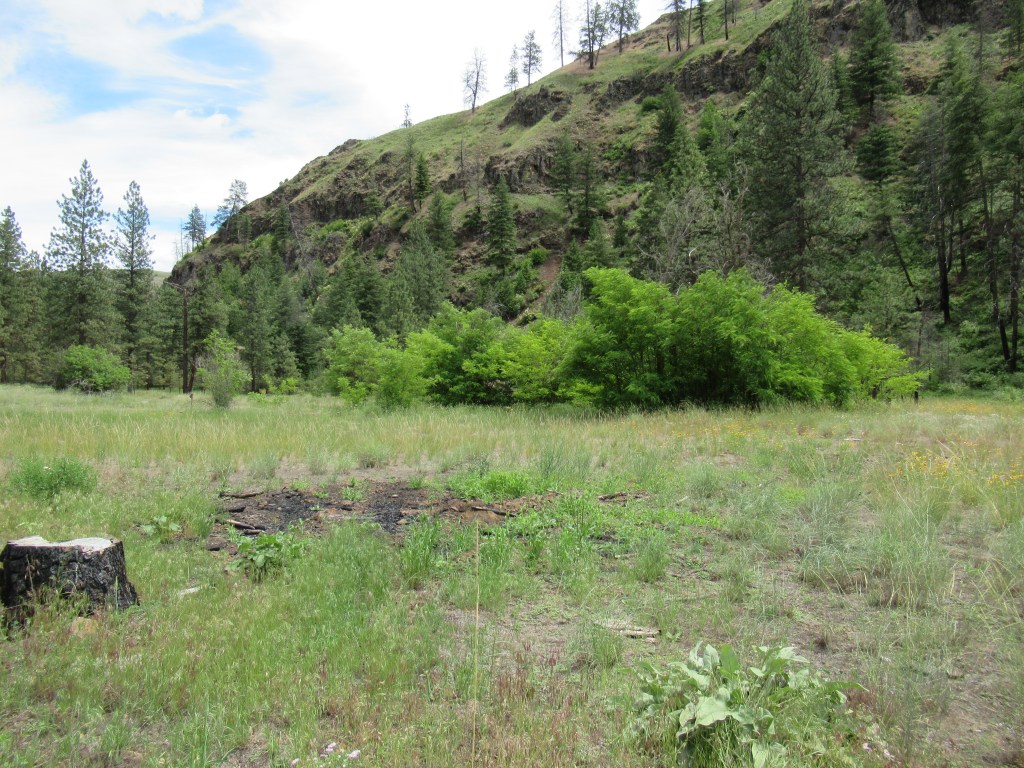
Photo I took of Grizz Flat

No matter what genre I write, there is always research. Did I say I love research? LOL The current work in progress is the 6th Gabriel Hawke novel. You would think setting the book in the county where I grew up and having had a ride-along with the State Trooper of the Fish and Wildlife Division I’d have everything I need to write the book.

I don’t and I’m having fun learning about muzzleloading rifles, rendezvouses, shooting competitions, and the general lifestyle of the people who travel to muzzleloader events.

Did you know that they not only have shooting competitions with the muzzleloading rifles, but they also have knife throwing and long bow competitions? And they all use an alias while at the events.

I contacted the person in charge of the Facebook page for the local (to Wallowa County) Muzzleloading Club to learn about the club, the rendezvous they hold every year, and all I could that would help me enhance my story. They have vendors who sell articles and clothing of the early 1800s the time period they represent while at the events.

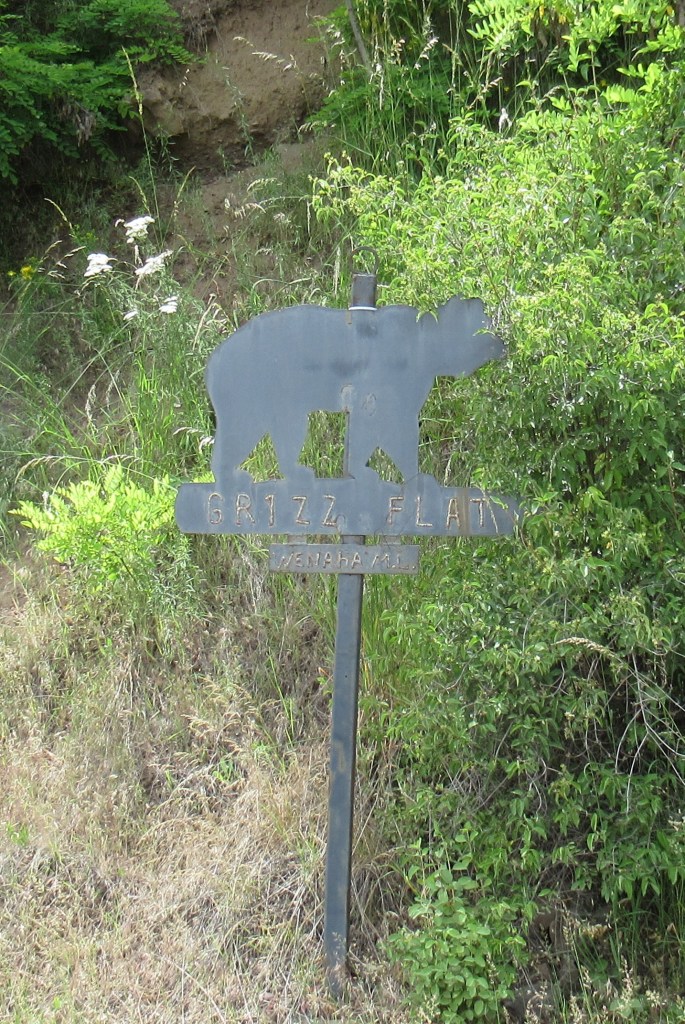
I even drove to Grizz Flat where they hold the Rendezvous to get photos, see the area, and figure out how to set up the story.

The premise of the murder happens to be something the State Trooper told me about when I did my ride-along. He stopped on a road, across the river from Grizz Flat and pointed to the camping area. “See that campfire to the left?” I nodded. “A vehicle rolled over the campfire and caught on fire. A man died. They say he was drunk, passed out, and must have bumped the gear shirt. But after investigating, we discovered he’d had an argument with his wife.”

I said, “It couldn’t have rolled, the ground is too flat. And how coincidental would it be for the vehicle, if he’d put it in gear, to stall over the campfire. I say it was homicide.”

The trooper said, “That was what all the investigators said, but the D.A. said it was an accident.”

That is the story I am writing for this Hawke book. The vehicle is found burning over a campfire and the victim is in the vehicle. This time, Hawke will push to make sure the killer is caught and the D.A. prosecutes.

Have I mentioned the theme of my books is justice? 😉

Guest Bloggers- Dr. Judy Melinek & T.J. Mitchell

The Working Stiffs: How We Get Our Ideas

by Dr. Judy Melinek and T.J. Mitchell

Judy: I do autopsies in a big city medical examiner morgue. The murder mystery ideas come strolling through the door most every day!

T.J.: Take the plot of First Cut, our debut novel. The seed for the story came from an actual homicide, where Judy got called out to the death scene. The decedent was a petty thief. He jacked a laptop off a man sitting in a café—and the robbery victim pulled out a gun. He shot the thief a bunch of times, in front of witnesses and under security cameras, took the computer out of his dead hands, and walked away.

Judy: I was there to answer questions from the homicide detectives about the gunshot wound trajectories, but all I kept thinking was, “what was so important on that laptop that someone would kill over it?” The book’s story took off from that mystery.

T.J.: You see a lot of overdoses, too. Those came in handy for First Cut.

Judy: Fatal drug overdoses are fascinating to me, because they can be any of several manners of death. When a poison is self-ingested, it could be a suicide or an accident. If it is administered by another person, it could be a homicide. It’s the same cause of death—a poisoning—but the actions people take behind that poisoning might be accidental, intentional, or nefarious. It’s my job to make that call. The police only get involved when we are certain the case is a homicide.

T.J: And even then you can’t always convince them. The tension between the determination of the medical examiner and the findings the police can make for some juicy conflict.

Judy: Just like the tension between the district attorney trying a case and the medical examiner who gets called as a witness. Trial lawyers have to build their cases based on what the witnesses are claiming, but if those witnesses are lying—or just mistaken—their testimony might not comport with the ME’s physical findings from the autopsy.

T.J.: So that’s how we work. Judy brings these stories home and we toss them around until we’ve come up with the case-based outlines for a murder plot. She gives me the story and I work to fashion it into the narrative structure of the American noir detective novel—our corner of the genre-fiction world. When I get stuck, we talk out additional scenarios from her long experience in forensic investigation, and the plot gains a new twist. She never lets me cut corners with the science, though!

Judy: It can be really satisfying—because, unlike in real life, we get to determine the outcome of the cases and the fates of the characters. We take poetic license in the narrative, but we always write our mysteries with scientific rigor, too. It’s a lot of fun!

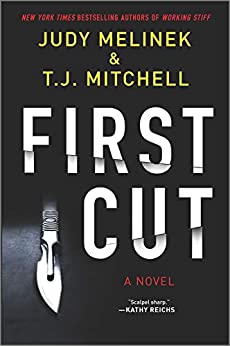
First Cut

A young rookie medical examiner. A suspicious case. An underworld plot only she saw coming.

From the New York Times bestselling authors of Working Stiff

For San Francisco’s newest medical examiner, Dr. Jessie Teska, it was supposed to be a fresh start. A new job in a new city. A way to escape her own dark past.

Instead she faces a chilling discovery when an opioid-overdose case contains hints of something more sinister. Jessie’s superiors urge her to close the case, but as more bodies land on her autopsy table, she uncovers a constellation of deaths that point to an elaborate plot involving drug dealers and Bitcoin brokers.

Drawing on her real-life experiences as a forensics expert, Judy Melinek teams up with husband T.J. Mitchell to deliver the most exhilarating mystery of the year. Autopsy means “see for yourself,” and Jessie Teska won’t stop until she has seen it all—even if it means that the next corpse on the table could be her own.

https://www.amazon.com/First-Cut-M-D-Judy-Melinek-ebook/dp/B07P1B4CJL

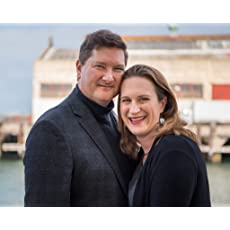
Bio: The Working Stiffs are the married writing team of forensic pathologist Dr. Judy Melinek and writer T.J. Mitchell. They are coauthors of the New York Times bestselling memoir Working Stiff: Two Years, 262 Bodies, and the Making of a Medical Examiner (Scribner, 2014), and the new novel First Cut, the debut in a forensic detective series from Hanover Square Press. Its sequel, Aftershock, is coming in February, 2021. You can follow the Working Stiffs on Twitter @drjudymelinek and @TJMitchellWS, and Facebook/DrWorkingStiff.

Guest Author June Trop

ANCIENT FORENSIC SCIENCE

My mysteries are set in Roman-occupied Alexandria during the first century of the Common Era. Why then? Well, one reason is I thought my protagonist, Miriam bat Isaac, wouldn’t have to deal with forensic technology. Little did I know that, although the Romans didn’t have a formal body of forensic knowledge, they used some methods similar to what we have today. One example is bloodstain pattern analysis.

In The Deadliest Sport, Miriam examines the blood spatters in the room of a sleazy waterfront inn to solve a “locked-room mystery”, that is, a mystery about a crime, usually murder, that appears impossible to have been committed. The crime need not take place inside a locked room, as it does in The Deadliest Sport, but in any utterly inaccessible place.

The most famous case of a Roman jurist analyzing a bloody handprint is titled “Paries Palmatus” or “The Wall of Handprints.” A blind son is accused of stabbing his father in his sleep to obtain his inheritance. Purportedly, the blind man took his sword from his room, walked across the house in the dead of night, and entered his father and stepmother’s bedroom. Then he stabbed his father once, killing him instantly without waking his stepmother, who found her husband dead in bed when she awoke. A trail of bloody handprints led from the parents’ room back to the blind son’s room, and his blood-covered sword was found as well.

The defense argued that the stepmother did it, upset because she would lose out on the father’s fortune to his blind son. So, she framed the blind man using his own father’s blood:

It was the stepmother, yes, the stepmother who set this up with her sure sight; it was she, with her right hand, who brought that poor blood there and made the imprint of [her] hand [on the wall] intermittently! The wall bears the imprints of one palm, has them at intervals, with a certain empty space in the middle, and everywhere the palm-print is intact; a blind man, on the other hand, would have dragged his hands [along the wall].

What other forensic techniques did the Romans use? Emperor Tiberius used footprints and drag marks to argue that his praetor, Silvanus, threw his wife out their bedroom window rather than, as the husband asserted, she chose to jump. Unfortunately for Silvanus, the marks of her struggle and his forcible ejection convinced the Senate of his guilt.

The point for me was that I learned every setting, especially a historical setting, is going to have its challenges, even its surprises. So, set your story in a time and place you’ll enjoy researching and then take your readers there. 

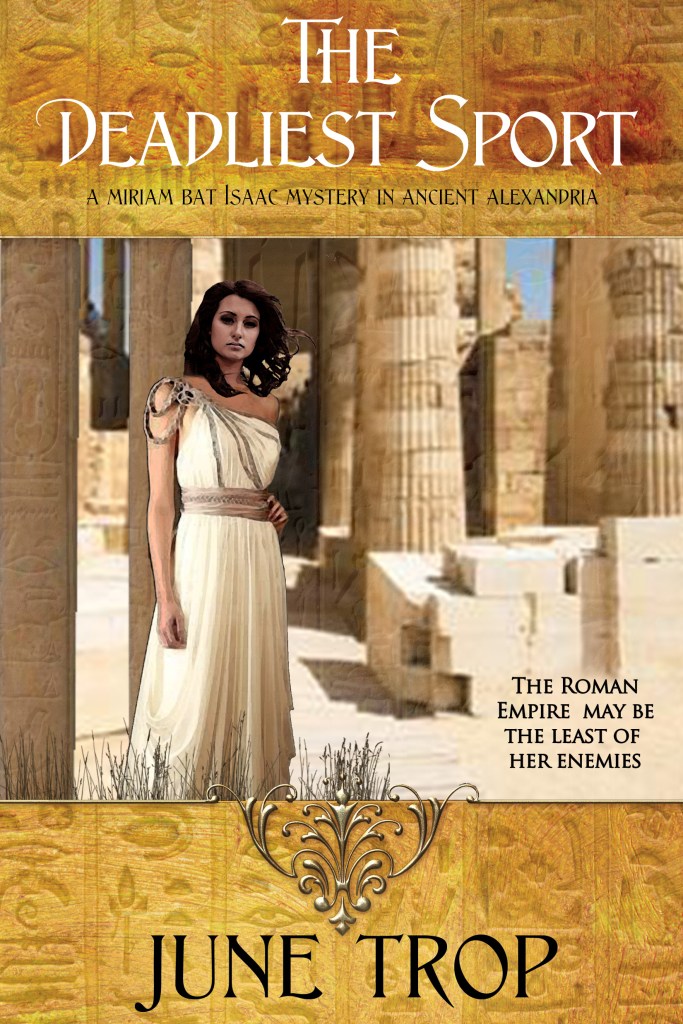
FOR THE DEADLIES SPORT by June Trop

Miriam bat Isaac, a budding alchemist in first-century CE Alexandria, welcomes her twin brother Binyamin home to fight his last gladiatorial bout in Alexandria. But when he demands his share of the family money so he can build a school for gladiators in Alexandria, Miriam explains that he forsook his share when he took the gladiatorial oath. When she refuses to loan him the money for what she feels is a shady, and dangerous, enterprise, Binyamin becomes furious. Soon after, the will of Amram, Miriam’s elderly charge, turns up missing, Amram becomes seriously ill, and the clerk of the public records house is murdered. Could Binyamin really be behind this monstrous scheme? If not he, who could be responsible? And is Miriam slated to be the next victim?

Buy links: https://www.amazon.com/Deadliest-Sport-June-Trop/dp/1626947554

https://www.barnesandnoble.com/w/the-deadliest-sport-june-trop/1127167995

As an award-winning middle school science teacher, June used storytelling to capture her students’ imagination and interest in scientific concepts. Years later as a professor of teacher education, she focused her research on the practical knowledge teachers construct and communicate through storytelling.

Her books have been cited for excellence at the New York Book Festival, by Wiki Ezvid, the Historical Novel Society, and as a 5-star Readers’ Favorite.

An active member of the Mystery Writers of America, June lives with her husband Paul Zuckerman in New Paltz, NY where she is breathlessly recording her plucky heroine’s next life-or-death exploit.

Connect with June on her website www.JuneTrop.com or her Facebook page: June Trop Author.

Guest Blogger – Dwayne Clayden

Why I write Thrillers

For most of my 42 years as a paramedic and police officer, each day had the potential to ramp up my fight-or-flight response. I leaned toward the fight response. But not every day raised my adrenaline to toxic levels. There was a night shift in February, the temperature was minus thirty Celsius, and the only other vehicles on the streets were other police cruisers, tow trucks, and cabs. None of us had anything to do. We frequently checked in with dispatch, to make sure our radio was still working, but mostly to hear another voice.

There were many times where I felt my arteries pulsing in my temples. A foot pursuit, a car chase, walking into a bar fight, or checking an abandoned building at two A.M. There were the frequent times I got myself in nasty situations and needed backup from my team. There was the emotional response to traffic fatalities, suicides, abuse, and murder. Some will stick with me forever.

Now that I am writing crime thrillers full time, my goal is to write realistic police and paramedic scenes that evoke a response in the reader. I want to put the reader in the cruiser with the banter between partners, then the sudden shift to a crisis. They are in the foot pursuit with the officer. Their hearts beat faster, and their breath comes in gasps. That, maybe, there is a tear as they read about a serious injury or death.

In my third novel, Wolfman is Back, I was struggling with the last scenes. They wouldn’t come to me. We were on a flight back from Las Vegas when it hit me. I knew the ending. I grabbed a pen and my notebook and started writing. I wrote from takeoff to landing three hours later. But there was a point I was so emotionally involved in the story, that the tears flowed. I sniffled and watched the tears drop on my notebook.  I continued writing. At home, I typed those scenes into the manuscript. I cried again. Readers contacted me to tell me they had cried during those scenes. They had felt the emotion I felt, and I conveyed that onto the pages of the novel.

I love creating characters readers cheer for, and ones, well, that they don’t cheer for! Some of my characters are composites of partners—quirks and all.

I have received emails from readers complaining that they stayed up half the night because they couldn’t put the novel down. I love those comments—and I can totally relate!

I love reading thrillers. When a thriller has me up at midnight, and I say one more chapter, then damnit, I need to read the next chapter—those are the stories I want to write.

My goal is to write the novels I love to read.

I guess I’m continuing my career, and the emotional rollercoaster I rode for so many years, by putting my experiences and emotions on the page. And I love every minute!

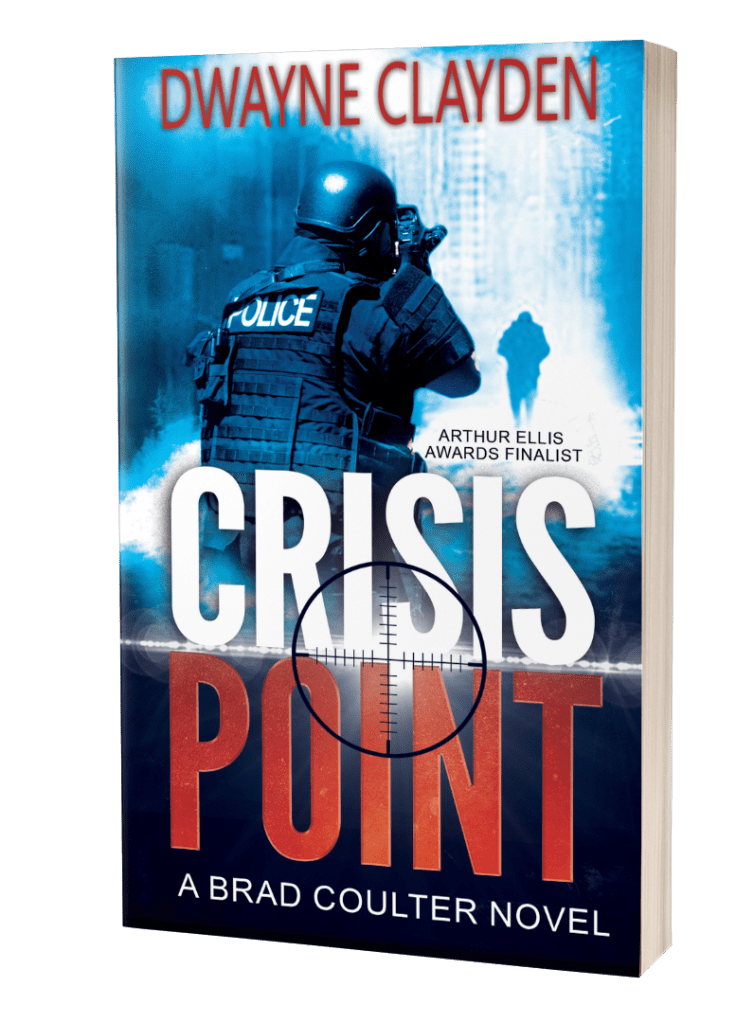
Crisis Point book one in the Brad Coulter Novels

When his partner is killed during an armed robbery, Brad Coulter is left grappling with the loss along with a sudden burst of criminal activity in his quiet city. His new partner is a bitter veteran who challenges Coulter as he lands a spot on the newly developed Tactical Support Unit.

Between a violent shootout with a lone gunman high on glue, and a confrontation with a deadbeat father and abusive husband, Coulter and the TSU become experienced in managing extreme cases. But nothing can prepare them for the real crisis point that will forever change the face of a city and the cops that patrol its streets.

Crisis Point is a bestselling action-packed thriller set in Calgary, Alberta, that will have you racing to the showdown.


Kindle https://www.amazon.com/Crisis-Point-Brad-Coulter-Novel-ebook/dp/B07BGBMQGX

Dwayne Clayden combines his knowledge and experience as a police officer and paramedic to write realistic crime thrillers.

Crisis Point, Dwayne’s first novel, was a finalist for the 2015 Crime Writers of Canada, Arthur Ellis Awards.

OutlawMC and Wolfman is Back are the second and third novels in the Brad Coulter Thriller Series.

The Brad Coulter Series will continue in 2020 with 13 Days of Terror.

In August 2020 Dwayne will release the first novel in a new crimer thriller series, Speargrass-Opioid.

In his 42 year career, Dwayne served as a police officer, paramedic, tactical paramedic, firefighter, emergency medical services (EMS) chief, educator, and academic chair.

Dwayne is a popular speaker at conferences and to writing groups presenting on realistic police, medical, and paramedic procedures.

The co-author of four paramedic textbooks, he has spoken internationally at EMS conferences for the past three decades.

Email:                            DwayneClayden@gmail.com

Website:                        http://www.dwayneclayden.com

Connect with me:         LinkedIn | Twitter | Facebook

Expanding my Horizons by Paty Jager

“You can’t make everyone happy.” One of my least favorite sayings but so true.

I took two trips last year that were experiences I’d never had before. I finally saw a tropical island for myself and I traveled to another country by myself – Iceland. I loved the trips and wanted to use what I experienced to write books with my characters enjoying the same places.

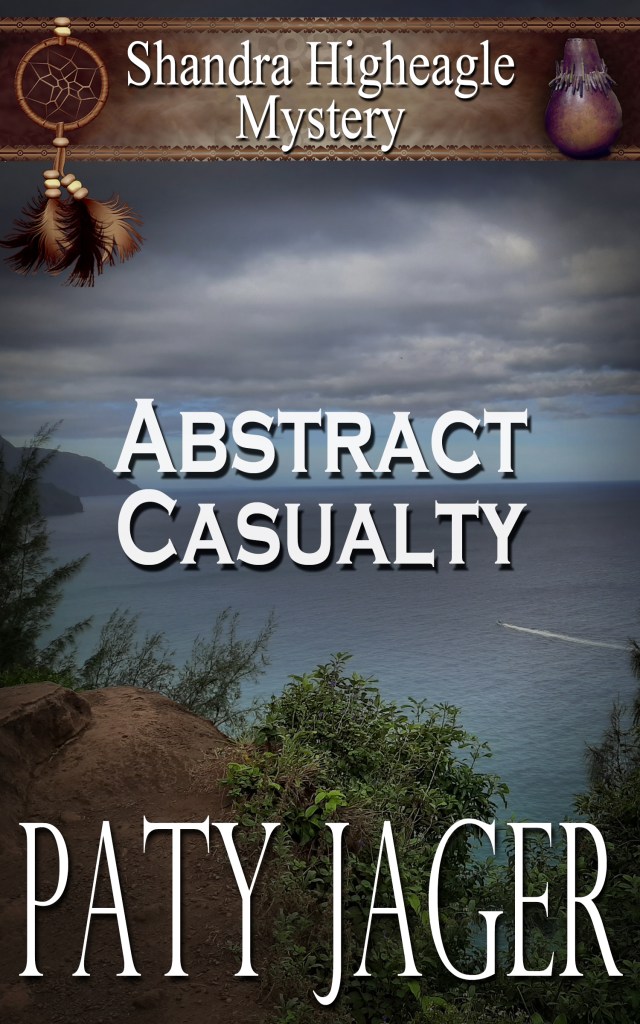
I set Abstract Casualty in the Shandra Higheagle series in Kaua’i Hawaii. I had a great time reliving my time there while writing the book. And the fun I had finding a way to get my character to the island in a realistic manner. Some readers loved it and the new experience, others wrote to me and wanted Shandra back in her fictional county in Idaho. They missed the secondary characters they’d come to know.

For those readers who love going back to the same place, Capricious Demise is set back in Weippe County, my fictional county in Idaho. I finished the first draft and will be releasing it in July.

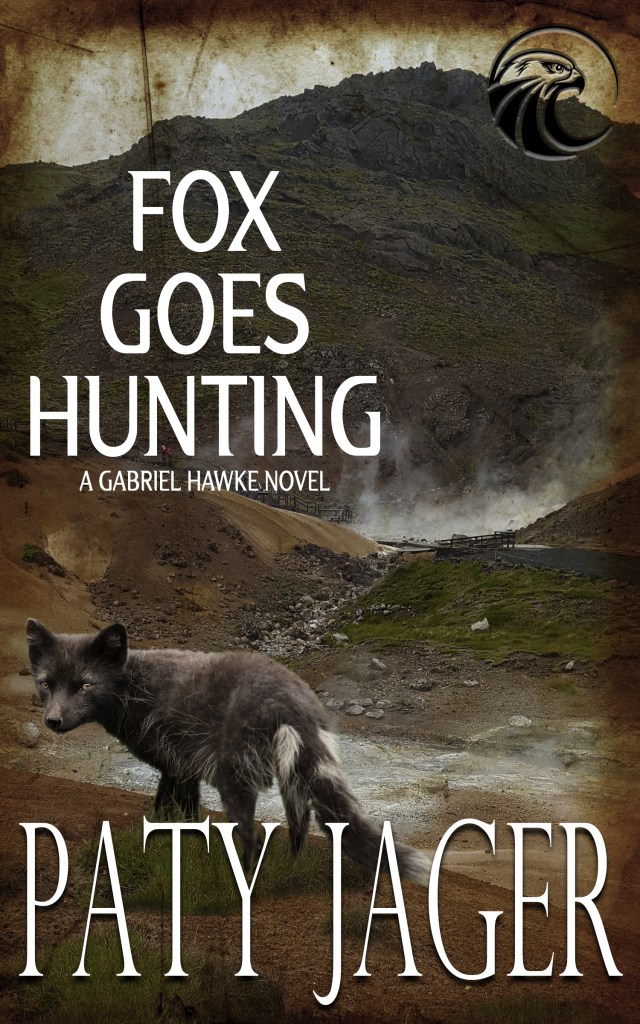
This month, June 1st, the 5th Gabriel Hawke Novel, Fox Goes Hunting, released. My critique partners, beta-readers, and proof reader, loved it! I already received one 2 star review. The reader didn’t like that Hawke wasn’t tracking as much and they couldn’t pronounce the names of the characters. This book is set in Iceland.

I loved bringing things into the book that I saw and learned while in Iceland. I hope to capture a broader range of reader by going “International”. Yes, there are typical Icelandic names for characters from there. It is also set during an international Search and Rescue conference so I had secondary characters from around the world.

Yes, both books set in real places took twice as long to write. I had to make sure distances, towns, places were correct. I wanted to make sure I gave a clear picture of where they went and what they saw.

When I write the Shandra books set in a fictional place, I can make things up as I go, though I did make a map of the county when I started writing the series, so I do keep things in the same place every book. But if I want to add a business, I find a block that I didn’t put a business in already and add it.

The Hawke books are set in a real place, but I made up fake towns in place of the real ones to keep anyone I might have grown up with in that county to think I am talking about them. 😉

While I know there are some readers who don’t like the unexpected, I believe writing outside of my comfort zone and incorporating other places and cultures into my writing helps me grow as an individual and hopefully gives my readers a glimpse at a culture they might not get a chance to experience first hand.