My window into other worlds

I don’t know how many of you get giddy when you can visit or see the settings from books you’ve read. But as a reader, I have always enjoyed being taken to settings or worlds I haven’t been and may never be able to see. Books have always been my window into other worlds.

A few weeks ago, my hubby and I made a trip from SE Oregon to Killeen, TX to see his sister and her husband and deliver boxes of belongings to our oldest granddaughter now living in Arkansas. On the way over we drove through the four corners and the towns of Flagstaff, Tuba City, Windowrock, and Gallup. The settings of author Tony Hillerman’s novels.

My husband just shook his head as I said the names of places that I’d read about in those novels. I could envision Leaphorn, Chee, and Bernie Manuelito driving around on the dirt roads I saw from the freeway.  Seeing First Mesa on Hopi land and the hogans on the Navajo land… It stalled my breath to see places and things I’d envisioned as I read or listened to Mr. Hillerman’s books but had used my imagination at what it would look like.

In case you haven’t figured it out already, I have been a huge fan of Tony Hillerman’s books since reading the first one. While he has more Native American life, traditions, and legends in his stories than I have in mine, he was my inspiration to have a Native American character as the main protagonist in my three mystery series. 

He lived on or near the four corners area where the Hopi, Navajo, and Pueblo tribes live. He had many contacts among these tribes to help him show more of the culture than I’ve been able to cultivate living a distance from the reservations and tribes I write about in my Gabriel Hawke novels, Shandra Higheagle Mysteries, and Spotted Pony Casino Mysteries.

I aspire to write as intriguing and thrilling reads even though they aren’t as steeped in the culture and lives of the people.

The next Gabriel Hawke book, I’m having Hawke and Dani, his significant other, attend Tamkaliks. A powwow held every July in Wallowa, Oregon. I attended it this past year for the third time and am now feeling confident I can give my two Nez Perce characters the experience they would undergo having been away from their culture for decades due to their careers and trying to fit into a culture other than their own.

However, with the return of Hawke’s sister to his life, she is showing him how good their culture is for their wellbeing. That will be a subplot in the book to his investigation into a decades-old body he discovers while patrolling the Snake River in the Hells Canyon.

I‘m hoping my contact within the Nez Perce community and the Fish and Wildlife Trooper helping me with the patrol of the river will give my story more realism.

Speaking of realism, I took a trip to the Oregon Coast last Spring to research for my newest release, The Pinch, book 5 in the Spotted Pony Casino Mystery series. In this book Dela Alvaro, head of security for the Spotted Pony Casino is at a tribal-run casino on the Oregon Coast helping them beef up their security. While there a child is kidnapped and she runs into an old friend.

The Pinch

Dela Alvaro, head of security for the Spotted Pony Casino, is asked to do a security check of a casino on the Oregon Coast. She no sooner starts her rounds at the casino and a child of a dubious couple is kidnapped. Special Agent Quinn Pierce of the FBI has been out to get the father for some time.

One of Dela’s best friends from the Army is also at the casino and they catch up. The next morning, Dela finds her friend strangled. As Dela struggles with the violent death of yet another best friend, Tribal Officer Heath Seaver arrives and the two begin untangling the lies, kidnapping, and murder.

As Heath carries the kidnapped child to safety, Dela must face a cunning killer alone.

Pre-order now, releases on February 22nd. https://books2read.com/u/38Y787

I hope you enjoy this latest book and follow my books to learn more about the Nez Perce, Umatilla, and Cayuse tribes as my characters, Hawke and Dela begin to, in Hawke’s case become reacquainted with his roots and Dela is just beginning to learn she may have a Umatilla heritage.

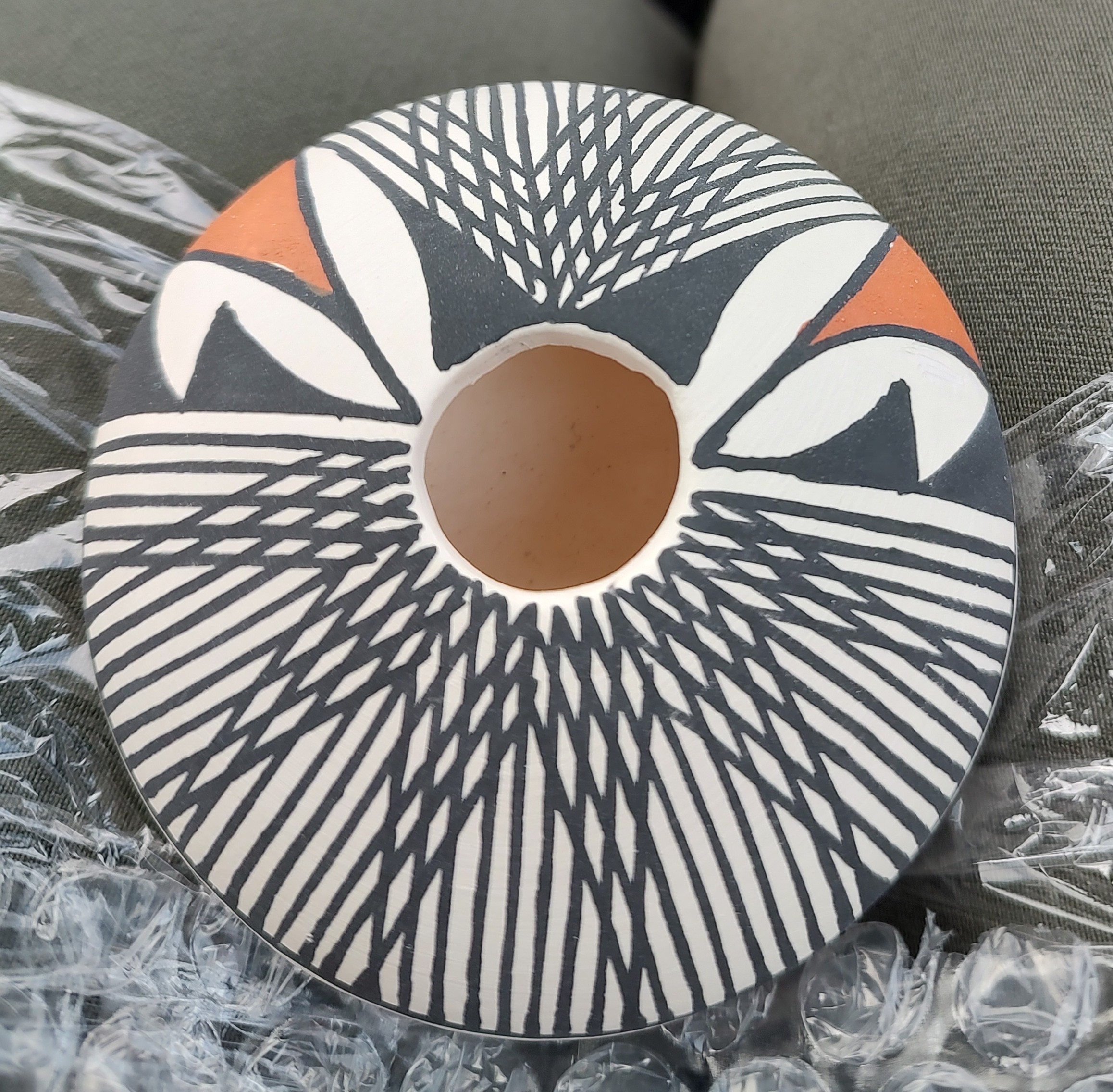
I purchased this seed holder pot from a Pueblo woman in front of a market on the reservation. She told me she was Acoma (Ah-kuh-muh) Pueblo with the Bear Clan. She showed me her name and a bear paw on the bottom of the pot. She then told me the solid black on the pot represents mountains and land, the orange sun, and the thin lines rain. I enjoyed my visit with her.

That is the thing I love most about reading, writing, and traveling. I learn new things and broaden my horizons.  

Guest Blogger ~ Skye Alexander

Mystery Stories and Mystery Schools

What comes to mind when you hear the word “occult”? Evil cults that worship the devil? Weird rituals where animals are sacrificed? Wizards with nefarious aims wielding power behind the scenes? If so, you probably got those impressions from Hollywood or from fear-based religious groups. Let’s pull back the dark curtain that shrouds the occult arts to discover how supernatural elements can contribute to a mystery novel’s plot.

What Does “Occult” Mean?

First of all, the word “occult” simply means hidden, as in hidden knowledge. For centuries, people who practiced the occult arts had to hide what they knew and practiced in order to avoid imprisonment, torture, and murder at the hands of misguided authorities. They formed secret societies sometimes known as Mystery Schools, passed down wisdom through symbols and oral tradition, and wrote in secret code.

Yet occult ideas and practices––witchcraft, divination, spellcasting, incantations, and magic potions––continue to fascinate us to this day. Perhaps the most famous scene in literature comes from Shakespeare’s MacBeth where three witches stir a mysterious brew while they prophesy “toil and trouble” for the Scottish king. The Bard’s plays MacBeth and Hamlet also feature ghosts, and A Midsummer Night’s Dream involves faery spells and shapeshifting. More recently, J.K. Rowling’s popular Harry Potter stories have captured the imaginations of millions of young people worldwide and introduced them to some of the tenets of magic work––and its possibilities.

Using the Occult in Plotting a Story

Occult practices involve working with forces beyond the mundane, tapping into reservoirs of hidden power, and sometimes interacting with supernatural beings. Therefore, they let writers and readers step outside the ordinary limitations of a storyline. Ghosts and spirits can also expand readers’ knowledge into realms beyond the physical. In Alice Sebold’s The Lovely Bones, for example, a murdered girl shares a perspective of the crime from her vantage point on the other side.

Oracles such as the tarot, astrology, or runes can give veiled glimpses into the future. Is someone destined to die when the Death card turns up in a tarot reading? In my mystery novels What the Walls Know and The Goddess of Shipwrecked Sailors, a tarot card reader sees trouble lurking ahead for the protagonist Lizzie Crane, which adds to the stories’ suspense.

Authors can incorporate metaphysical ideas into their novels in various ways. For example:

  • Is a character a seasoned witch or wizard, or a novice dabbling with forces she doesn’t understand, like the Sorcerer’s Apprentice?
  • Does a character pursue a metaphysical path that leads him to a discovery or danger? How does he grow from this experience?
  • If this is a historical novel, what local customs, religious beliefs, and laws affected occultists at that time? Are historical events, such as the Salem Witch Trials of the early 1690s, worthwhile additions to the book?
  • Do nonphysical entities influence a character’s decisions, aid her in solving a problem, or guide her into a realm beyond the physical one?
  • Does a character conjure a spell that works––or goes wrong––and takes the story in an intriguing direction?

Oh, and by the way, writing is a powerful form of magic. When casting a spell, you envision an outcome you want to create. Then you infuse it with color, action, emotion, intention, and passion. You experience it as if you’re living it right now. In your mind’s eye, you see the result as if it already exists––and you’re the Creator who makes it happen. Sounds like writing a novel, doesn’t it?

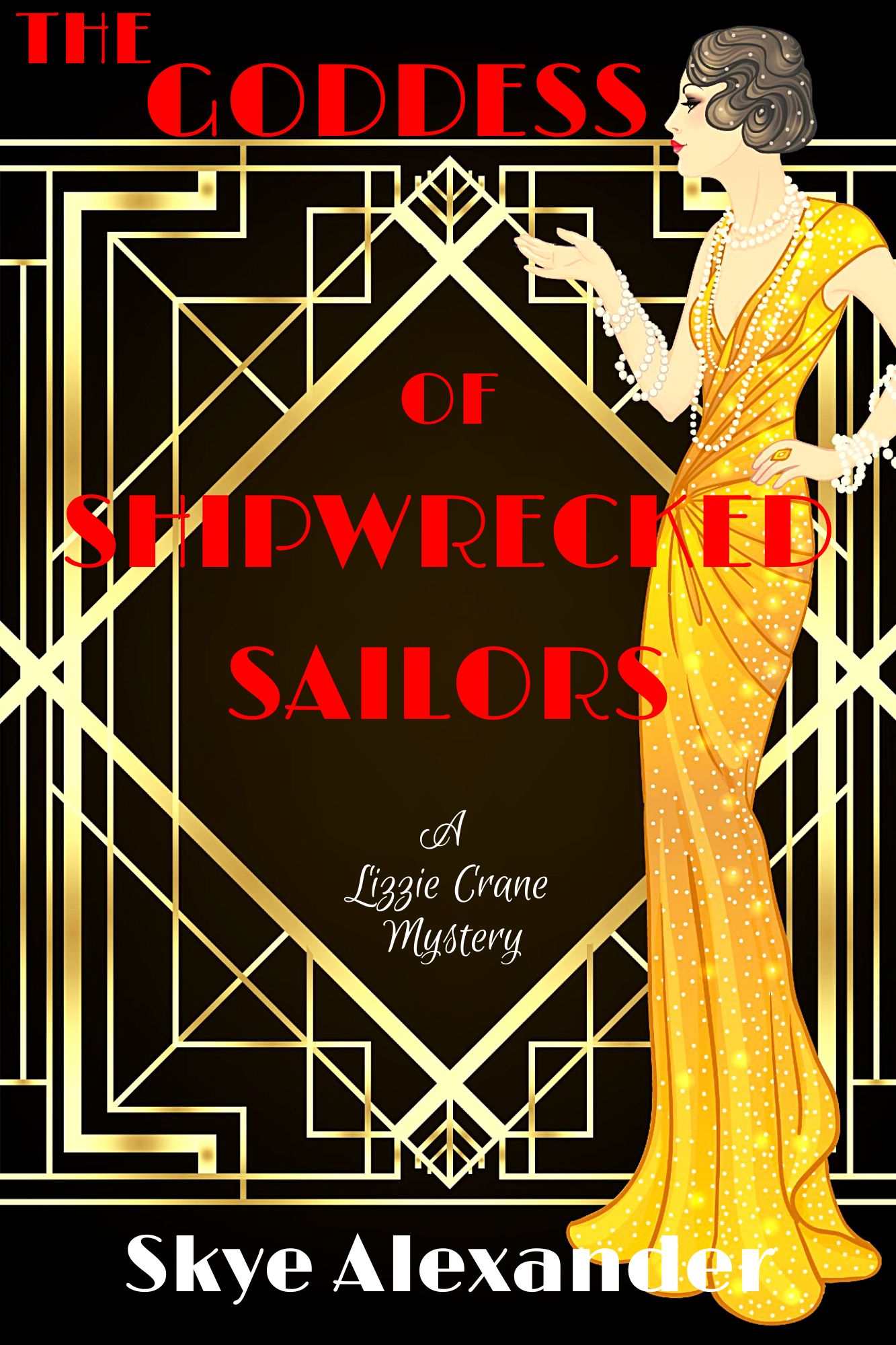
The Goddess of Shipwrecked Sailors

Salem, Massachusetts, Christmas 1925: When the heir to a shipping fortune hires New York jazz singer Lizzie Crane and her band to perform during the Christmas holidays, she has high hopes that the prestigious event will bring them riches and recognition. But the evening the musicians arrive, police discover a body near a tavern owned by Lizzie’s cousin––a cousin she didn’t even know she had. Soon Lizzie becomes a pawn in a deadly game between her cousin and her employer over a mysterious lady with a dangerous past.


Buy links

Amazon: https://www.amazon.com/Goddess-Shipwrecked-Sailors-Lizzie-Mystery/dp/1685124348

Barnes & Noble: https://www.barnesandnoble.com/w/the-goddess-of-shipwrecked-sailors-skye-alexander/1144045510?ean=9781685124342

Author Bio:

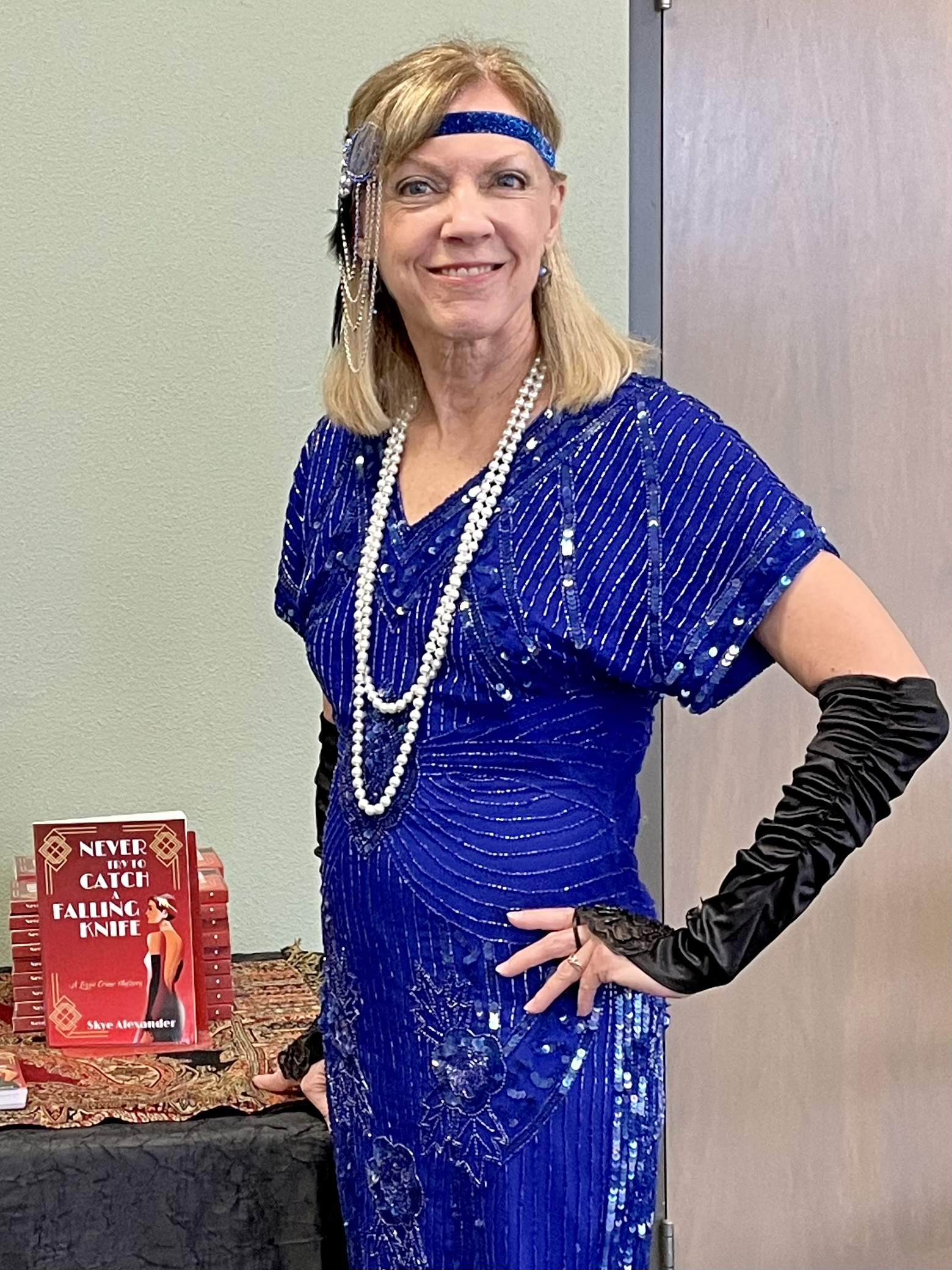
Skye Alexander’s historical mystery novels What the Walls Know and The Goddess of Shipwrecked Sailors, the second and third books in her Lizzie Crane mystery series, use tarot cards and other occult ideas to provide clues. Skye is also a recognized authority in the field of metaphysics and the author of fifteen bestselling nonfiction books on the occult arts including The Modern Guide to Witchcraft, The Modern Witchcraft Book of Tarot, and Magickal Astrology.

Facebook link

https://www.facebook.com/skye.alexander.92

Goodreads link

https://www.goodreads.com/book/show/198671880-the-goddess-of-shipwrecked-sailors

Video trailer

https://drive.google.com/file/d/1IjHJjQYpVe35nvBkMD4sMn-o2zt0skA2/view (if you can’t access it here, it’s also on the first page of my website and on YouTube at https://www.youtube.com/watch?v=kgCT41caKrs

Guest Blogger ~ Sandra Gardner

A Mystery is a Puzzle       

The basis of a mystery story is a puzzle. There’s at least the main puzzle, and maybe even one (or two more) contained in the story as subplots – smaller plots generally connected to the main story.

Your job as a mystery writer is to start with a scrambled mess, the way it looks when you dump the pieces out of the puzzle box. There’s a body, an attack, a disappearance, etc.  Somebody — or maybe more than one somebody — is guilty. But who could it be: the wife, the husband, the girl/ or boy/ friend? Or maybe it’s someone who owes money to someone else.

As the story’s writer, you need to make the pieces fit together by the end of the story. So, you begin to work it out on the page. But sometimes what you thought would work, doesn’t, and you have to toss the pieces back in the box and start again. You take a different approach or look at your story from a different angle. You might change the POV (point of view) from first to third person or vice-versa, or multiple POVs. A warning about multiples: This is difficult to manipulate and sustain, so probably not a good idea for a new mystery writer. You might change tenses from present to past, past to present; use flashbacks or a prologue to set the scene.

A word about red herrings: For example, just when everything points to a certain person, that person turns out to be a cop. Or was somewhere else at the time of the murder. Or ends up as the next victim.

Used judiciously, red herrings can give the story more tension. You want to keep upping the tension, so that when the reader thinks everything (the pieces) looks like they’re going to come together – bang, the whole thing falls apart. There’s another crime — an attack or a murder. First this person looks guilty. Everyone is terrified, each person suspects everyone else. Take a look at an Agatha Christie Poirot mystery. In many of them, Poirot gathers everyone together and points out how each person could be the guilty one, before he finally reveals the real killer. Or in at least one Poirot story, there’s more than one guilty person.   

Here’s a confession: I’m terrible at jigsaw puzzles, being one of those people who process information auditorily, rather than visually. But I’m good at the crossword kind, which, when you think about it, isn’t too different: Here you have blanks that need to be filled in and have to fit together to solve the puzzle.

Another confession: When I begin writing, I don’t know how the puzzle will work itself out. I have to wait until my characters tell me, in their thoughts and actions. So I just wait. And listen.

There are usually plenty of clues. But reader, beware. Just like in a jigsaw puzzle, what first looks like it will fit, might not.

The Murder Blog

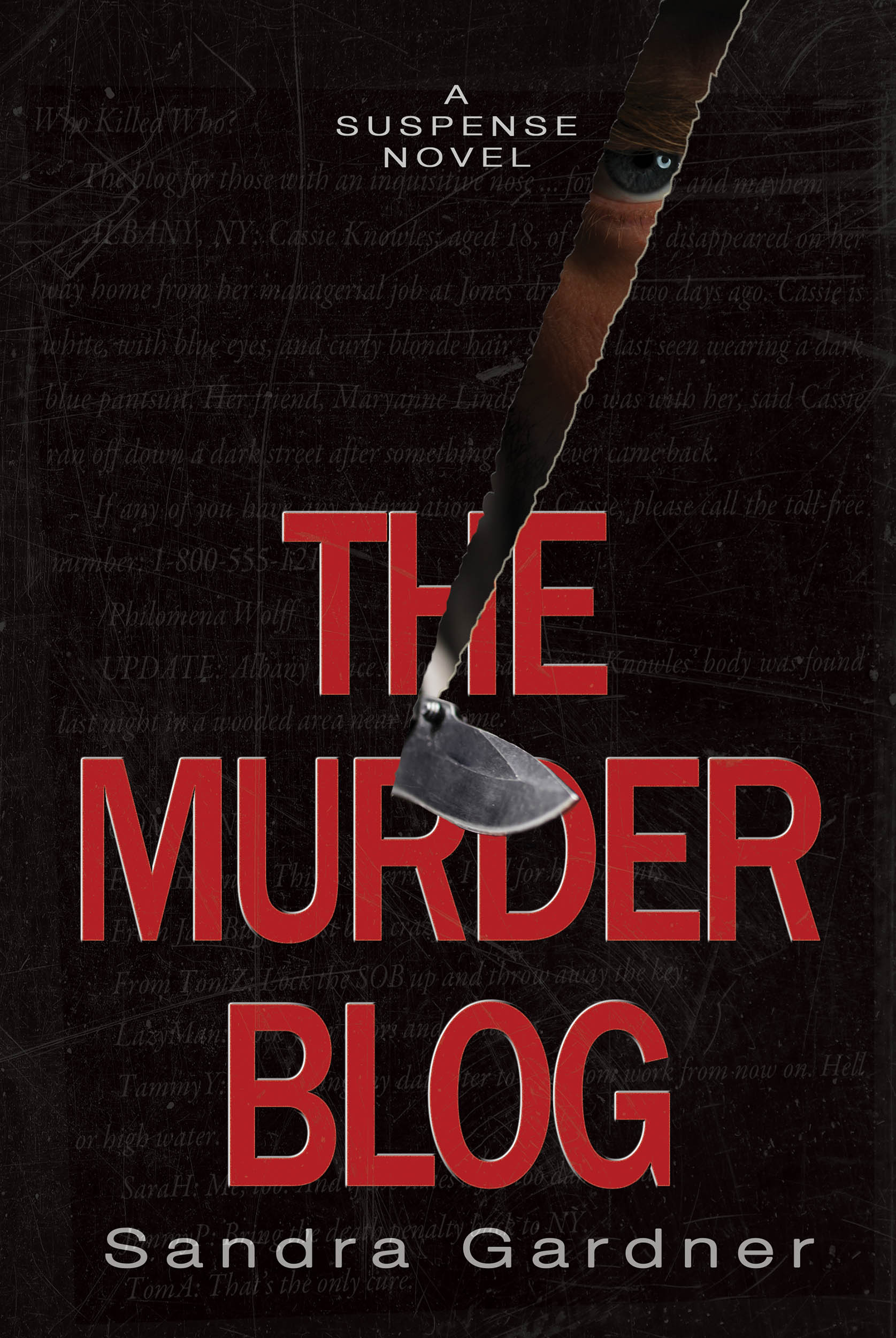
Philomena Wolff was 17, walking home from school with her best friend, when her friend disappeared, ending up as one of several young women abducted and murdered in upstate New York by a clever killer who eventually disappeared from the area.

Philomena was terrified that the man caught a glimpse of her when he took her friend.

Many years later, young women have been ending up dead again.

Philomena, now an investigative reporter, hosts a crime-solving blog, “Who Killed Who?” With the help of her friend, a psychic gravedigger, her friend’s boyfriend, a P.I., and the blog’s readers, Philomena is on a mission to hunt the killer down. Her readers are with her. But so is the killer, posting vile notes and vicious threats on the blog.

Could the killer be the same one who murdered her friend long ago, trolling for more young women – and Philomena?

Buy links: https://www.amazon.com/Murder-Blog-Suspense-Novel-ebook/dp/B0CK9RVT9V

https://www.barnesandnoble.com/w/the-murder-blog-sandra-gardner/1144100569?ean=9781685133450

Sandra Gardner is the author of seven traditionally published books: four novels and

three nonfiction books. 

         Gardner’s new suspense novel, The Murder Blog, was published by Black Rose Writing in December 2023. Her last two novels — both mysteries — Dead Shrinks Don’t Talk and Grave Expectations were published by Black Opal Books in 2018. A coming-of-age novel, Halley and Me, won the Grassic Short Novel Prize from Evening Street Press and was published in 2013. Her nonfiction books include Teenage Suicide (Simon & Schuster); Street Gangs (Franklin Watts); and Street Gangs in America (Franklin Watts). Street Gangs in America received a book award from the National Federation of Press Women. Previously, she worked as a journalist and was a contributing writer to The New York Times.

https://sjgardner6.wixsite.com/mysite

Author Central: https://author.amazon.com/home

Author’s Den home page: https://.Authorsden.com/sandragardner

I’m a Goodreads Author

Guest Blogger ~ M. E. Proctor

The Long and Short of It

If writing a novel is a long-lasting love affair—and it better be passionate because there’ll be a lot of time spent in close quarters—what are short stories? A brief encounter burning bright, a summer romance, a little walk on the wild side … It sure feels like that for me at times. Short fiction is a gulp of fresh air after completing a book draft, a welcome reprieve from obsession, and a new way to look at writing when the work-in-progress leaves me so cross-eyed I don’t see anything anymore.

Short stories are like stretching exercises. Tension is released, relaxation ensues.

A character pops into my head, a place triggers an image, a memory surfaces, a sentence rings true, and an idea is born. Could it turn into a book? Maybe, and some have grown wings and gone the distance, but not all stories deserve a 300-page treatment. Often their strength is in the instant. Their intensity cannot be sustained without dilution in a full-length narrative.

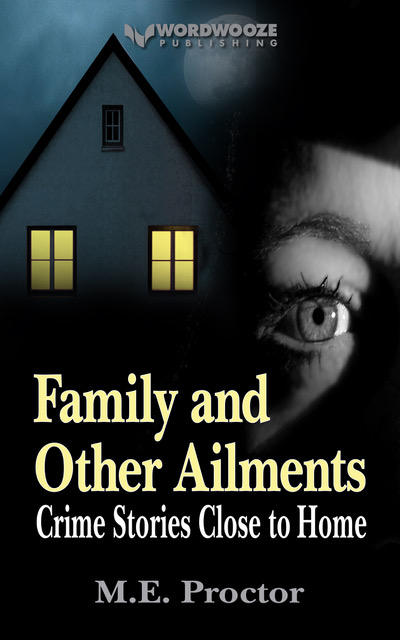
“Rabbits”, one of my favorite stories in the Family and Other Ailments collection, is a good example. It is told from the perspective of a twelve-year-old boy who blanked out a dramatic event. We meet him when he starts remembering. There’s fear and confusion, and a growing sense of panic that is more acute and more immediate for being at the core of the story instead of distributed over book chapters.

I love the spontaneity of short stories, and the best ones are written in a feverish rush with very little rework. They scream to get on the page. I often go back for inspiration to Ray Bradbury, who knew quite a bit about short fiction. One of his quotes is printed in my brain: In quickness is truth. The faster you blurt, the more swiftly you write, the more honest you are.

I can ponder a scene in a book for days, finetune and rewrite it endlessly. That kind of needlepoint doesn’t work for my short stories. The struggle doesn’t improve them, it tends to suck all the life out of them. My files are full of false starts and abandoned fragments. No regrets, they just didn’t make the cut.

Then there’s the guilty pleasure of genre-hopping. I write mostly crime, both in short and long form. The rules of the genre are infinitely flexible and accommodate pretty much everything. Yet, sometimes I feel myself slipping into horror or science fiction. I have a soft spot for cool vampires and conflicted androids. They would not fit in my contemporary detective series. Or I may decide to take a stroll in the 1950s because I’m a sucker for fedoras and hardboiled dialogue. Short fiction is like a pastry shop. All these colorful macarons. And there’s no sin in wanting to sample them all.

There are twenty-six tasty treats in my short story collection, Family and Other Ailments. Have a bite and tell me which one makes you want to come back for seconds. The main character of the book’s title story has already earned a return engagement. In a book.

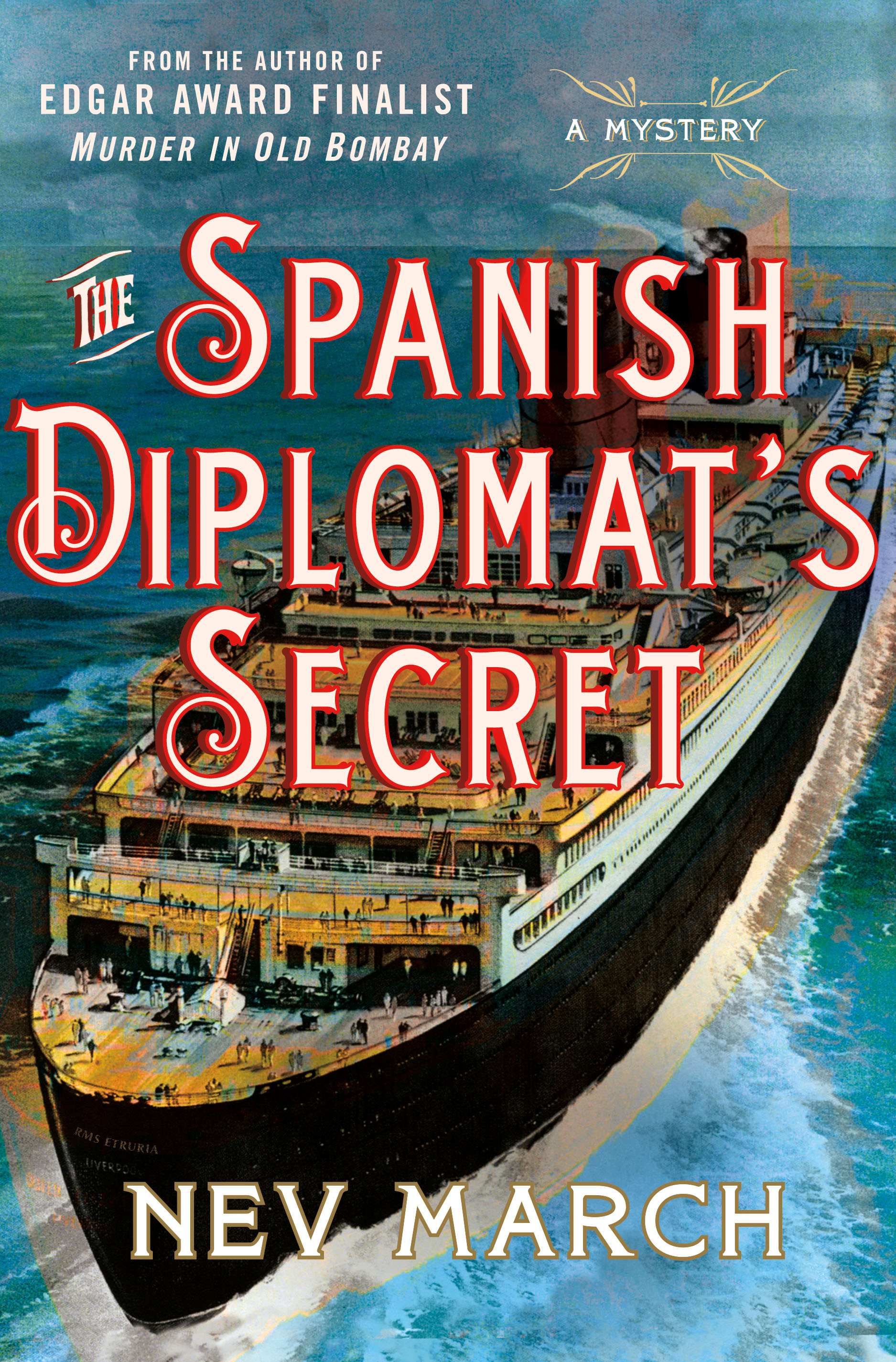
Family and Other Ailments – Crime Stories Close to Home

Blood ties. The family we’ve been given, the friends we make, the loves we keep, and those we lost. The twenty-six stories in Family and Other Ailments (Wordwooze Publishing) teeter on the brink, hover at the periphery or even the possibility of crime.
The collection opens with “Spy Head,” a tale of friendship after a crushing trauma. In “Texas Two-Step,” brotherhood leads to a wicked double-cross. “Razorbills” shows a young woman seeking freedom from the prison-like caring of her sibling. “Black and Tan” slips into domestic horror, as does “Mutti,” with a hint of the fantastic. “Hour of the Bat” and “Bag Limit” are deep woods Texas noir, while “A Head for Numbers” and “No Recoil” go west, to the stark unforgiving beauty of the desert.

Buy Links:

Family and Other Ailments is available in eBook, paperback, and audiobook.

All links are accessible here: https://books2read.com/u/3Lx0v5

From reviews:

“Channelling distinct voices, subtle humor, and endings that plant a fist in your gut, Proctor’s Family and Other Ailments is a terrific collection of crime, suspense, and fear. The tales are carefully calculated, with each scene, each piece of dialogue building to that oh so important final strike: a crescendo point that leaves the reader jarred.”

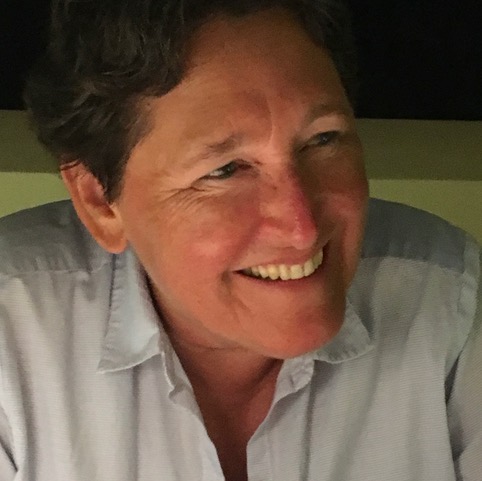
M.E. Proctor was born in Brussels and lives in Texas. Her short story collection Family and Other Ailments is available in all the usual places. She’s currently working on a contemporary detective series. The first book comes out in August 2024 from Shotgun Honey. Her short fiction has appeared in VautrinBristol Noir, Pulp ModernMystery TribuneReckon ReviewBlack Cat Weekly, and Thriller Magazine among others. She’s a Derringer nominee.

Author Website: www.shawmystery.com

On Substack: https://meproctor.substack.com

Facebook: https://www.facebook.com/martine.proctor

Twitter: https://twitter.com/MEProctor3

Age or Too Much Juggling?

It’s only the first month of the new year and this is the second group blog I’m on that my Google calendar told me I had a blog today. Yeesh! I have never in twelve years not had a blog already scheduled to go.

In fact, yesterday, Sunday, the day I plan out my week, I wrote down to write my Ladies of Mystery blog post on Tuesday, because, when I looked at January in my date book, which is my bible to keep things straight, I had written down my post was the third Monday of the month instead of the second.

How I managed to do that FOR THE WHOLE year when I received my new datebook in July, I don’t know. All I had to do was look to my left and on a corkboard there is a list of when each Ladies of Mystery author blogs during the month. Now, I have to go back through my datebook and cross out the LOM on the third Monday and put it on the second. And yes, cross out. I use different colored ink pens for different things that are happening.

Orange for the days I post on my Writing into the Sunset blog, Purple for the days I post on here and the other group blog. Bright pink for book specials and events, Blue for when my6 newsletter goes out. And black for personal appointments and events.

I use pencil for guest bloggers on Ladies of Mystery and to keep track of how many words I’ve written.

I also have a whiteboard with three columns where I write the months in one column in purple, the next column is in green and it is the title or number of the book in which series I’m writing, and a column in pink with the title of the book releasing that month.

Then below that, I have a new keeping track project that a very successful Indie author uses to keep track of her specials and events. I decided to use it this year and see if it can help me do a better job of staying on top of promoting my books. It is a 2′ by 3′ write on calendar of the whole year. It is to help me keep track of what book, where, and when I promote it and to keep the promotion flowing all the time. That has been my biggest problem. I start out promoting and then I get caught up in the other sides of being an Indie author and forget to keep promoting. This calendar with everything scheduled is a visual of what I need to do and what is happening. I hope it works.

And again, it is color coordinated. Blue for audiobook promo, green for ebook promo, and pink for special events.

And yet, with all of these reminders, I forgot my group blog post last Monday and today’s for this blog. I’m wondering if I need yet another calendar or whiteboard to keep me in line. What do you think? I’m off to change the purple LOM in my datebook to the second Monday. Have a great day!