
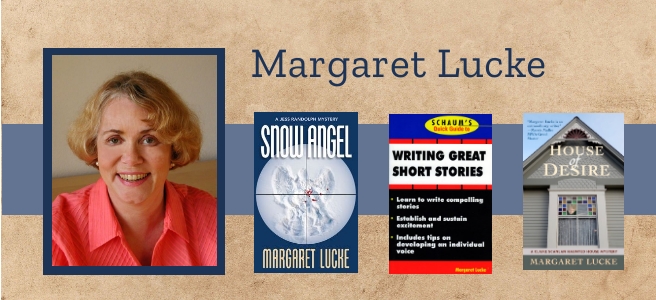
By Margaret Lucke
Spare time? What spare time?
The other day someone asked me what hobbies I enjoy. When I’m asked a question like that, I never know what to say. A hobby is a pastime—that is, an interest or activity you enjoy passing time with when you’re not working. But when is a writer not working?
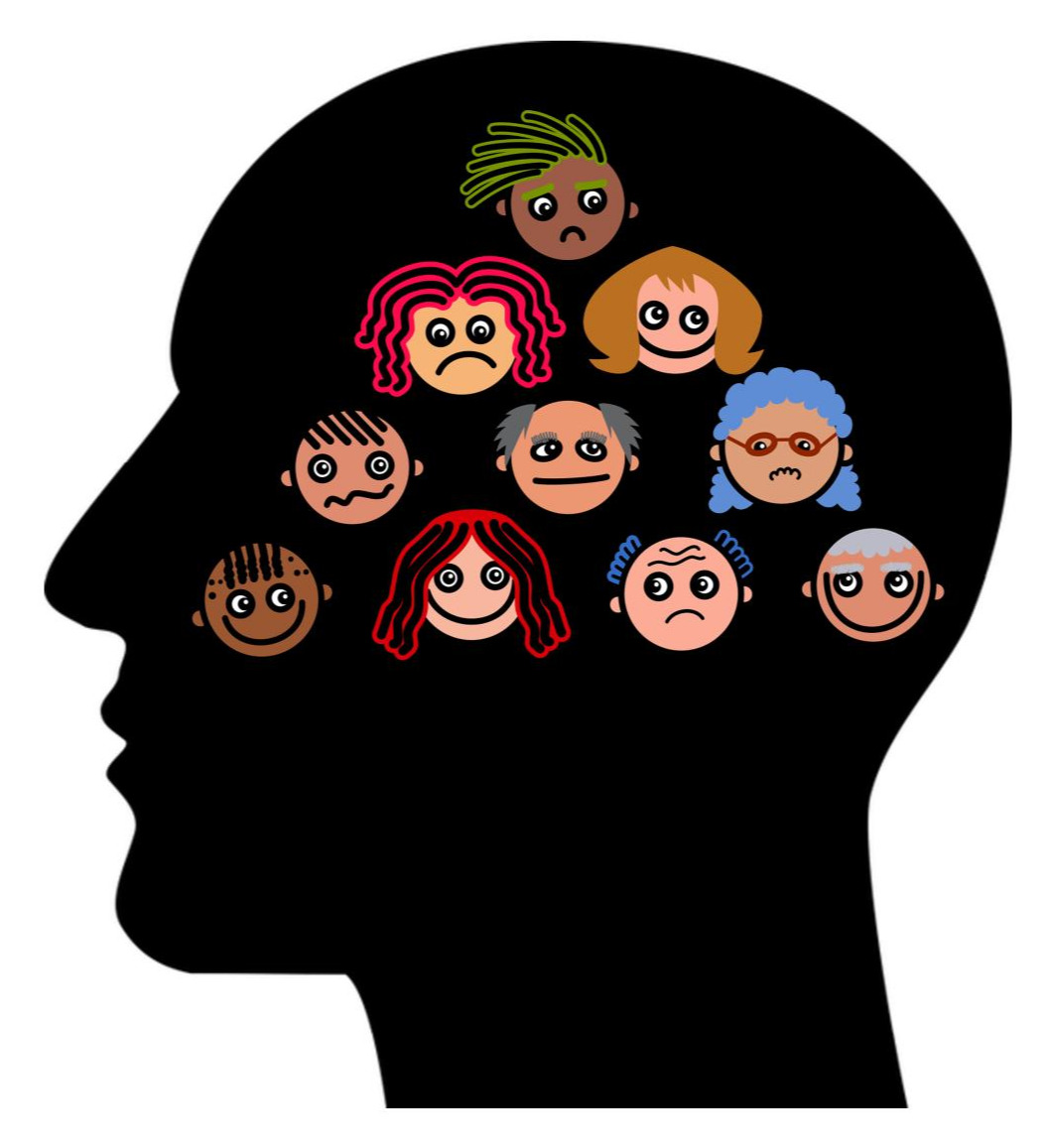
Really, it’s a 24/7 job. No matter what else we’re doing, half of our mind is focused on writing the book. With that kind of schedule, who has time for a hobby?
Consider some of my favorite activities. You might think they’re hobbies but they qualify as work just as much as the time I spend at my desk.
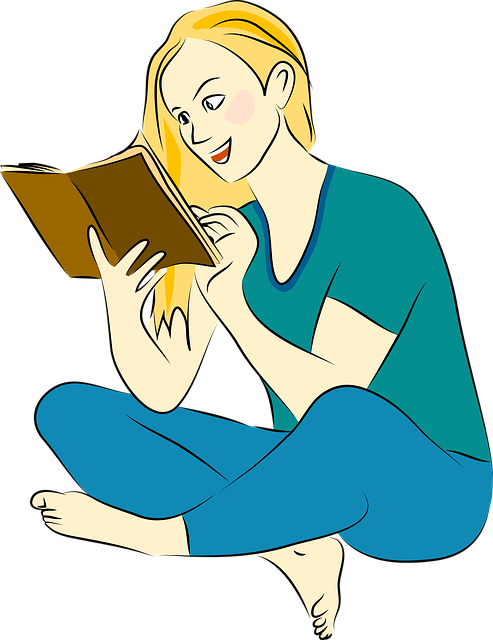
Reading. Writing changes how you read. When I pick up a book my mental red pencil is poised to rearrange sentences and trim out extraneous words. I nod at clever word choices and apt descriptions, and shake my head at clumsy ones. Every book is a potential course in professional development. How can I achieve what Author A does so well? How can I avoid doing things as badly as Author B? Sometimes, to my delight, a book absorbs me so completely that my mental red pencil disappears. Other times, it’s so busy that I get annoyed and set the book aside for good.

Movies. I’m a big fan of movies, and I especially like seeing them in a theater. The big screen, the dark auditorium, and of course the popcorn add a lot to the experience, if you ask me. A writer can learn so much from movies. How is the backstory made clear when there’s only dialogue, action, and visual cues to work with? How is the main character’s point of view made clear when we can only observe that person from the outside? How are the plot points presented and transitions made from Act I to Act I to Act III? By the time the credits roll, my husband is blinking back tears while I’m analyzing how the scriptwriter achieved that emotional impact.

Walks. A hike on a forest trail and a walk along a beach are my favorite forms of exercise—or. even a stroll around the neighborhood. I’m fortunate in that the San Francisco Bay Trail goes through my town, and it’s not unusual to find me there. I enjoy the fresh air, the sunshine, the bird song, and all of the story ideas that pop into my head. Maybe it’s the rhythm of the steps or the letting go of other thoughts as I attempt to be present in the moment. I try to remember to tuck a pad and pen into my pocket so I can be ready to grab the elusive ideas as they float by.
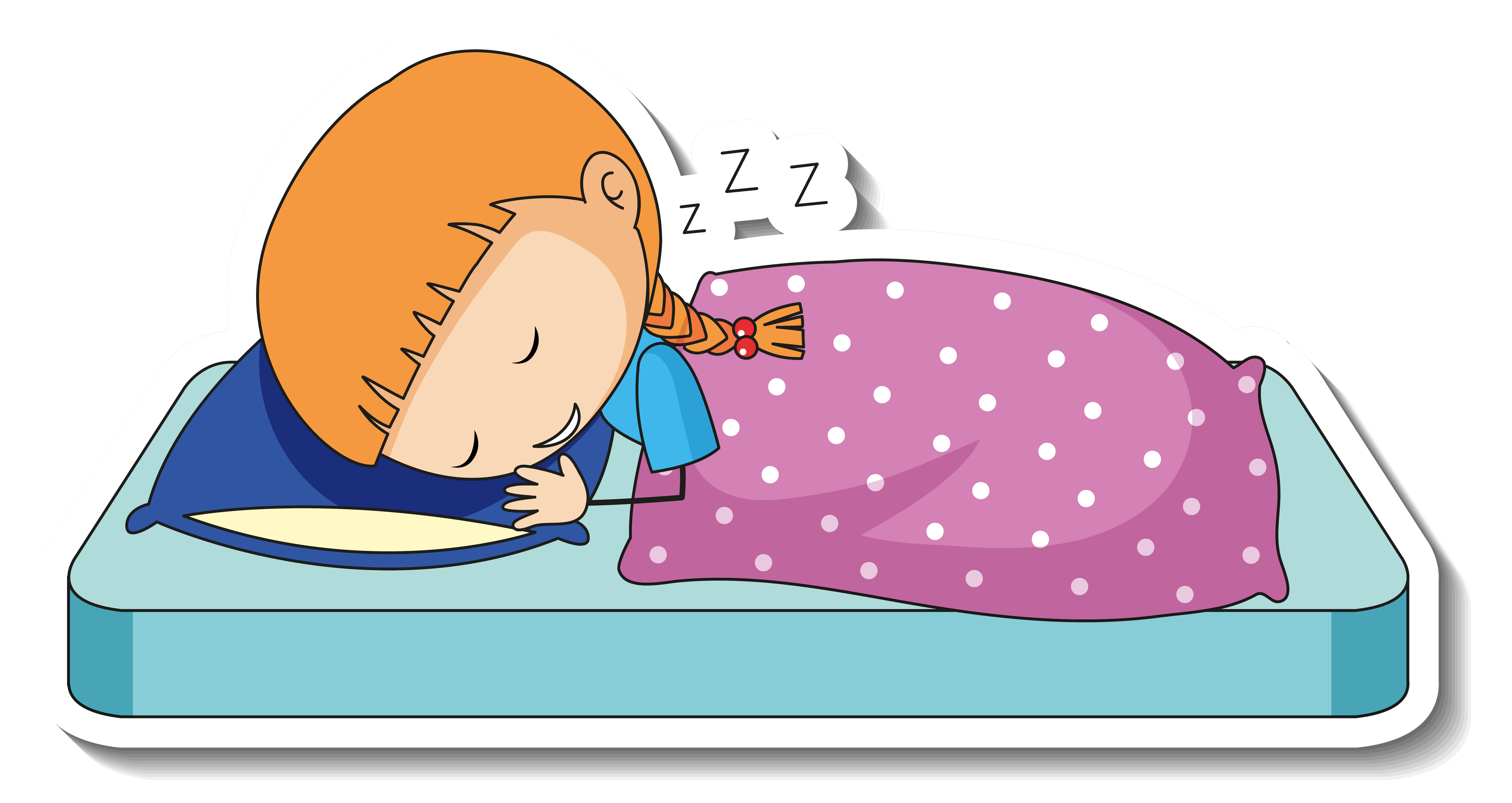
Sleeping. Sleeping is one of my better skills, and it’s definitely a way I enjoy passing the time, especially in the middle of the night. But even when I’m asleep, my story machine is cranking away. I’m sure I’m not the only writer who’s dreamed the entire plot of a novel during the course of a night. Of course, as soon as the alarm clock rings it all vanishes, except for a couple of tantalizing but meaningless tidbits. That’s not the point. What’s important is, even though my body is at rest my mind is still at work.
So none of those activities really count as hobbies. I can think of only one pastime I have that doesn’t contribute somehow to my writing:
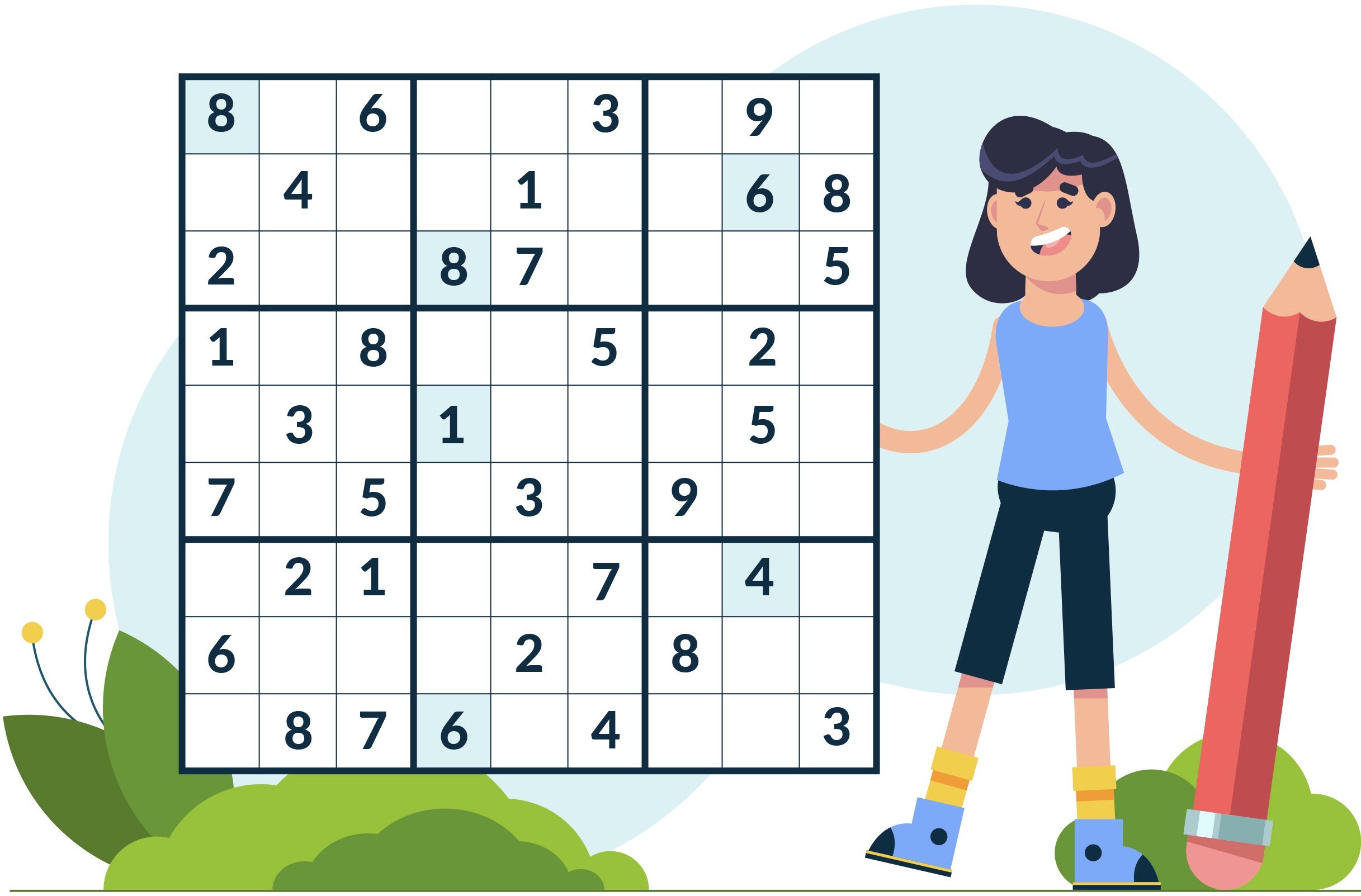
Sudoku. Nine digits. Arrange them in rows, columns, and squares so that none are repeated. No math, just logic. And it’s nonverbal, leaving no room for words and ideas to jostle their way into my head.
Except—what if there’s a major sudoku competition, with a top prize big enough to kill for? And what if it pits two expert players against each other, two experts with secrets in their pasts? And what if there’s a cheating scandal? And what if …



 Ladies of Mystery
You must be logged in to post a comment.