

June. Summer. Warm weather. Pleasant days, starting early, daylight stretching into the evening.
Interestingly enough, June brings thoughts of D-Day—June 6, 1944—when the Allies sent a huge armada of soldiers and materiel across the English Channel to invade Nazi-occupied France. The Longest Day, Cornelius Ryan’s riveting account of that day, is on my shelves, and I’ve read it multiple times. I also have the DVD of the epic (three and a half hours!) film, which I’ve watched over and over, usually on Memorial Day.
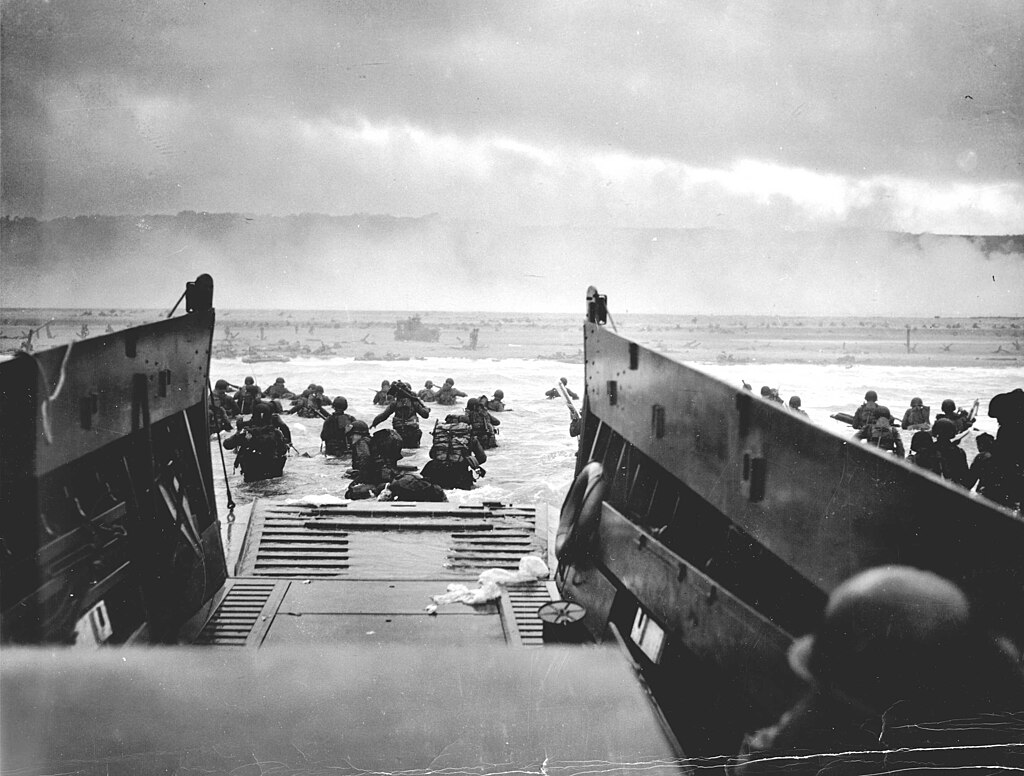
The movie is full of memorable dialog. Among my favorite scenes is one with actor Roddy McDowall, playing one of the many soldiers holed up on those ships, waiting for the orders to steam across the channel. It’s June 5, terrible weather, back-to-back storms giving the brass fits. The invasion has already been rescheduled several times.
Roddy’s not thinking about the weather, the wait or the battle to come. He looks into the distance. In a dreamy voice, he says:
June. Every June my old man used to take me camping up in the Blue Mountains. We’d hunt and fish all day long. And at night, we’d sleep out under the stars. Didn’t even need a blanket . . . June.
I love that. The dialog tells me a bit about the character, conveys something of his life before he got to this place and time, and contrasts starkly with his current circumstances. And it makes me think about some of the camping trips I’ve experienced. I’ll bet I’m not the only one.
Granted, movies are different from novels. I recall other examples of memorable dialog from books that wound up in the movie as well. In Gone With the Wind, Rhett Butler tells Scarlett O’Hara: “Frankly, my dear, I don’t give a damn.” And there’s True Grit by Charles Portis. When irascible Sheriff Rooster Cogburn tells outlaw Lucky Ned Pepper that he’s planning to arrest him, the outlaw responds: “That’s bold talk for a one-eyed fat man.”
Dialog is one of many tools that we writers have in our skill set. Writing this blog got me thinking of dialog from my own books. Three of them come to mind, all with a line of dialog starting the book.
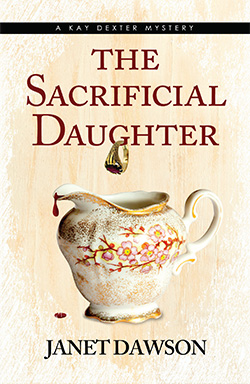
The first chapter of The Sacrificial Daughter begins in care manager Kay Dexter’s office, with a prospective client who says, “I’m at my wit’s end.” Beyond what she’s saying, her facial expressions, her demeanor and small physical actions show the character’s stress from dealing with her elderly mother.
In Bit Player, detective Jeri Howard is in a movie memorabilia shop, looking at an old poster. She says, “Grandma said John Barrymore made a pass at her.” I certainly hope that makes the reader want to turn the page and find out what comes next. For Jeri’s grandmother was an actress who played small parts in Hollywood in the late 1930s and early 1940s. Jeri is about to find out that Grandma was interviewed by police concerning an unsolved Tinseltown murder.
My most recent Jeri Howard novel is The Things We Keep. This book starts with Jeri standing on a street corner, looking at a down-at-heals Victorian house. She says, “It looks haunted.” She’s right. What happens next shows that the ghosts of past crimes are indeed in evidence. For example, those bones hidden away in an old footlocker. Haunted, indeed.

 Ladies of Mystery
Dialog to me brings a character alive. Great post!
LikeLiked by 1 person
Those are great opening lines–writing them is the hardest part of anything. I usually rewrite the opening a dozen times, but if I get a good one, I’m deliriously happy (and don’t even think about all the work that’s still to come). Good post.
LikeLiked by 1 person