
As I write this, I’m living in a hotel, with my cats, because new flooring is being installed in my condo—finally! It has been six months since the great condo flood upended my life. I never thought it would take this long, but it has. Now I can see that light glimmering at the end of the proverbial tunnel. Soon my cats and I can come home!
A change of scene can be valuable when writing, in a couple of ways. I’m in this hotel room, supposedly with no distractions, unless I count the cats walking over the keyboard. But they do that at home. Surely I can focus on the book I’ve been writing (or neglecting, of late).
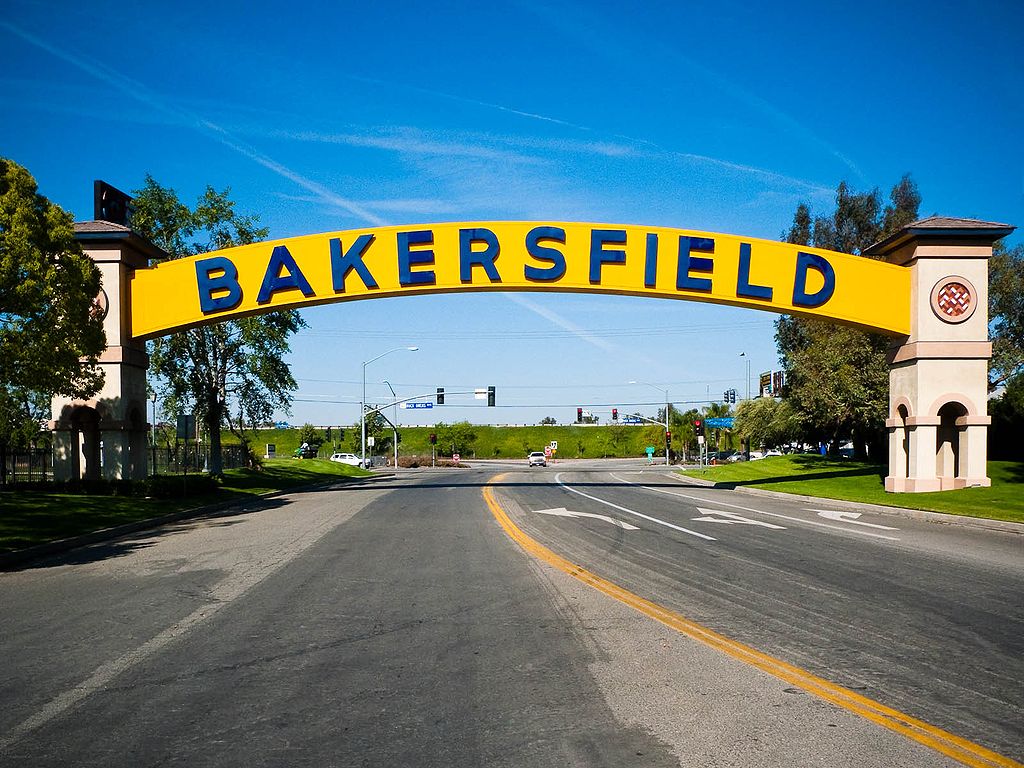
Changing location works in other ways. Case in point, Witness to Evil, the seventh Jeri Howard novel. The first half of the book is set in Paris, while the latter half takes place in Bakersfield, California. Talk about a change in scene! I did location research in both places, though a second trip to Bakersfield was a lot easier, since all I had to do was get on the freeway and drive.
At some point during the writing process, I found myself staring at a virtual brick wall. What happens next? I didn’t know. What I did know was Jeri had to go to Los Angeles to follow a lead. So, I put her on highway 99, headed south. Following one lead led to another and yet another. I wrote six chapters in rapid succession, taking Jeri from Los Angeles to San Luis Obispo to Fresno. When Jeri and I got back to Bakersfield, I had a clearer picture of where I was headed with that book, and where I needed to fill in information and clues.
I had another change of scene in the early stages of writing Death Above the Line. It’s the fourth book in the historical series featuring my sleuthing Zephyrette, Jill McLeod. She’s accustomed to working aboard the sleek silver streamliner known as the California Zephyr, as it makes daily runs between the Bay Area and Chicago. However, in this novel, she’s been roped into playing a Zephyrette in a film noir. In the first draft, I had Jill reporting for duty at a movie studio located in the waterfront district of Oakland. It’s an area I’m familiar with, having worked there in one of my day jobs.
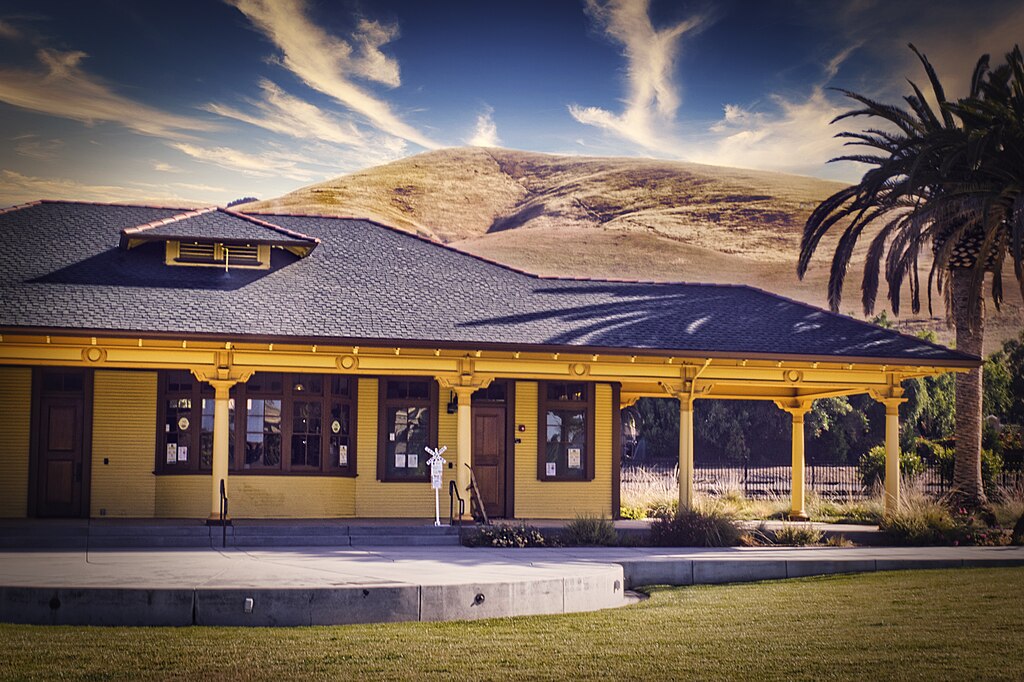
But the location just wasn’t working. I had to make a change. I moved my movie studio to Niles. It’s part of Fremont now, but at the time I’m writing about, 1953, it was a separate township at the mouth of a canyon carved by Alameda Creek. And it has a movie-making history. The town was the western site of Essanay Studios, which made silent films there from 1912 to 1916. That’s where Charlie Chaplin filmed The Tramp.
I put my fictional studio in an old warehouse near the historical Niles train station. The change of scene worked. Since I’ve been to Niles many times, riding the historic train there and having afternoon tea at a favorite shop, I was able to visualize my characters moving in and out of the building, walking the familiar streets.

Another change of scene occurred when I was writing the first book in my series featuring geriatric care manager Kay Dexter, titled The Sacrificial Daughter. I use actual locations for my other books. For this series, however, I decided to use a fictional town set in a fictional county in the Northern California Sierra Nevada. Both the town and the county are called Rocoso, a Spanish word for rocky. This was definitely a change of scene, in several ways. A fictional setting allows me to make up the way a place looks, as well as its history, culture and inhabitants. Another way it works is that I borrowed a great deal of the location and terrain from a real place, picking up a real Colorado town and moving aspects of it to Northern California.
Whether it’s Bakersfield, Niles, or Rocoso, a change of scene invigorates my writing.

 Ladies of Mystery
Nice post! I agree, the setting of a book as well as the characters are what draw me into a story.
LikeLike
Good post. When I pick up a new writer, I need to feel at home in the story, and that means also feeling at home in the setting. I want to know the place but also feel it’s livable, real. And that sometimes means moving it, changing streets and buildings. A story feels real in different ways, and setting is one of them.
LikeLike