Guest Blogger ~ Heather Ames

THE BOOK THAT DIDN’T WRITE ITSELF

Some books almost write themselves. The plot sails along, the characters all interact as they should. Even the backdrop feels like it’s an impressionist painting that only needs a few brushstrokes to make it shine.

Book 3 of the Ghost Shop series wasn’t that book.

I had trouble finding a title, even though the theme was a haunted vineyard that wasn’t producing anything except anger and bad vibes. Compounding the problem, I wanted all books in the series to have titles starting with the letter T. After mentioning my dilemma to several people, two came up with the same suggestion: Tainted Legacy.

Still not completely sold, I used it as a working title I liked more as the plot struggled along, characters tripping over themselves and refusing to fall in line when I tried to take them in a certain direction, creating strange sidebars that, when I researched them, were grounded in reality.

I’d had a similar problem with book 2 of my Miami-based Swift/Roberts series. A group of friends became suspects of one kind or another in a cold case murder and kept squabbling like an unruly flock of geese, twittering songbirds or more likely, buzzards. I had a great deal of trouble reining them in. After opening one chapter in particular, I’d stare at it, then close it again without changing a word. Finally, with 4 drafts completed, the squabbling stopped and everything fell into place.
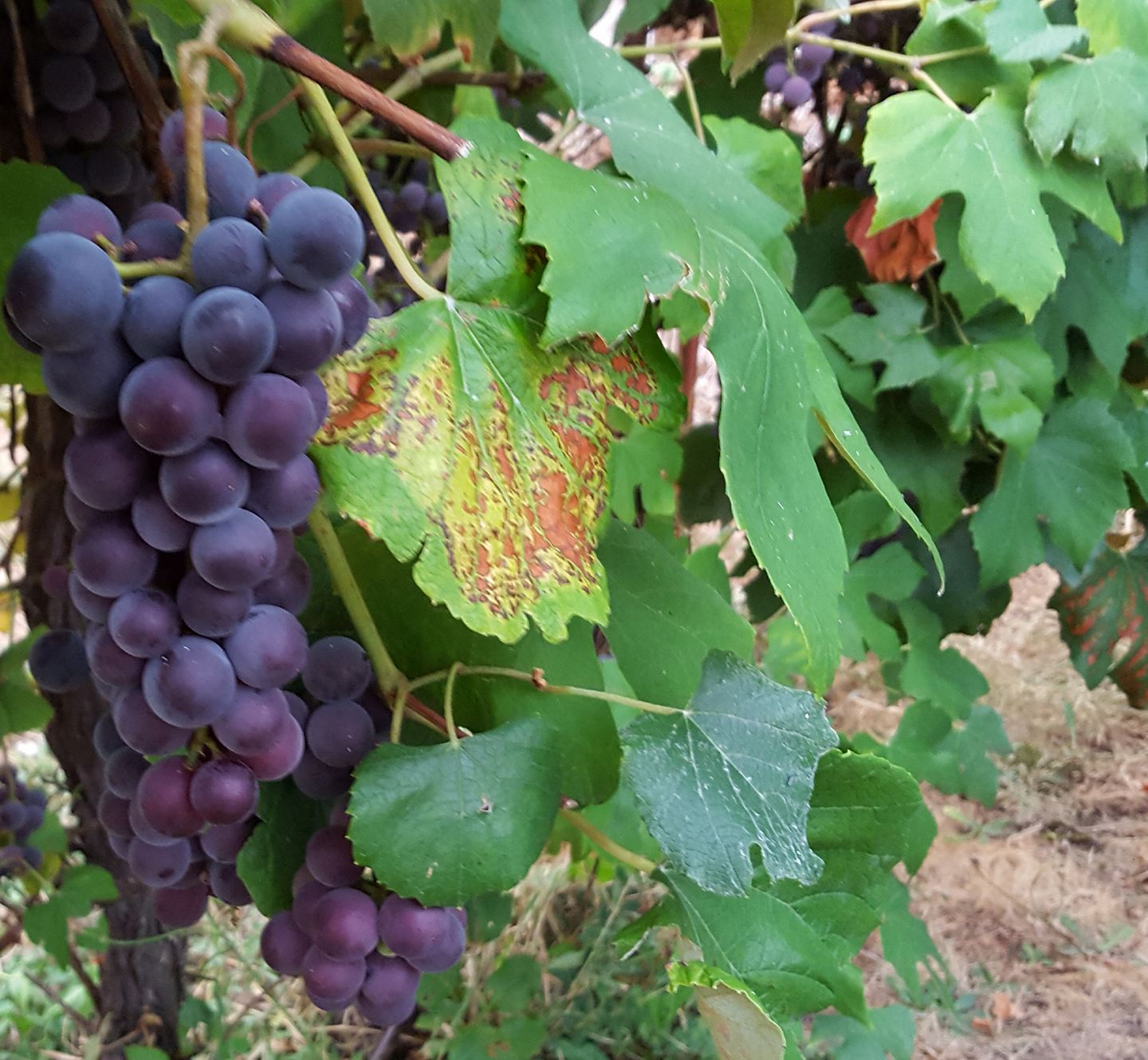
Tainted Legacy felt like a rerun with different players. Since I don’t outline my books, surprises are lifeblood for me. They fuel my imagination and reveal things about my characters I could never envision with the rational side of my brain. But when one of those characters presented me with a pivotal scene during what should have been the final 4th draft, I balked. That draft is supposed to be a read-through. An opportunity to catch those last few errors that typically occur, regardless how many times a manuscript is polished. I remained stuck, unable to work on the file for 2 weeks. My version of writer’s block. Something I had never experienced before.

Finally, I wrote The End, but was it? I hadn’t made any significant changes to that scene. It flowed too well. Now, I had to go back and read through the entire manuscript for a 5th time. If I changed my mind about that chapter, the entire storyline would have to be revised. The manuscript wouldn’t be ready for publication in time for a shipment of books to arrive before the Portland Holiday Market, the biggest show of the year for NIWA (Northwest Independent Writers Association,) and my unofficial book launch for Tainted Legacy.

I took a few deep breaths, got back in my office, and swiftly completed that 5th draft/read through. The plot worked. The character who had thrown that pivotal scene at me stood back and smirked. It had to be there. It complicates the relationships between the main protagonists when they should have cleared a major hurdle. It forebodes trouble of a possibly monumental degree in the books that follow.

This year, I’m planning to work on the 4th books in both my series. I have titles and rudimentary plots, big steps toward meeting that goal. Without encountering angry wine or squabbling teenagers, Maine Issues and Trick or Truth will both be available before the end of 2024.

Tainted Legacy

A barren vineyard in Dallas, Oregon. Two deaths. An unexpected heir who wants a quick sale. Is it a bargain, or an invitation to become entangled with the misfortunes of the Taricani family?

Sinister winery owner Vincente Valderos calls in psychic Sunny Weston and her partner, retired detective Ash Haines, to solve the mystery and save their souls…until the next time he summons them.

https://www.amazon.com/TAINTED-LEGACY-Ghost-Shop-Book/dp/B0CMCDCYP1

Heather Ames writes two mystery/suspense series, one with a paranormal twist, standalone suspense, romantic suspense, and short contemporary romances. When she’s not writing, she’s either thinking up new plots, traveling the world, or dreaming up new adventures.

Website:

https://heatherames.weebly.com

Amazon Author Page:

https://www.amazon.com/stores/Heather-Ames/author/B00ITGYJ86?ref=ap_rdr&store_ref=ap_rdr&isDramIntegrated=true&shoppingPortalEnabled=true

Social Media links:

https://www.facebook.com/p/Heather-Ames-Writer-100063683733057

https://www.facebook.com/heather.ames.75

https://www.instagram.com/bostonbrit1/?hl=en

https://www.goodreads.com/author/show/5367400.Heather_Ames
GOOGLE IT!

Eons ago, when I wrote my first book, I actually had to go to the library to research untraceable poisons, fast acting poisons, skin absorption poisons. Yes, I was poisoning someone and yes, I’m that old!

I loved going to the library, I mean after all it is filled with books! But as a single mom at the time, with two young boys, my opportunities to languish in a palace of books were limited.

Also, during my early writing days, there were no TV shows like Criminal Minds or CSI. Though I have a dark and twisty mind, I didn’t know anything about “behavioral analysis” or “DNA” or “national criminal databases.”

In my next WIP, my villain convinced another inmate to kill himself while posing as the villain. The villain would then assume the dead inmate’s laundry job and smuggle himself out of the prison in a laundry truck. My weapon of choice was a lightbulb gasoline bomb, an idea I stole from “The Longest Yard.” So, I was back in the library researching how to make such a bomb. When I found no such information, I resorted to asking my electrician uncle who said he’d remember not to make me mad.

Then, when I wanted to know what type of firearm an FBI Agent carried, I emailed the FBI. Instead of receiving an email reply, the FBI called me. Evidently, at the time, they kept this information secret, and I was told I’d be placed on a list as an author in case I emailed them again.

A side note about lack of technology when I wrote this book, it was written longhand on countless sheets of a legal pad. Then I would spend hours carefully typing the novel on a non-autocorrect typewriter. Good times!

Imagine my delight when the World Wide Web was created, along with my ability to own a desktop computer! And, of course, my creative brain couldn’t get enough of shows like CSI and Criminal Minds.

By the time I wrote my next novel, it was 2004. My husband and I were finally empty nesters, and I was blessed with the opportunity to work from a home office.

I have an overactive imagination, which isn’t always accurate. Now when I need to verify an action one of my characters might take. Or the consequences for a specific crime if my villain is caught. Maybe I just need to know what the times are for sunrise/sunset in a specific month. Whatever the question, Google is at my fingertips!

I love that I can get instant information from several sources and within minutes to hours, I have my answer. Generally, I copy and paste my newfound knowledge and store the Word file in a folder for my current WIP. Another great tool is the ability to search my Word program for a specific item, but if I failed to save the nugget of info, I can always Google it again!

Googling does have its pitfalls. When I researched how to smuggle drugs in an RV (think gas tank) I received a phone call from Homeland Security. At first, I thought I was being pranked and the following conversation ensued:

“Hello, Mrs. Setzer,” a baritone voice filled my ear, “this is Agent Michaels from Homeland Security. I’m calling regarding your recent research on how to smuggle drugs into the United States from México.”

Okay,” I laughed, “who is this really?”

“Agent Michaels from Homeland Security.”

“How’d you get my cell number?”

“We’re Home Lane Security, ma’am.” Agent Michaels sounded annoyed. “Please answer the question.”

“I’m an author and just doing research for a book.”

“Understood. You will be placed on a list as an author, but you may want to be careful in the future with regard to your Google searches.”

Oh, good, I’m on another list!

Recently, I was struggling to settle on titles for two new WIPs. One book centers around a character’s survival while stranded on a ledge after a fall. The second WIP is about a serial killer who places bodies into a river. These two books will be part of a series that has two-word titles, which are my favorite. As I had my hair cut and colored, my stylist, Larry, and I tried out different word combinations. We landed on “Ravine”, which I really liked, but needed a lead word beginning with R.

You guessed it, we turned to Google! During my two-hour visit, Google sparked our imaginations with words like rescue and remote. We had fun trying different words with “Ravine.” Given a ravine is generally in the woods, our search led us to rattlesnake dens located on rocky ledges. We finally settled on “Rattlesnake Ravine.” Not only do I love the title, but our brainstorming created another threat for my Hero. And if you hate snakes as much as I do, researching and writing about their behavior was creepy!

This series already has “Redneck Ranch”, “Whispering Willows”, and “Willow’s Woods.” And though the titles are perfect for their novels, I really wanted to use a different consonant. So, on another recent visit to Larry, we repeated our title Googling session, finally landing on “Fatal Falls.”

Now, in an era of instant information, I am in awe of the tools available to me. From acquiring specific knowledge to checking facts to looking for inspiration, I can use Google, Bing, Wikipedia, and more.

While I love being able to use technology with my writing projects, I’m not planning to go down the AI rabbit hole. My mind is already dark and twisty without the benefit, or detriment, of Artificial Intelligence.

I very rarely visit a library these days to do research, but I do still write longhand on a legal pad. My favorite writing spot is a noisy bar where I get lost in the cacophony of sound. And when I need a tidbit to round out a character, to verify the average temperature in Oregon in October, or fact check how a rural Sheriff’s Department would handle a crime scene … I just Google it!!!

Happy Googling, Ladies!!!

Exploring for Ideas

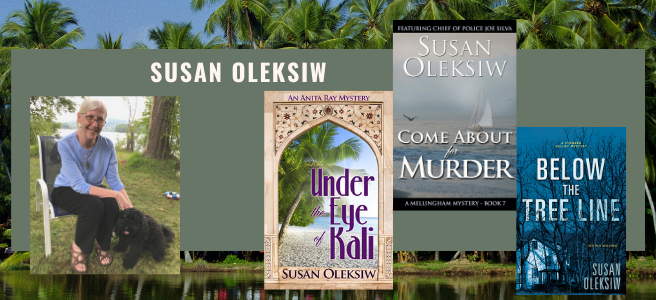
I began the Anita Ray series in 2010 with Under the Eye of Kali. Anita Ray now appears in five books and numerous short stories, and I’m currently working on book number six. In book five, In Sita’s Shadow, Anita is pulled into investigating a group of tourists who don’t seem to care about each other though they are traveling together and know each other from earlier encounters.

After living in India in the 1970s and again in the 1980s, and making numerous short trips since then, I’ve learned that nothing really stays the same in that country. Change is a constant, and at each return I’ve been surprised, intrigued, delighted, and confused by some of the changes. To help me think through the story line in a new short story or novel, I reread notes and spend a lot of time with my photographs. Some of them are leading to a new story that is still in the “idea” stage, based on an annual ritual.

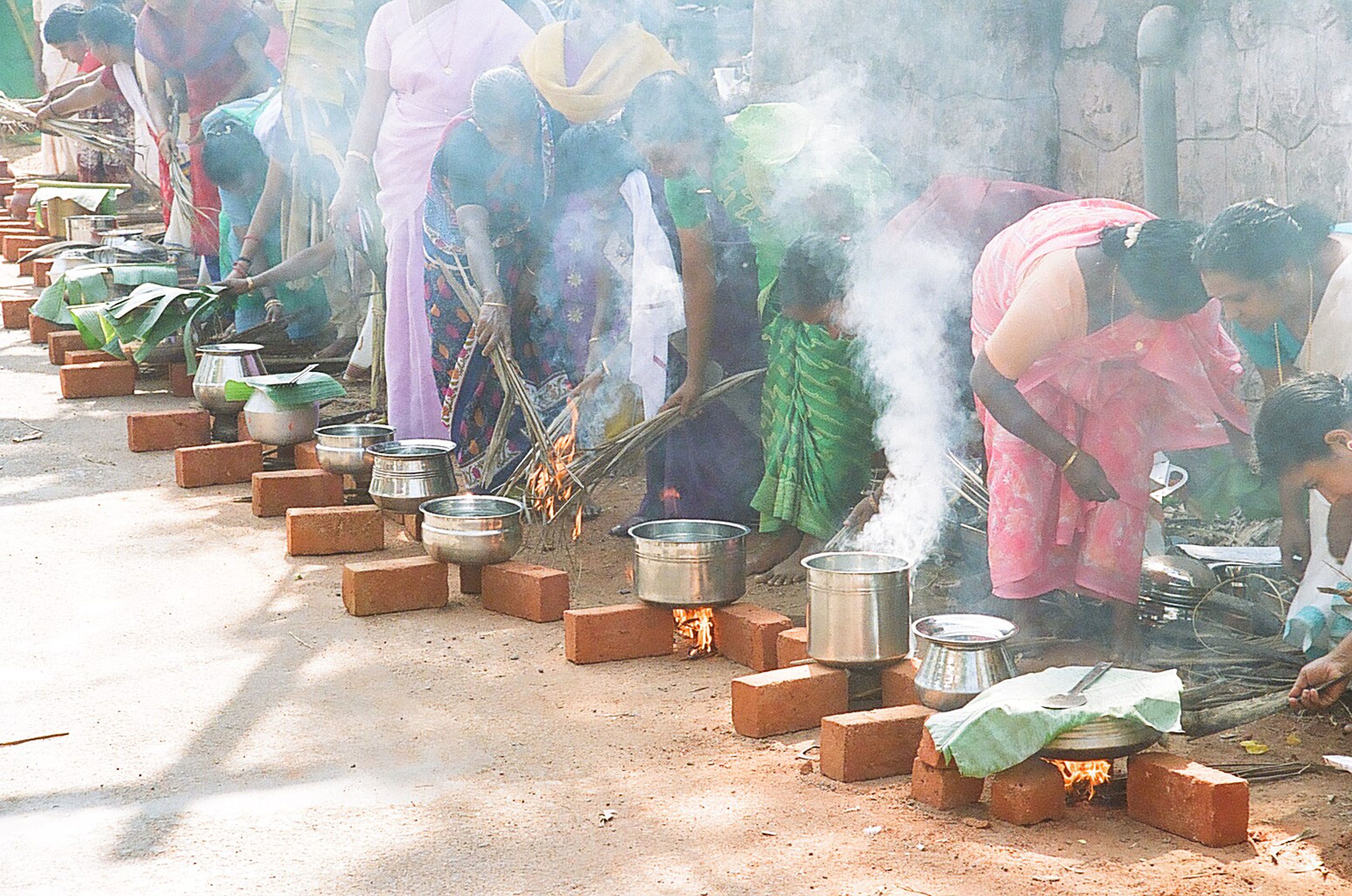
Attukal Pongala, a ten-day religious festival, is held every year in Kerala, South India, drawing up to three million women for the ninth-day Pongala event. This is the largest gathering of women in the world, and they come from all over Kerala (and beyond). The state provides extra trains and busses to bring women devotees to the city. The movie theaters remain open all night, people open their courtyards to visiting devotees, and free tea is available in the morning. 

At a precise time, dictated by the stars, a fire is lit and the flame is passed along to assisting priests who spread throughout the city to start the three million fires. The women cook a porridge of rice, jaggery, coconut, and banana as an offering to the deity of the Attukal Bhagavati Temple throughout the morning. Free lunch buffets of rice and vegetables are set up throughout the city, provided by men, who may be associated with a temple, a place of business, a family, or a fraternal group. 

At the dictated time, in early afternoon, other priests spread throughout the city blessing each cooking pot and its porridge. Once this is done, the ritual is over for that participant, and the women pack up and head for home, hurrying to catch the bus or train. The city cleans up, collecting the bricks used for the hearth, and sweeping up the debris.

One of the features of this event that I only discovered by accident got me thinking about my new story. As a very visible foreigner wandering around the festival taking pictures and occasionally chatting with the women, people were eager to explain things to me or show me something. In one of these encounters a woman who spoke perfect English pointed out a side street with no cooking fires. This was curious, and I walked along with her until we arrived at a small bungalow with a car port. Inside the car port sat perhaps two dozen men and women scowling or looking bored. The woman explained that they were pickpockets and other petty thieves who were corralled for the duration of the festival, so the devotees could cook in peace and safety.

When I reviewed my photographs months later I noticed a couple with a small group of men and women seated in front of a closed shop with no cooking sites in front of them. A few men stood nearby. I’ve wondered if this is another group temporarily detained during the festival. As you can guess, the ideas for a story began to percolate and I’m now at the stage of working out the details before I begin writing. 

The Pongala festival is unique, and open to everyone. When the pot boils over (pongala), it signals abundance in the offering to Bhagavati, and the deity is pleased, suggesting good health and good life for the family in the coming year. This year’s Pongala will be held on February 25, 2024.

For the Anita Ray series, go here: https://www.amazon.com/dp/B09HR76ZKP?binding=paperback&searchxofy=true&ref_=dbs_s_bs_series_rwt_tpbk&qid=1708783919&sr=1-10

To sign up for my quarterly newsletter, go here: https://www.susanoleksiw.com/newsletter.htm

Facebook: https://www.facebook.com/susan.oleksiw.author/

Twitter: @susanoleksiw

https://www.instagram.com/susan_oleksiw

Pinterest: https://www.pinterest.com/susanoleksiw/

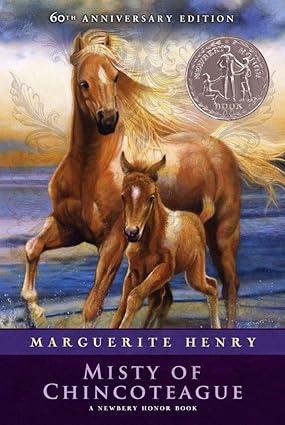
Where Reading Leads: Misty of Chincoteague and Me

I ask you to come along on a tale.

I first read Misty of Chincoteague when I was eight, which led me to consume Marguerite Henry’s books like a box of chocolates, one rich tale after another. Misty of Chincoteague; Stormy, Misty’s Foal; Sea Star; Misty’s Twilight. I moved right on like a vampire sucking the good bits out of each book. My older sister begged for horseback riding lessons, which later defined her life. We had plastic ponies. We were goners.

Of course, as my taste became more sophisticated, I moved on, my plastic pony forgotten on a shelf. I admit that my Skipper doll used it as a prop for a time. Fast forward, oh, say, thirty years.

I am in charge of a handscoring center in Maryland that employs 400 Maryland teachers and 50 staff from my company in California. We have two months to score multiple grades of student writing samples for all students in those grades. Each sample must be scored twice holistically, then analytically by multiple teams of scorers. I won’t go into further detail. Just know it was a colossal task.

Fast forward again. My second in command and I hadn’t had a break in weeks. We made it to our rented townhouse in Randallstown every night around eleven, drank wine, ate bread and butter pickles, cheese and crackers, and topped “dinner” off with ice cream. At six a.m., we drank coffee and then headed to Baltimore and the rented building that housed the scoring center.

After weeks of this, we had nothing to do one Sunday. On a lark, we went to the Double T Diner on Route 40, where ‘Diner’ was filmed. Over a Greek omelet, my coworker looks up at me, I at her, and our voices overlapping, as in what goes up a chimney, we both say, “Misty.”

We finished our omelets, got in our rental car and headed south for Assateague Island. No more thought. Well, we wondered why the bridge from Annapolis to the Eastern Shore was so crowded with cars going west. And once, as we turned onto a county two-lane, we saw a flashing sign. Something about a hurricane warning. A warning, nothing more.

The draw of Misty was such that we kept going, and going, until we crossed the bridge to the barrier island of Assateague. A 37-mile-long strip of land between Virginia and the Atlantic Ocean and home to Chincoteague ponies. The gates to the park were wide, and the booth unmanned. We did see signs explaining that the ponies were shy, and visitors often went home without sighting one.

Not us. Ponies were everywhere up the spine of the island. One was raiding a camper’s tent. Others stood in groups, foals between them, their backs to a growing wind. We tumbled out of the car in awe. Two well into their thirty-year-olds suddenly eight again, our mouths agape as illustrations from the books flashed by.

A park ranger pulled up next to us in his truck, and like eight-year-olds, we explained we were just looking. He shrugged, looked at his watch, and said, “The hurricane is due to make landfall in two hours. The park is closing. It looks like a bad one.”

The sky was slate. The wind whistled, clouds churned and boiled. It hit us then that we weren’t lucky to see the ponies; they sought high ground!

We got in the car, our hearts full of Misty, and drove like Hurricane Bob was on our tail. We took secondary roads, breaking into a long line of families evacuating, everything they cared about strapped to the top of their cars. It took hours, the wind increasing, the sky purple and dusk growing.

We crossed to Annapolis in a phalanx of cars, horns honking, a sight not unlike any disaster movie. We made US 97 north amid falling trees, downed power lines, and rain like none we had ever seen. It hit the earth and bounced five feet back into the air, drenching everything on the way down and back up. Leaves torn off trees, their stems intact, got stuck in our windshield wipers. We detoured around downed trees and wires until we made Randallstown. Soaked through to our very selves, we clambered into the townhouse, laughing.

A half-gallon of rocky road ice cream with chocolate syrup later, we were still laughing at the Thelma and Louis of it all and those ponies! Oh, my!

And that, my friends, is where the evil of reading can lead you. To joy, adventure, and beyond!

Merging Fact With Fiction by Karen Shughart

I’ve been a contributing blogger for Ladies of Mystery for roughly five years, and initially, at the beginning of each year, I made a list of the topics I wanted to write about for each month. But a year or two ago I decided to be a bit more flexible and instead of sticking to the script, so to speak, to write about what motivated me at the time.

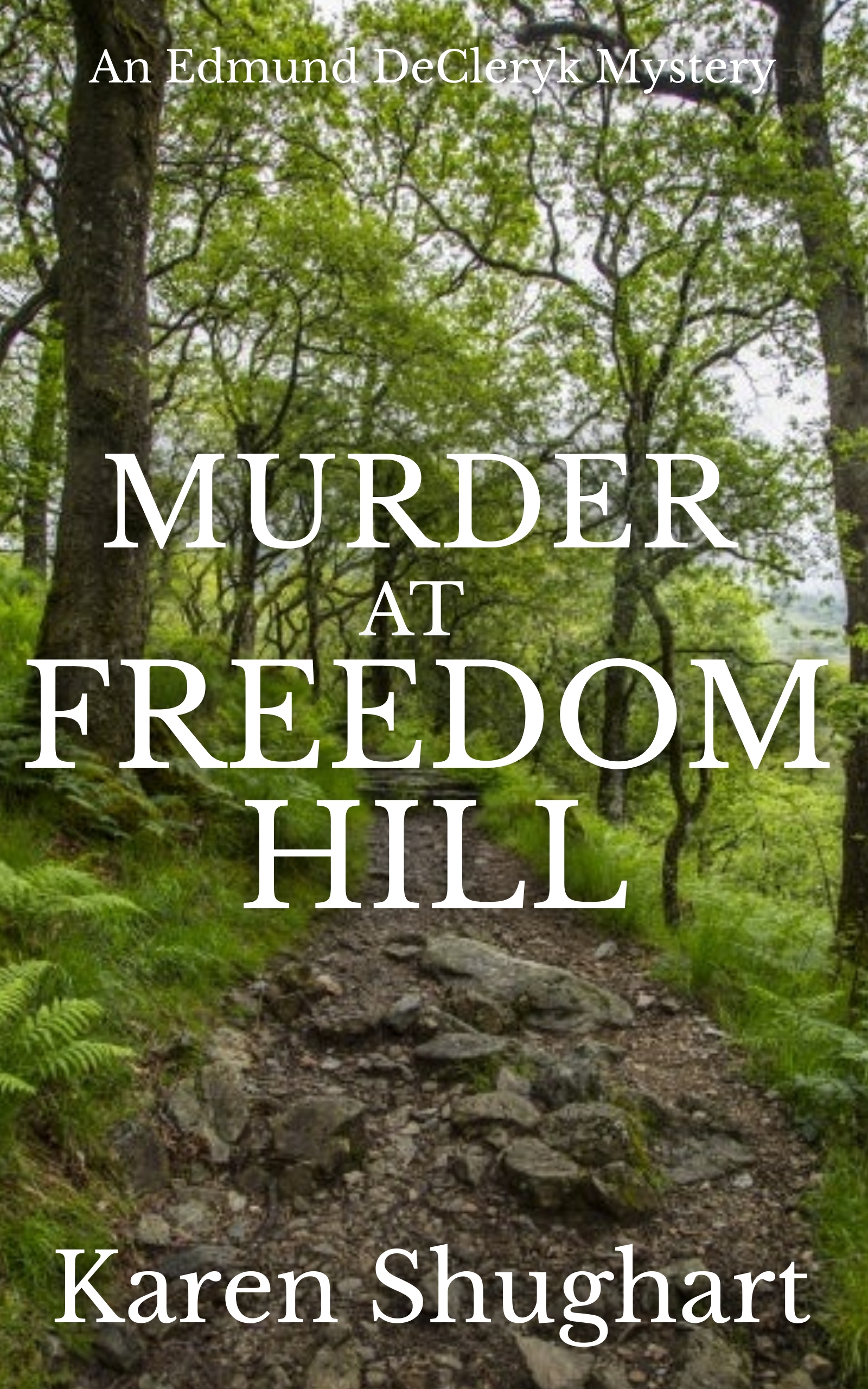
When I began to think about what to write for this month’s blog, at first I came up with a blank–some months are easier than others–and after that I considered writing something about Valentine’s Day or Presidents’ Day. Somehow neither felt right, and I couldn’t think of anything original to say about the topics. Then I decided that because February is also Black History Month I’d write about the third book in my Edmund DeCleryk cozy mystery series, Murder at Freedom Hill, which is about the murder of the beloved, biracial mayor of the fictional village of Lighthouse Cove, NY, whose body is found on the path leading to the beach at a historical site called Freedom Hill on the south shore of Lake Ontario

Freedom Hill is a real historic site a short drive from our house where before and during the Civil War, through an intricate, dynamic and well-developed Underground Railroad system, escaping slaves fled down a path to boats that would transport them across the lake to freedom in Canada. At that same time Maxwell Settlement, upon which the fictional Macyville in the book is loosely based, was a thriving community of freed people of color who worked along side abolitionists to help those slaves escape.

In the book, when criminal consultant, Ed, is hired to investigate the mayor’s murder he wonders if the crime might be racially motivated and related to an exhibit the mayor had been working on with Ed’s wife, Annie, head of the local historical society and museum. The exhibit’s focus is on Macyville and the mayor’s ancestors, both Black and White, who lived there, but a critical piece of information the mayor had promised to provide is missing.

The historical society, with help from the mayor, has also obtained a grant from the National Trust for Historic Preservation to restore Macyville, which had fallen into disrepair after its residents left for better opportunities after the Civil War, and a fire destroyed it in the 1920s (the real settlement remains in ruins, but there’s a historic marker designating the site). Annie is working with contractors to assure the project will be completed in time for July 4th weekend festivities, but she suspects that someone is trying to stop it from moving forward. Is the mayor’s death related, or is something else afoot?

I enjoyed doing the research for this book and merging fact with fiction- as I do with all the books in my series- but for some reason this particular period of history has always fascinated me. It was gratifying to learn how so many of our residents played a critical role in helping to shelter fleeing slaves from capture before transporting them to freedom.

Karen Shughart is the author of the Edmund DeCleryk cozy mystery series, published by Cozy Cat Press, including the award-winning book three, Murder at Freedom Hill.  All books are available in Kindle, Kindle Unlimited, paperback, and Audible. She is a member of CWA ( Crime Writers Association of the UK-North America Chapter) and F.L.A.R.E ( Finger Lakes Authors and Readers Experience).