Foreshadowing

I read a lot about craft issues—writing the perfect opening sentence, creating a cliff-hanger ending to a chapter, character description that reveals something more than height and taste in clothes, and the like. One area I’m working on now is foreshadowing. 

When I begin a story I rarely know exactly where the characters are going, but I follow them faithfully through the mine fields of their lives until I reach what seems to be the end. It isn’t until I’m working on the third or fourth draft that I realize instead of foreshadowing an approaching development I’ve anticipated it in a truncated scene. 

There’s a big difference between foreshadowing and getting ahead of myself, revealing too much too soon. In foreshadowing properly done, the reader doesn’t know what’s going to happen, only that something will. A character joking about her horoscope on the train into work is a hint that the unexpected is on the horizon, but her report of what the horoscope promised would be getting ahead of the story.

Foreshadowing is a device for increasing or maintaining tension, directing the reader’s attention to a particular issue or relationship, for example, hinting at where danger lies. Anticipating too much too soon or too clearly does the opposite of creating tension; it undermines the climax or twist to come. It takes the air out of the balloon.

This would seem to be an easy technique to master but in my first drafts I often slide right past what I’ve done. It’s not until a much later draft that I notice that I’ve told the reader almost exactly what’s coming, and to make the narrative work effectively I have to cut that part and rewrite. The danger, of course, is that I’ll miss it and be shocked when a Beta reader finds it. (Love my beta readers.)

Someone who has published ten mysteries with three publishers and a few self-published also could be assumed to know all the basic techniques of crafting a novel, but that would be naive. I always find something more to learn. Right now I’m focused on foreshadowing, but next month I could be focusing on dialogue. In some stories the characters emerge clearly in dialogue and I don’t doubt what I’ve written. In others I can’t seem to get them to say a single line that isn’t forced or awkward. But that’s another problem for another post. 

Five More Things

It never fails. The draft is finished, time to read it, fill in a few blanks, do a little editing, in hopes you have written an exciting, interesting, charming, slam-bang mystery or thriller. Then —

The same %$%&* word … or the word of the day.

It is amazing how one word that fits a sentence and conveys the perfect image can take up residence in your brain then appear in your text time after time. A breeze can blush, blow, whoosh, loft, so why is it always soughing. The only known cure is a Thesaurus and patiently finding just the right word to replace the word of the day.

.

Saying what the paragraph is about, then describing it. It is a habit of mine in early drafts (a bad one) to begin a paragraph with a sentence that tells me what comes next, especially at the end of a writing day. All too often that reminder sentence is still in the final draft.

As in: Cora stepped off the boardwalk and noticed the change in her hometown, followed by —

Men in homespun shirts, pants, vests, and floppy flat caps descended the boardwalk stairs two at a time, scurrying across the street mid-block. They stood in groups chattering away, leaving little room for women to pass. Admiring those women who were young and prettily dressed. *

.

What size is it? Big, small, large, medium … far, near. The park was large. Well, in truth it is a 1/2 mile by 1/4 mile wide, with a five-acre pond in the middle. It is so easy to drop big, small, short, tall in as you write, when you could create a picture for readers —

Kanady brushed Cora aside, looming over Mrs. Gibson, his intent to dwarf her clear this time, he asked, “An’, ma’am, what name do you claim fo’ yourself? You who would swindle a whol’ town at $10.00 a barrel.”  *

Enough or too much description, especially clothes and the contents of rooms

In the late 1800s, women’s wear defined class, age, marital status, while men, as men do, wore the same darn thing every day. The variants being whether or not they had their coat on, their vest off, or didn’t bother with a shirt, opting to walk around with the top of their union shirt showing, vested or unvested.

Cora fanned herself with a folded sheet from the day’s newspaper, her bare feet resting on a chair in the kitchen. Her plain gray muslin smock and hair were thick with flour from baking the loaves of bread needed for the reception and the week. *

Clothes define character and set a scene, but when do they interfere with the read? If I start skimming a book, I assume I’ve gone overboard and begin trimming. But I worry that my tolerance is high having made a modest living designing dresses for a very short time. I guess that’s what beta readers are for.

Now and just …

When an author uses now as in now, he turned, it jars me out of the past-tense narrative, as though this particular action is happening right now and the next has occurred. But because it bothers me, I avoid doing it. As a word now is easy to overuse and can be a lazy habit in both narrative and dialogue. Not that now doesn’t have its place, as in:

He is now interested in flies, seeking to discover what local flies come and when on bodies left out in the weather.

“Just now, I was on my way to The Courier when I saw Cora run into the fray. What was I to do, let the horsemen and their horses trample her?”

The same for just and I’m as guilty as can be of overusing it. I work hard to get it out of my text. Like now, it has a place, just not all over the place

The collarless dress with no ruffles or lace had a slight bustle in the back, just clean straight Methodist Sunday-go-to-the-meeting-house lines. *

And that’s five

Another five things may crop up, but until they do, this ends my current gripes with my writing.

* All quotes are from, A Convergence of Enemies, the second book in my Wanee series, currently in search of an ending that makes the author happy.

Suggestion: If you are in the mood to dive into a Vietnam Era based family saga, try the Cooper Vietnam Era Quartet: Dead Legend, Head First, Pay Back, and Don’t Tell, available on Amazon. If you are a fan of wartime stories and sweeping family sagas, this wide-ranging epic delivers a heady mix of intrigue and history that will keep you on the edge of your seat.

WHEN AGING IS A CRIME? by J.L. Greger

The sale of anti-aging products in the U.S. is estimated to about $12 billion annually. The worldwide market may be four times at large. Not surprisingly, mislabeling and false claims for these products are rampant.

Although there is no doubt that injections of BOTOX and other botulinum products are effective in reducing the signs of aging (i.e. reducing crow’s feet around the eyes, laugh lines, and wrinkles on the brow), many doubt the wisdom of—but not the profits from—BOTOX parties. At these events, women receive injections of botulinum toxin at multiple sites in a party environment in someone’s home with plenty of food and alcohol. Nevada has now banned these at-home parties. Many states require that injections at these parties be made by a physician or nurse. However, basic safety requirements are more difficult to maintain at these parties than in a clinic.

In the U.S., the FDA is the chief agency monitoring the safety of cosmetic products and assessing the veracity of the claims. Many Americans don’t realize FDA can not only fine but also incarcerate manufacturers and spa/store owners that knowingly produce, advertise and sell dangerous or mislabeled items.

I like to describe the situation in the cosmetic industry this way: those who try to make the public believe it is a crime to look old are sometimes committing crimes. That’s a basic premise in my new mystery.

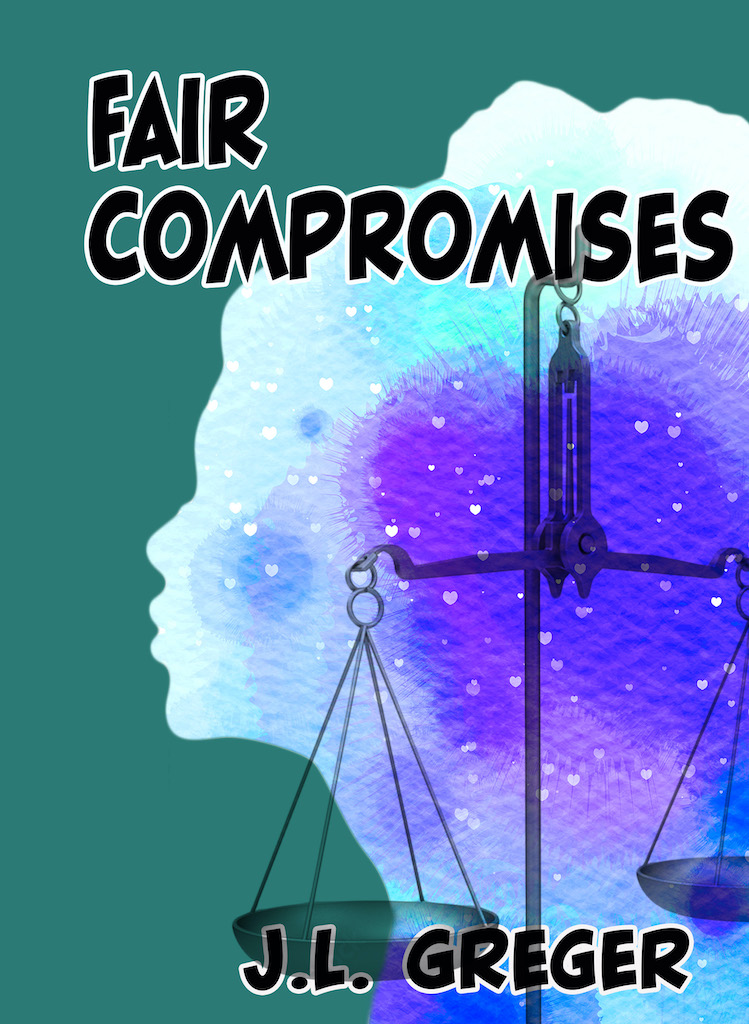
In FAIR COMPROMISES, twenty residents in New Mexico come into clinics and doctors’ offices complaining of double or blurred vision, sagging eyelids, and headaches the day after a political rally. Public health workers quickly hypothesize the cause was botulism toxin in improperly home canned food served at the rally. Unfortunately, one individual’s symptoms are much more severe. If her muscle paralysis continues unchecked, she will die. New Mexico health officials contact the FBI because that patient is a candidate for the U.S. Senate and they fear she may have been targeted.

The mystery turns from being the analysis of a severe food safety breach to the investigation of a diabolical murder attempt using “cosmetic” botulism toxin when scientist Sara Almquist with the help of a talented FBI lab crew discover a more sinister source of the toxin at a health and beauty spa in Santa Fe. FDA officials then help the FBI solve this case and seek justice for the victims.

FAIR COMPROMISES has message: It’s not a crime to show your age and the relentless search for youthful beauty can be dangerous.

Now you’re ready for some fun. Read FAIR COMPROMISES and see what happens to a politician who tried too hard to look young.

Fair Compromises

In FAIR COMPROMISES, Sara Almquist and her FBI colleagues rush to find who endangered the lives of a hundreds at a political rally by poisoning the food with botulism toxin. The poisoners’ target was a woman candidate for the U.S. Senate; the rest were just collateral damage. As these agents track clues from a veterans’ hall in Clovis to health spas of Santa Fe, they must make a multitude of personal and professional (perhaps too many) compromises.

https://www.amazon.com/Fair-Compromises-Science-Traveler-Greger/dp/1735421421

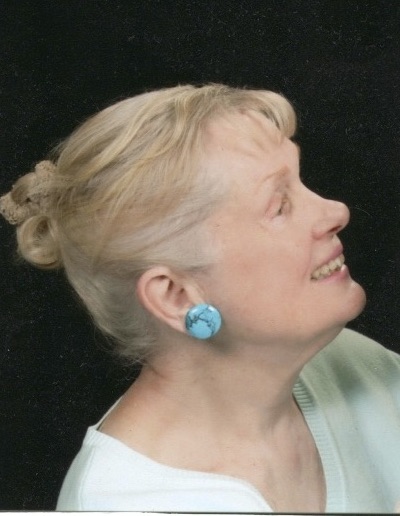
J.L. Greger is a scientist turned novelist. She includes science and international travel in her award-winning mysteries and thrillers: The Flu Is Coming, Games for Couples; Dirty Holy Water, Fair Compromises, and seven others. https://www.jlgreger.com

Guest Blogger ~ Dianne Freeman

An Inspirational Feud

My Countess of Harleigh series takes place among the aristocracy of late Victorian London. That era and group of people provide an endless supply of situations on which to hang a murder mystery. The inspiration for my latest book was an unusual feud between two millionaires of the Gilded Age—John MacKay and Charles Bonynge.

The men had quite a bit in common. John MacKay came to the US from Ireland. In 1851, at the age of twenty, he made his way to California where he worked as a miner for eight years. Tired of mining, he began a mine-servicing business. As mining expanded, his business boomed. He continued to maintain ownership in a few mines as he was sure there was more silver to be found. He was right. One of his mines hit the Big Bonanza, the greatest mining strike in the history of the American West, and made him a millionaire many times over. He and his wife relocated to San Francisco.

Meanwhile, Charles Bonynge immigrated to the US and headed west. He worked in San Francisco in a livery stable while speculating on the stock market. In the 1860s he too moved to Nevada, where he worked in the mines and traded in mining shares. After a while, he quit mining to set himself up as a stockbroker and met with great success. Bonynge, along with his wife and step daughter, moved to San Francisco, where Mackay became one of his clients.

Bonynge and MacKay had a business relationship that appeared to be cordial and lasted for several years. Then Bonynge retired, but not before he made some public comments about MacKay’s unethical business practices.

So began the feud.

Both families had homes in London and they all showed up for the social season of 1886. On the same day, Mrs. MacKay and the Bonynge family were meant to be presented to Queen Victoria at one of her Drawing Room afternoons. Unfortunately for Mrs. Bonynge, a newspaper ran a story revealing that she had been divorced, which made her ineligible to meet the queen. Mr. Bonynge and their daughter attended without her. Only the MacKays could have provided that tidbit to the papers. If this was the opening salvo in the feud, they were happy to fire back. They revealed to a reporter that when MacKay met his wife, Louise, she was working as a washer woman in mining camp.

Despite their wealth and class, the feud, which carried on for four years, was every bit as dirty as the Hatfields and McCoys and far more public. Enough so, that I had to wonder what would happen if one of these men was murdered? Wouldn’t the police immediately suspect the other party in the feud? And if someone else wanted to murder one of these men, what better time than when he was involved in an openly hostile feud with someone else? It was the perfect time. And that’s where A Bride’s Guide to Marriage and Murder begins.

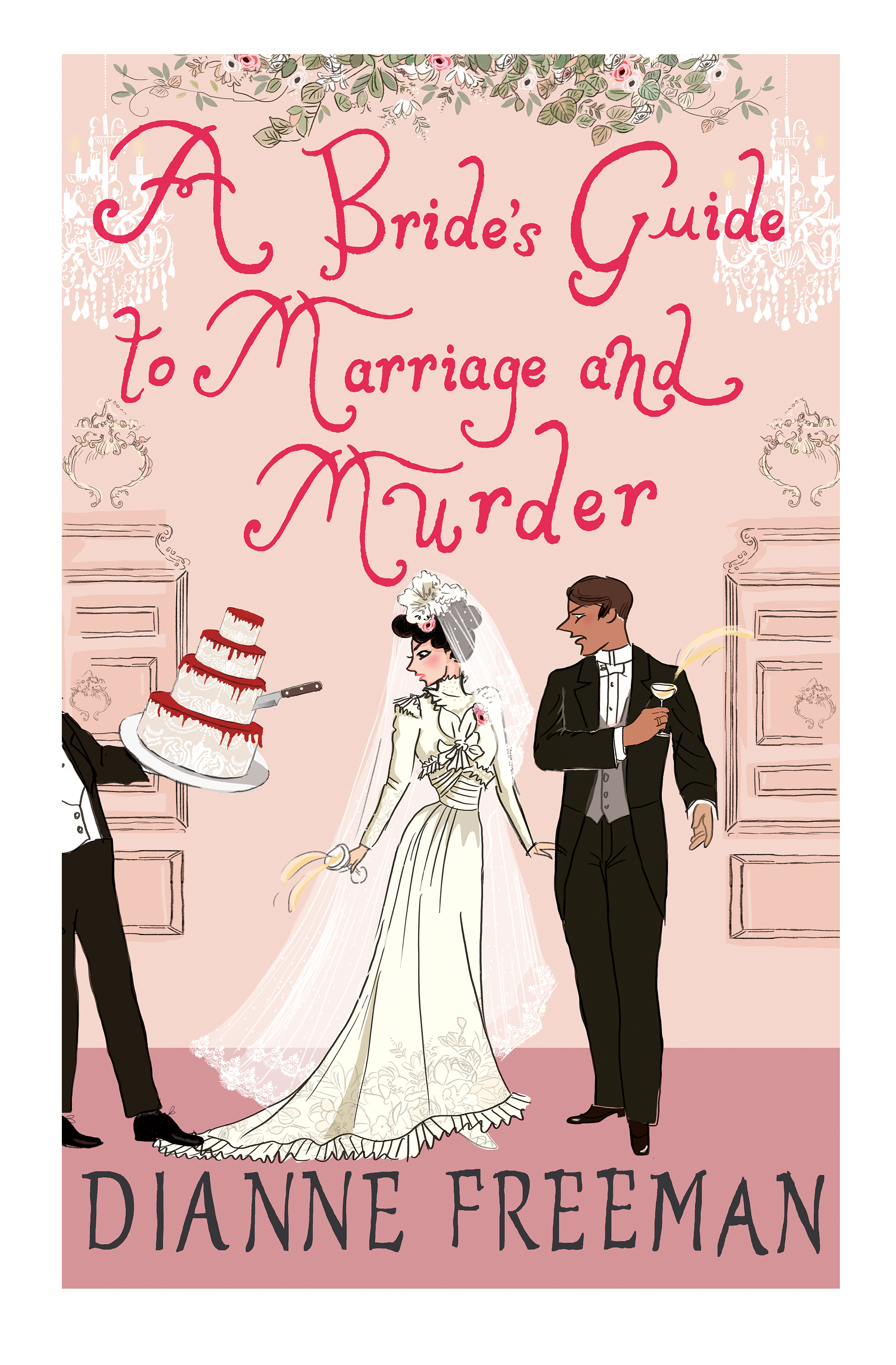
A BRIDE’S GUIDE TO MARRIAGE AND MURDER

On the eve of her marriage to George Hazelton, Frances has a great deal more on her mind than flowers and seating arrangements. The Connors and the Bainbridges, two families of American robber barons, have taken up residence in London, and their bitter rivalry is spilling over into the highest social circles. At the request of her brother, Alonzo, who is quite taken with Miss Madeline Connor, Frances has invited the Connor family to her wedding. Meanwhile, Frances’s mother has invited Mr. Bainbridge, and Frances fears the wedding may end up being newspaper-worthy for all the wrong reasons.

On the day itself, Frances is relieved to note that Madeline’s father is not among the guests assembled at the church. The reason for his absence, however, turns out to be most unfortunate: Mr. Connor is found murdered in his home. More shocking still, Alonzo is caught at the scene, holding the murder weapon.

Powerful and ruthless, Connor appears to have amassed a wealth of enemies alongside his fortune. Frances and George agree to put their wedding trip on hold to try and clear Alonzo’s name. But there are secrets to sift through, not just in the Bainbridge and Connor families, but also in their own. And with a killer determined to evade discovery at any cost—even if it means taking another life—Frances’s first days as a newlywed will be perilous indeed.

You can find links to all Dianne’s books here: Dianne Freeman | Historical Mystery Writer (difreeman.com)

Goodreads: Dianne Freeman (Author of A Lady’s Guide to Etiquette and Murder) | Goodreads

Dianne Freeman is the acclaimed author of the Countess of Harleigh Mystery series. She is an Agatha Award and Lefty Award winner, as well as a finalist for the prestigious Mary Higgins Clark Award and the Sue Feder Historical Mystery Award. After thirty years of working in corporate accounting and finance, she now writes full-time. Born and raised in Michigan, she and her husband split their time between Michigan and Arizona. Visit her at www.DiFreeman.com.

Social media links:

Facebook: (13) Dianne Freeman Author | Facebook

Twitter:  Dianne Freeman (@Difreeman001) / Twitter Instagram: Dianne Freeman (@diannefreemanwrites) • Instagram photos and videos

Explaining Why


Sometimes we get questions about why we are the way we are, and as writers, we often need to think long and hard about the answer.

I recently told my sister that after several weeks of attending conferences and having relatives visit, I was feeling desperate to get out in nature. She asked, “What do you like so much about nature?”

Frankly, at first the question confounded me. How could it not be obvious that the natural world is absolutely fascinating and rewarding? There’s a reason I write mysteries with wilderness settings. But after thinking about it, I decided that the question really deserved an answer from me. So here are my personal thoughts on the subject.

For me, nature has always been magical. The world is so much bigger and grander than human civilization, and we know so little about the plants and other creatures we share our planet with. Even plants have superpowers; they can absorb sunshine and water and soil to create their own food before they become food for us. Mosses and lichen and fungi inhabit mysterious and extensive ecosystems. Scallops and snails use their bodies to synthesize shells from the elements in which they live. Birds and many insects can leap into the air and fly. Bats can not only wing their way through the sky but find food through echolocation.

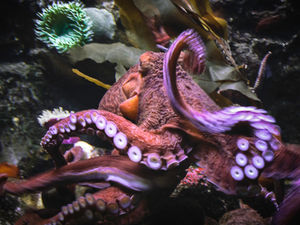
As a scuba diver, I’ve watched an octopus hunt along a reef at night, squeezing its boneless body through tiny holes and narrow crevices, changing its colors and skin patterns as it explores. I’ve hung motionless in seawater among a school of big-eyed squid for long moments before they jetted away at warp speed. I’ve peered through the bodies of jellyfish—how can a creature that we can see through be alive? And like so many of my diving compatriots, I’ve spent hours searching through books and websites trying to identify some otherworldly organism that I observed on the ocean floor.

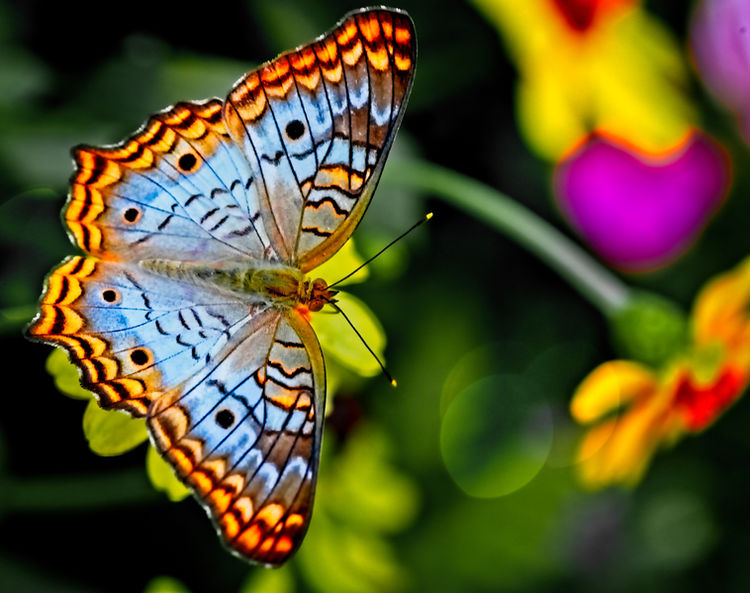
Many creatures are shape-shifters. They spend their lives in several different forms. How amazing it is that a caterpillar and a butterfly are the same animal! Some fish appear completely different as juveniles than they do as adults. Larval forms of most sea creatures look nothing like their final shapes.

Some creatures can change genders. Others have no gender but simply clone themselves to perpetuate their species. Wouldn’t that ability change our lives if humans possessed it?

Watching an elephant pick up a small nut with its trunk makes me wonder if dinosaurs had the same dexterity. Observing porpoises and whales always causes me to contemplate whether it’s a blessing or a curse to be an air-breathing creature that lives in water.

Even meteorological forces are captivating. How can anyone not be impressed by the crystalline formations of snowflakes and frost? By the ferocious forces of lightning and tornados? I’ve enjoyed meteor showers so dense and bright and seemingly close that I expected to hear the impacts of the streaking objects as they hit the earth. My brief and limited experience seeing the aurora borealis nearly brought me to tears; visiting a place where I can witness its full majesty is definitely on my bucket list.

Perhaps, as Geoffrey Chaucer wrote, familiarity breeds contempt, but it has always seemed to me that, when compared to the natural world, humankind is limited and repetitious and self-centered. After all, humans are only one species. We are forced to invent supernatural beings and imaginary powers, when they abound in nature all around us. The natural world promises an infinite variety of species and experiences. How can anyone not be awed by that?