
The Immortality of a Cat by Heather Haven

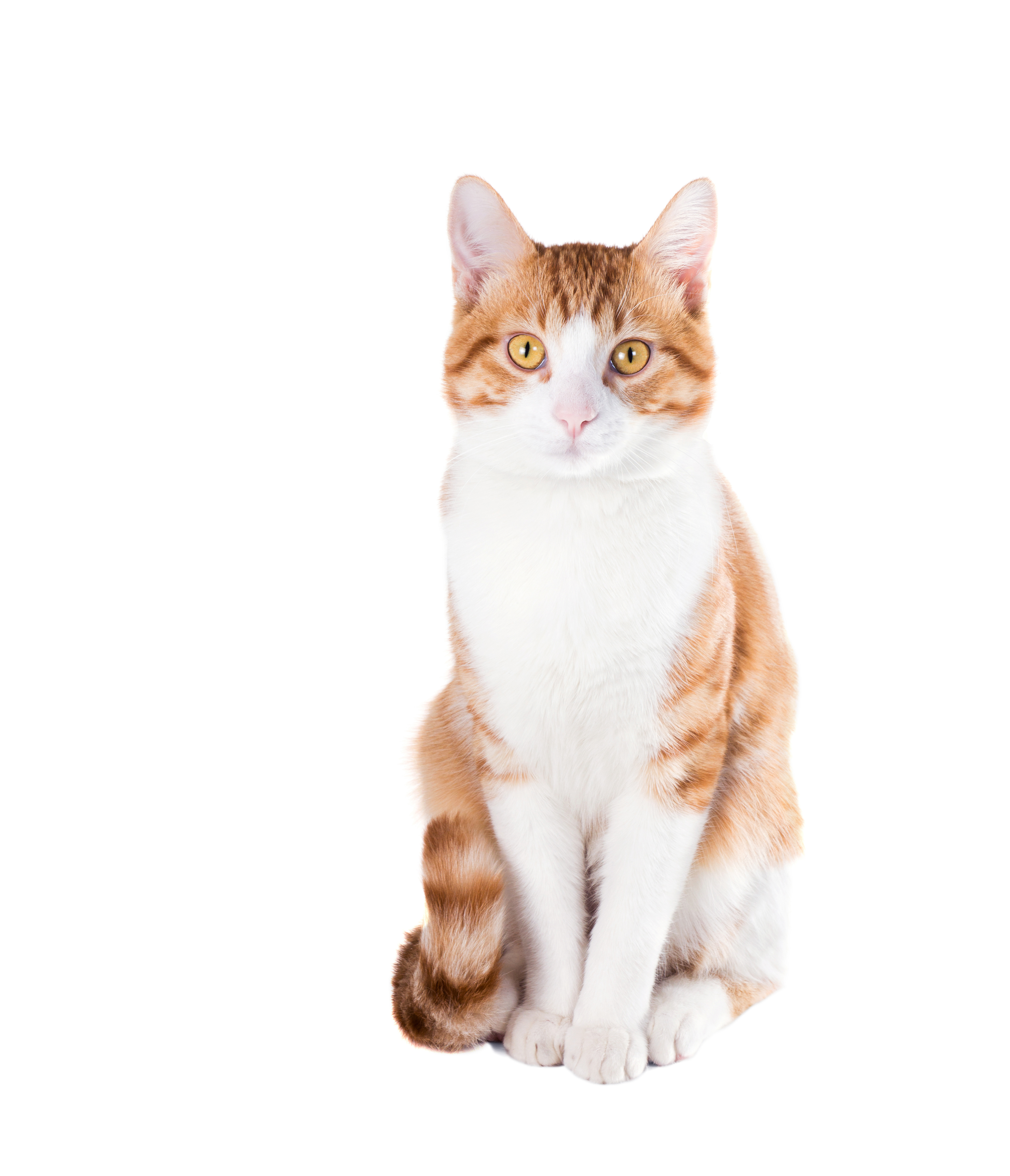
Tugger, the real cat

Years ago, when I began writing the Alvarez Family Murder Mysteries, I knew I wanted to include my cat, Rum Tum Tugger, because I adored him so. At the time, I didn’t know about the plethora of cat mysteries out there. But, of course, when I started writing back in the early 90s, there may not have been so many. Nonetheless, I can’t believe how stupid or unread I was. But at the time, I was only familiar with Lillian Jackson Braun’s cat series, The Cat Who…. Lillian Jackson Braun wrote about two Siamese cats owned (if anyone can own a cat) by a middle-aged, burly ex-reporter of the male persuasion. I never for one minute thought a cat being in a mystery series was a common thing. As I say, stupid! In a way, I’m glad I didn’t know there were so many mystery books with cats. I might not have included Tugger (and now Baba, as well) in the stories and I think they add a lot.

Several screenwriters I know have mentioned that when they write an anti-hero kind of story, they have to make sure the anti-hero Saves The Cat. Danny Glover and Mel Gibson did just that in their first Lethal Weapon movie, where they pulled a cat out of building right before it was blown to smithereens. If you think about it, it’s done all the time. It’s even talked about in an article written by the Coen Brother’s character, Llewyn Davis, in the Guardian, if you care to read it. As he says, once you recognize the formula, you see it everywhere, from Sigourney Weaver in Alien to Marlon Brando in the opening scene of The Godfather.
Tugger on the book covers

But that’s not why I did it. I wanted to have fun with my own cat, Tugger. I wanted to have him be a part of my writing experience. Now that he’s gone, having him in the stories even means more to me. For a few brief moments he’s alive again, running, jumping and leaping, getting into all sort of mischief, and being just as loved. For a short time, I can almost hear him purr and smell his powder-puff fur (he was the most fastidious and cleanest cat I ever met). People ask me if I will ever stop writing the Alvarez Family Murder Mysteries. The answer is a resounding no, if for no other reason than Tugger is alive again, if only in my mind and heart.
Alter Egos and Alternate Lives

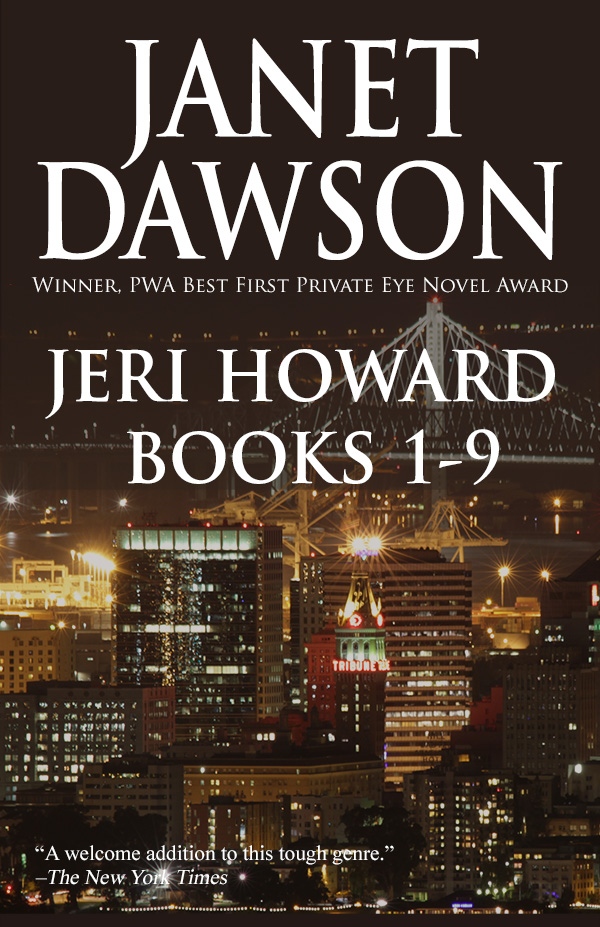
Oakland private eye Jeri Howard has now sleuthed her way through 14 (almost!) books. When I started writing the series, a friend often referred to Jeri as me. I would correct her, saying Jeri is a fictional character.

Jeri is taller, fitter, and more likely than me to put herself in harm’s way, all in service of solving the mystery and finding justice. She’s not aging at the same pace that I am. It’s been 32 years since the first book, Kindred Crimes, was published. Jeri is still in her thirties. As for my age—well, never mind.

Truth be told, there’s a lot of me in Jeri. I like her stick-to-it attitude when she’s digging into a case, determined to see it out. While that determination doesn’t seem to work when it comes to decluttering my condo, it did regarding my plan, hatched in junior high school, to become a published writer. And ongoing plans to keep publishing.

Jill McLeod, my crime-solving Zephyrette, was born in the late 1920s and is working on the train known as the California Zephyr in the early 1950s. As readers learn in Death Rides the Zephyr, Jill majored in history at the University of California in Berkeley. She was planning to get married and teach school, but those plans were derailed when her fiancé was killed in Korea. Instead, she rides the rails.

Jill remembers World War II and the Korean War is still in the headlines. My knowledge of WWII and Korea comes from books and research, but I was alive during the Vietnam Era. These days I travel by plane, but as I did research for the Jill books, I became a rail fan. I enjoy train travel, though Amtrak bears small resemblance to the California Zephyr of Jill’s era. Jill and I do share curiosity about the world around us and a desire to get to the bottom of things.

Kay Dexter is the protagonist of The Sacrificial Daughter. She’s a geriatric care manager in a fictional city in Northern California. Alter ego or alternate life? Maybe. I don’t live in that town or work as a professional care manager, but in the past twenty years, I’ve experienced some of the things that Kay sees. I’ve helped with aging parents and observed a lot with aging relatives and friends. I have plenty of stories.

In my novella, But Not Forgotten, semi-retired reporter Maggie Constable attends her 50th high school reunion, where she sees a poster listing the names of deceased classmates, as well as the dates and causes of their deaths. Her best friend Fern is on that list, but with a question mark next to her name. Fern disappeared after graduation and Maggie is determined to find out what happened to her friend.

I saw a similar sign at my own high school reunion and asked myself, “what if?” Maggie and I both went to journalism school at the University of Colorado and both worked at small town newspapers in Colorado after graduation. However, I joined the Navy as a journalist. Maggie moved to California and worked for the San Francisco Chronicle in the 1970s. In fact, she puts in an appearance in the Jeri Howard novel I’m working on, The Things We Keep, and tells Jeri, “I started working for the Chron in 1974, just in time for the whole Patty Hearst circus.”

Two roads diverged, as Robert Frost wrote in The Road Not Taken.

Perhaps Maggie is me in an alternate life. I took one road and she took another. Stay tuned! Maggie will appear in future projects.