


I have a writer friend who has never used a critique partner or any beta reader other than her husband. She’s done quite well that way, but not all of us could. Whether you’re a writer who hasn’t worked with a partner, or one who has tried the process but not yet found your critiquing soulmates, I hope you’ll enjoy reading about how it works when it goes well. Each member of my main critique team* takes a turn in this post. Although they talk about me more than they mention each other, it’s not because I’m more important in this trio; it’s because I’ve been working with each of them for years, while their partnership is more recent.
Amber
Before I published my first book, I joined an online critique group. I learned much from group members who came and went, but Jordaina Sydney Robinson and I have carried on long after our formal group chose to dissolve.
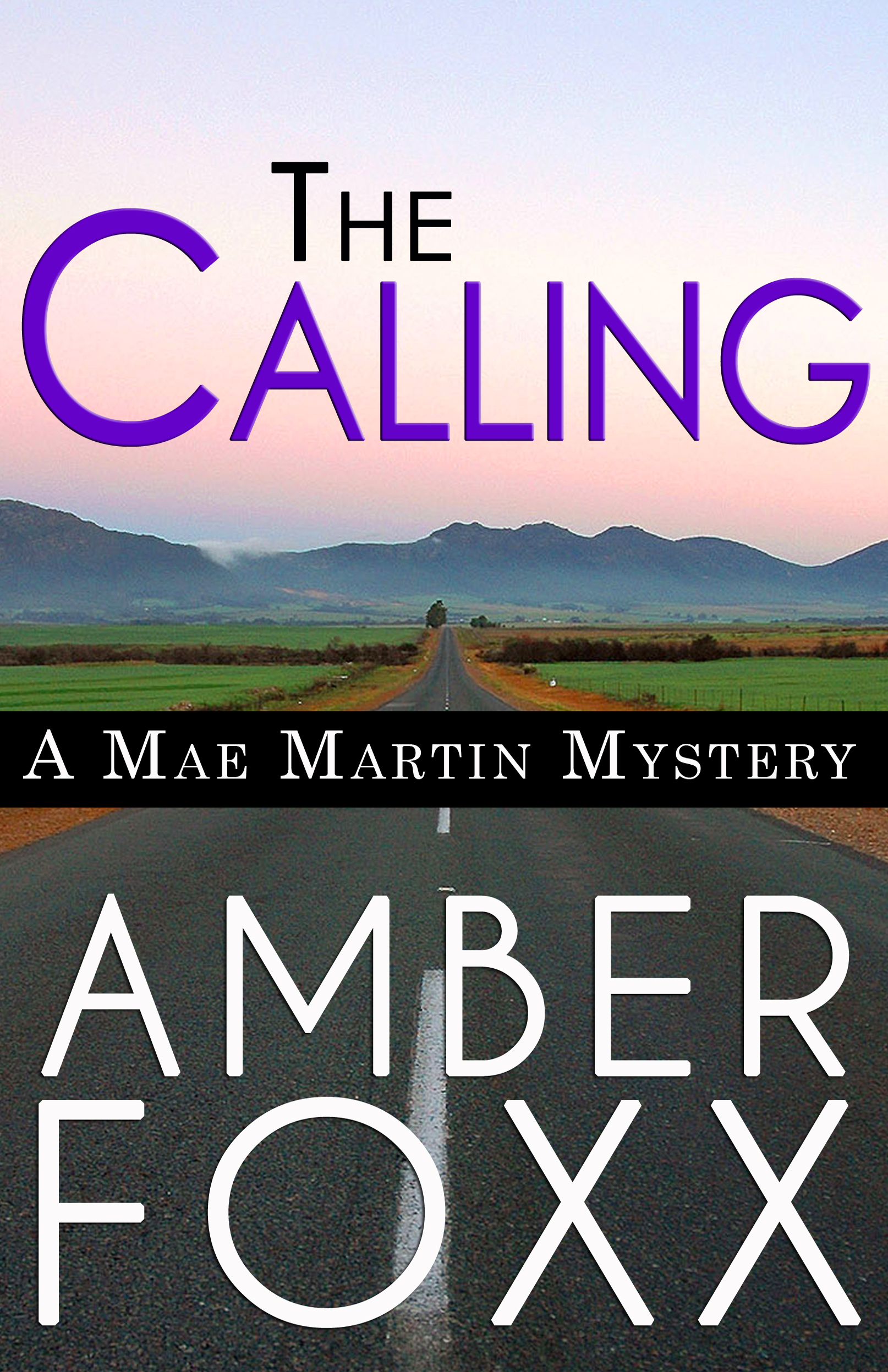
The Calling, my first book, had been chapter-by-chapter critiqued with a prior partner when Jordaina joined the group, so it’s the only one of my works she ever received in a fairly polished state. For all the others, she’s been the first reader, the person I trust with my possibly off-key experiments in plotting. I appreciate her attention to emotional and psychological detail. She notices what rings true or doesn’t and what needs clarification. And she comments on what she likes as well as what needs improvement. What writer wouldn’t like to know what pops into a reader’s mind?
I found my other indispensable critique partner, Janet Simpson, when I needed someone to read a completed draft of Shaman’s Blues. After processing Jordaina’s chapter-by-chapter feedback, I needed another perspective on the whole book. Janet turned out to be great at noticing the phrases and sentence structures I overused as well as looking at the big picture of the plot and the characters. I added her to my permanent team. A valuable critique partner tactfully but honestly tells you when something doesn’t work. Her feedback on my latest book, Ghost Sickness, motivated me to give a major subplot an overhaul.
When Janet needed an additional critique partner last year, I introduced her to Jordaina, and we are now a kind of circle. We are genuine fans of each other’s work. I think this is essential for writers working together long-term. In the formal group, which was dedicated to paranormal mysteries, there sometimes were members who wrote varieties of the genre such as vampire fiction or YA that didn’t appeal to me. No matter how well-crafted these chapters were, it made my commitment to weekly critiques more of a job than a labor of love. My offbeat variation on the mystery genre—no murders—isn’t everybody’s cup of tea, either. Jordaina’s and Janet’s humorous mysteries delight me. Both make me laugh. This isn’t a chore. It’s a pleasure.
We don’t have a schedule. Each of us sends what we need critiqued—a full manuscript or a chapter or a revised section or two—when it’s ready. Sometimes one of us has a deadline, sometimes not. It works, like a healthy relationship, with balanced give and take. No rules needed.
Jordaina
Personally, I think the biggest hurdle any writer has to overcome (ever!) is the fear of showing someone their work. Whatever state it’s in, whether that be the poorly punctuated first draft that doesn’t really make total sense (I’m allergic to commas – just ask Amber, she’ll tell you!) or the most polished and shiny draft you have in you (what Amber normally sends me under the ridiculous heading of “work in progress”).
It doesn’t matter though, because whatever I send Amber, I feel safe that she won’t judge (except for my lack of comma usage – I know she tuts over that) and that she’s committed to helping me make my story as compelling as I possibly can make it.
My first book, Beyond Dead, looks very different now from the first draft Amber critiqued, and many of the larger changes in the book came from her critiques. And that’s one of the best things about critique partners – they don’t just tell you about typos and plot holes, they give you options of how to fix them. Or, at least, the best ones do. And, with Amber and Janet, I’m lucky to have two of the best.
I have a few friends who are just starting out on the first drafts of their very first novels, and I keep telling them they need to start looking for critique partners now because finding a partner that you trust is more difficult than finding a husband (not that I’m particularly looking for a husband). And anyway, I think I’d rather have a great critique partner.
Note: Some commas in Jordaina’s section come courtesy of Amber.
Janet
I have been around a bit. I was a good time girl looking for a permanent partner, flitting from critique relationship to critique relationship, never quite finding my perfect fit. And then I found Amber. The first book in my series had been published when we bumped into each other online at Sisters in Crime and we’ve never looked back.
When Amber told me the genre she wrote, I wasn’t sure it was going to be my cup of tea but once I started reading I was hooked. For me, her plots are secondary; it’s all about her characters, and if she takes them in a direction that doesn’t work for me, then I am happy to tell her that her characters are wandering off.
What do I get in return, other than a free read of her books well before the general public get a look in? Commas. Sad but true. I have no idea where commas go either. I go from sprinkling them liberally, like confetti at a wedding, to leaving them out altogether. However, Amber is good for more than a smack upside the head in regards to the proper use of punctuation.
I’ve got a confession to make. Don’t tell anyone, but I used to write romance, and sometimes I get carried away and forget that my Daisy Dunlop books are mysteries. There is a hint of, will they, won’t they, between my two main characters and when I wandered too far down the will they path in my last book, Lost Property, Amber dragged me back on track. A couple of other people who read the first draft loved the move towards a less platonic relationship and the drama of a cliff-hanger ending, but Amber didn’t think it worked. I trust her when it comes to my books, no matter how many other people cheered me on to keep going with what I had. If Amber says don’t do it, then a major rewrite is required. Was she right? Well, the positive reviews the book is getting would indicate that I made the right decision to trust her judgement.
Honest critique relationships take time to build. Some people don’t want the truth; they just want a pat on the head. Other people don’t want to tell you the truth; they just want to tear you down to build themselves up. Amber has never been anything other than honest and open, and I can’t imagine writing a book without her input. Not only Amber’s but Jordaina’s as well. Together they give my books the polish—and commas—they need. Thanks ladies! X
Another note: Amber may have removed some of the commas in Janet’s section to punctuate Jordaina’s.
*****
*Although this post is about reciprocal critique partnering, I’m equally grateful to my beta readers who have helped me polish my work after my critique partners have worked with me through its early stages. Among them are Claire Murray, who saw why I needed to restore the original ending of Soul Loss, Heather Stetler, who has an attentive eye for the subtle details, and Kate Collier, who knows where to cut.
If you want to explore this topic further, a recent post on Maine Crime Writers, one of my favorite writing blogs, was about beta readers.
http://mainecrimewriters.com/brendas-posts/beta-love



 Ladies of Mystery
You must be logged in to post a comment.